
Therapists’ area
Our vaginal probes
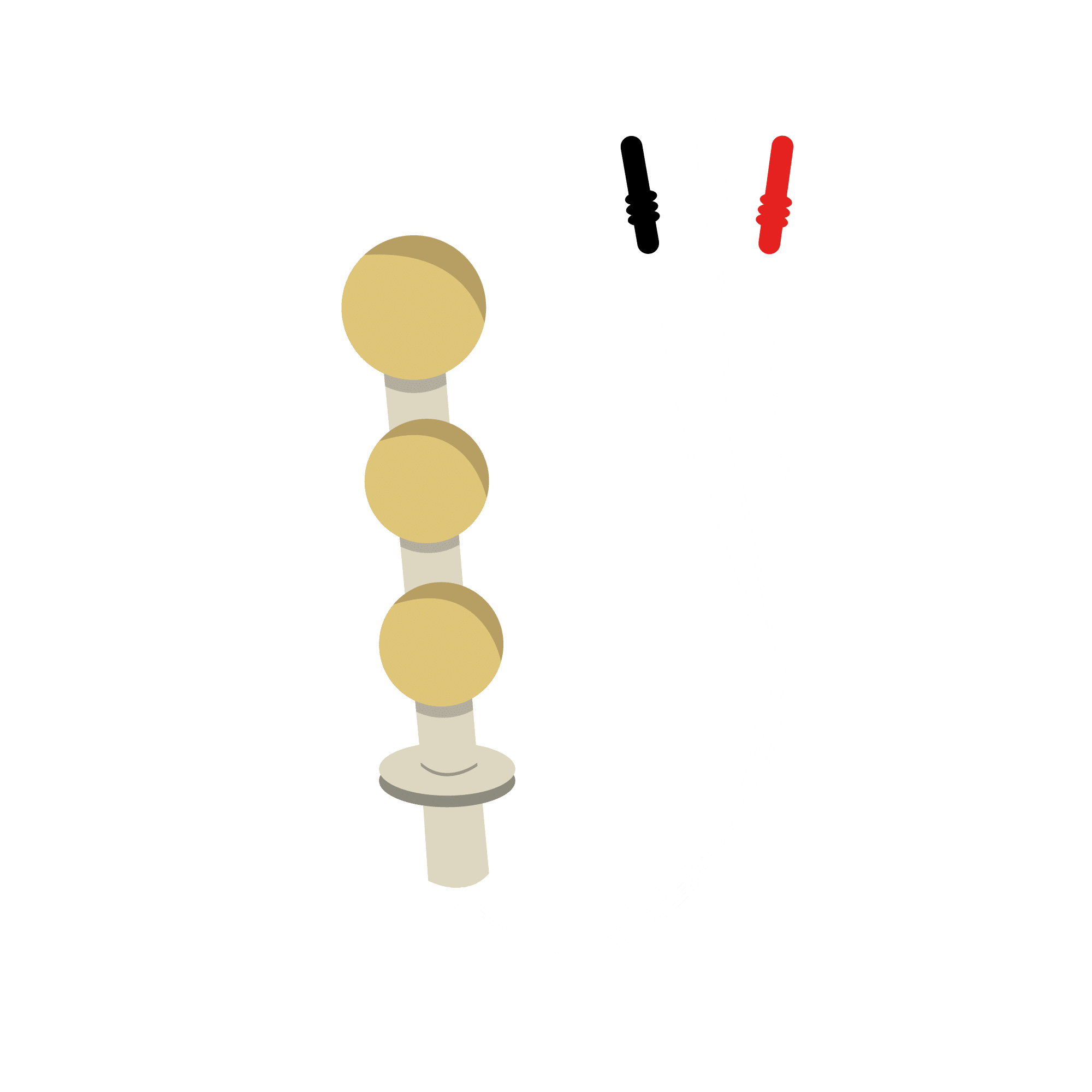
Our vaginal probes for perineal rehabilitation are designed for the treatment of urinary incontinence, pelvic floor strengthening, and postpartum rehabilitation. Used with a stimulator, they effectively target the perineal muscles.
Our anal probes
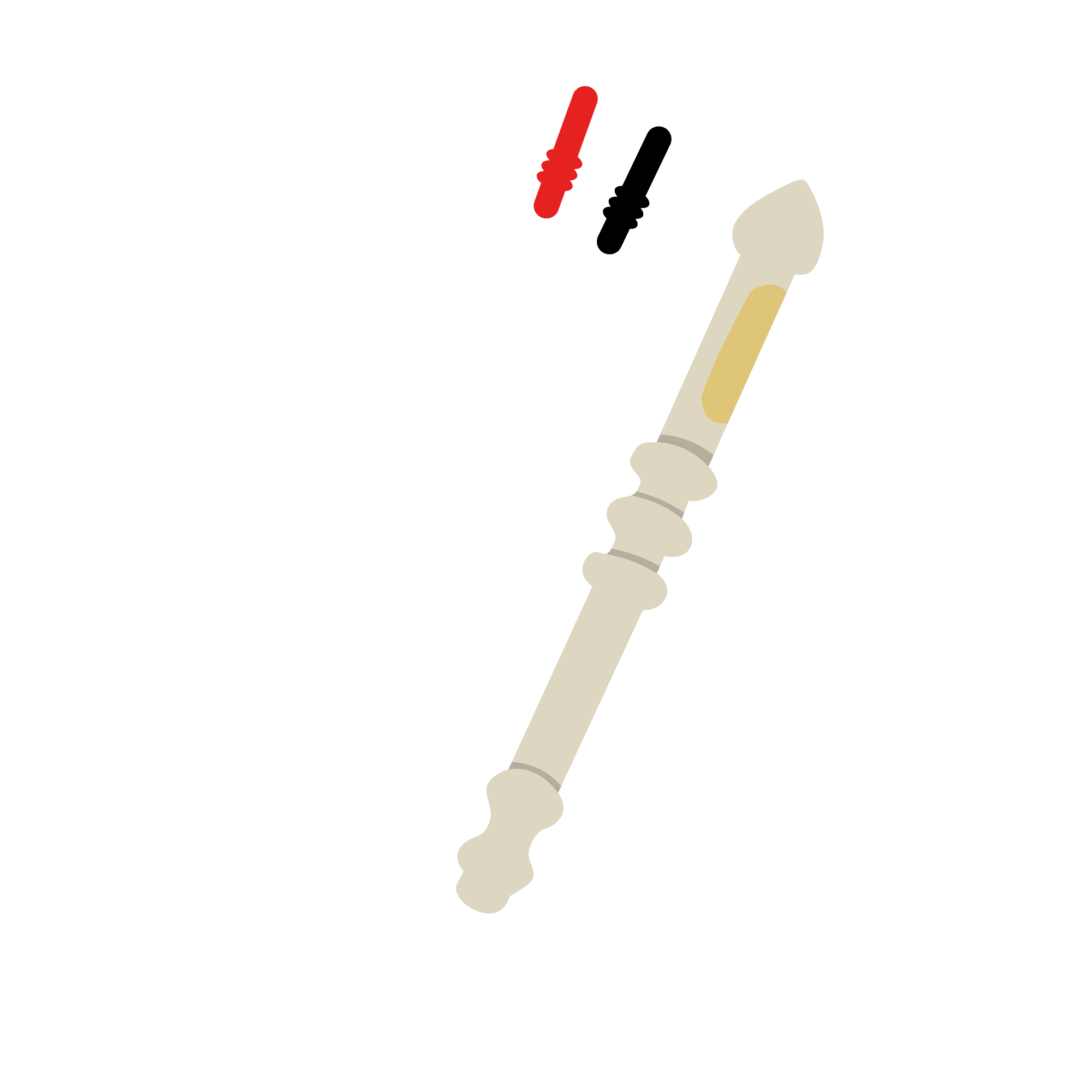
Anal probes are recommended for male and female perineal rehabilitation, particularly in cases of anal incontinence or after prostate surgery. They enable precise muscle work thanks to electrostimulation.
Our stimulators
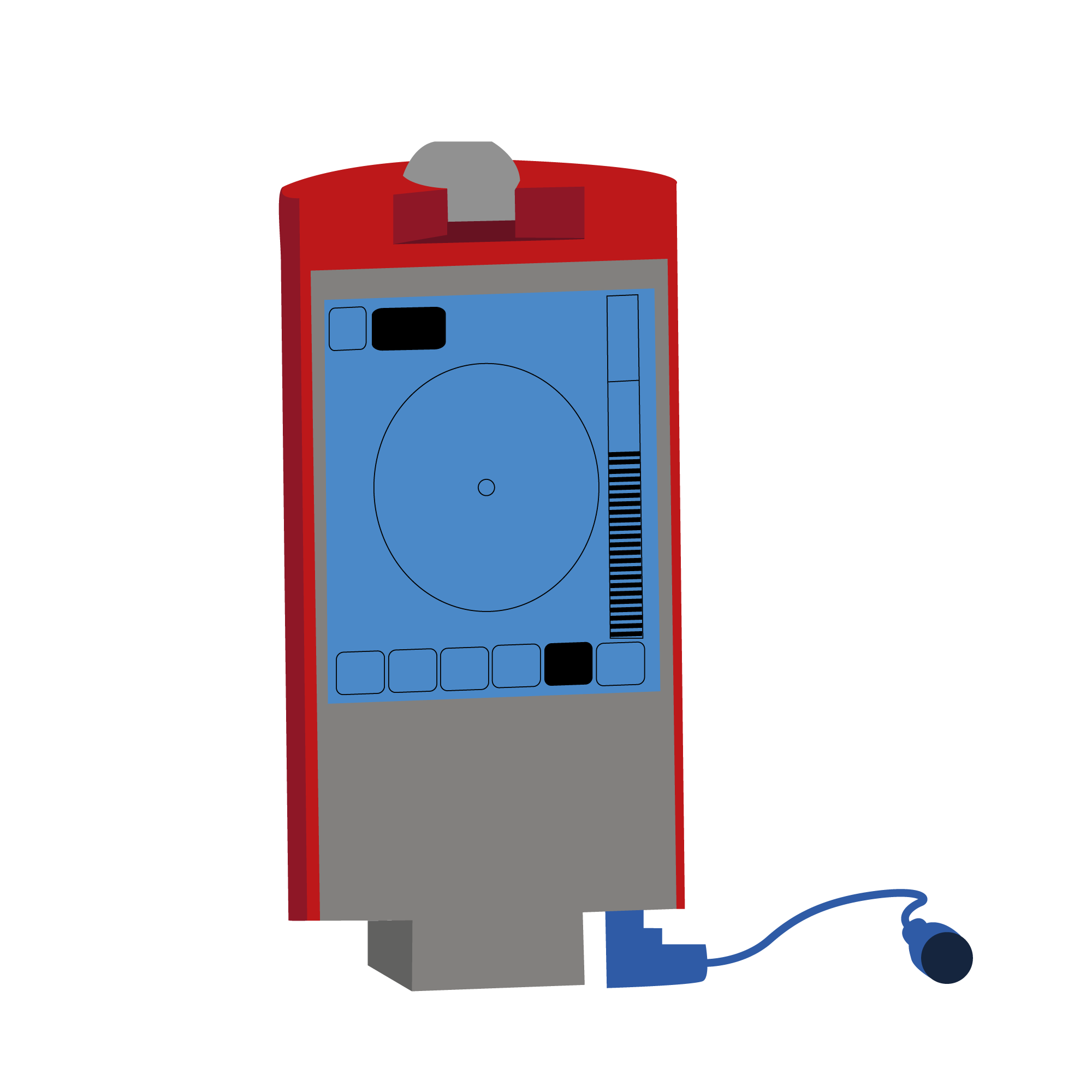
Our electrostimulation devices are designed to support rehabilitation at home or in the clinic. They help strengthen the pelvic floor and improve urinary control. They are compatible with our vaginal and anal probes, and with most self-adhesive electrodes on the market.
Our pessaries

Pessaries are medical devices used to support pelvic organs in cases of prolapse (descent of organs). They are a non-surgical solution that improves everyday comfort and can be prescribed by a healthcare professional. They come in different shapes and sizes.
Ordering options
Order for the office
Benefits
Demonstration: Showing the probe to the patient before rehabilitation begins helps them better understand how it works, become familiar with the device, and approach treatment with greater confidence.
Cost reduction: Some probes can be used with specific accessories that allow them to be used by multiple patients. This solution helps optimize costs while ensuring that their use remains appropriate for the therapeutic setting.
Disadvantages
Reimbursement *in France: If the invoice is issued in the clinic’s name, the patient will not be able to submit a claim for reimbursement for the catheter to the health insurance provider.
Variety: The perineal probes available on the market come in different shapes and are intended for different uses, with each designed to target a specific area of the perineum. It can therefore be difficult and costly for a practice to stock all models.
Commande pour le patient
Benefits
Error: By ordering the probe for your patient, you can be sure that you’ll be able to start rehabilitation with the right device right away.
Reimbursement *in France: You can place an order on behalf of your patient and have it delivered directly to your office. By selecting the option to receive a treatment form and sending us the patient’s prescription via email in advance, the patient will be able to submit a reimbursement claim to Medicare.
Disadvantages
Variety: The perineal probes currently available come in a variety of shapes and are designed for different purposes, with each one targeting a specific part of the perineum. It is therefore difficult and costly for a practice to stock all available models.
Which probe shoulde be prescribed?
The choice of probe depends primarily on the therapeutic indication and the patient’s anatomy. Perineal probes allow for the training of the pelvic floor muscles through biofeedback or electrical stimulation.
Vaginal rehabilitation
It is particularly effective for treating:
⇒ stress or urge urinary incontinence
⇒ postpartum rehabilitation
⇒ pelvic floor dysfunction
⇒ prevention or strengthening of the pelvic floor
Its shape is designed to adapt to the vaginal anatomy and promote stable positioning during rehabilitation sessions.
SUGAR offers several models of perineal probes to best meet therapeutic needs.
Our range includes:
- catheters of various sizes
- different anatomical shapes
- catheters adapted to various types of rehabilitation
This variety helps improve patient comfort, treatment tolerance, and the effectiveness of rehabilitation.
Anal Rehabilitation
The anal probe is indicated for patients requiring rectal rehabilitation. It can be prescribed for both men and women.
It is generally used in the following cases:
⇒ anal incontinence
⇒ male perineal rehabilitation
⇒ rehabilitation following pelvic or prostate surgery
⇒ pelvic floor disorders requiring a rectal approach
Its design allows for targeted stimulation of the pelvic floor muscles via the rectal route.
SUGAR offers several models of perineal probes to best meet therapeutic needs.
Our range includes, in particular:
- different probe sizes
- different anatomical shapes
- probes adapted to various types of rehabilitation
This diversity helps improve patient comfort, treatment tolerance, and the effectiveness of rehabilitation.
Need help with your prescription?
If you have any questions about which probe to prescribe, our team is here to help.
You can contact our technical sales representative at the email address: ugo.dg@sugar-international.com, who can help you:
⇒ identify the device best suited for your patient
⇒ choose the size or model of the catheter
⇒ answer your questions about using the devices
Please feel free to contact us to take advantage of this support.
Reimbursement for perineal probes *in France
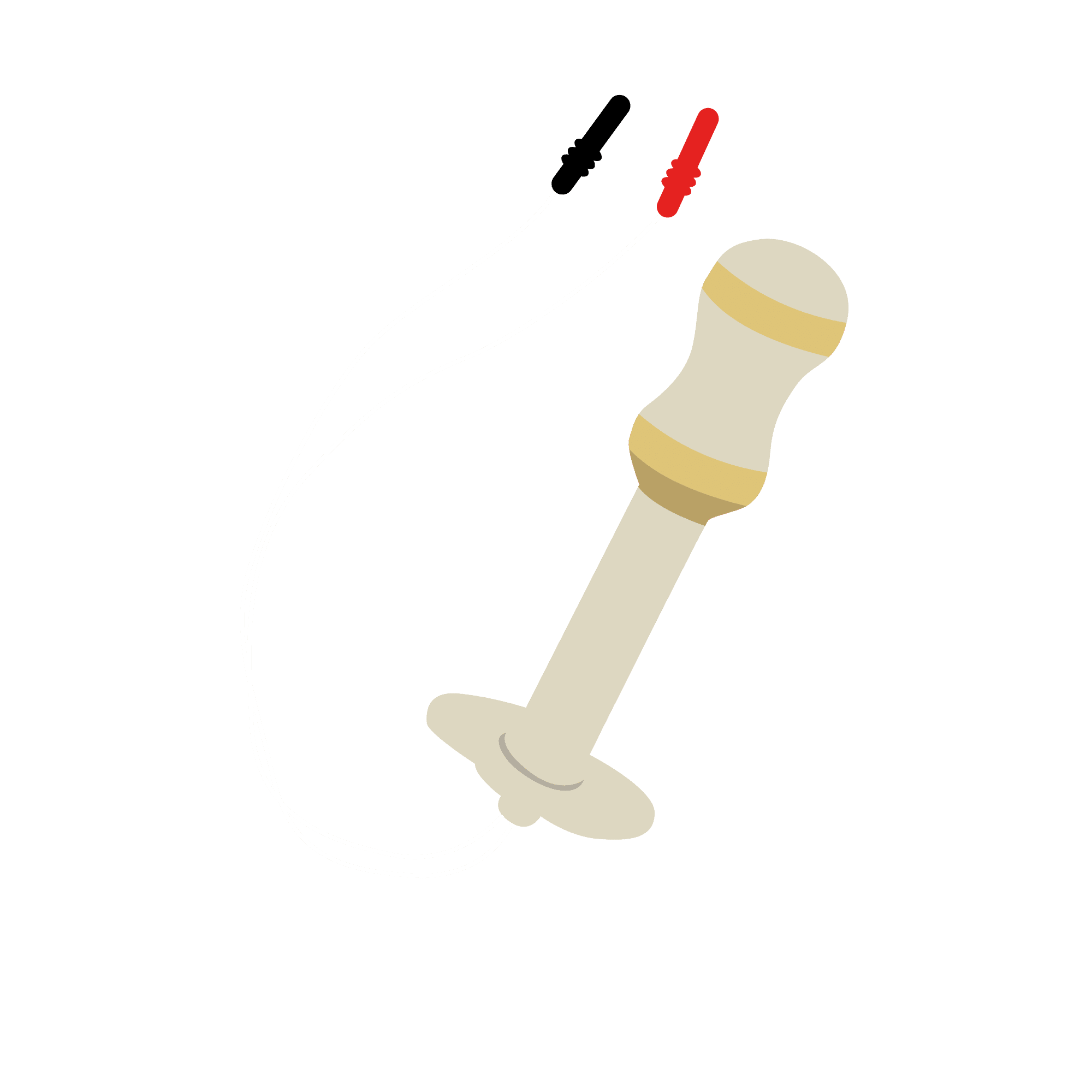
In order for Health Insurance to cover a perineal probe (whether vaginal or anal), the following is required:
-
have a medical prescription indicating the need for the device,
-
that the probe is approved by the Health Insurance system (it appears on the list of reimbursable products called LPPR) .
Reimbursement basis
-
The perineal probe is reimbursed on an annual basis up to a maximum of €25.92.
-
The French national health insurance system reimburses 60% of this amount, or approximately €15.55.
-
The remaining 40% (approximately €10.36) may be covered by your health insurance, depending on your policy.
Reimbursement for devices *in France
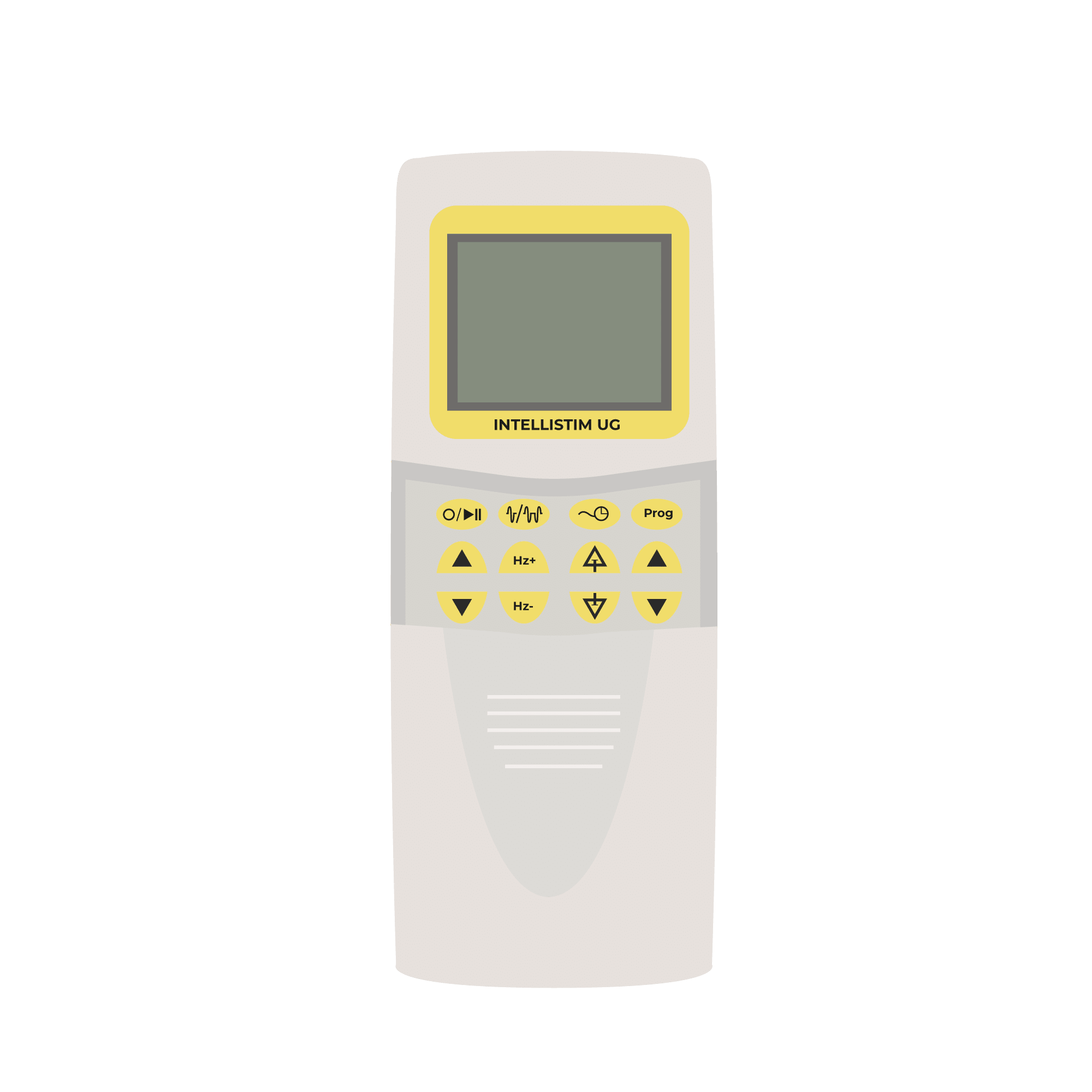
A stimulator (electrostimulation device for perineal rehabilitation) may also be covered if it is prescribed by a healthcare professional and approved by the French national health insurance system (Assurance Maladie).
Reimbursement basis
- The maximum reimbursement amount for a perineal stimulator is €304.90.
- The French national health insurance system reimburses 60% of the base amount, up to €182.94 (if the price of the device is at least equal to the base price).
- The remaining 40% may be reimbursed by your supplementary health insurance, depending on your policy.
Why is perineal rehabilitation important for men?
What is pelvic imbalance?

How does a perineal probe work?

What is perineal rehabilitation?
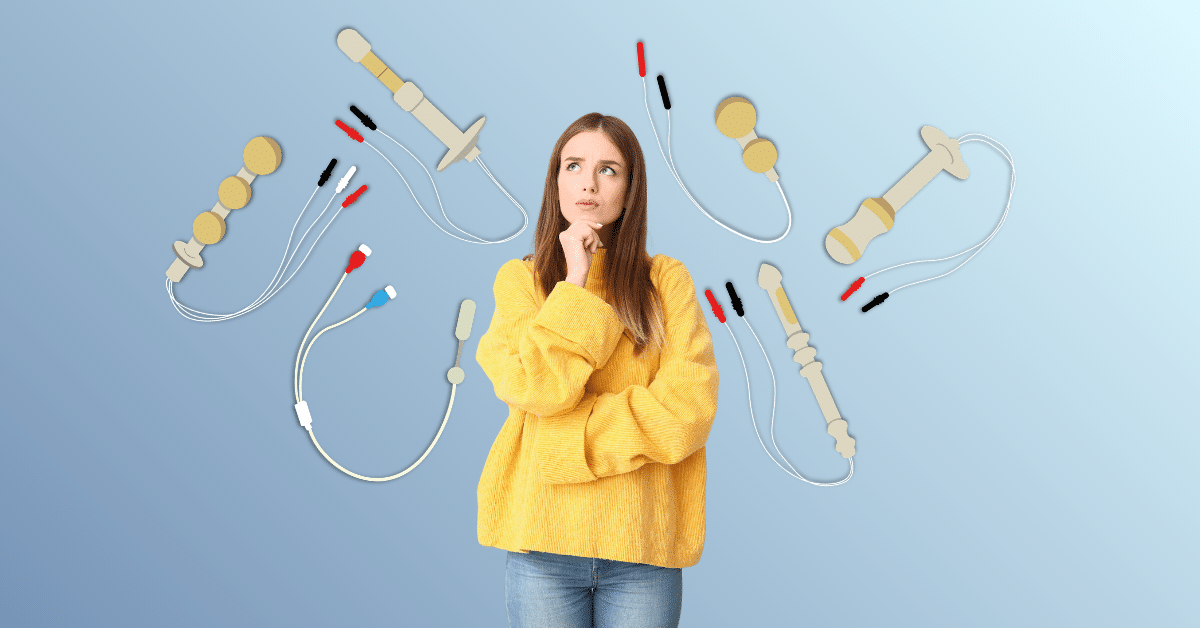
Perineal probe: how to choose the right model for effective rehabilitation?

Are perineal probes covered by health insurance?
Weak pelvic floor: causes, symptoms, and solutions

Stability and pelvic floor: are you making a mistake without realizing it?
Is core training good for the perineum? Learn about common mistakes, risks to the pelvic floor, and how to protect your perineum during exercise.
How do I know if I need perineal rehabilitation?
Prolapse and urinary incontinence: what non-surgical solutions exist in 2026?
Genital prolapse and urinary incontinence: non-surgical solutions, pessaries, pelvic rehabilitation, medical care and current recommendations.

