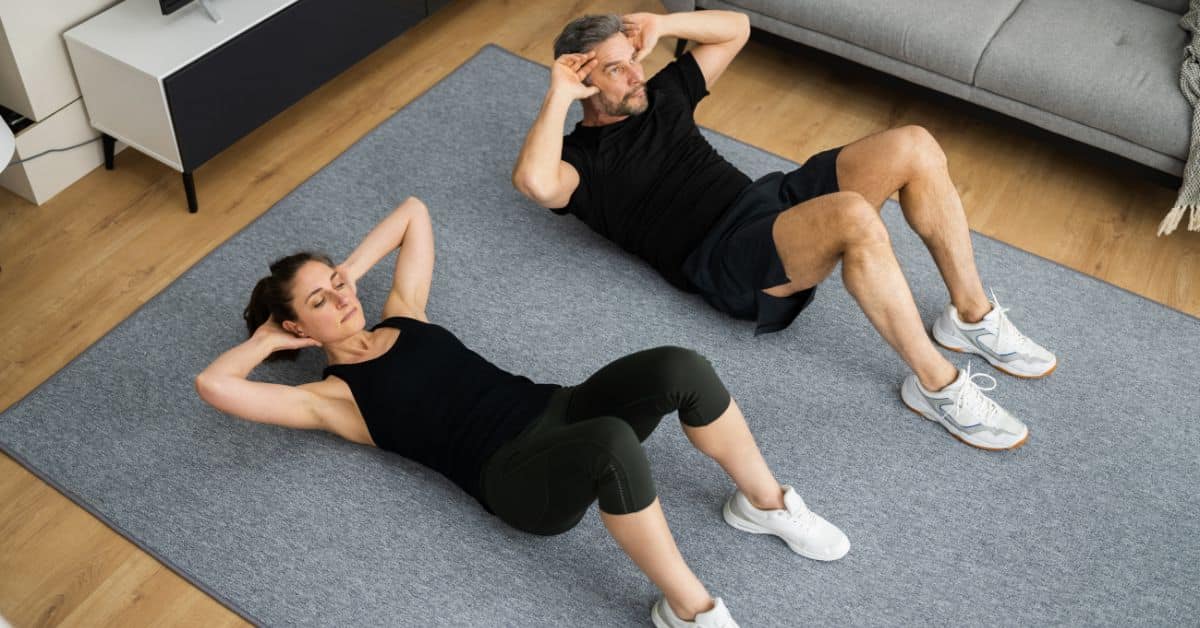
Weak pelvic floor: causes, symptoms, and solutions
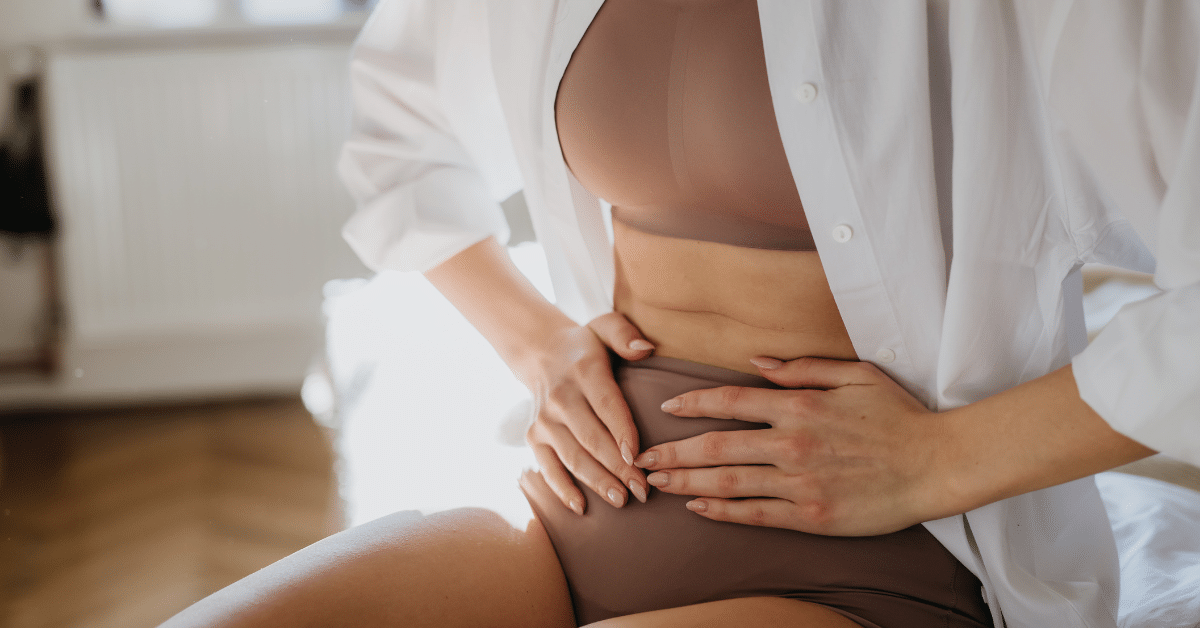
Weak Pelvic Floor: Causes, Symptoms, and Solutions
When the Body Can No Longer Provide Support
What is a “weak” pelvic floor?
The perineum is a group of muscles that support:
⇒ the bladder
⇒ the uterus in women
⇒ the rectum
⇒ and help support the pelvic organs.
When these muscles become weakened or poorly coordinated, this is referred to as pelvic floor weakness.
This weakness may be due to a lack of muscle tone and/or poor neurological activation, meaning that the muscles do not contract at the right time or with sufficient intensity.
The most common causes
According to medical literature and health recommendations, several situations can weaken the perineum:
_
1. Pregnancy and childbirth
Pregnancy, and especially vaginal childbirth, can stretch or damage the pelvic muscles, leading to a loss of tone or coordination.
_
2. Hormonal changes
Menopause or hormonal fluctuations affect tissue elasticity and muscle tone.
_
3. Pelvic or urinary surgeries
Certain procedures (including prostatectomy in men) can weaken pelvic floor control.
_
4. High-impact sports and repetitive pressure
Running, CrossFit, trampoline, or activities that increase abdominal pressure can strain the pelvic floor.
_
5. Chronic constipation or repeated straining
Repeated straining can stretch the pelvic muscles and reduce their tone.
_
Note: Everyone is different: these are not “absolute rules.” There remains some uncertainty regarding the precise combination of factors for each individual.
How can you tell if you have weak pelvic floor muscles?
Weakness does not always manifest as a single symptom. Here are the most common signs:
_
1. Urinary leakage
Mild or moderate, especially when coughing, laughing, or exercising.
_
2. Feeling of heaviness or pelvic pressure
Especially at the end of the day.
_
3. Difficulty holding in gas or stool
Weak sphincter or impaired muscle coordination.
_
4. Discomfort during sexual intercourse
Being too relaxed or too tense can lead to reduced sensation or discomfort.
_
5. Chronic pelvic pain
Often related to muscle imbalances.
Practical solutions and recommendations
An accurate diagnosis always begins with a consultation with a medical specialist (physician, gynecologist, urologist, or pelvic physical therapist). Afterward, several approaches have proven effective in relieving symptoms and improving perineal tone.
1. Pelvic floor rehabilitation
Pelvic floor rehabilitation is the strategy most recommended by healthcare professionals for:
- strengthening the pelvic muscles,
- improving neuromuscular coordination,
- reducing urinary or pelvic symptoms.
Clinical reviews and guidelines suggest that rehabilitation may be more effective than no treatment, particularly for incontinence symptoms.
Rehabilitation is generally performed with a trained professional, in a progressive and personalized manner.
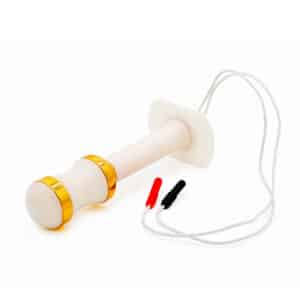
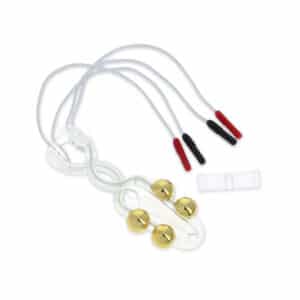
2. Medical devices (probes, biofeedback)
In some cases, the addition of medical devices such as biofeedback or electrostimulation probes can:
help you better sense and activate your muscles,
provide visual feedback on contractions,
accelerate progress when muscle awareness is low.
These devices must be prescribed and supervised by a healthcare professional to ensure safe and effective use.
3. Lifestyle and Posture
Although it is not a one-size-fits-all solution, better posture, proper breathing techniques, and the strength of the deep muscles (transverse abdominis, diaphragm) contribute to a more functional pelvic floor.
What about the financial aspect?
In the short term, some people may think that absorbent products (diapers, panty liners, pads) are simpler and less expensive than rehabilitation sessions or medical devices.
But this view is often misleading:
♦ Perineal rehabilitation sessions are mostly covered by Medicare when prescribed by a healthcare professional (physical therapist, doctor, midwife).
♦ Additionally, certain prescribed medical devices may also be covered.
Over time, a restorative and structured approach (rehab + professional support) is often more effective, comfortable, and cost-effective than relying solely on pads.
At Sugar, we believe that investing in comprehensive perineal care—rather than simply managing the consequences—truly improves quality of life.
When should you see a professional?
If you have any concerns, persistent symptoms, or daily discomfort, it is essential to consult:
⇒ a specialist (gynecologist, urologist, physical medicine and rehabilitation specialist)
⇒ a physical therapist specializing in pelvic and perineal health
⇒ or a midwife trained in this practice
A comprehensive evaluation will allow you to:
→ assess muscle strength,
→ develop a rehabilitation plan,
→ determine whether a device is necessary,
→ and improve your functional abilities.
To conclude…
A weakened pelvic floor is neither inevitable nor a matter of age or chance. It is often a subtle signal from your body asking to be heard.
Behind the everyday discomfort, there are now concrete, effective, and accessible solutions—provided you’re willing to talk about it and seek support.
At Sugar, we believe that taking action early—with a healthcare professional and appropriate care—not only relieves symptoms but, above all, helps you regain confidence, comfort, and freedom of movement.
What if that first step were simply to ask for advice?

3AT2B®
25,00 € Excl. tax-
EVOSTIM E®
245,19 € Excl. tax -
OPTIMA 3®
22,50 € Excl. tax -
AIR STIM®
38,00 € Excl. tax -
INTELLISTIM UG®
245,19 € Excl. tax -
NOVATYS®
22,50 € Excl. tax -
PERISIZE 4®
22,50 € Excl. tax



Frequently Asked Questions
Check out the questions most frequently asked by users.
Can you strengthen a weak pelvic floor on your own?
Yes, some simple exercises can help, but without professional guidance, it’s easy to make technical mistakes and end up being ineffective.
How long does it take to see an improvement?
Depending on the case, a few weeks to a few months of structured rehabilitation are often necessary to see significant improvement.
Can men also have a weak pelvic floor?
Yes. The male perineum is also prone to weakness, particularly after prostate surgery, among athletes who participate in high-impact sports, or as men age.
Can you exercise if you have a weak pelvic floor?
Yes, but certain high-impact sports can worsen symptoms if the pelvic floor isn’t properly engaged. A personalized plan helps you get back to sports without pain or leakage.
Check out our blog

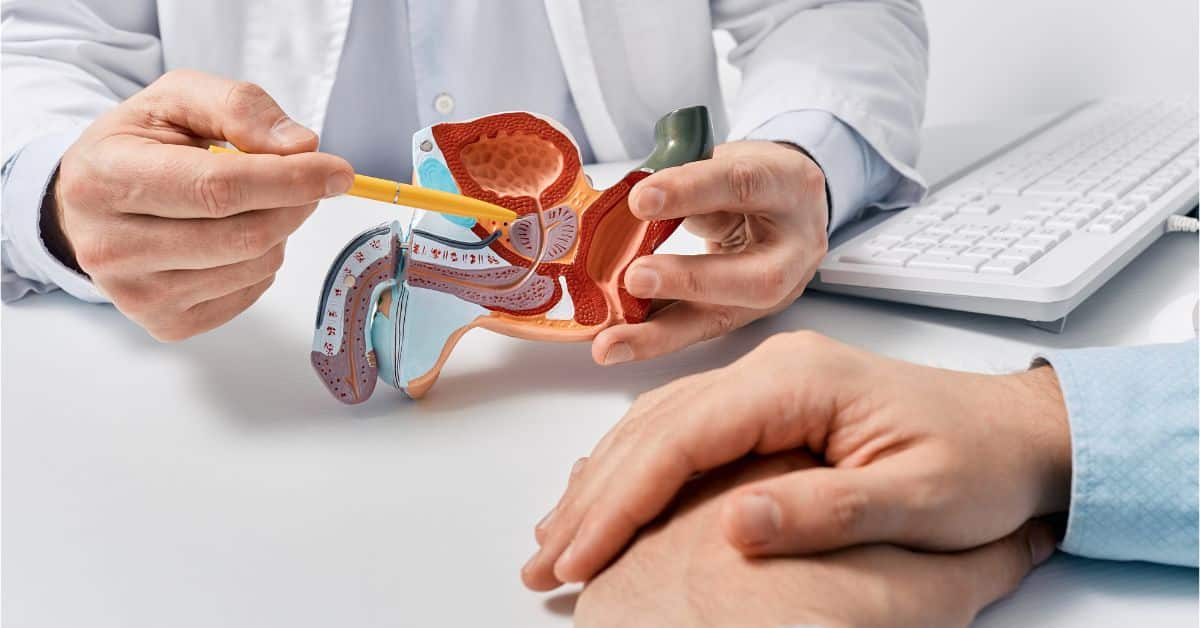
Urinary Incontinence After Prostatectomy: Perineal Rehabilitation
After prostate surgery, urinary incontinence is common but often temporary. Learn about the key role of pelvic floor rehabilitation.

Breast Cancer and Intimacy: Dryness, Incontinence, Solutions
Pink October: Vaginal dryness, urinary incontinence, pain… Breast cancer treatments can affect your intimate health. Causes and solutions.

Lump or discomfort in the vagina: possible causes and when to seek medical attention
Lump or discomfort in the vagina: possible causes and when to see a doctor
Common Misconceptions About the Perineum: 8 Myths You Should Know
Pelvic floor and constipation: Understanding the connection and taking action

The Perineum and Sports: What Activities to Do and How to Protect It
Pelvic Floor and Pregnancy: Rehabilitation Before and After Childbirth
How to Use a Perineal Rehabilitation Probe: Instructions for Use
Insertion, lubrication, connection, precautions, warnings… Learn how to use your perineal rehabilitation probe correctly, step by step and safely.