Urinary incontinence: What effective solutions are available to regain control?
Do you have any leaks?
Here’s what can really make a difference.
Urinary incontinence: What effective solutions are available to regain control?
Urinary incontinence is a topic that is still too often overlooked.
Yet it affects millions of people of all ages.
- Leakage when laughing.
- When running.
- When carrying a heavy load.
At first, it seems harmless. Then it becomes an embarrassment. And sometimes, a daily struggle.
The good news?
Solutions exist. And they’re often simpler than you might think.
Understanding urinary incontinence
Urinary incontinence is the involuntary loss of urine.
It can take various forms:
⇒ Stress incontinence
Occurs during physical exertion: coughing, laughing, exercising, or lifting heavy objects.
⇒ Urge incontinence
A sudden urge that is difficult to hold back.
⇒ Mixed incontinence
A combination of the two.
These conditions can have a significant impact on:
- social life
- participation in sports
- self-confidence
But they are neither inevitable nor a “normal” part of life.
Why does this happen?
Several factors can contribute to incontinence:
→ Weakening of the pelvic floor
→ Pregnancy and childbirth
→ Menopause
→ Surgery (particularly prostate surgery in men)
→ High-impact sports
→ Being overweight
→ Chronic constipation
What do they all have in common?
⇒ Poor control of abdominal pressure and the pelvic floor.
Solutions available today
There are several approaches, which should be tailored to each individual situation.
1. Pelvic floor rehabilitation (the standard treatment)
Pelvic floor rehabilitation is generally the first-line treatment recommended by healthcare professionals.
It helps to:
♦ strengthen the pelvic floor muscles
♦ improve urinary control
♦ reduce or even eliminate leakage
It may include:
• targeted muscle exercises
• breathing exercises
• biofeedback
• electrical stimulation
Numerous studies show that strengthening the pelvic floor significantly improves incontinence symptoms, although results may vary depending on individual profiles and consistency.
2. Home-Based Rehabilitation
After an initial training period, rehabilitation can be continued at home.
This allows you to:
♦ increase consistency
♦ reinforce results
♦ gain independence
Devices such as perineal probes may be used in some cases to facilitate muscle work.
But be careful:
→ improper use can limit effectiveness.
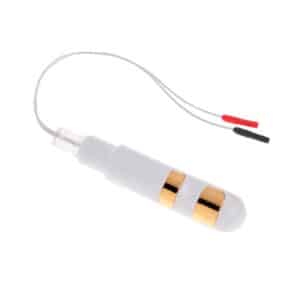
V2B+®
25,00 € HT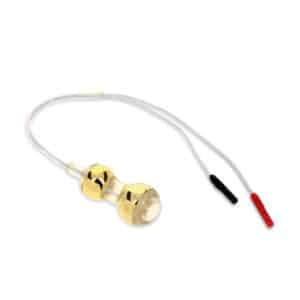
TP2B+ MINIMA®
22,50 € HT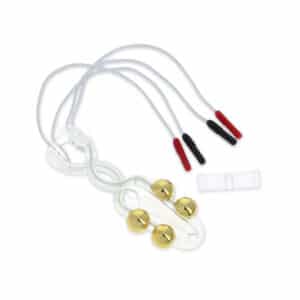
PERISIZE 4®
22,50 € HT
PELVIK L
24,17 € HT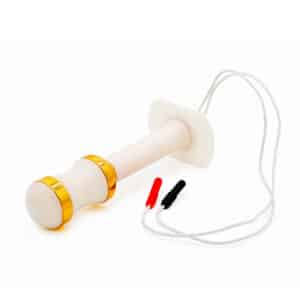
NOVATYS®
22,50 € HT
Devices that can help at home
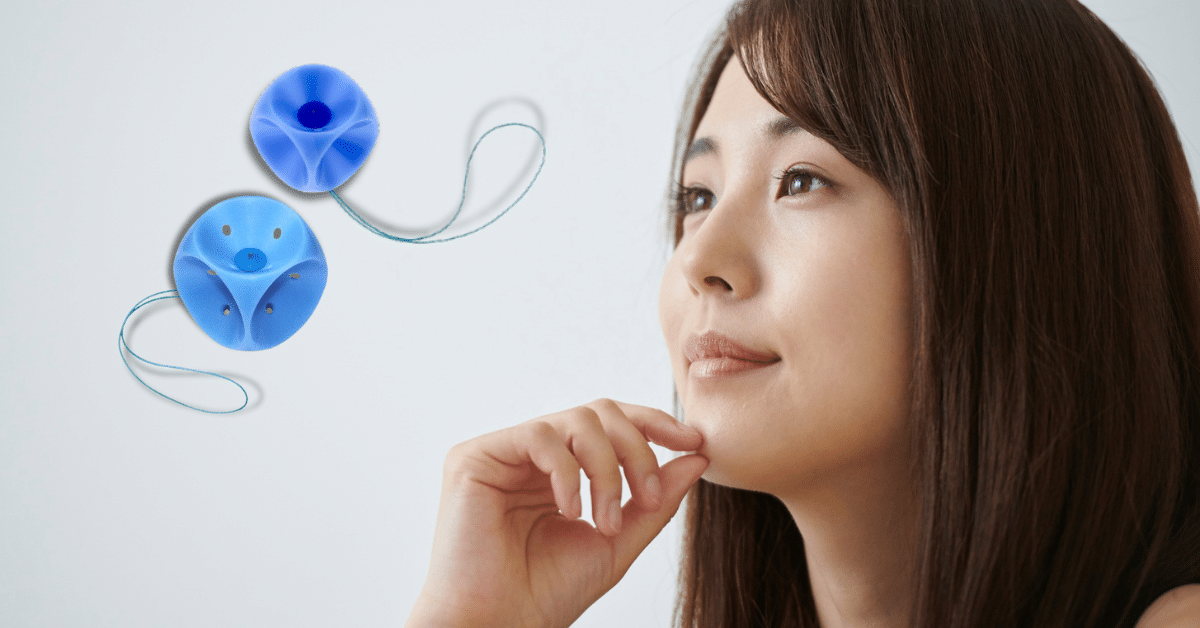
Vaginal probes
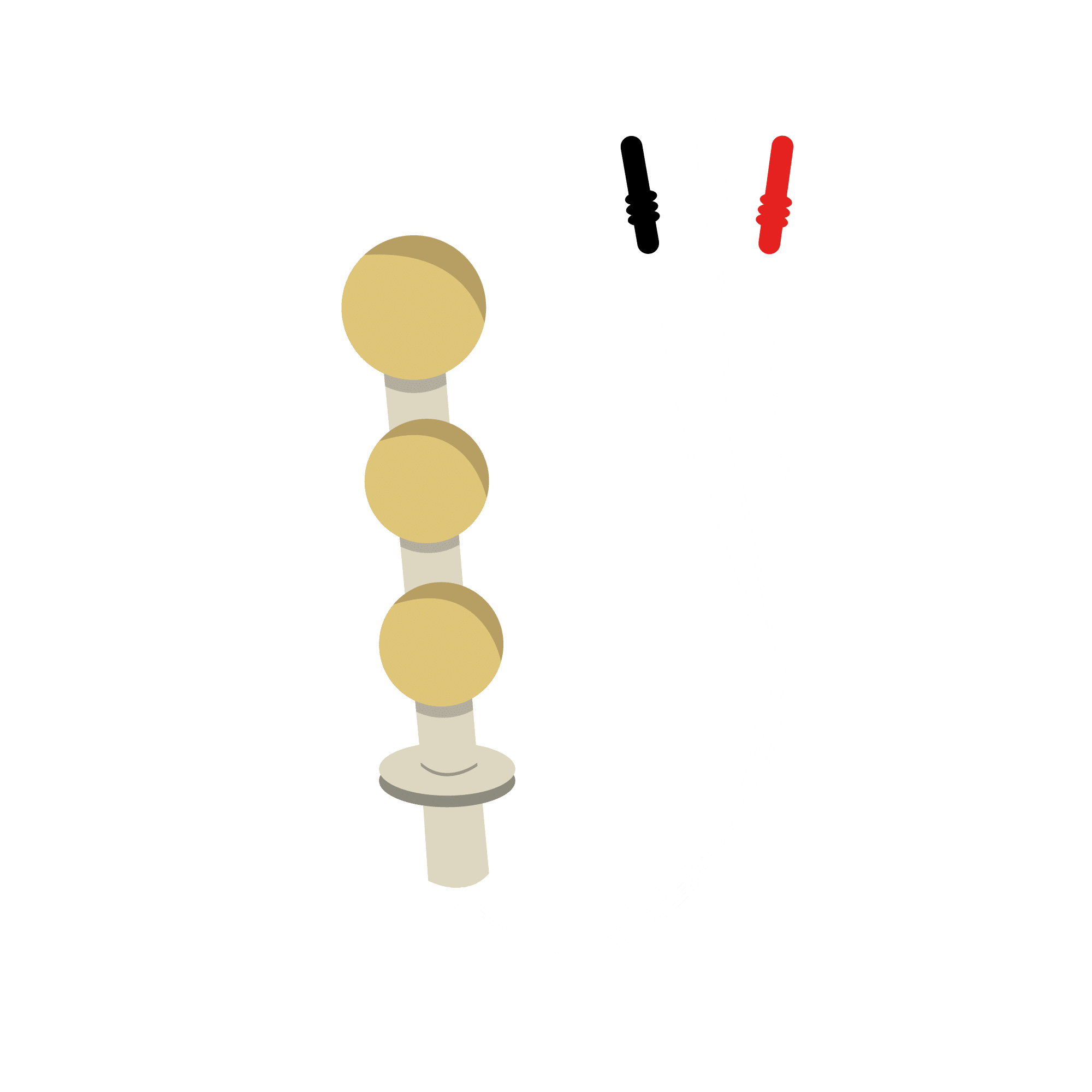
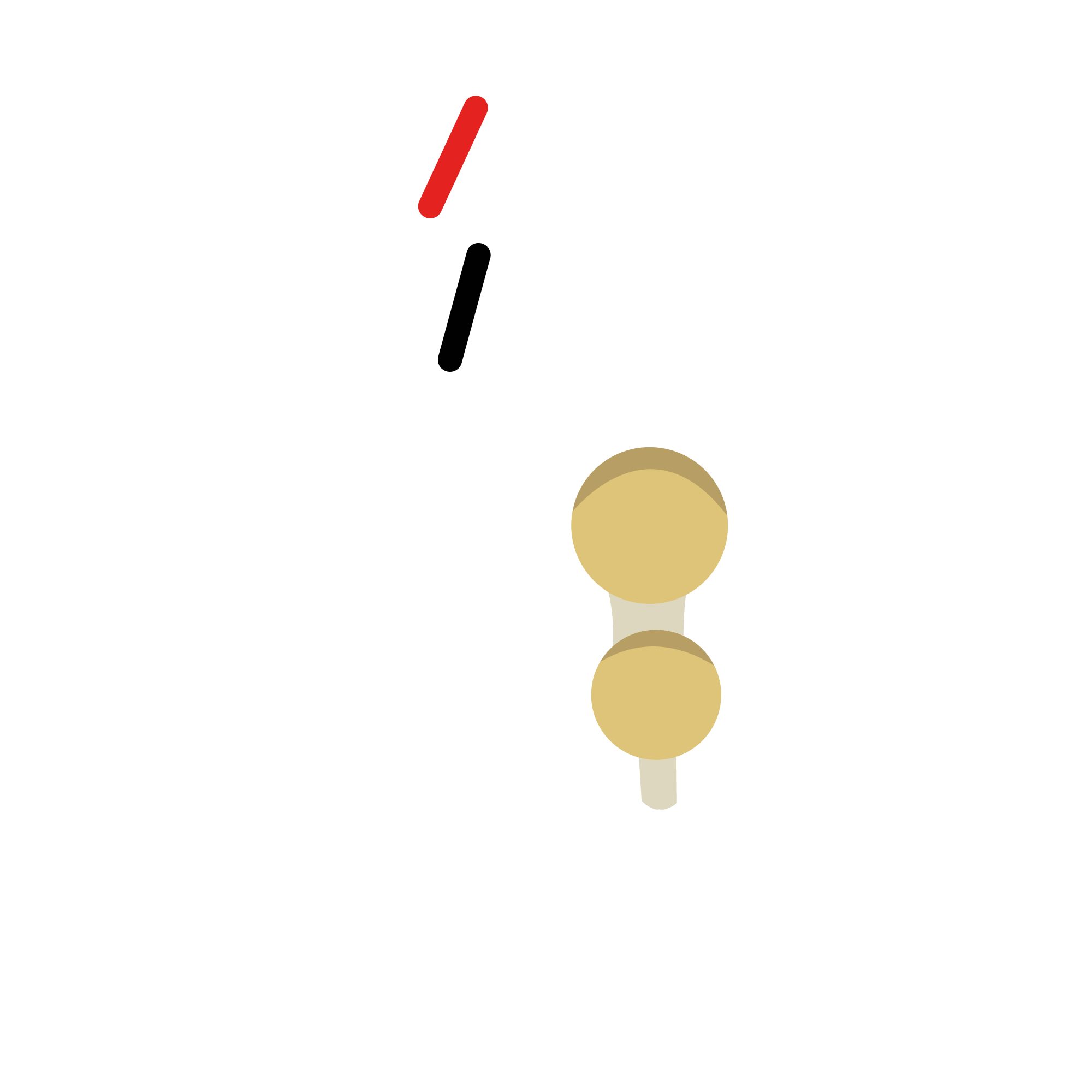
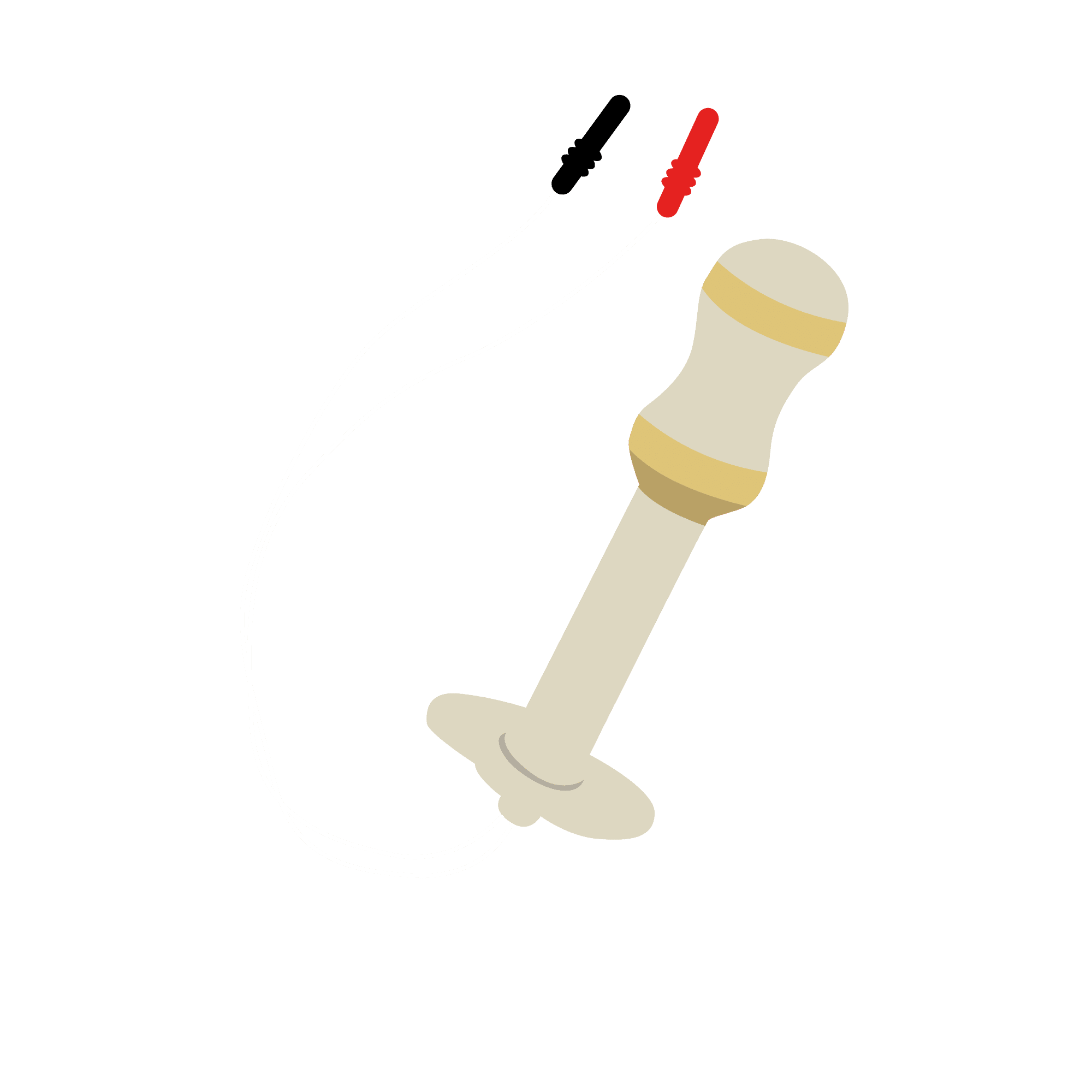
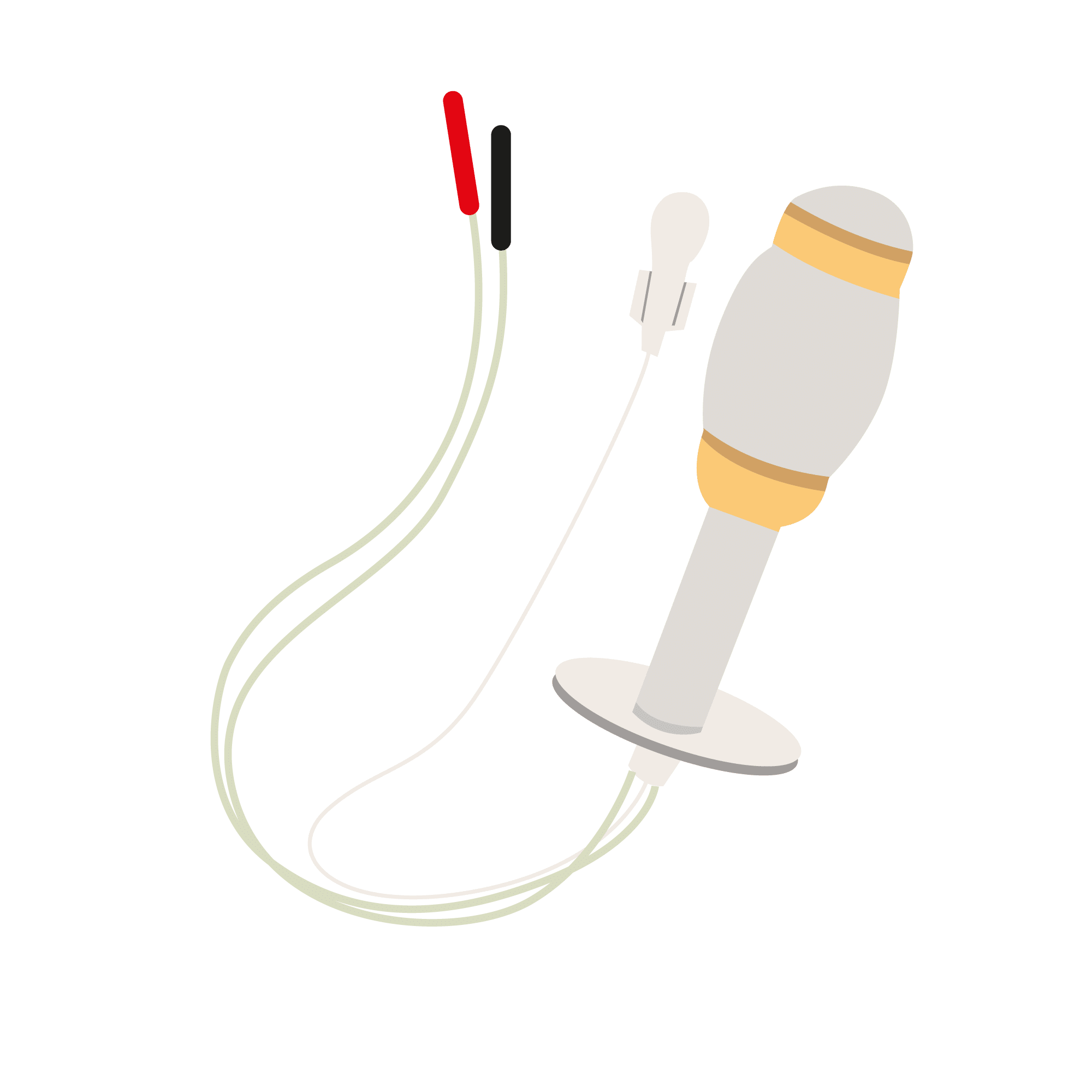
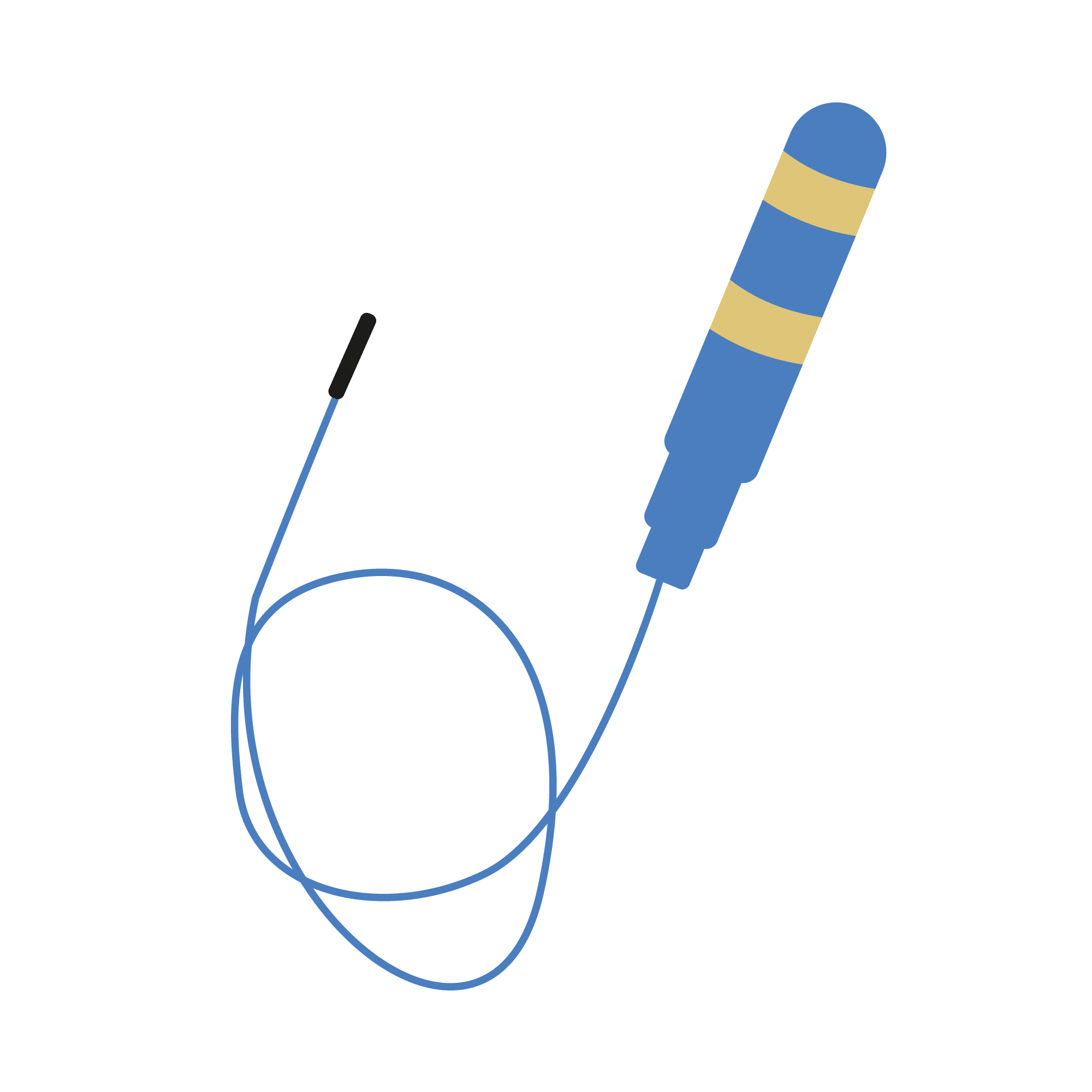
Vaginal probes are used for pelvic floor rehabilitation in women, particularly in cases of urinary incontinence, postpartum recovery, or pelvic muscle weakness. They enable targeted exercises through biofeedback or electrical stimulation.
Anal probes
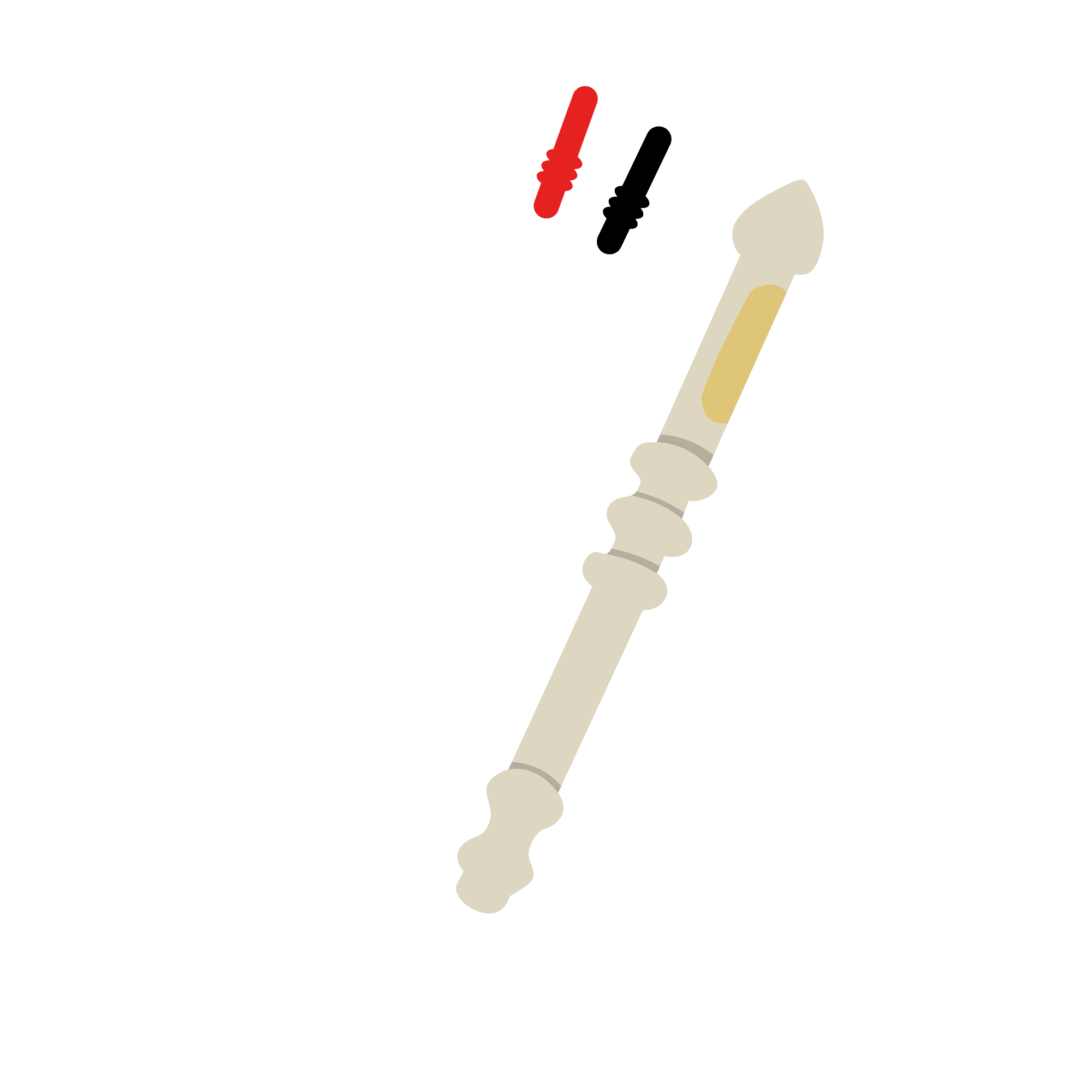
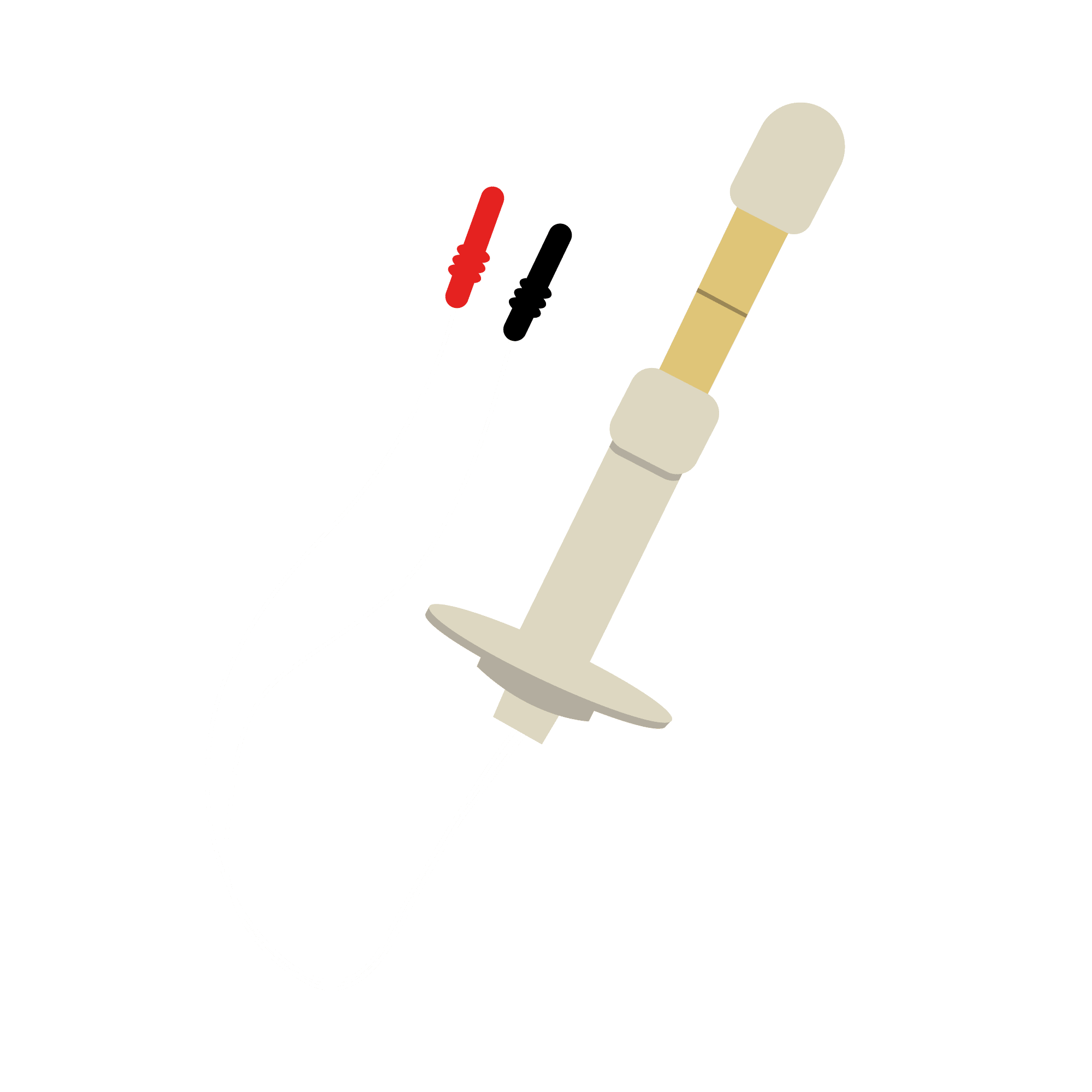
Anal probes are suitable for pelvic floor rehabilitation in both men and women, particularly for treating urinary or fecal incontinence. They offer an effective solution for strengthening the pelvic floor muscles through electrical stimulation.

Electrostimulators
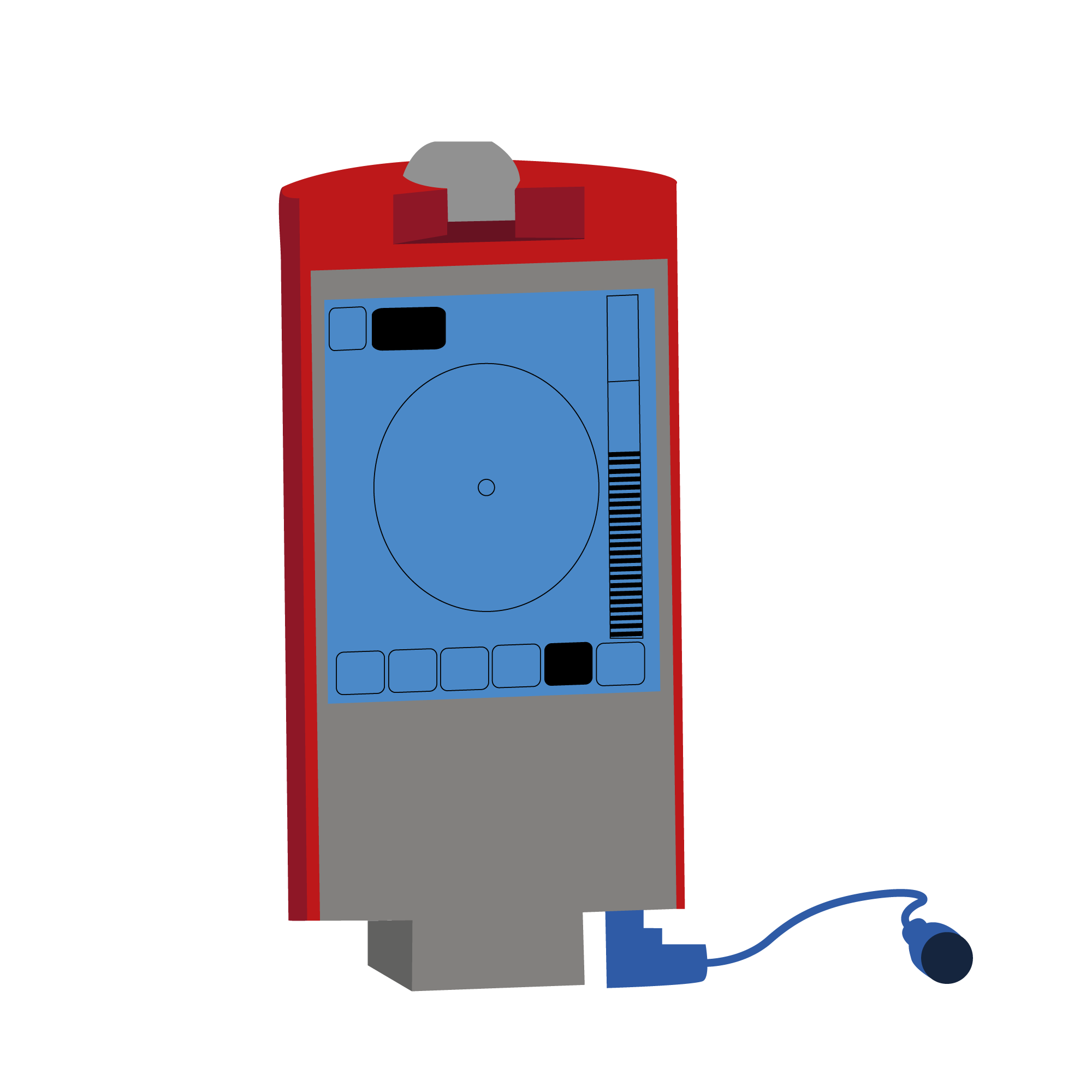
A perineal stimulator is a device that delivers mild electrical impulses to stimulate and strengthen the perineal muscles. It is recommended for use as part of a home rehabilitation program, often in conjunction with medical supervision.

3. Medical Devices
In certain situations, medical devices can complement rehabilitation:
♦ perineal probes
♦ electrical stimulation
♦ biofeedback
♦ pessaries (in cases of associated prolapse)
These tools can help to:
• better sense contractions
• stimulate the muscles
• improve progress
Research continues to precisely evaluate their effectiveness based on patient profiles, but they are widely used in clinical practice.
4. Medication or surgery
In more advanced or specific cases:
♦ certain medications
♦ may be recommended
♦ surgery may be considered
However, these solutions are generally not the first options.
They are used only after conservative treatments have failed.
The financial aspect: a real difference
In the short term, absorbent pads seem to be the simplest solution:
✔ easy to use
✔ affordable
✔ immediate
But they:
⊗ don’t address the underlying cause
⊗ involve ongoing costs
⊗ can affect quality of life
On the other hand:
→ Prescribed pelvic floor rehabilitation is mostly covered by Medicare
→ Certain medical devices may also be covered
At Sugar, our stance is clear: it’s better to fix the problem than to compensate for it.
When should you see a doctor?
You should seek medical advice if:
⇒ you experience recurring leaks
⇒ the discomfort affects your daily life
⇒ you avoid certain activities
⇒ you have concerns about your pelvic floor
A healthcare professional can:
♥ provide an accurate diagnosis
♥ assess muscle tone
♥ recommend appropriate treatment
The most common mistakes
⇒ waiting for it to go away
⇒ thinking it’s “normal”
⇒ relying solely on pads or diapers
⇒ doing exercises without knowing how to do them correctly
Incontinence is a warning sign. It’s not inevitable.
Ton conclude…
Urinary incontinence can be unsettling, but it doesn’t have to be a life-altering condition.
Today, there are effective solutions available—solutions that are often simple and accessible.
At Sugar, we believe that early intervention allows you to:
♦ prevent the condition from worsening
♦ regain comfort
♦ and, above all, regain confidence in your body
What if the first step were simply to talk about it?
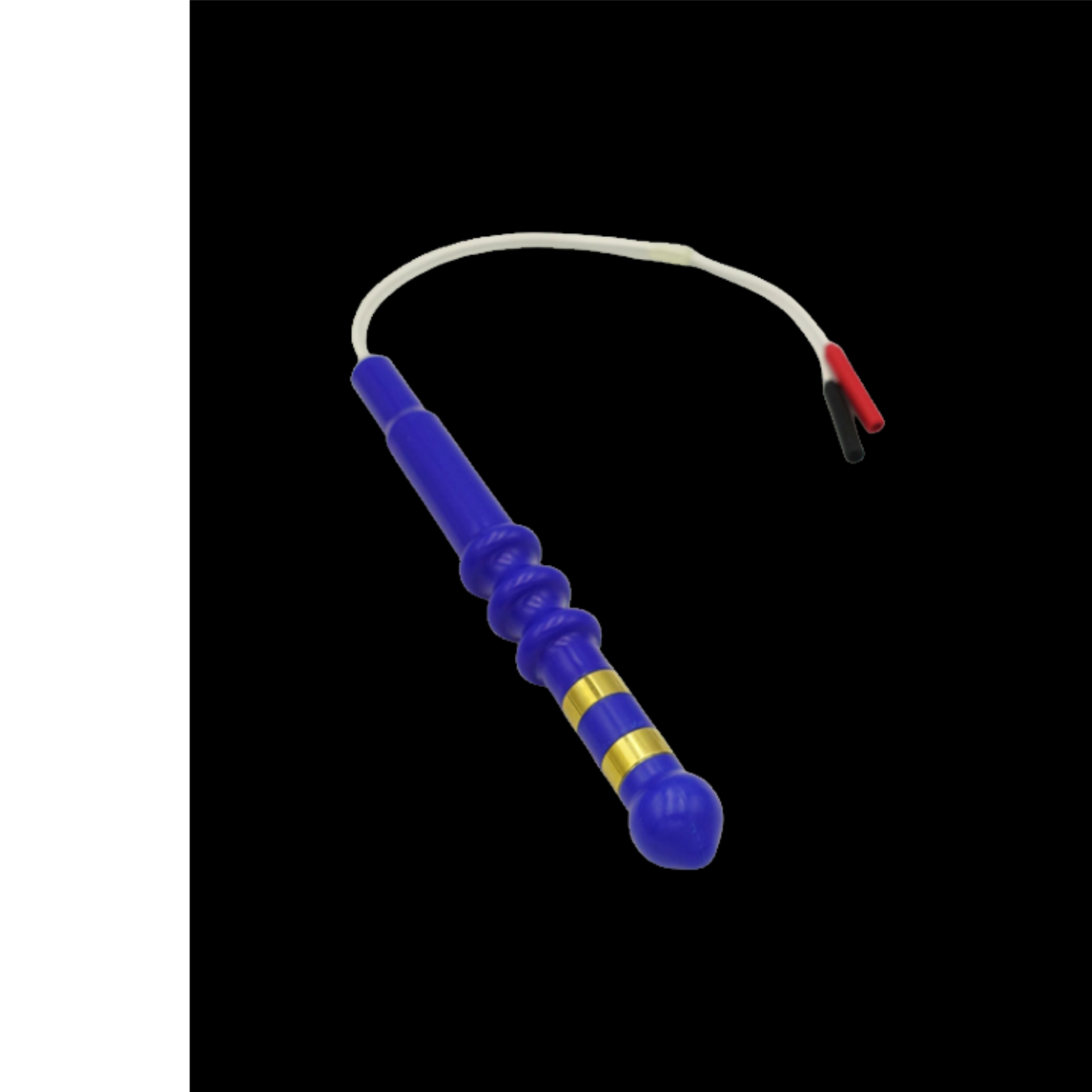
ANALYS BLUE®+
28,33 € HT
RECTOMAX®
50,00 € HT
AEROLYS ANA®
28,33 € HT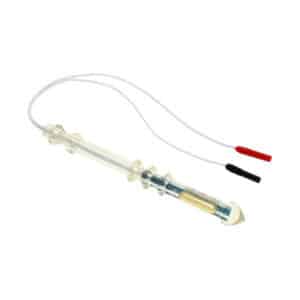
ANALYS+®
29,17 € HT
Frequently asked questions
Check out the questions most frequently asked by users.
Can urinary incontinence be cured?
In many cases, symptoms can be significantly reduced or even eliminated with appropriate treatment.
How long does pelvic floor rehabilitation take?
Generally between a few weeks and a few months, depending on the frequency and the situation.
Does this apply to men?
Yes, especially after prostate surgery or as a person ages.
Are protective measures a solution?
They help manage symptoms, but do not treat the underlying cause.
Discover our blog


Stability and pelvic floor: are you making a mistake without realizing it?
Is core training good for the perineum? Learn about common mistakes, risks to the pelvic floor, and how to protect your perineum during exercise.
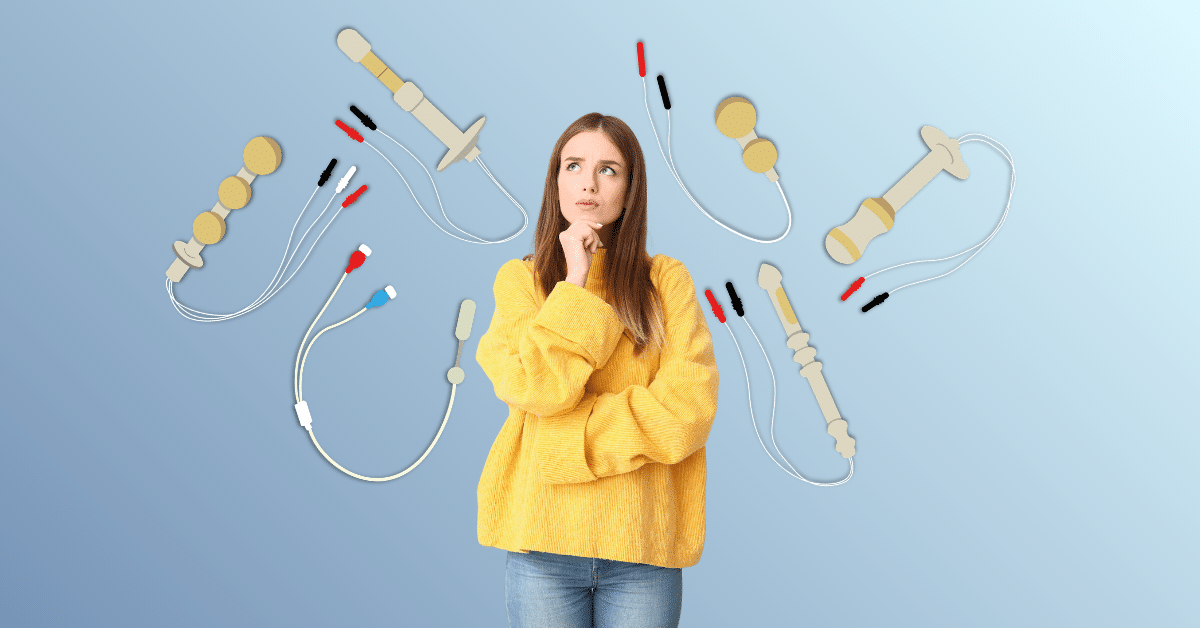
Perineal probe: how to choose the right model for effective rehabilitation?
Lump in the vagina: is it prolapse? Causes, signs, and solutions
A lump-like sensation in the vagina may be a sign of prolapse or a weakened pelvic floor. Learn about the causes, symptoms, and non-surgical solutions.
Weak pelvic floor: causes, symptoms, and solutions
Prolapse and urinary incontinence: what non-surgical solutions exist in 2026?
Genital prolapse and urinary incontinence: non-surgical solutions, pessaries, pelvic rehabilitation, medical care and current recommendations.