
Constipation and the Perineum: What Are the Risks, and How Can You Protect Your Pelvic Floor?

Constipation and the Perineum
Can Straining on the Toilet Damage Your Perineum?
Constipation and the perineum: What are the risks, and how can you protect your pelvic floor?
Constipation is often dismissed as a minor issue, a temporary discomfort, or a small everyday inconvenience.
But what’s less often mentioned is that it can have a direct impact on your pelvic floor.
⇒ And sometimes, this impact is underestimated.
Straining regularly to have a bowel movement… is it really harmless?
The perineum: a key role in childbirth
The perineum is a group of muscles located at the base of the pelvis. It acts as a supportive hammock for your organs:
-
- bladder
- rectum
- uterus (in women)
But it doesn’t just provide support.
It also plays an active role in:
- continence
- pressure management
- bowel movements
⇒ In other words, it must know how to contract… but also how to relax.
Constipation: What’s Really Going On?
When constipated, bowel movements become difficult.
Many people compensate by:
⇒ pushing hard
⇒ holding their breath
⇒ tightening their abdominal muscles
Result → a significant increase in downward pressure.
Imagine a closed bottle being squeezed: the pressure has to escape somewhere… and it’s often the perineum that takes the brunt of it.
What are the risks to the perineum?
À long terme, une constipation chronique peut :
• Fragiliser le périnée
Les efforts répétés peuvent étirer et affaiblir les muscles.
• Favoriser les fuites urinaires
Un périnée moins tonique gère moins bien les pressions.
• Contribuer au prolapsus
La descente d’organes peut être aggravée par des poussées répétées.
• Perturber la coordination musculaire
Certaines personnes développent même des difficultés à relâcher correctement le périnée.
→ Les données scientifiques montrent que la gestion des pressions abdominales est un facteur clé dans les troubles pelviens, même si les mécanismes précis varient selon les individus.
Warning signs
-
- you frequently feel the urge to urinate
- you experience pelvic discomfort or a feeling of heaviness
- you have associated urinary leakage
- you feel like you’re not fully emptying your bladder
⇒ These signs should not be ignored.
Ways to protect your perineum
Good news: there are solutions.
1. Addressing constipation
First and foremost, you need to treat the cause:
- adequate hydration
- high-fiber diet
- regular physical activity
- toilet routine (without straining)
2. Learning to stop straining
Yes, this can be learned.
The goal is to:
- relax the pelvic floor
- breathe correctly
- avoid straining
Support may be needed to develop these habits.
3. Re-educating your pelvic floor
Pelvic floor rehabilitation allows you to:
- strengthen the muscles
- improve coordination
- better manage pressure
It may include:
→ specific exercises
→ breathing exercises
→ biofeedback
→ electrostimulation
At Sugar, we believe that the pelvic floor should be both strong and flexible.
A muscle that is too tight can be just as problematic as a weakened muscle.
4. Home devices
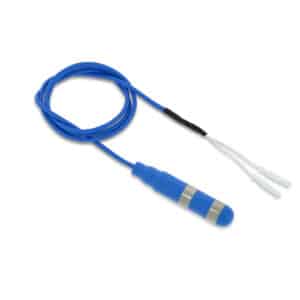
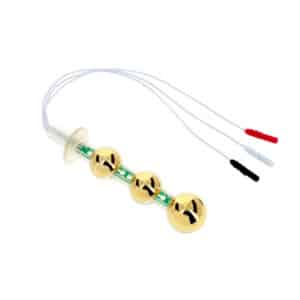
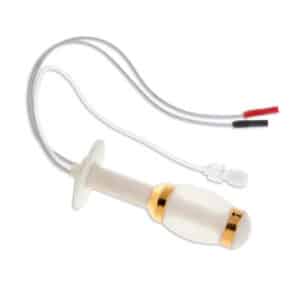
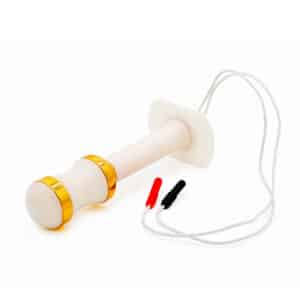
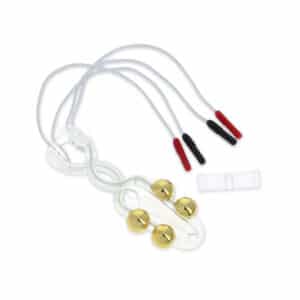
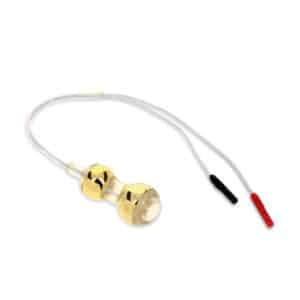
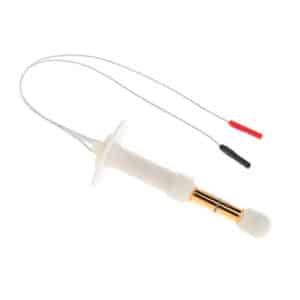
In some cases, devices such as perineal probes can be used to support rehabilitation.
They can help to:
- better feel the contractions
- make faster progress
- structure the sessions
However, their use should ideally be supervised.
The Financial Outlook: Short-Term vs. Long-Term
When dealing with constipation and its consequences, some solutions seem simpler:
⇒ ignore the problem
⇒ adapt to daily life
⇒ use temporary solutions
But in the long term:
⇒ symptoms may worsen
⇒ comfort decreases
⇒ indirect costs increase
→ Prescribed perineal rehabilitation is mostly covered by Medicare.
Investing in your perineum often means avoiding future complications.
Common Mistakes
→ pushing too hard
→ ignoring your body’s signals
→ focusing solely on → diet
→ forgetting the role of the pelvic floor
⇒ The problem isn’t just digestive. It’s also muscular.
In conclusion…
Constipation isn’t just a digestive issue. It’s also about pressure, coordination… and the pelvic floor.
Your body functions as a delicate balance. When you strain too often, it’s a bit like always pressing in the same spot: eventually, it gives way.
At Sugar, we believe that listening to these signals helps prevent more serious issues.
What if next time, instead of straining… you learned to work with your body?

3AT2B®
25,00 € Excl. tax-
EVOSTIM E®
283,33 € Excl. tax -
OPTIMA 3®
22,50 € Excl. tax -
AIR STIM®
38,00 € Excl. tax -
INTELLISTIM UG®
255,00 € Excl. tax -
NOVATYS®
22,50 € Excl. tax -
PERISIZE 4®
22,50 € Excl. tax -
TP2B+ MINIMA®
22,50 € Excl. tax -
ANALIA®
30,00 € Excl. tax


Frequently asked questions
Check out the questions most frequently asked by users.
Can constipation really damage the perineum?
Yes, especially if it is chronic and associated with repeated flare-ups.
Should we stop pushing altogether?
The main goal is to avoid straining and to learn how to better coordinate breathing and relaxation.
Can pelvic floor rehabilitation help?
Yes, it can improve coordination and reduce strain on the pelvic floor.
Does this apply to men?
Yes, the perineum plays a role in men as well, particularly in urinary continence.
Check out our blog

Common Misconceptions About the Perineum: 8 Myths You Should Know
Pelvic floor and constipation: Understanding the connection and taking action

The Perineum and Sports: What Activities to Do and How to Protect It
Pelvic Floor and Pregnancy: Rehabilitation Before and After Childbirth
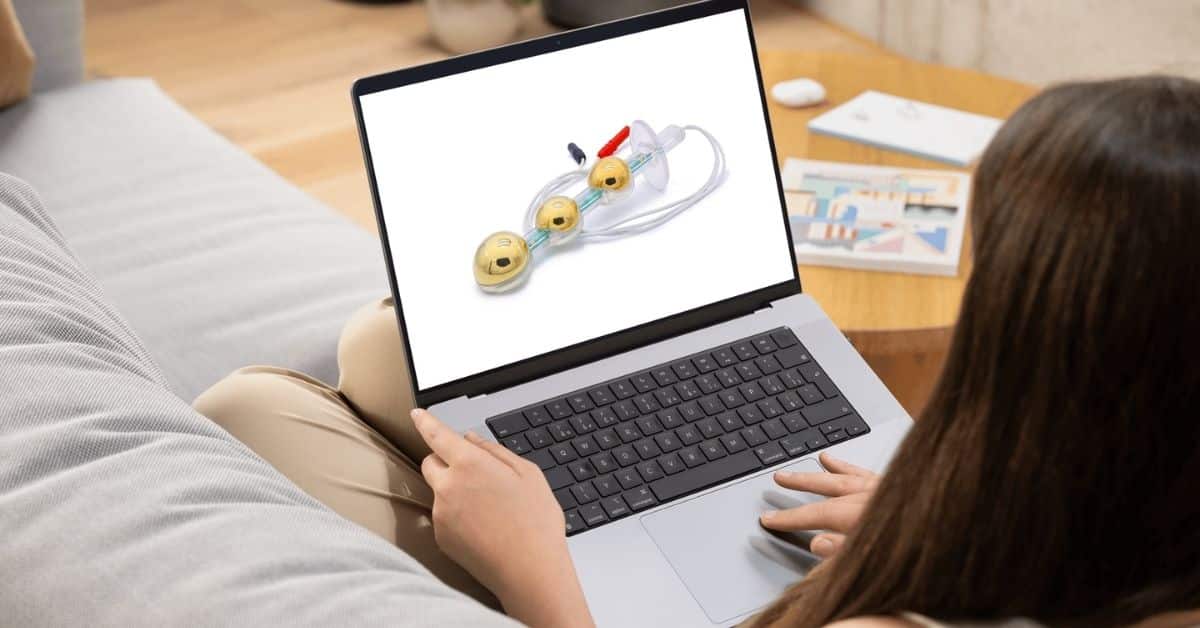
How to Use a Perineal Rehabilitation Probe: Instructions for Use
Insertion, lubrication, connection, precautions, warnings… Learn how to use your perineal rehabilitation probe correctly, step by step and safely.
Constantly contracting your pelvic floor muscles: myth or good idea?
Caring for a Perineal Rehabilitation Probe: The Complete Guide
Cleaning, drying, storage, lifespan… Learn how to properly care for your pelvic floor rehabilitation probe to keep it hygienic and ensure its longevity.
Pelvic Floor Exercises at Home: A Gentle Guide
Urinary Incontinence: Causes, Forms, and Solutions
Male Pelvic Floor: Function, Signs of Weakness, and Rehabilitation
Yes, men have a perineum! Its role, signs of weakness, rehabilitation after prostate surgery… Learn all about the male perineum.

