Frequent urge to urinate: causes and solutions for an overactive bladder

Do you find yourself needing to urinate frequently?
Could it be an overactive bladder…
Frequent urge to urinate: causes and solutions for an overactive bladder
You’ve just been to the bathroom…
and yet, a few minutes later, the urge returns.
- Sometimes mild.
- Sometimes urgent.
- Sometimes uncontrollable.
⇒ This frequent urge to urinate can quickly become overwhelming.
And above all, it raises a question that many people are afraid to ask: Is this normal?
When do we talk about an overactive bladder?
An overactive bladder is diagnosed when:
♦ the urge to urinate is frequent
♦ it is difficult to control
♦ it can occur even when there is only a small amount of urine
♦ it interferes with daily life (work, sleep, travel)
In some cases, this may be accompanied by urinary leakage, but not always.
Why do I always feel like I have to urinate?
Several factors may explain this phenomenon.
1. Poor coordination between the bladder and the pelvic floor
The bladder functions based on a delicate balance:
- the bladder fills
- the pelvic floor holds it in
- the brain decides when to release
When this system becomes out of sync, the bladder may send signals too early.
⇒ Result: frequent urges, sometimes for no apparent reason.
2. A weakened pelvic floor
A less toned pelvic floor may have more difficulty:
- holding urine
- managing pressure
- maintaining good control
This isn’t always the main cause, but it’s often an aggravating factor.
3. Daily habits
Certain habits can contribute to the problem:
- going to the bathroom “just in case”
- drinking very little or, conversely, a lot all at once
- consuming coffee or caffeinated beverages
- stress and anxiety
The bladder is an organ… but also a “behavioral” organ.
4. Medical causes
In some cases, there may be:
- urinary tract infection
- neurological disorders
- side effects of medications
- specific medical conditions
→ Hence the importance of seeing a doctor if the symptom persists.
Ways to get back to a normal routine
Good news: there are several effective solutions.
1. Pelvic floor rehabilitation
It helps to:
- improve muscle control
- strengthen the pelvic floor
- better manage the urge to urinate
It often includes:
- targeted exercises
- breathing exercises
- sometimes biofeedback or electrical stimulation
Studies show that rehabilitation can significantly improve symptoms associated with overactive bladder, although results vary depending on individual profiles.
2. Bladder retraining
Although less well known, this involves:
- relearning to space out the urge to urinate
- training the bladder to hold more urine
- gradually regaining control
This behavioral therapy is very effective in certain cases.
3. Medical devices
In certain situations, devices can be helpful:
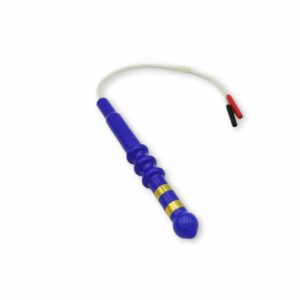
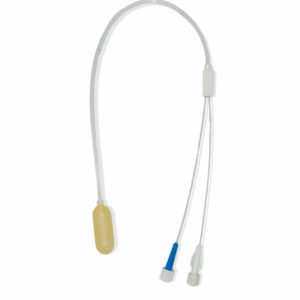
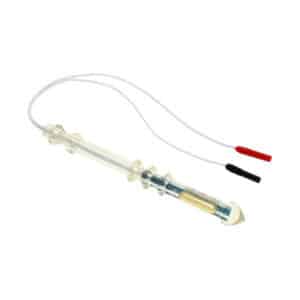
- perineal probes
- stimulation devices
- biofeedback tools
They help improve muscle awareness and control.
→ However, they should be used under professional supervision.

3AT2B®
25,00 € Excl. tax-
EVOSTIM E®
245,19 € Excl. tax -
OPTIMA 3®
22,50 € Excl. tax -
AIR STIM®
38,00 € Excl. tax -
INTELLISTIM UG®
245,19 € Excl. tax -
NOVATYS®
22,50 € Excl. tax -
PERISIZE 4®
22,50 € Excl. tax
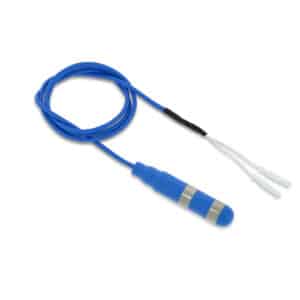

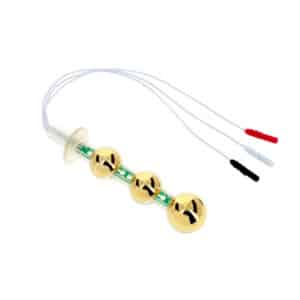
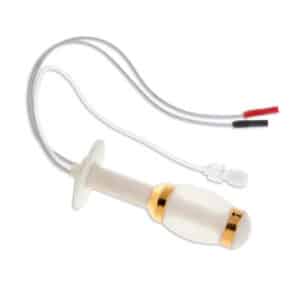

Devices that can help at home
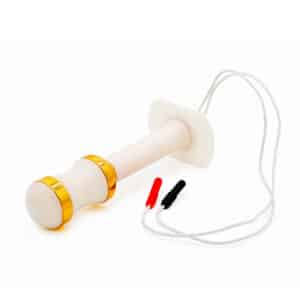
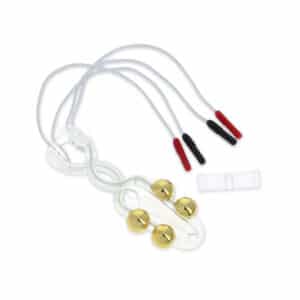
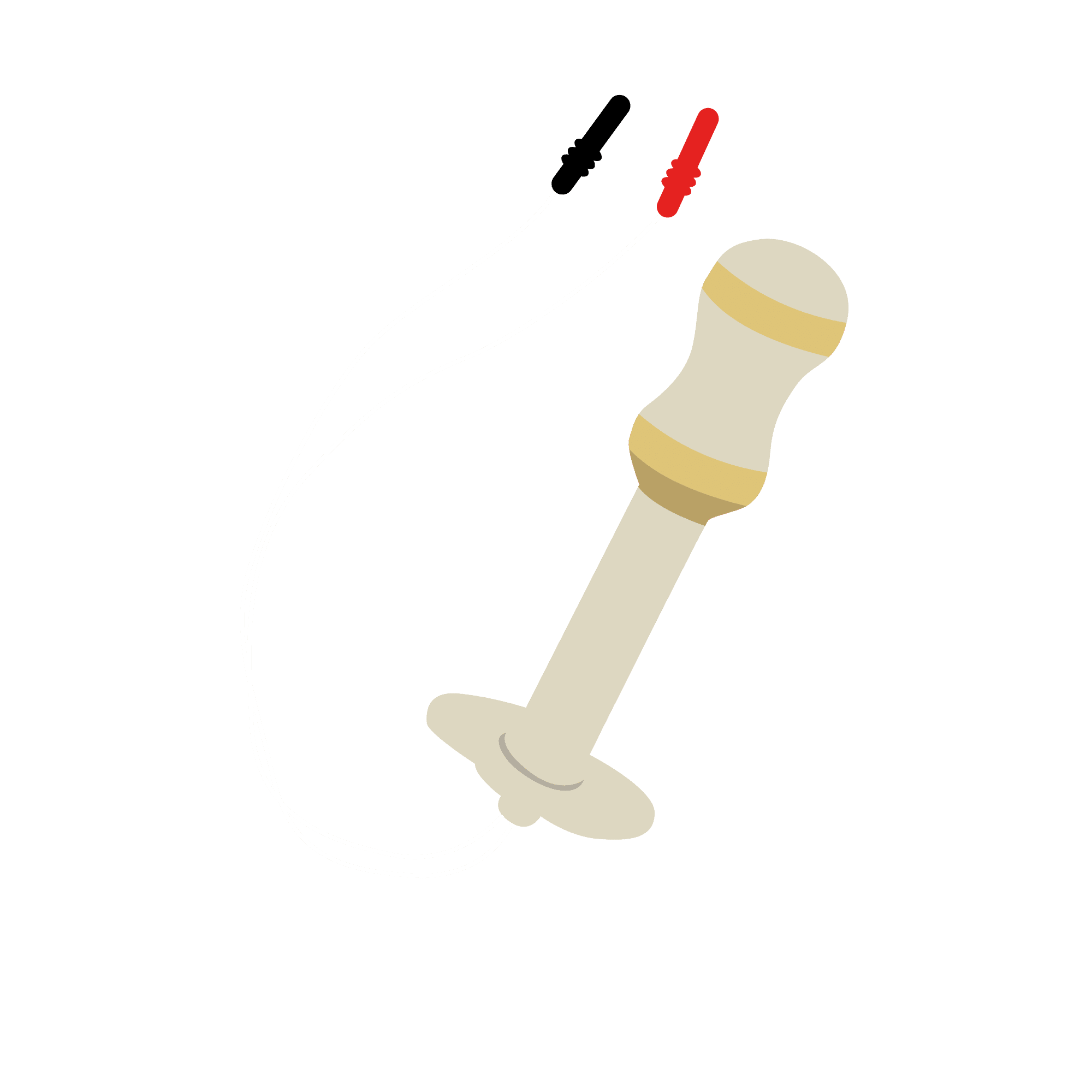
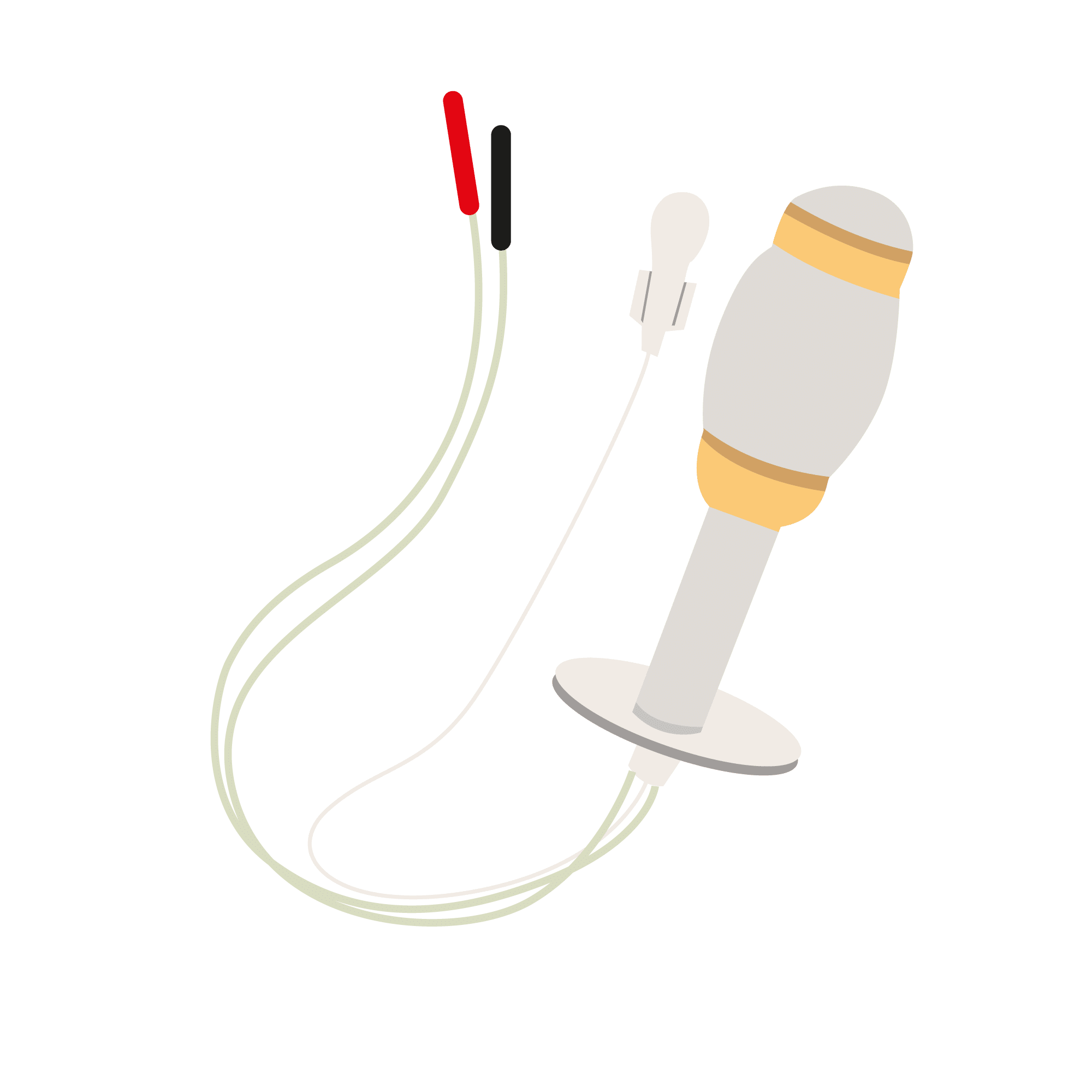
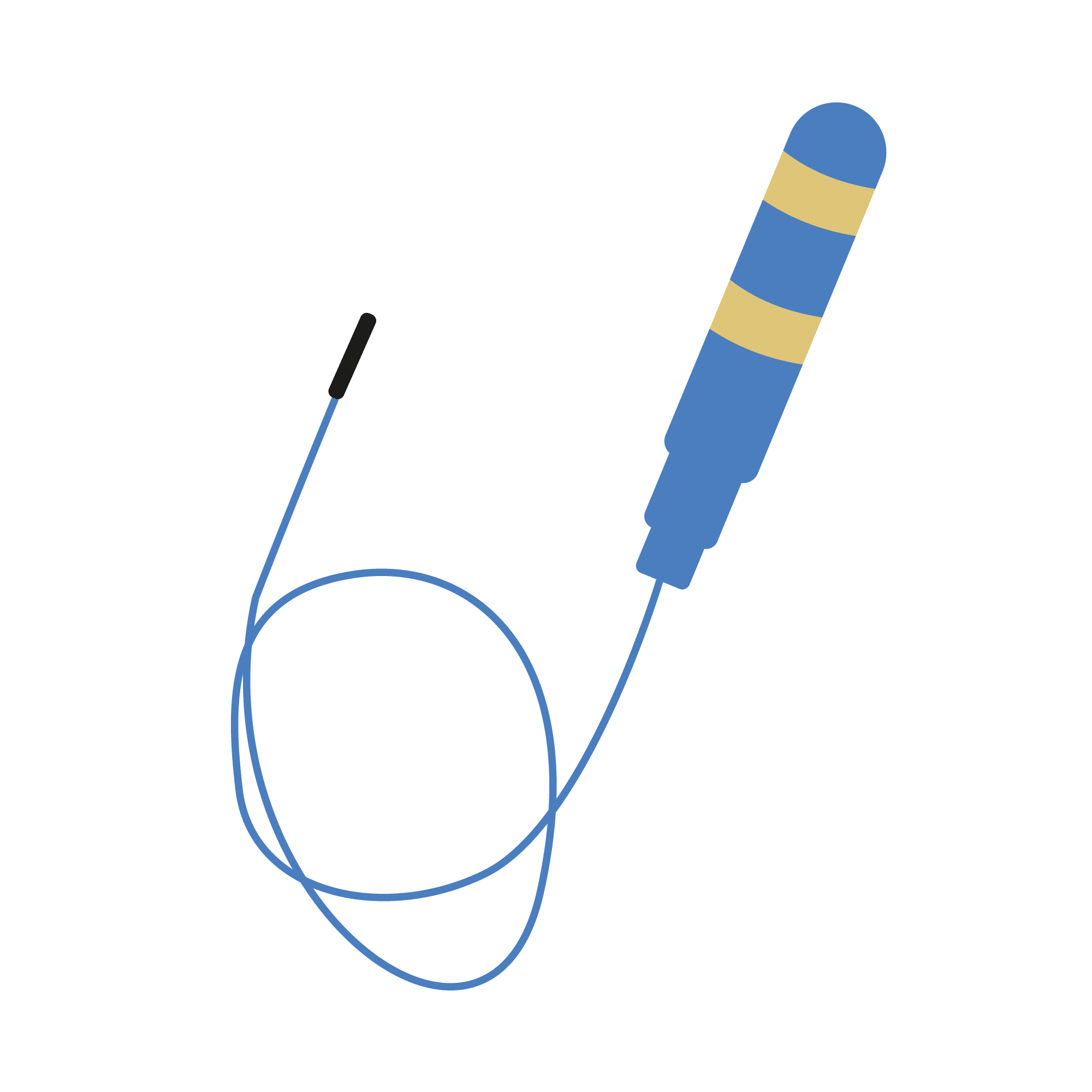
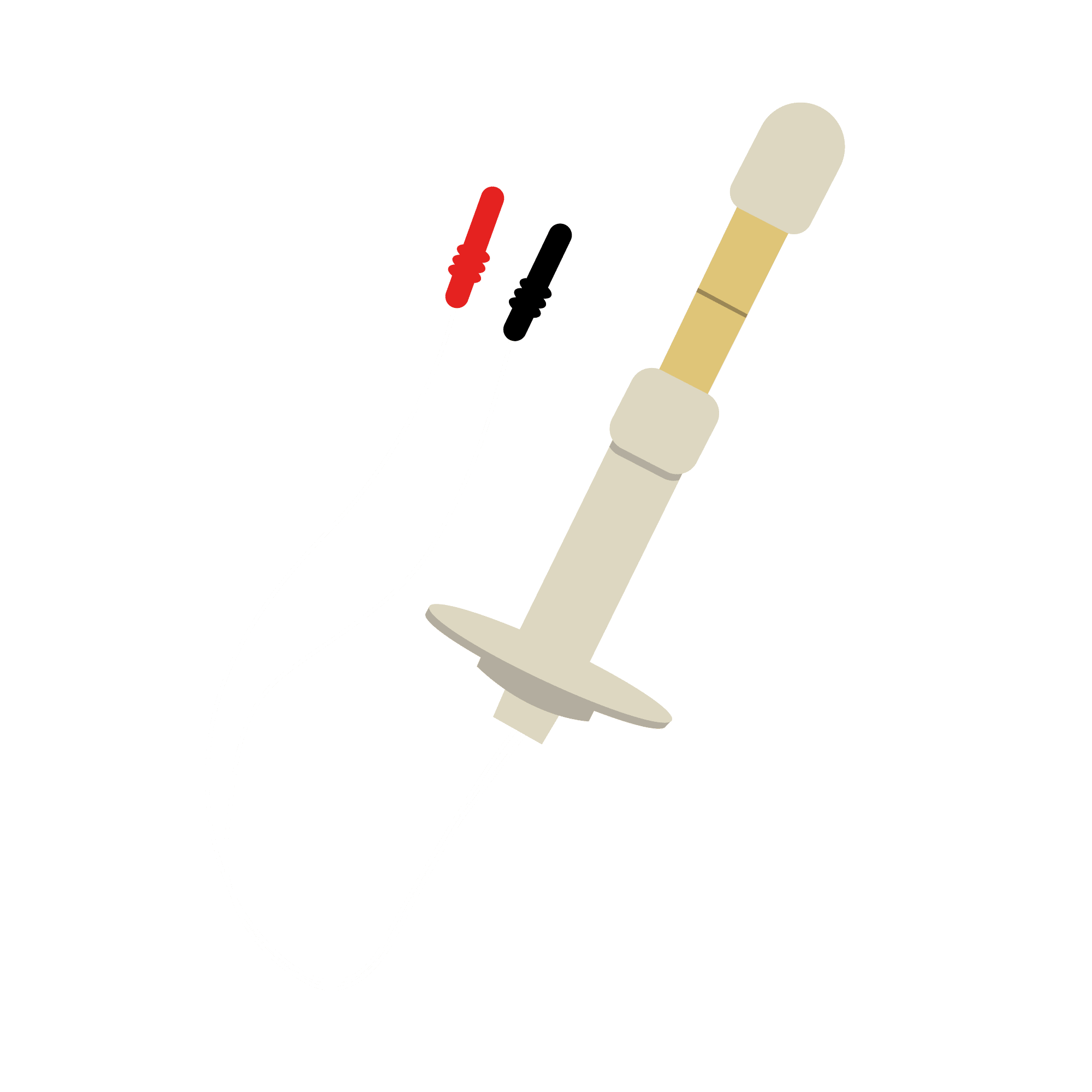
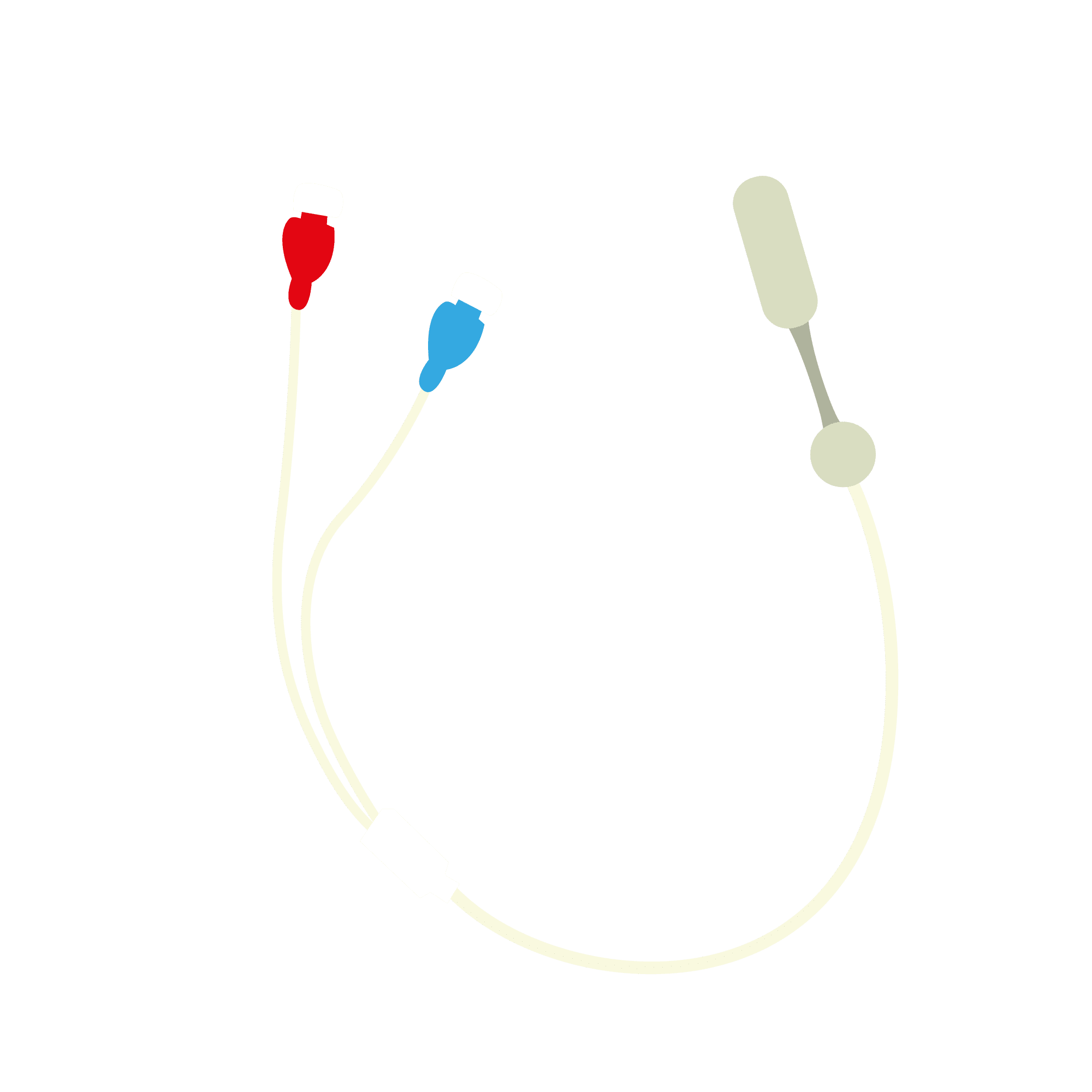
Vaginal probes
Vaginal probes are used for pelvic floor rehabilitation in women, particularly in cases of urinary incontinence, postpartum recovery, or pelvic muscle weakness. They enable targeted exercises through biofeedback or electrical stimulation.
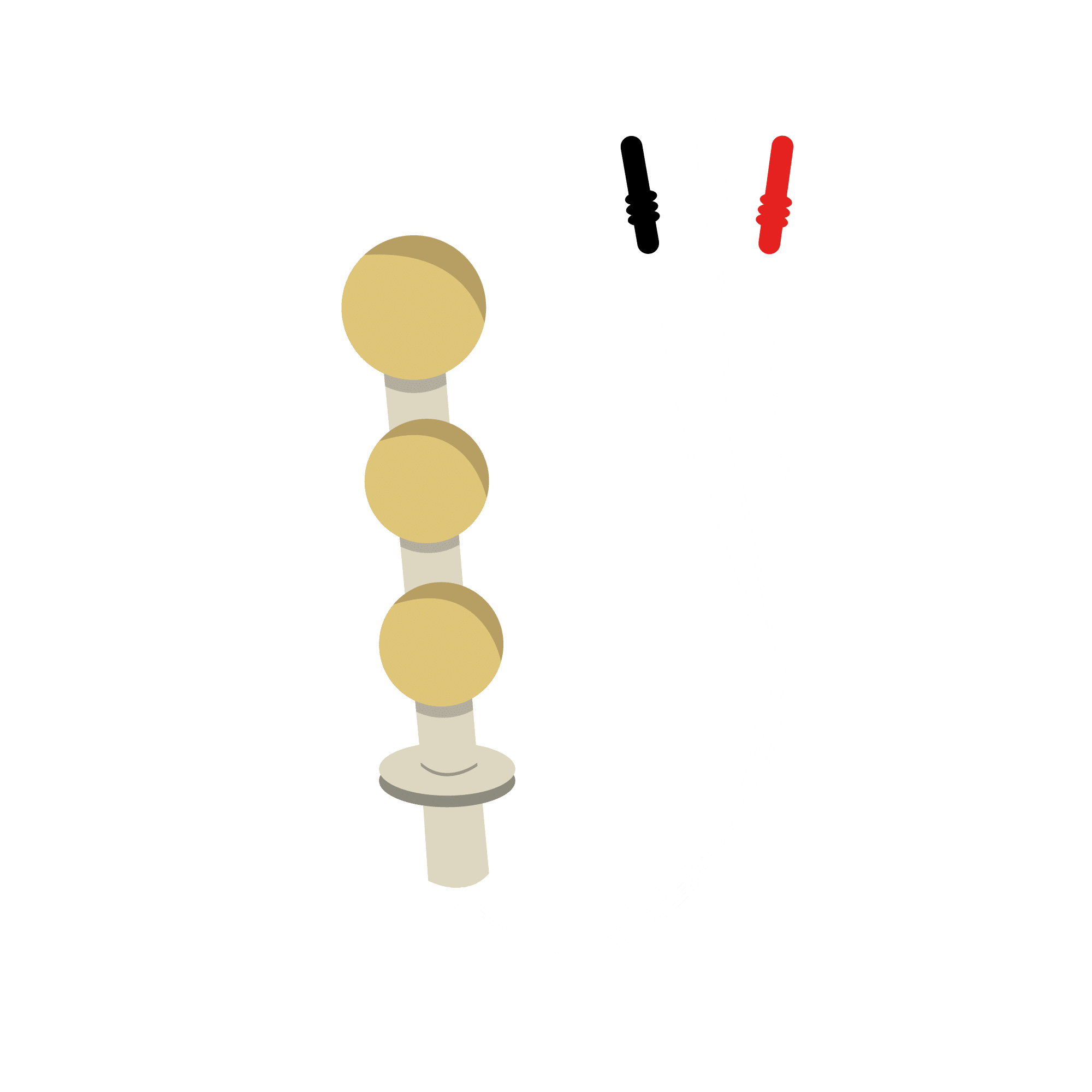
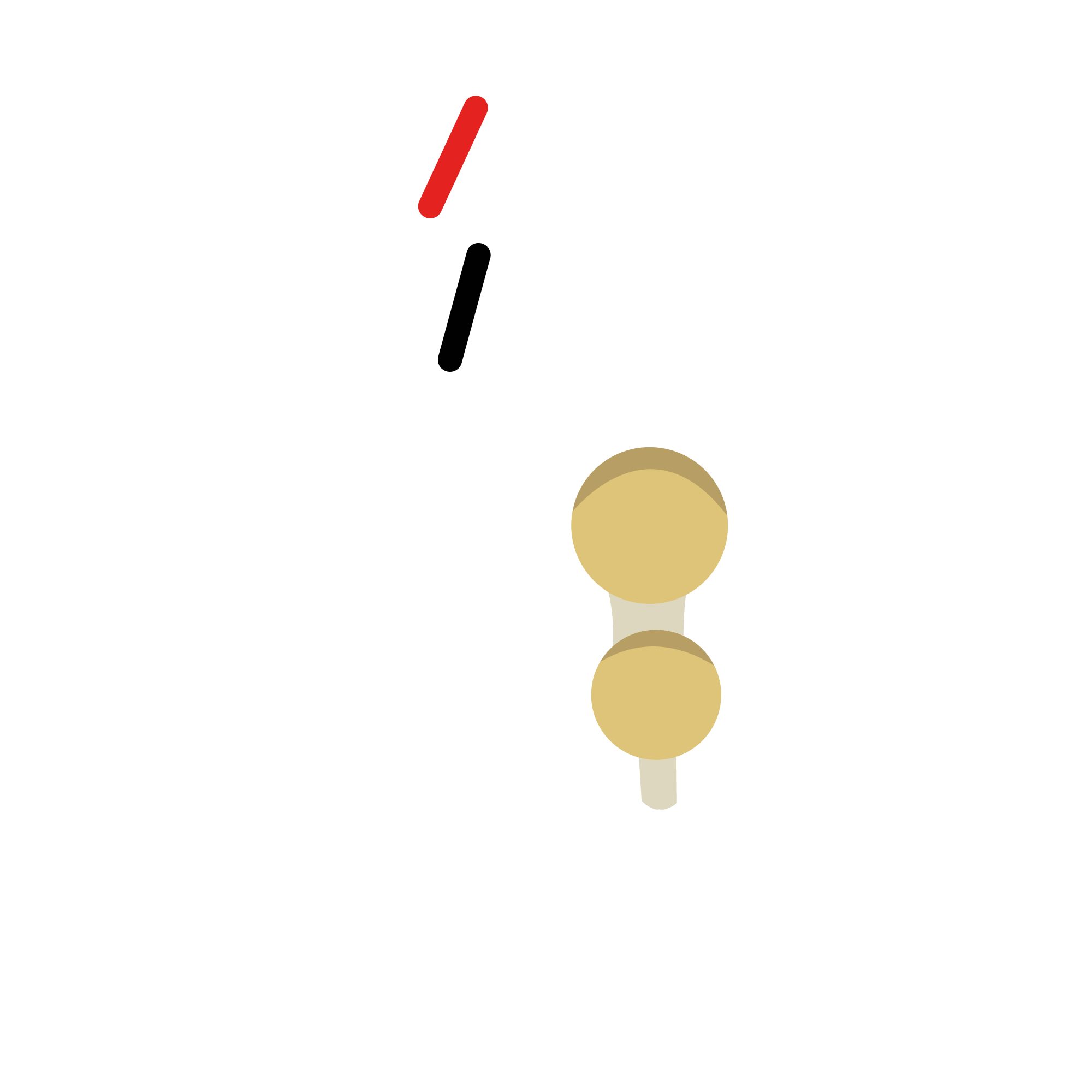
Anal probes
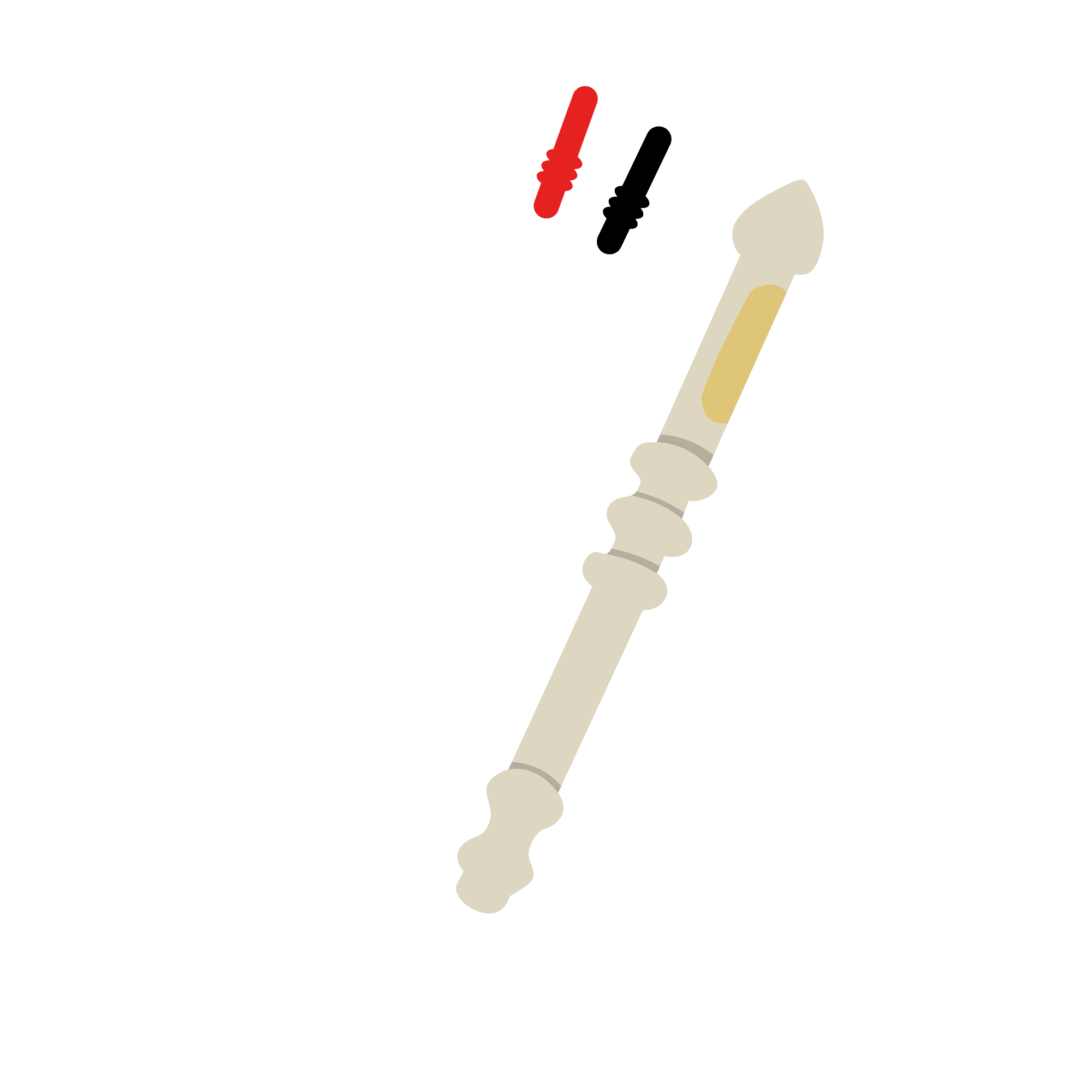
Anal probes are suitable for pelvic floor rehabilitation in both men and women, particularly for treating urinary or fecal incontinence. They offer an effective solution for strengthening the pelvic floor muscles through electrical stimulation.
Electrostimulators
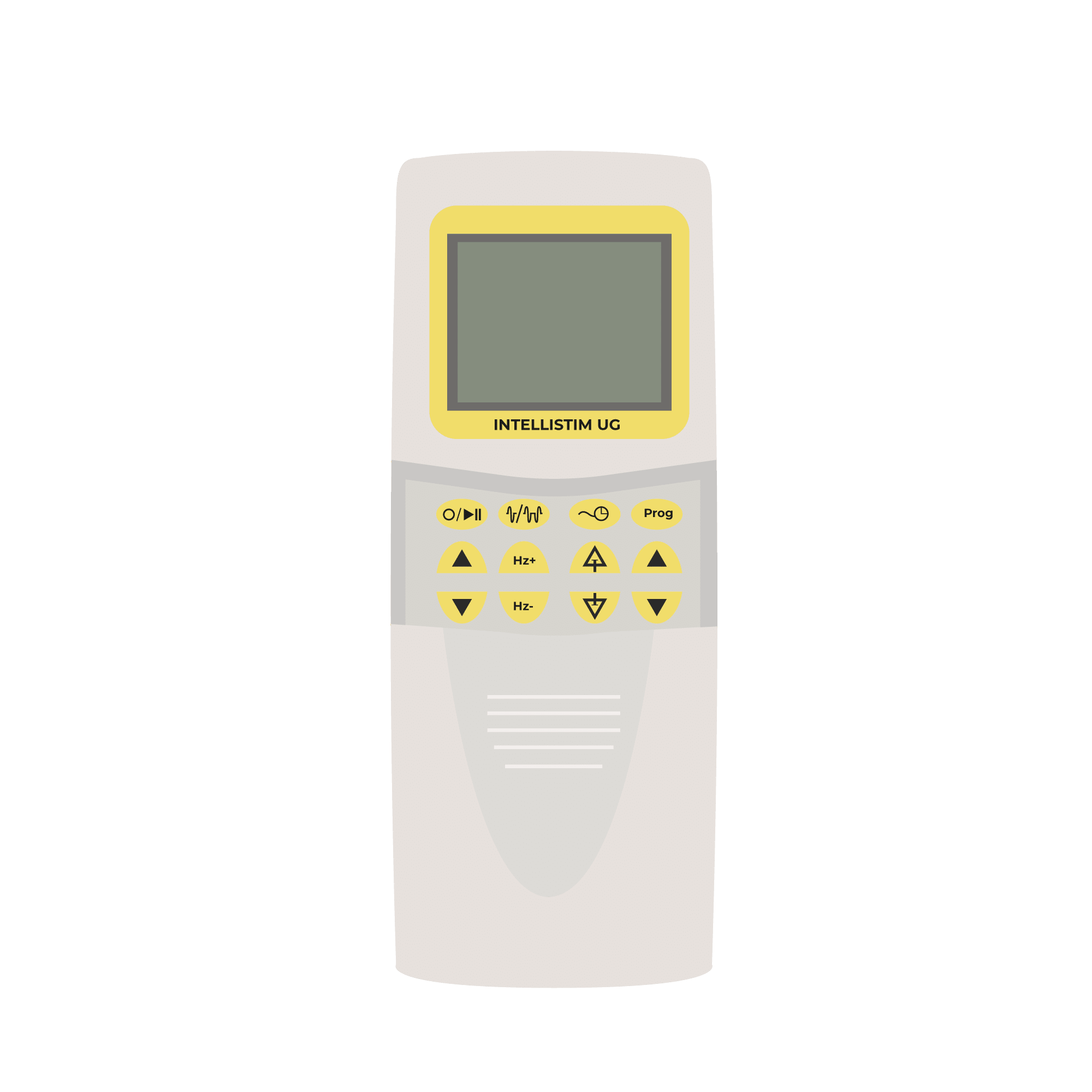
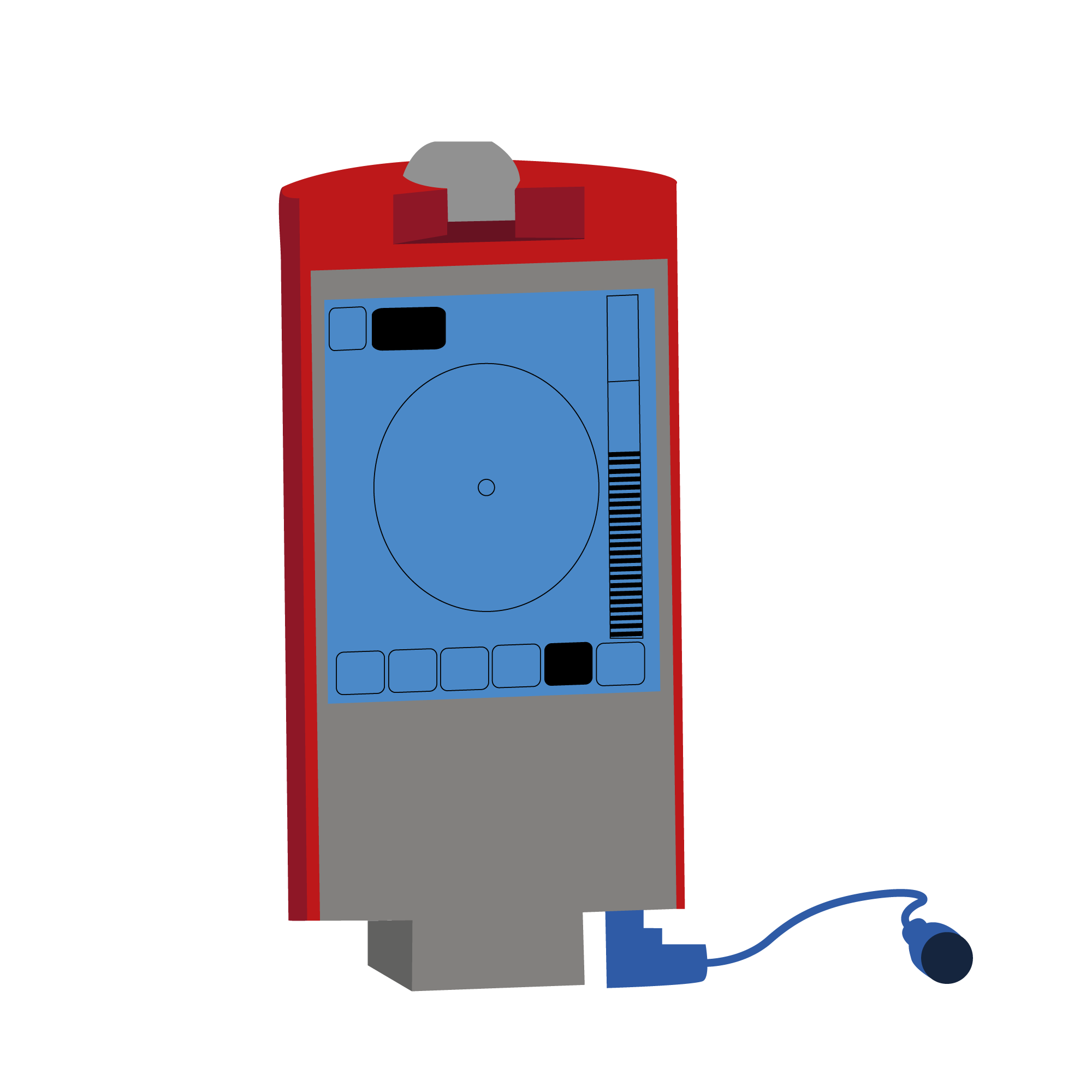
A perineal stimulator is a device that delivers mild electrical impulses to stimulate and strengthen the perineal muscles. It is recommended for use as part of a home rehabilitation program, often in conjunction with medical supervision.
The financial situation
When faced with these symptoms, some people turn to quick fixes:
- protective measures
- adjusting daily routines
- limiting outings
In the short term, this seems easier.
But in the long term:
⇒ it doesn’t address the root cause
⇒ the discomfort persists
⇒ costs can add up
Note: Prescribed pelvic floor rehabilitation is mostly covered by Medicare.
At Sugar, we believe that regaining lasting control is well worth the investment.
When should you see a doctor?
It is recommended that you seek medical advice if:
→ you feel the urge to urinate very frequently
→ it disrupts your daily life
→ it occurs suddenly
→ you have any concerns
A healthcare professional can:
⇒ identify the cause
⇒ recommend appropriate treatment
⇒ prevent the condition from worsening
The bladder can be trained… but it can also become unbalanced.
To conclude…
Feeling the need to urinate frequently isn’t inevitable—it’s a signal.
A signal your body is sending you to let you know that something needs attention.
At Sugar, we believe that the right care can often help you regain a sense of comfort and freedom you may have lost.
What if you stopped adapting…and started taking back control?
-
ANALYS BLUE+®
28,33 € Excl. tax -
AEROLYS ANA®
28,33 € Excl. tax -
ANALYS+®
29,17 € Excl. tax
Frequently asked questions
Check out the questions most frequently asked by users.
Is it normal to urinate frequently?
Not necessarily, but if it becomes bothersome or happens frequently, it’s a good idea to see a doctor.
Can you train your bladder?
Yes, through bladder and pelvic floor rehabilitation.
Could stress be a factor?
Yes, it can intensify cravings and the perception of need.
Does this apply to men?
Yes, especially as we get older or after certain procedures.
Check out our blog

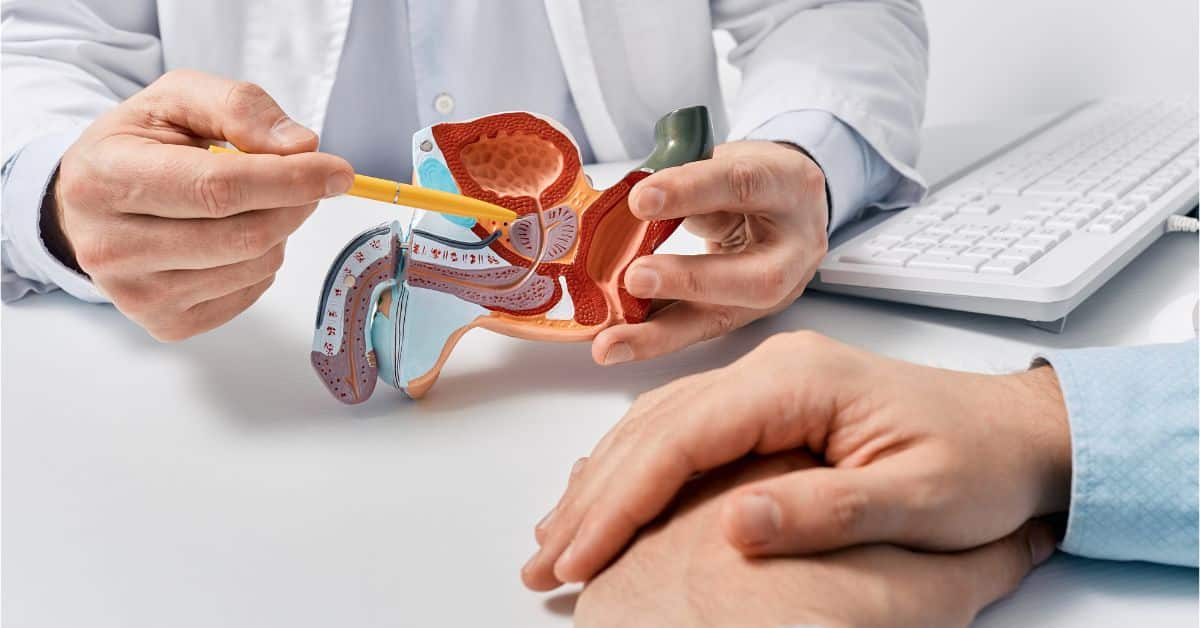
Urinary Incontinence After Prostatectomy: Perineal Rehabilitation
After prostate surgery, urinary incontinence is common but often temporary. Learn about the key role of pelvic floor rehabilitation.

Breast Cancer and Intimacy: Dryness, Incontinence, Solutions
Pink October: Vaginal dryness, urinary incontinence, pain… Breast cancer treatments can affect your intimate health. Causes and solutions.

Lump or discomfort in the vagina: possible causes and when to seek medical attention

Lump or discomfort in the vagina: possible causes and when to see a doctor
Common Misconceptions About the Perineum: 8 Myths You Should Know
Pelvic floor and constipation: Understanding the connection and taking action

The Perineum and Sports: What Activities to Do and How to Protect It

Pelvic Floor and Pregnancy: Rehabilitation Before and After Childbirth
How to Use a Perineal Rehabilitation Probe: Instructions for Use
Insertion, lubrication, connection, precautions, warnings… Learn how to use your perineal rehabilitation probe correctly, step by step and safely.