
How to Use a Perineal Rehabilitation Probe: Instructions for Use
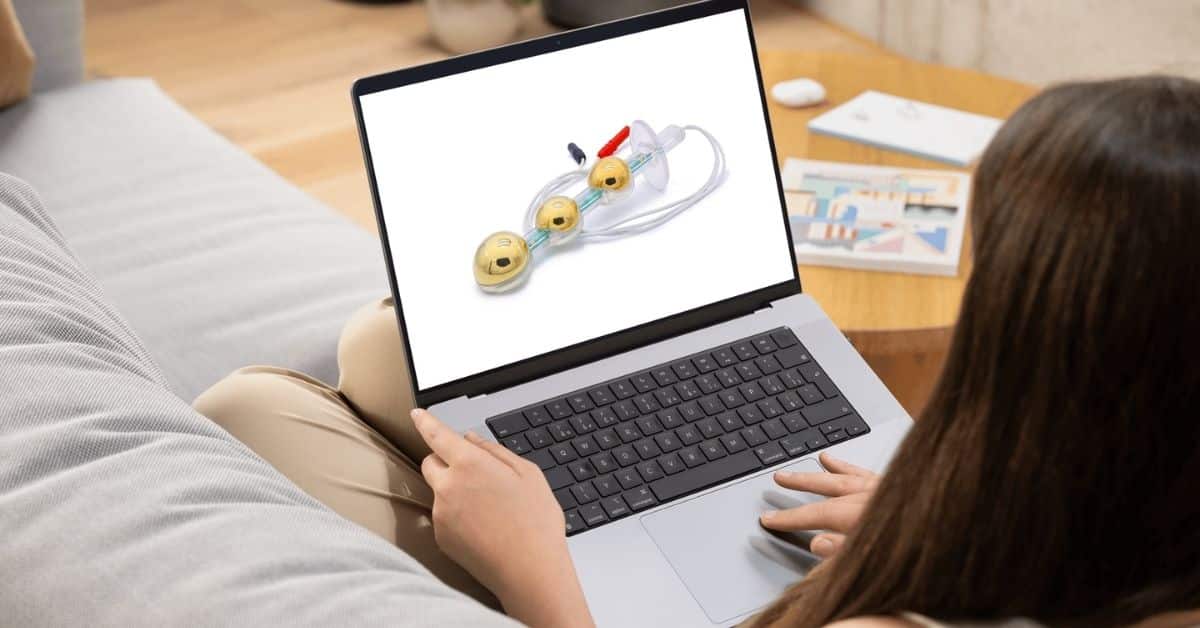
How to Use Your Pelvic Floor Rehabilitation Probe Properly:
A Stress-Free User Guide
Are you starting your rehabilitation with a probe and have a million questions?
How do you insert it? Do you need gel? In what order should you connect the parts? What precautions should you take?
Don’t worry: using your probe correctly is easy once you know the right steps. We’ll explain everything, step by step.
Good to know: This guide summarizes the general recommendations from the manufacturer’s instructions. It does not replace the instructions provided with your probe and device, nor the instructions from your healthcare professional. If in doubt, always consult them.
Before you begin: The probe never works alone
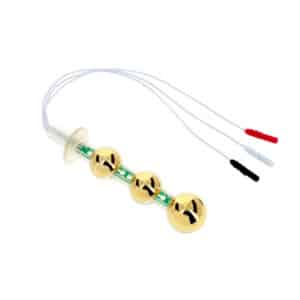
This is the key point to understand. A rehabilitation probe is not a standalone device: it must always be connected to an electrotherapy and/or biofeedback device (the stimulator). It is this device that controls the treatment.
The order is important: first connect the probe to the device, then insert it. Next, begin the session by following the instructions for the stimulator to which the probe is connected.
Integration, Step by Step
Don’t worry—it’s easier than it looks.
- Before using it for the very first time, be sure to rinse the probe under running water to remove any traces of disinfectant (the probe is delivered non-sterile but disinfected).
- Next, connect the probe to your electrotherapy or biofeedback device.
- Then gently insert the probe in a comfortable position, orienting it as directed by your practitioner depending on the model.
If insertion is difficult or if electrical conductivity is low, the instructions recommend a simple tip: lightly moisten the probe or use a small amount of water-based gel.
Important note: Use a water-based gel, and avoid using it in conjunction with topical medications.
Special Case: Atypical Probes
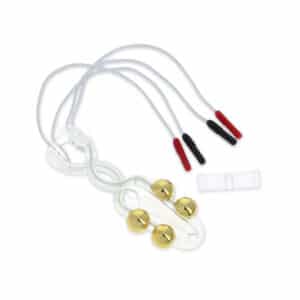
Some probes, such as the PERISIZE®, have prongs at their tips. For these probes, a precaution is necessary: the tip is flexible but fragile, and it is strongly advised not to spread the prongs apart, as this may break the probe.
In this case, the warranty would not apply.
Good to know: This type of probe comes with a small accessory, the jumper, which is recommended for use—especially during cleaning—to hold the probe in place and protect the prongs.
Precautions You Should Know
A few simple rules, taken directly from the manufacturer’s instructions, for safe and worry-free use:
⇒ Do not get the probe’s connection (connector) wet.
⇒ Do not disassemble, rotate, or pull apart any parts of the probe: it is part of a medical device and must be kept as is.
⇒ Never use a probe with damaged electrodes.
⇒ Never connect the probe to a high-frequency surgical device (electrosurgical unit), due to the risk of burns.
⇒ And of course, strictly follow your prescriber’s instructions: your healthcare professional determines the course of your rehabilitation.
Contraindications: When Not to Use the Probe
This is a critical safety consideration. The probe must not be used for electrostimulation in certain situations, whether confirmed or suspected. The instructions specifically mention:
-
- a vaginal (or bladder) infection;
- colorectal or genitourinary cancer;
- pregnancy;
- an implanted pacemaker (in this case, consult a cardiologist);
- ureterovesical reflux;*a hypotonic bladder.
This list is not meant to cause concern, but to remind you of an obvious fact: getting the go-ahead from a healthcare professional before starting is not a mere formality—it’s a genuine safety measure.
After the session: the interview
Once your session is over, clean the probe with water and mild soap—without ever submerging it or getting the connection wet—and then store it dry in its original pouch.
We detail all the proper steps in our dedicated maintenance guide: Caring for a Perineal Rehabilitation Probe: The Complete Guide ⬈
To conclude…
Proper use of your probe comes down to a few clear guidelines: connect it to your device before inserting it, insert it gently (using a little water or water-based gel if needed), do not spread the prongs on applicable models, follow the standard precautions, check that you do not have any contraindications, and follow your healthcare professional’s instructions.
With these guidelines, your rehabilitation will get off to the best possible start.
Please note that these instructions primarily apply to SUGAR® probes. Other brands may have different recommendations. Always refer to the instructions provided with your equipment.
⇒ To learn more, (re)read our article “The Perineum: Definition, Role, and Importance for Health ⬈,” and to understand the role of probes, check out our guide “Which perineal rehabilitation probe should you choose? The Complete Guide ⬈“.

V2B+®
25,00 € HT-
TP2B+ MINIMA®
22,50 € HT -
Revient bientôt
RECTOMAX®
50,00 € HT -
PERISIZE 4®
22,50 € HT -
Revient bientôt
OPTIMA 3® (Copie)
22,50 € HT -
OPTIMA 3®
22,50 € HT
Frequently asked questions
Check out the questions most frequently asked by users.
What kind of gel should be used with a rehabilitation probe?
If you have trouble inserting the probe or if electrical conductivity is low, you can lightly moisten the probe or use a small amount of water-based gel.
You should therefore use a water-based gel and avoid using it in combination with topical medications.
Feel free to check out our articles on this topic: EXS Lubricating Gel, K-Y Lubricant Gel, Luxgel Lubricant
Why shouldn't the prongs on certain probes be spread apart?
On branched probes such as the PERISIZE®, the tip is fragile.
Spreading the branches apart may break the probe, and in that case, the warranty does not apply.
An accessory, the clip, helps secure the probe, especially during cleaning.
Can the probe connection get wet?
No.
Do not get the probe’s connection (connector) wet. Likewise, never submerge the probe in water or any other liquid.
What should you do if the probe's electrodes are damaged?
Do not use a probe with damaged electrodes. If you notice any visible damage, replace the probe rather than continuing to use it.
Can the probe be used on its own, without a device?
No.
The probe must always be connected to an electrotherapy and/or biofeedback device, which controls the session. It is this device, along with your healthcare professional’s instructions, that determines the course of your rehabilitation.
Check out our blog


The Perineum and Sports: What Activities to Do and How to Protect It

Pelvic Floor and Pregnancy: Rehabilitation Before and After Childbirth

Constantly contracting your pelvic floor muscles: myth or good idea?
Caring for a Perineal Rehabilitation Probe: The Complete Guide
Cleaning, drying, storage, lifespan… Learn how to properly care for your pelvic floor rehabilitation probe to keep it hygienic and ensure its longevity.

Pelvic Floor Exercises at Home: A Gentle Guide
Urinary Incontinence: Causes, Forms, and Solutions

Male Pelvic Floor: Function, Signs of Weakness, and Rehabilitation
Yes, men have a perineum! Its role, signs of weakness, rehabilitation after prostate surgery… Learn all about the male perineum.
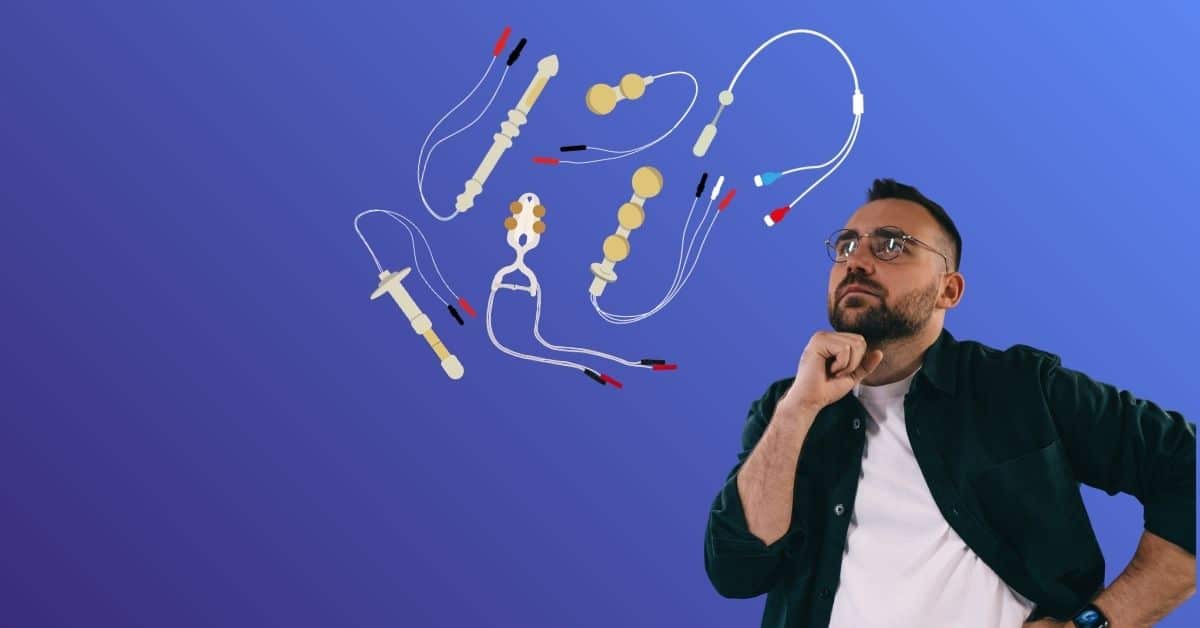
Which Perineal Rehabilitation Probe Should You Choose? The Complete Guide
Vaginal or anal? Electrostimulation or biofeedback? Find out how to choose the perineal rehabilitation probe that best suits your needs.
Pelvic Floor Rehabilitation: Process, Steps, and Techniques
Assessments, exercises, biofeedback, probes… Learn how pelvic floor rehabilitation works, step by step, for both women and men.

Weak pelvic floor: 7 signs to look for and when to seek medical advice
Leakage, sagging, urinary urgency… Learn about the 7 signs of a weakened pelvic floor—in both men and women—and when to take action.

