The Perineum and Sports: What Activities to Do and How to Protect It

The Perineum and Sports:
Activities That Put a Strain on It (and How to Protect It)
It’s back-to-school time, and with it comes the desire to get back into exercise! Running, fitness, group classes… A great way to stay healthy.
But did you know that certain activities put a lot of strain on your pelvic floor, sometimes to the point of weakening it?
Don’t panic: it’s not about stopping exercise, but about doing it in a way that protects this essential muscle. We’ll explain how.
Is Exercise a Friend or Foe to the Pelvic Floor?
Let’s start by clearing up a misunderstanding: exercise is good for your health, and there’s no question of giving it up. But not all activities have the same impact on the perineum.
Remember that the perineum is that hammock of muscles at the base of the pelvis that supports the organs and ensures continence. However, with every impact or intense effort, downward pressure is exerted on this pelvic floor. Repeated hundreds of times, this pressure can, over time, strain the pelvic floor, especially if it is already weakened (after pregnancy, with age, etc.).
Sports That Put the Most Strain on the Pelvic Floor
Certain activities place significant strain on the pelvic floor, particularly those involving repeated impacts or intense exertion:
⇒ Running, with its repeated impacts with every stride.
⇒ Jumping sports (jump rope, certain fitness classes, trampoline).
⇒ Team sports involving jumping and running (basketball, volleyball, handball).
⇒ Intense strength training activities involving heavy lifting, which increase abdominal pressure.
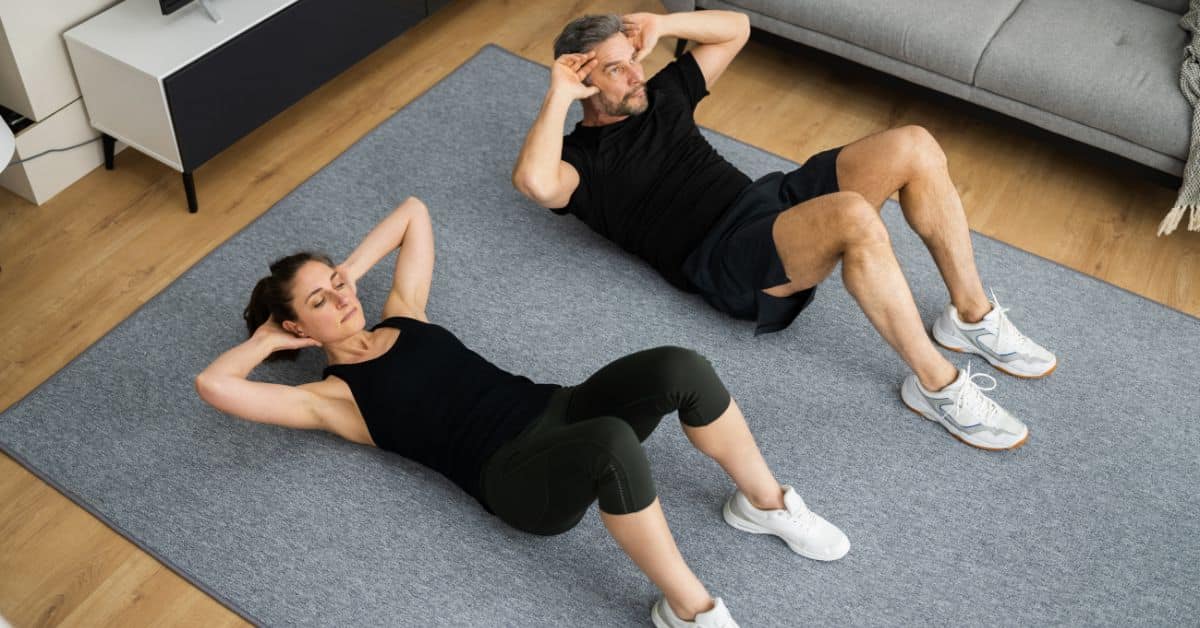
⇒ Certain classic abdominal exercises (the famous “crunches”), which can push downward and strain the pelvic floor if performed incorrectly.
⚠ This does not mean that these sports are “off-limits.”
Many people participate in them without any issues. But if you experience leakage or a feeling of heaviness during or after exercise, this is a warning sign you should not ignore.
Gentler Exercises for the Pelvic Floor
Conversely, certain activities are considered gentler on the pelvic floor because they limit impact:
⇒ Swimming and water aerobics, where the buoyancy of the water reduces pressure.
⇒ Cycling (making sure the saddle is comfortable).
⇒ Walking, which is accessible and low-impact.
⇒ Pilates and certain types of yoga, which consciously engage the deep muscles.
These are good options, especially for a gentle return to exercise or if you have a weakened pelvic floor.
How can you protect your pelvic floor while exercising?
Good news: a few simple habits can help you stay active while protecting your pelvic floor.
→ “Tightening” before exertion: get into the habit of gently contracting your pelvic floor just before jumping, lifting a load, or pushing. This habit protects it from pressure.
→ Don’t neglect your breathing: avoid holding your breath during exertion (which increases downward pressure). Instead, exhale during the effort.
→ Strengthen your pelvic floor alongside your athletic activity, so it’s toned enough to withstand impacts.
→ Pay attention to the warning signs: leakage, a feeling of heaviness, or discomfort are not “normal” for an athlete. These symptoms are a sign to seek medical advice, not to just grit your teeth and push through.
What if my pelvic floor is already weakened?
If you experience leakage or a feeling of heaviness during physical activity, the best course of action is to talk to a healthcare professional before pushing yourself too hard. They can assess your pelvic floor and, if necessary, recommend a tailored rehabilitation program.
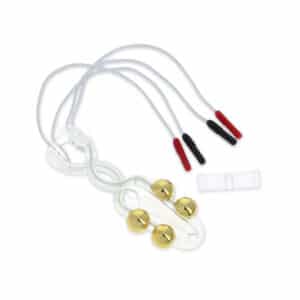
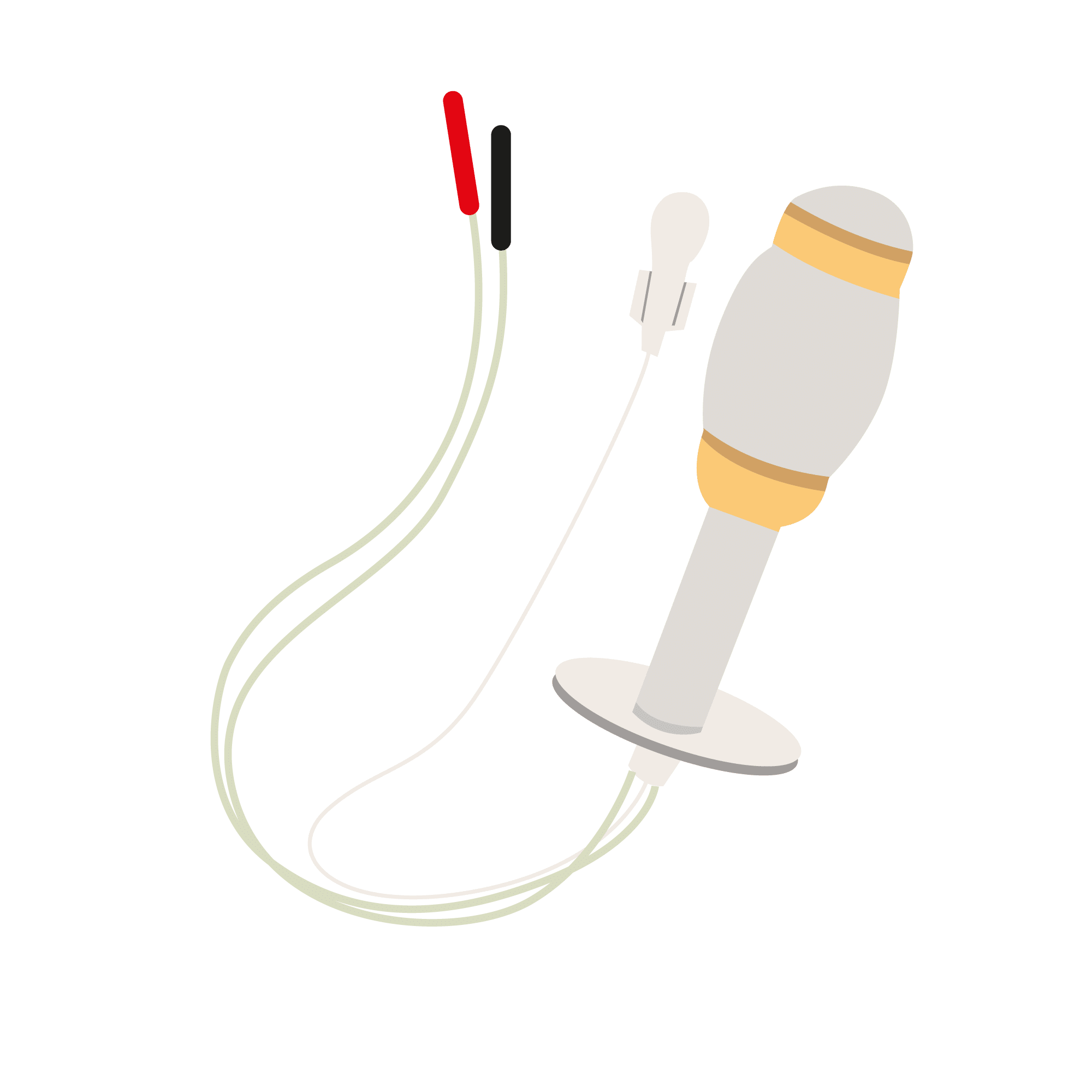
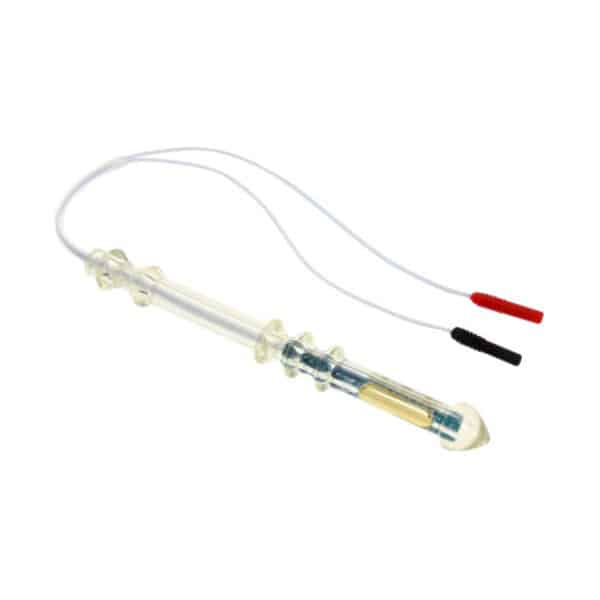
This rehabilitation often involves strengthening exercises, sometimes using a pelvic floor rehabilitation probe that uses biofeedback and electrostimulation to target and tone the muscles. Once the pelvic floor is strengthened, you can resume sports on a much more solid foundation.
At Sugar International, our probes are specifically designed to support this process, complementing professional care.
 Coming back soon
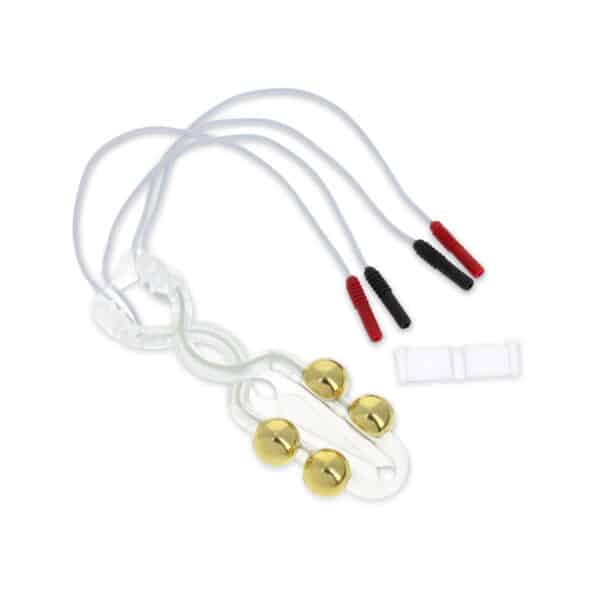
V2B+®
25,00 € Excl. tax-
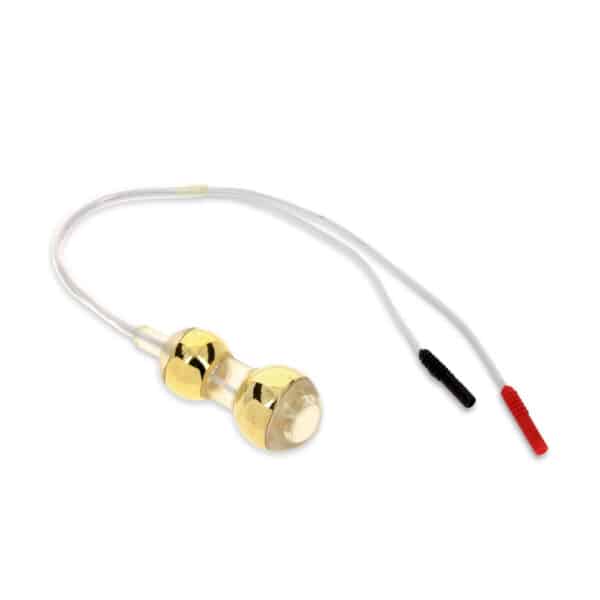
TP2B+ MINIMA®
22,50 € Excl. tax -
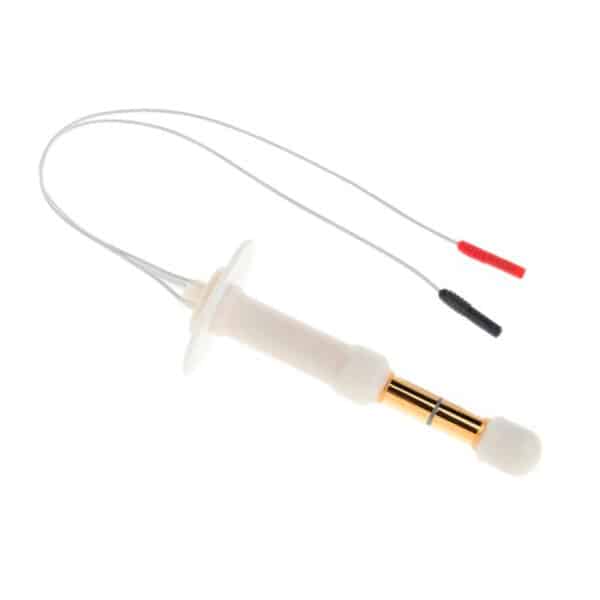
RECTOMAX®
50,00 € Excl. tax -
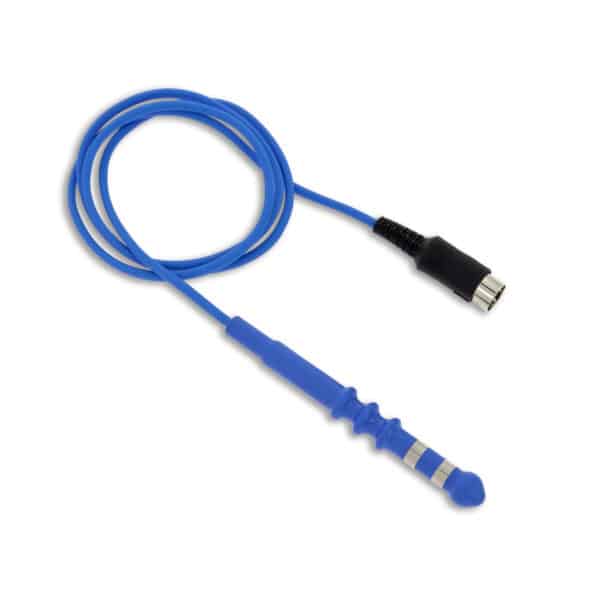
PERISIZE 4®
22,50 € Excl. tax
Devices that can help at home
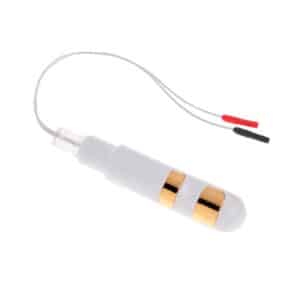
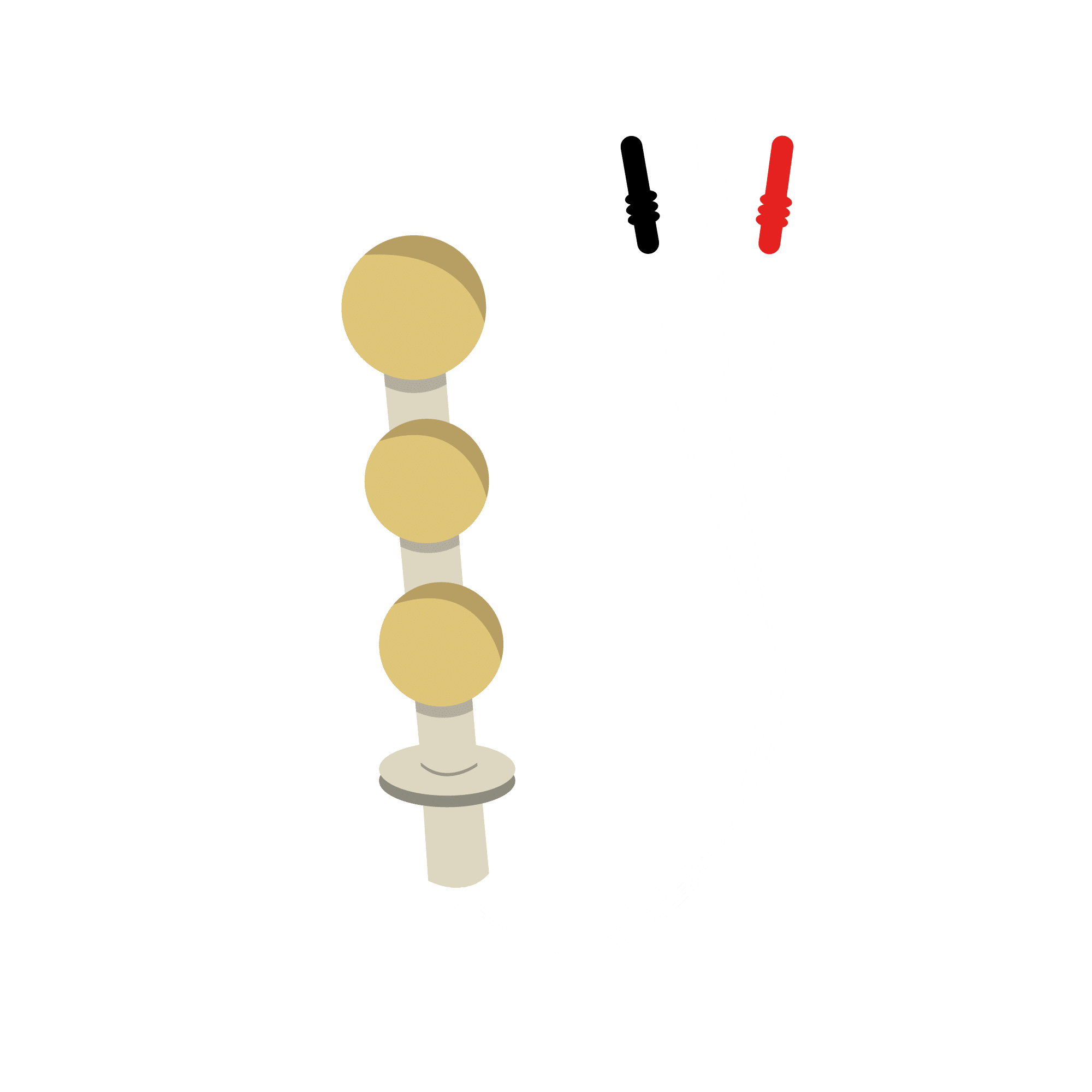
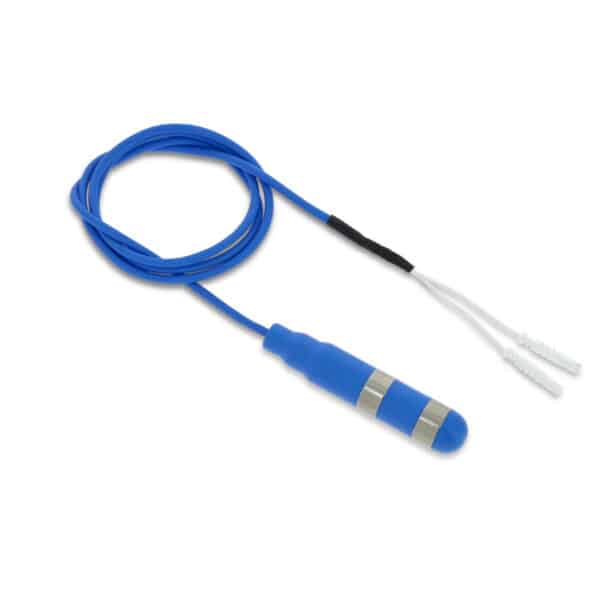
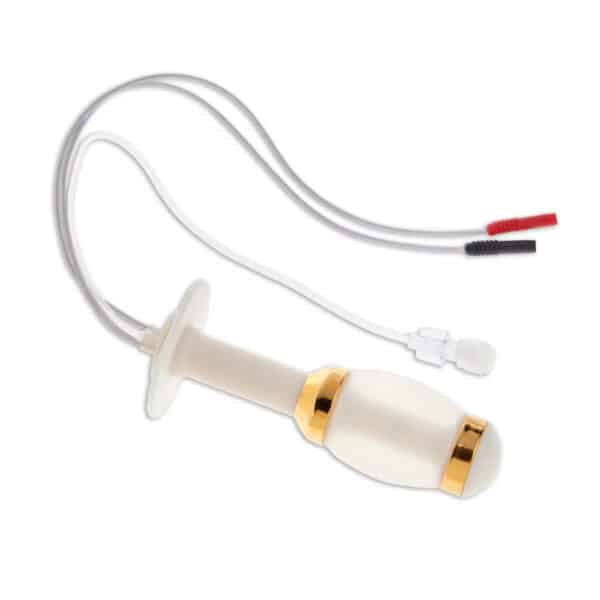
Vaginal probes
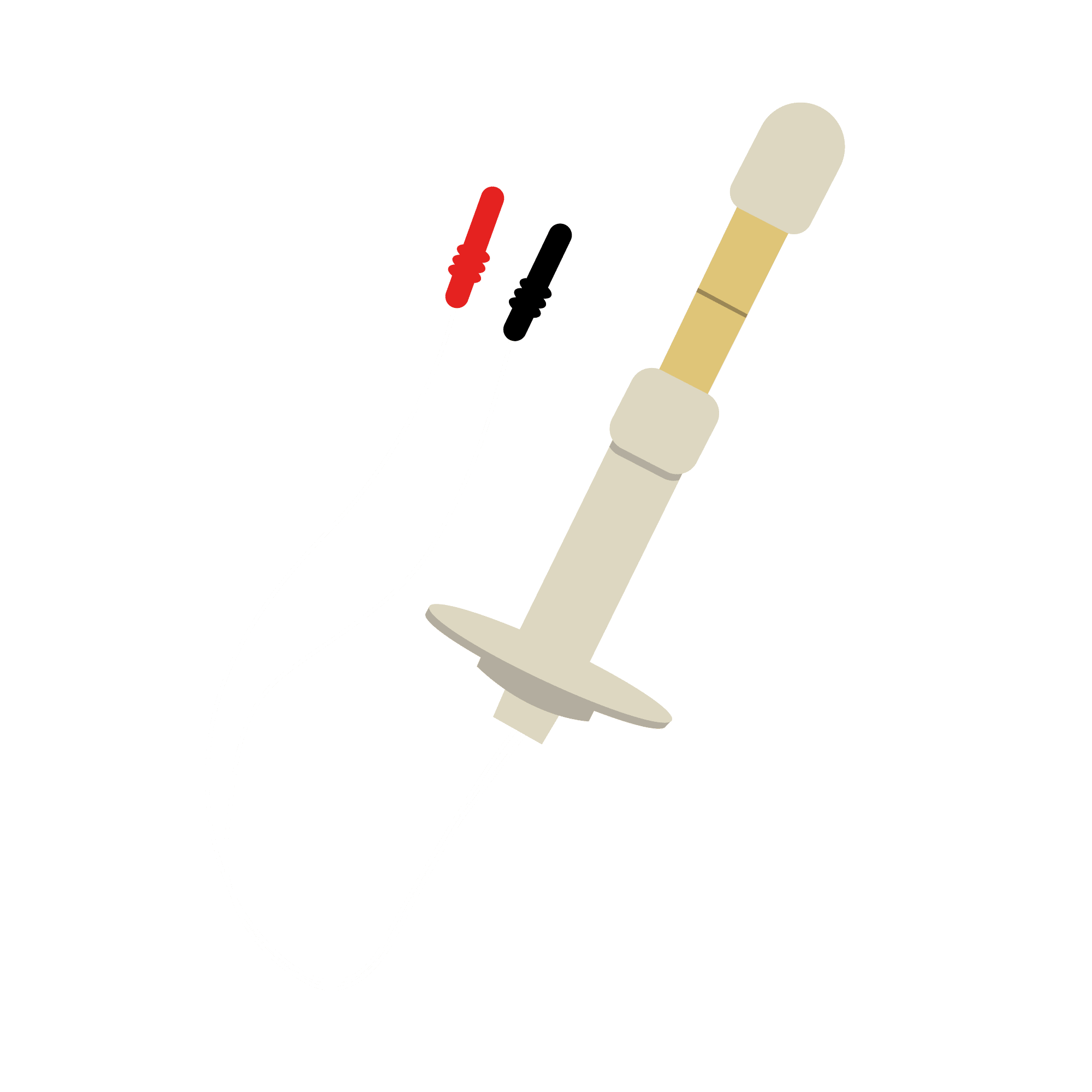
Vaginal probes are used for perineal rehabilitation in women, particularly in cases of urinary incontinence, postpartum recovery, or pelvic muscle weakness. They allow for targeted exercises using biofeedback or electrostimulation.
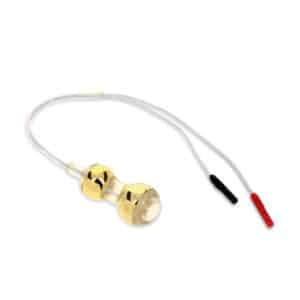
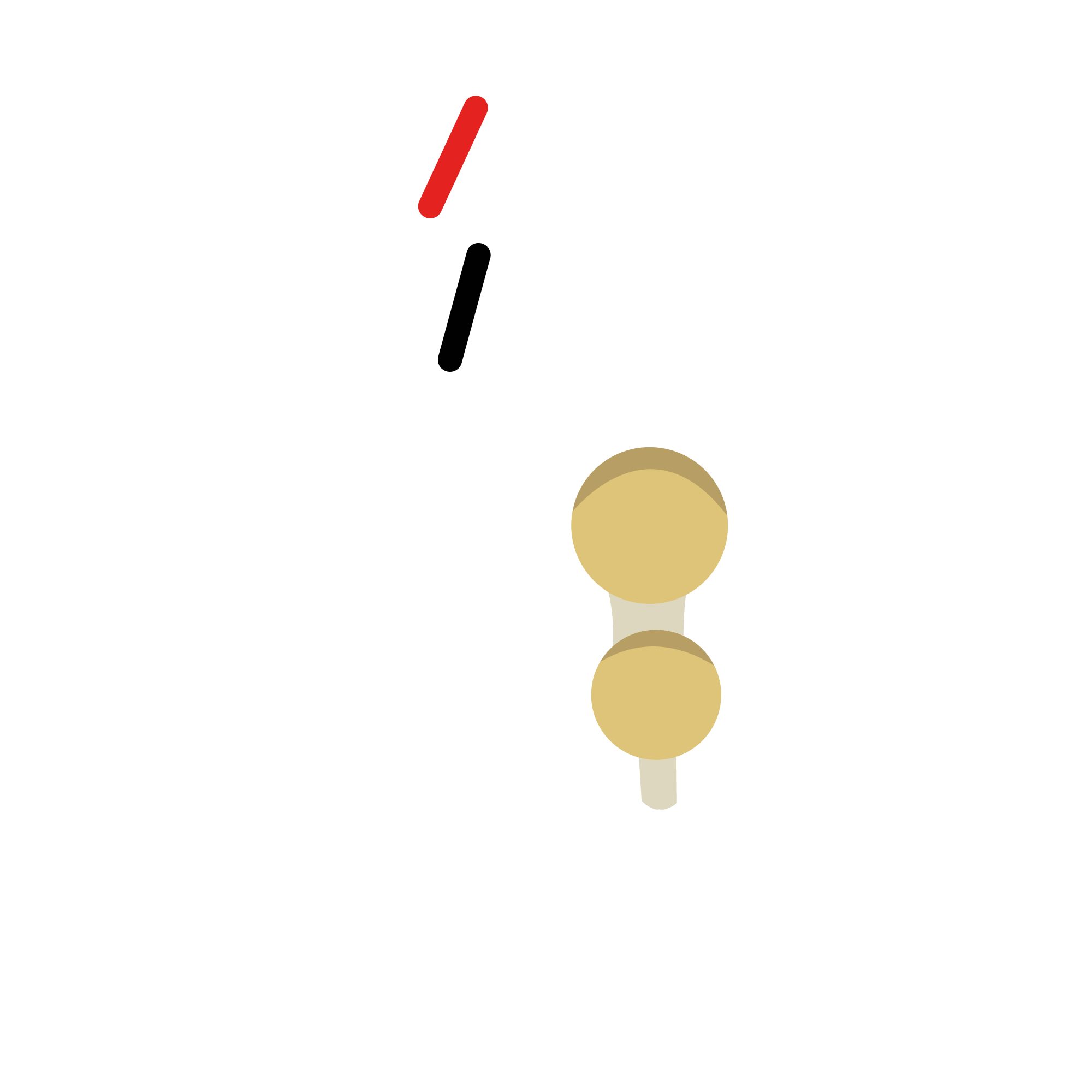
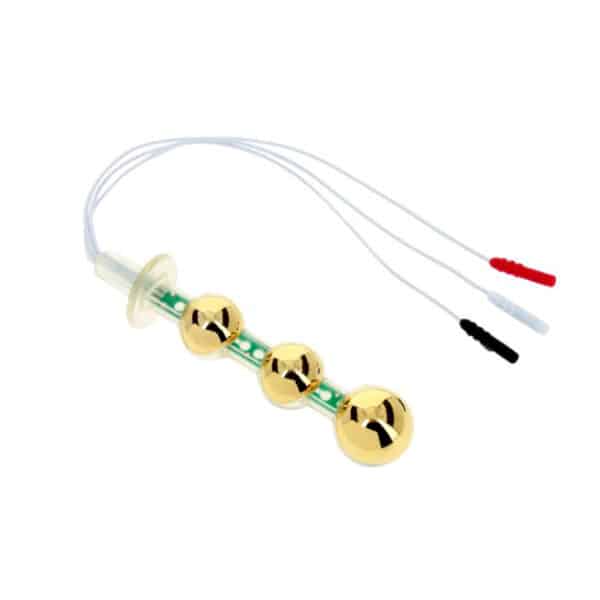
Anal probes
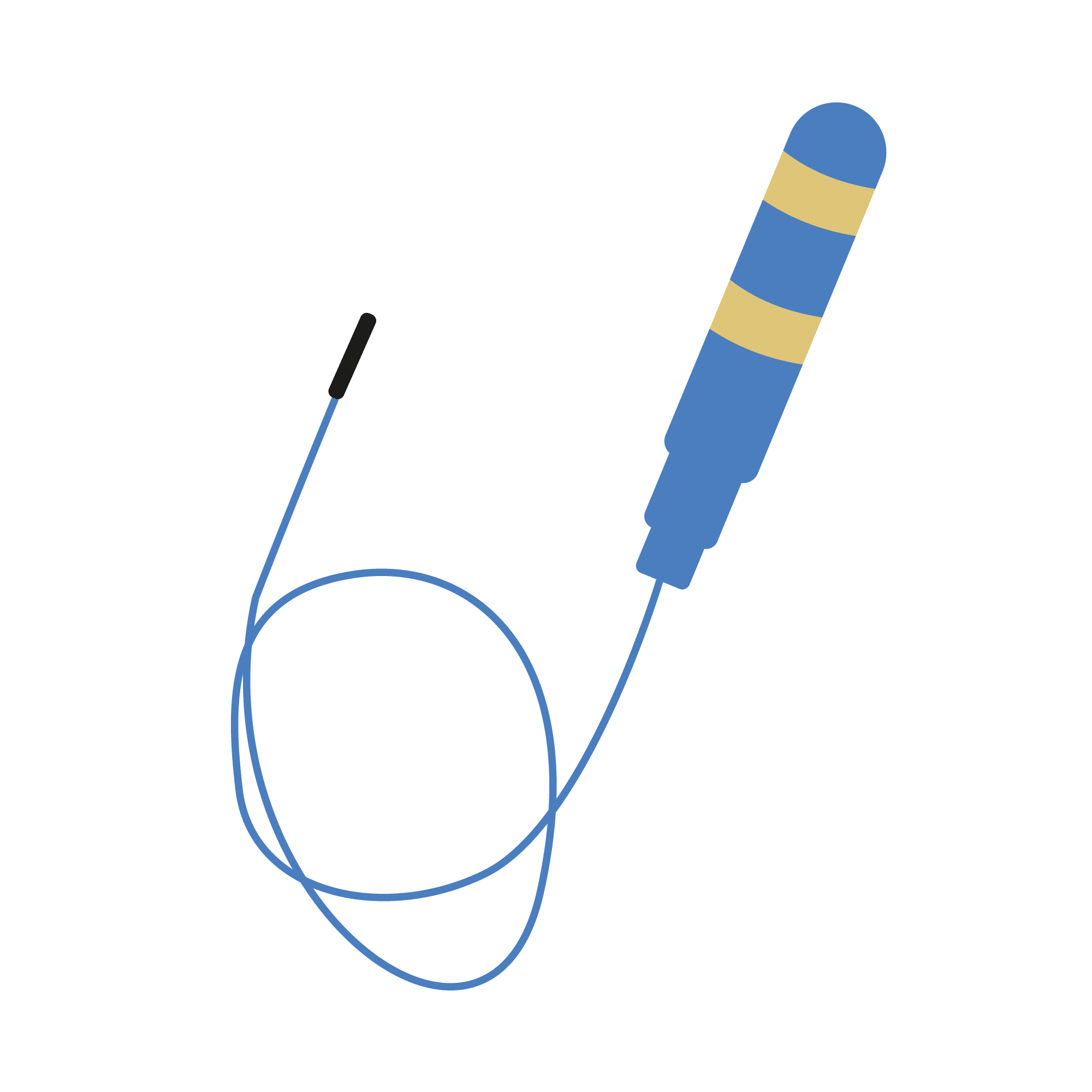
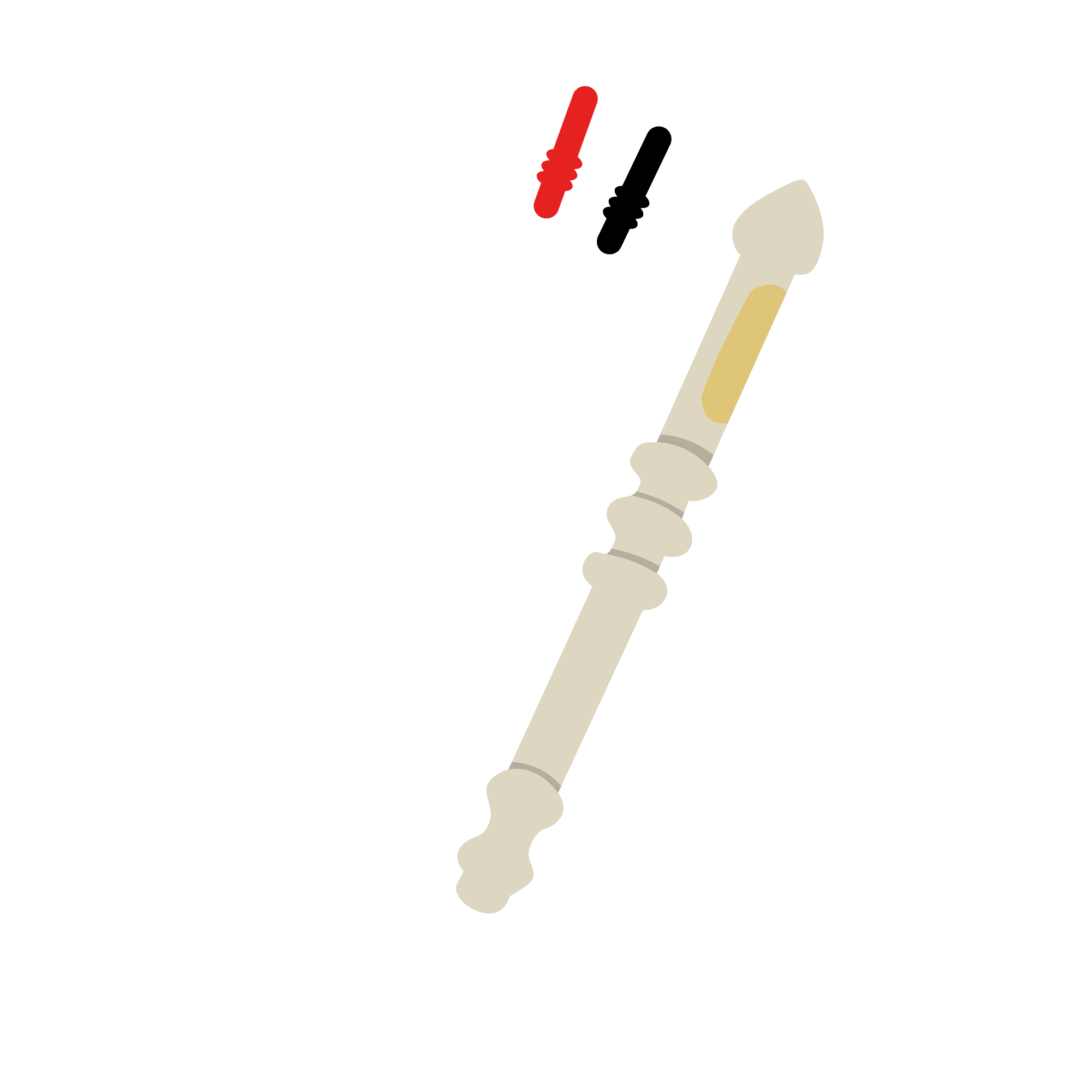
Anal probes are suitable for perineal rehabilitation in both men and women, particularly for treating urinary or fecal incontinence. They offer an effective solution for strengthening the pelvic floor muscles through electrostimulation.
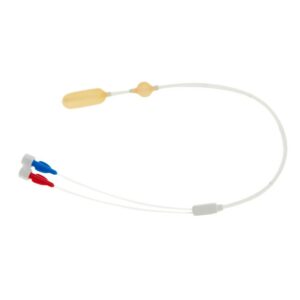
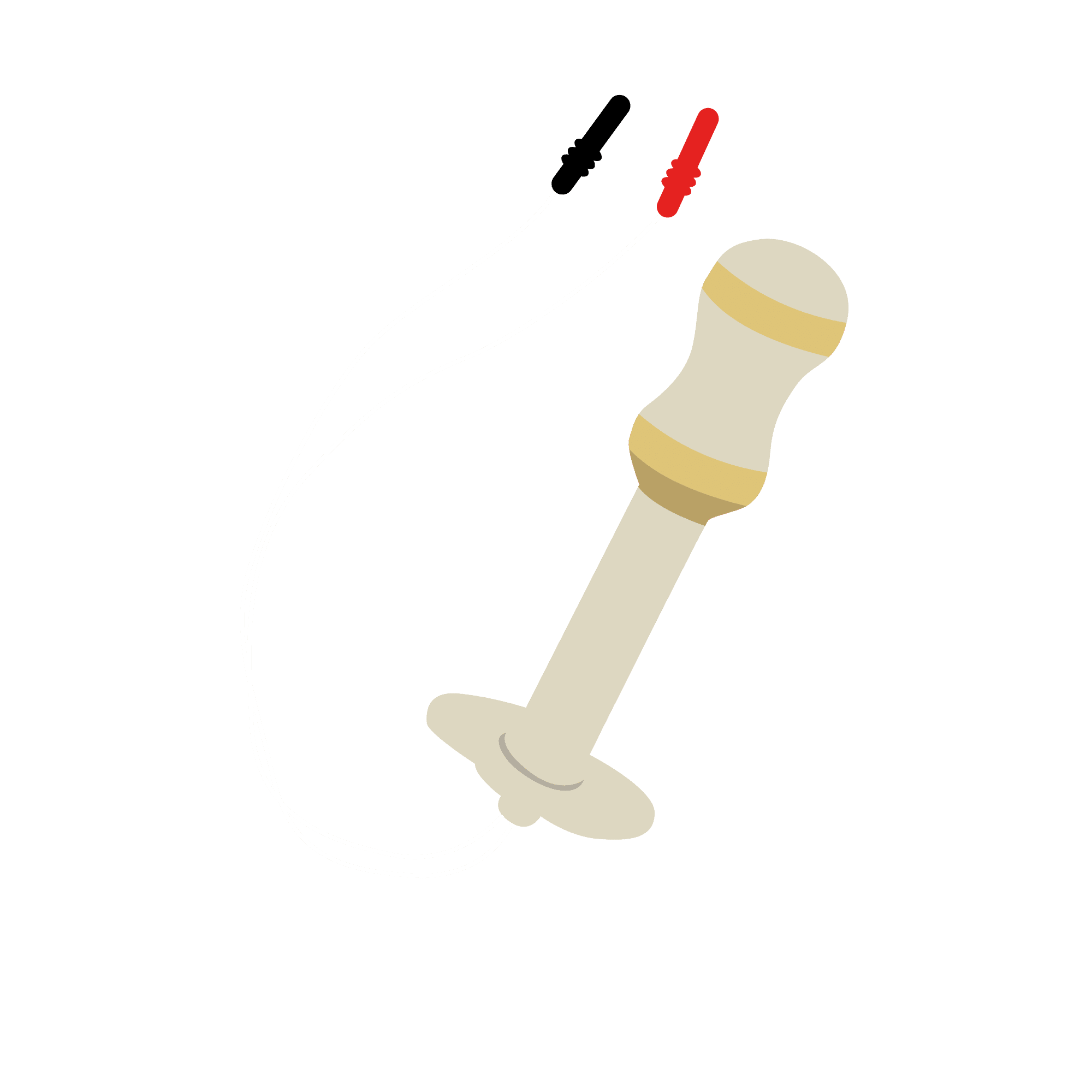
Electrostimulators
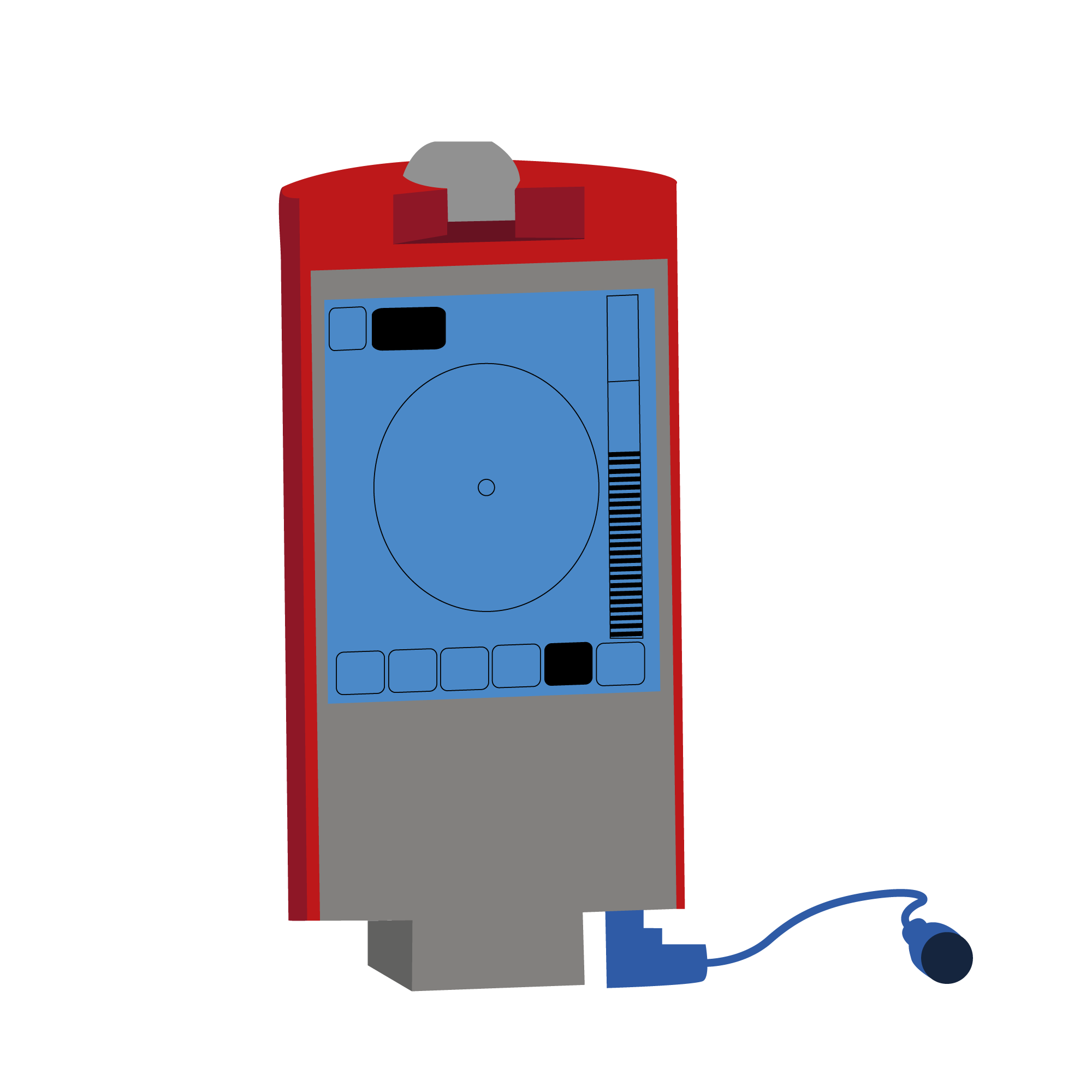
A perineal electrostimulator is a device that sends mild electrical impulses to stimulate and strengthen the perineal muscles. It is recommended as part of a home rehabilitation program, often in conjunction with medical supervision.




To conclude…
Exercise is great for your health, but certain high-impact activities put a lot of strain on the pelvic floor. The solution isn’t to stop, but to exercise smartly: tighten your pelvic floor before exertion, breathe properly, strengthen your pelvic floor at the same time, and listen to your body’s signals.
If you experience leakage or discomfort, a healthcare professional can help you.
A toned pelvic floor ensures you can stay active for a long time, with complete freedom.
⇒ To gently strengthen your pelvic floor, (re)read our article “Pelvic Floor Exercises at Home: A Gentle Guide ⬈.” And to understand the basics, “The Perineum: Definition, Role, and Importance for Health ⬈ ”.
-
INTELLISTIM UG®
245,19 € Excl. tax

Frequently asked questions
Check out the questions most frequently asked by users.
Should you stop running if you have urinary incontinence?
It may not necessarily be permanent, but leakage is a sign that shouldn’t be ignored.
Ideally, you should talk to a healthcare professional, who can recommend physical therapy; once the pelvic floor is strengthened, resuming sexual activity is often easier.
Does this also apply to athletic men?
Yes.
The male perineum can also be strained by high-impact or weight-bearing sports. Men can therefore benefit from the same protective measures and, if necessary, rehabilitation.
What kind of exercise should you start again after giving birth?
It is generally recommended to start with low-impact activities (walking, swimming) and to complete your pelvic floor rehabilitation before resuming high-impact sports.
Your healthcare provider will advise you on the right time to resume based on your recovery.
What is hypopressive exercise, and is it good for the pelvic floor?
Hypopressive exercises are a set of exercises designed to reduce pressure on the pelvic floor rather than pushing it downward.
Many people are interested in this as a complement to physical therapy, but it is still recommended to consult a professional to ensure the exercises are appropriate for your situation.
Does wearing a sports belt protect the perineum?
A support belt can help when carrying heavy loads, but it is no substitute for a strong pelvic floor or proper techniques (breathing, engagement).
Consult a professional before purchasing one.
Check out our blog


Genitourinary Syndrome of Menopause: Symptoms and Solutions
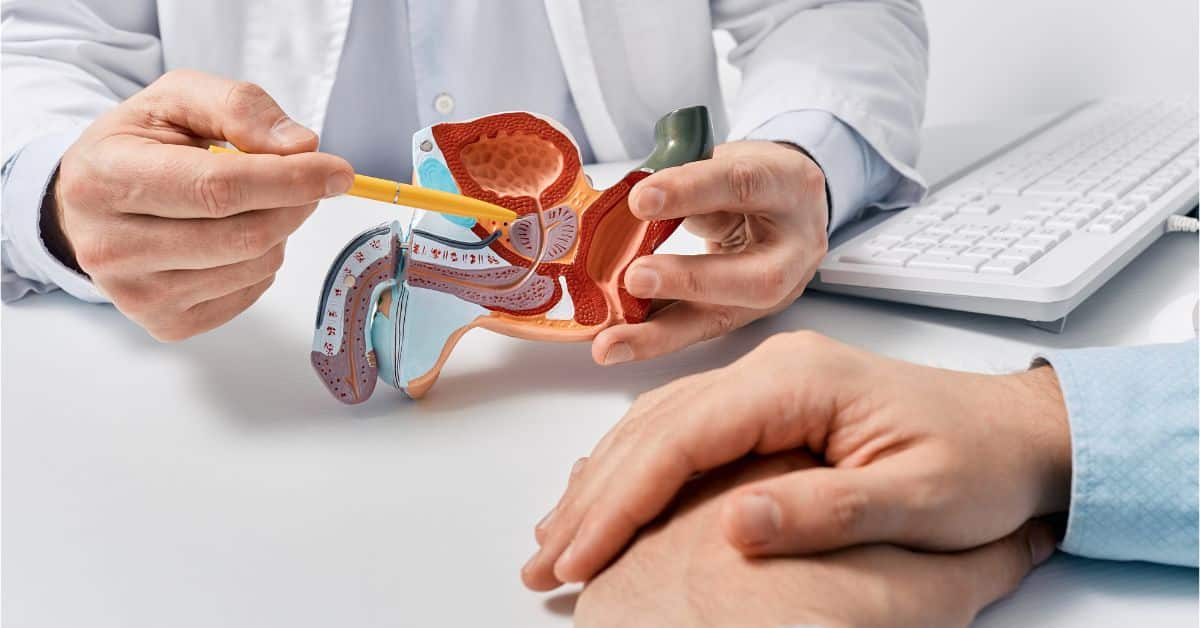
Urinary Incontinence After Prostatectomy: Perineal Rehabilitation
After prostate surgery, urinary incontinence is common but often temporary. Learn about the key role of pelvic floor rehabilitation.

Breast Cancer and Intimacy: Dryness, Incontinence, Solutions
Pink October: Vaginal dryness, urinary incontinence, pain… Breast cancer treatments can affect your intimate health. Causes and solutions.

Lump or discomfort in the vagina: possible causes and when to seek medical attention
Lump or discomfort in the vagina: possible causes and when to see a doctor
Common Misconceptions About the Perineum: 8 Myths You Should Know
Pelvic floor and constipation: Understanding the connection and taking action
Pelvic Floor and Pregnancy: Rehabilitation Before and After Childbirth
How to Use a Perineal Rehabilitation Probe: Instructions for Use
Insertion, lubrication, connection, precautions, warnings… Learn how to use your perineal rehabilitation probe correctly, step by step and safely.