
Caring for a Perineal Rehabilitation Probe: The Complete Guide
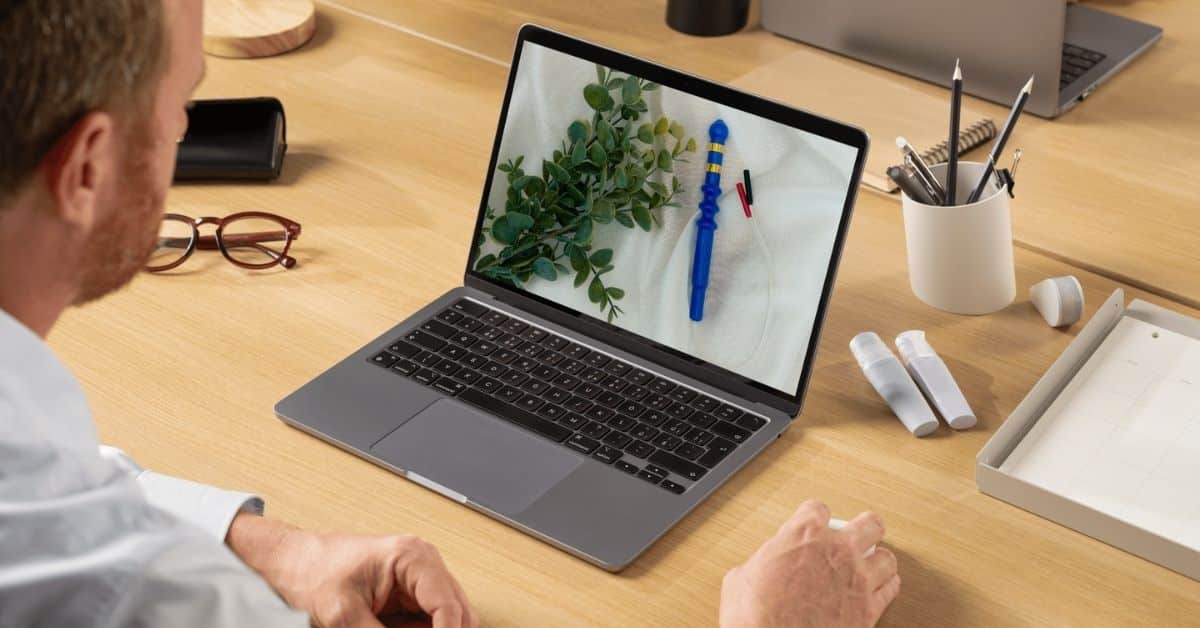
How to Properly Care for Your Perineal Probe:
The Complete Guide
Have you just received your rehabilitation catheter, or are you already using it on a daily basis? Good news: taking care of it is very simple, as long as you know the right steps to follow. Proper care means a more hygienic catheter that lasts longer and remains effective throughout your rehabilitation. We’ll walk you through everything, step by step.
Good to know: The instructions below are in line with the manufacturer’s recommendations for our catheters. If in doubt, always refer to the instructions provided with your catheter and consult your healthcare professional.
Before using for the very first time
Your probe is delivered in a sealed pouch.
Caution: It is not sterile, but it has been disinfected before packaging.
⇒ Before using it for the first time, there’s one simple step: rinse it with water to remove any traces of disinfectant. That’s all—there’s no need (and it’s even discouraged) to sterilize it; we’ll come back to this below.
Clean the probe after each use
This is the key to maintenance, and the rule is easy to remember.
→ NEVER submerge your probe in liquid. Do not immerse it in water or any other substance.
→ Clean it only with a cloth dampened with water, possibly with a little mild soap added. Simply do this after each use.
This is the only recommended method: no soaking, no harsh chemicals, just a damp cloth and mild soap if needed.
How to Dry and Store Your Probe
Once cleaned, your probe must be stored clean and dry in its original resealable pouch.
And please note, this is essential: you must keep this pouch. It is not just ordinary packaging. This pouch is an integral part of your probe’s warranty and traceability: it is primarily thanks to this pouch (and the lot number printed on it) that we can identify your product in the event of a problem.
If you throw it away, your probe will no longer be covered by the warranty. So be sure to keep it safe for the entire duration of use.
Good to know: The instructions specify a temperature range of +5 °C to +35 °C. Therefore, avoid leaving your sensor in a place that is too hot or exposed.
Step 4: Incorporating Pelvic Floor Exercises into Your Daily Routine
The best exercise is the one you don’t forget to do. A few simple habits:
• “Tightening” before exertion: Get into the habit of gently contracting your pelvic floor just before coughing, sneezing, laughing, or lifting something heavy. This protects it from pressure.
• Good posture every day, with a straight back, which relieves pressure on the pelvic floor.
• Good habits: avoid constipation (a source of pressure), don’t strain on the toilet, and don’t get into the habit of urinating “just in case” too often.
Enemy No. 1: Sulfur
Here is a lesser-known but important tip.
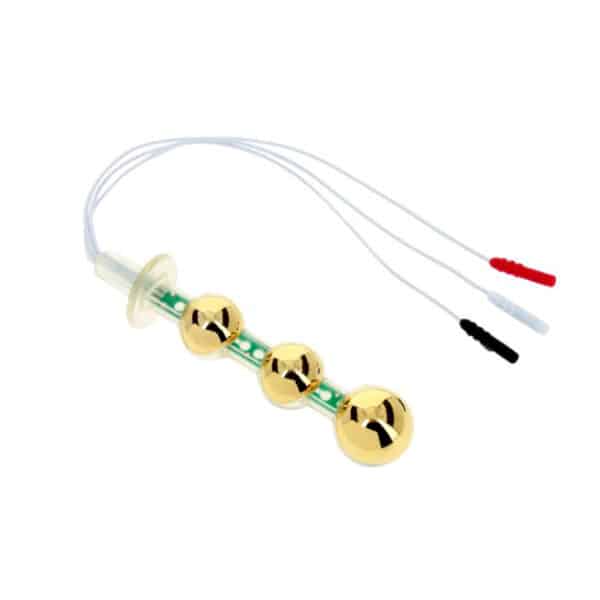
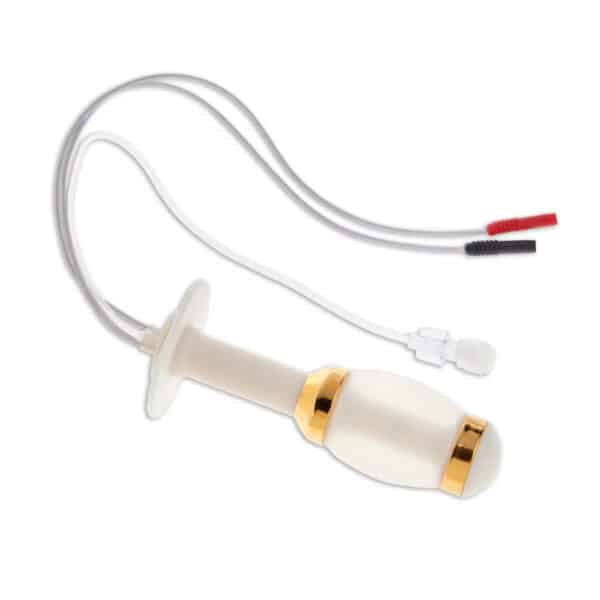
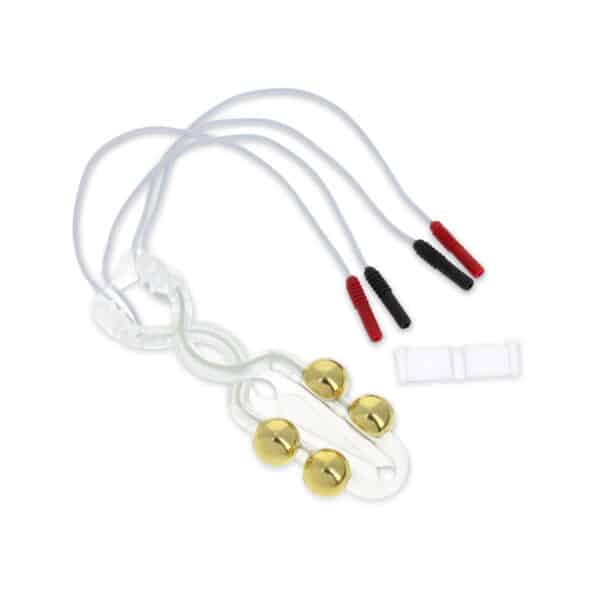
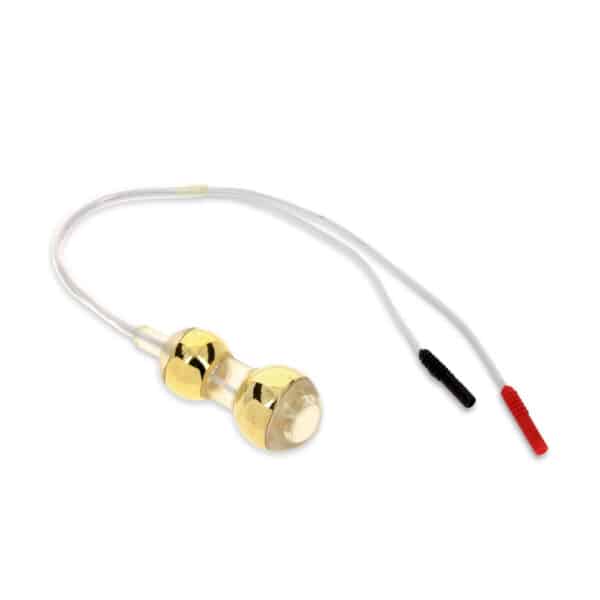
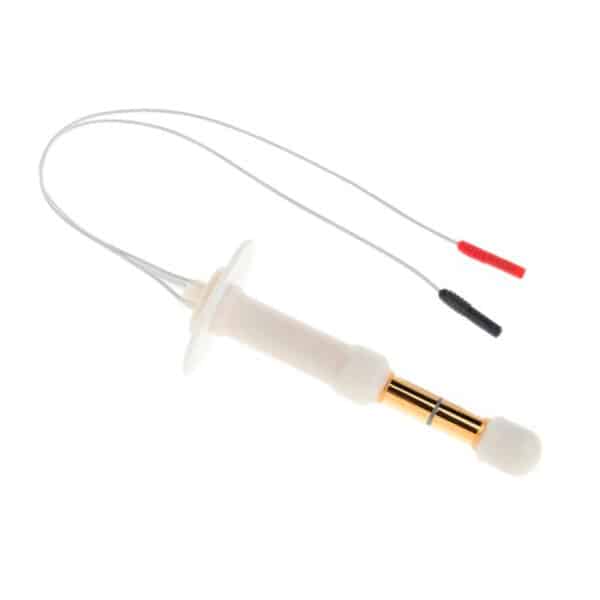
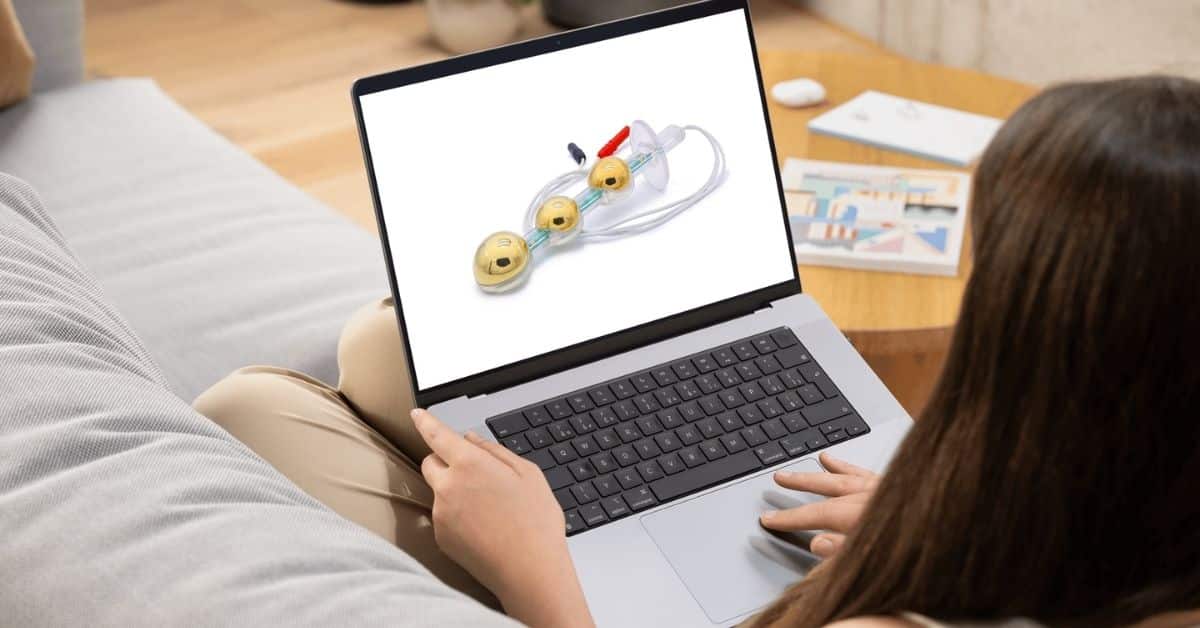
Your probe is equipped with gold-plated electrodes, which ensure good conductivity. To preserve their appearance and proper functioning, keep your probe away from sulfur and sulfur-containing substances, which could damage them.
What You Should Definitely Avoid Doing
Let’s review the mistakes you must absolutely avoid:
-
- Do not sterilize your probe: sterilization can damage the medical device.
- Do not submerge it in water or any other liquid.
- Do not twist or disassemble any parts of the probe.
- Do not use it if the electrodes are damaged.
- Do not allow it to come into contact with sulfur.
- Do not throw away the original packaging: without it, the probe is no longer covered by the warranty.
How long does a probe last?
A rehabilitation probe is a medical device classified as a “consumable”: it wears out over time and with use, which is perfectly normal.
The manufacturer tests it for approximately 60 sessions (at a maximum of one hour per session).
The warranty is valid for a period of 2 years (for individuals) from the date of purchase, provided the device is used properly.
To be clear: After a certain amount of time, it’s normal to have to replace your probe. And if the electrodes are visibly damaged, stop using it.
 Coming back soon
V2B+®
25,00 € Excl. tax-
TP2B+ MINIMA®
22,50 € Excl. tax -
Coming back soon
RECTOMAX®
50,00 € Excl. tax -
PERISIZE 4®
22,50 € Excl. tax -
OPTIMA 3®
22,50 € Excl. tax
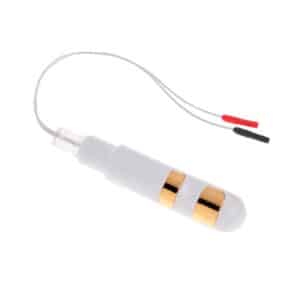
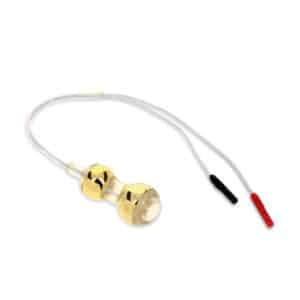
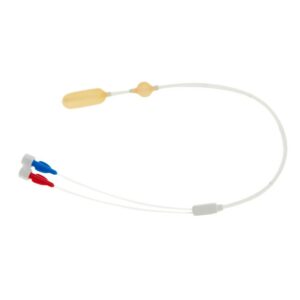
Devices that can help at home
Sondes vaginales
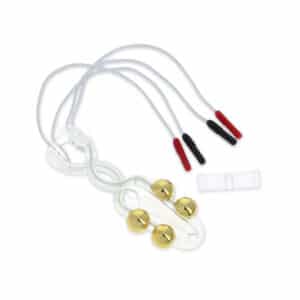
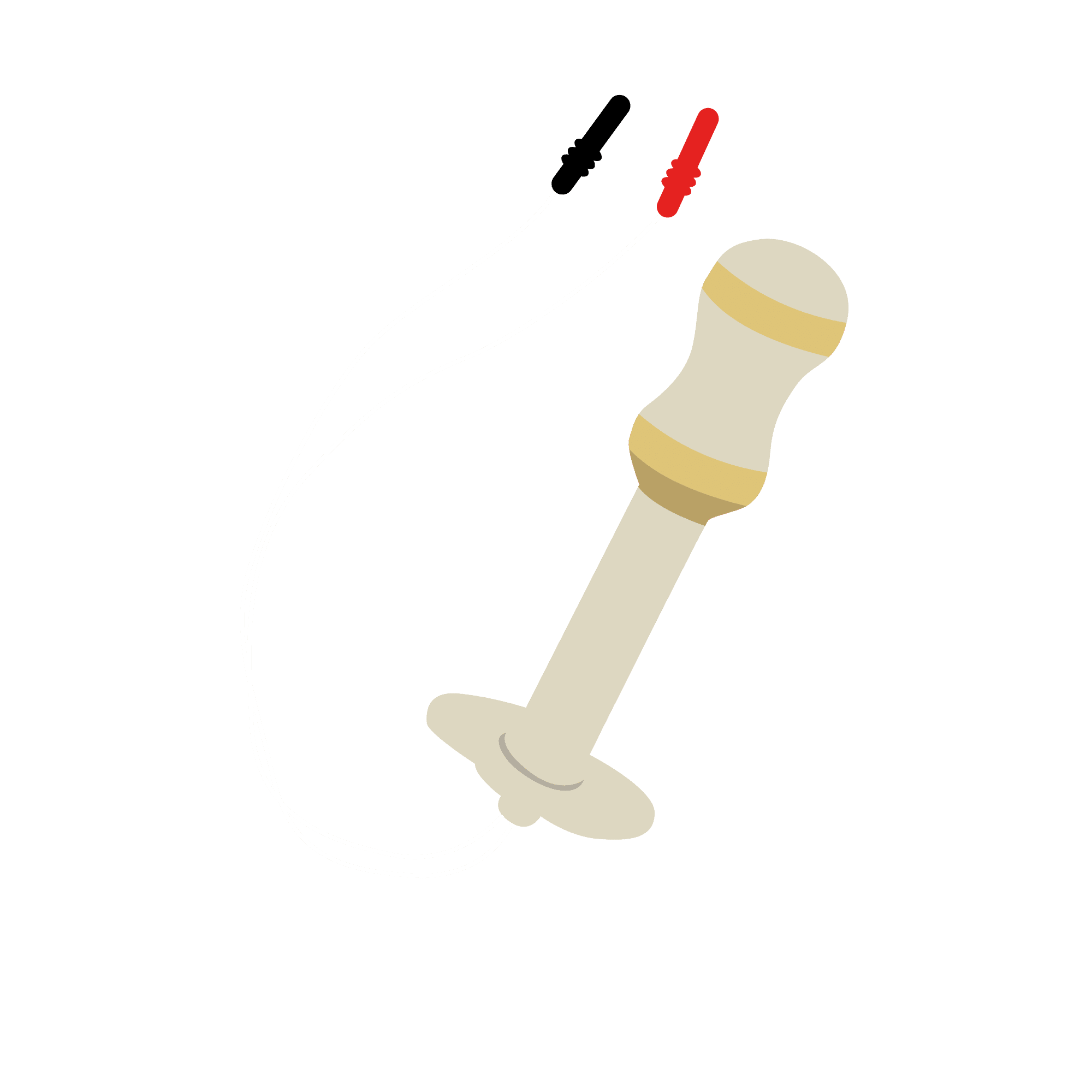
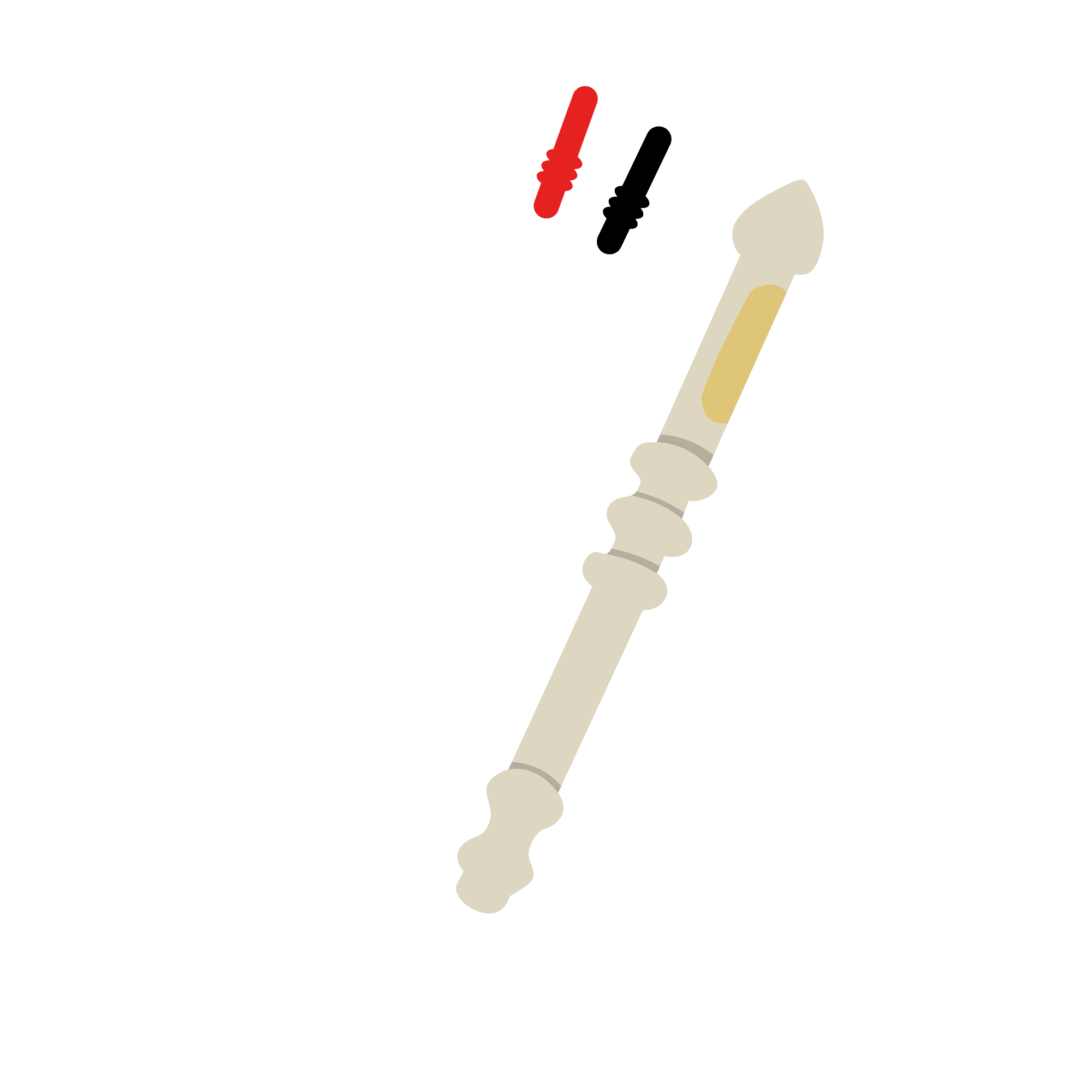
Vaginal probes are used for perineal rehabilitation in women, particularly in cases of urinary incontinence, postpartum recovery, or pelvic muscle weakness. They allow for targeted exercises using biofeedback or electrostimulation.
Anal probes
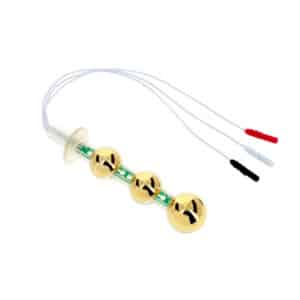
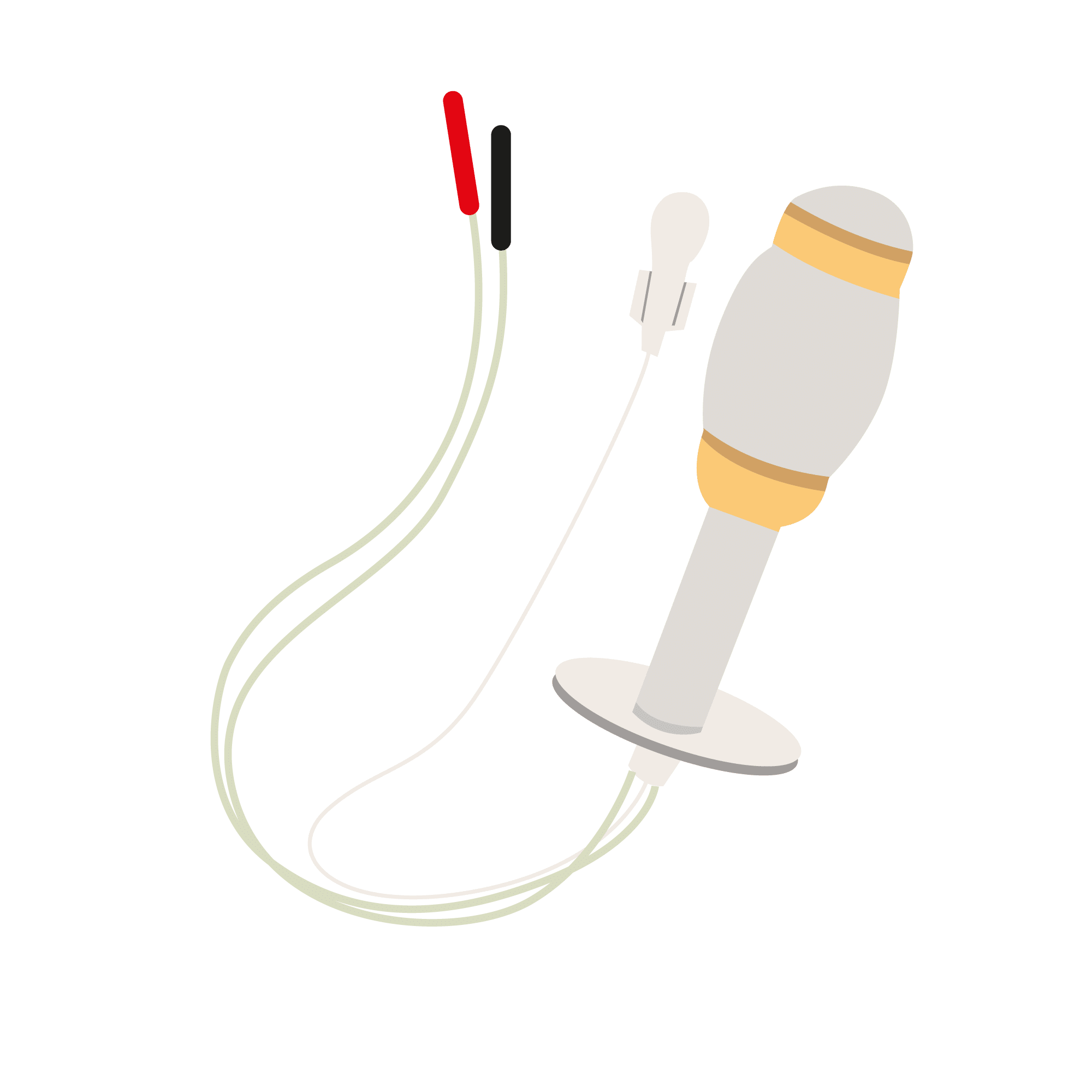
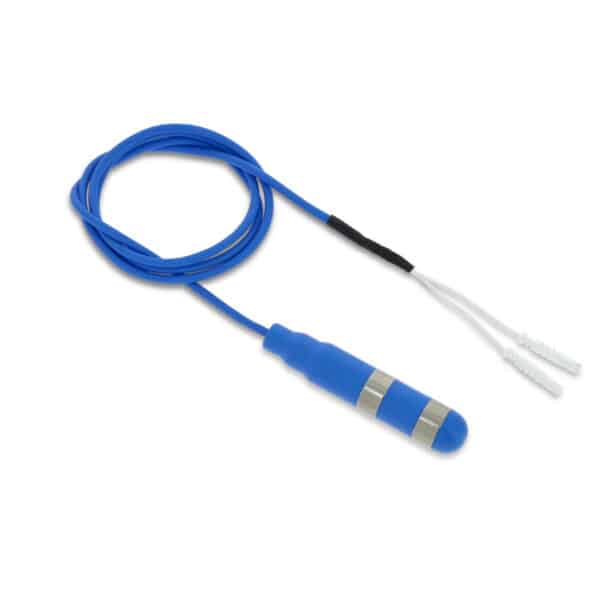
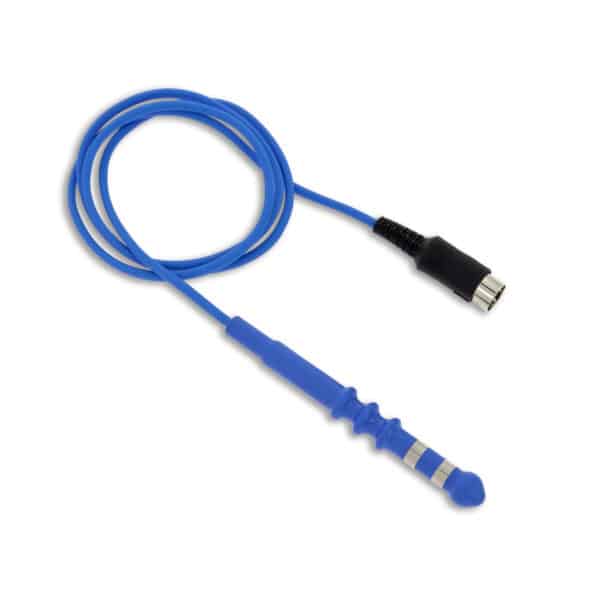
Anal probes are suitable for perineal rehabilitation in both men and women, particularly for treating urinary or fecal incontinence. They offer an effective solution for strengthening the pelvic floor muscles through electrostimulation.
Electrostimulators
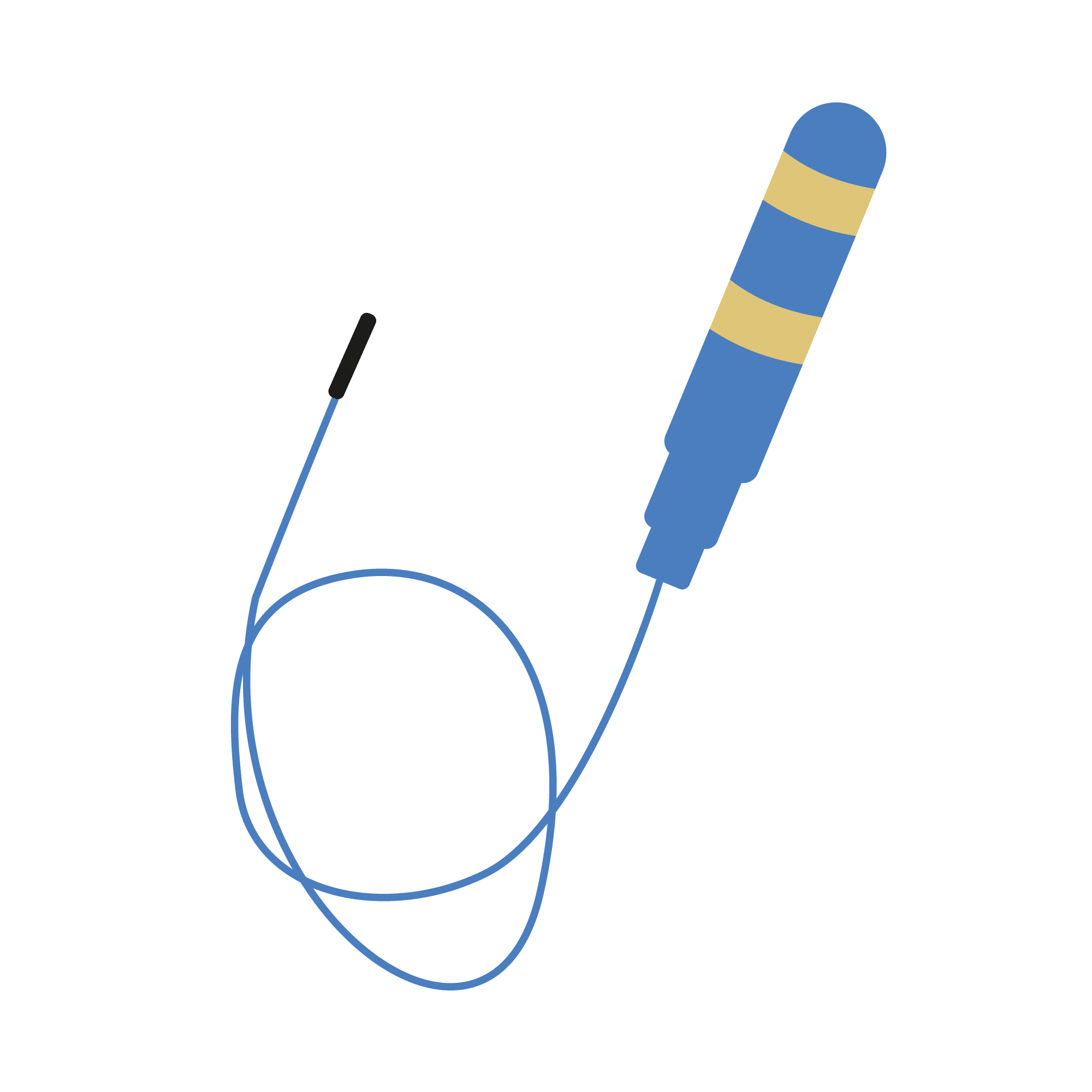
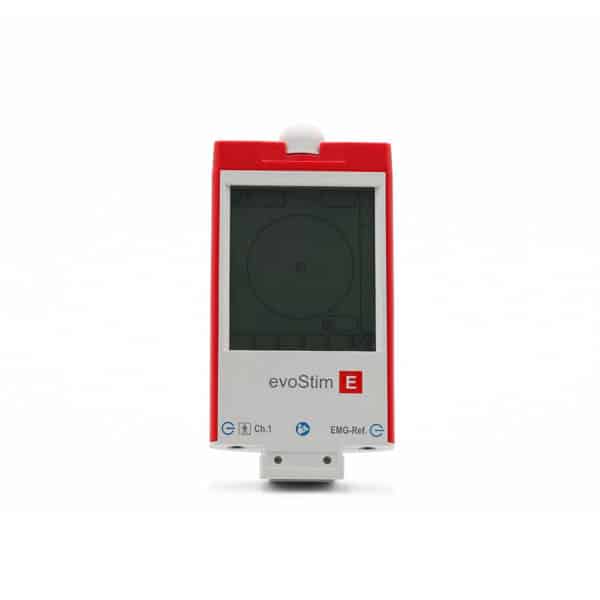
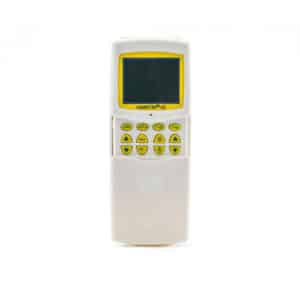
A perineal electrostimulator is a device that delivers mild electrical impulses to stimulate and strengthen the perineal muscles. It is recommended as part of a home rehabilitation program, often in conjunction with medical supervision.




One last important reminder
Your probe is for strictly personal use. For hygiene reasons, it should not be lent or shared: each person should use their own.
To conclude…
Caring for your catheter involves a few simple steps: clean it with water before first use, then with a damp cloth and a little mild soap after each use; never submerge it; dry it and store it in its original pouch (keep this safely for the warranty!); keep it away from sulfur; and replace it when it is worn out or damaged.
These simple steps will extend the life of your probe and ensure that your rehabilitation takes place under the best possible conditions.
Reminder: If you experience leakage, pain, a feeling of heaviness, a recent pregnancy, or are recovering from surgery, consult a healthcare professional before doing these exercises.
⇒ Still not sure which model is right for your rehabilitation? (Re)discover our article “Which perineal rehabilitation probe should you choose? The complete guide ⬈ .”
-
INTELLISTIM UG®
245,19 € Excl. tax
Frequently asked questions
Check out the questions most frequently asked by users.
Can you sterilize your rehabilitation catheter?
No.
The probe should not be sterilized, as sterilization may damage the medical device.
Cleaning with water and mild soap using a cloth is sufficient.
Can I submerge the probe in water to clean it?
No.
Never submerge the probe in liquid.
Clean it only with a damp cloth and, if necessary, mild soap.
How should you store your probe between uses?
Store it clean and dry in its original resealable pouch at a temperature between +5 °C and +35 °C, away from heat.
Be sure to keep this pouch: it is part of the probe’s warranty and traceability.
Should I keep the probe's original packaging?
Yes, it’s essential.
The original packaging is part of your probe’s warranty and traceability: it includes the lot number, which allows the product to be identified in case of a problem.
If you discard it, the probe will no longer be covered by the warranty. Keep it for the entire duration of use.
Can you share your probe with someone else?
No.
The probe is for strictly personal use only, for hygiene reasons.
It must never be shared.
Check out our blog

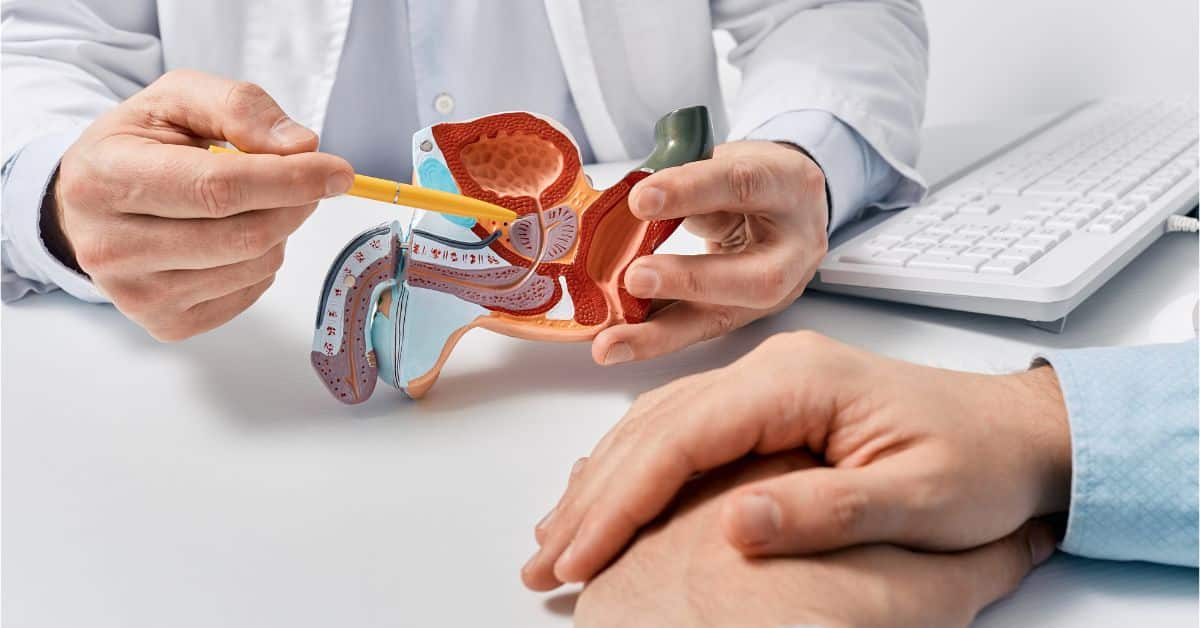
Urinary Incontinence After Prostatectomy: Perineal Rehabilitation
After prostate surgery, urinary incontinence is common but often temporary. Learn about the key role of pelvic floor rehabilitation.

Breast Cancer and Intimacy: Dryness, Incontinence, Solutions
Pink October: Vaginal dryness, urinary incontinence, pain… Breast cancer treatments can affect your intimate health. Causes and solutions.

Lump or discomfort in the vagina: possible causes and when to seek medical attention

Lump or discomfort in the vagina: possible causes and when to see a doctor
Common Misconceptions About the Perineum: 8 Myths You Should Know
Pelvic floor and constipation: Understanding the connection and taking action

The Perineum and Sports: What Activities to Do and How to Protect It

Pelvic Floor and Pregnancy: Rehabilitation Before and After Childbirth
How to Use a Perineal Rehabilitation Probe: Instructions for Use
Insertion, lubrication, connection, precautions, warnings… Learn how to use your perineal rehabilitation probe correctly, step by step and safely.