
Constantly contracting your pelvic floor muscles: myth or good idea?
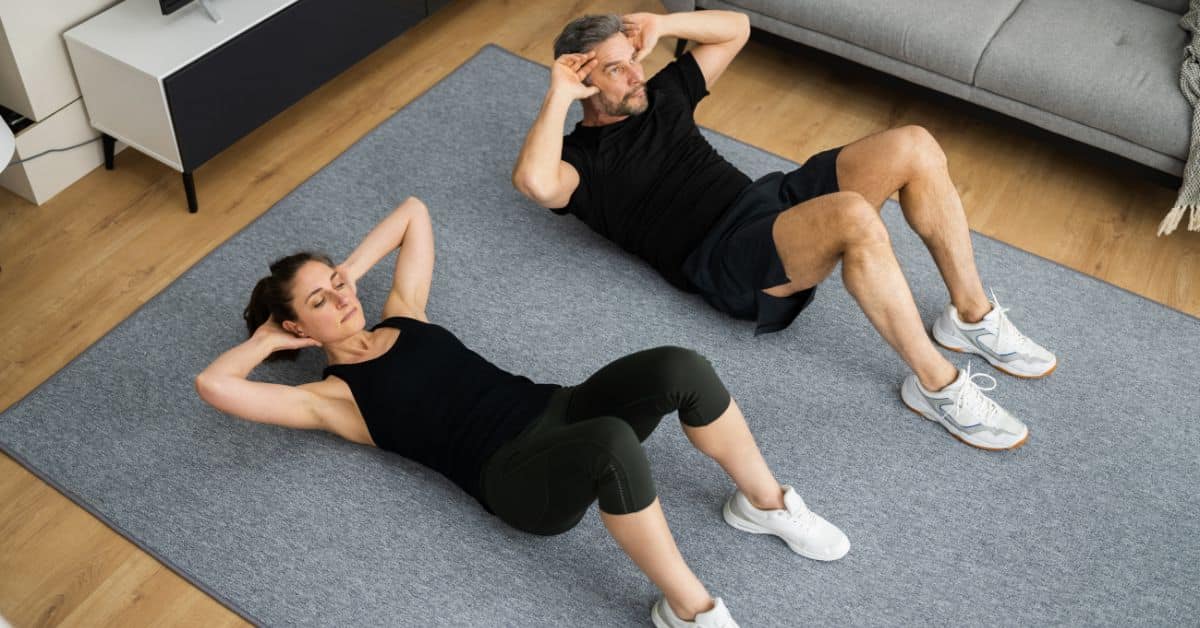
Should you tighten your pelvic floor muscles all day long:
what social media is saying
On social media, a piece of advice is circulating widely: you should remember to tighten your pelvic floor muscles at all times—while walking, running, carrying groceries, or holding your child.
The intention is well-meaning, but the idea deserves to be seriously qualified.
The pelvic floor isn’t a muscle that needs to be kept tight all the time to function properly: like any other muscle in the body, it needs to alternate between moments of tension and moments of true relaxation.
Understanding this nuance makes a big difference, and that’s exactly what we’re going to explore together.
The perineum isn’t just “a muscle you squeeze”
People tend to think of the perineum as simply a muscle that should be contracted as often as possible. This is a misleading simplification.
Let’s recall what the perineum actually is: a network of muscles located at the base of the pelvis that supports the organs (bladder, intestines, uterus, or prostate) and plays a role in continence.
However, a healthy muscle isn’t one that’s constantly contracted. It’s a muscle capable of contracting when necessary, then relaxing completely the rest of the time.
Think of your biceps: no one keeps them tensed all day long! The perineum is the same.
Its health depends on this alternation between tension and relaxation, not on constant contraction.
The Two Extremes to Avoid
That’s the crux of the matter: a problematic pelvic floor can manifest in two opposite ways.
A perineum that is too weak (hypotonic)
This is the most well-known case. The muscle lacks tone and provides less support; this can result in urinary leakage, a feeling of heaviness, or a sensation of “giving way.”
A pelvic floor that is too tight (hypertonic)
This is a condition that is almost never discussed, yet it certainly exists. A pelvic floor that can no longer relax can also cause problems: pain, urinary discomfort, and discomfort during intimate moments.
The conclusion is clear: “the tighter, the better” is false in both cases. A perineum that is constantly overworked can become too tight and thus experience difficulties, just like a perineum that is too weak.
How can we tell where we stand?
Without making a diagnosis (only a professional can do that), a few simple guidelines can help you observe yourself calmly:
Do you experience leakage or a feeling of lack of support? This suggests a lack of muscle tone.
On the other hand, do you feel tension, pain, or have trouble relaxing this area? This may indicate that your pelvic floor is too tight.
Please note: these guidelines are merely suggestions for self-assessment, not a definitive diagnosis. If you have any doubts, experience pain, or have persistent leakage, a healthcare professional can assess your situation with you.
Please note: these guidelines are merely suggestions for self-assessment, not a definitive diagnosis. If you have any doubts, experience pain, or have persistent leakage, a healthcare professional can assess your situation with you.
Learning to Sense the Difference, Gently
Here’s the key point—and often the most difficult one: knowing whether you’re truly relaxing your pelvic floor between contractions.
Many people think they’re relaxing when they’re actually holding onto residual tension, without even realizing it. And this sensation is very difficult to detect on your own.
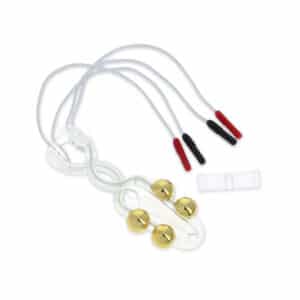
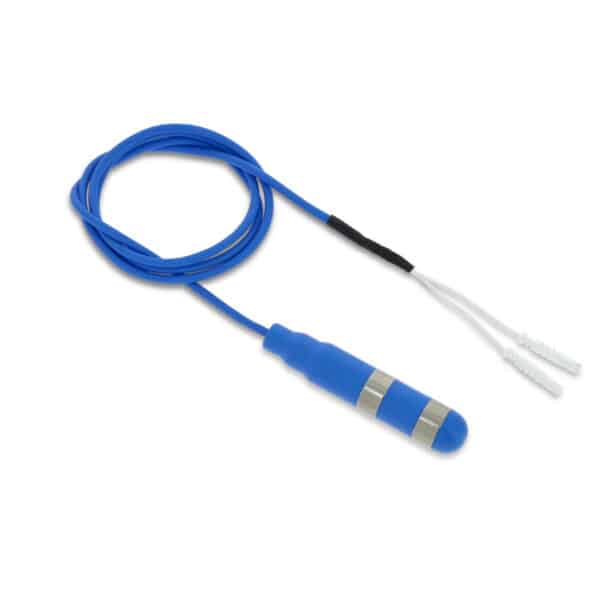
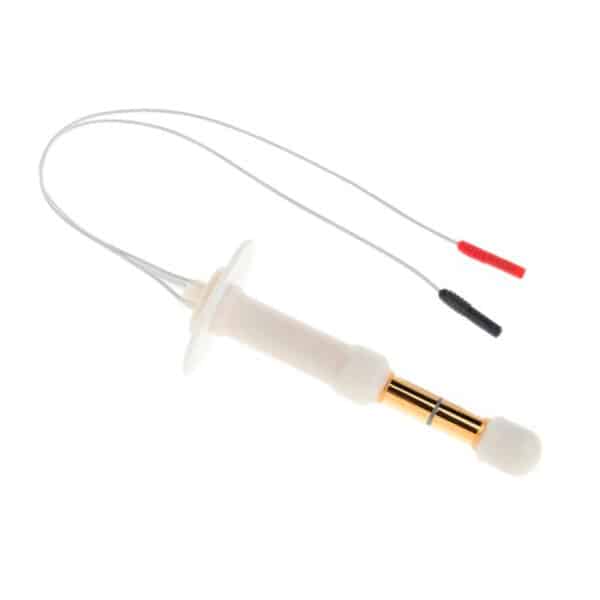
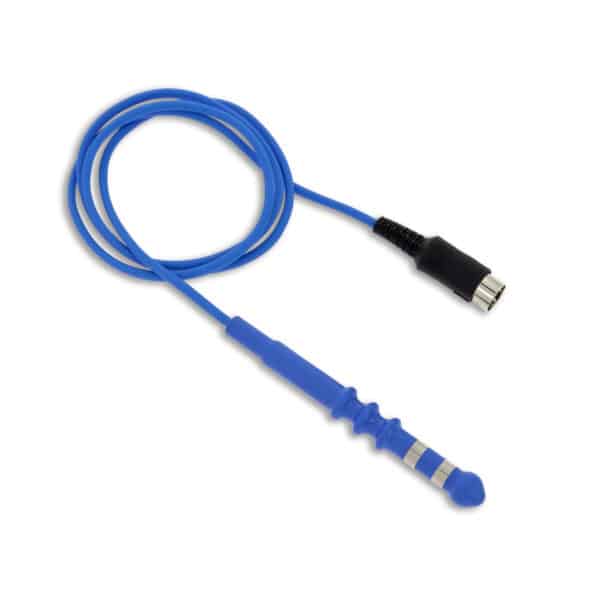
This is precisely where a pelvic floor rehabilitation probe can help—not as a performance tool, but as a guide.
Thanks to biofeedback, it allows you to visually monitor your pelvic floor’s activity: you can see if it’s contracting, but more importantly, if it’s truly relaxing. It’s a real asset for relearning this tension-relaxation cycle, at your own pace, at home, as a complement to professional care.
There are no miracles or instant results—just a way to better understand your own body.
Important: If you think you need perineal rehabilitation, make an appointment with a specialist; only a specialist can prescribe the right catheter for you.
 Coming back soon
V2B+®
€25.00 Excl. tax-
TP2B+ MINIMA®
€22.50 Excl. tax -
Coming back soon
RECTOMAX®
€50.00 Excl. tax -
PERISIZE 4®
€22.50 Excl. tax
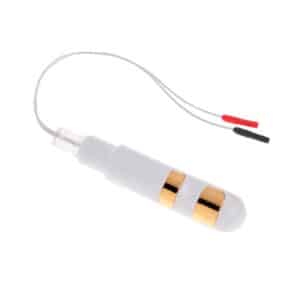
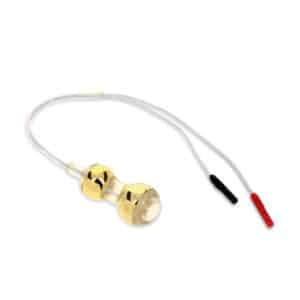
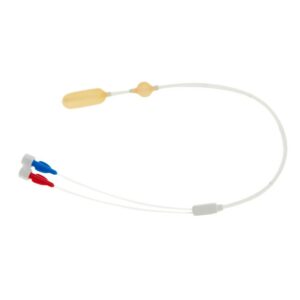
Devices that can help at home
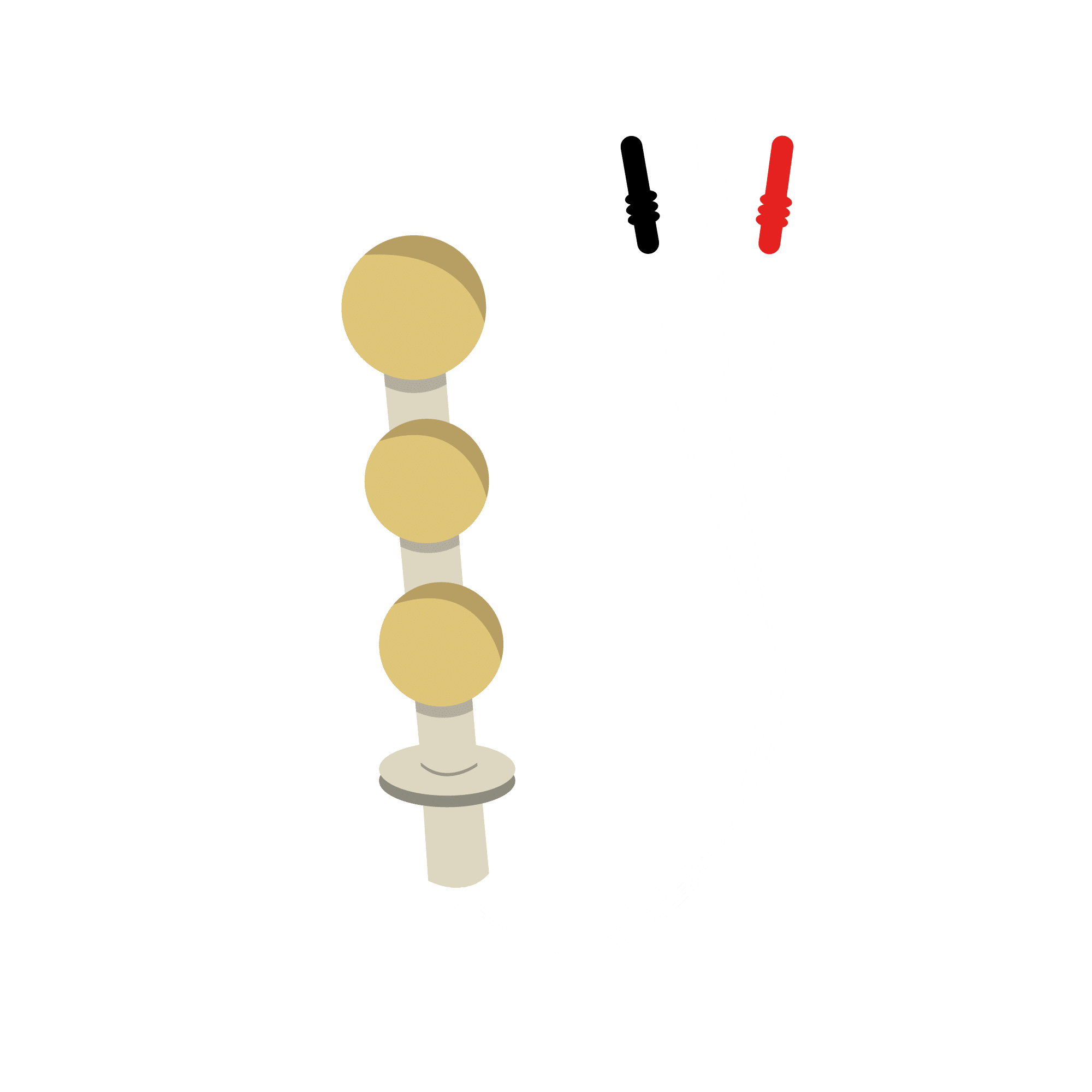
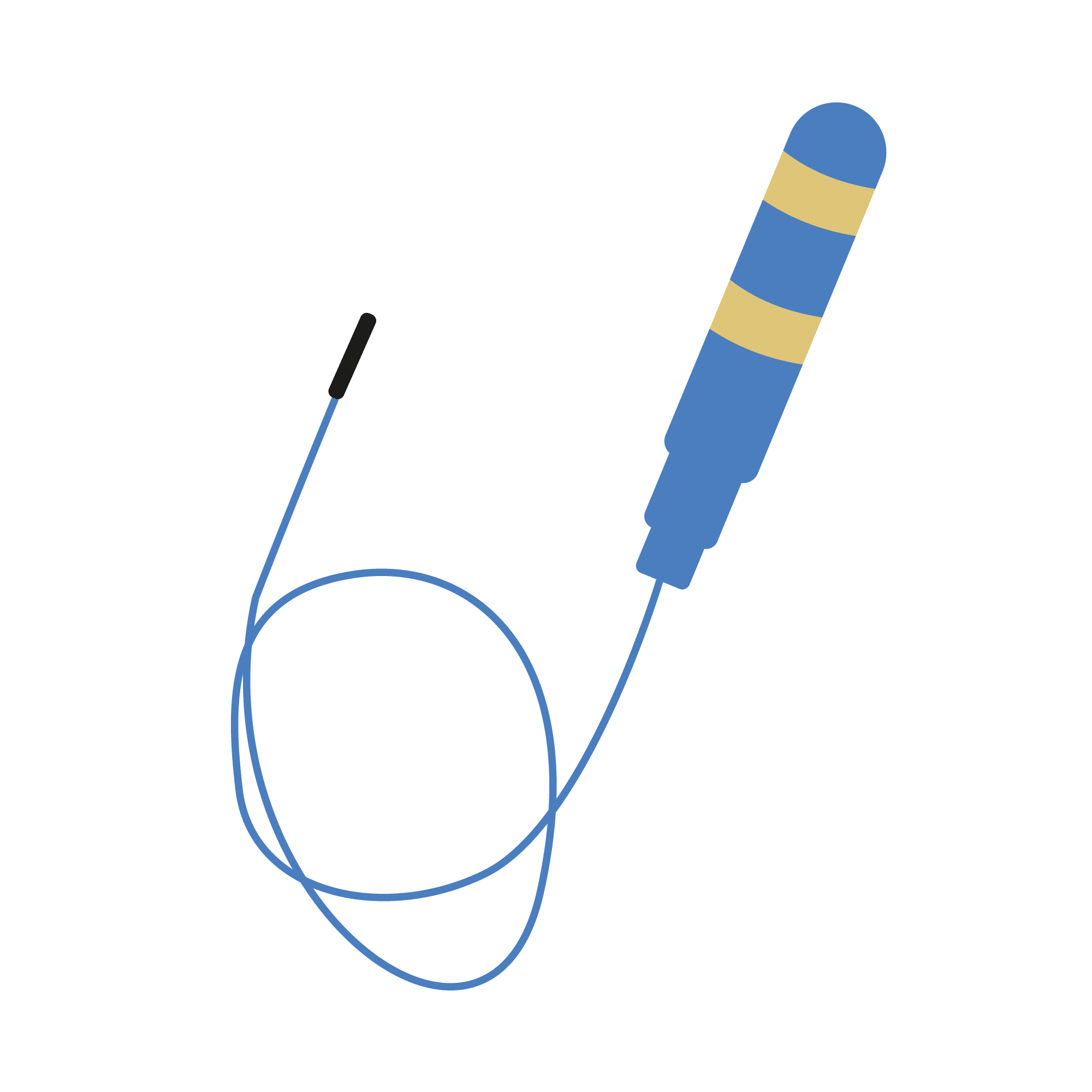
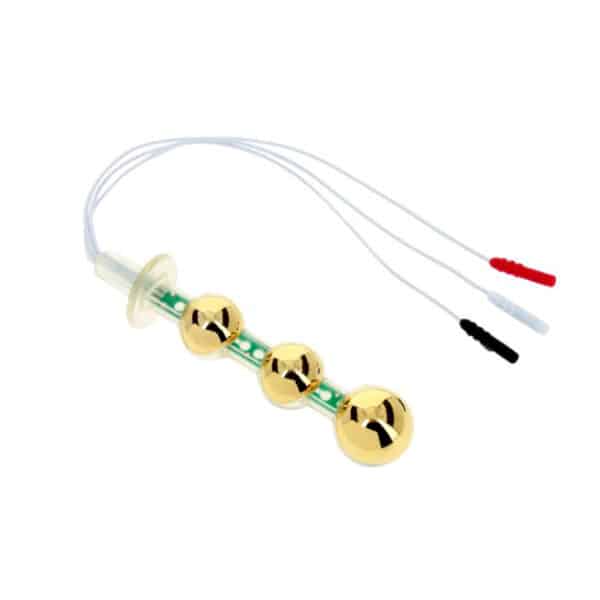
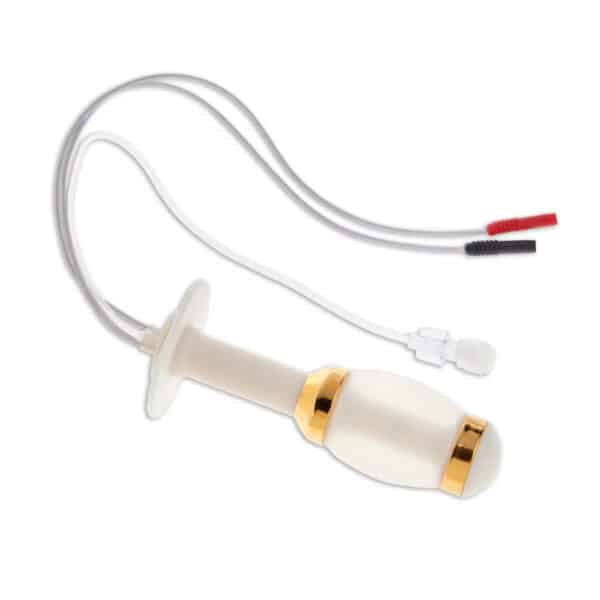
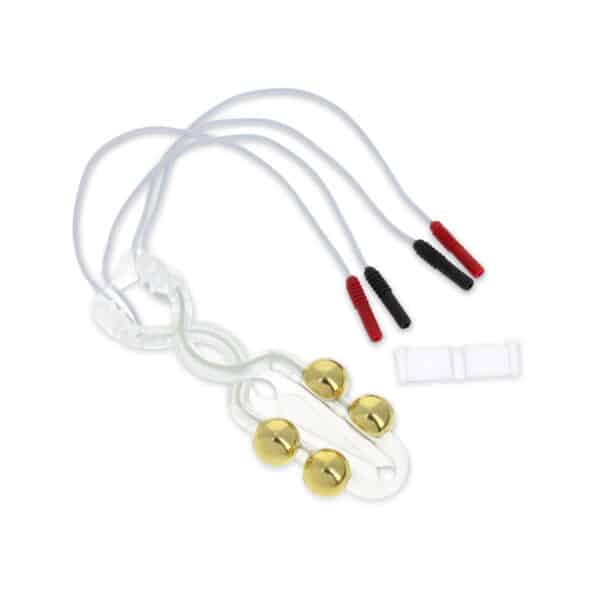
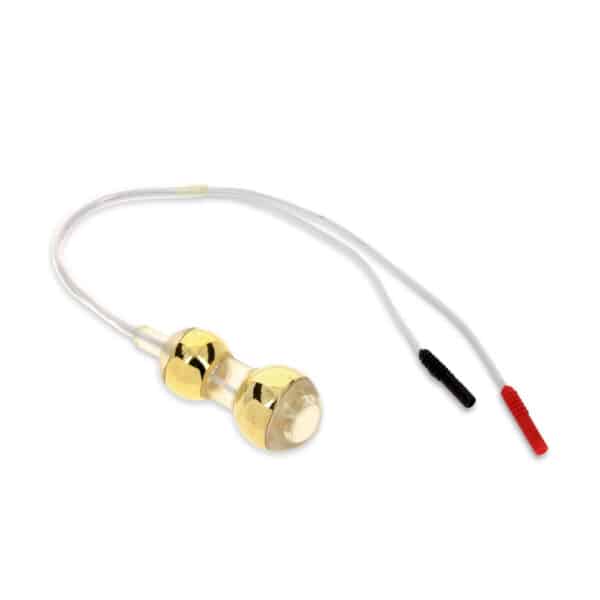
Vaginal probes
Vaginal probes are used for perineal rehabilitation in women, particularly in cases of urinary incontinence, postpartum recovery, or pelvic muscle weakness. They allow for targeted exercises using biofeedback or electrostimulation.
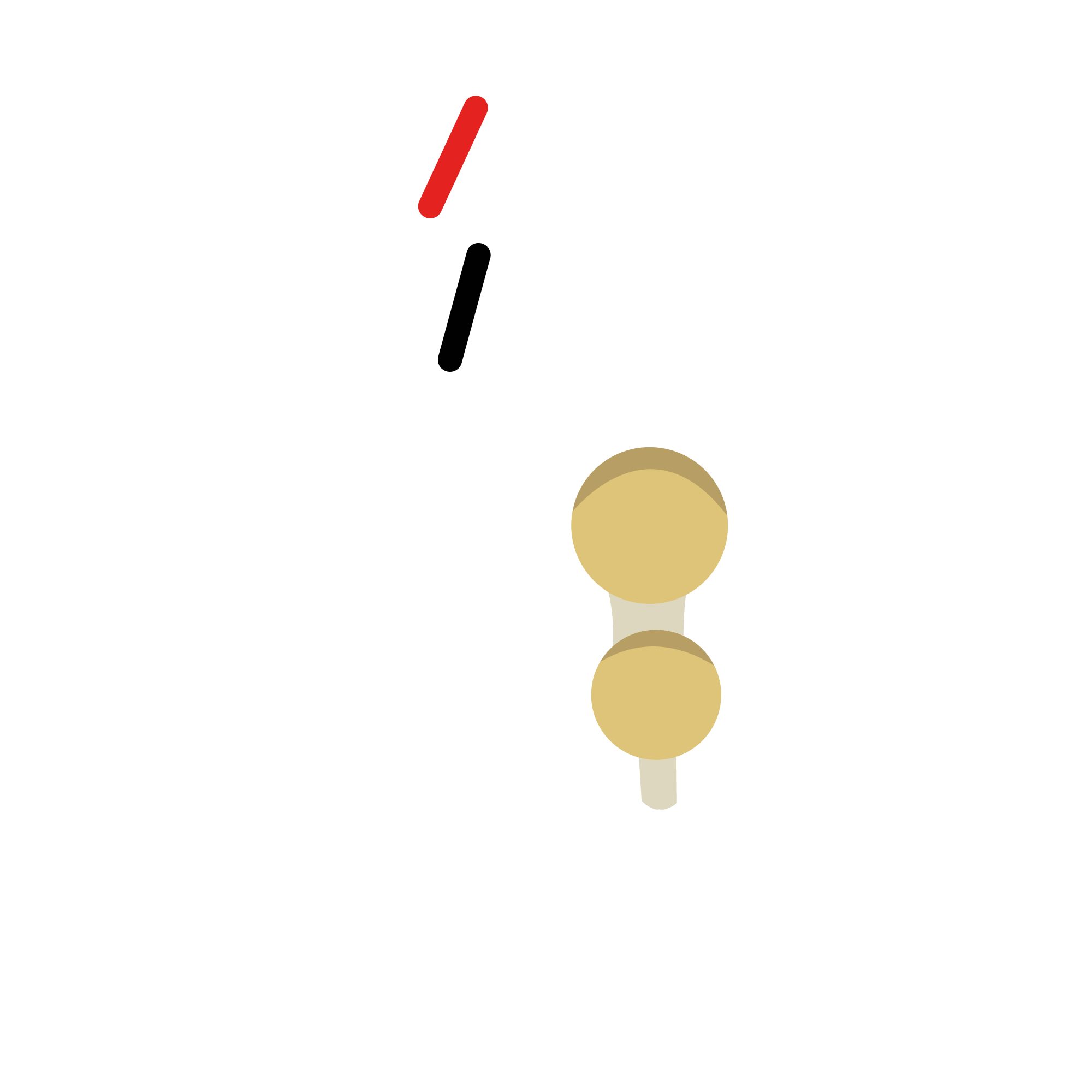
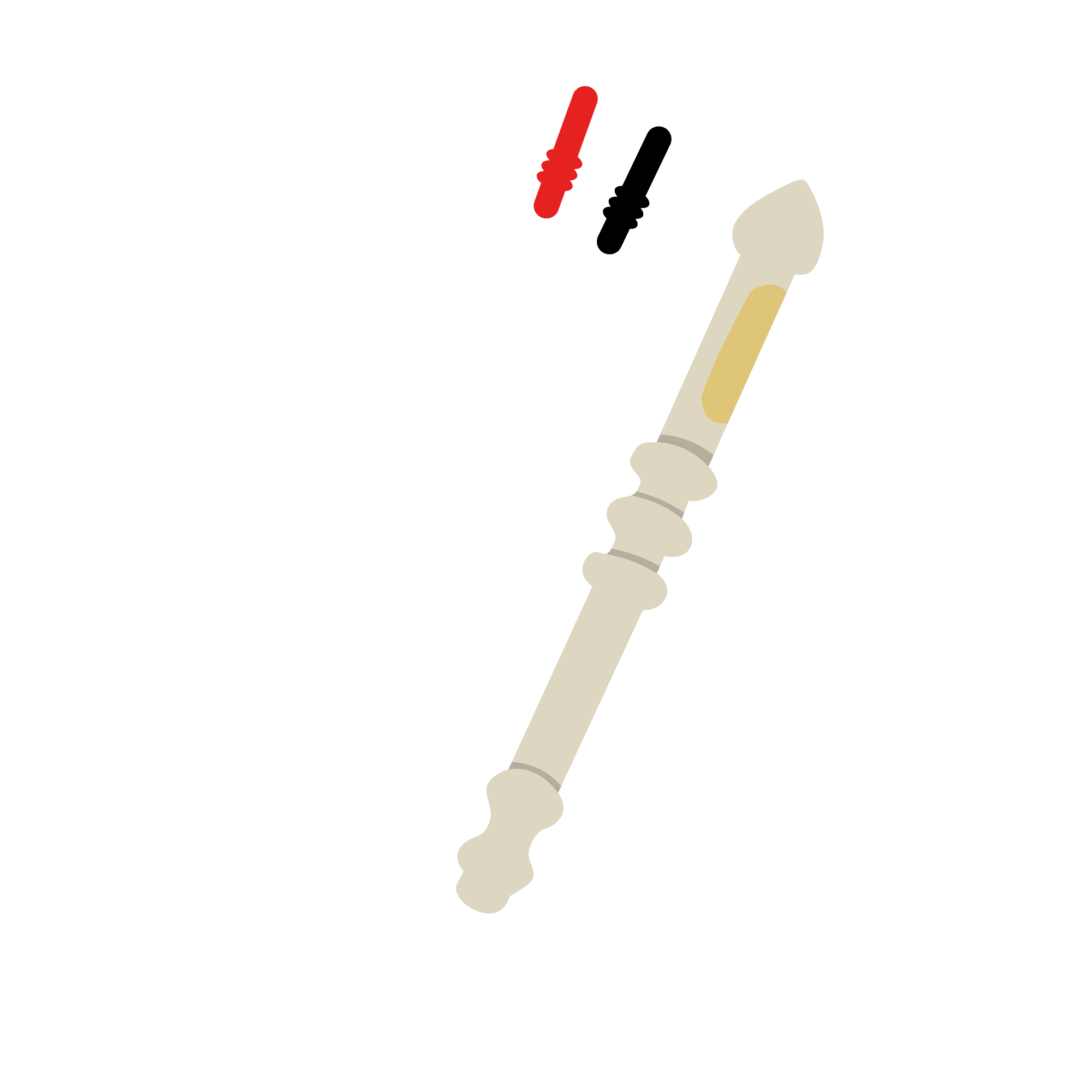
Anal probes
Anal probes are suitable for perineal rehabilitation in both men and women, particularly for treating urinary or fecal incontinence. They offer an effective solution for strengthening the pelvic floor muscles through electrostimulation.
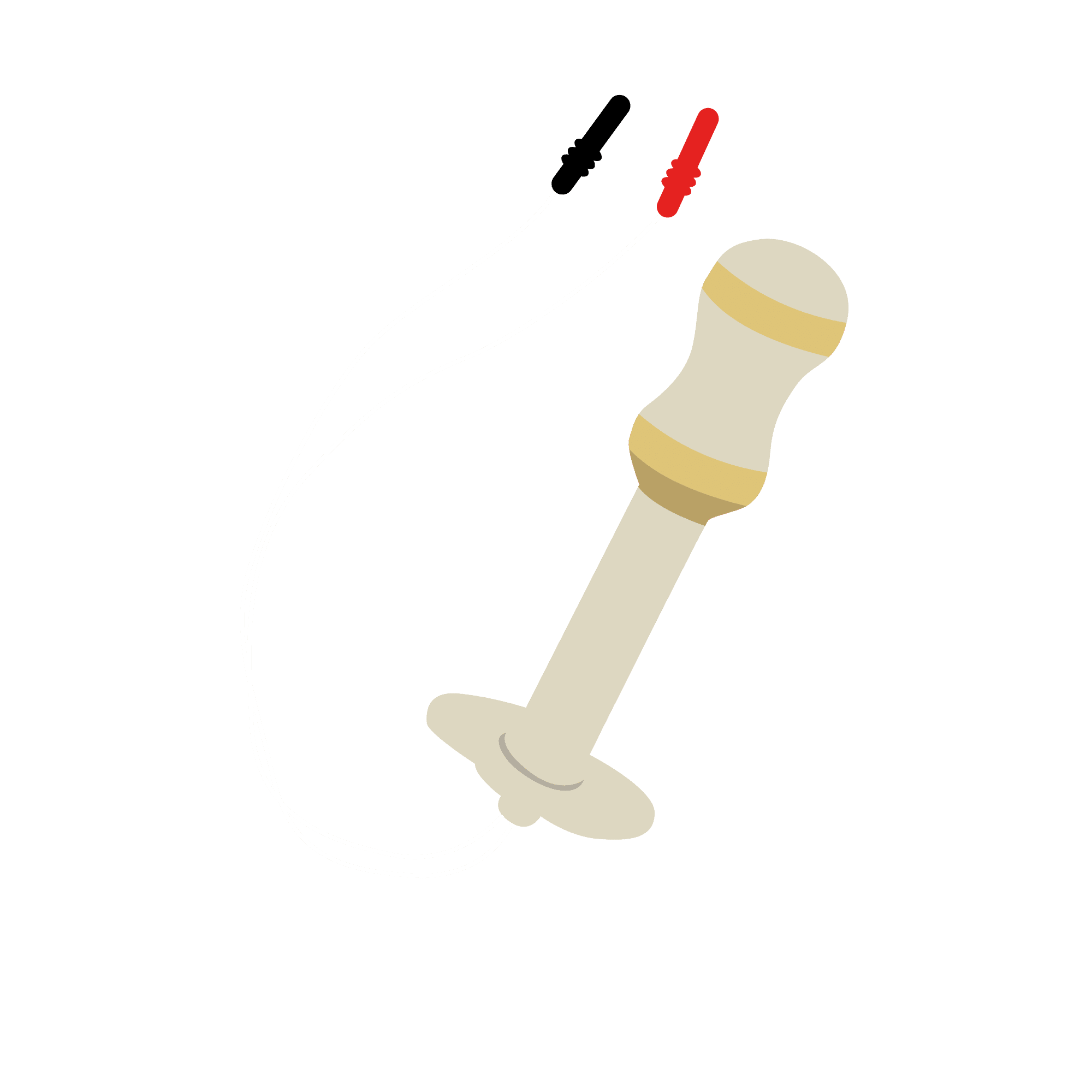
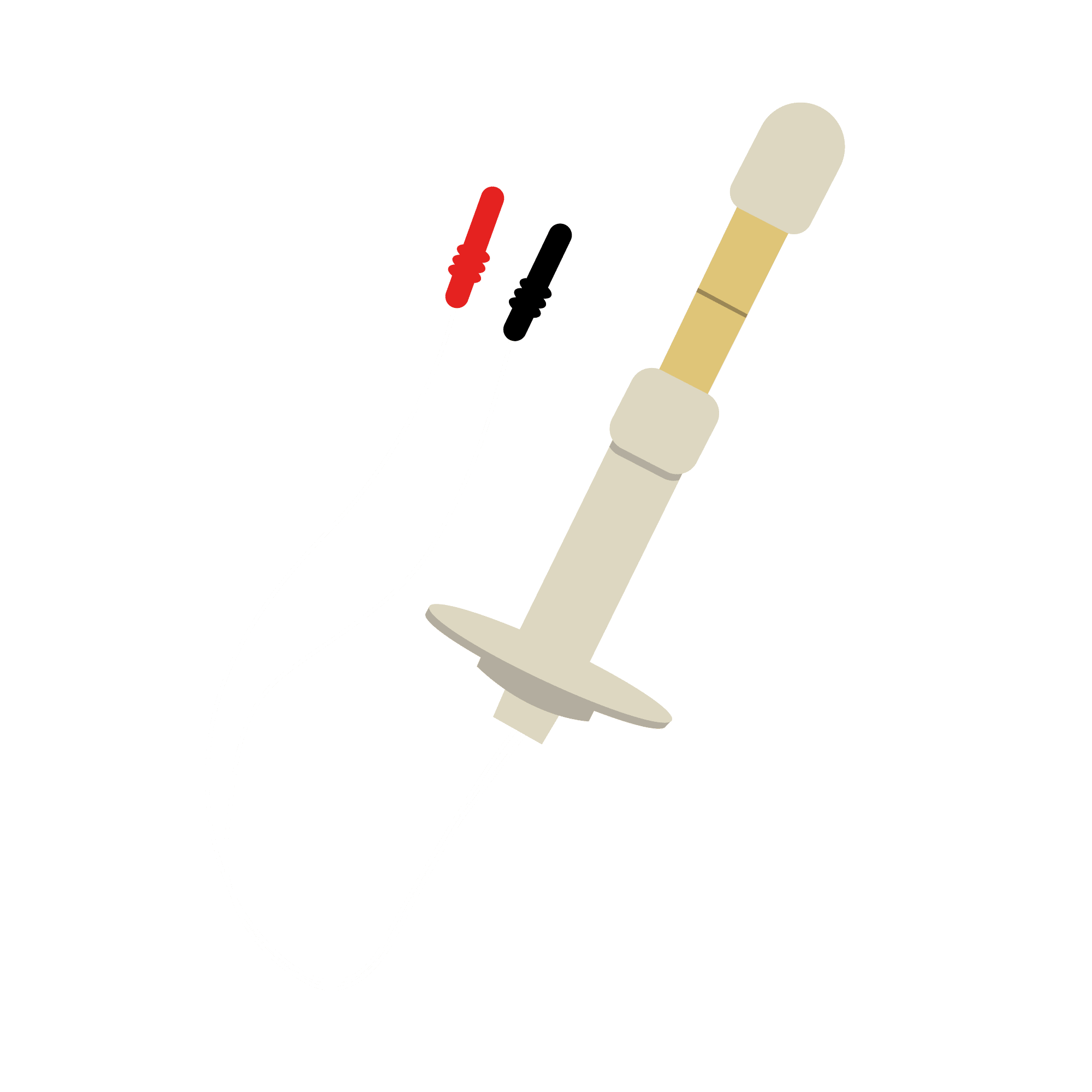
Electrostimulators
A perineal electrostimulator is a device that delivers mild electrical impulses to stimulate and strengthen the perineal muscles. It is recommended as part of a home rehabilitation program, often in conjunction with medical supervision.







To conclude…
So no, it’s not necessary (or advisable) to “think about your pelvic floor” all day long.
If you experience persistent leakage, pain, or tension, the best course of action is to talk to a midwife or a specialized physical therapist.
This is the surest path to a balanced pelvic floor.
-
INTELLISTIM UG®
€255.00 Excl. tax

Frequently asked questions
Check out the questions most frequently asked by users.
Should you keep your pelvic floor muscles contracted all the time?
No.
Like any muscle, the pelvic floor needs to alternate between contraction and relaxation.
Keeping it constantly tight is neither helpful nor desirable, and can even put excessive strain on it.
What is a hypertonic perineum?
This is a perineum that is too tight and can no longer relax properly.
It can cause pain, urinary problems, or discomfort during intimate moments.
It’s discussed much less often than a weak perineum, but it’s just as important to consider.
How can I tell if my pelvic floor is too weak or too tight?
Leakage or a feeling of lack of support tends to indicate a lack of muscle tone; tension, pain, or difficulty relaxing tend to indicate that the perineum is too tight.
However, only a healthcare professional can make an accurate diagnosis.
How can a probe help?
With biofeedback, a sensor allows you to visualize your pelvic floor activity—and, in particular, to check whether it is actually relaxing between contractions, a sensation that is difficult to perceive on your own.
It is a reference tool to be used in conjunction with professional care.
Who should you consult if you have any questions?
If you experience leakage, pain, or persistent tension, a midwife or physical therapist specializing in perineal rehabilitation can assess your condition and provide support.
Check out our blog

Lump or discomfort in the vagina: possible causes and when to see a doctor
Common Misconceptions About the Perineum: 8 Myths You Should Know
Pelvic floor and constipation: Understanding the connection and taking action

The Perineum and Sports: What Activities to Do and How to Protect It

Pelvic Floor and Pregnancy: Rehabilitation Before and After Childbirth
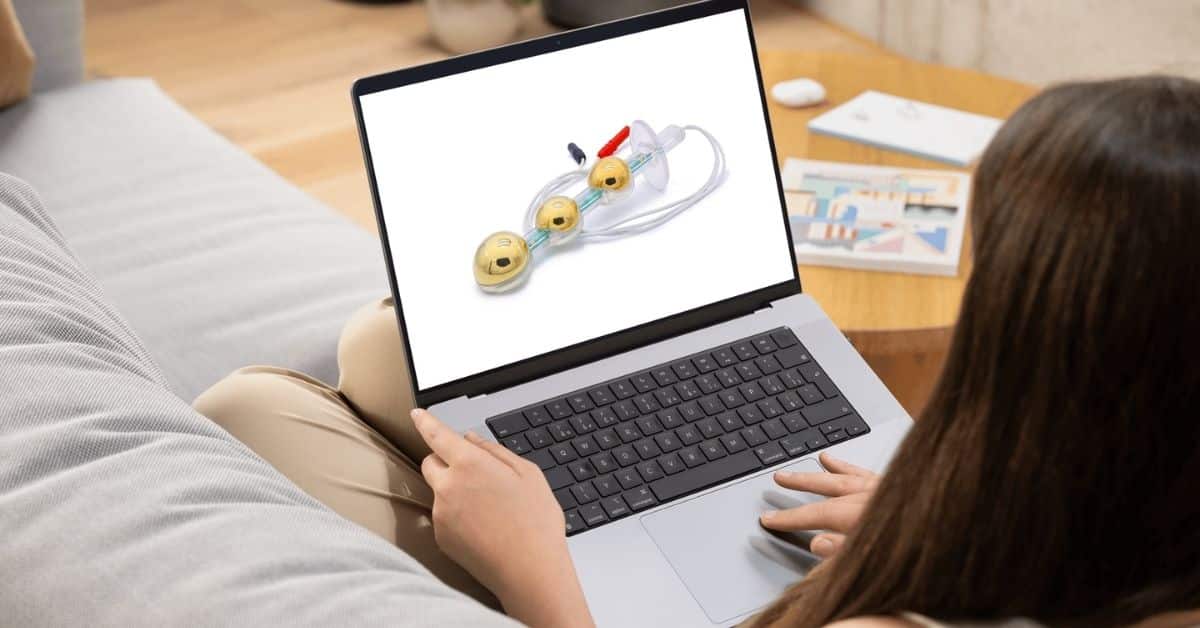
How to Use a Perineal Rehabilitation Probe: Instructions for Use
Insertion, lubrication, connection, precautions, warnings… Learn how to use your perineal rehabilitation probe correctly, step by step and safely.

Caring for a Perineal Rehabilitation Probe: The Complete Guide
Cleaning, drying, storage, lifespan… Learn how to properly care for your pelvic floor rehabilitation probe to keep it hygienic and ensure its longevity.
Pelvic Floor Exercises at Home: A Gentle Guide

Urinary Incontinence: Causes, Forms, and Solutions

Male Pelvic Floor: Function, Signs of Weakness, and Rehabilitation
Yes, men have a perineum! Its role, signs of weakness, rehabilitation after prostate surgery… Learn all about the male perineum.

