Breathing and the perineum: the little-known connection that can make all the difference
Breathing and the Pelvic Floor
What if your pelvic floor also depended on how you breathe?
Breathing and the pelvic floor: the little-known connection that can change everything
When we talk about the perineum, we often think of strengthening exercises, rehabilitation, or urinary incontinence.
However, one key factor is often overlooked:
⇒ breathing.
This may seem surprising. After all, what does the lungs have to do with the pelvic floor?
In reality, they work together constantly, and understanding this mechanism can sometimes make all the difference.
The pelvic floor never works alone
The perineum is part of a system that some specialists refer to as the “abdominal compartment.”
This system includes:
→ the diaphragm
→ the deep abdominal muscles
→ the back muscles
→ the perineum
Imagine an elevator: when the diaphragm descends during inhalation, the perineum naturally follows this movement. When you exhale, these structures gradually rise again.
⇒ Everything works as a team.
What happens when you have trouble breathing?
Many people breathe primarily with the upper chest, others hold their breath during physical exertion, and some constantly pull their stomachs in.
These habits can alter the pressure exerted on the pelvic floor.
Over time, this can contribute to:
→ poor muscle coordination
→ excessive tension
→ perineal fatigue
→ certain urinary disorders
Of course, breathing is not the only factor. The functioning of the perineum depends on many factors.
Why is the diaphragm so important?
The diaphragm is the primary muscle involved in breathing.
With each inhalation:
→ it moves downward
→ abdominal pressure increases slightly
→ the pelvic floor follows the movement
With each exhalation:
→ it moves upward
→ pressure decreases
→ the pelvic floor returns to its initial position
When this mechanism is disrupted, the pelvic floor may be be placed under greater strain.
The trap of constantly holding your stomach in
On social media, some trends encourage people to:
→ constantly hold their stomach in
→ keep their abdominal muscles contracted all day long
→ continuously tighten their pelvic floor muscles
However, the body was not designed to function this way.
A healthy pelvic floor should be able to:
✔ contract
✔ relax
✔ adapt to movement
At Sugar, our view is that an effective pelvic floor is not one that is constantly under tension, but one that can respond appropriately when needed.
Breathing, exercise and the pelvic floor
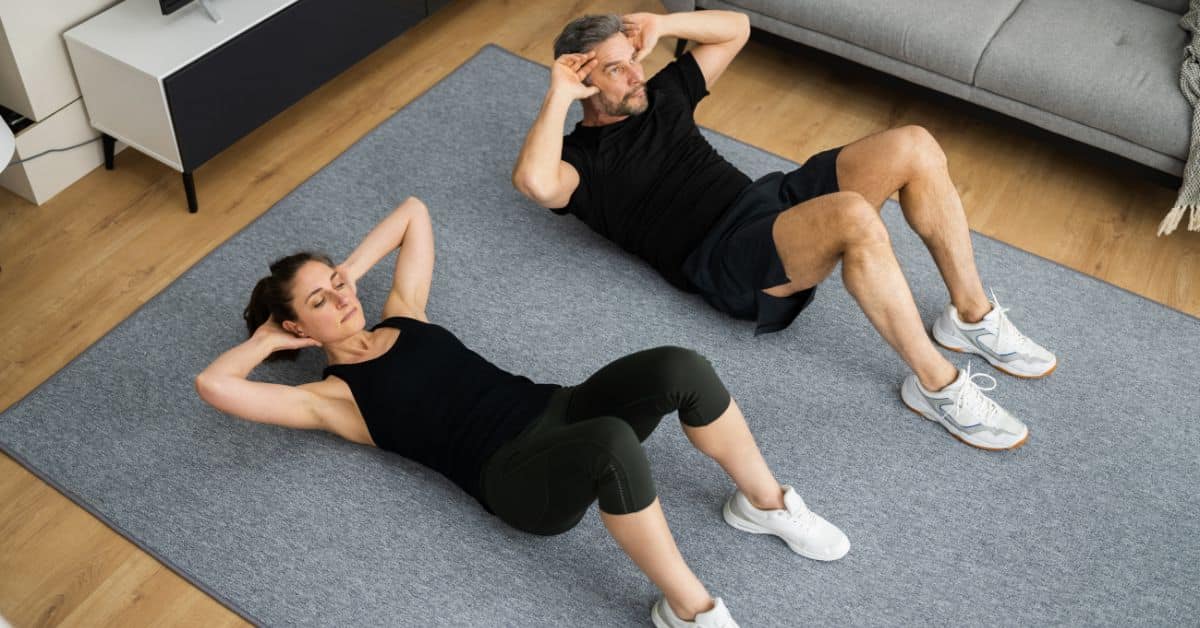
This topic becomes particularly important during physical activity.
When a person:
→ holds their breath
→ strains forcefully
→ lifts heavy loads
⇒ abdominal pressure increases significantly.
The pelvic floor must then absorb these forces.
This is why certain sports or poorly performed exercises can contribute to:
→ urinary leakage
→ feelings of heaviness
→ certain pelvic discomforts
Can you learn to breathe better?
Yes.
And it is often simpler than people imagine.
Healthcare professionals specialized in pelvic floor health frequently work on:
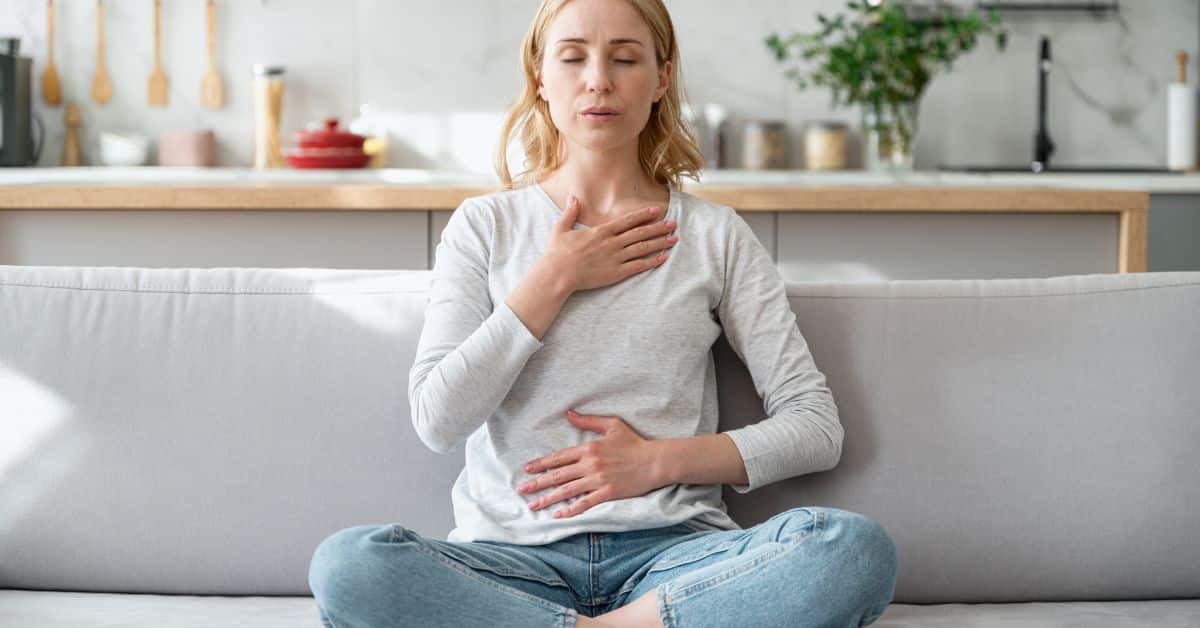
→ diaphragmatic breathing
→ pressure management
→ coordination between breathing and muscle contractions
This approach is often integrated into modern pelvic floor rehabilitation programs.
The role of pelvic floor rehabilitation
Contrary to a common misconception, pelvic floor rehabilitation is not only about “tightening” the pelvic floor muscles.
It also aims to:
→ improve body awareness
→ enhance movement coordination
→ manage abdominal pressure
→ restore balanced and harmonious function
In some cases, devices such as pelvic floor probes may complement this work when used in an appropriate therapeutic setting.

3AT2B®
25,00 € Excl. tax-
EVOSTIM E®
245,19 € Excl. tax -
OPTIMA 3®
22,50 € Excl. tax -
AIR STIM®
38,00 € Excl. tax -
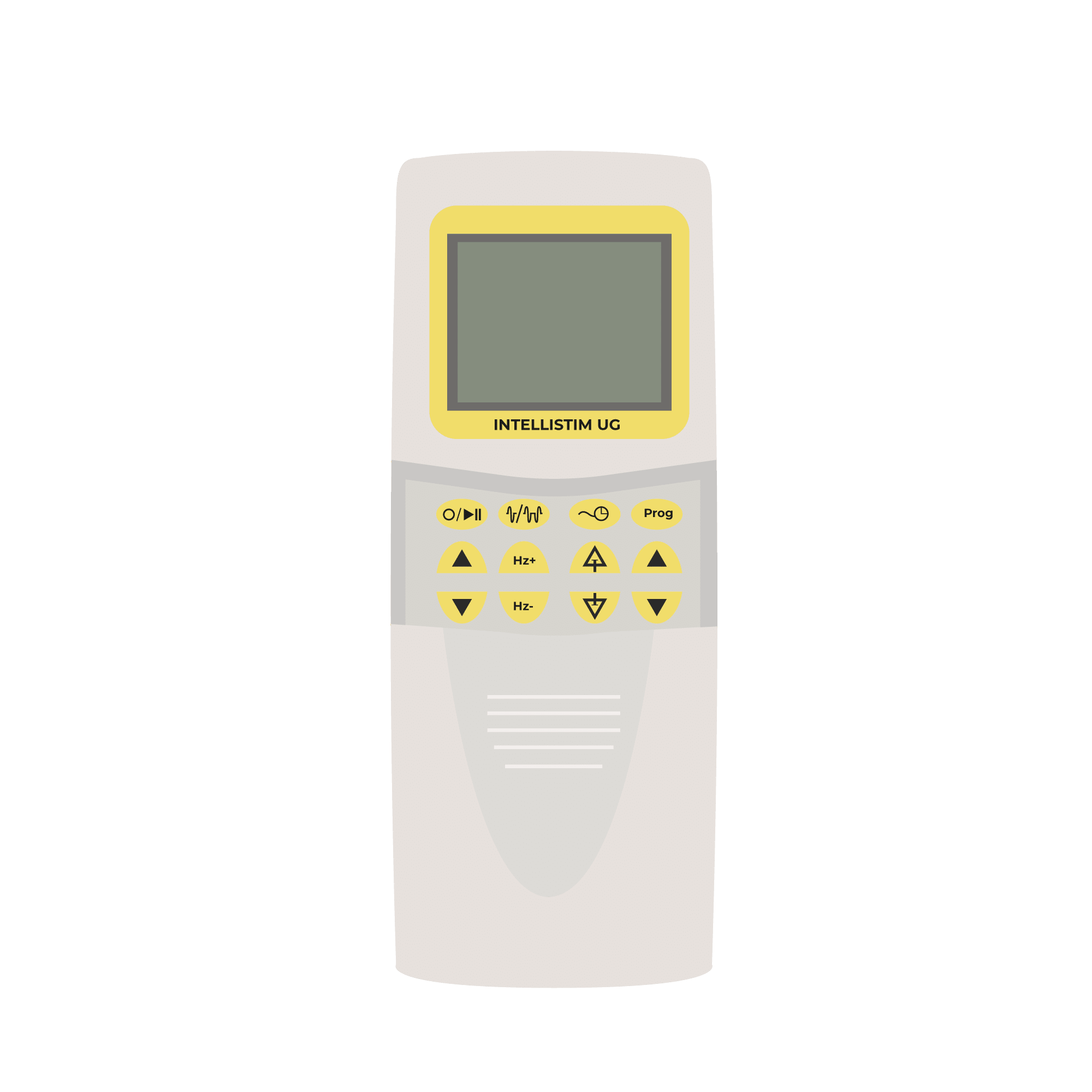
INTELLISTIM UG®
245,19 € Excl. tax -
NOVATYS®
22,50 € Excl. tax



Devices that can help at home
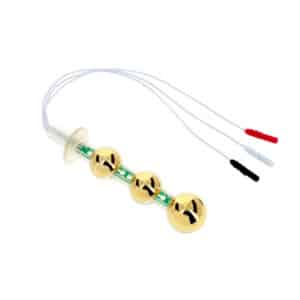
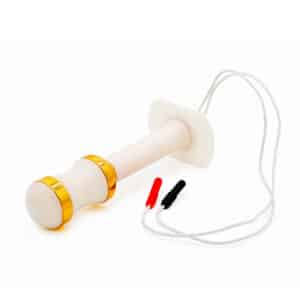
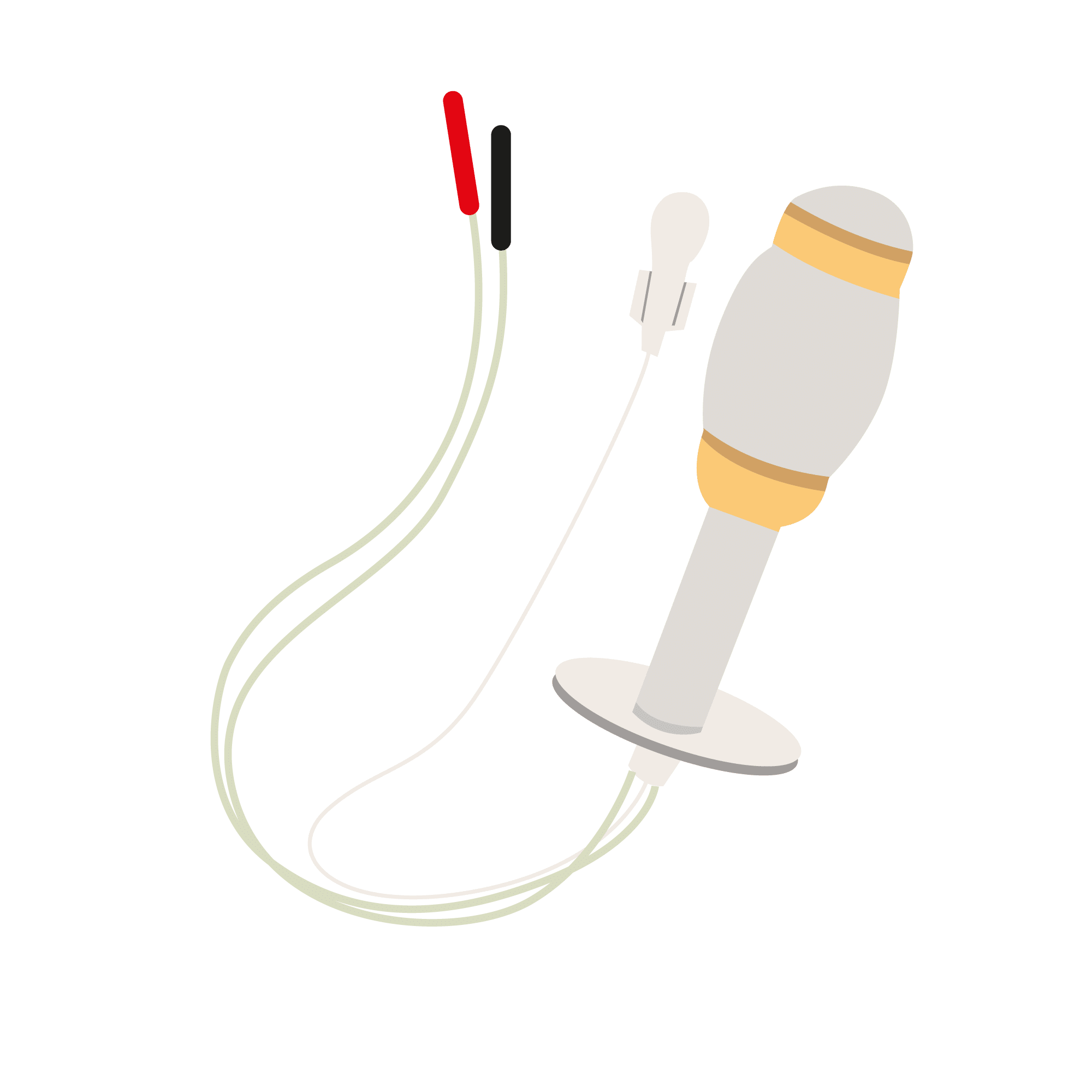
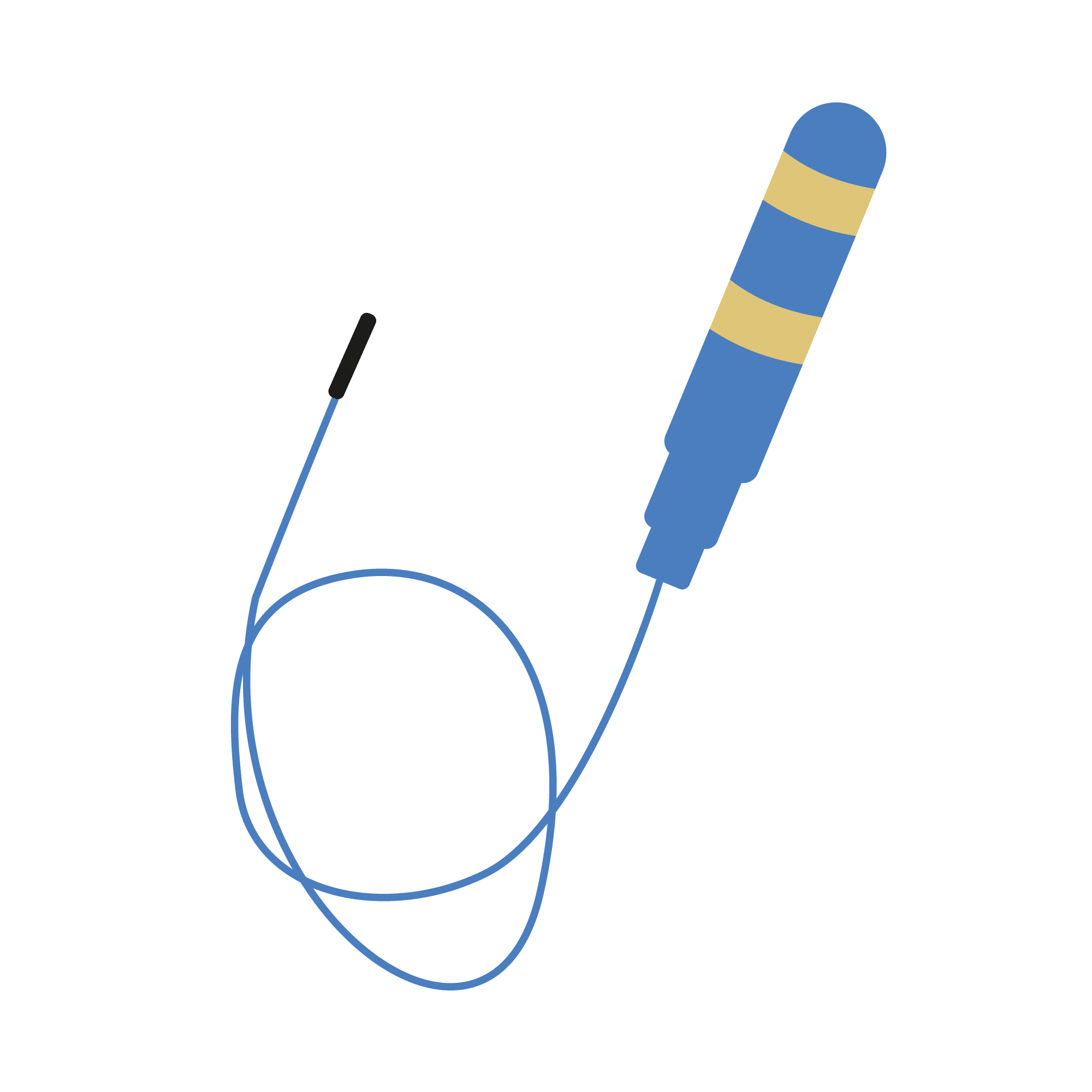
Vaginal probes
Vaginal probes are used for pelvic floor rehabilitation in women, particularly in cases of urinary incontinence, postpartum recovery, or pelvic muscle weakness. They enable targeted work through biofeedback or electrical stimulation.
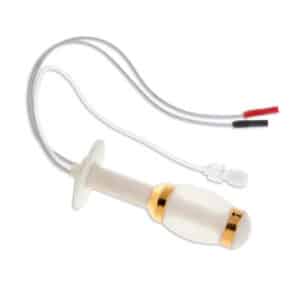
Anal probes
Select 83 more words to run Humanizer.
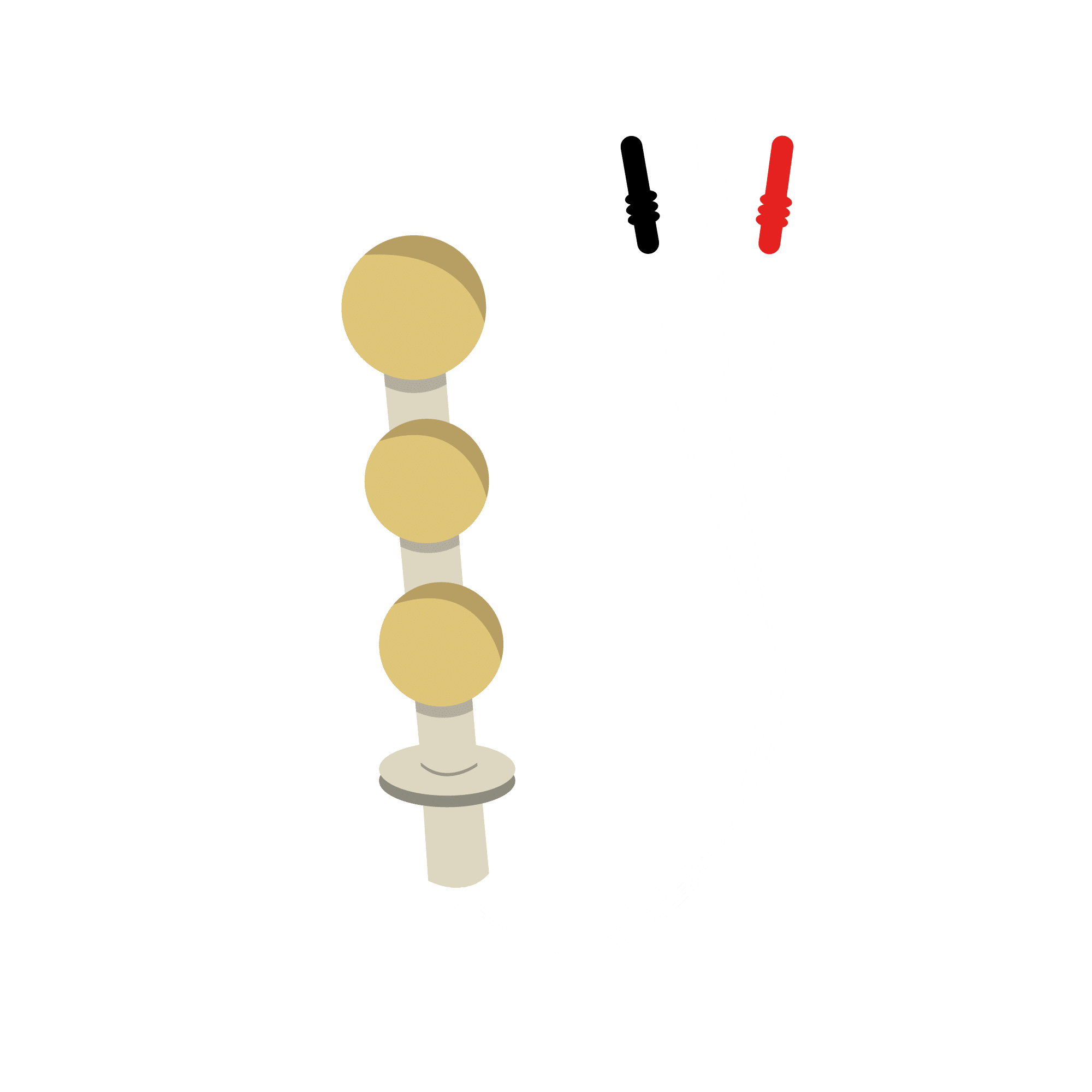
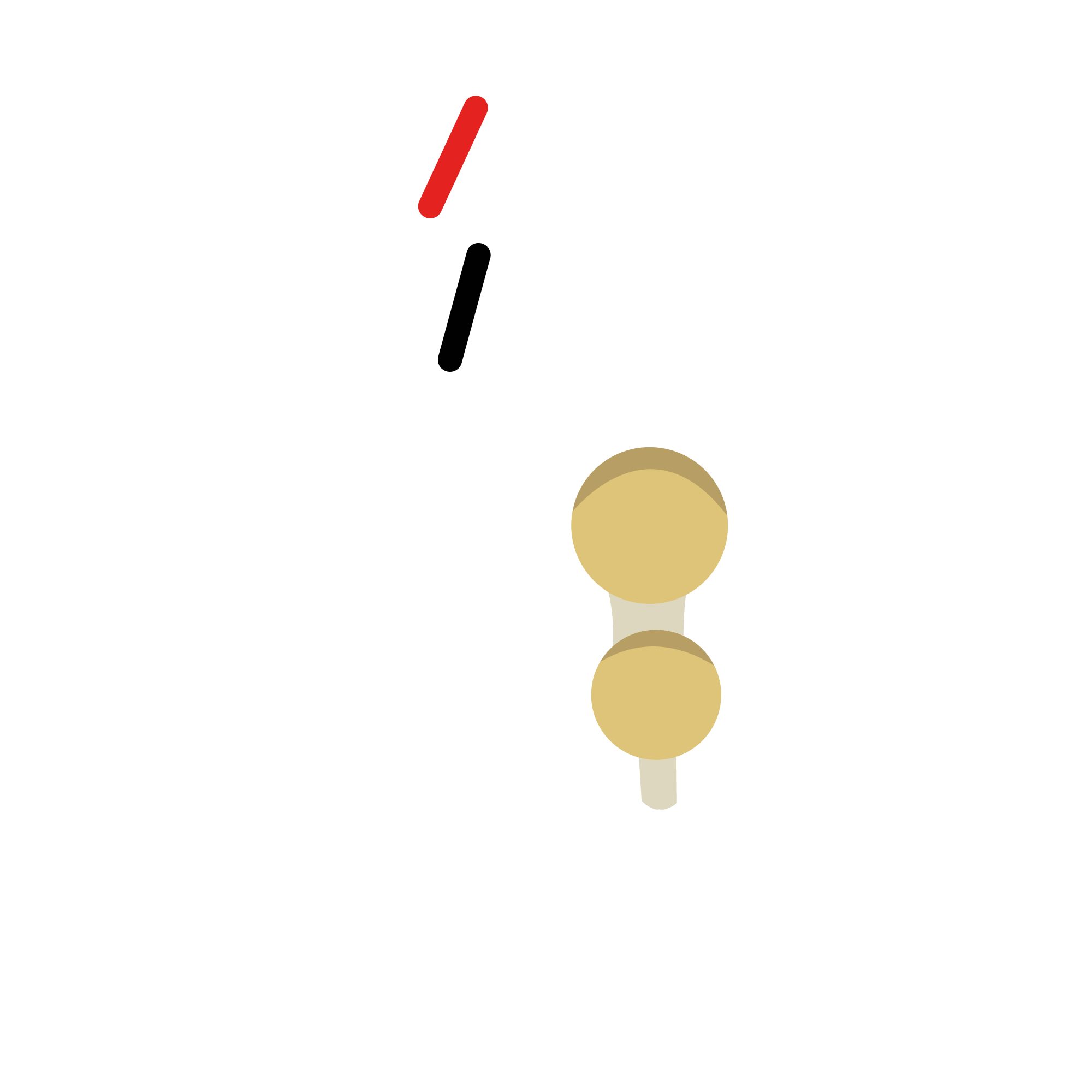
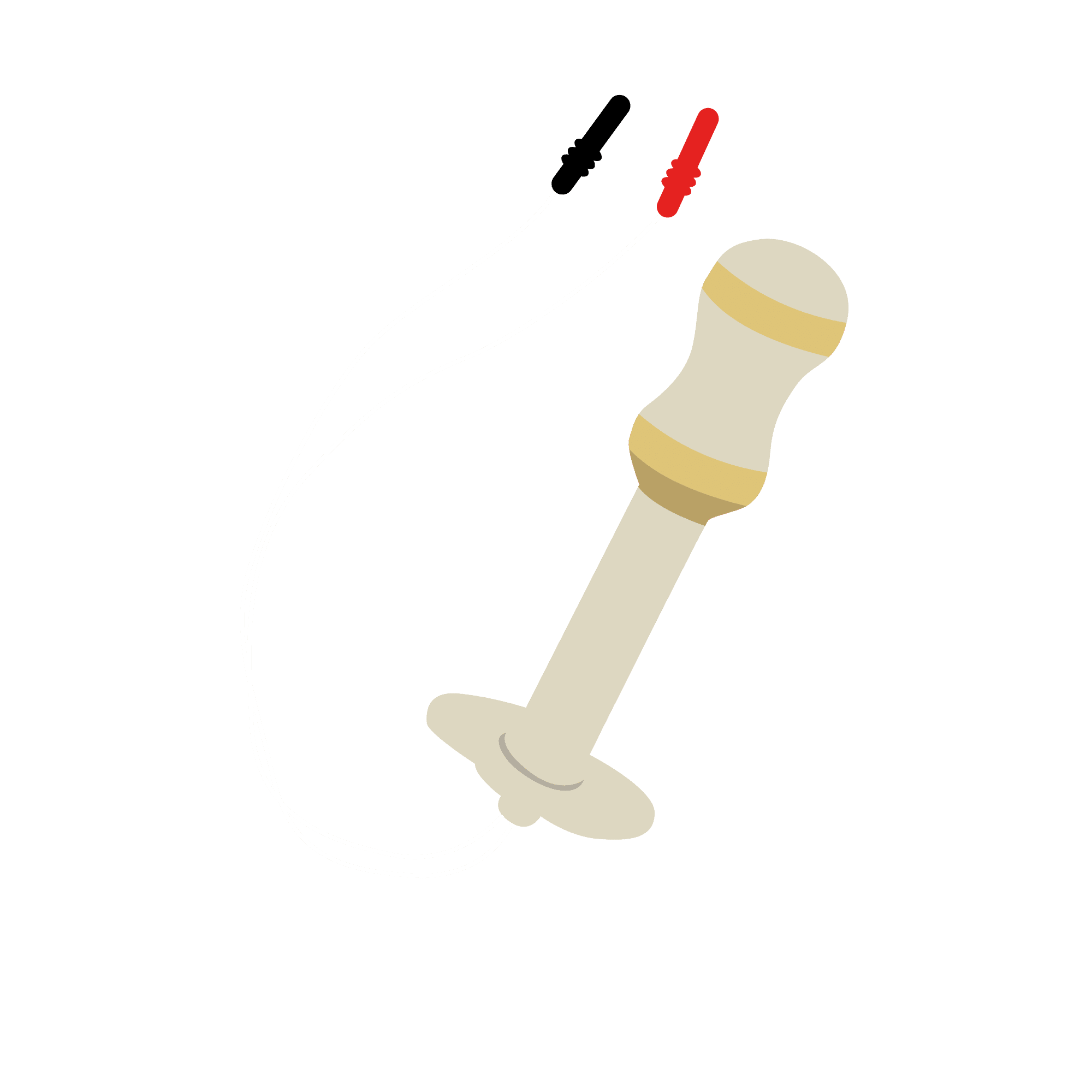
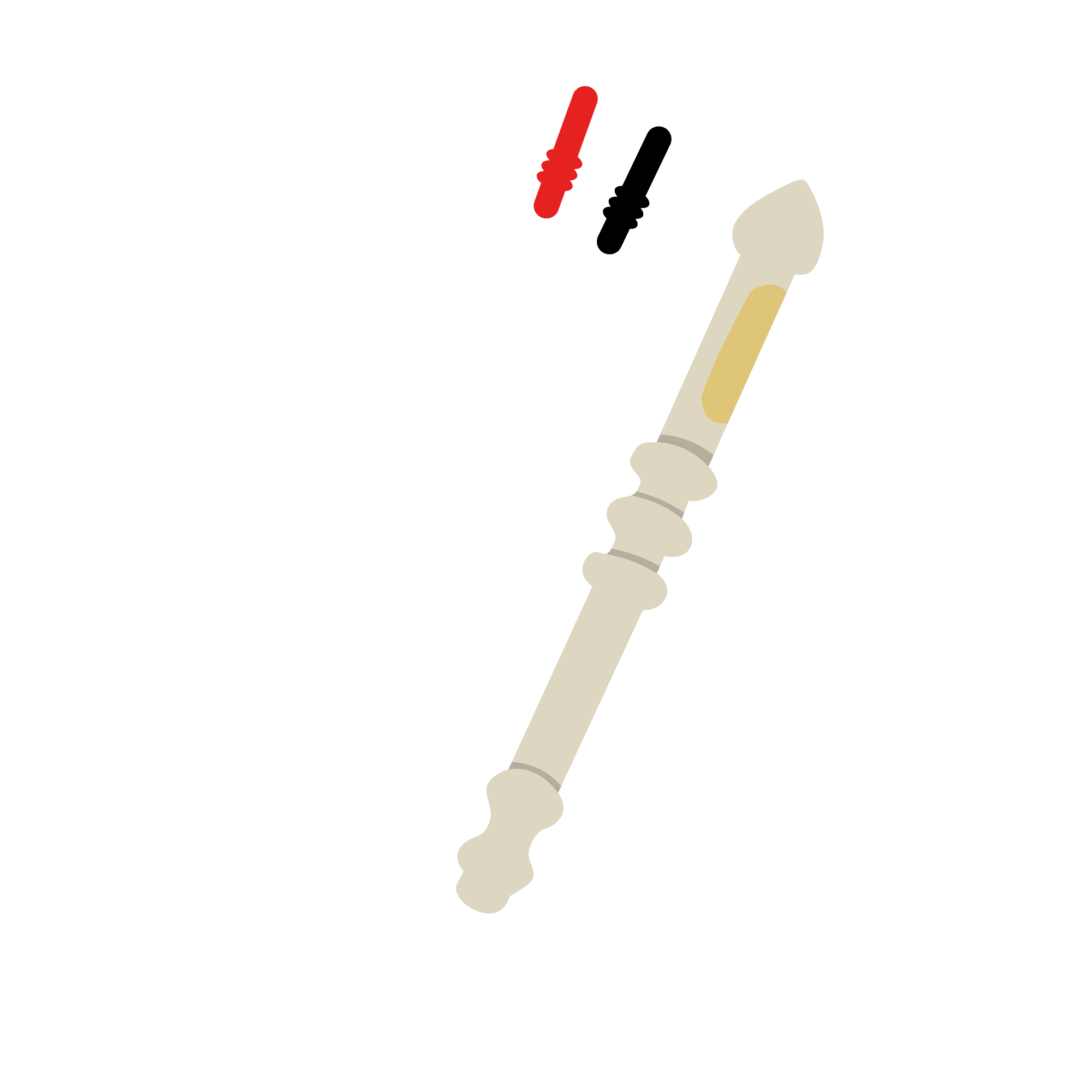
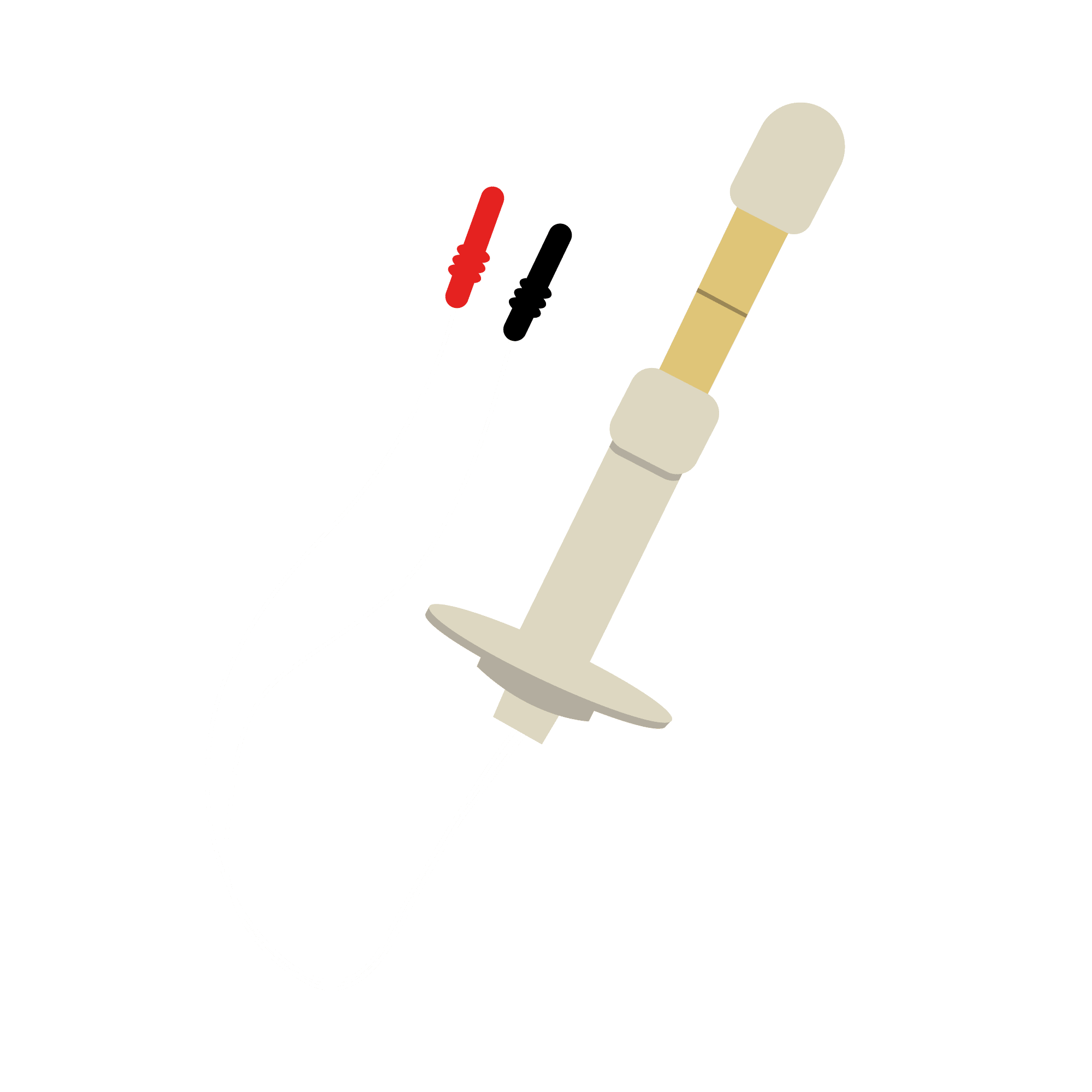
Anal probes are suitable for pelvic floor rehabilitation in both men and women, particularly for treating urinary or fecal incontinence. They provide an effective solution for strengthening the pelvic floor muscles through electrical stimulation.

Electrostimulators
A pelvic floor electrostimulator is a device that delivers gentle electrical impulses to stimulate and strengthen the pelvic floor muscles. It is recommended as part of at-home rehabilitation, often in addition to medical supervision.
The financial aspect: prevention rather than compensation
Some people only seek treatment after several years of symptoms.
However, the earlier a condition is addressed, the simpler the solutions are generally.
Prescribed pelvic floor rehabilitation is mostly covered by the French national health insurance (CPAM).
In the long term, learning to better use your pelvic floor may help prevent certain complications or a worsening of symptoms.
Select 34 more words to run Humanizer.
To conclude…
Select 94 more words to run Humanizer.
We breathe around 20,000 times a day.
Yet few of us ever stop to consider how this breathing affects the pelvic floor.
What if part of the solution wasn’t about doing more exercises… but simply about better using the mechanisms your body already has?
At Sugar, our view is that understanding the link between breathing and the pelvic floor often allows rehabilitation to be seen from a completely different perspective: less brute force, more coordination.
-
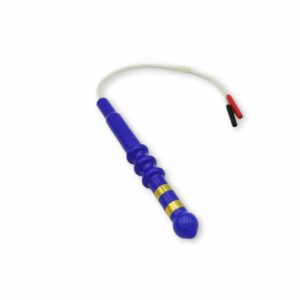
ANALYS BLUE+®
28,33 € Excl. tax
Frequently asked questions
Check out the questions most frequently asked by users.
Can breathing really affect the pelvic floor?
Yes. The diaphragm and the perineum work together to regulate abdominal pressure.
Should you tighten your pelvic floor muscles during each exercise?
No. It depends on the exercise and your situation. A constant contraction is generally not recommended.
Does this apply to men?
<p>Yes. The connection between breathing, the abdominal muscles, and the pelvic floor applies to both men and women.</p>
Does pelvic floor rehabilitation involve breathing exercises?
Very often, yes. Breathing is an integral part of many modern treatment approaches.
Check out our blog

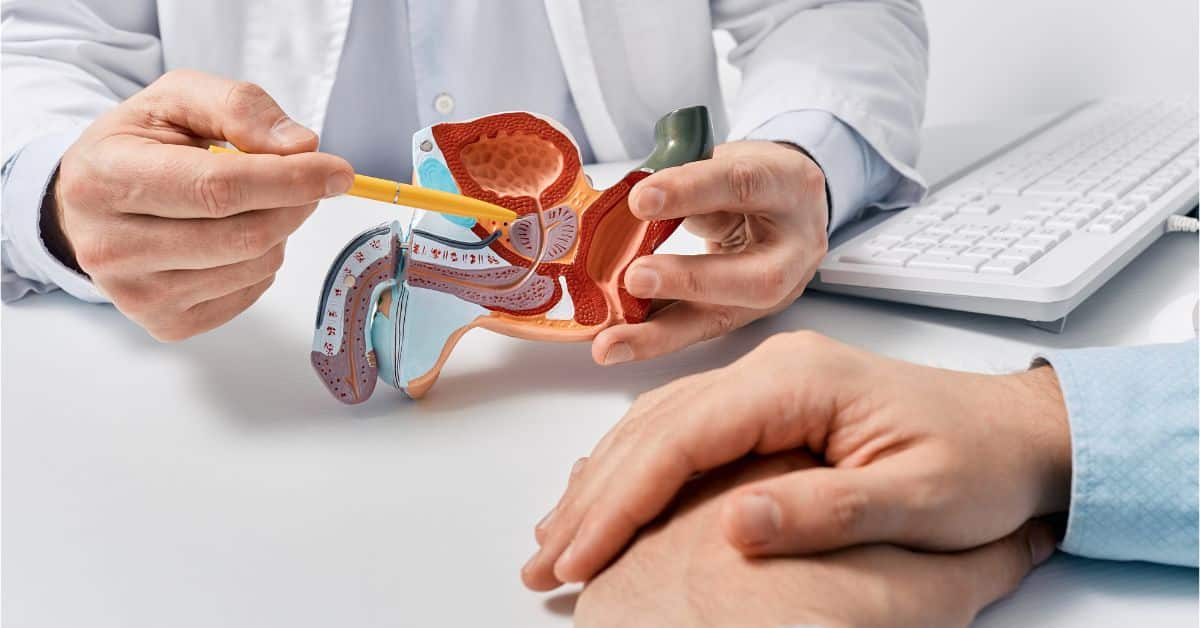
Urinary Incontinence After Prostatectomy: Perineal Rehabilitation
After prostate surgery, urinary incontinence is common but often temporary. Learn about the key role of pelvic floor rehabilitation.

Breast Cancer and Intimacy: Dryness, Incontinence, Solutions
Pink October: Vaginal dryness, urinary incontinence, pain… Breast cancer treatments can affect your intimate health. Causes and solutions.

Lump or discomfort in the vagina: possible causes and when to seek medical attention
Lump or discomfort in the vagina: possible causes and when to see a doctor
Common Misconceptions About the Perineum: 8 Myths You Should Know
Pelvic floor and constipation: Understanding the connection and taking action

The Perineum and Sports: What Activities to Do and How to Protect It
Pelvic Floor and Pregnancy: Rehabilitation Before and After Childbirth
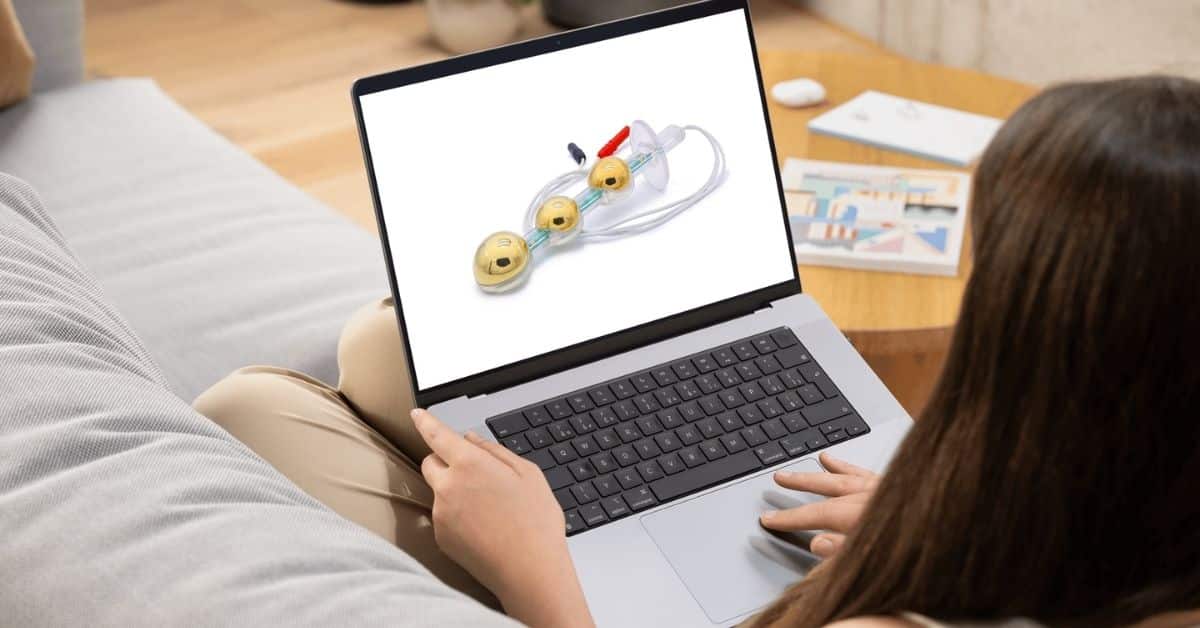
How to Use a Perineal Rehabilitation Probe: Instructions for Use
Insertion, lubrication, connection, precautions, warnings… Learn how to use your perineal rehabilitation probe correctly, step by step and safely.