
Why do I feel a weight in my stomach?
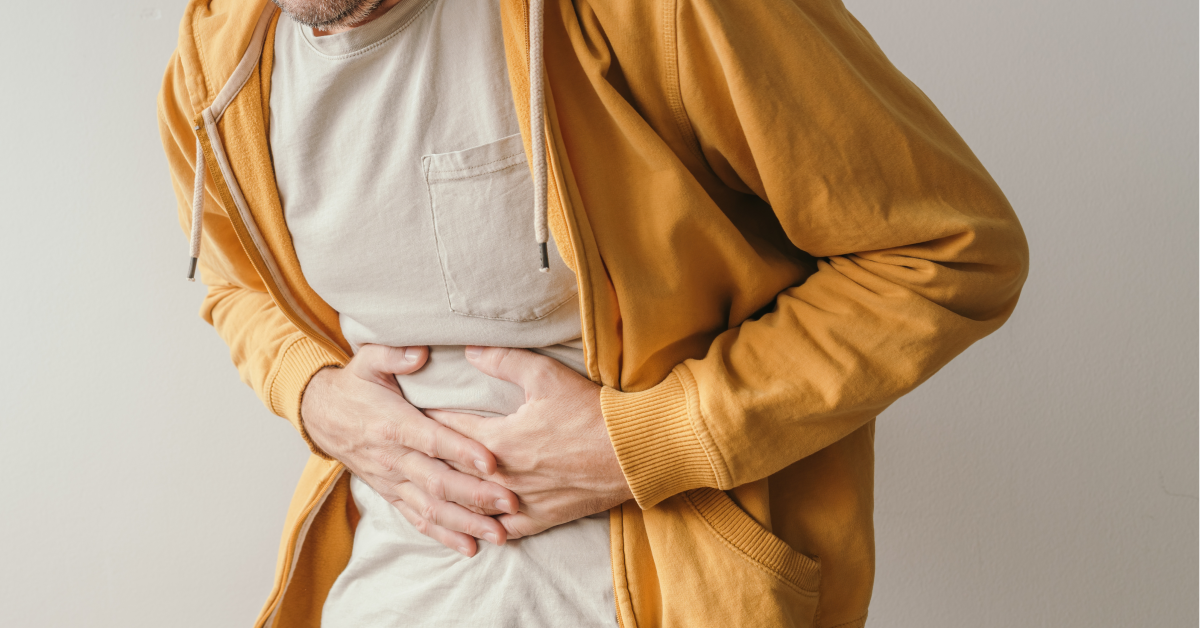
Feeling of heaviness in the lower abdomen?
That strange feeling of “heaviness” that nobody talks about…
Why do I feel a weight in my stomach?
Some people describe it as:
→ pressure
→ a feeling of heaviness
→ a vague discomfort
→ a sensation of “something coming down”
This feeling of heaviness in the lower abdomen or pelvis is more common than you might think.
And yet, many people hesitate to talk about it. Out of embarrassment, fear, or simply because they think “it’s nothing.”
But the body rarely sends signals for no reason.
A feeling of heaviness: what exactly are we talking about?
The feeling can vary from person to person.
Some people experience it:
→ after a long day on their feet
→ while exercising
→ when carrying heavy loads
→ or even just while walking
Others describe:
→ vaginal pressure
→ pelvic fatigue
→ a pulling sensation
In some cases, this may be related to the perineum.
The role of the perineum in this experience
The perineum acts as a support base for the pelvic organs:
-
- bladder
- rectum
- uterus in women
When this support becomes less effective, pressure is distributed less evenly.
Result: a feeling of heaviness may occur.
Imagine a slightly sagging hammock: it still provides support… but less effectively.
What might be the causes?
Several factors may explain this discomfort.
A weakened perineum
Over time or due to certain situations, the perineum can lose its tone:
⇒ pregnancy
⇒ childbirth
⇒ high-impact sports
⇒ aging
⇒ repeated pressure
A prolapse (descent of organs)
In some cases, the feeling of heaviness may be related to a prolapse.
This means that an organ descends slightly due to insufficient support.
Not all prolapses require surgery, and their severity varies greatly from person to person.
Muscle tension
Paradoxically, an overly contracted perineum can also cause:
→ feelings of pressure
→ pain
→ pelvic discomfort
Everyday pressures
Constipation, chronic coughing, carrying heavy loads, or poor breathing technique can increase downward pressure.
Warning signs to watch out for
It is advisable to be vigilant if the sensation is accompanied by:
⇒ urinary leakage
⇒ discomfort during exercise
⇒ a sensation of a lump
⇒ pelvic pain
⇒ worsening symptoms by the end of the day
A medical evaluation can often help clarify the cause of the problem.
Possible solutions
1. Pelvic floor rehabilitation
It helps to:
♦ strengthen muscle support
♦ improve pressure management
♦ restore better coordination
It may include:
♦ targeted exercises
♦ breathing exercises
♦ biofeedback
♦ electrical stimulation
Results vary depending on the situation, but many people notice an improvement in their daily comfort.
2. Working on posture and breathing
Breathing directly influences abdominal pressure.
Certain habits can exacerbate downward pressure without you realizing it.
3. Medical devices
In some cases, solutions such as pessaries may be recommended to support the organs.
They can be particularly helpful in cases of mild to moderate prolapse.
4. Home exercises
After initial guidance, certain exercises can be performed at home to maintain the results.

3AT2B®
25,00 € Excl. tax-
EVOSTIM E®
283,33 € Excl. tax -
OPTIMA 3®
22,50 € Excl. tax -
AIR STIM®
38,00 € Excl. tax -
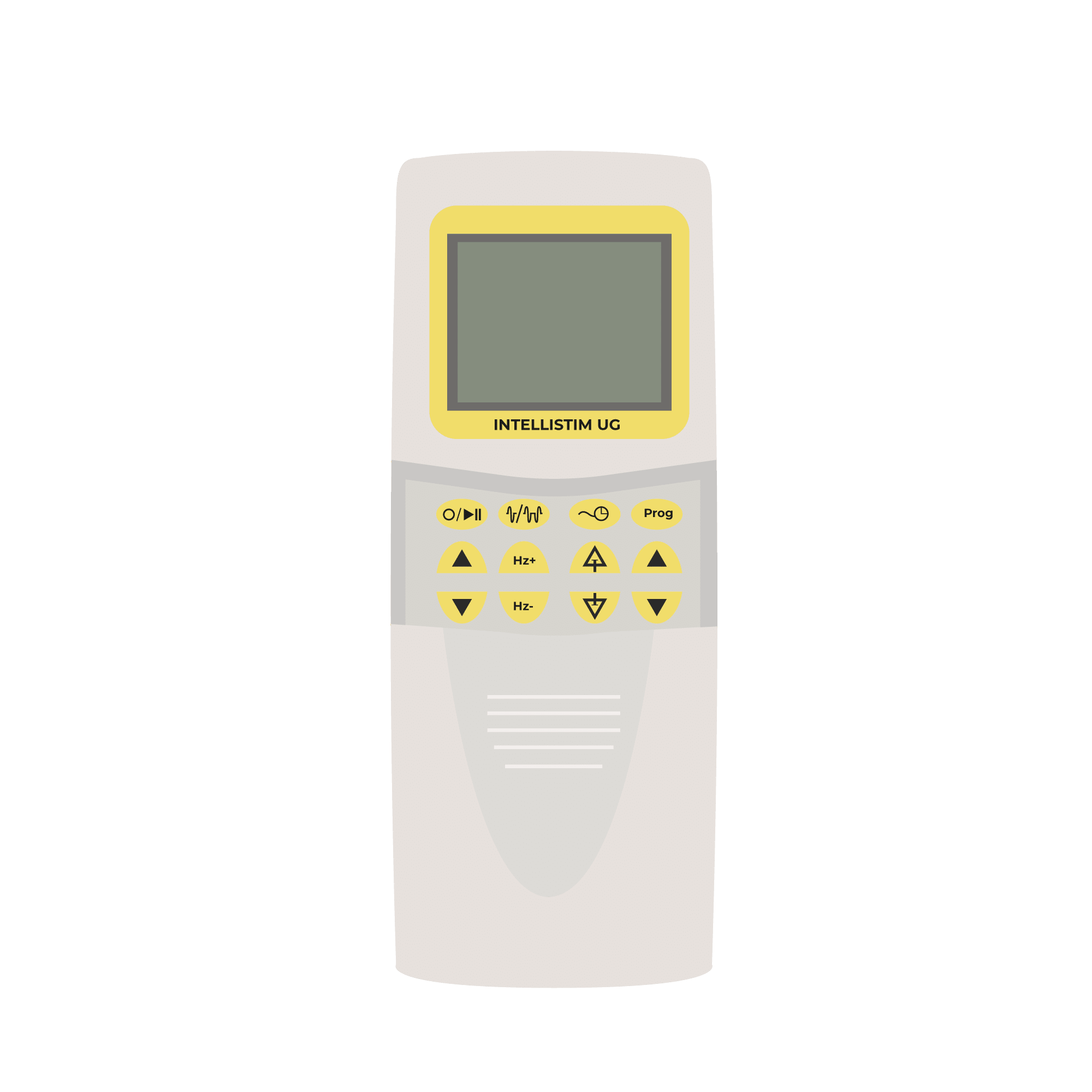
INTELLISTIM UG®
255,00 € Excl. tax -
NOVATYS®
22,50 € Excl. tax
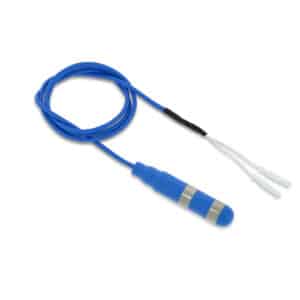

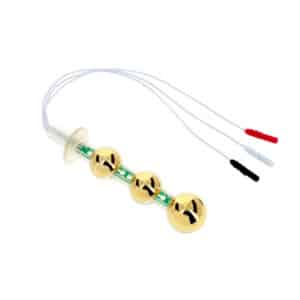
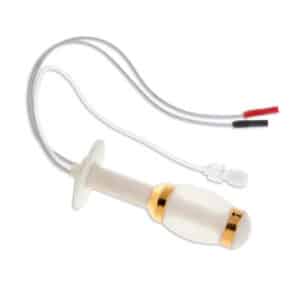

Devices that can help at home
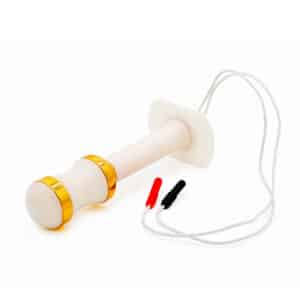
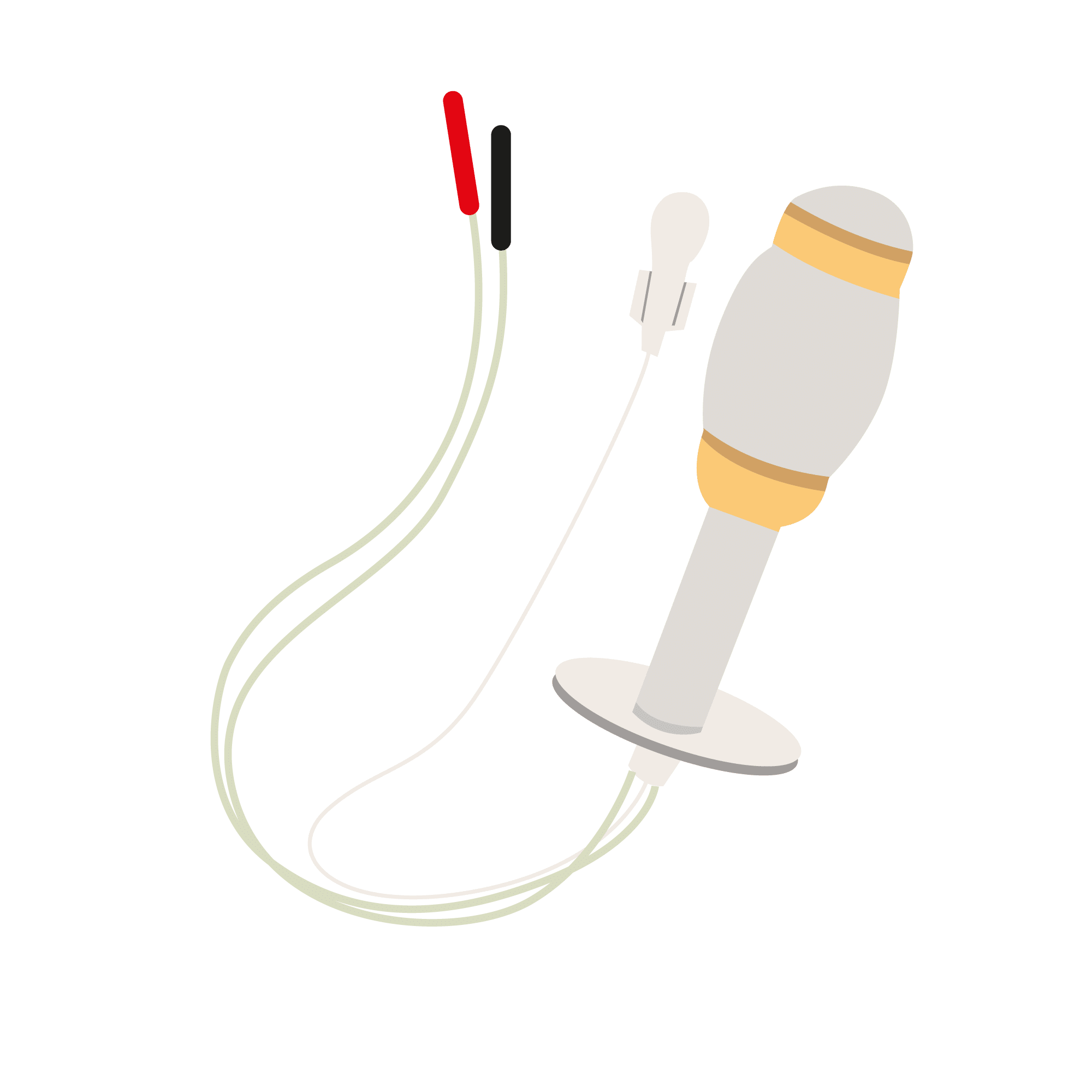
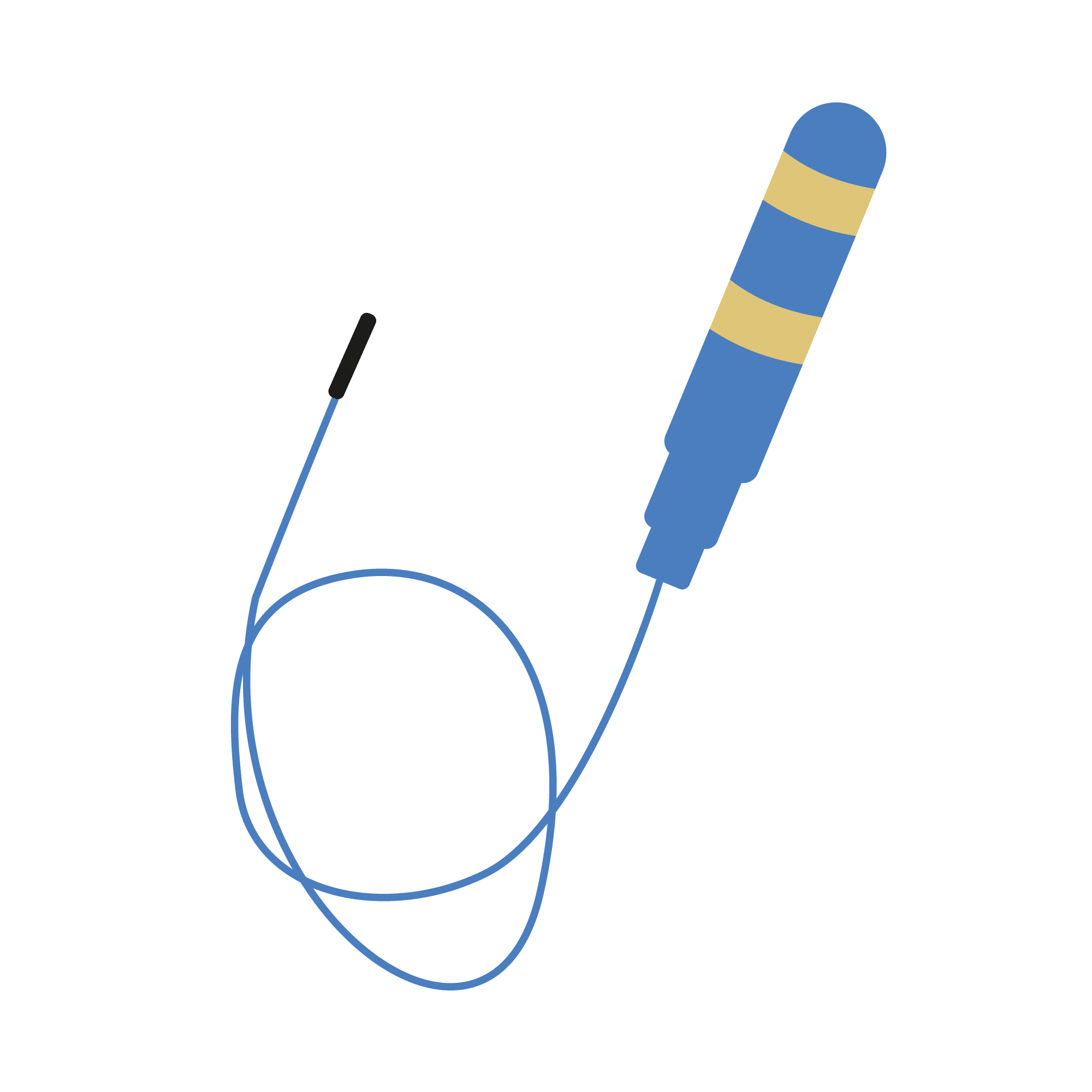
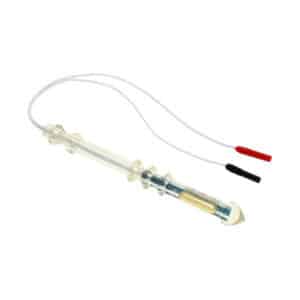
Vaginal probes
Vaginal probes are used for pelvic floor rehabilitation in women, particularly in cases of urinary incontinence, postpartum recovery, or pelvic muscle weakness. They enable targeted exercises through biofeedback or electrical stimulation.
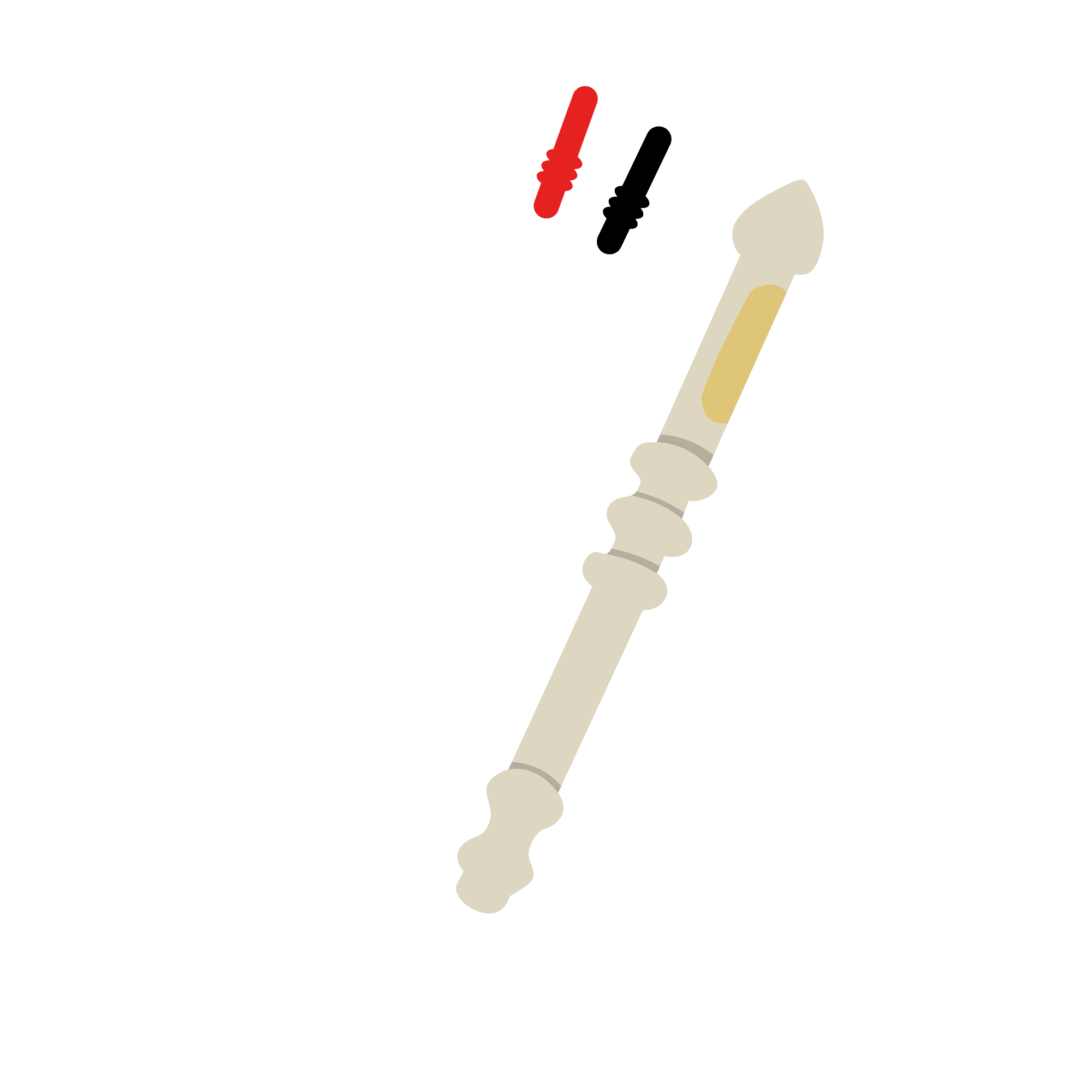
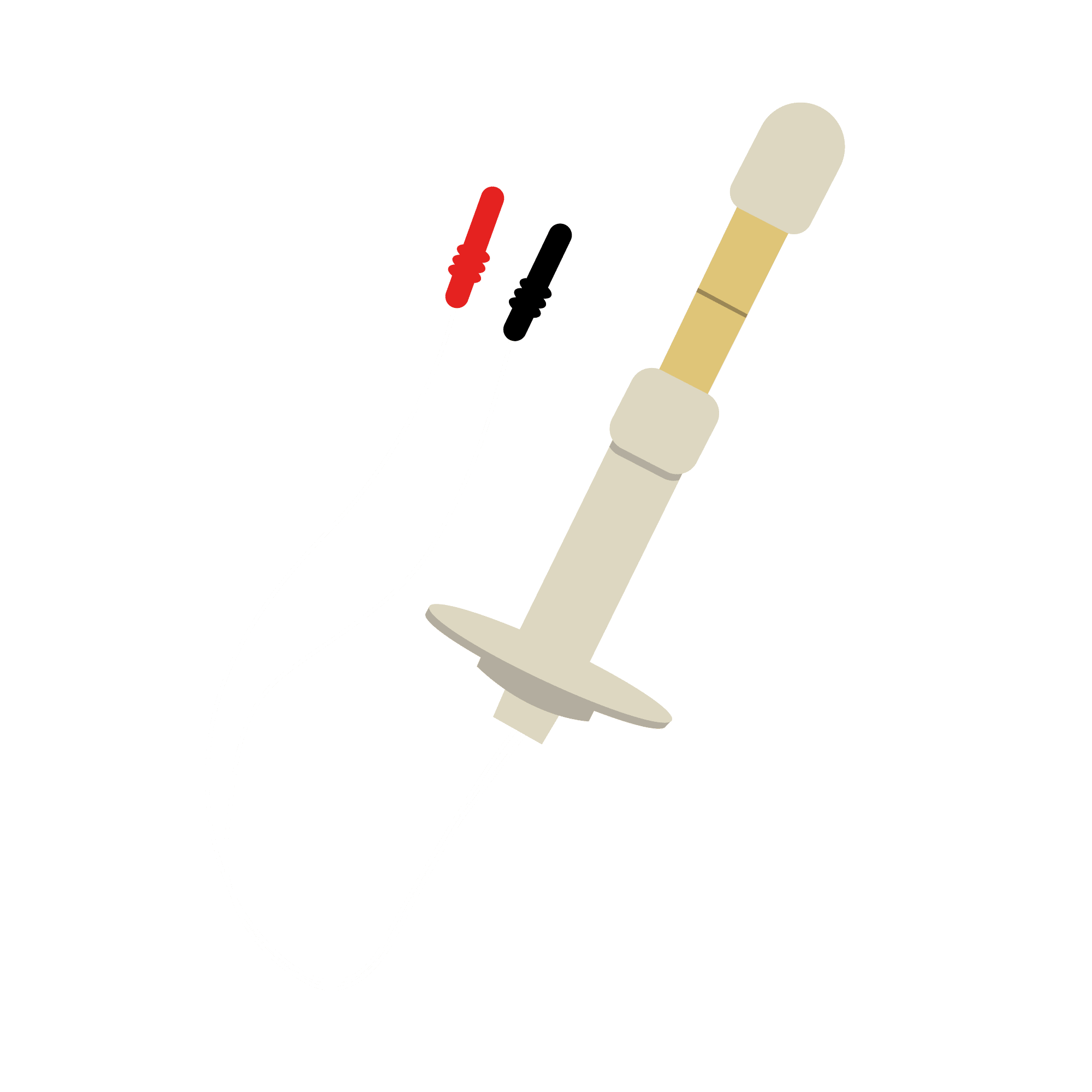
Anal probes
Anal probes are suitable for perineal rehabilitation in both men and women, particularly for treating urinary or fecal incontinence. They offer an effective solution for strengthening the pelvic floor muscles through electrostimulation.

Electrostimulators
A perineal stimulator is a device that sends mild electrical impulses to stimulate and strengthen the perineal muscles. It is recommended for home rehabilitation, often as a supplement to medical care.
The financial point: waiting can sometimes cost more
Many people put off seeing a doctor:
→ lack of time
→ embarrassment
→ fear of surgery
As a result, symptoms can gradually worsen.
In the long term, this can affect:
→ comfort
→ physical activity
→ quality of life
The good news? Most prescribed perineal rehabilitation is covered by Medicare.
At Sugar, we believe that taking action early often helps avoid more invasive solutions later on.
The most common mistakes
⇒ thinking it’s “normal after having a baby”
⇒ avoiding movement altogether
⇒ doing unsuitable exercises found online
⇒ ignoring the early signs
The pelvic floor rarely works on its own: posture, breathing, and daily habits also play a role.
When should you see a doctor?
It is recommended that you seek medical advice if:
♦ the sensation becomes frequent
♦ it interferes with your daily life
♦ it is accompanied by leakage or pain
♦ you notice a gradual worsening of symptoms
A healthcare professional can recommend a treatment plan tailored to your situation.
To conclude…
A feeling of heaviness in the pelvic area isn’t necessarily serious, but it’s not a sign you should ignore either.
Sometimes the body is simply trying to tell you that it lacks support, balance… or rest.
At Sugar, we believe that paying attention to these early signs can often prevent the issue from worsening and help you regain comfort more quickly.
What if this discomfort isn’t something to “put up with”… but a message to be understood?
-
ANALYS BLUE+®
28,33 € Excl. tax -
AEROLYS ANA®
28,33 € Excl. tax -
ANALYS+®
29,17 € Excl. tax
Frequently asked questions
Check out the questions most frequently asked by users.
Does a feeling of heaviness necessarily mean a prolapse?
No. There are several possible causes for this sensation, including muscle tension or a weakened pelvic floor.
Can exercise make this sensation worse?
Yes, certain high-impact sports can increase abdominal pressure.
Can pelvic floor rehabilitation help?
Yes, in many cases it helps improve muscle support and comfort.
Can men experience this discomfort?
Yes, even though it doesn’t get as much media attention, men can also experience pelvic floor disorders.
Check out our blog

Common Misconceptions About the Perineum: 8 Myths You Should Know
Pelvic floor and constipation: Understanding the connection and taking action

The Perineum and Sports: What Activities to Do and How to Protect It
Pelvic Floor and Pregnancy: Rehabilitation Before and After Childbirth
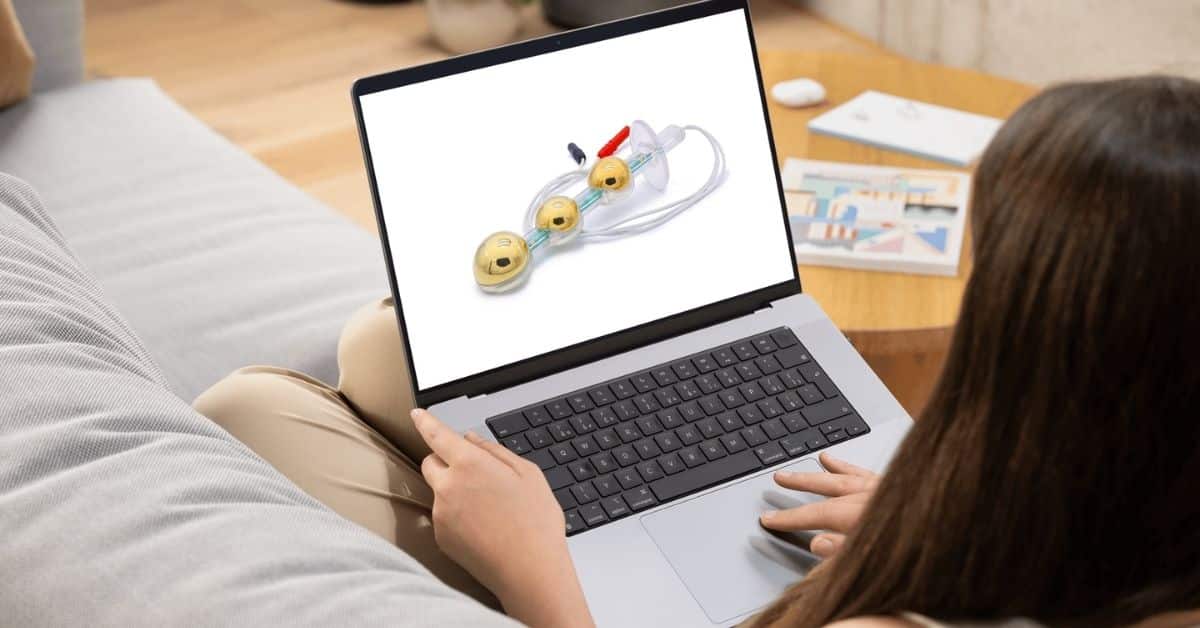
How to Use a Perineal Rehabilitation Probe: Instructions for Use
Insertion, lubrication, connection, precautions, warnings… Learn how to use your perineal rehabilitation probe correctly, step by step and safely.
Constantly contracting your pelvic floor muscles: myth or good idea?
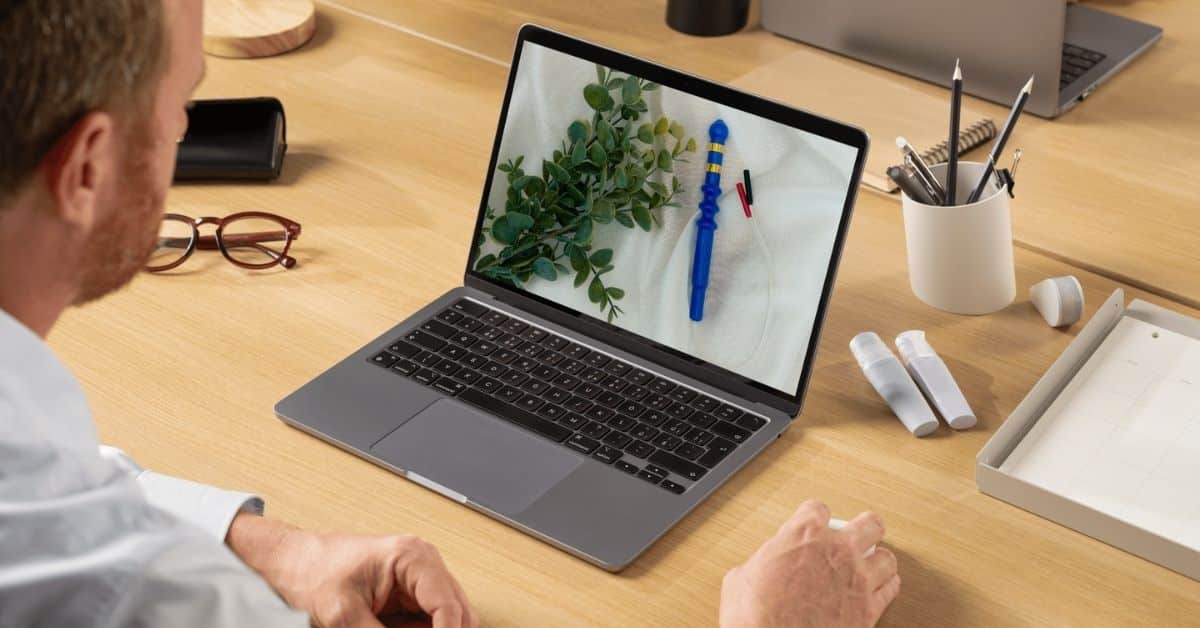
Caring for a Perineal Rehabilitation Probe: The Complete Guide
Cleaning, drying, storage, lifespan… Learn how to properly care for your pelvic floor rehabilitation probe to keep it hygienic and ensure its longevity.
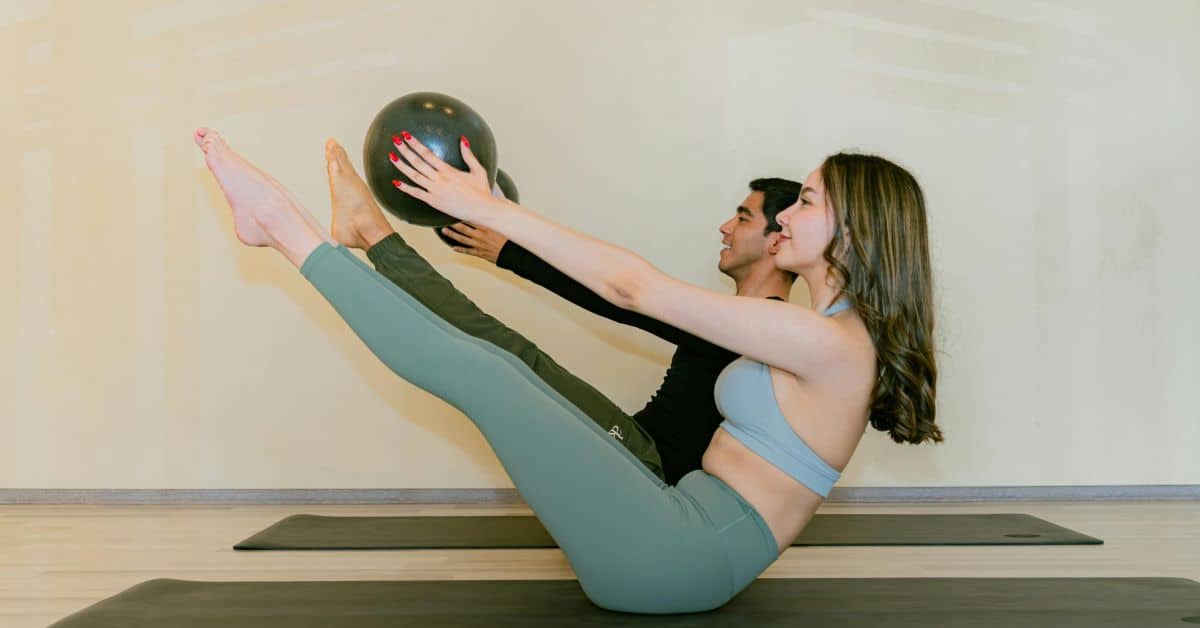
Pelvic Floor Exercises at Home: A Gentle Guide
Urinary Incontinence: Causes, Forms, and Solutions
Male Pelvic Floor: Function, Signs of Weakness, and Rehabilitation
Yes, men have a perineum! Its role, signs of weakness, rehabilitation after prostate surgery… Learn all about the male perineum.

