Postpartum pelvic floor rehabilitation: When to start and why is it important?

Postpartum Pelvic Floor Rehabilitation
Your body has been through a marathon… why not give it the help it really needs to recover?
Postpartum pelvic floor rehabilitation: When to start and why is it important?
After giving birth, many women hear this phrase:
⇒ “You’ll need to do pelvic floor exercises.”
But between exhaustion, the baby, conflicting advice, and a lack of time, one question often comes up: Is it really necessary?
The answer is nuanced… but in many cases, yes.
Why is the perineum weakened after childbirth?
During pregnancy and childbirth, the perineum is subjected to significant pressure.
It must support:
→ the baby’s weight
→ hormonal changes
→ increased abdominal pressure
Then, during childbirth, the pelvic muscles and tissues are put under significant strain.
Even without immediate pain, the perineum may lose:
→ tone
→ coordination
→ responsiveness
Do all women need physical therapy?
Not necessarily in the same way.
Some women quickly experience:
-
- urinary leakage
- a feeling of heaviness
- a loss of control
- discomfort during exercise or certain movements
Others have fewer visible symptoms.
But be careful: the absence of immediate symptoms does not always mean that the pelvic floor is functioning perfectly.
That is why a consultation with a professional is often recommended.
When should you start pelvic floor rehabilitation?
Generally, a postpartum checkup is scheduled a few weeks after delivery.
The timing may vary depending on:
→ the type of delivery
→ recovery
→ the presence of pain
→ the healthcare professional’s recommendations
⇒ The most important thing is not to rush, but to resume activities gradually.
The body recovers at its own pace.
What is the actual purpose of pelvic floor rehabilitation?
Rehabilitation has several goals:
1) Regain better muscle control
The pelvic floor must relearn how to manage everyday pressures.
2) Reduce urinary leakage
Especially during physical exertion:
- coughing
- exercise
- carrying a baby
3) Prevent certain complications
Such as certain types of prolapse or pelvic discomfort.
4) Regain confidence in your body
An aspect of daily life that is often underestimated.
What does perineal rehabilitation involve?
Treatment depends on the individual.
It may include:
-
- muscle exercises
- breathing
- postural work
- biofeedback
electrostimulation
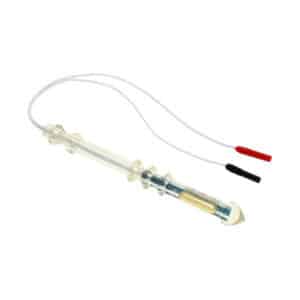
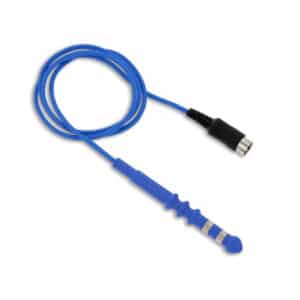
In some cases, devices such as perineal probes may be used to support muscle training.
⇒ The goal is not only to “build muscle,” but above all to restore proper coordination.
Can you do physical therapy on your own at home?
Partially, yes.
After an initial assessment, some exercises can be continued at home.
But there’s a common pitfall:
→ doing exercises that are unsuitable or performed incorrectly.
-
- Some women tense up too much.
- Others push instead of engaging their muscles.
At Sugar, we believe that initial guidance often helps avoid these mistakes and achieve better long-term results.

3AT2B®
25,00 € Excl. tax-
EVOSTIM E®
245,19 € Excl. tax -
OPTIMA 3®
22,50 € Excl. tax -
AIR STIM®
38,00 € Excl. tax -
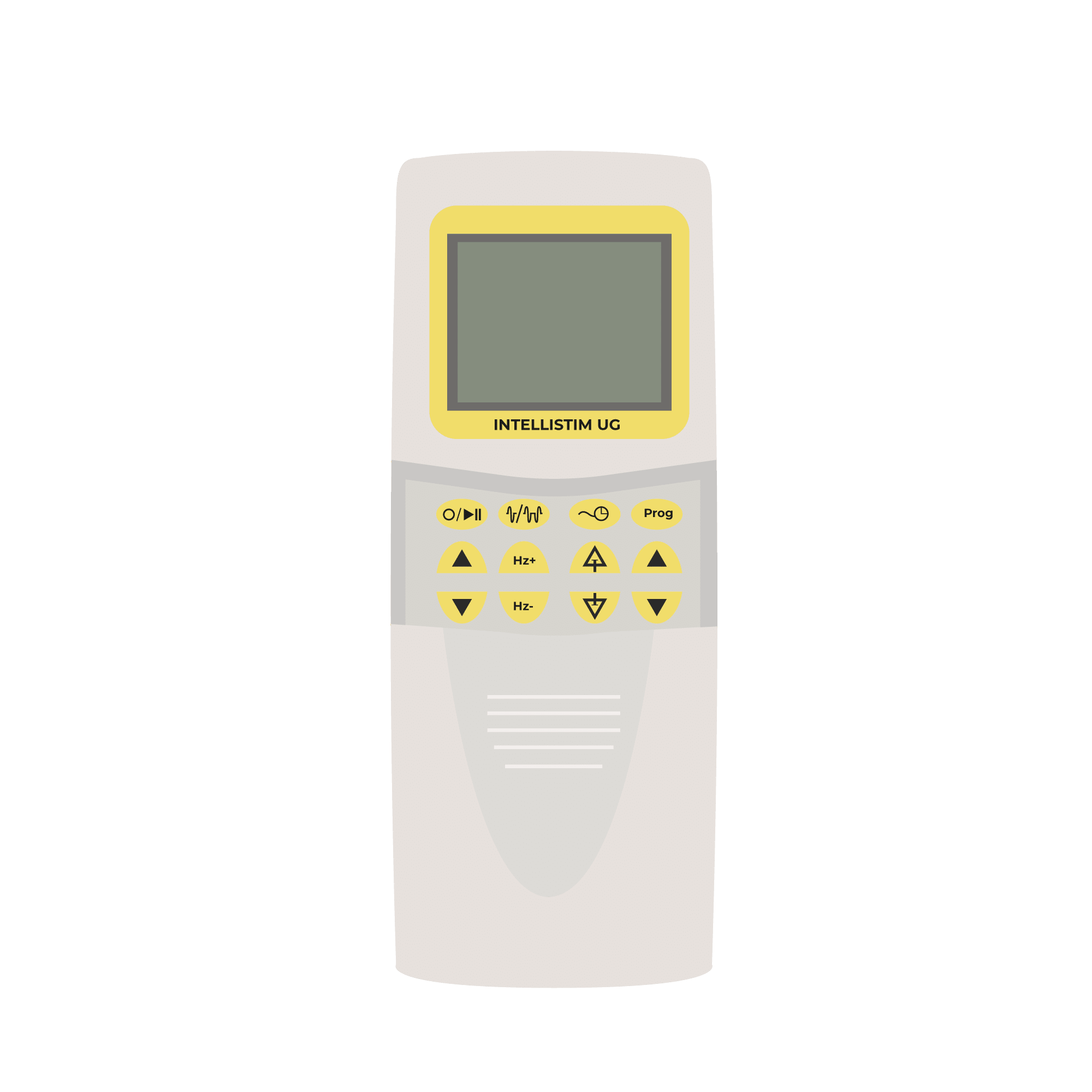
INTELLISTIM UG®
245,19 € Excl. tax -
NOVATYS®
22,50 € Excl. tax


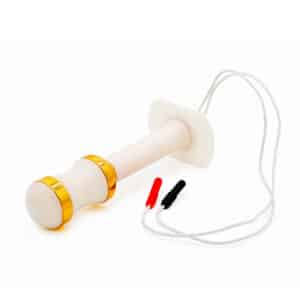
Devices that can help at home
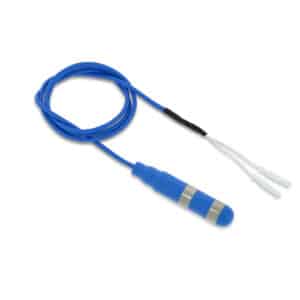
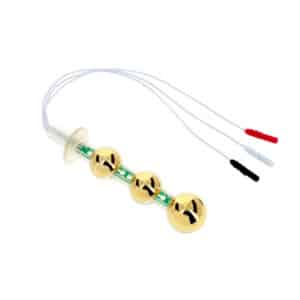
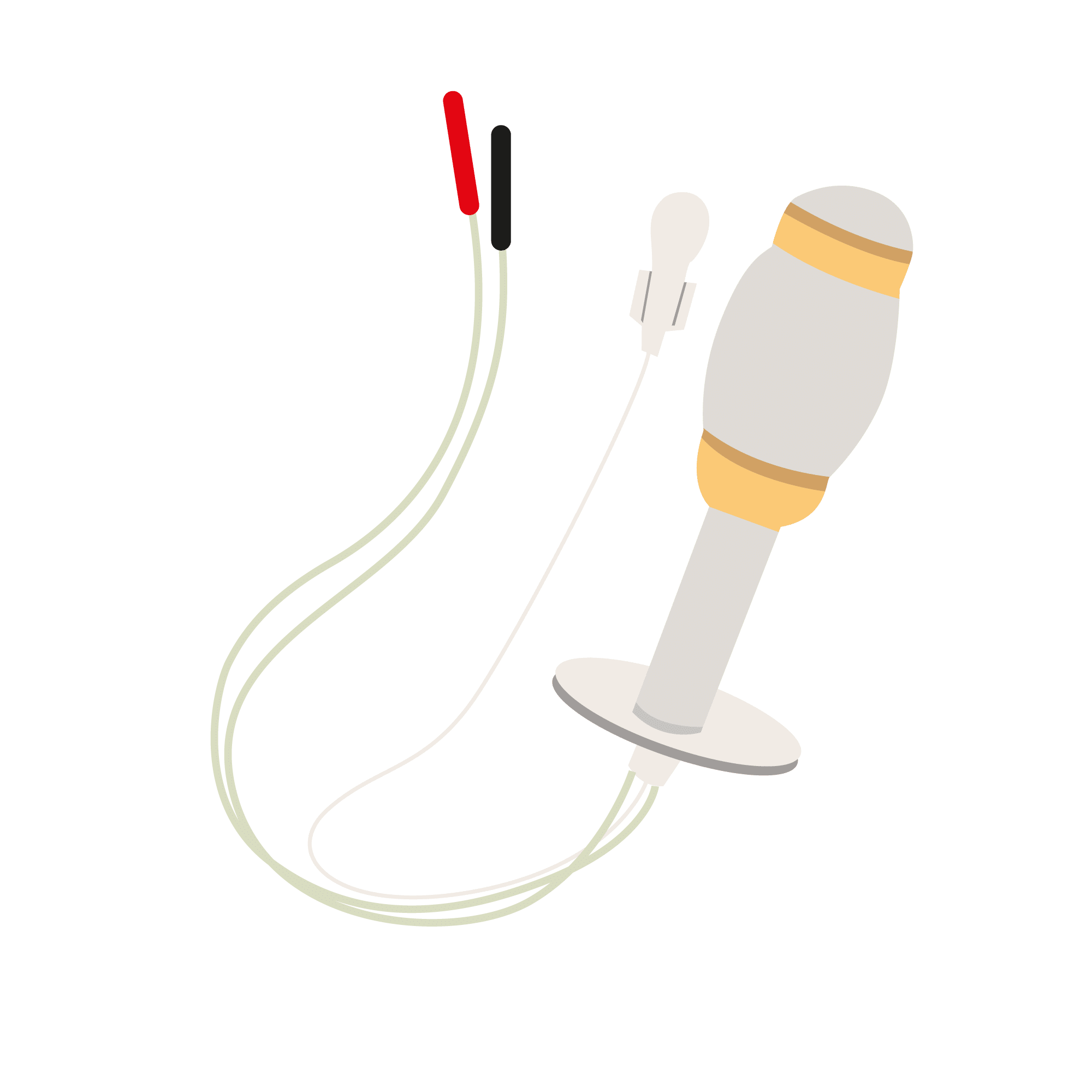
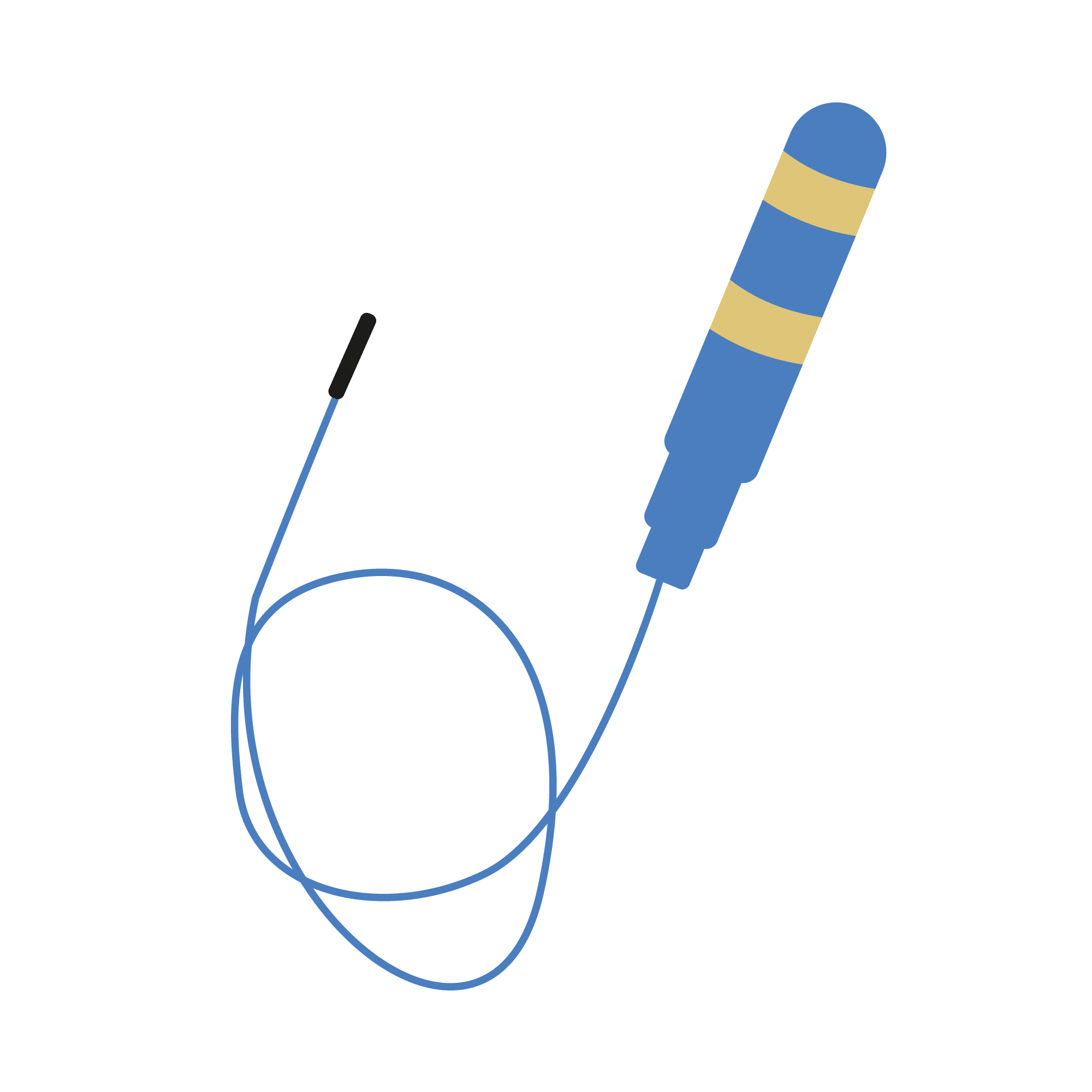
Vaginal probes
Vaginal probes are used for pelvic floor rehabilitation in women, particularly in cases of urinary incontinence, postpartum recovery, or pelvic muscle weakness. They enable targeted exercises through biofeedback or electrical stimulation.
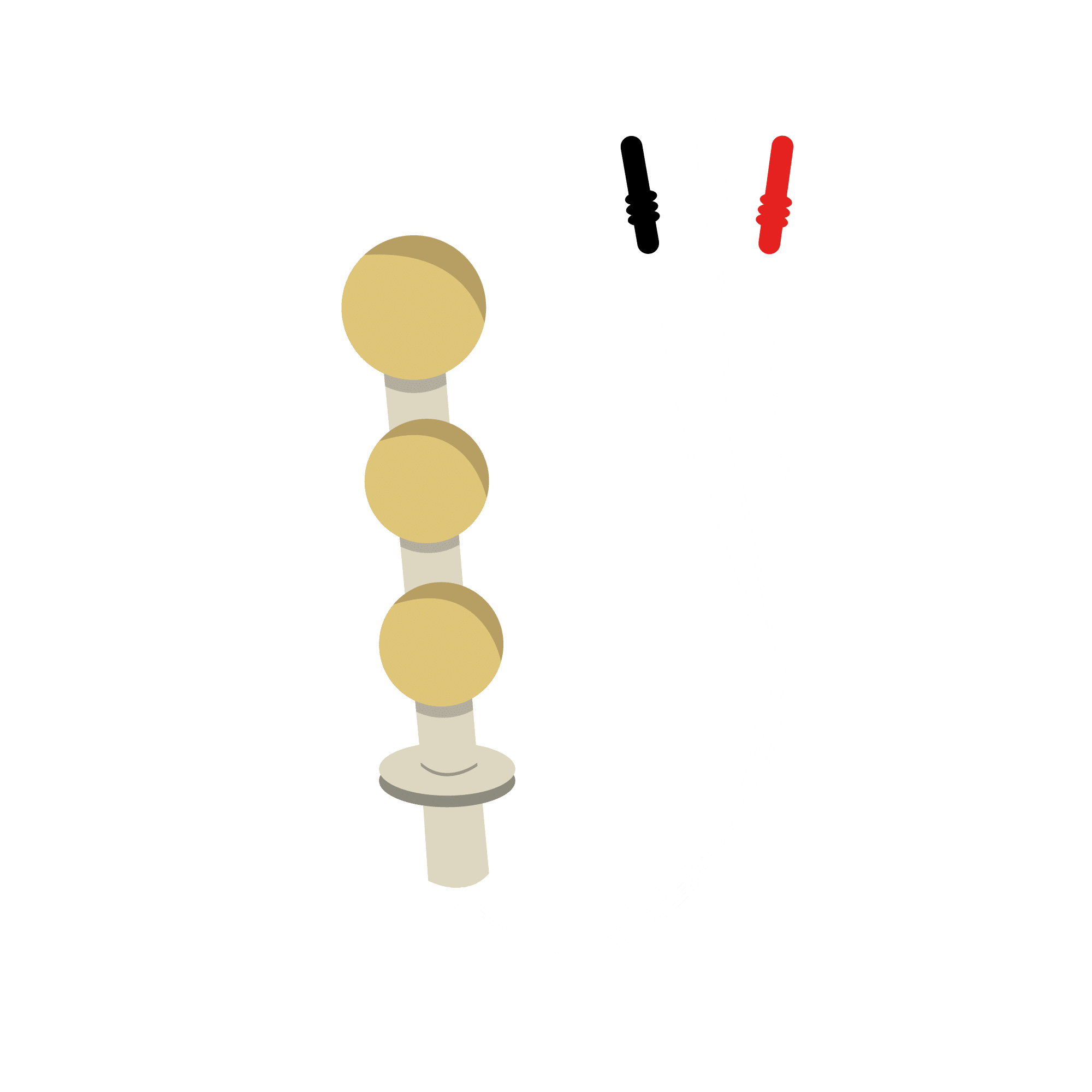
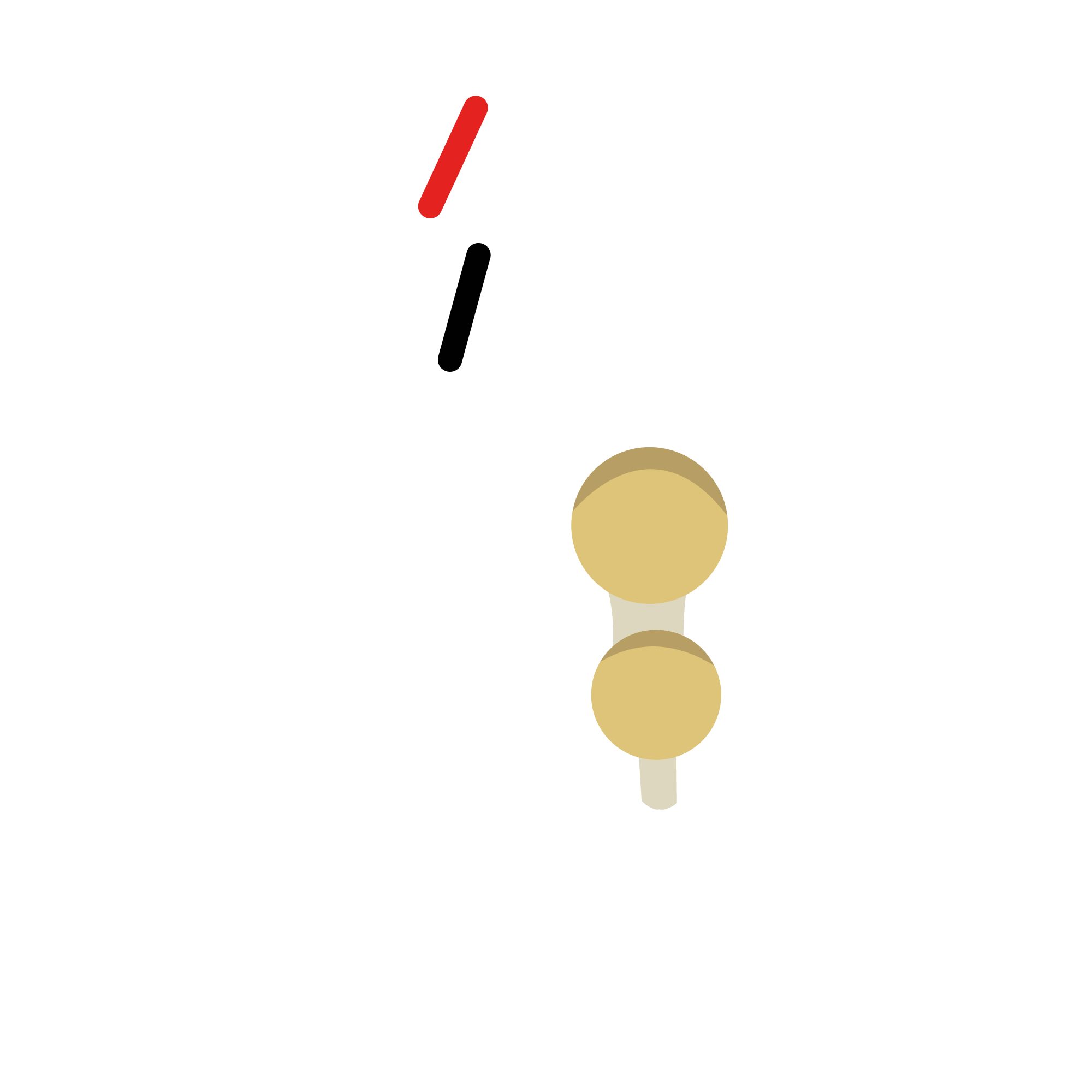
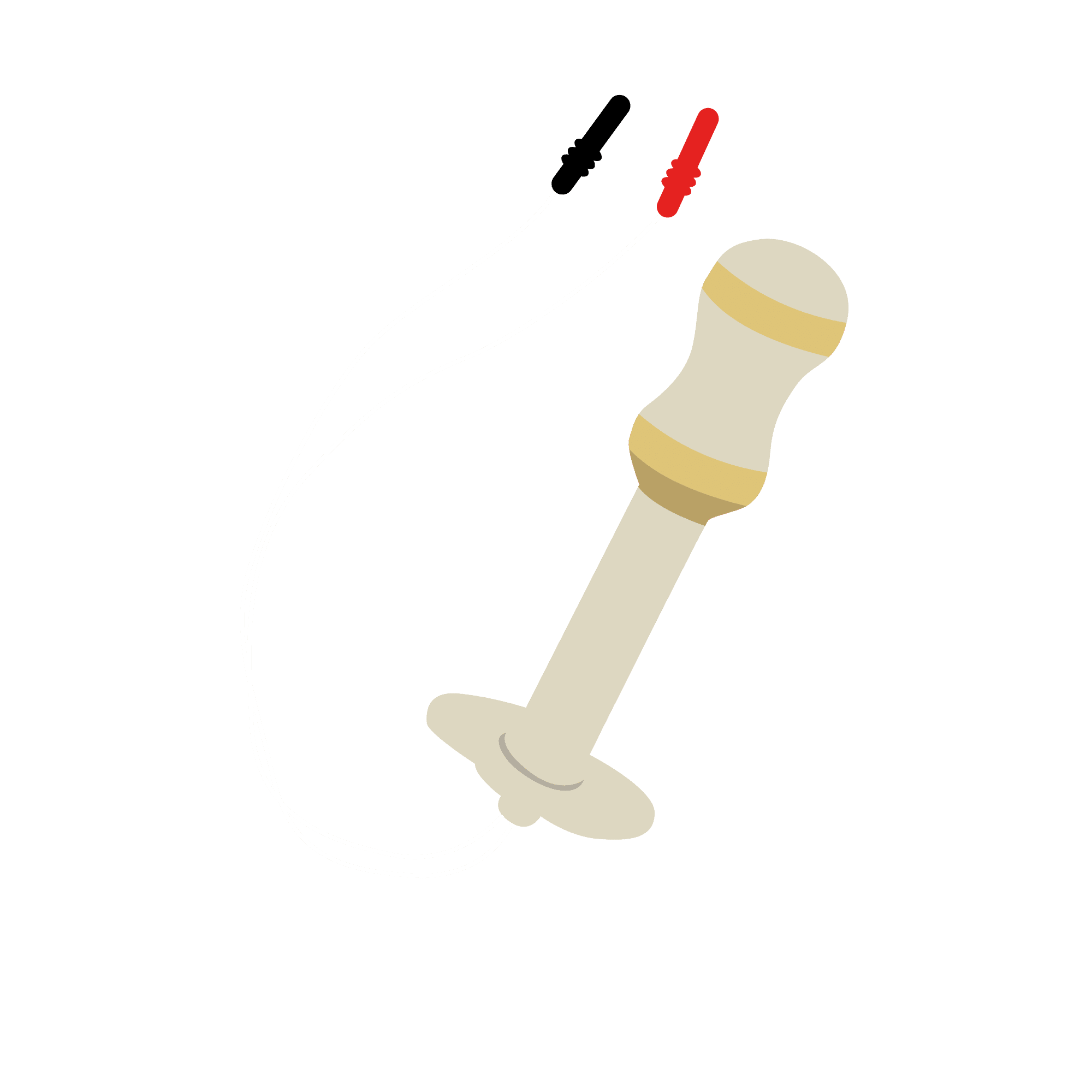
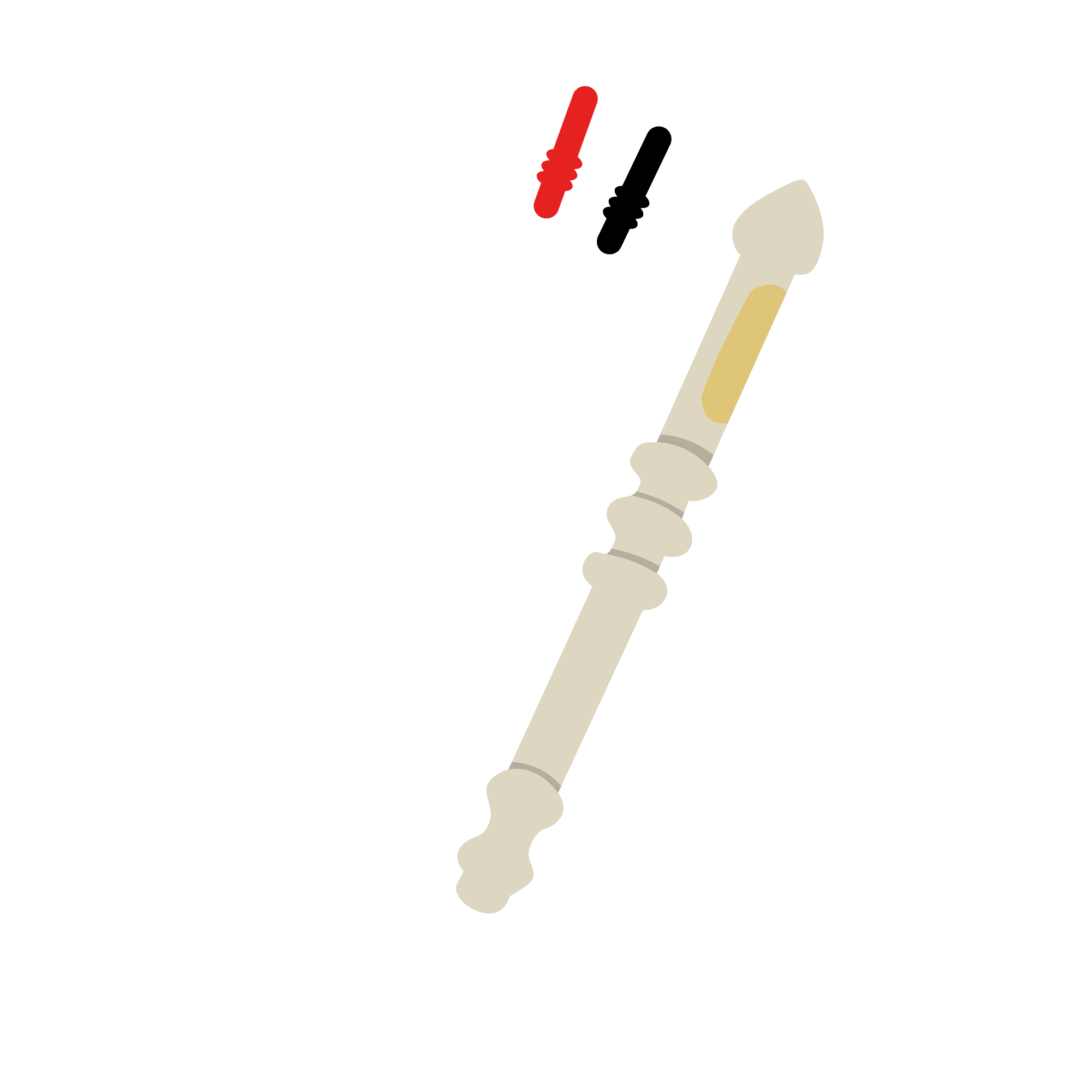
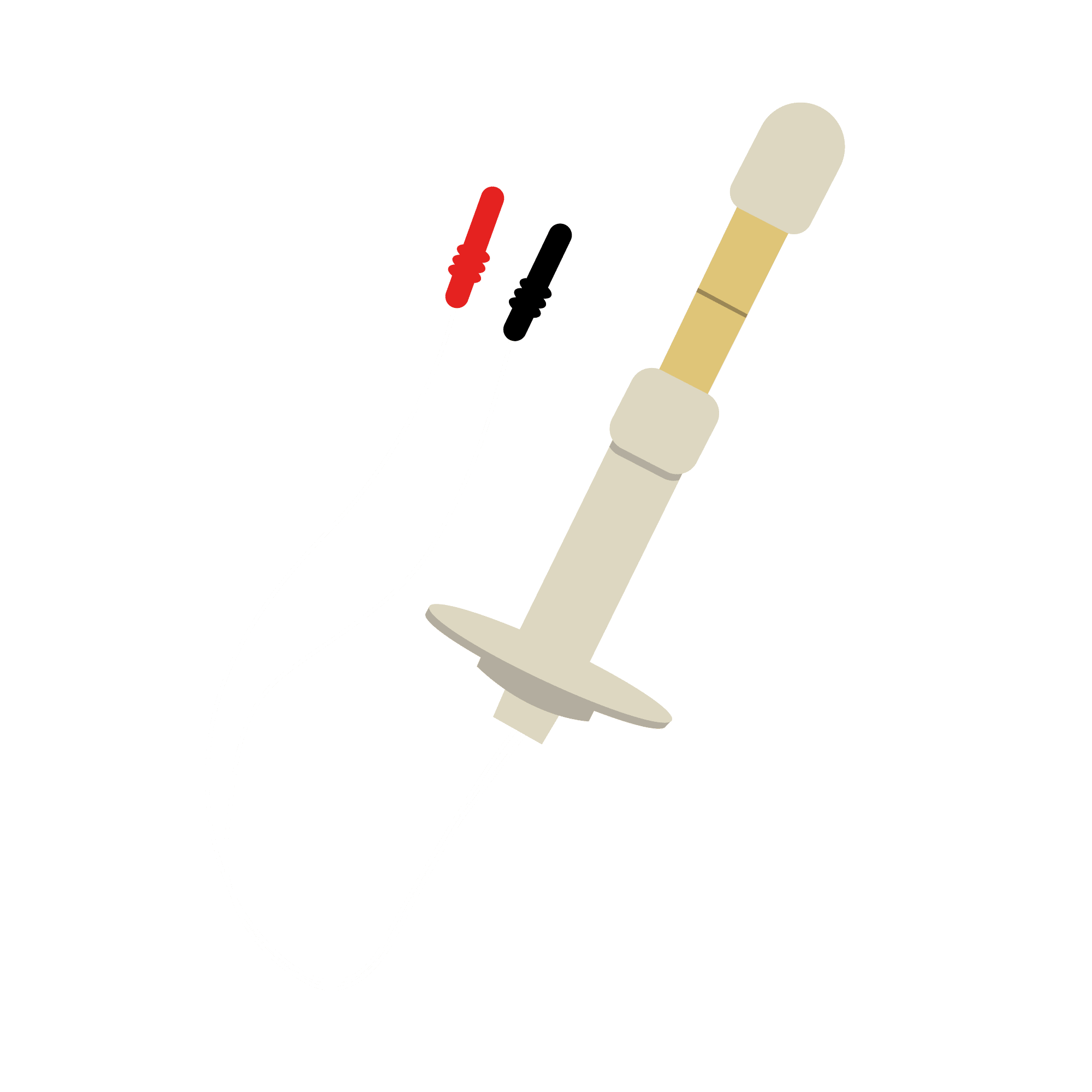
Anal probes
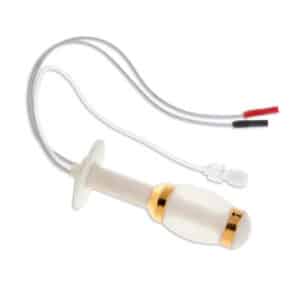
Anal probes are suitable for pelvic floor rehabilitation in both men and women, particularly for treating urinary or fecal incontinence. They offer an effective solution for strengthening the pelvic floor muscles through electrostimulation.

Electrostimulators
A perineal stimulator is a device that sends mild electrical impulses to stimulate and strengthen the perineal muscles. It is recommended for home rehabilitation, often as a supplement to medical care.
Exercise after childbirth: be careful when getting back into it
Many new moms want to get back to:
- running
- working out
- ab exercises
But a perineum that’s still weakened may have trouble handling the pressure.
Resuming exercise too quickly can lead to:
→ urinary incontinence
→ a feeling of heaviness
→ certain types of pelvic pain
The most important thing is to take it slowly.
Financial Update: What You Need to Know
Some women are hesitant to undergo pelvic floor rehabilitation:
⇒ lack of time
⇒ fear of the cost
⇒ dismissing symptoms as trivial
However:
→ most prescribed sessions are covered by Medicare.
And in the long term, taking care of your pelvic floor can help prevent:
-
- persistent discomfort
- expenses related to sanitary products
- certain future complications
The Most Common Mistakes After Childbirth
→ returning to exercise too soon
→ thinking that leakage is “normal”
→ ignoring feelings of heaviness
→ doing only traditional sit-ups
Your body has just undergone a major transformation; it deserves proper recovery.
When should you seek immediate medical attention?
We recommend that you seek medical advice if you experience:
⇒ persistent urinary leakage
⇒ a strong sensation of heaviness
⇒ severe pain
⇒ difficulty resuming certain activities
A healthcare professional can tailor your treatment plan to your specific situation.
To conclude…
After giving birth, the body recovers gradually, and the perineum plays a key role in this healing process.
Taking care of it isn’t just about preventing symptoms—it’s also about regaining comfort, confidence, and sometimes a new relationship with your body.
At Sugar, we believe that a good postpartum recovery should never be considered a “bonus.”
What if true strength after childbirth also lies in accepting support?
-
ANALYS BLUE+®
28,33 € Excl. tax -
AEROLYS ANA®
28,33 € Excl. tax -
ANALYS+®
29,17 € Excl. tax -
ANALYS BLUE® DIN 3
31,67 € Excl. tax
Frequently asked questions
Check out the questions most frequently asked by users.
Is pelvic floor rehabilitation required after childbirth?
It is not mandatory, but it is strongly recommended in many situations.
How many sessions are usually needed?
It depends on each person’s needs and symptoms. A specialist can advise you.
Can you do physical therapy at home?
Yes, but it is recommended that you consult a healthcare professional for an initial assessment to avoid mistakes.
Is perineal rehabilitation covered by insurance?
Yes, when it is prescribed, it is mostly covered by Medicare (in France).
Check out our blog

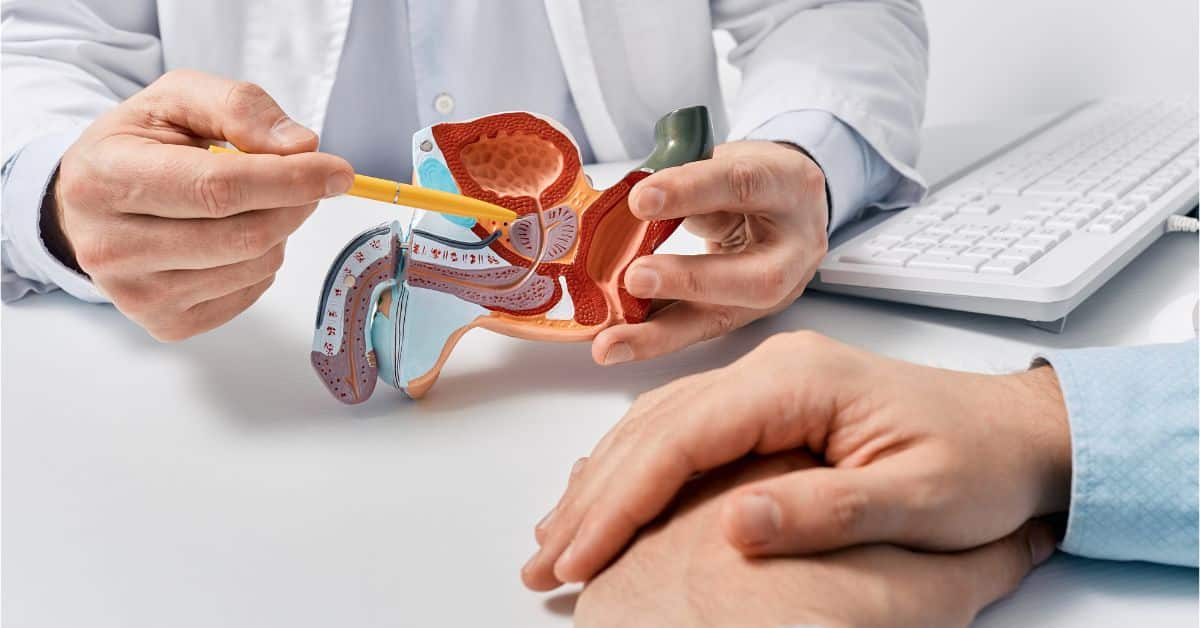
Urinary Incontinence After Prostatectomy: Perineal Rehabilitation
After prostate surgery, urinary incontinence is common but often temporary. Learn about the key role of pelvic floor rehabilitation.

Breast Cancer and Intimacy: Dryness, Incontinence, Solutions
Pink October: Vaginal dryness, urinary incontinence, pain… Breast cancer treatments can affect your intimate health. Causes and solutions.

Lump or discomfort in the vagina: possible causes and when to seek medical attention
Lump or discomfort in the vagina: possible causes and when to see a doctor
Common Misconceptions About the Perineum: 8 Myths You Should Know
Pelvic floor and constipation: Understanding the connection and taking action

The Perineum and Sports: What Activities to Do and How to Protect It
Pelvic Floor and Pregnancy: Rehabilitation Before and After Childbirth
How to Use a Perineal Rehabilitation Probe: Instructions for Use
Insertion, lubrication, connection, precautions, warnings… Learn how to use your perineal rehabilitation probe correctly, step by step and safely.