Excessively Tight Pelvic Floor: Symptoms, Causes, and Effective Solutions

Perineum too tight
What if your perineum is simply too… tight?
Excessively Tight Pelvic Floor: Symptoms, Causes, and Effective Solutions
When we talk about the perineum, we often think of a muscle that is “too weak.”
But there is another problem, one that is much less well known:
⇒ a perineum that is too tight, also known as hypertonic.
And paradoxically… an overly tense perineum can cause just as many problems as a weakened one.
A perineum needs to be strong… but also able to relax
The perineum is a group of muscles located at the base of the pelvis.
It performs several essential functions:
♦ organ support
♦ urinary and fecal continence
♦ contribution to sensation and posture
But its role is not limited to “holding.”
⇒ A healthy perineum must be able to:
→ contract
→ AND relax completely
When this relaxation becomes difficult, we refer to a hypertonic perineum.
Excessively tight pelvic floor: what are the symptoms?
A tense perineum can manifest in various ways:
Pelvic pain or discomfort
A constant feeling of tension or discomfort in the lower abdomen or pelvis.
Difficulty urinating
Weak stream, difficulty starting, or a sensation of blockage.
Frequent urge to urinate
Even when the bladder is not full.
Pain during intercourse
In some people, excessive tension can make certain areas sensitive.
Constipation or difficulty passing stool
Relaxation of the perineum is also necessary for bowel movements.
Why does the perineum become too tight?
Several factors can come into play:
Stress and anxiety
The body goes into “protection” mode, and the pelvic floor remains constantly contracted.
Poor exercise habits
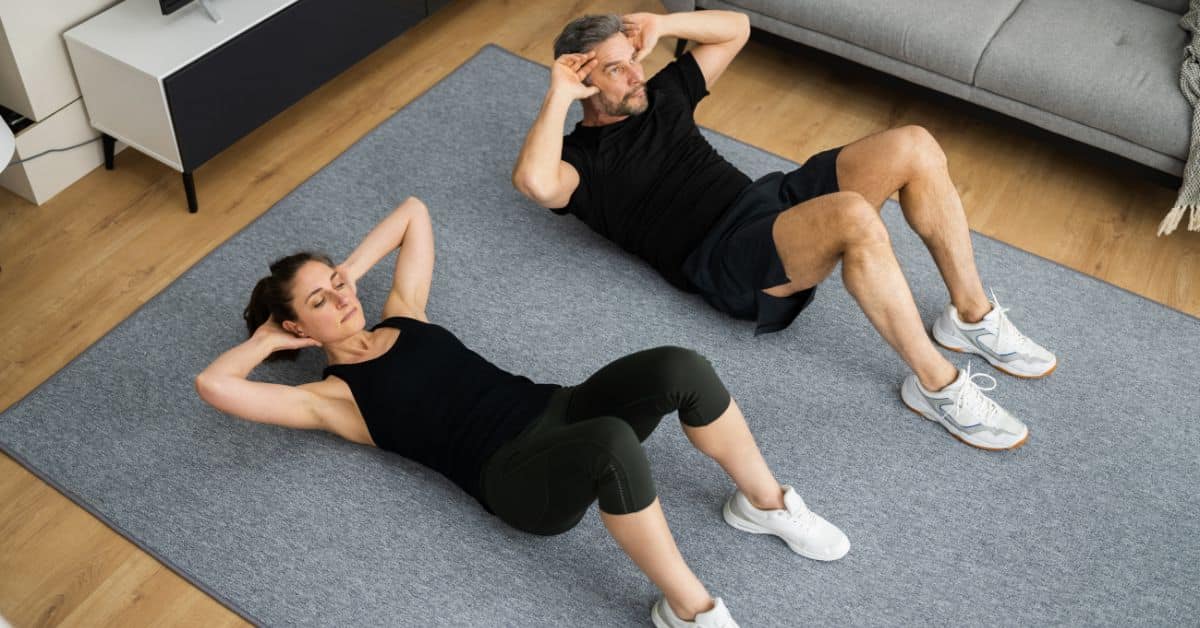
Improperly performed abdominal exercises, overly intense core training, or poor breathing.
Compensation for a weak pelvic floor
Some people contract “too much” to compensate for a lack of control.
Chronic pain
The body protects itself… but ends up remaining tense.
The exact mechanisms vary from person to person, and research continues to explore the links between the nervous system, stress, and pelvic tone.
The classic trap: tightening the screws even further
Many people make a common mistake:
⇒ continuing to do strengthening exercises when the pelvic floor is already too tight.
Result:
-
- more tension
- more discomfort
- worsened symptoms
It’s a bit like pulling on a rubber band that’s already stretched tight.
Ways to relax an overly tight pelvic floor
Good news: there are effective solutions.
1. Learn to relax
The main focus isn’t always on strengthening, but on:
- breathing correctly
- relaxing the pelvic floor
- reducing unconscious tension
Diaphragmatic breathing plays a key role here.
2. Tailored pelvic floor rehabilitation
A professional may recommend:
- relaxation exercises
- postural exercises
- biofeedback
- sometimes gentle electrical stimulation (depending on the case)
→ The goal is not contraction, but muscle awareness and relaxation.

3AT2B®
25,00 € Excl. tax-
EVOSTIM E®
245,19 € Excl. tax -
OPTIMA 3®
22,50 € Excl. tax -
AIR STIM®
38,00 € Excl. tax -
INTELLISTIM UG®
245,19 € Excl. tax -
NOVATYS®
22,50 € Excl. tax



Devices that can help at home
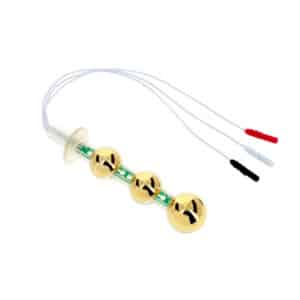
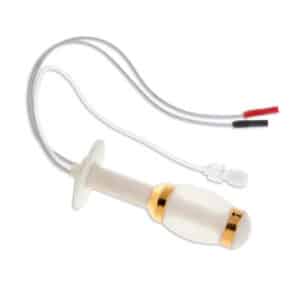
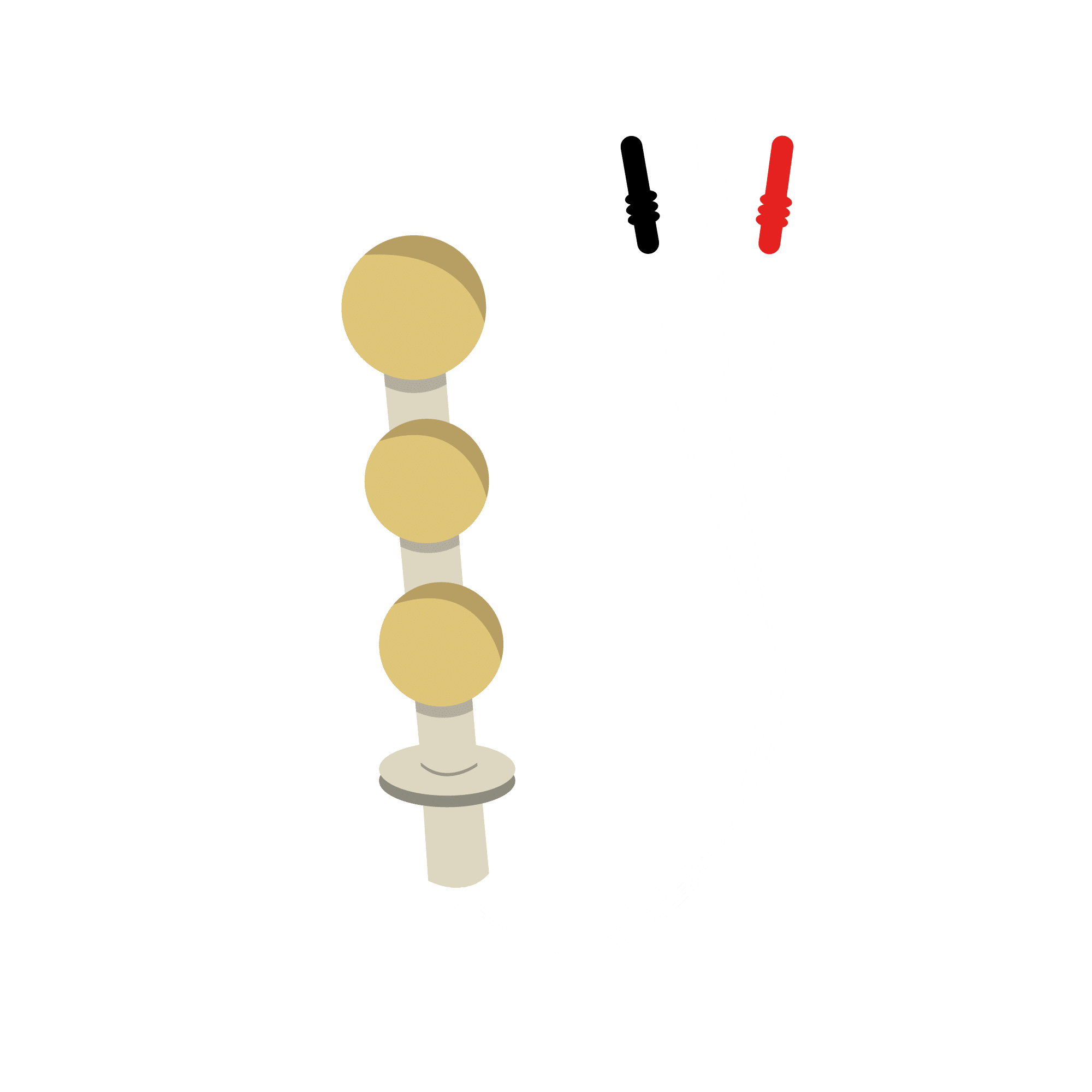
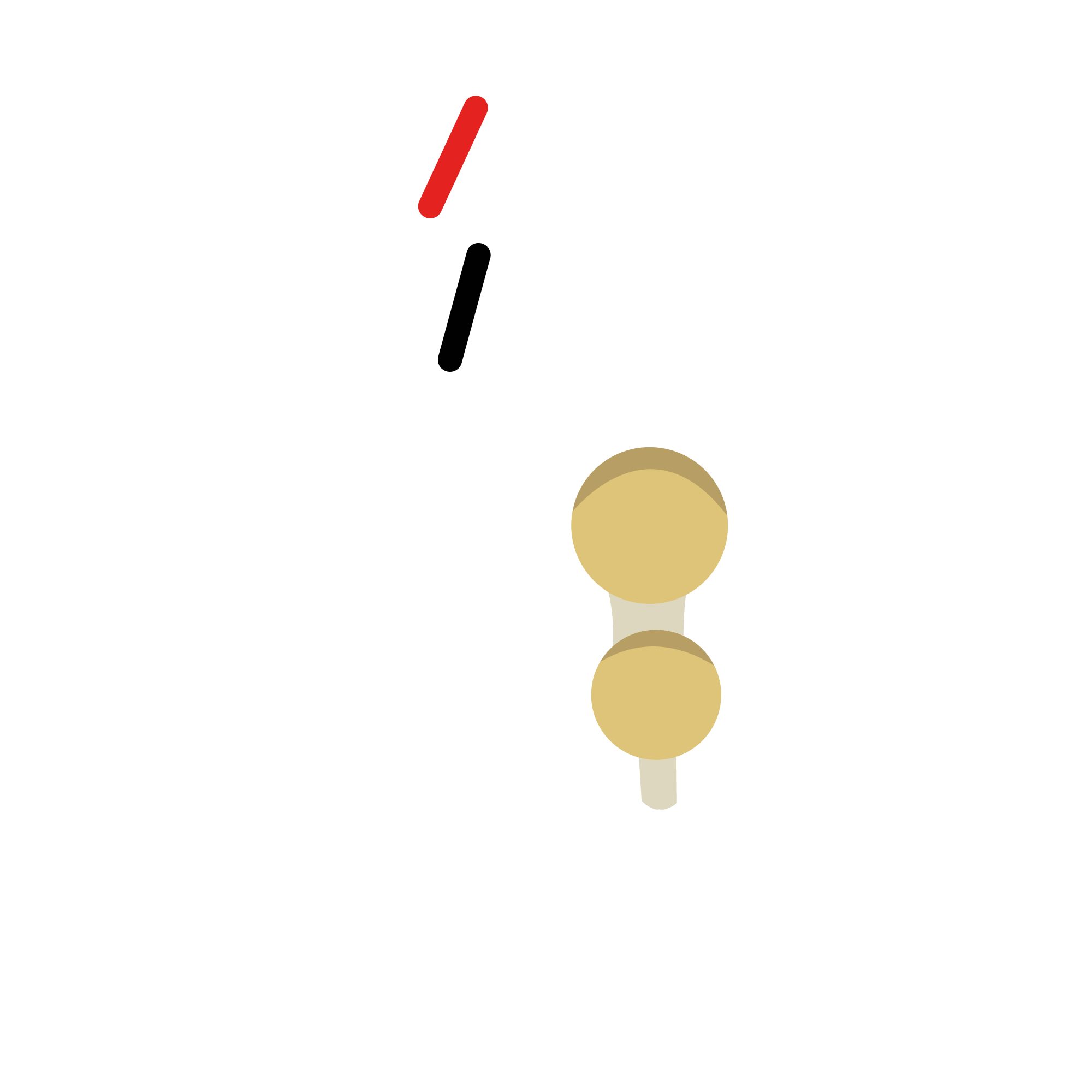
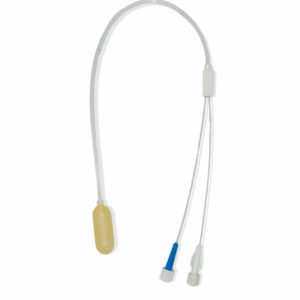
Vaginal probes
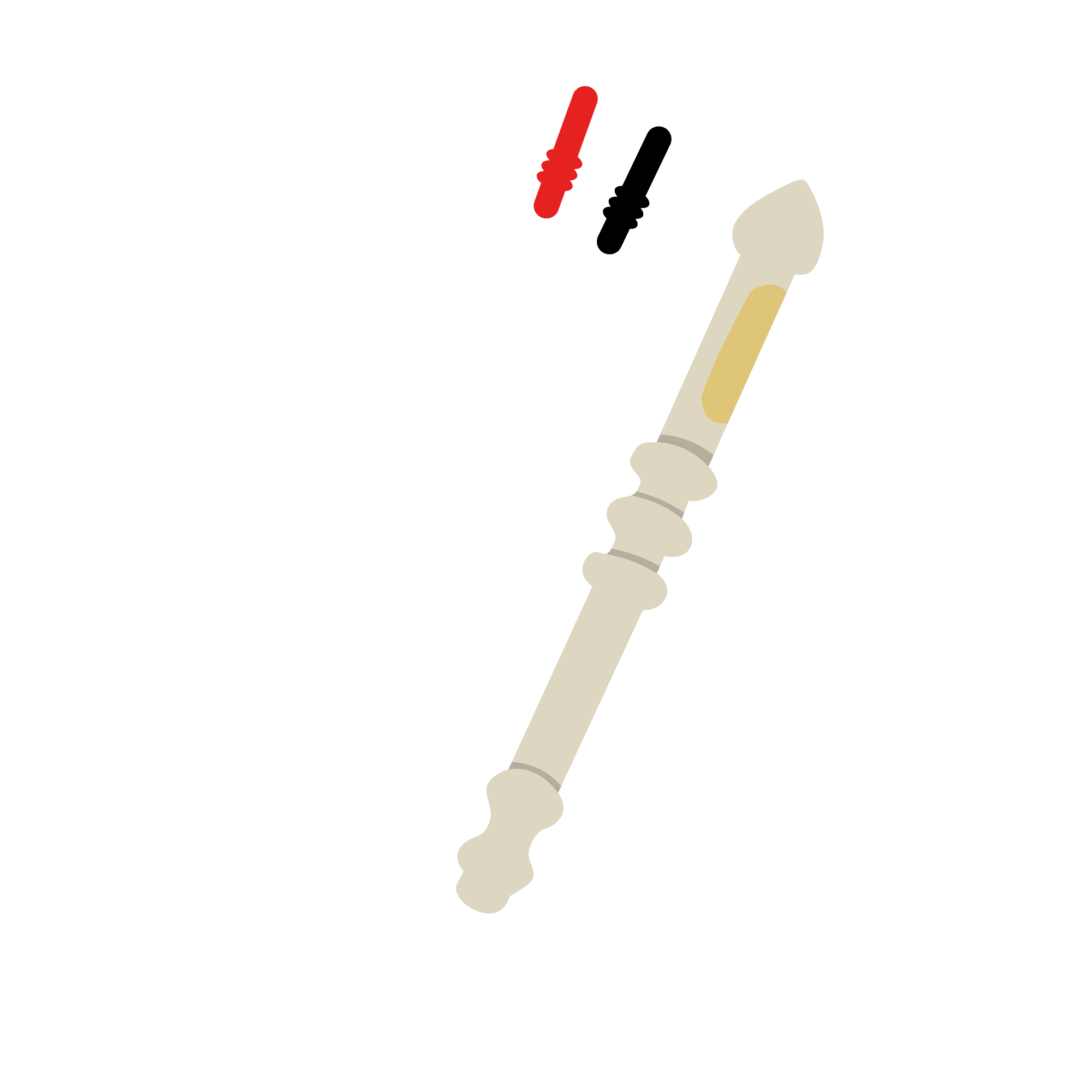
Vaginal probes are used for pelvic floor rehabilitation in women, particularly in cases of urinary incontinence, postpartum recovery, or pelvic muscle weakness. They enable targeted exercises through biofeedback or electrical stimulation.
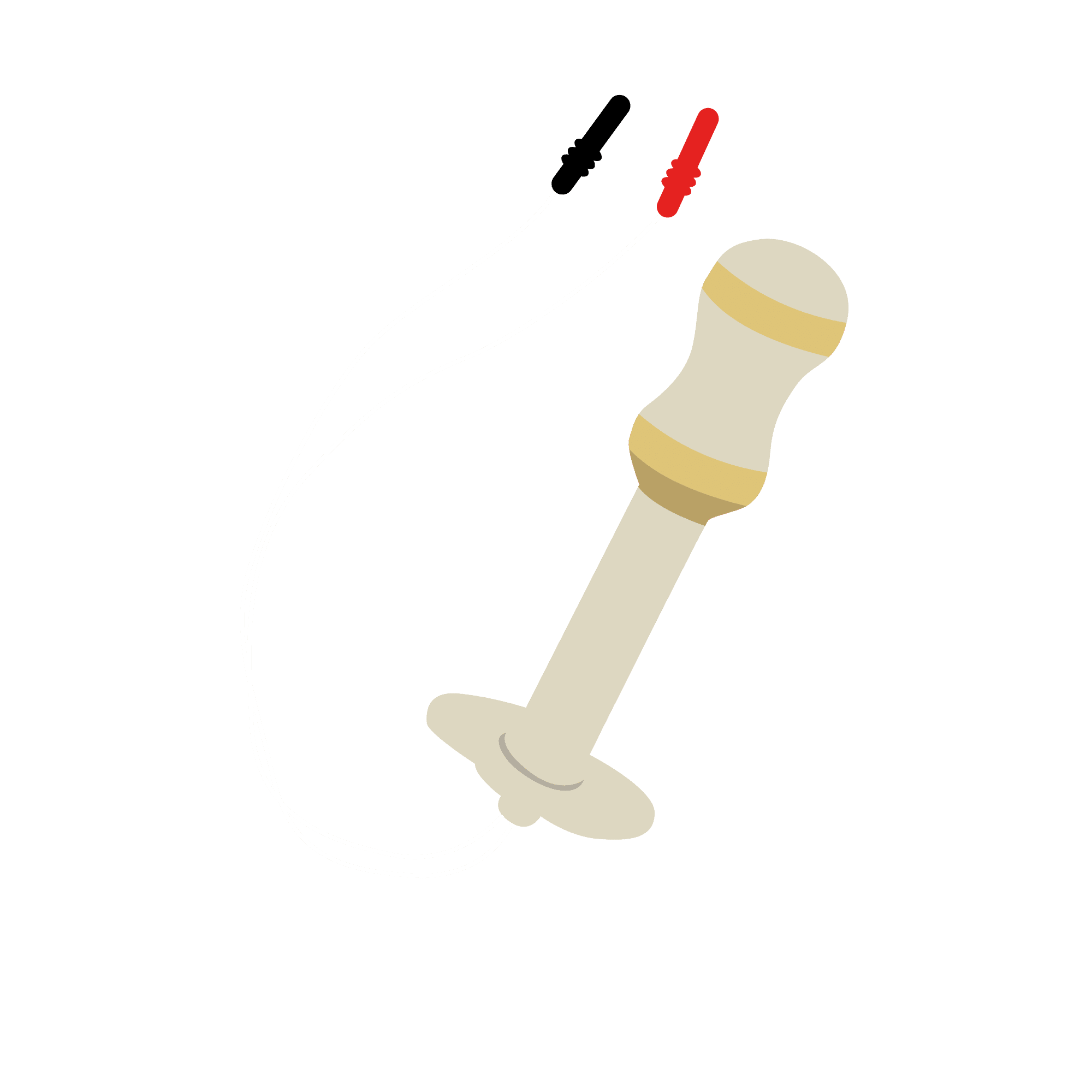

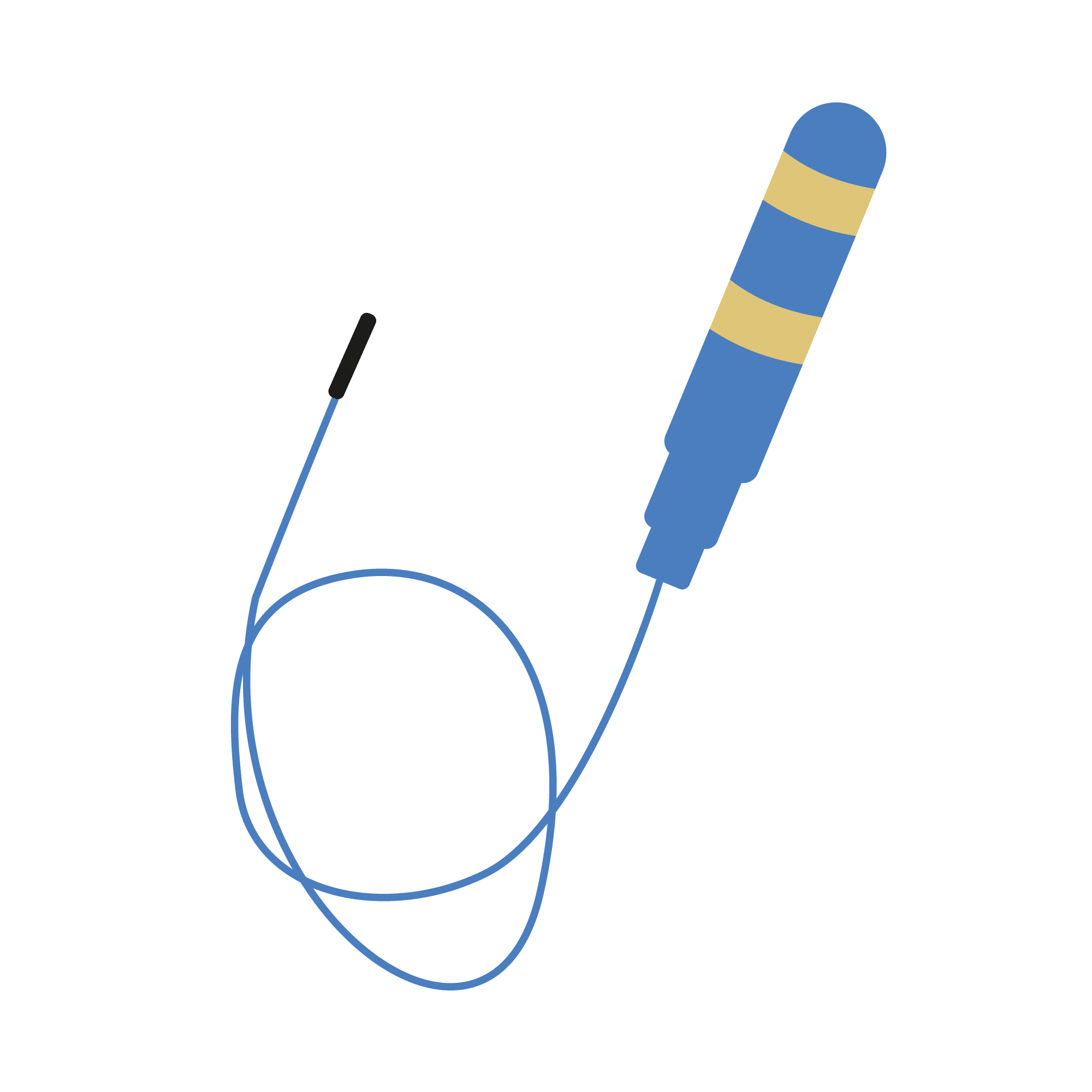
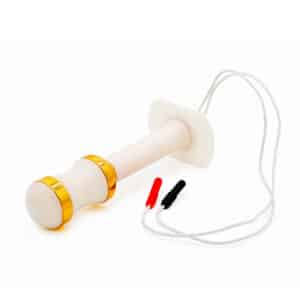
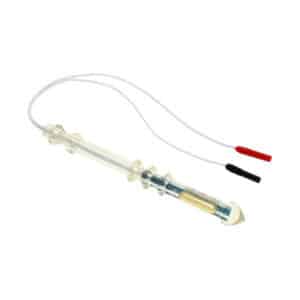
Anal probes
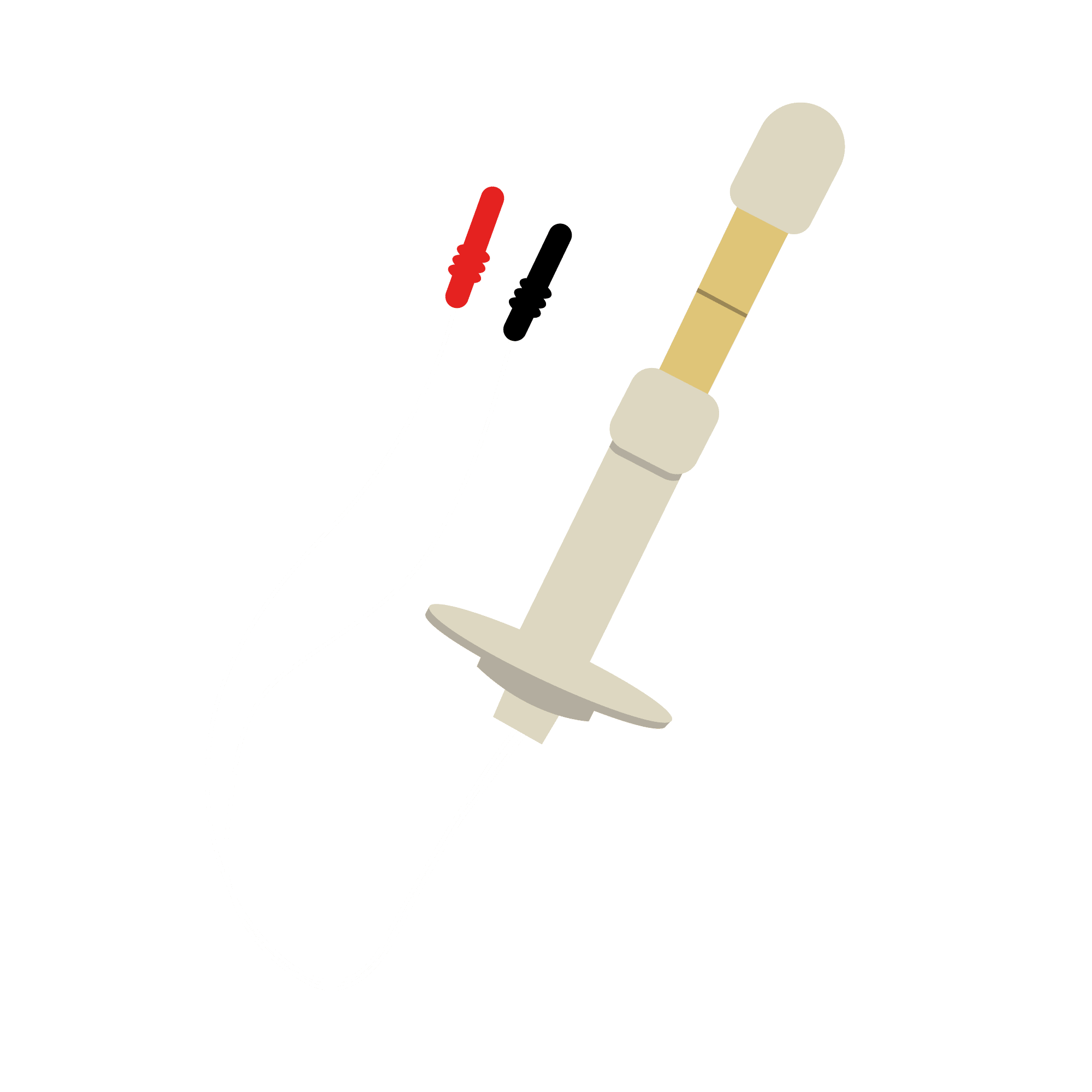
Anal probes are suitable for pelvic floor rehabilitation in both men and women, particularly for treating urinary or fecal incontinence. They offer an effective solution for strengthening the pelvic floor muscles through electrostimulation.

Electrostimulators
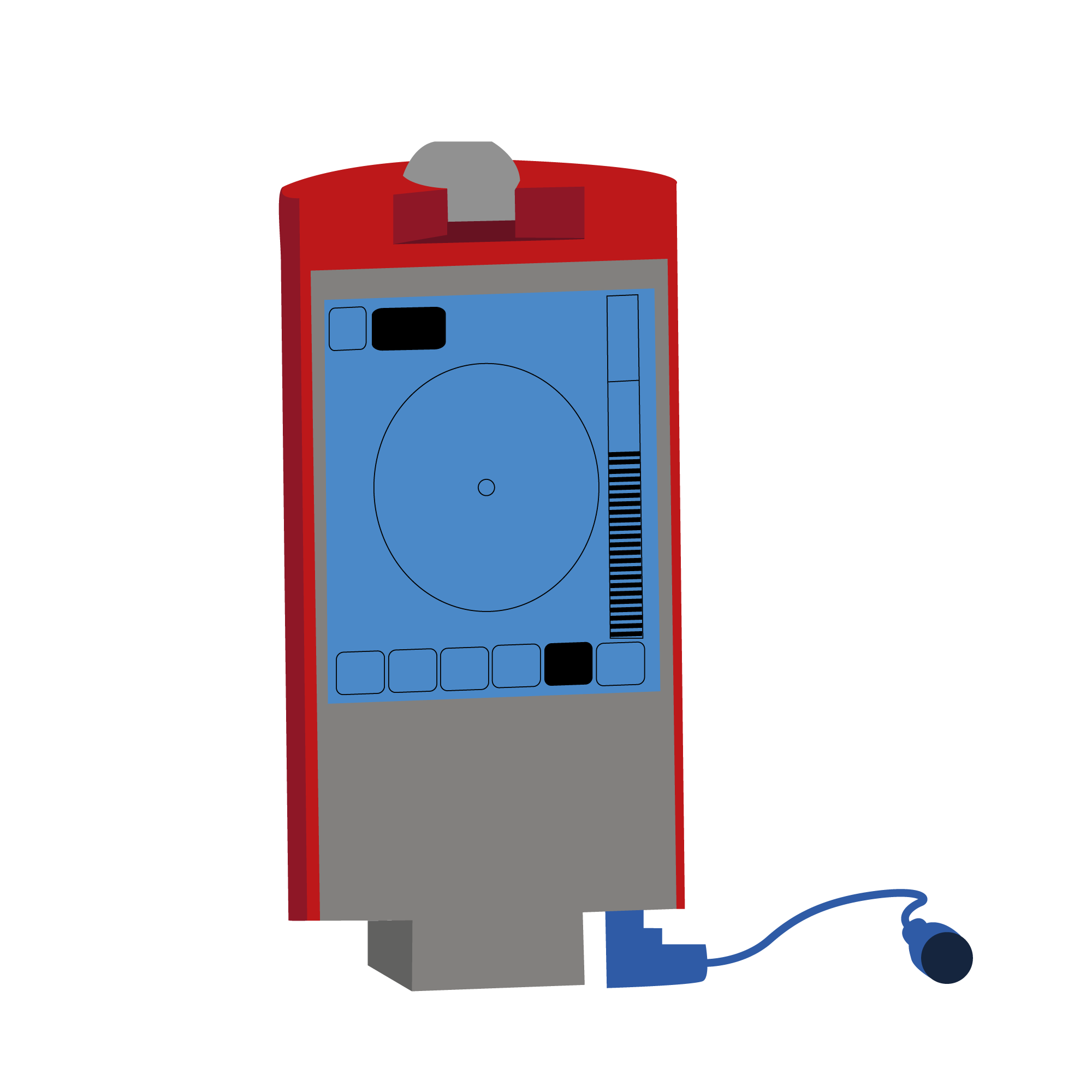
A perineal stimulator is a device that sends mild electrical impulses to stimulate and strengthen the perineal muscles. It is recommended for home rehabilitation, often as a supplement to medical care.

3. Addressing the link between stress and the pelvic floor
In many cases, stress is a major factor.
Complementary approaches can help:
- relaxation
- gentle physical activity
- stress management
4. In-home support
Once you have learned the proper techniques, certain exercises can be performed at home to:
- improve body awareness
- reduce daily stress
- consolidate progress
The key point: don’t confuse weakness with tension
This is where many people get it wrong.
A pelvic floor:
weak → lack of strength
hypertonic → too much tension
⇒ Both can cause similar symptoms (leakage, discomfort, pain), but they are not treated the same way.
Financial Update
When faced with these symptoms, some people try to “compensate” on their own:
→ stopping exercise
→ using sanitary pads
→ adjusting daily routines
But this does not address the underlying cause.
⇒ Prescribed pelvic floor rehabilitation is mostly covered by Medicare.
At Sugar, we believe that understanding your pelvic floor before working on it is essential to avoid treatment mistakes.
When should you see a doctor?
It is recommended that you consult a healthcare professional if:
-
- pelvic pain
- that persists
- urinary difficulties
- a constant feeling of tension
- discomfort in daily life
A healthcare professional can determine whether the issue is a weak perineum, an overly tight perineum… or a combination of both.
To conclude…
An overly tight pelvic floor is a problem that remains largely misunderstood, yet is quite common.
The real challenge isn’t just to “strengthen” it, but to restore functional balance.
At Sugar, our view is simple: a healthy pelvic floor is one capable of moving between contraction and relaxation.
What if the real goal wasn’t to do more… but to do better?
-
ANALYS BLUE+®
28,33 € Excl. tax -
AEROLYS ANA®
28,33 € Excl. tax -
ANALYS+®
29,17 € Excl. tax -
ANALYS BLUE® DIN 3
31,67 € Excl. tax

Frequently Asked Questions
Check out the questions most frequently asked by users.
Can a overly tight pelvic floor cause urinary incontinence?
Yes, paradoxically, poor coordination can lead to leaks.
Can you relax your pelvic floor on your own?
Yes, but it’s best to have some guidance at first to avoid mistakes.
Can exercise make a hypertonic perineum worse?
Yes, especially if your breathing and core stability aren’t properly aligned.
Should we tighten or loosen?
It depends on the diagnosis: sometimes you need to tighten, sometimes loosen, and sometimes both.
Check out our blog

Urinary Incontinence After Prostatectomy: Perineal Rehabilitation
After prostate surgery, urinary incontinence is common but often temporary. Learn about the key role of pelvic floor rehabilitation.

Breast Cancer and Intimacy: Dryness, Incontinence, Solutions
Pink October: Vaginal dryness, urinary incontinence, pain… Breast cancer treatments can affect your intimate health. Causes and solutions.

Lump or discomfort in the vagina: possible causes and when to seek medical attention
Lump or discomfort in the vagina: possible causes and when to see a doctor
Common Misconceptions About the Perineum: 8 Myths You Should Know
Pelvic floor and constipation: Understanding the connection and taking action

The Perineum and Sports: What Activities to Do and How to Protect It

Pelvic Floor and Pregnancy: Rehabilitation Before and After Childbirth
How to Use a Perineal Rehabilitation Probe: Instructions for Use
Insertion, lubrication, connection, precautions, warnings… Learn how to use your perineal rehabilitation probe correctly, step by step and safely.