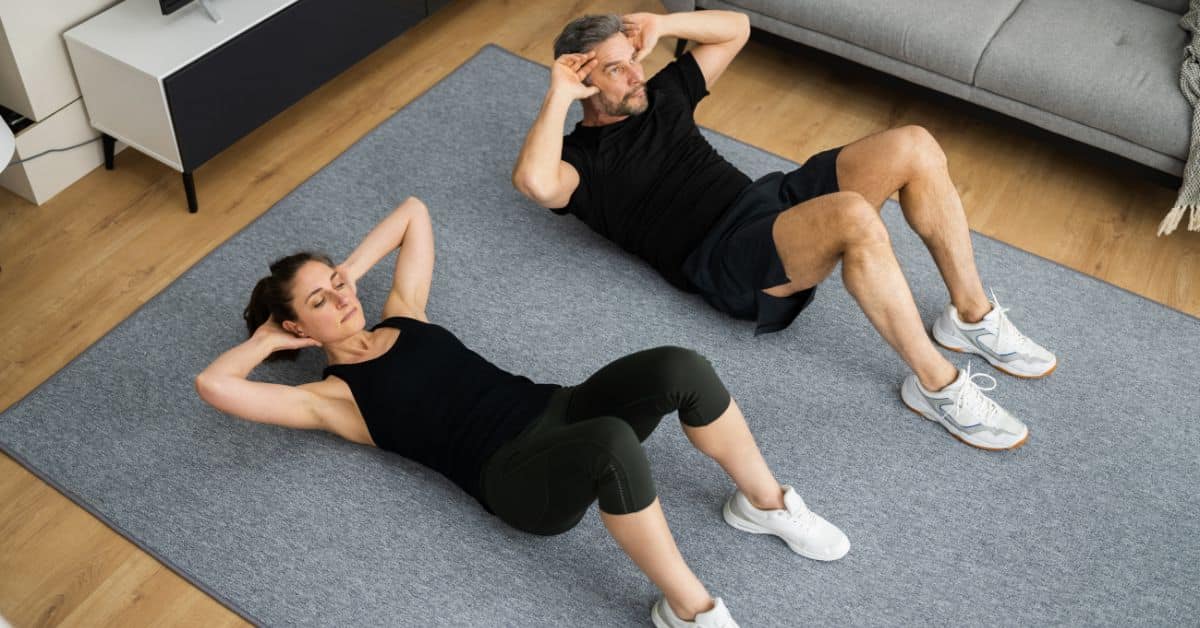
Pelvic floor rehabilitation and insurance coverage: How much does it really cost?

Pelvic floor rehabilitation and insurance coverage
Is it really worth it… or just another expense?
Pelvic floor rehabilitation and insurance coverage: how much does it really cost?
When it comes to pelvic floor rehabilitation, one question almost always comes up:
⇒ How much will it cost me?
Between sessions, medical devices, and potential supplements, it can sometimes be hard to see the big picture.
And yet, understanding this aspect is essential to making an informed choice.
Pelvic floor rehabilitation: Is it covered by insurance?
Yes.
Perineal rehabilitation is generally covered by the CPAM when prescribed by a healthcare professional.
It is generally performed by:
-
- a physical therapist
- a midwife
⇒ In this context, sessions are reimbursed according to the agreed-upon rates.
However, certain situations may result in out-of-pocket costs:
-
- fees exceeding the standard rate
- additional sessions
- specialized follow-up care
How much does a perineal rehabilitation session cost?
The cost depends on several factors:
→ the number of sessions
→ the professional you see
→ your medical condition
In practice:
♦ Some sessions may be fully covered
♦ Others may require additional coverage through your supplemental health insurance
⇒ It is therefore difficult to give a single price, but coverage is generally favorable.
What about perineal probes?
This is often where the questions begin.
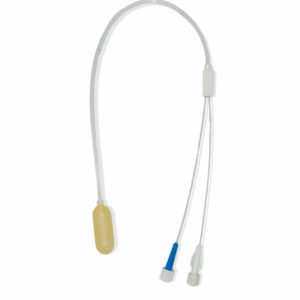
A perineal probe can be used as part of rehabilitation, specifically:
-
- in a clinic
- or at home
Are they covered?
⇒ Yes, but under certain conditions.
- Medical prescription required
- Device listed on the LPP
- Reimbursement cap
Reimbursement is generally limited (approximately €25.92 per year for certain catheters).
! Beware of a common misunderstanding!
Many patients confuse:
✔ Catheter alone
✔ Electrostimulation device
However, the reimbursement rates are not the same.
⇒ Devices may qualify for a higher reimbursement rate, but the conditions differ.

TP2B+ MINIMA®
22,50 € Excl. tax-
PERISIZE 4®
22,50 € Excl. tax -
NOVATYS®
22,50 € Excl. tax -
INTELLISTIM UG®
245,19 € Excl. tax
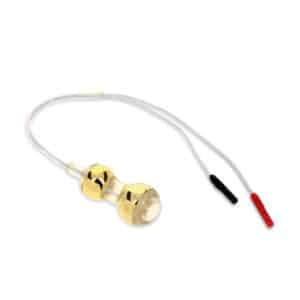
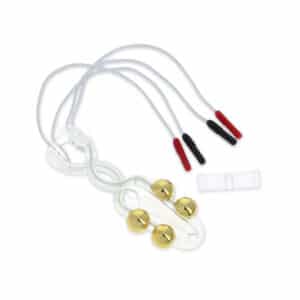
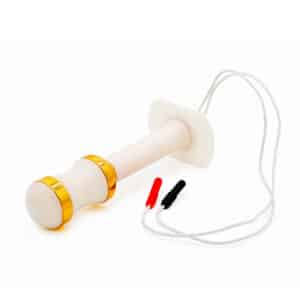

Devices that can help at home
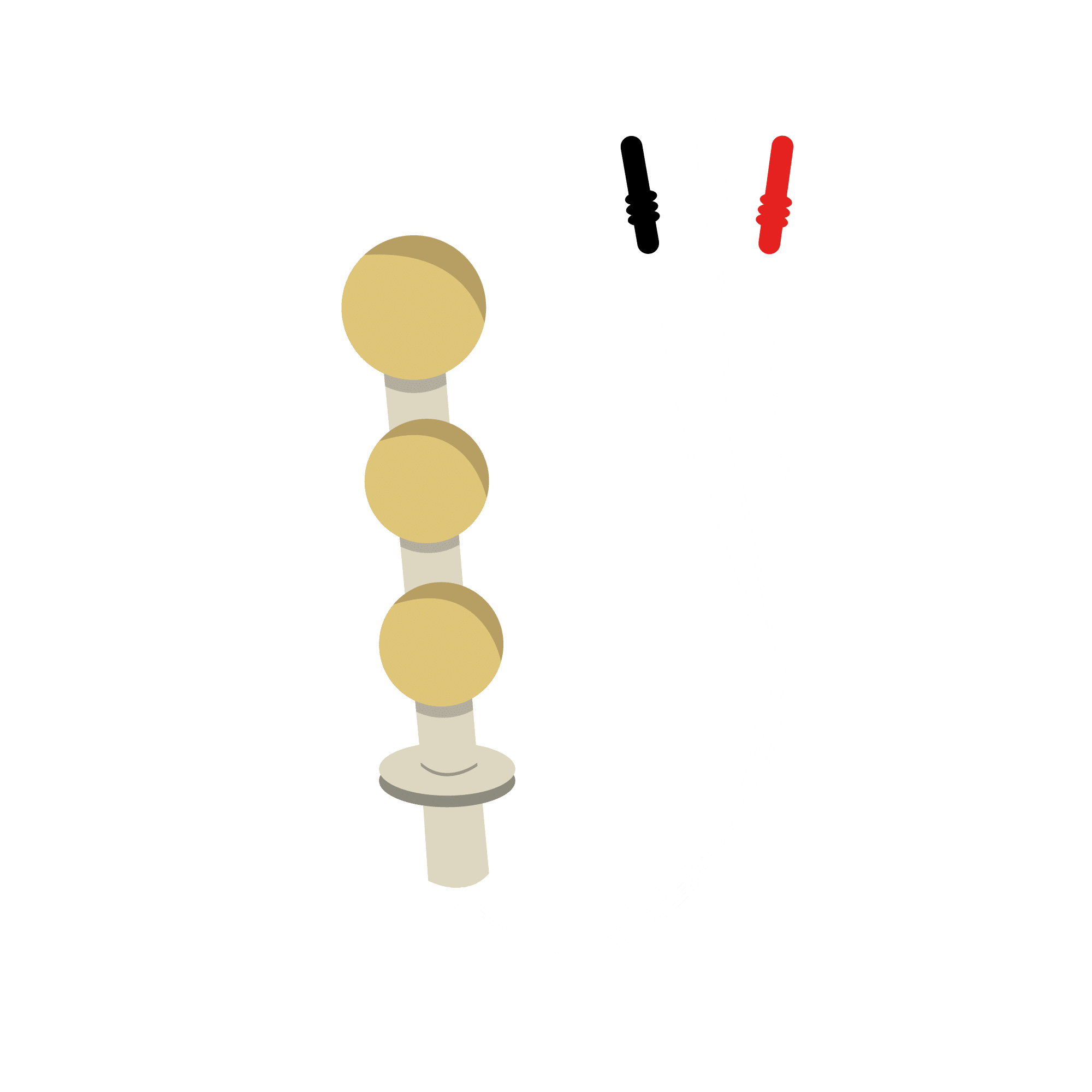
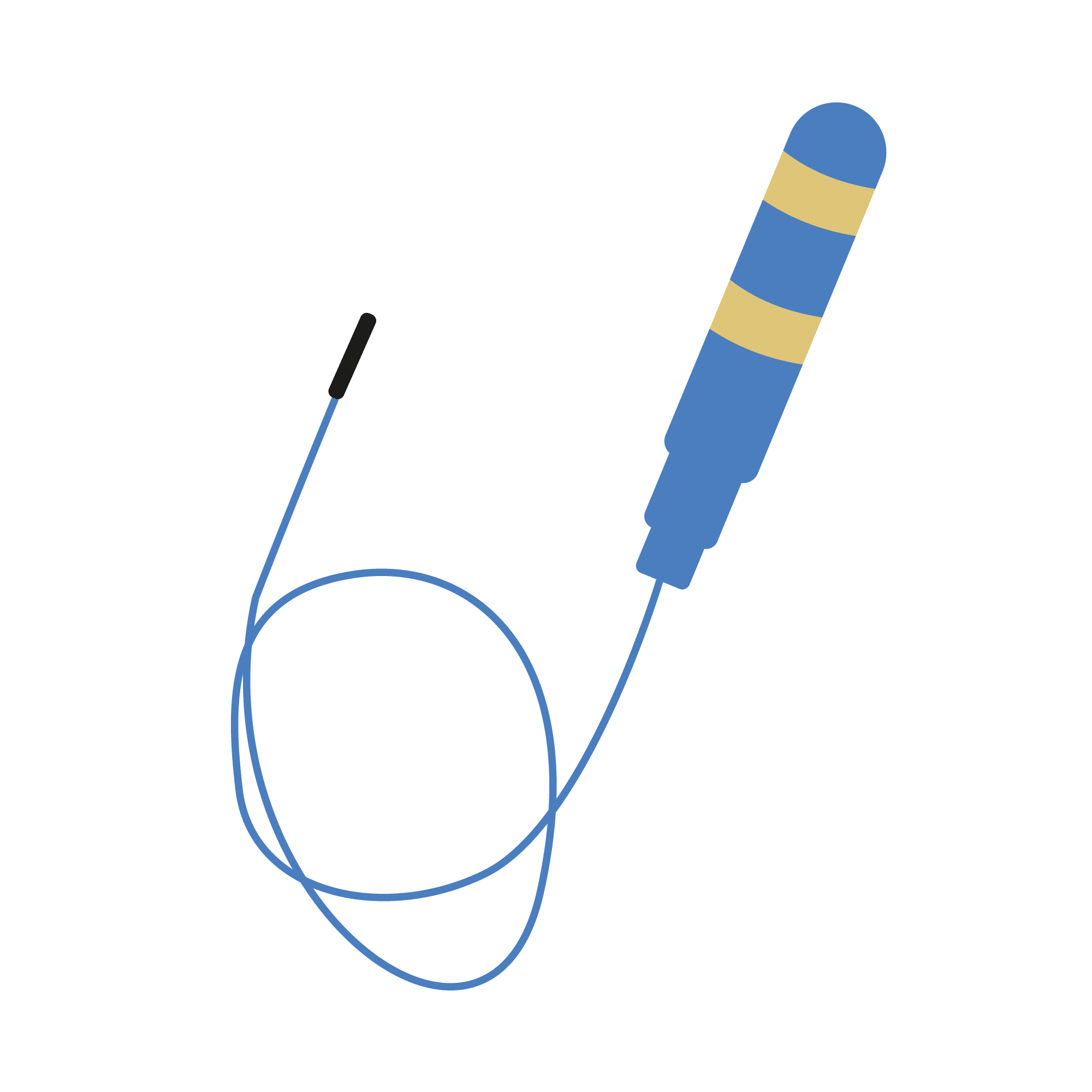
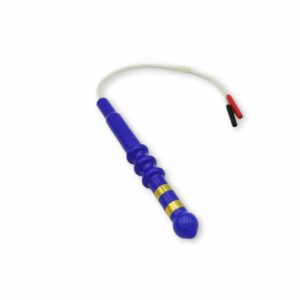
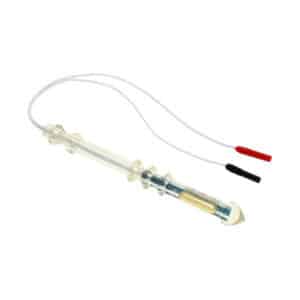
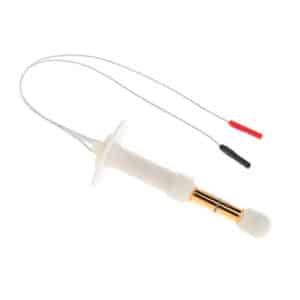
Vaginal probes
Vaginal probes are used for pelvic floor rehabilitation in women, particularly in cases of urinary incontinence, postpartum recovery, or pelvic muscle weakness. They enable targeted exercises through biofeedback or electrical stimulation.
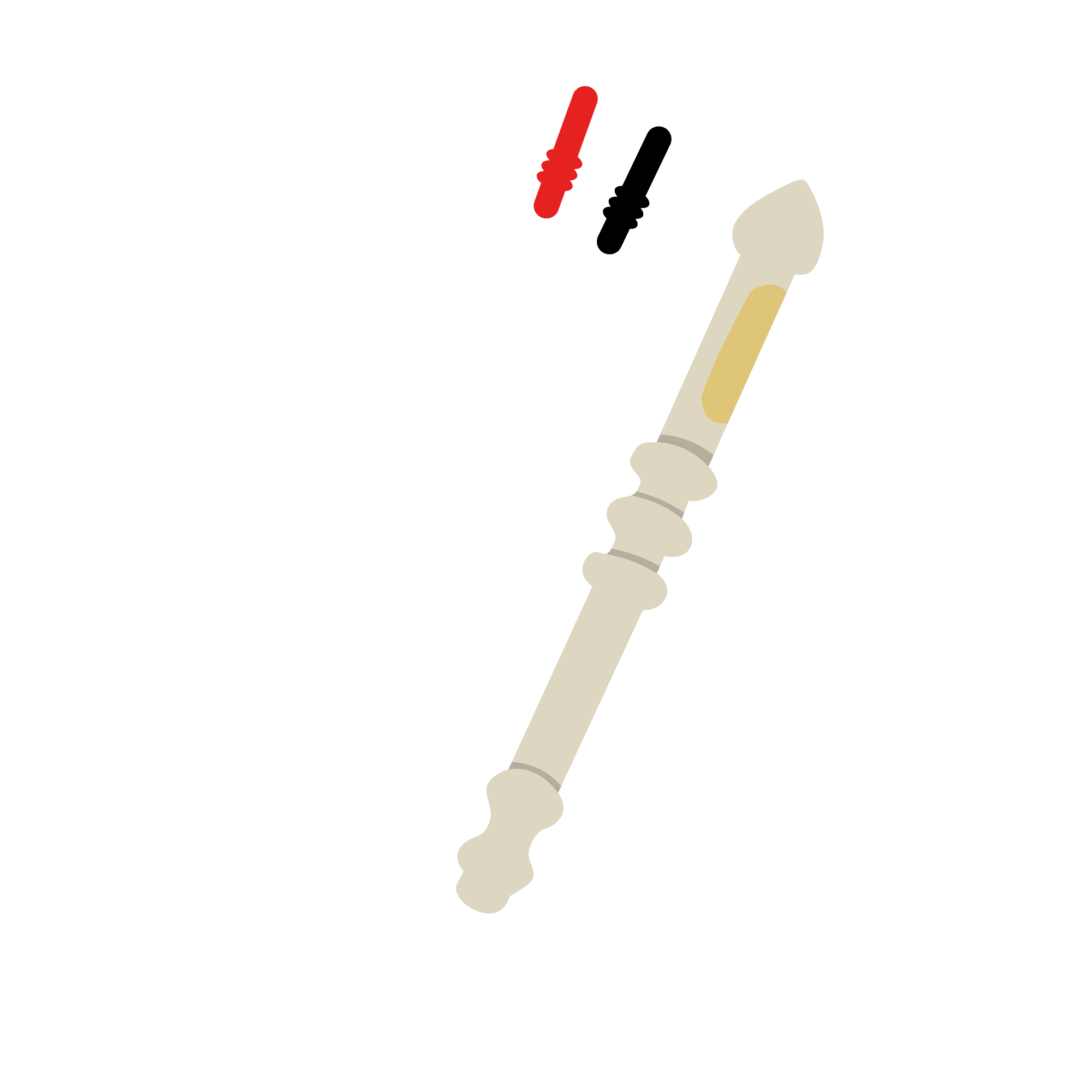
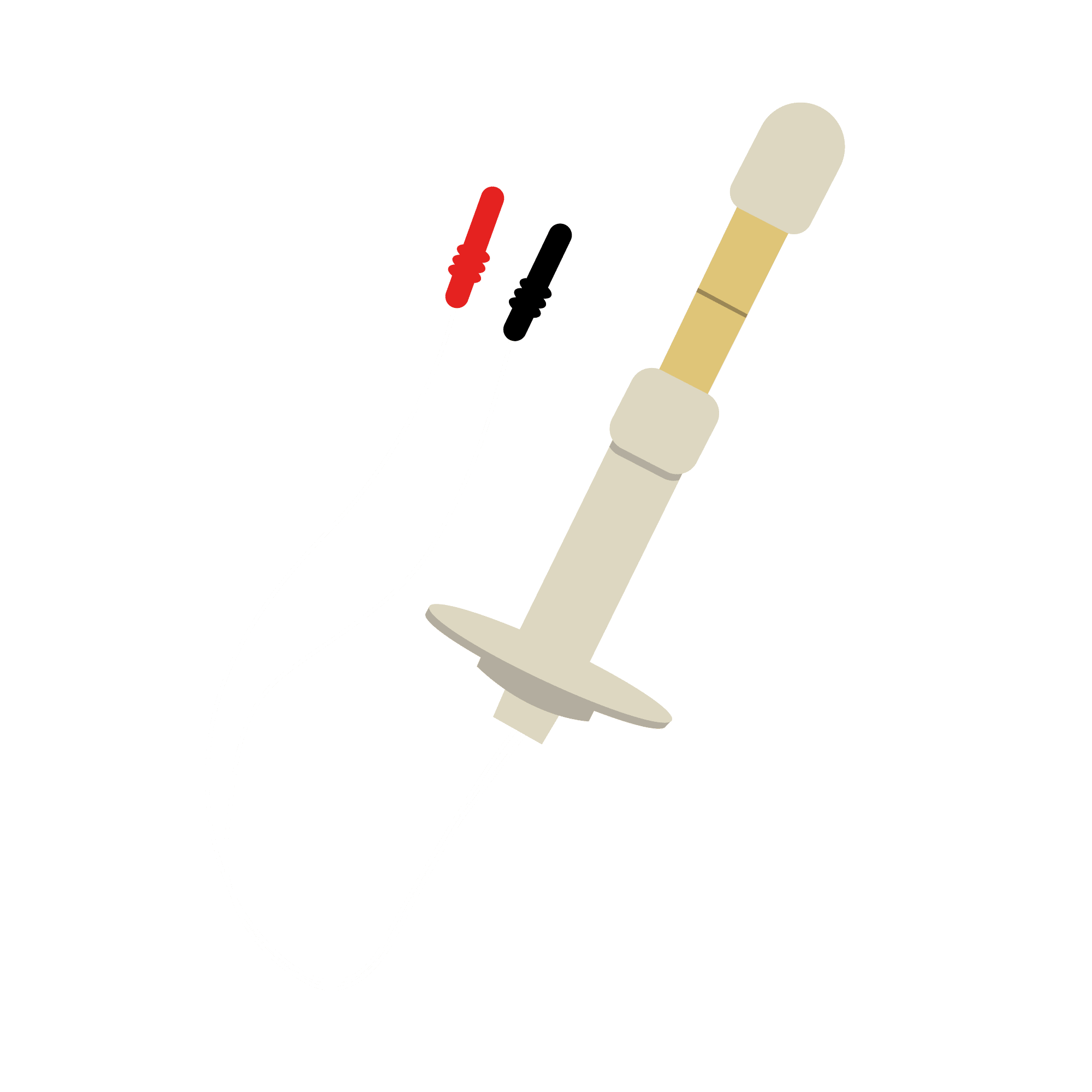
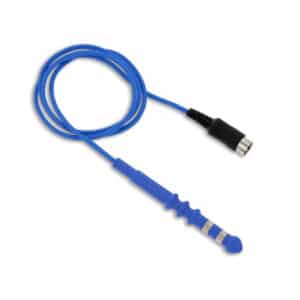
Anal probes
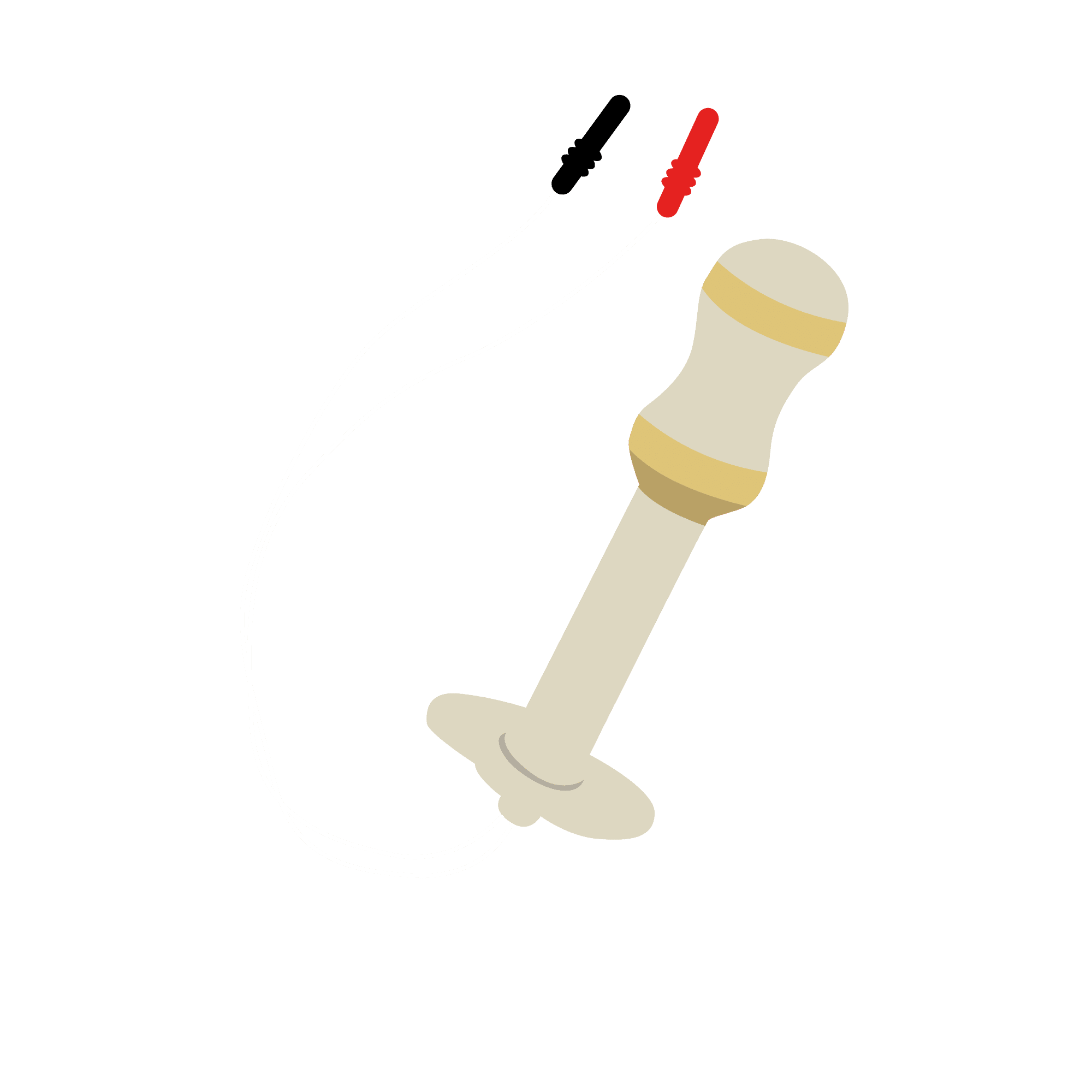
Anal probes are suitable for pelvic floor rehabilitation in both men and women, particularly for treating urinary or fecal incontinence. They offer an effective solution for strengthening the pelvic floor muscles through electrostimulation.

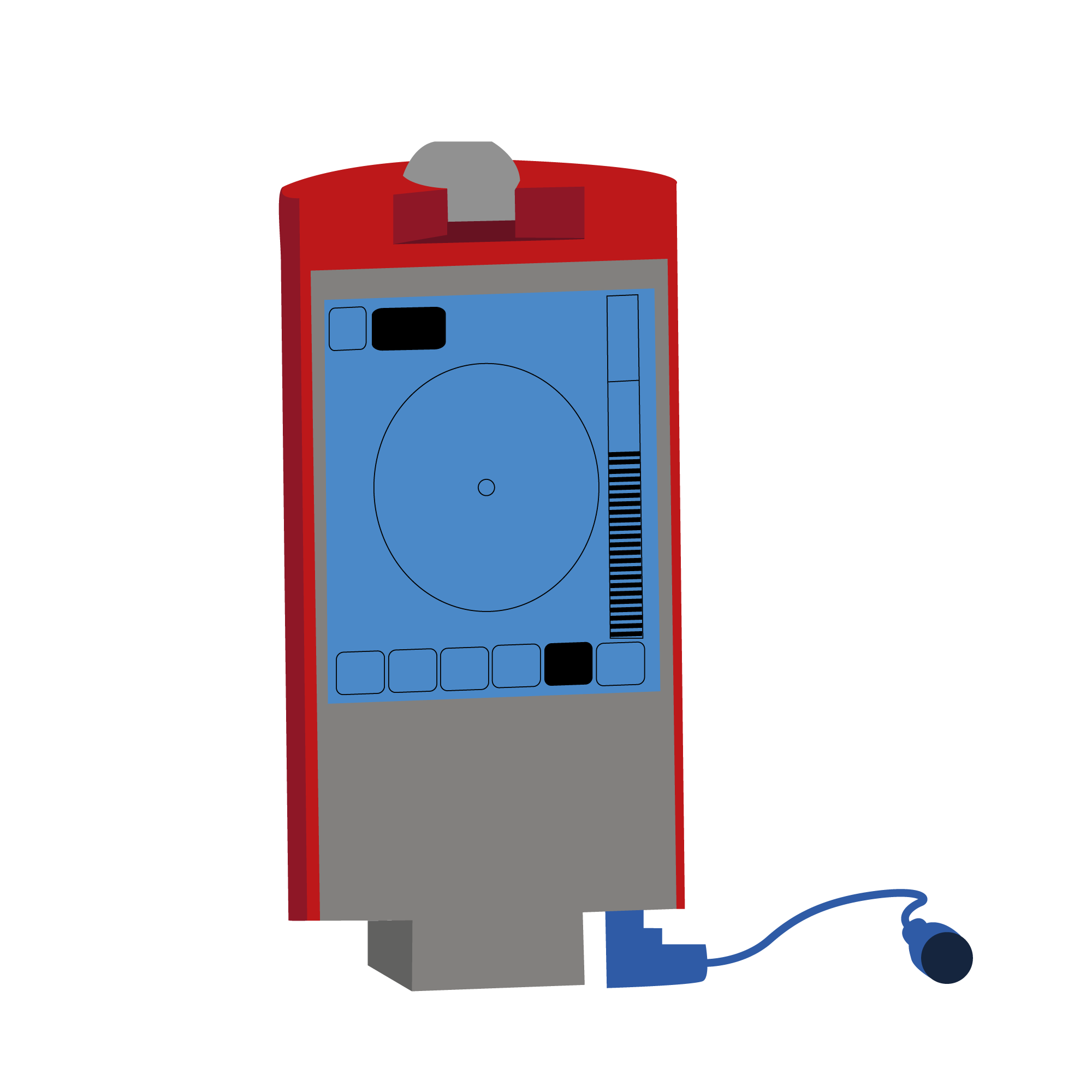
Electrostimulators
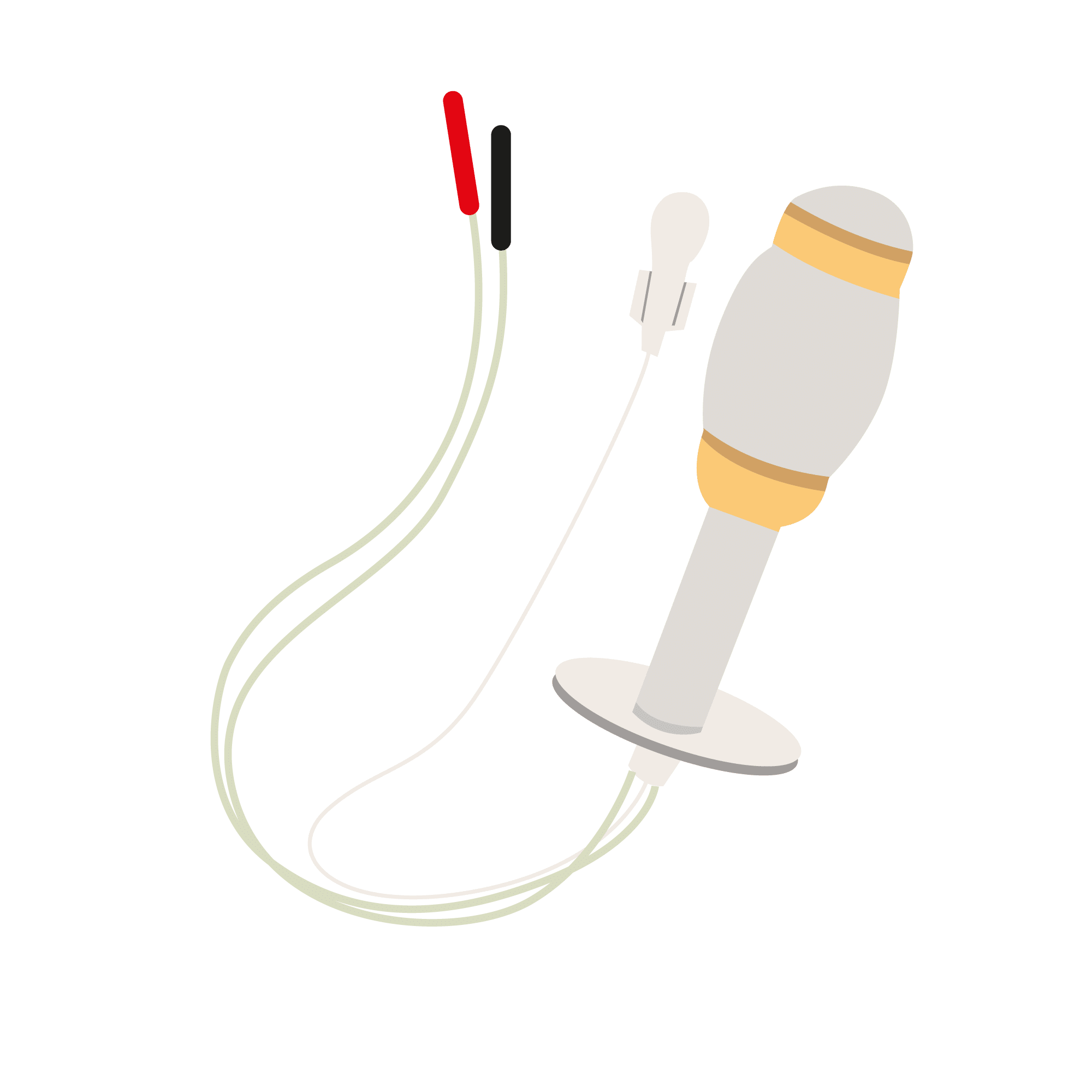
A perineal stimulator is a device that sends mild electrical impulses to stimulate and strengthen the perineal muscles. It is recommended for home rehabilitation, often as a supplement to medical care.

The Role of Health Insurance
This is often the key.
Supplementary health insurance can:
-
- reimburse out-of-pocket expenses
- cover part of the cost of medical equipment
- improve overall coverage
⇒ Every policy is different, which is why it’s important to check.
The True Cost: Short-Term vs. Long-Term
This is where things get interesting.
In the short term
Some people prefer:
- protective measures
- quick fixes
- adjusting daily routines
✔ Low-effort
✔ Immediate
In the long term
But these solutions:
- don’t address the root cause
- add up financially
- impact quality of life
⇒ Conversely, pelvic floor rehabilitation aims to resolve the problem permanently.
At Sugar, our view is clear: investing in rehabilitation is often more cost-effective than managing symptoms for years.
How long does it take to recoup this “investment”?
It is difficult to put an exact figure on this, as it depends on:
-
- the frequency of symptoms
- the cost of protective equipment
- the duration of rehabilitation
But one thing is certain:
⇒ the sooner you act, the lower the overall cost.
Common Mistakes
-
- not asking for a prescription
- buying a non-reimbursable device without checking
- ignoring the role of your health insurance provider
- waiting for the situation to get worse
Should I take the plunge?
If you have symptoms:
-
- urinary leakage
- pelvic discomfort
- loss of control
⇒ The answer is usually yes.
Not necessarily by buying supplies right away, but by starting with a professional assessment.
To conclude…
Pelvic floor rehabilitation isn’t just about health.
It’s also a matter of strategy.
Between immediate expenses and long-term investment, the choice is often simpler than it seems.
At Sugar, we believe that understanding reimbursement options helps you make better decisions… and avoid putting off an effective solution.
What if the real question isn’t: “How much does it cost?”
But rather: How much will it benefit you?
-
ANALYS BLUE+®
28,33 € Excl. tax -
AEROLYS ANA®
28,33 € Excl. tax -
ANALYS+®
29,17 € Excl. tax -
ANALYS BLUE® DIN 3
31,67 € Excl. tax -
ANALIA®
30,00 € Excl. tax
Frequently asked questions
Check out the questions most frequently asked by users.
Is perineal rehabilitation covered 100%?
Often, yes, as part of the care pathway, but this may vary depending on the situation and any out-of-network costs. At least in France.
Are perineal catheters always covered by insurance?
No. They must be prescribed and covered by insurance, with a reimbursement cap.
Is health insurance essential?
It is not mandatory, but it can significantly reduce out-of-pocket costs.
Is it possible to do physical therapy without spending a lot of money?
Yes, especially if it is prescribed and supervised. The cost can be kept down.
Check out our blog

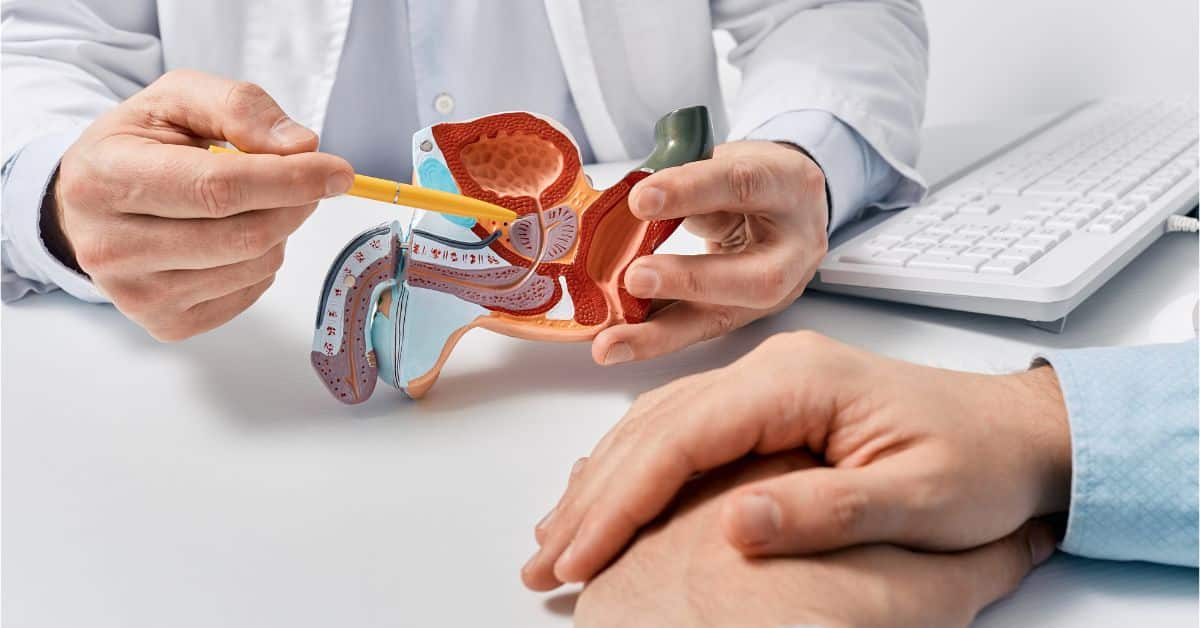
Urinary Incontinence After Prostatectomy: Perineal Rehabilitation
After prostate surgery, urinary incontinence is common but often temporary. Learn about the key role of pelvic floor rehabilitation.

Breast Cancer and Intimacy: Dryness, Incontinence, Solutions
Pink October: Vaginal dryness, urinary incontinence, pain… Breast cancer treatments can affect your intimate health. Causes and solutions.

Lump or discomfort in the vagina: possible causes and when to seek medical attention

Lump or discomfort in the vagina: possible causes and when to see a doctor
Common Misconceptions About the Perineum: 8 Myths You Should Know
Pelvic floor and constipation: Understanding the connection and taking action

The Perineum and Sports: What Activities to Do and How to Protect It
Pelvic Floor and Pregnancy: Rehabilitation Before and After Childbirth
How to Use a Perineal Rehabilitation Probe: Instructions for Use
Insertion, lubrication, connection, precautions, warnings… Learn how to use your perineal rehabilitation probe correctly, step by step and safely.