Pelvic floor, incontinence, prolapse: Why It’s Time to Talk About These Issues Openly

Perineum, Incontinence, Prolapse
What if it wasn’t all in your head, but in your perineum?
Why was the perineum a taboo subject?
The perineum—a term that used to make people smile or look away just a few years ago—is now at the center of a movement to break the taboo.
Whether on social media, in the news, or in healthcare offices, there’s more talk about pelvic issues such as urinary incontinence, prolapse (organ descent), pain, and muscle control.
This change isn’t just a passing trend: it’s a cultural and health revolution that’s tangibly improving the quality of life for thousands of people.
Historically, pelvic health has been surrounded by a lack of education, shame, and misinformation. Many people don’t even know what the perineum is, or believe that related issues are:
⇒ “normal with age,”
⇒ “inevitable after childbirth,”
⇒ or simply a topic that people don’t discuss with those around them.
Numerous studies show that a lack of education on the subject leads to low rates of seeking professional care; even when symptoms are common, up to 50–70% of those affected do not immediately consult a doctor.
A growing voice
In recent years, campaigns and initiatives have emerged to encourage open discussion about pelvic disorders:
- educational workshops that improve knowledge and encourage preventive behaviors.
- public testimonials that break down the stigma and show that these disorders are not uncommon.
- international projects aimed at integrating pelvic health into public education and prevention efforts.
This movement to break the taboo is essential: talking about one’s symptoms increases the chances of an accurate diagnosis, appropriate treatment, and a significant improvement in quality of life.
What This Means in Practice
♦ Better Prevention
When people are informed, they can take action before symptoms become severe.
For example, studies show that pelvic floor education increases knowledge and reduces certain symptoms by promoting preventive behaviors.
♦ Less Stigma, More Action
Openly discussing urinary incontinence or organ prolapse encourages more people to seek care, which often prevents unnecessary worsening of the condition.
♦ Better medical care
More dialogue also means better training for healthcare professionals and better referral of patients to the appropriate care.
Too often overlooked… but less and less so
Surveys and studies have shown that many people still mistakenly believe that certain symptoms (such as stress urinary incontinence or mild prolapse) are a normal part of life, when in fact they are clear signs of a pelvic imbalance that warrants professional evaluation.
This lack of awareness is not merely cultural; it is also reflected in basic medical education, where pelvic health still receives too little attention overall, perpetuating a cycle of shame, diagnostic uncertainty, and delays in treatment.
What Role Do Business Solutions Play?
Breaking the taboo isn’t just about talking. It also opens the door to concrete solutions recommended by specialists:
⇒ Pelvic floor rehabilitation
Rehabilitation remains one of the first-line approaches for pelvic disorders because it:
→ strengthens the pelvic floor,
→ improves muscle control,
→ reduces urinary and pelvic symptoms.
⇒ Non-surgical solutions
Options such as pessaries (pelvic support devices) can relieve certain symptoms without surgery, especially when combined with appropriate medical care.
→ The goal is not to impose a one-size-fits-all solution, but to offer a range of personalized options based on each individual’s profile.
Areas of uncertainty that we recognize
Although awareness and education are improving, certain limitations remain:
→ Scientific knowledge is still incomplete: certain aspects of pelvic function and optimal treatment protocols remain the subject of ongoing research.
→ Cultural perceptions: certain populations continue to associate these conditions with shame or inevitability, which can slow down action.
→ Inequalities in access to care: in some cases, pediatric or specialized care is not readily accessible to everyone.
Recognizing these areas of uncertainty should not be discouraging, but rather should spur us to provide even more education and promote access to personalized care.
To conclude…
The perineum is no longer an “embarrassing” topic to be discussed only in whispers.
In 2026, it is gradually but surely entering the public discourse on health and prevention.
Breaking the taboo allows us to:
✔️ better understand our bodies,
✔️ take action sooner,
✔️ choose appropriate solutions,
✔️ and, above all, regain self-confidence.
At Sugar, we believe that breaking the taboo isn’t just a slogan: it’s an essential step toward improving prevention, promoting effective care, and empowering everyone to take charge of their pelvic health.
If you have questions or symptoms, the first step is often to make an appointment with a specialist, because you deserve to be heard and supported.
Why not start talking about your pelvic floor with someone you trust today?

3AT2B®
€25.00 Excl. tax-
EVOSTIM E®
€283.33 Excl. tax -
OPTIMA 3®
€22.50 Excl. tax -
AIR STIM®
€38.00 Excl. tax -
INTELLISTIM UG®
€255.00 Excl. tax -
NOVATYS®
€22.50 Excl. tax





Frequently asked questions
Check out the questions most frequently asked by users.
Why are so many people afraid to talk about their perineum?
The combination of cultural taboos, poor health education, and stigma explains why many pelvic disorders go unreported for a long time.
Does removing the taboo really have an impact on health?
Yes. Educational campaigns show that greater awareness leads to preventive behaviors and a reduction in certain symptoms.
Do pelvic disorders only affect women?
No. Everyone has a perineum, and men can also experience pelvic disorders, even though the causes and symptoms may vary.
What can help in practice?
A medical evaluation, tailored exercises (pelvic floor rehabilitation), and, if necessary, devices prescribed by a healthcare professional.
Check out our blog

Lump or discomfort in the vagina: possible causes and when to see a doctor

Common Misconceptions About the Perineum: 8 Myths You Should Know
Pelvic floor and constipation: Understanding the connection and taking action

The Perineum and Sports: What Activities to Do and How to Protect It

Pelvic Floor and Pregnancy: Rehabilitation Before and After Childbirth
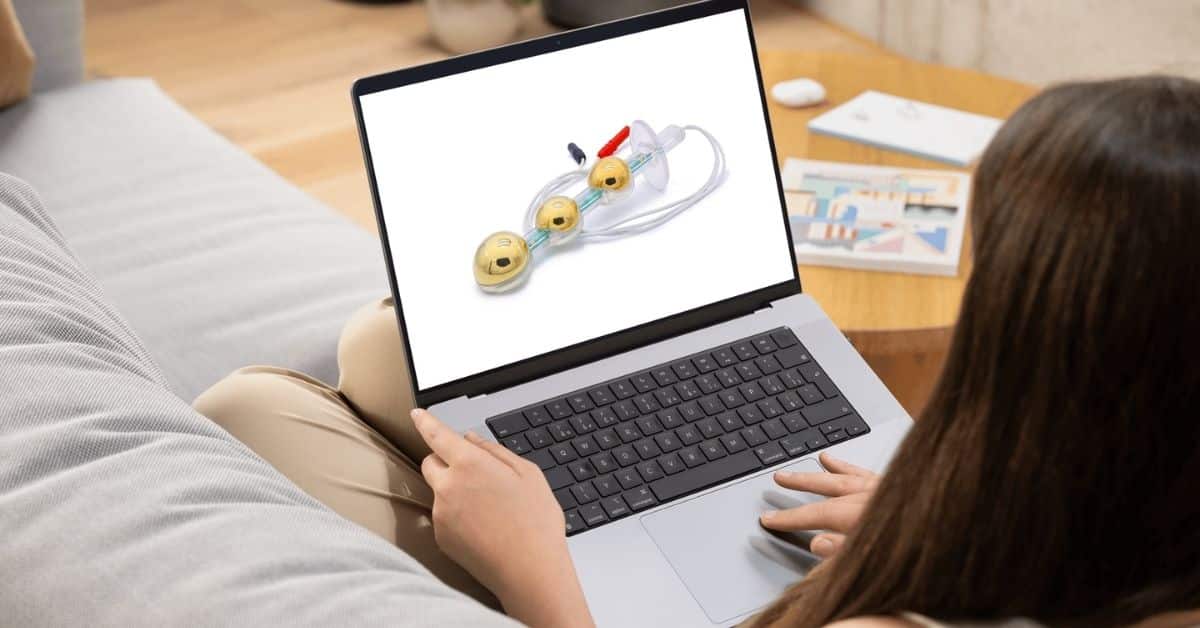
How to Use a Perineal Rehabilitation Probe: Instructions for Use
Insertion, lubrication, connection, precautions, warnings… Learn how to use your perineal rehabilitation probe correctly, step by step and safely.

Constantly contracting your pelvic floor muscles: myth or good idea?

Caring for a Perineal Rehabilitation Probe: The Complete Guide
Cleaning, drying, storage, lifespan… Learn how to properly care for your pelvic floor rehabilitation probe to keep it hygienic and ensure its longevity.