Lump or discomfort in the vagina: possible causes and when to see a doctor
The Perineum and Menopause:
Why This Period Is a Game-Changer (and How to Navigate It)
Menopause is a natural stage in a woman’s life, but it brings many changes to the body… and the perineum is no exception.
Leakage, a feeling of heaviness, discomfort: these issues are common during this time, but they aren’t inevitable.
Understanding what’s happening is the first step toward taking action. We’ll explain everything to you, gently.
Why Does Menopause Affect the Perineum?
This link is largely due to hormonal changes. During menopause, estrogen production decreases. These hormones play a role in the flexibility and tone of tissues, including those of the pelvic floor and the urogenital region.
As a result, the tissues can become more fragile and the perineum can lose its tone. Added to this is a natural factor: as with all muscles, aging is accompanied by a gradual loss of tone.
The perineum is therefore under double strain during this period.
Common Discomforts During This Time
Several symptoms may appear or become more pronounced during menopause:
⇒ Urinary leakage during physical exertion (coughing, laughing, lifting a heavy object) or due to a sudden urge to urinate.
⇒ A feeling of heaviness in the lower abdomen, sometimes related to a loss of organ support.
⇒ Discomfort during intimate moments, related to changes in the tissues.
These symptoms are common, but it’s important to reiterate: common does not mean normal or permanent. Solutions exist.
The good news: You can strengthen your pelvic floor at any age
That’s the key message. Menopause isn’t the time to “just let things be.”
→ On the contrary, it’s often an ideal time to take care of your pelvic floor, because the muscle responds to exercise at any age.
Like any muscle, the pelvic floor can be strengthened and retrained.
♦ The process begins with an evaluation by a healthcare professional (doctor, midwife, physical therapist), who assesses the situation and recommends appropriate support.
♦ Depending on the case, gynecological follow-up may also be helpful in addressing all the changes associated with menopause.
How can you take care of your pelvic floor during menopause?
Several approaches can be combined, always with the guidance of a professional.
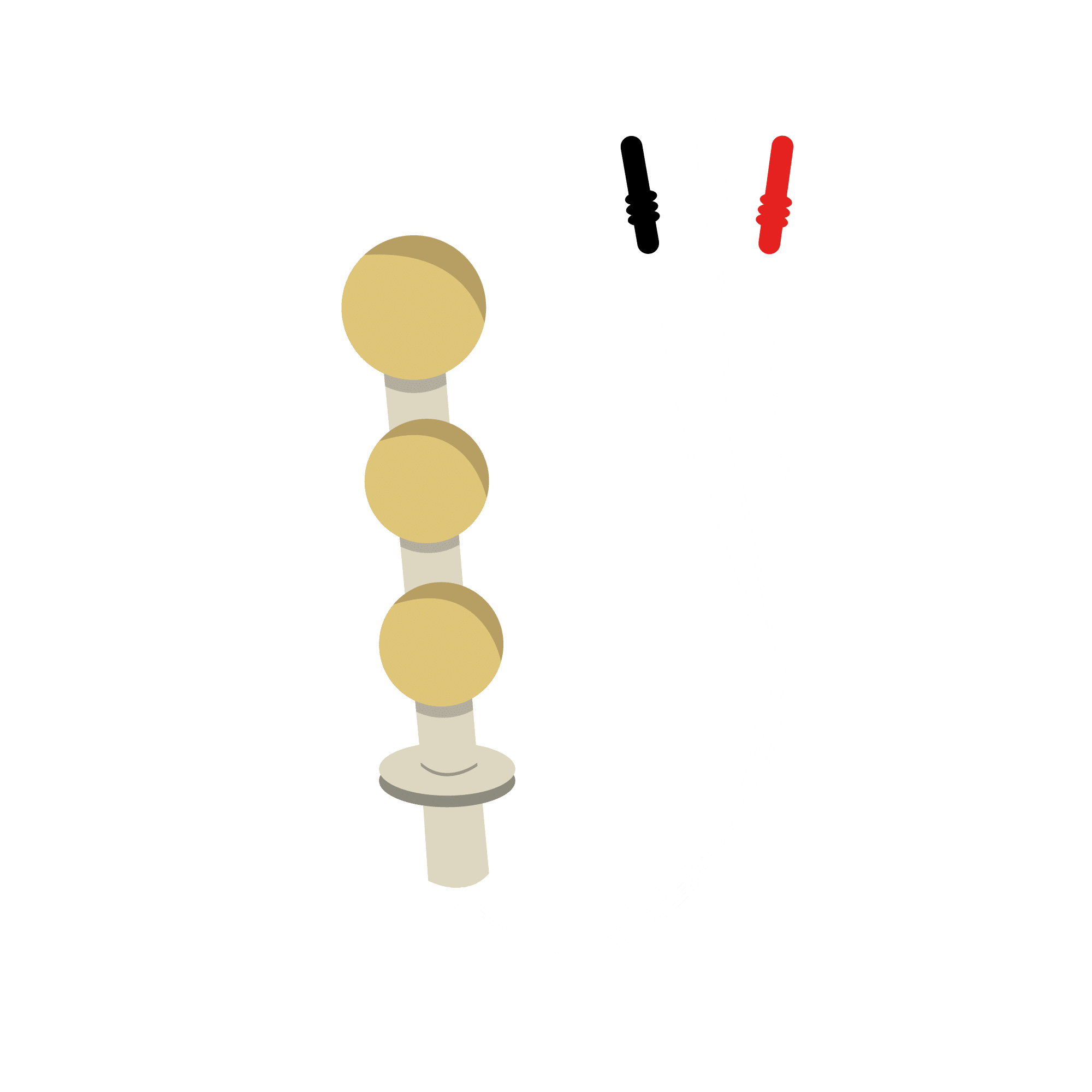
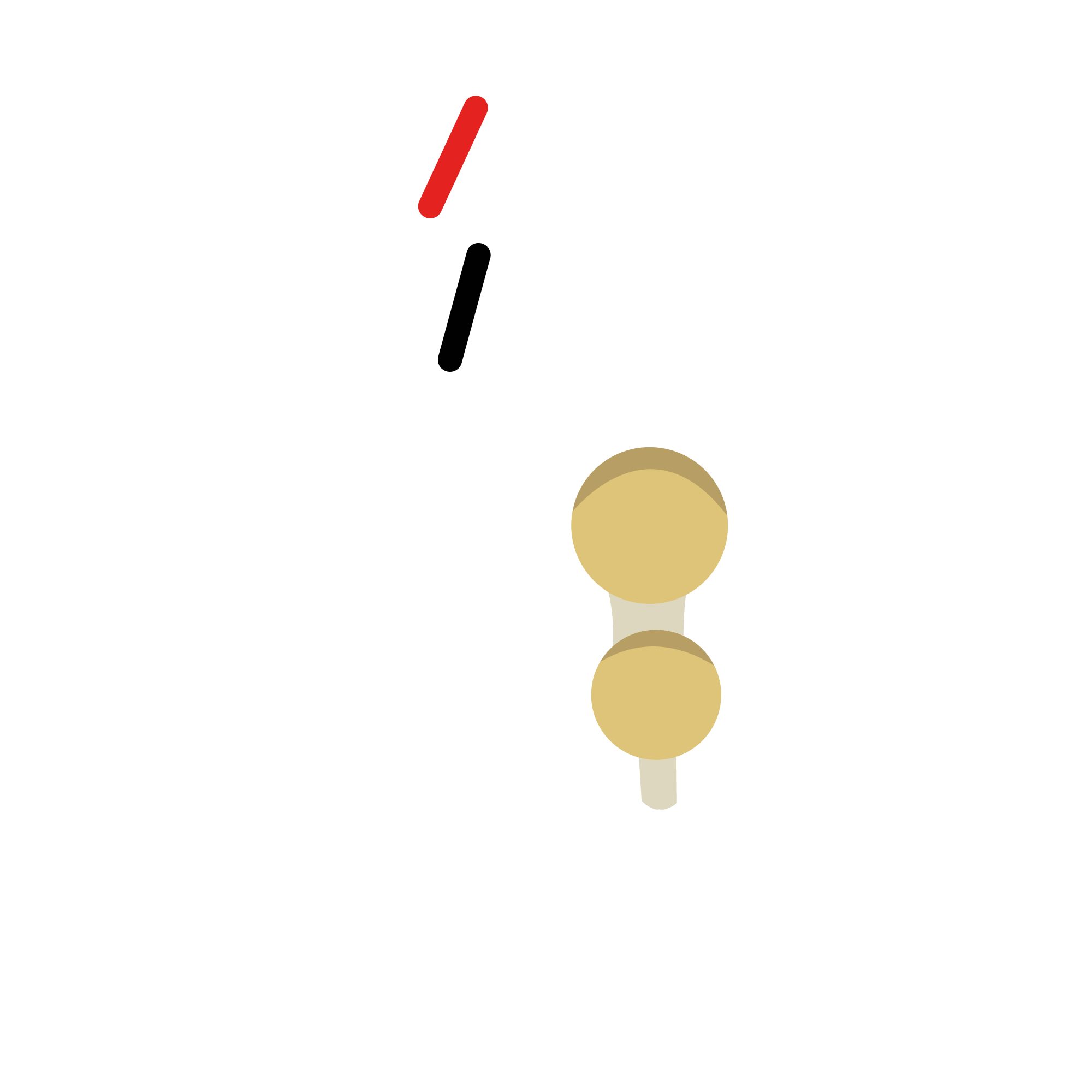
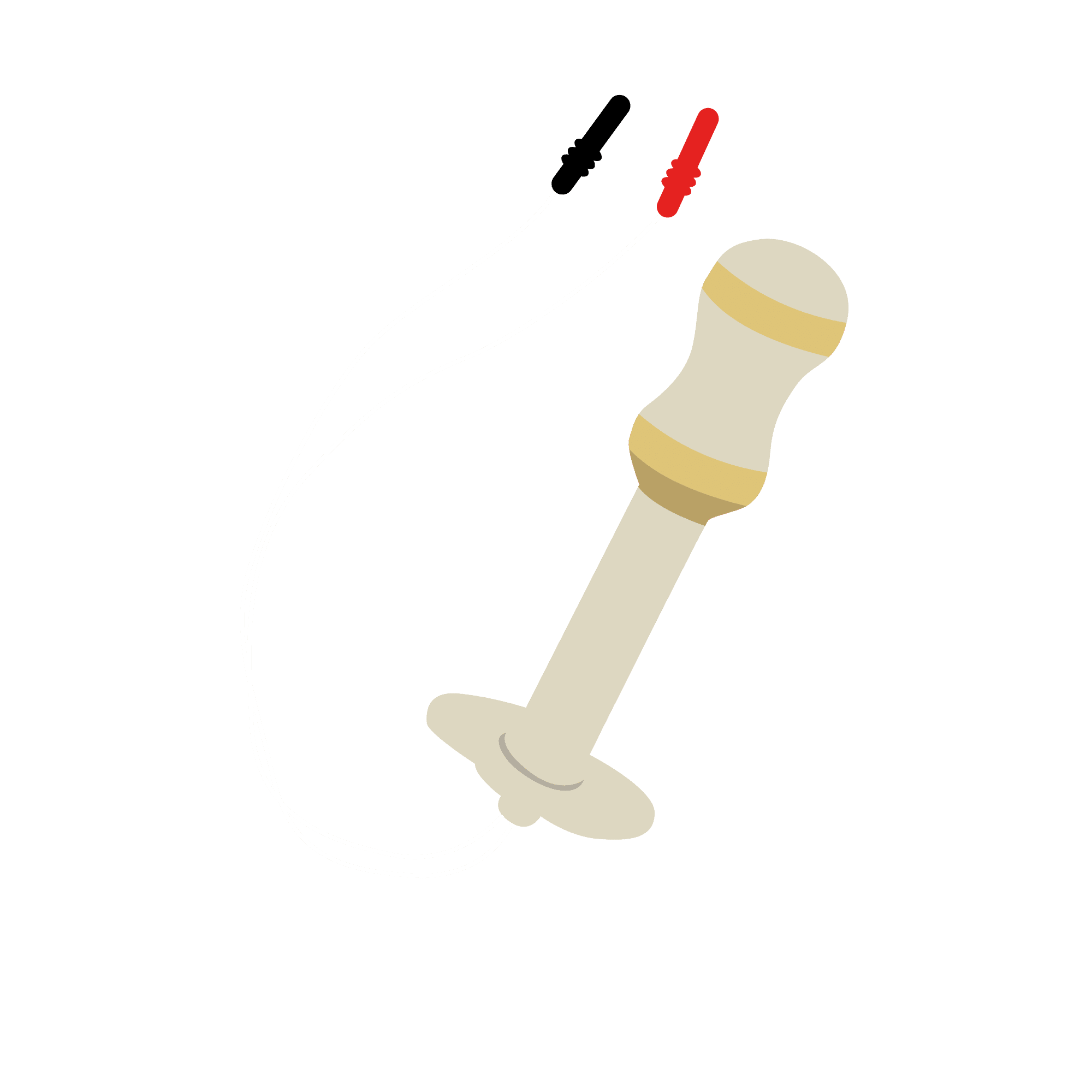
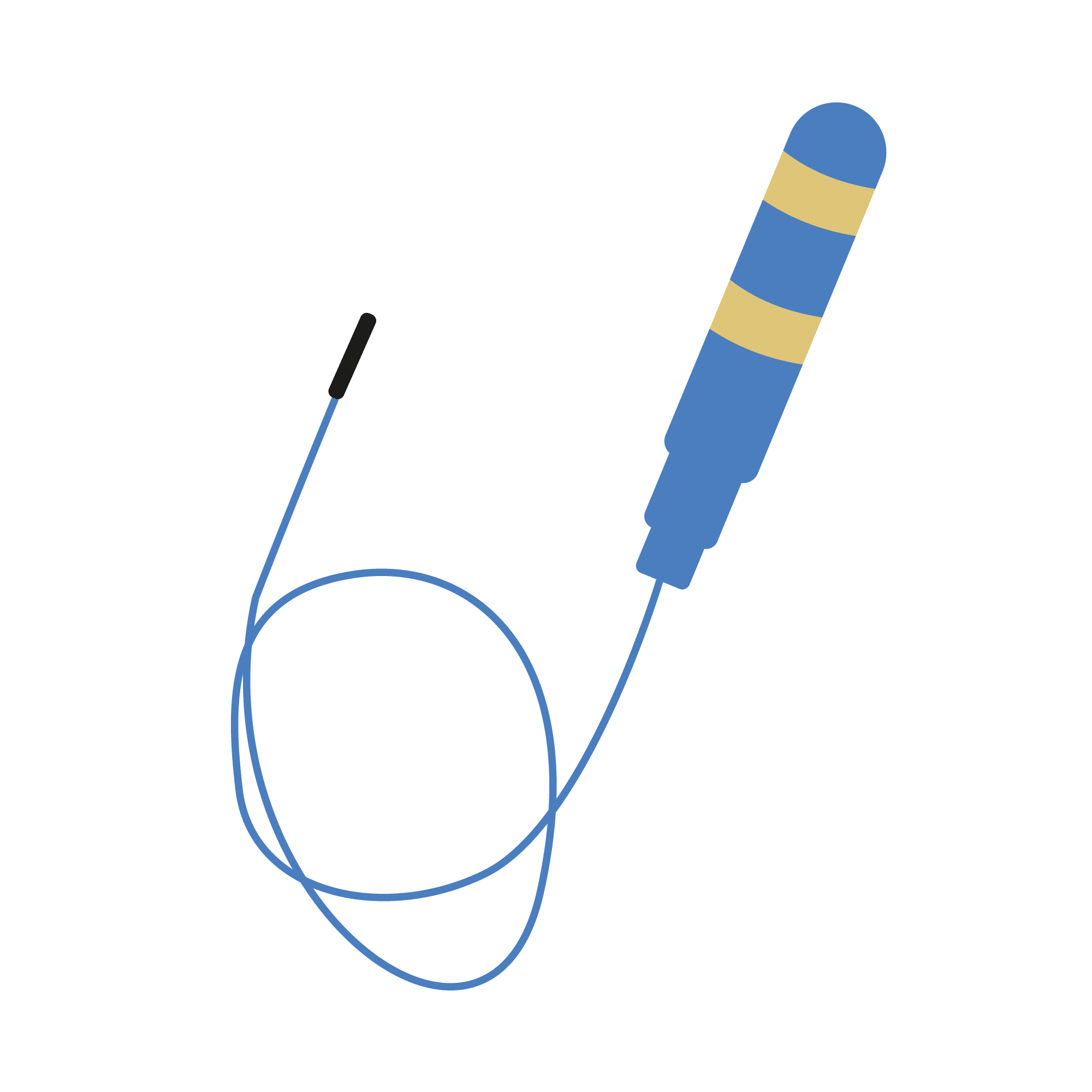
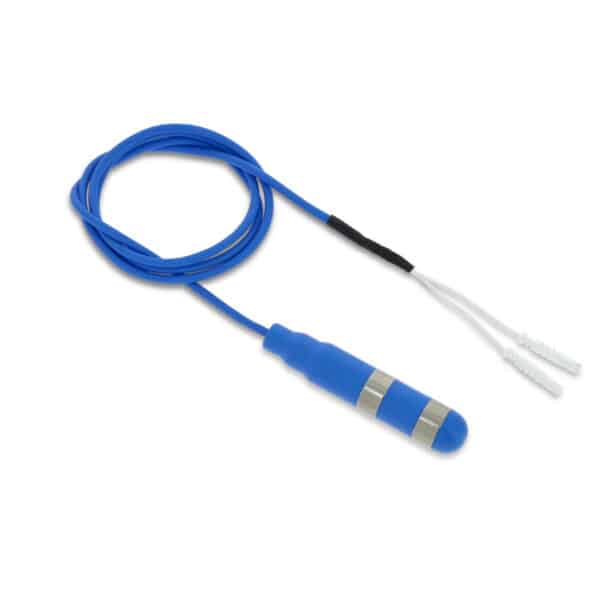
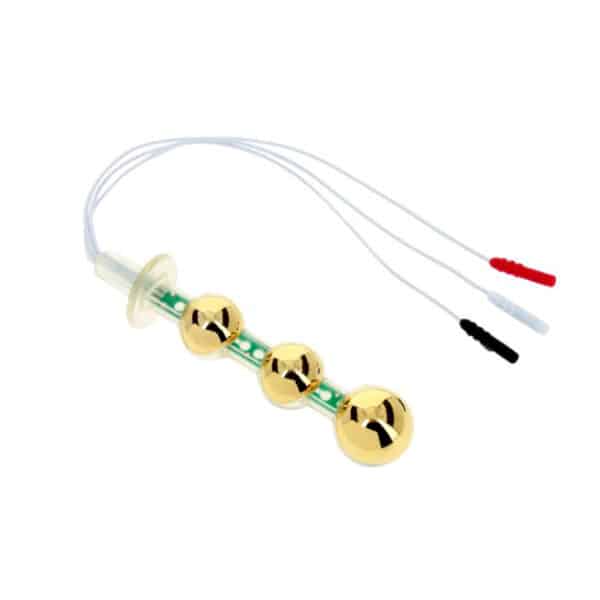
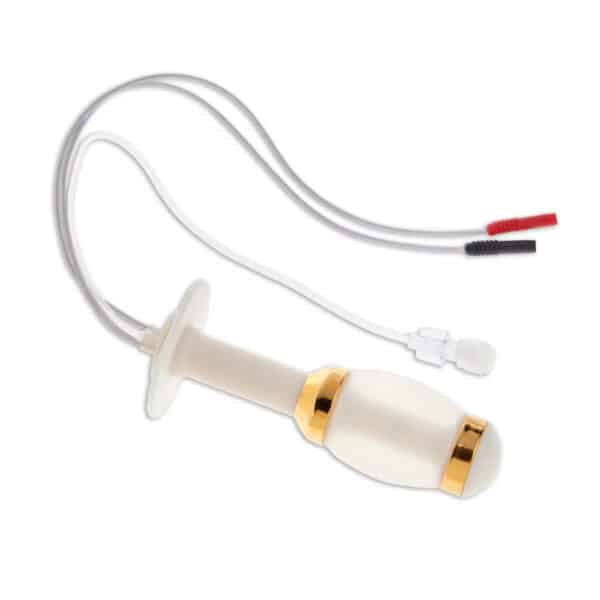
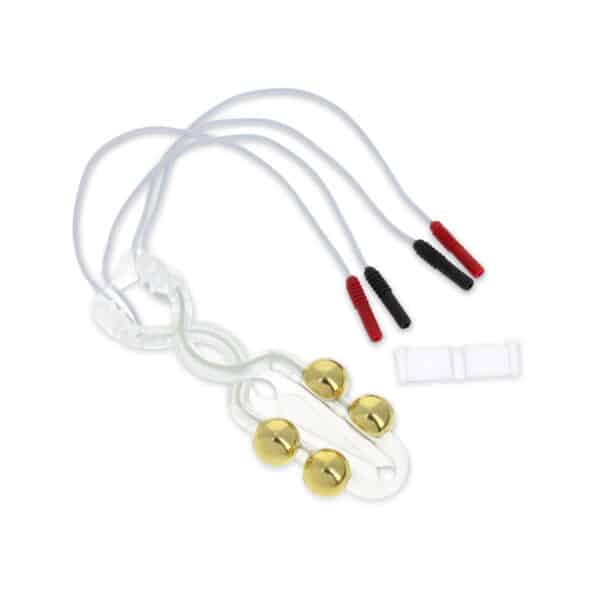
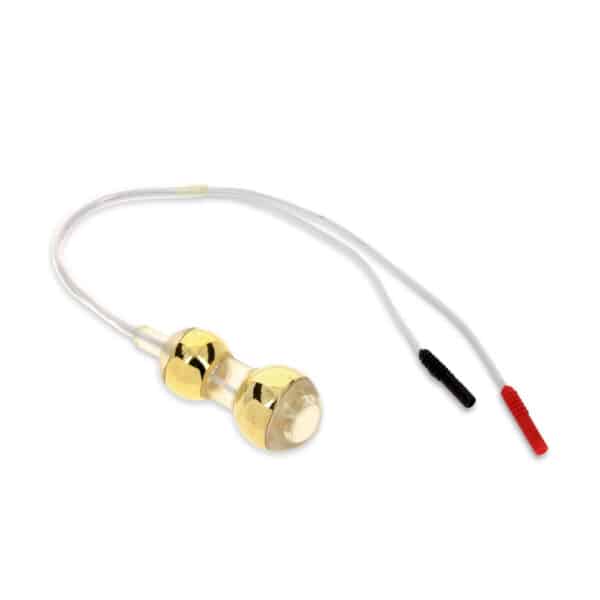
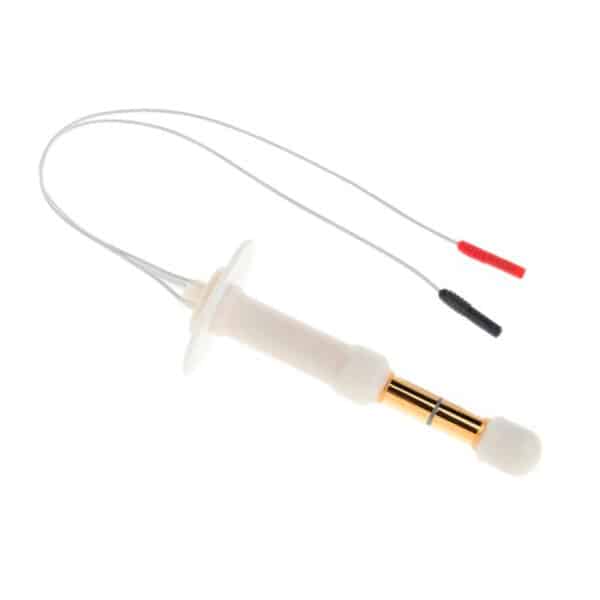
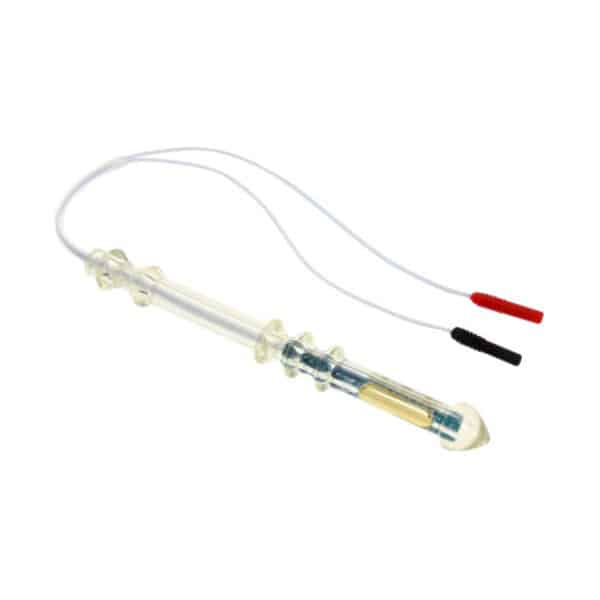
1. Perineal rehabilitation helps strengthen the muscle and regain control. It often involves exercises, biofeedback, and electrostimulation, performed using a perineal rehabilitation probe. Connected to a stimulator, this probe enables targeted and measurable training, both in the clinic and at home, as a complement to ongoing care. At Sugar International, our probes are specifically designed for this type of rehabilitation, at any stage of life.
2. At the same time, a few good habits help protect the pelvic floor: maintaining gentle, regular physical activity, avoiding constipation (a source of pressure), and adopting the right habits in daily life (such as gently contracting the pelvic floor before exertion).

3AT2B®
25,00 € Excl. tax-
AEROLYS ANA®
28,33 € Excl. tax -
AIR STIM®
38,00 € Excl. tax

Devices that can help at home
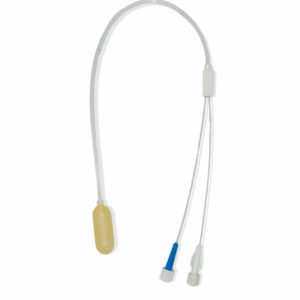
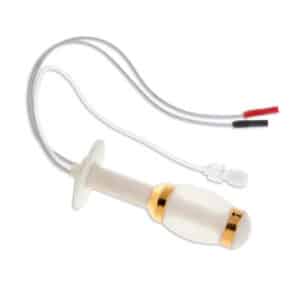
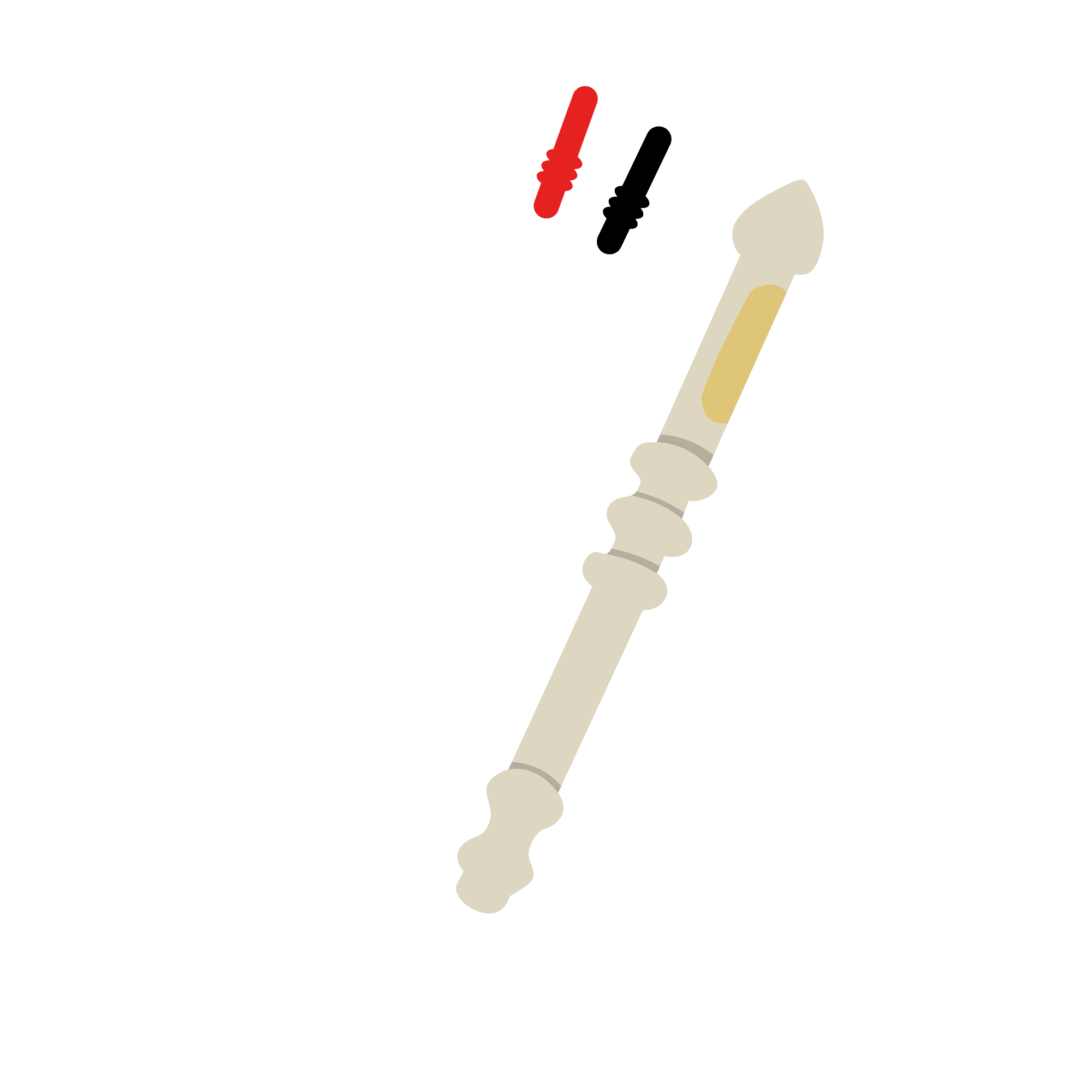
Vaginal probes
Vaginal probes are used for perineal rehabilitation in women, particularly in cases of urinary incontinence, postpartum recovery, or pelvic muscle weakness. They allow for targeted exercises using biofeedback or electrostimulation.
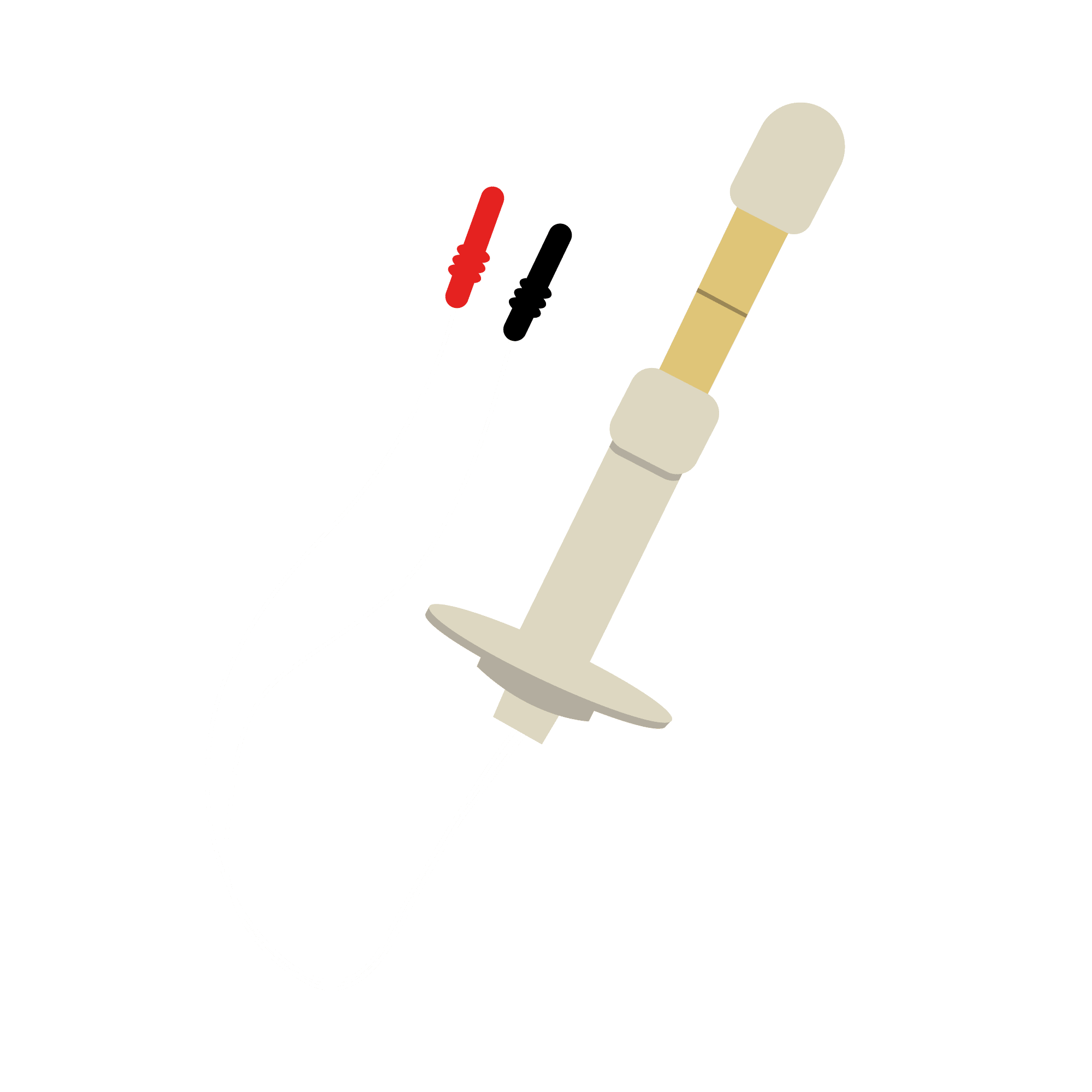
Anal probes
Anal probes are suitable for perineal rehabilitation in both men and women, particularly for treating urinary or fecal incontinence. They offer an effective solution for strengthening the pelvic floor muscles through electrostimulation.
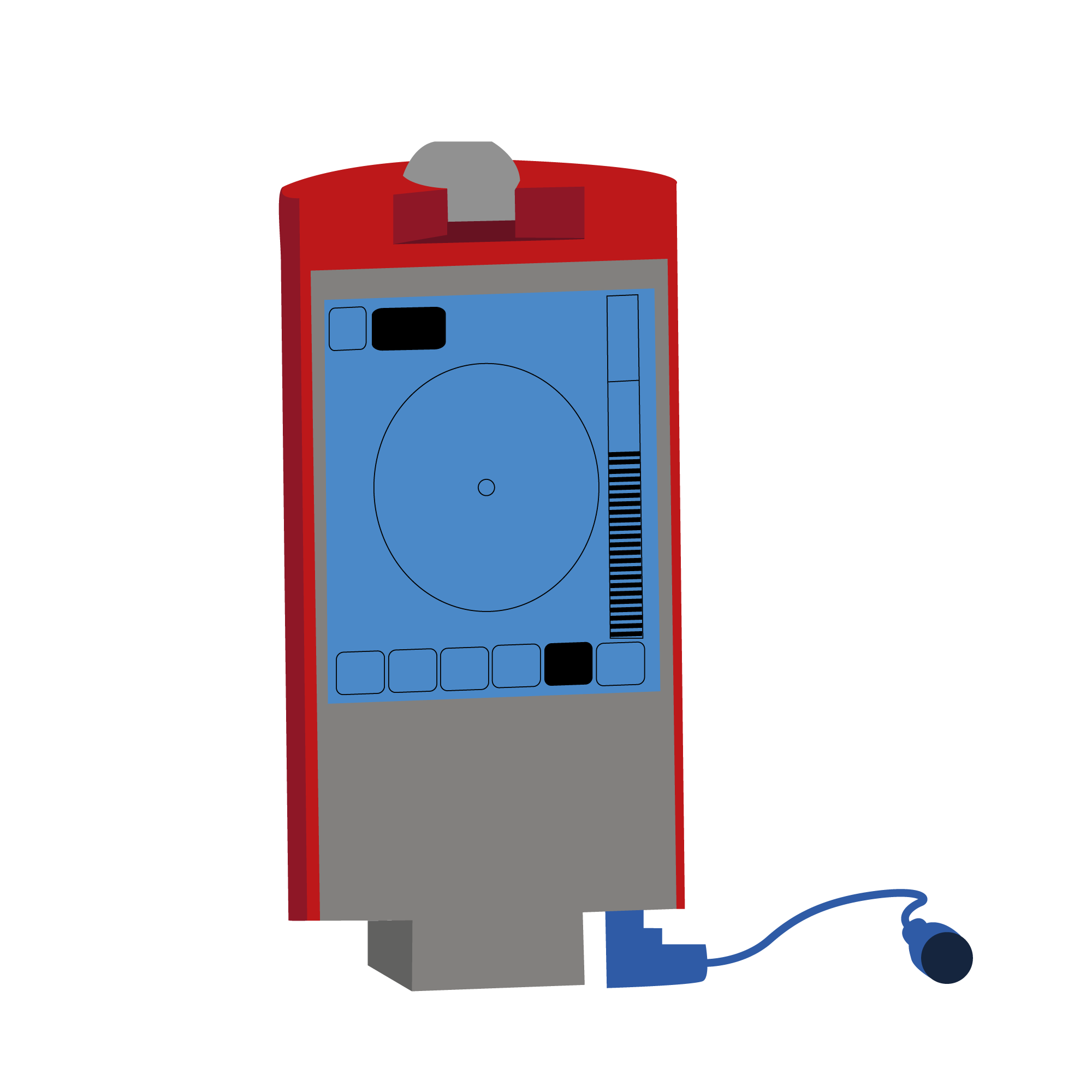
Electrostimulators
A perineal electrostimulator is a device that sends mild electrical impulses to stimulate and strengthen the perineal muscles. It is recommended as part of a home rehabilitation program, often in conjunction with medical supervision.






Don’t face these changes alone
Many women go through this time in silence, thinking that these discomforts are “the price they have to pay” for menopause.
That’s not true, and above all, it’s a shame: talking to a healthcare professional opens the door to practical solutions.
→ Your quality of life deserves our attention.
To conclude
During menopause, declining estrogen levels and aging weaken the pelvic floor, which can lead to leakage, a feeling of heaviness, or discomfort.
But these issues are neither normal nor permanent: the pelvic floor can be strengthened at any age.
With appropriate professional guidance, rehabilitation if needed, and healthy habits, you can navigate this period with peace of mind, without sacrificing your comfort.
⇒ To understand the basics, (re)read our article “The Perineum: Definition, Role, and Importance for Health ⬈.” And to learn everything about treatment, “Perineal Rehabilitation: Process, Stages, and Techniques ⬈.”
-
INTELLISTIM UG®
245,19 € Excl. tax

Frequently asked questions
Check out the questions most frequently asked by users.
Is perineal rehabilitation covered during menopause?
Perineal rehabilitation sessions may be covered when prescribed by a healthcare professional, regardless of age.
The details depend on your situation: check with your doctor or your health insurance provider.
Does hormone therapy for menopause affect the perineum?
Menopause treatments are based on an individualized medical decision and their own benefits and risks.
Only your doctor or gynecologist can assess what is appropriate for your situation, including with regard to the urogenital system.
Is it too late to strengthen your pelvic floor after menopause?
<p><strong>No</strong>. The perineum is a muscle that responds to exercise at any age. There is no age limit for starting rehabilitation or strengthening your pelvic floor, with the guidance of a professional.</p>
Can these discomforts be prevented before menopause?
Taking care of your pelvic floor in advance (through physical activity, good habits, and rehabilitation if needed) is beneficial at any stage of life.
A preventive approach can help you navigate this period more comfortably. Your healthcare provider can offer advice.
Does menopause increase the risk of organ prolapse?
Tissue laxity during menopause is one of the factors sometimes cited in relation to the support of the pelvic organs.
If you experience a feeling of heaviness or discomfort, it is important to talk to a healthcare professional, who can assess the situation.
Check out our blog


Genitourinary Syndrome of Menopause: Symptoms and Solutions
Urinary Incontinence After Prostatectomy: Perineal Rehabilitation
After prostate surgery, urinary incontinence is common but often temporary. Learn about the key role of pelvic floor rehabilitation.

Breast Cancer and Intimacy: Dryness, Incontinence, Solutions
Pink October: Vaginal dryness, urinary incontinence, pain… Breast cancer treatments can affect your intimate health. Causes and solutions.

Lump or discomfort in the vagina: possible causes and when to seek medical attention
Common Misconceptions About the Perineum: 8 Myths You Should Know
Pelvic floor and constipation: Understanding the connection and taking action

The Perineum and Sports: What Activities to Do and How to Protect It
Pelvic Floor and Pregnancy: Rehabilitation Before and After Childbirth
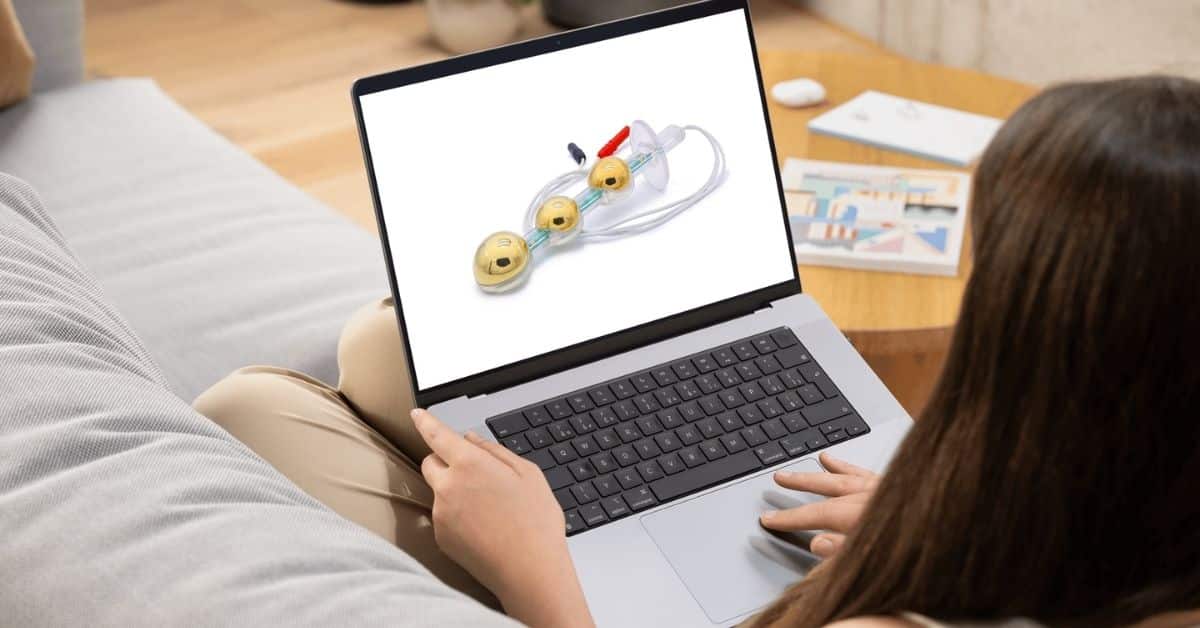
How to Use a Perineal Rehabilitation Probe: Instructions for Use
Insertion, lubrication, connection, precautions, warnings… Learn how to use your perineal rehabilitation probe correctly, step by step and safely.