
Common Misconceptions About the Perineum: 8 Myths You Should Know
The Perineum:
8 Myths It’s Time to Debunk
The perineum is a discreet muscle… but one surrounded by many misconceptions! Between hearsay, taboos, and oversimplifications, it’s hard to separate fact from fiction.
So today, let’s set the record straight: here are 8 common misconceptions about the perineum, put into perspective.
Ready to change your perspective on this essential muscle?
Common misconception #1: “The pelvic floor is just a women’s issue”
False, and this is undoubtedly the most persistent myth.
Men also have a perineum, which supports their organs, contributes to continence, and plays a role in sexual intimacy. It can weaken with age or after prostate surgery.
In short, the perineum has no gender.
Common misconception #2: “You only need to take care of it after giving birth”
False. It’s true that pregnancy and childbirth put a lot of strain on the perineum. But many other factors can also affect it: age, menopause, intense exercise, chronic constipation, surgery…
Taking care of your pelvic floor is beneficial throughout your life, at any age.
Common misconception #3: “Urinary incontinence is normal as you get older”
False. Urinary incontinence is common, but it is not an inevitable part of aging.
In many cases, appropriate rehabilitation can significantly reduce it or even eliminate it entirely.
Considering it “normal” and resigning yourself to it means missing out on solutions that are available.
Myth #4: “The more I contract my pelvic floor muscles, the better”
False. A healthy pelvic floor is not one that is constantly tight.
Like any muscle, it needs to alternate between contraction and relaxation. In fact, a perineum that is too tense (hypertonic) can cause just as many problems as one that is too weak.
The goal is balance, not constant contraction.
Common misconception #5: “There’s nothing you can do about the pelvic floor”
False, thankfully!
The pelvic floor is a muscle: it can be worked, strengthened, and retrained, just like you would build muscle in your arms or legs. Whether through exercises, professional guidance, or specialized devices, it’s entirely possible to take action.
Myth #6: “Pelvic floor rehabilitation is painful”
False. Pelvic floor rehabilitation is not supposed to be painful.
The exercises are progressive and tailored to each person’s pace. Techniques such as electrostimulation cause, at most, a slight tingling sensation—not pain.
If you experience any discomfort, you should report it to your healthcare provider.
Common misconception #7: “Working out on your own is enough”
Fact and Fiction. As a preventive measure, simple exercises at home can be helpful. But if you’re already experiencing symptoms (leakage, heaviness), exercises alone are often insufficient and may even be misdirected without a prior evaluation.
In this case, a healthcare professional remains essential for truly effective and safe rehabilitation.
Common misconception #8: “The pelvic floor is only about bladder control”
False. Continence is one of its functions, but not the only one.
The pelvic floor supports the organs, contributes to posture and body stability, and also plays a role in intimacy and pleasure.
It is a muscle with multiple functions—much more than just a “valve.”
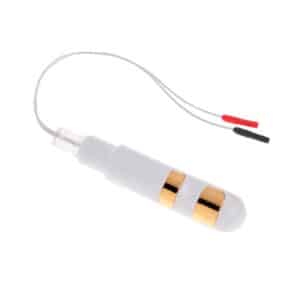 Coming back soon
V2B+®
25,00 € Excl. tax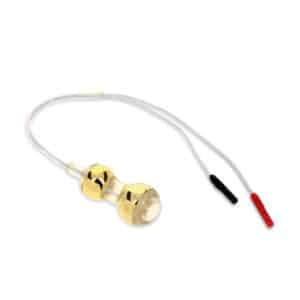
TP2B+ MINIMA®
22,50 € Excl. tax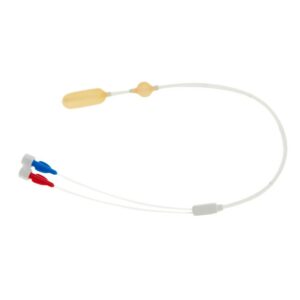 Coming back soon
RECTOMAX®
50,00 € Excl. tax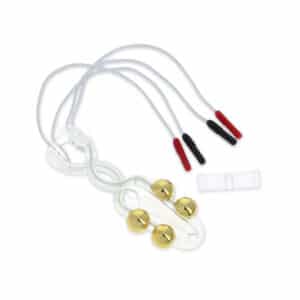
PERISIZE 4®
22,50 € Excl. tax
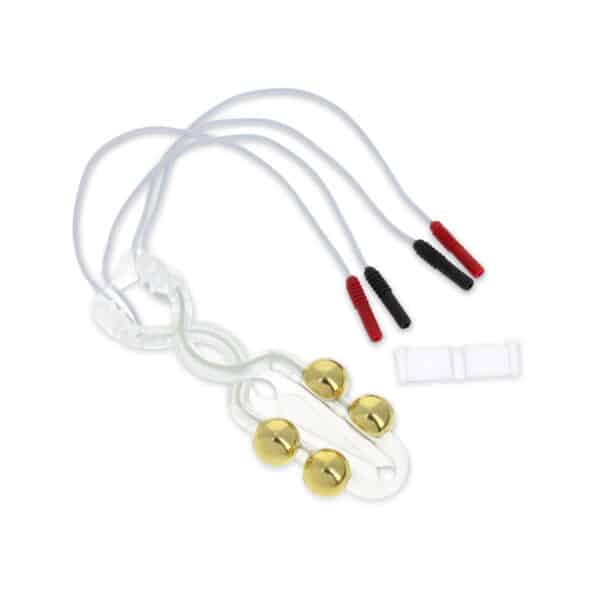
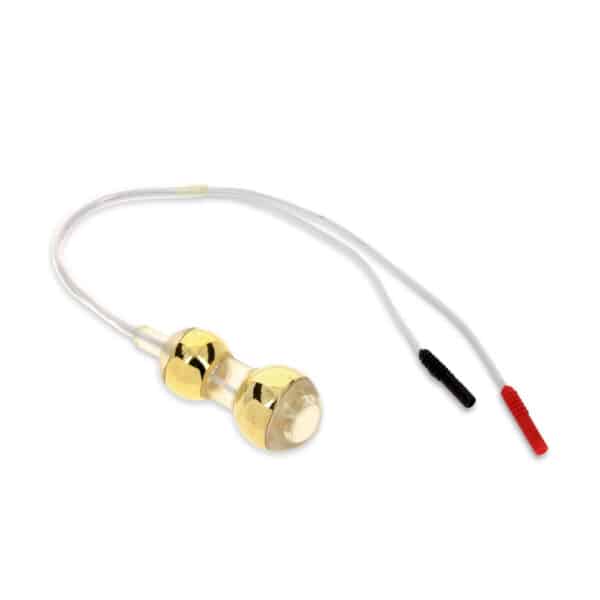
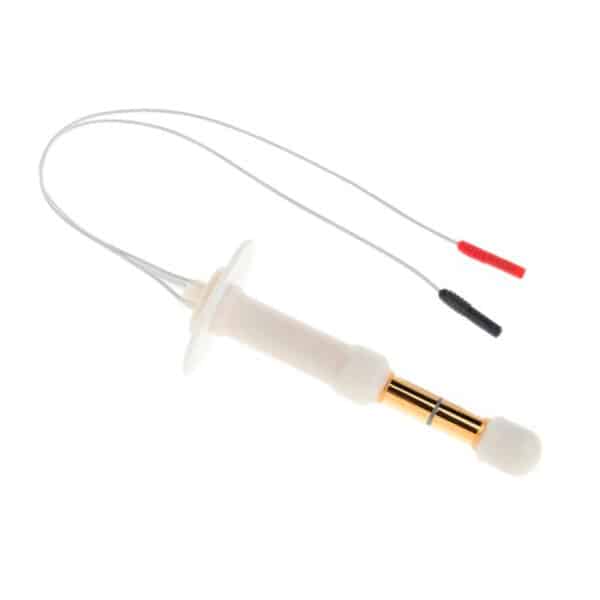
Devices that can help at home
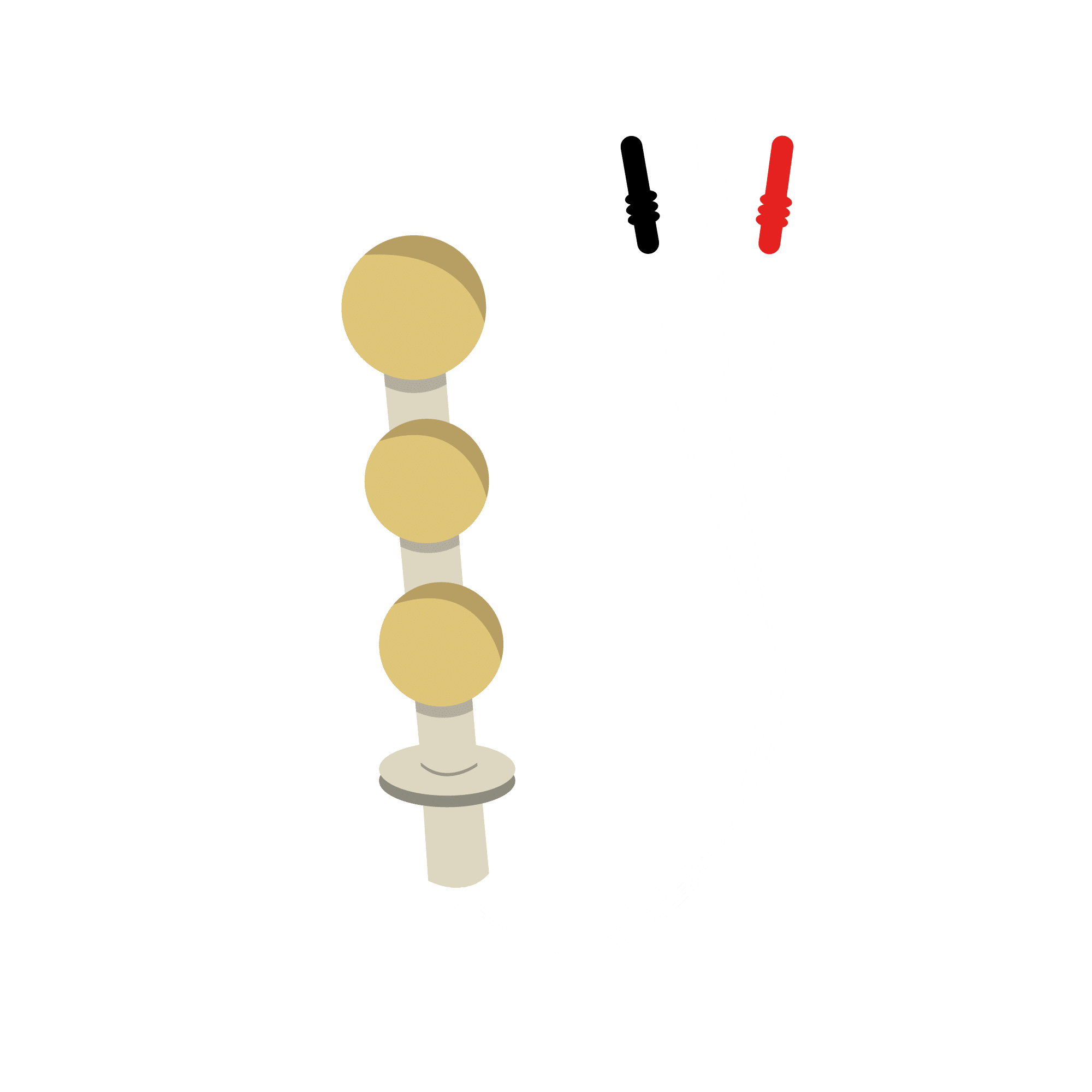
Vaginal probes
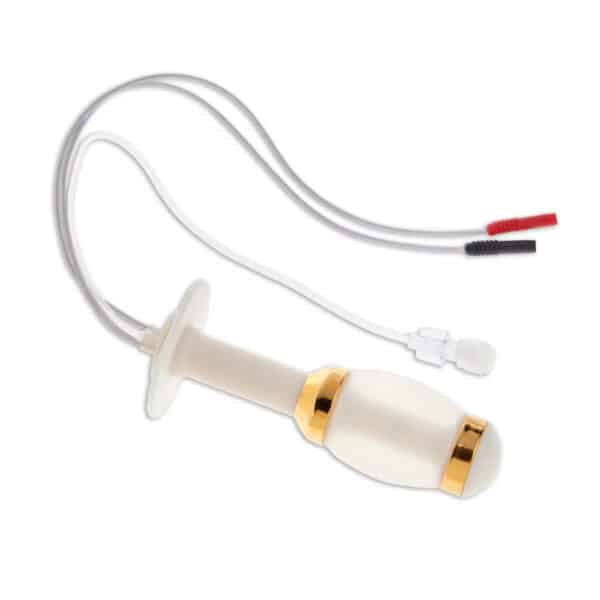
Vaginal probes are used for perineal rehabilitation in women, particularly in cases of urinary incontinence, postpartum recovery, or pelvic muscle weakness. They allow for targeted exercises using biofeedback or electrostimulation.
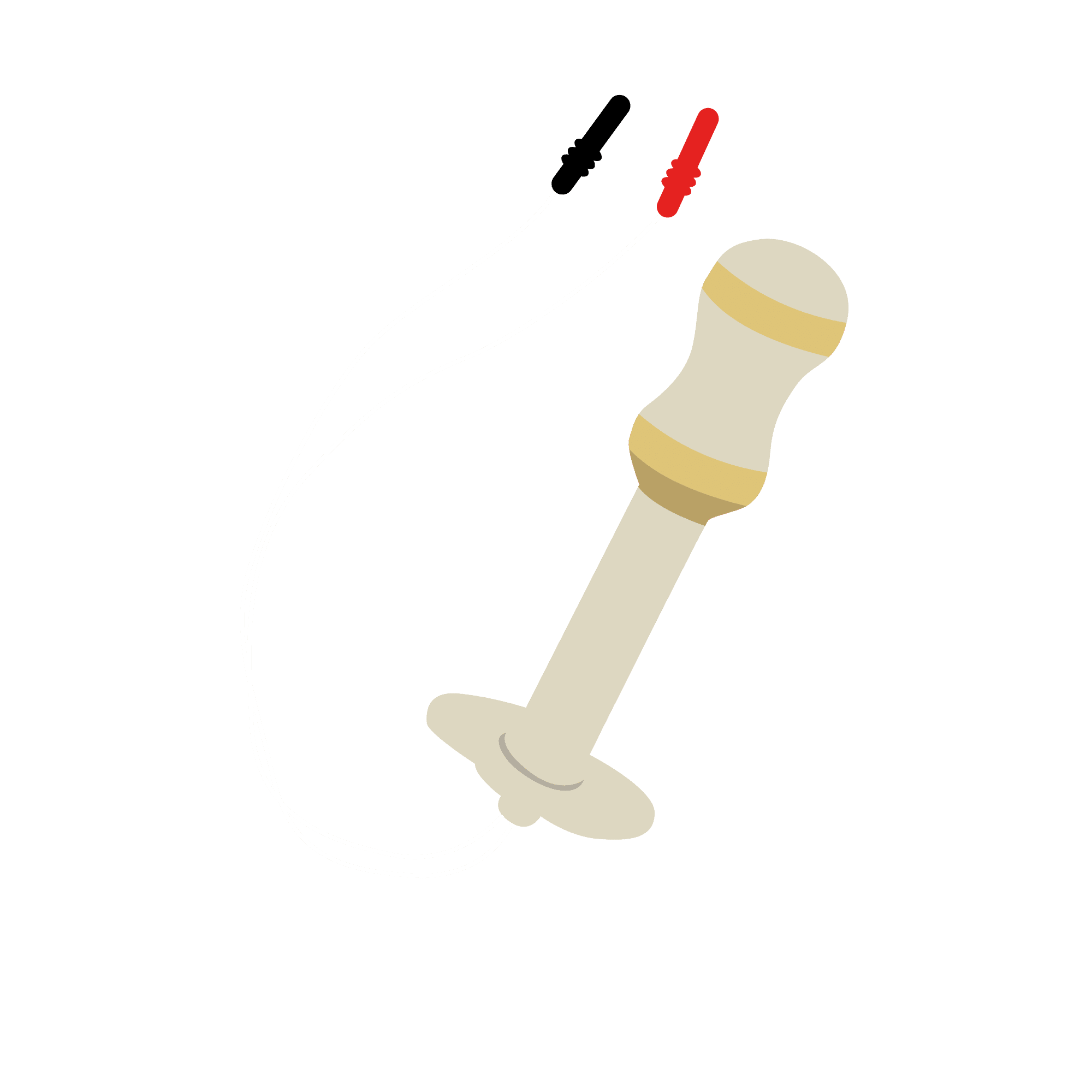
Anal probes
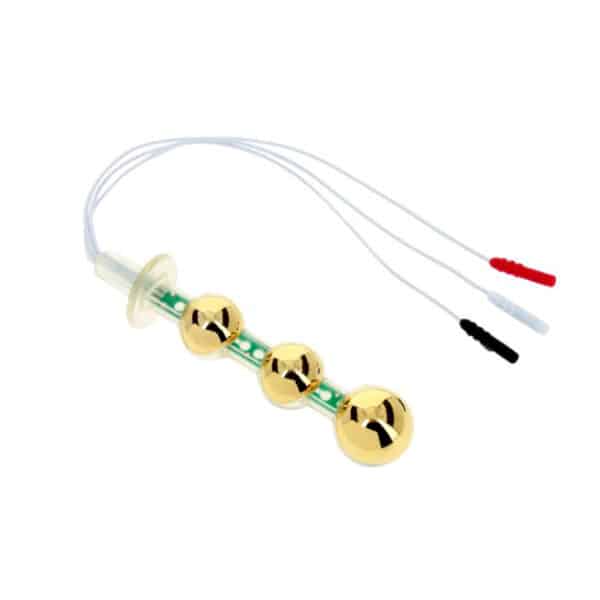
Anal probes are suitable for perineal rehabilitation in both men and women, particularly for treating urinary or fecal incontinence. They offer an effective solution for strengthening the pelvic floor muscles through electrostimulation.
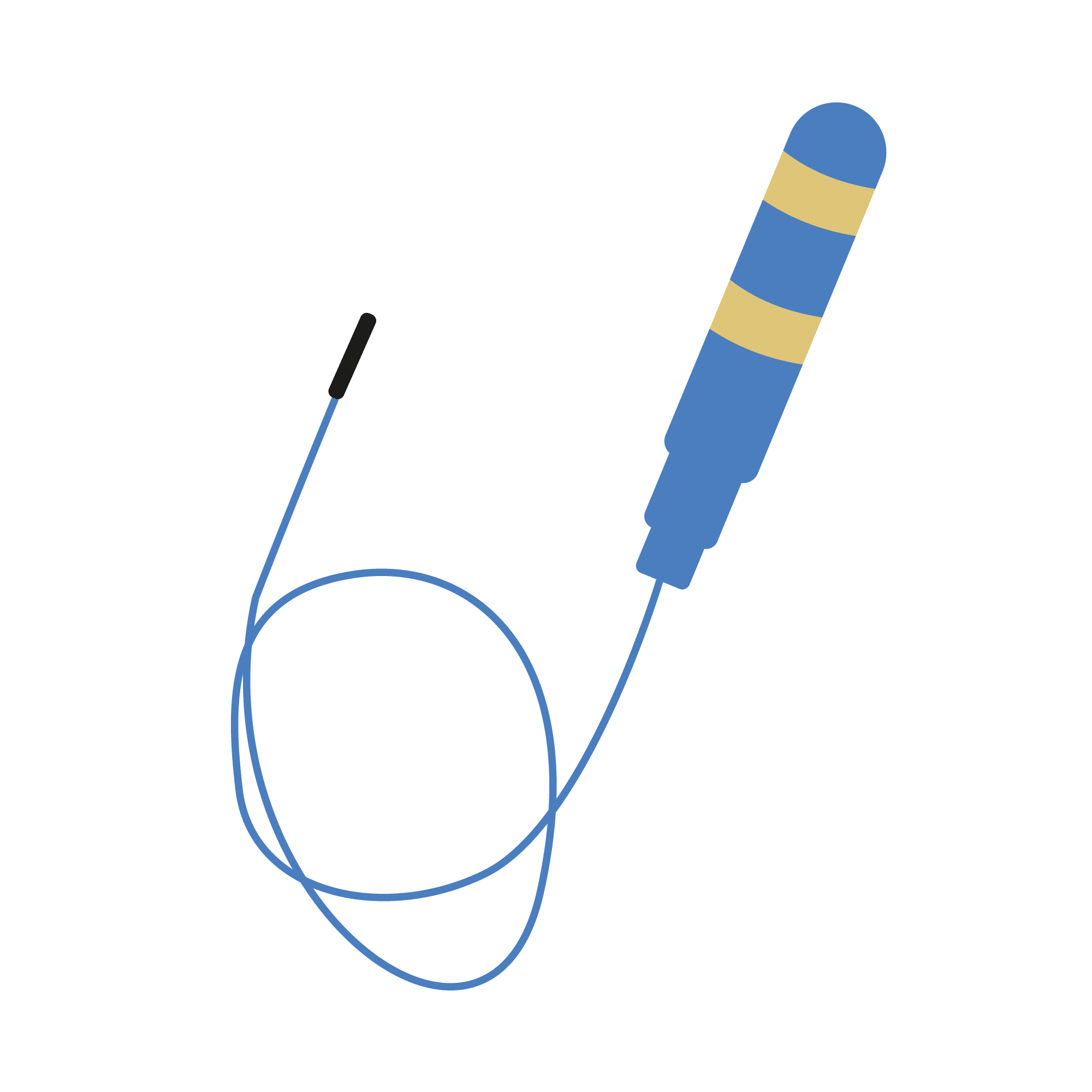
Electrostimulators
A perineal electrostimulator is a device that sends mild electrical impulses to stimulate and strengthen the perineal muscles. It is recommended as part of a home rehabilitation program, often in conjunction with medical supervision.










To conclude
There are many misconceptions about the perineum: that it’s only for women, that it’s related solely to childbirth, that it’s bound to deteriorate with age, that it needs to be constantly tightened… These are all myths that die hard.
The reality is more encouraging: it’s an essential muscle, present in everyone, that can be strengthened and retrained at any age.
Understanding it better is the first step toward taking better care of it.
Please note: If you have symptoms or questions, the best course of action is to speak with a healthcare professional, who can guide you—possibly using a perineal rehabilitation probe for targeted exercises. At Sugar International, this has been our specialty for 30 years.

Frequently asked questions
Check out the questions most frequently asked by users.
At what age should you start taking care of your pelvic floor?
There is no “official” age. As a preventive measure, you can start taking care of your health in early adulthood, and this remains beneficial throughout your life.
If you experience symptoms, it’s best to see a doctor right away, regardless of your age.
How can I tell if my pelvic floor is healthy?
Certain signs may be cause for concern (leakage, a feeling of heaviness, difficulty relaxing, or discomfort in the genital area), but only a healthcare professional can truly assess your pelvic floor.
Even if you have no symptoms, taking preventive measures is still beneficial.
Can you damage your pelvic floor by doing the exercises incorrectly?
Yes, it is possible, particularly if you are strengthening a pelvic floor that is already too tight or if there are contraindications.
That is why, as soon as symptoms appear, it is recommended to seek professional guidance rather than attempting self-rehabilitation.
Are apps or connected devices for the pelvic floor effective?
There are many of these available, of varying quality. They are not a substitute for a professional evaluation or guidance, especially if you are experiencing symptoms.
Consult your healthcare provider before relying on a tool intended for the general public.
Where can I find a professional who specializes in pelvic floor rehabilitation?
Midwives and physical therapists trained in perineal rehabilitation can assist you.
Your primary care physician or gynecologist can refer you to a practitioner near you.
Check out our blog

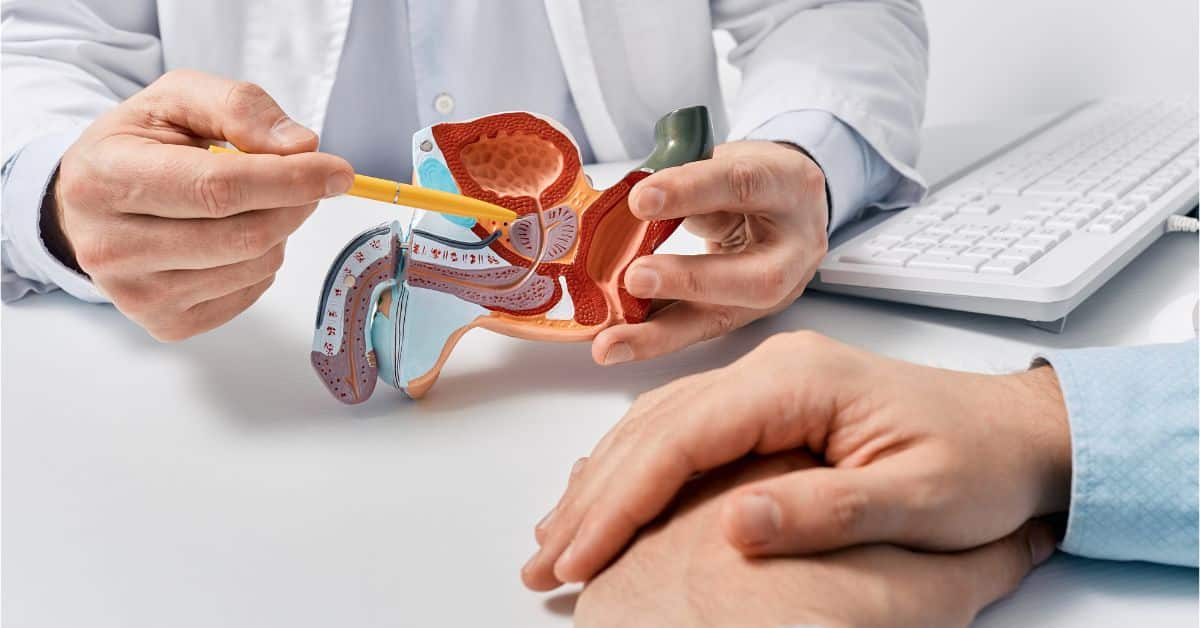
Urinary Incontinence After Prostatectomy: Perineal Rehabilitation
After prostate surgery, urinary incontinence is common but often temporary. Learn about the key role of pelvic floor rehabilitation.

Breast Cancer and Intimacy: Dryness, Incontinence, Solutions
Pink October: Vaginal dryness, urinary incontinence, pain… Breast cancer treatments can affect your intimate health. Causes and solutions.

Lump or discomfort in the vagina: possible causes and when to seek medical attention
Lump or discomfort in the vagina: possible causes and when to see a doctor
Pelvic floor and constipation: Understanding the connection and taking action

The Perineum and Sports: What Activities to Do and How to Protect It

Pelvic Floor and Pregnancy: Rehabilitation Before and After Childbirth
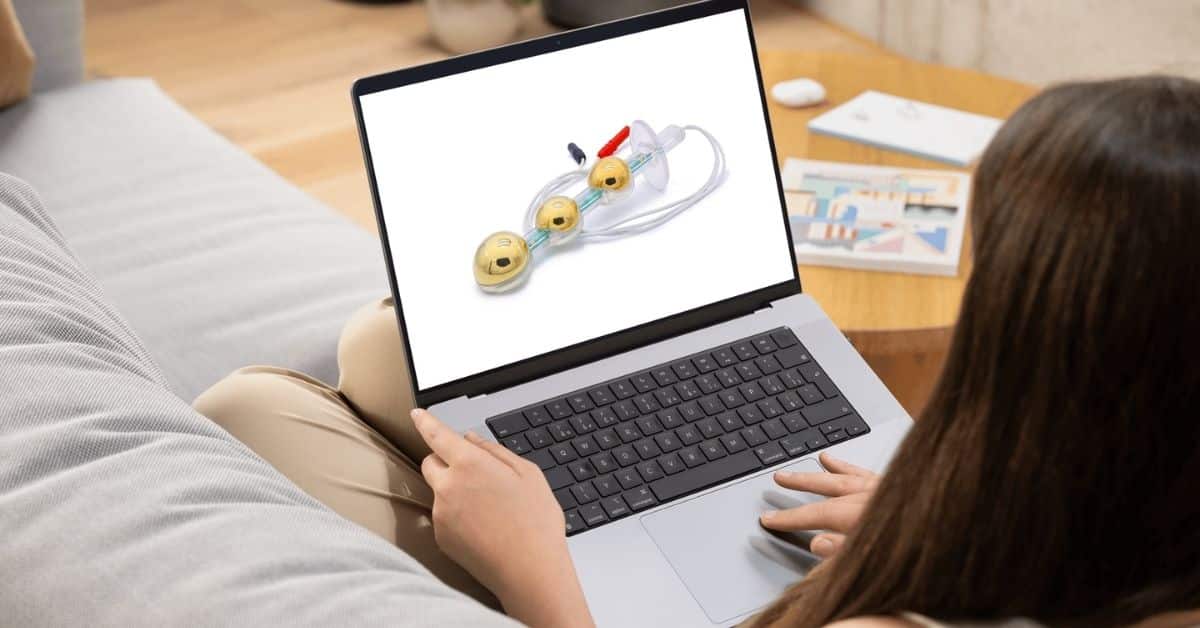
How to Use a Perineal Rehabilitation Probe: Instructions for Use
Insertion, lubrication, connection, precautions, warnings… Learn how to use your perineal rehabilitation probe correctly, step by step and safely.
Constantly contracting your pelvic floor muscles: myth or good idea?
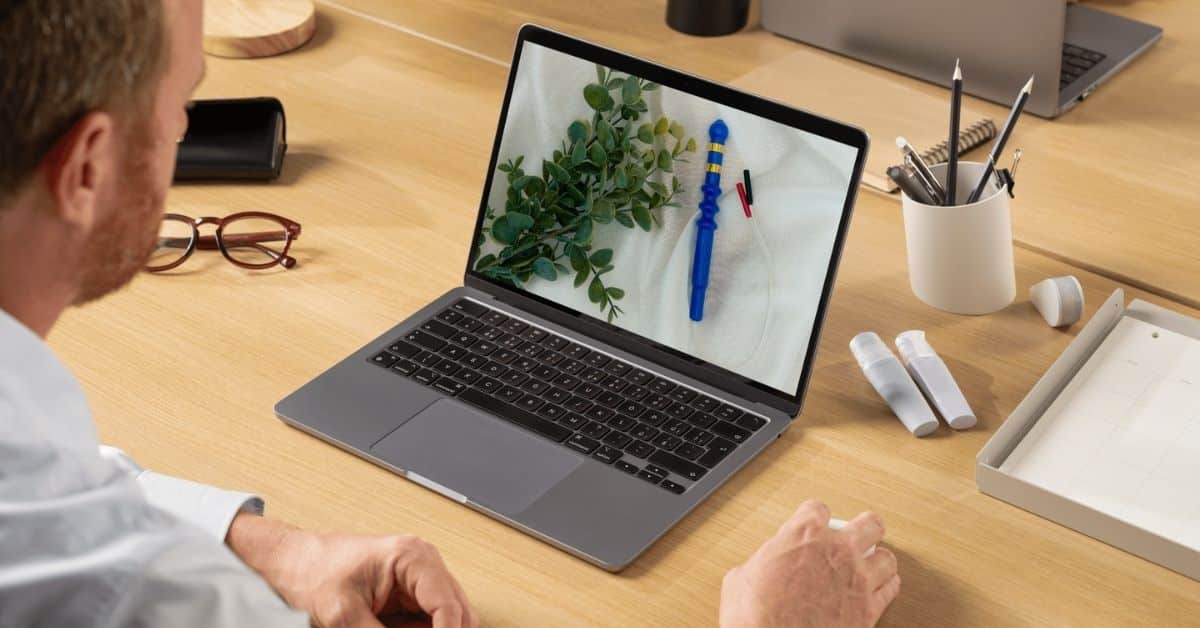
Caring for a Perineal Rehabilitation Probe: The Complete Guide
Cleaning, drying, storage, lifespan… Learn how to properly care for your pelvic floor rehabilitation probe to keep it hygienic and ensure its longevity.

