
Pelvic Floor and Pregnancy: Rehabilitation Before and After Childbirth

The Perineum and Pregnancy:
Everything You Need to Know Before and After Having a Baby
Pregnancy and childbirth are among life’s most beautiful adventures… and also among the greatest challenges for the perineum.
This often-overlooked muscle is put to the test for nine months, and then again during childbirth. The good news is that with the right information, you can take care of it before, during, and after.
Here’s what you need to know, without taboos or jargon.
Why does pregnancy put so much strain on the pelvic floor?
Let’s review: the perineum is that network of muscles at the base of the pelvis that supports the organs (bladder, intestines, uterus).
During pregnancy, it must support an increasing weight: that of the baby, the growing uterus, the placenta, and the amniotic fluid.
Added to this mechanical pressure are hormonal changes, which naturally soften the tissues to prepare the body for childbirth.
⇒ The result: the perineum is both under greater strain and more relaxed. This explains why some women already notice minor urinary leakage or a feeling of heaviness during pregnancy.
What about during childbirth?
During a vaginal delivery, the perineum is under significant strain: it must stretch considerably to allow the baby to pass through.
This is a strenuous time for this area, which is why it may require special care afterward.
Note: Even in the case of a C-section, the perineum has been strained during the months of pregnancy. Contrary to popular belief, the question of its recovery therefore also arises.
After the Baby: Time to Recover
In the weeks following childbirth, it’s normal for the perineum to be weakened. Urinary leakage, a feeling of looseness, or heaviness may occur: this is common, and most importantly, it’s temporary if you take care of it.
This is where the well-known postpartum perineal rehabilitation comes in.
In France, it is routinely offered after childbirth, and for good reason: it helps you gradually regain tone and control in this area.
It is performed with a healthcare professional (midwife or physical therapist), usually a few weeks after birth, once the green light has been given during the postnatal visit.
How is the rehabilitation going?
Don’t worry—it’s nothing to be intimidated by. Rehabilitation begins with an assessment, followed by awareness training for the pelvic floor and progressive exercises.
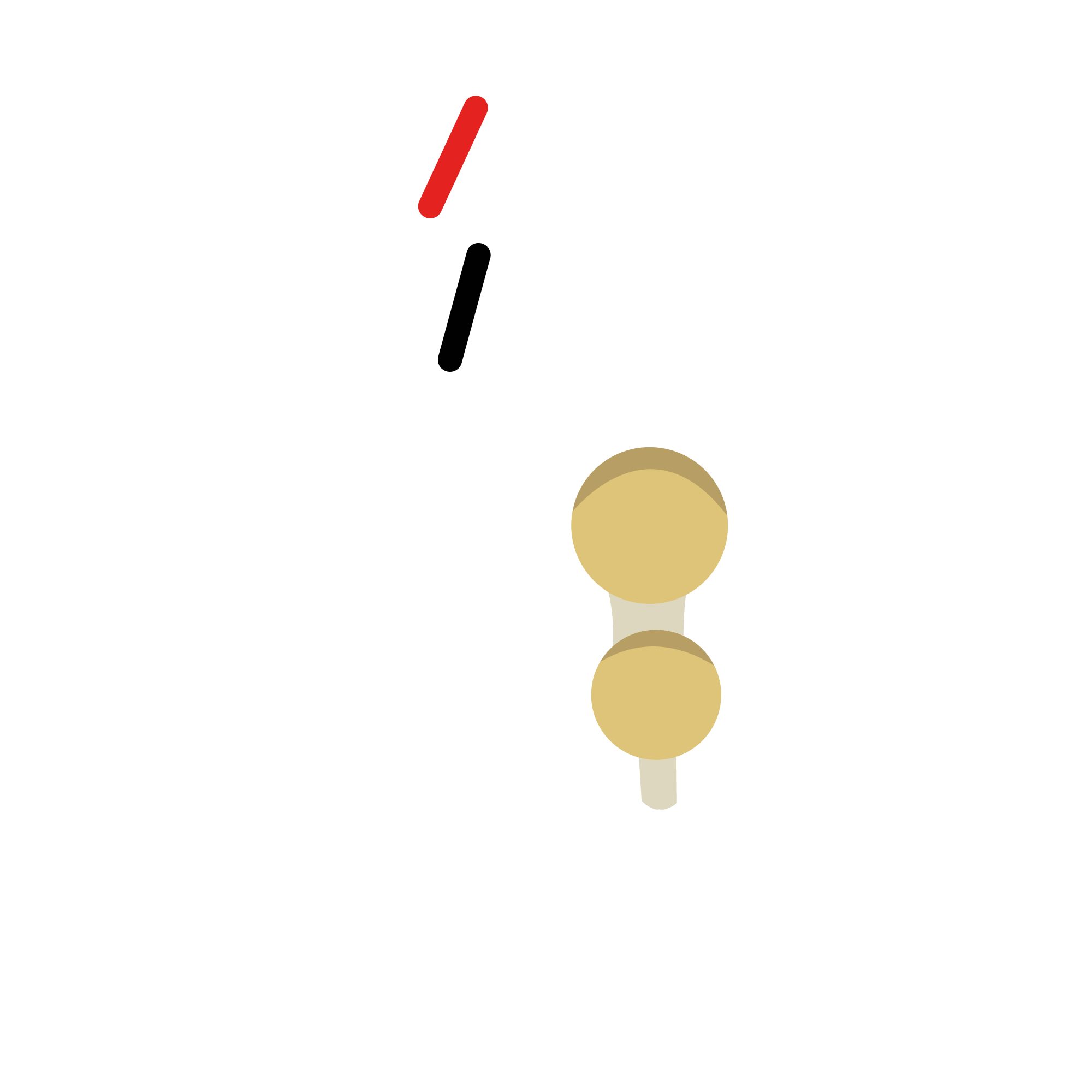
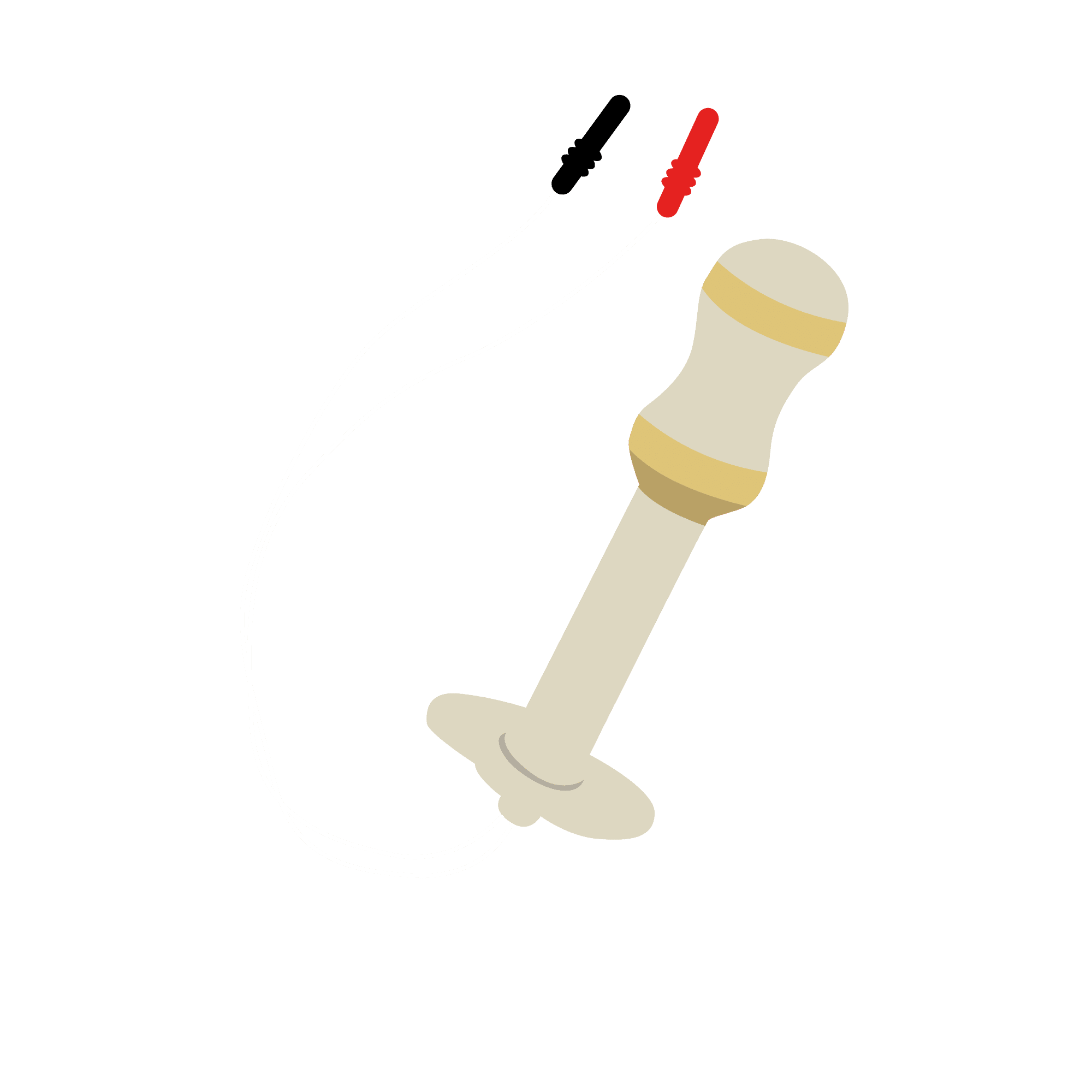
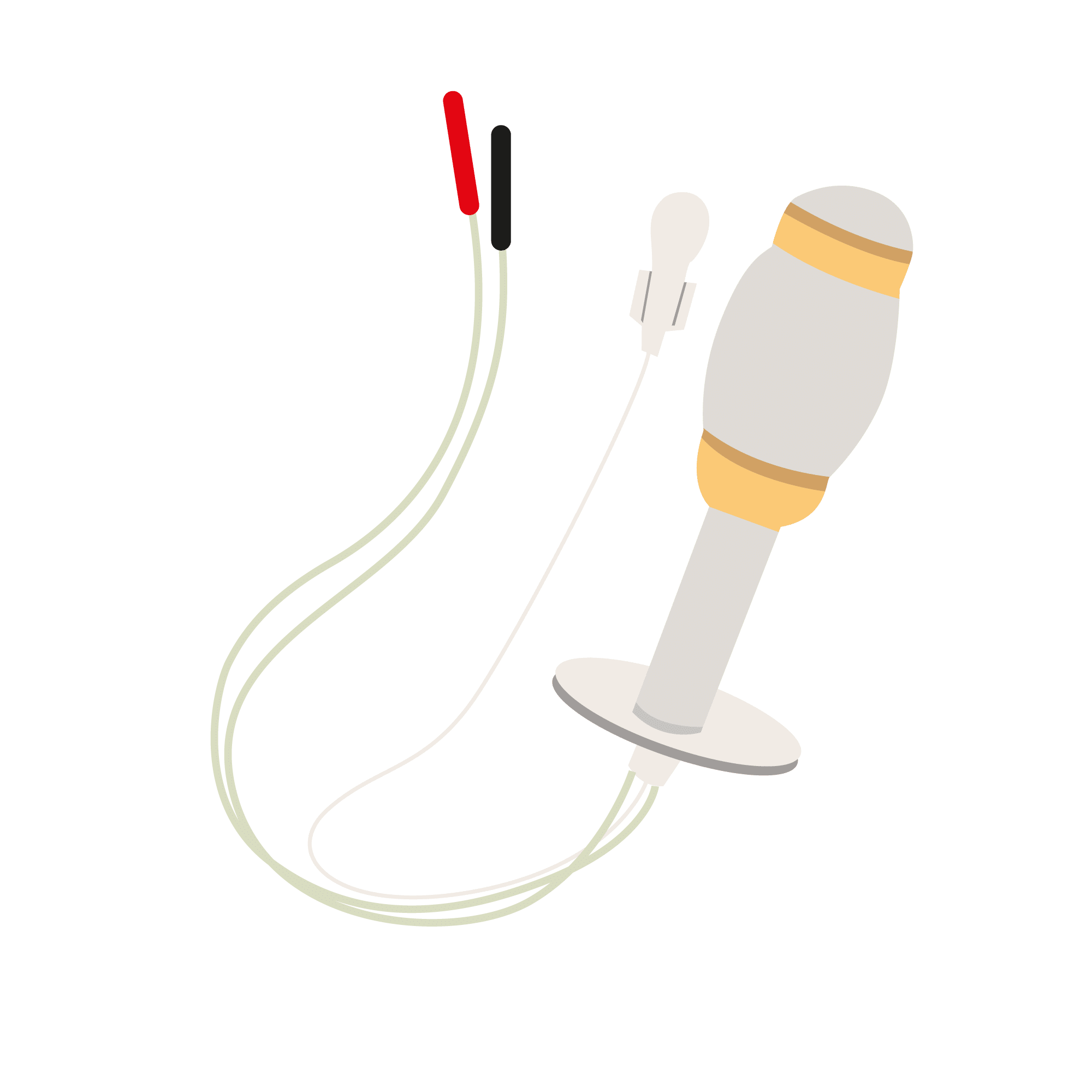
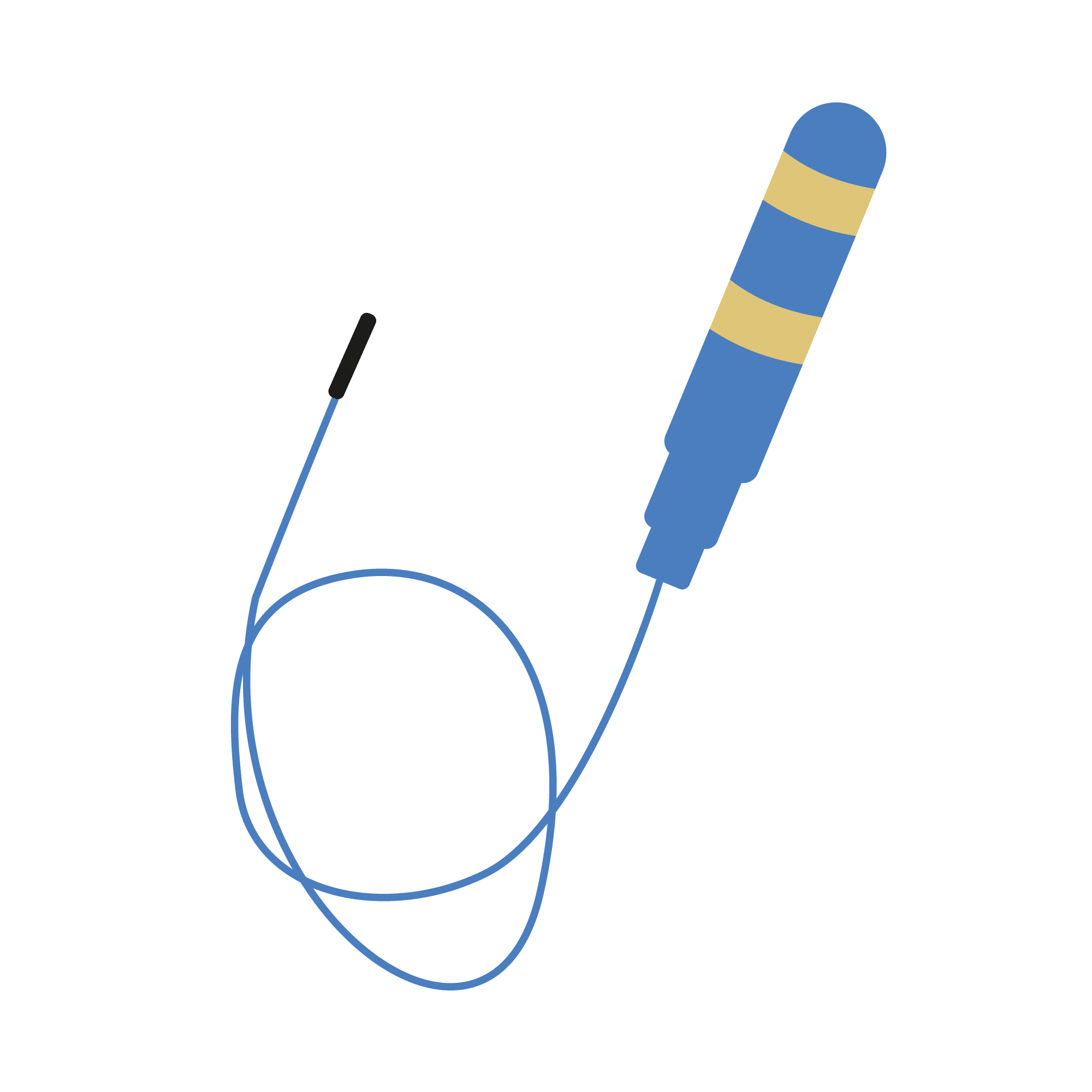
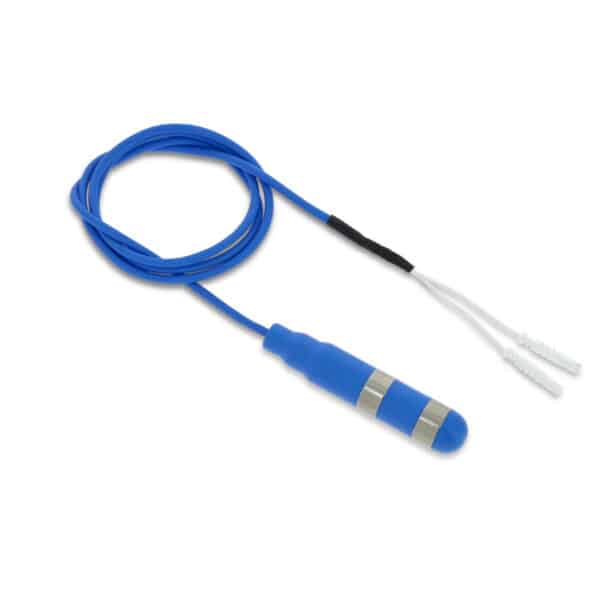
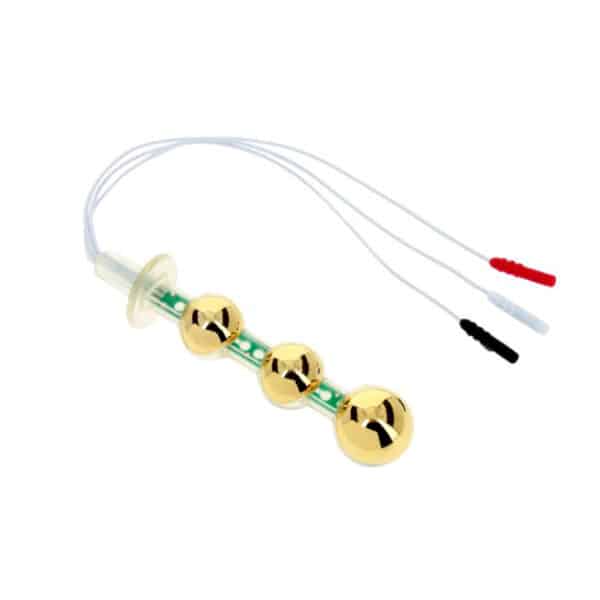
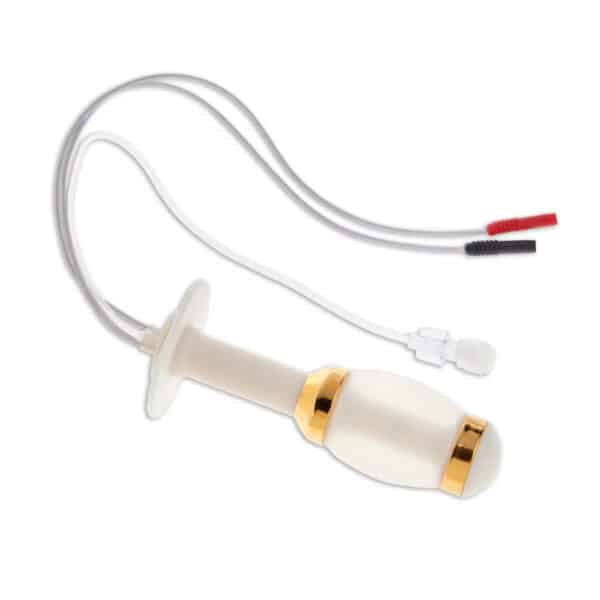
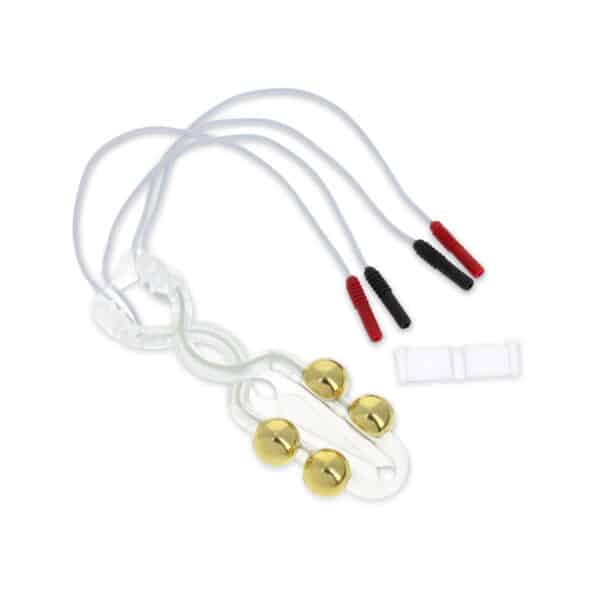
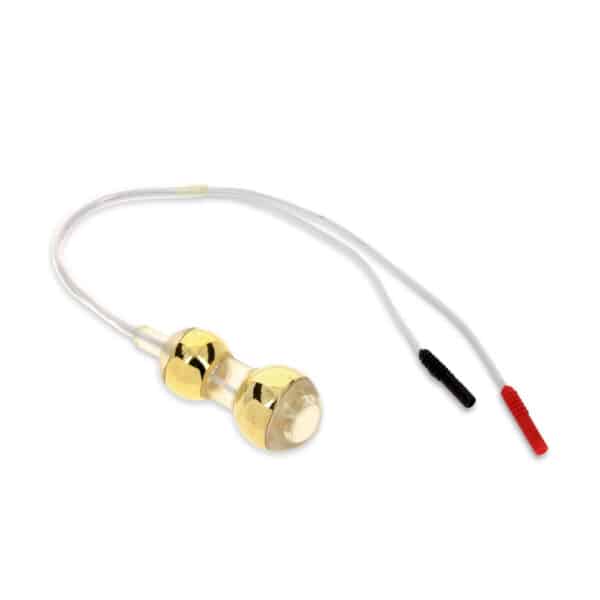
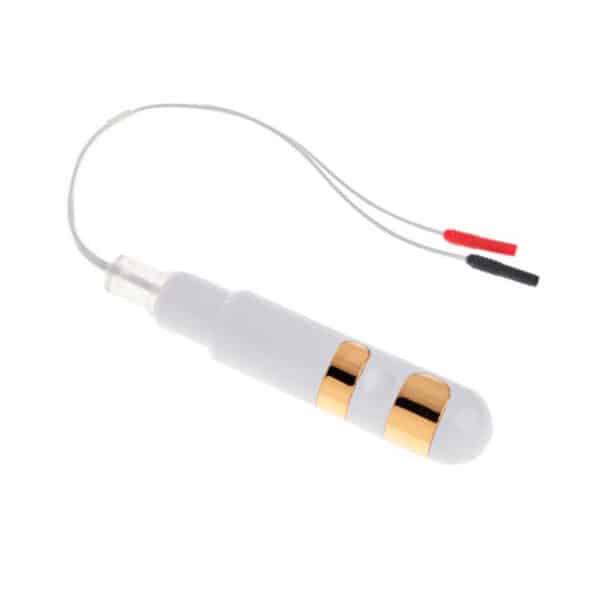
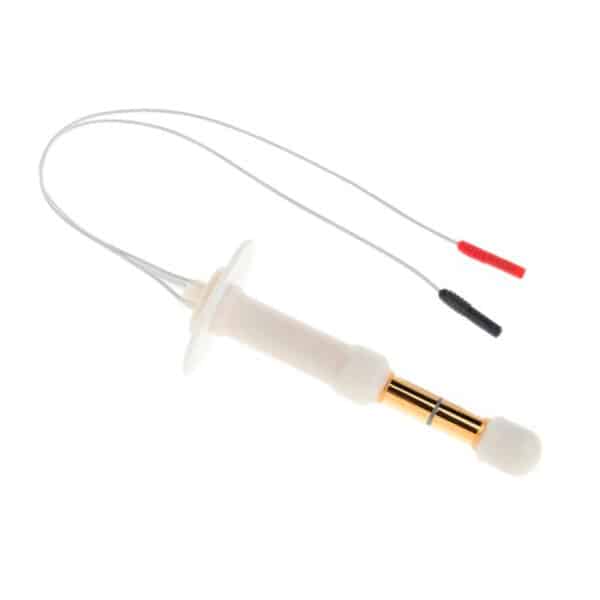
Depending on your needs, the therapist may use techniques such as biofeedback or electrostimulation, performed using a pelvic floor rehabilitation probe.
These tools allow you to visualize and stimulate muscle activity in a targeted and measurable way. Part of the rehabilitation can also be continued at home, at your own pace, using a specialized probe connected to a stimulator, always under professional supervision.
At Sugar International, this has been our core business for 30 years: designing probes specifically intended to gently support this process.

V2B+®
25,00 € HT-
TP2B+ MINIMA®
22,50 € HT -
Revient bientôt
RECTOMAX®
50,00 € HT
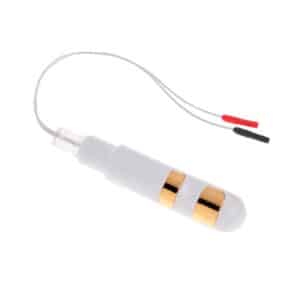
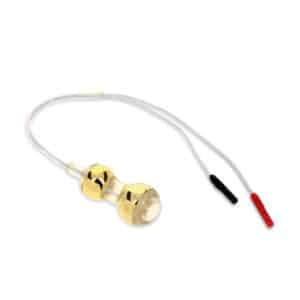
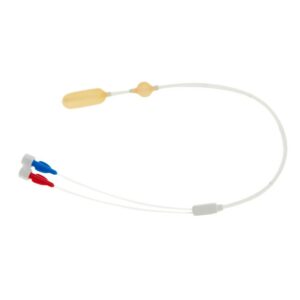
Devices that can help at home
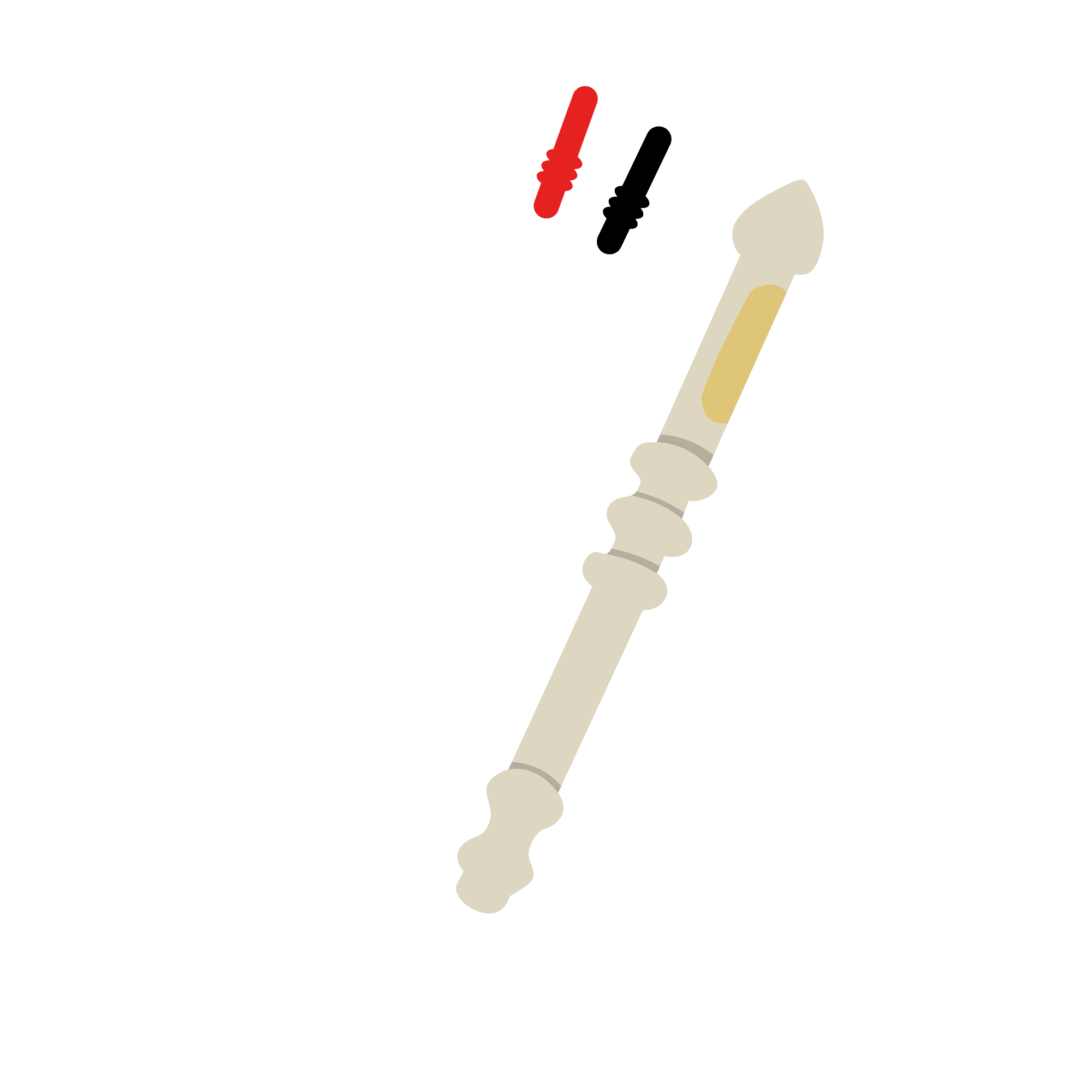
Vaginal probes
Vaginal probes are used for perineal rehabilitation in women, particularly in cases of urinary incontinence, postpartum recovery, or pelvic muscle weakness. They allow for targeted exercises using biofeedback or electrostimulation.
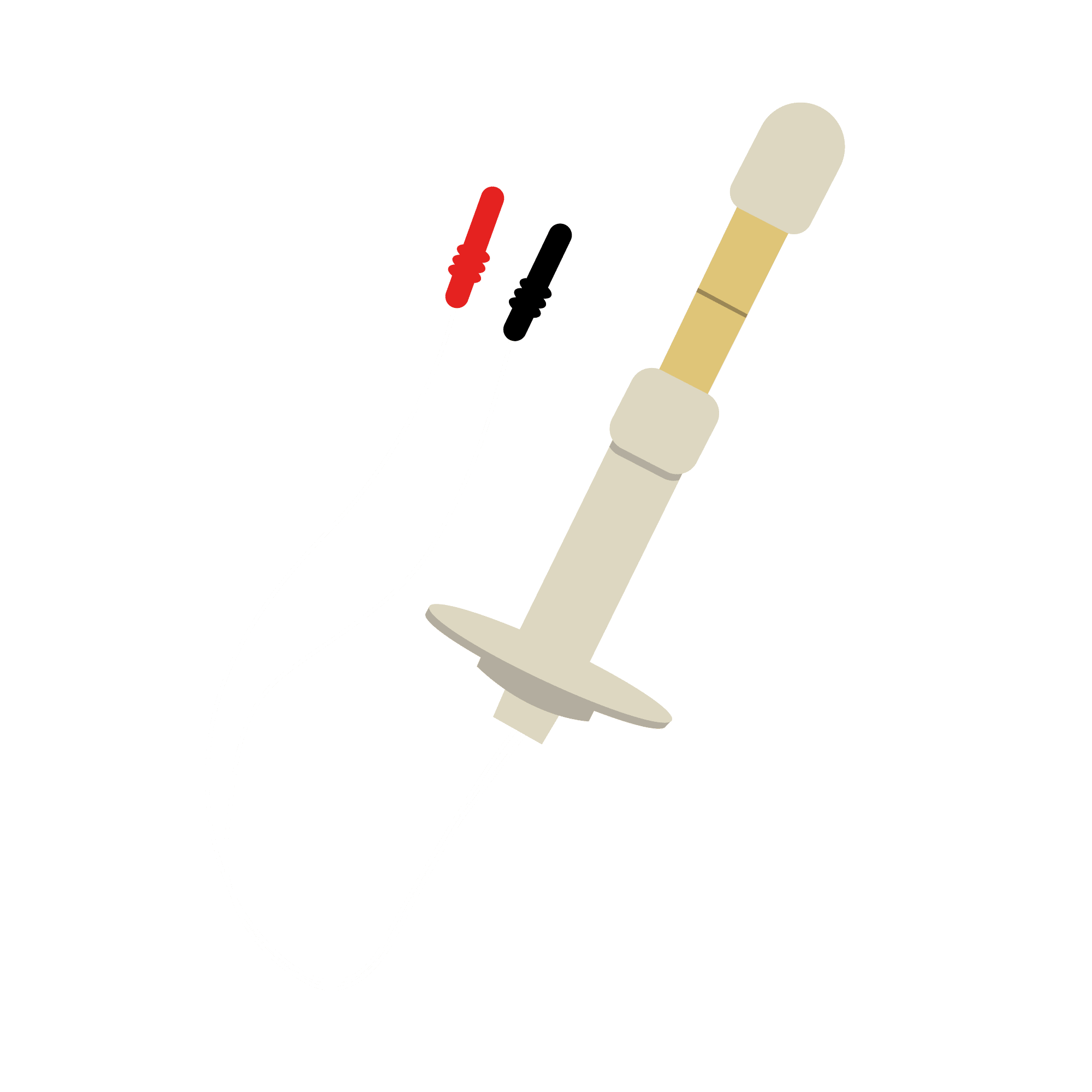
Anal probes
Anal probes are suitable for perineal rehabilitation in both men and women, particularly for treating urinary or fecal incontinence. They offer an effective solution for strengthening the pelvic floor muscles through electrostimulation.
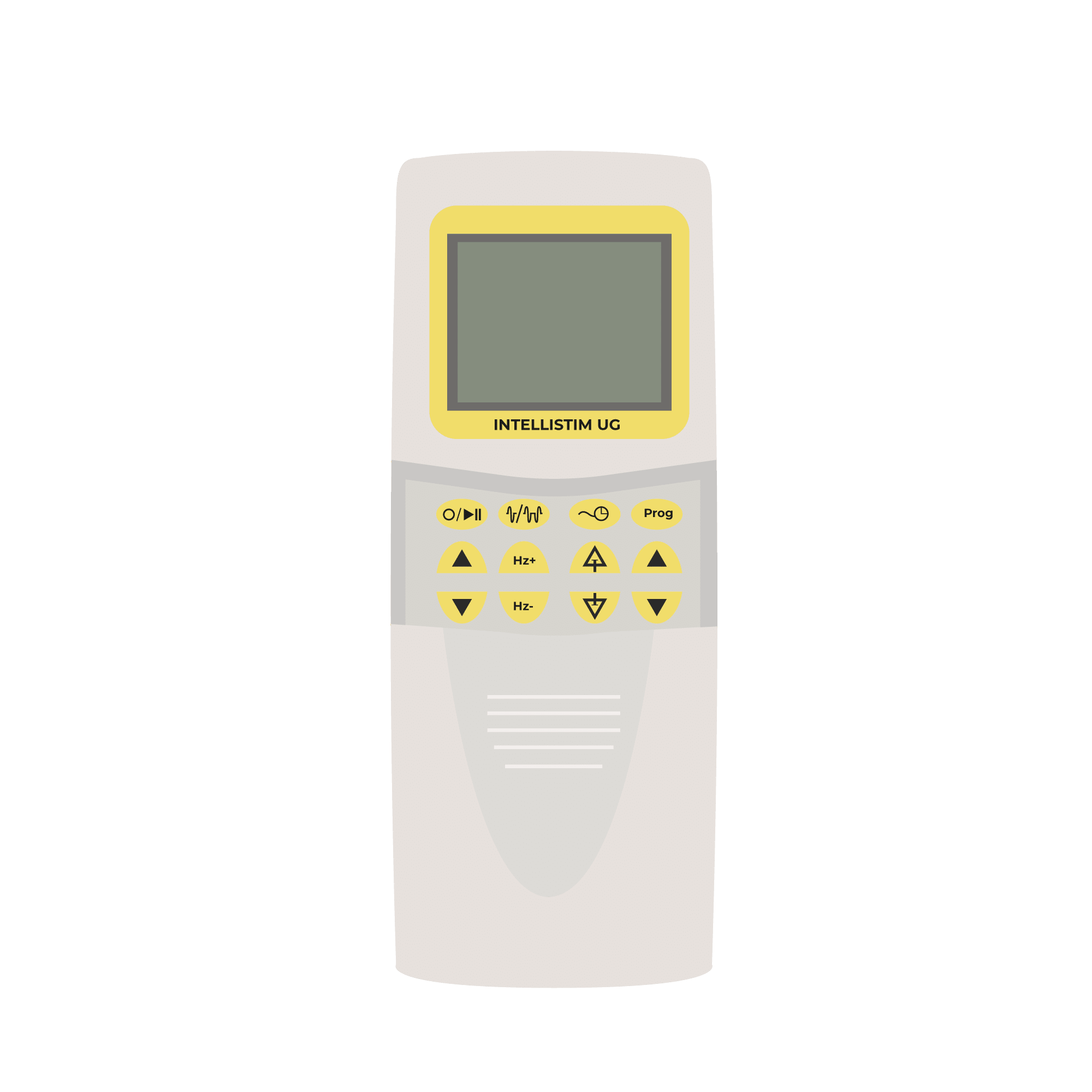
Electrostimulators
A perineal electrostimulator is a device that sends mild electrical impulses to stimulate and strengthen the perineal muscles. It is recommended as part of a home rehabilitation program, often in conjunction with medical supervision.




Some useful tips during this time
While this is not a substitute for advice from your healthcare provider, there are some good habits that can help you take care of your pelvic floor after childbirth:
→ Avoid lifting heavy objects during the first few weeks,
→ manage constipation (which increases pressure),
→ and, most importantly, don’t start high-impact sports (running, jumping) too soon before completing your postpartum recovery exercises.
The pelvic floor needs time to recover.
A Word for Expectant and New Moms
Pregnancy and the postpartum period bring many changes, and the perineum is one of them.
There’s no shame in talking about it, learning more, and seeking support—in fact, it’s the best way to navigate this time with peace of mind and regain your comfort.
You’re not alone, and there are solutions.
To conclude…
The perineum is put under a great deal of strain during pregnancy and childbirth, which is why it’s so important to help it recover after giving birth.
Postpartum perineal rehabilitation, supervised by a professional and possibly continued at home with a suitable device, helps restore tone and comfort.
Before, during, and after: it’s best to understand your pelvic floor so you can take better care of it.
⇒ To understand the basics, (re)read our article “The Perineum: Definition, Role, and Importance for Health ⬈.” And to learn everything about the process, check out our article “Perineal Rehabilitation: Process, Steps, and Techniques ⬈”
-
INTELLISTIM UG®
255,00 € HT -
EVOSTIM E®
283,33 € HT


Frequently asked questions
Check out the questions most frequently asked by users.
Is postpartum pelvic floor rehabilitation covered by insurance?
In France, perineal rehabilitation sessions are covered after childbirth when prescribed by a healthcare professional.
The exact details depend on your situation: check with your midwife, doctor, or health insurance provider.
Rehabilitation with a midwife or a physical therapist: What's the difference?
Both are trained in pelvic floor rehabilitation.
Midwives frequently provide postpartum care, while physical therapists also work in this field.
The choice often depends on your care plan, your preferences, and availability in your area.
How long does postpartum pelvic floor rehabilitation last?
This varies from person to person, depending on the condition of the perineum and the progress made. The professional determines the number and frequency of sessions.
There is no one-size-fits-all duration: consistency is more important than speed.
Are breastfeeding and perineal rehabilitation compatible?
Yes.
One doesn’t preclude the other. The timing of when to start postpartum exercise depends mainly on your recovery and the go-ahead given during your postpartum checkup, not on breastfeeding. Your healthcare provider will guide you.
Has my pelvic floor “loosened” permanently after giving birth?
No, it’s not permanent.
Weakening of the pelvic floor after childbirth is common, but in most cases, rehabilitation allows women to gradually regain muscle tone and control.
Check out our blog


The Perineum and Sports: What Activities to Do and How to Protect It
How to Use a Perineal Rehabilitation Probe: Instructions for Use
Insertion, lubrication, connection, precautions, warnings… Learn how to use your perineal rehabilitation probe correctly, step by step and safely.
Constantly contracting your pelvic floor muscles: myth or good idea?
Caring for a Perineal Rehabilitation Probe: The Complete Guide
Cleaning, drying, storage, lifespan… Learn how to properly care for your pelvic floor rehabilitation probe to keep it hygienic and ensure its longevity.
Pelvic Floor Exercises at Home: A Gentle Guide
Urinary Incontinence: Causes, Forms, and Solutions
Male Pelvic Floor: Function, Signs of Weakness, and Rehabilitation
Yes, men have a perineum! Its role, signs of weakness, rehabilitation after prostate surgery… Learn all about the male perineum.

Which Perineal Rehabilitation Probe Should You Choose? The Complete Guide
Vaginal or anal? Electrostimulation or biofeedback? Find out how to choose the perineal rehabilitation probe that best suits your needs.
Pelvic Floor Rehabilitation: Process, Steps, and Techniques
Assessments, exercises, biofeedback, probes… Learn how pelvic floor rehabilitation works, step by step, for both women and men.

Weak pelvic floor: 7 signs to look for and when to seek medical advice
Leakage, sagging, urinary urgency… Learn about the 7 signs of a weakened pelvic floor—in both men and women—and when to take action.

