
Urinary Incontinence: Causes, Forms, and Solutions
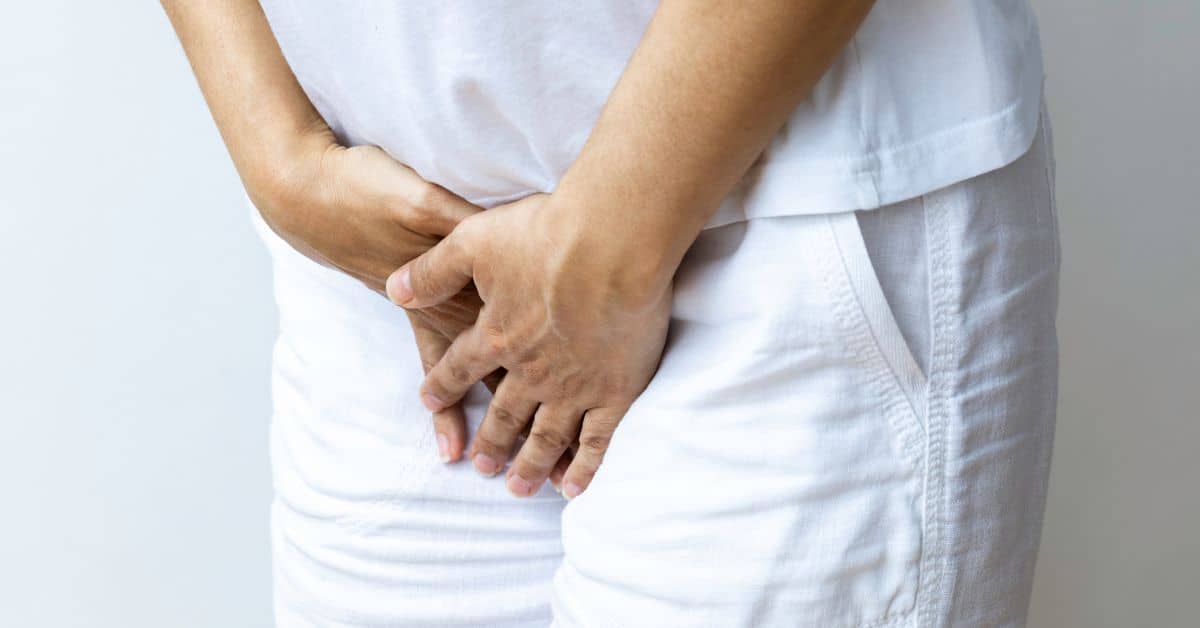
Urinary Incontinence
Why It Happens, and Most Importantly, How to Treat It
A little leak when you laugh, cough, sneeze, or lift a bag of groceries…
If this sounds familiar, know this first: you’re far from alone.
Urinary leakage is extremely common, in both women and men.
But “common” doesn’t mean “normal” or “permanent.” In the vast majority of cases, it can truly be treated. We’ll explain everything.
What exactly is urinary incontinence?
Urinary incontinence is the involuntary loss of urine. It can range from a few occasional drops to more significant leakage.
The common thread: it’s beyond your control, and it can quickly become a real burden in daily life (discomfort, anxiety, having to give up certain activities).
The connection to the perineum is direct: it is the pelvic floor muscles that ensure continence by supporting the bladder and controlling the sphincters. When this system doesn’t function as well, leakage occurs.
Different Types of Leaks (and Why It’s Useful to Know)
Not all types of incontinence are the same, and understanding your specific type helps you manage it better.
The main types are:
→ Stress incontinence. Leakage occurs during physical exertion: laughing, coughing, sneezing, carrying a load, or exercising. It’s often linked to a weak pelvic floor that lacks the tone to withstand the pressure.
→ Urge incontinence (or urinary urgency). This involves a sudden, urgent urge that is difficult to control, sometimes followed by leakage before even reaching the restroom. It is linked to bladder overactivity.
→ Mixed incontinence, which combines the two previous forms.
Identifying the type of leakage is the role of the healthcare professional, and this directly determines the type of rehabilitation.
Why Do Leaks Occur?
Several factors can weaken the perineum and contribute to incontinence:
♦ Pregnancy and childbirth, which place enormous strain on the pelvic floor.
♦ Aging and, in women, menopause.
♦ In men, the aftereffects of prostate surgery.
♦ Being overweight, constipation, or chronic coughing, which increase pressure on the pelvic floor.
♦ Certain high-impact sports, which repeatedly strain the area.
The good news: Leaks can be fixed
<p>This is the key message of this article:<span style=”color: #ff0000;”><strong> urinary incontinence is neither inevitable nor simply a matter of age. </strong></span></p>
<p>In many cases, pelvic floor rehabilitation can significantly reduce leakage or even eliminate it entirely.</p>
<p style=”padding-left: 40px;”>1. It all starts with <strong>a consultation with a healthcare professional</strong> (doctor, midwife, physical therapist), who identifies the type of leakage and recommends an appropriate treatment plan. Rehabilitation often involves strengthening the pelvic floor through exercises, biofeedback, and electrostimulation.</p>
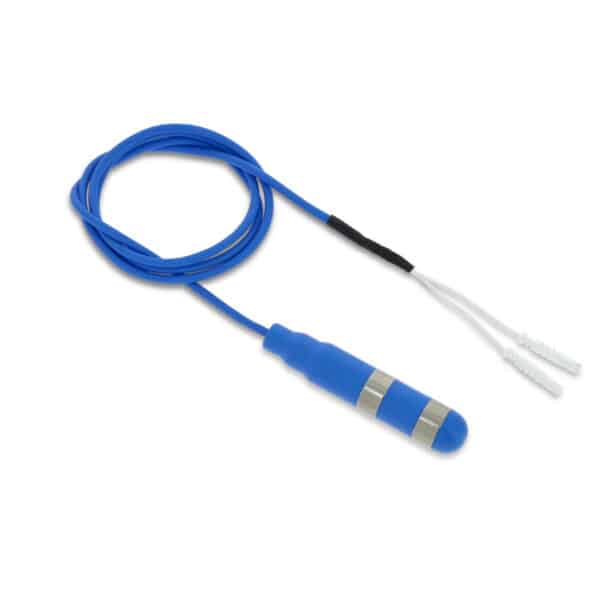
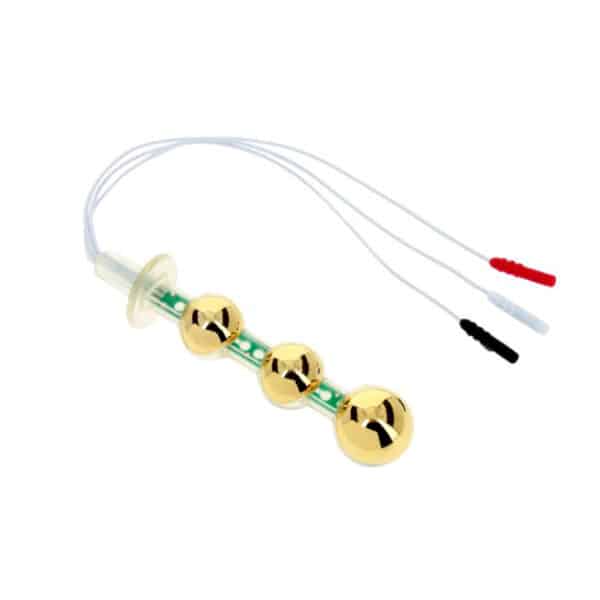
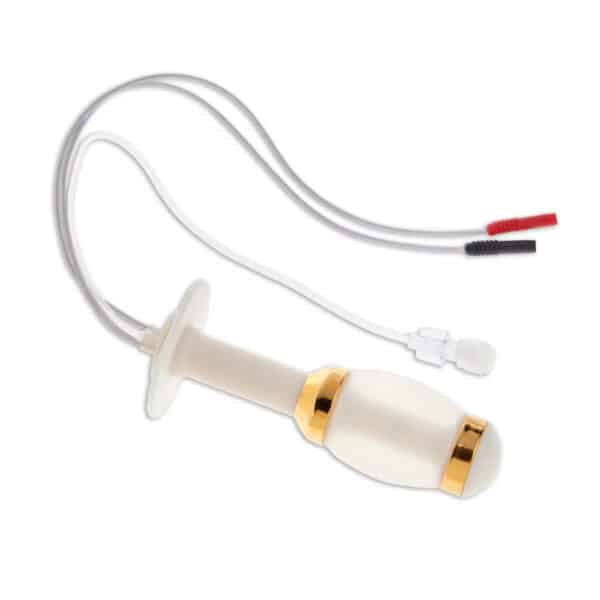
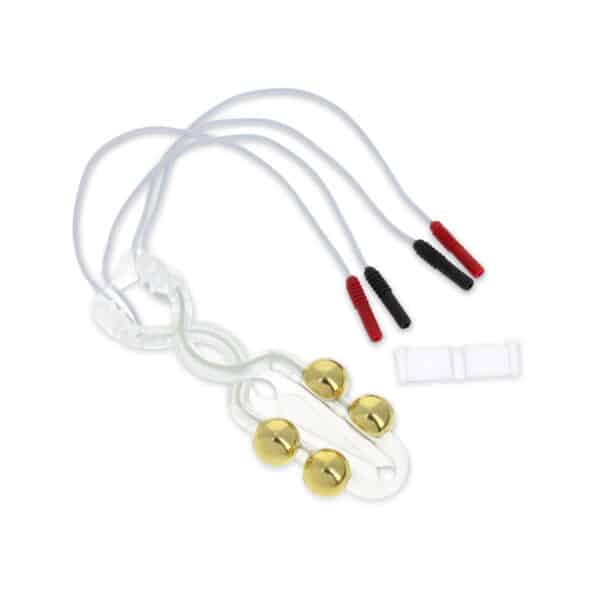
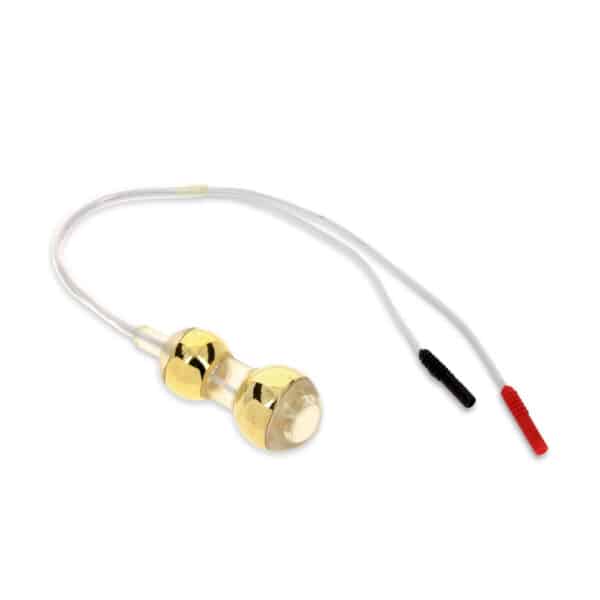
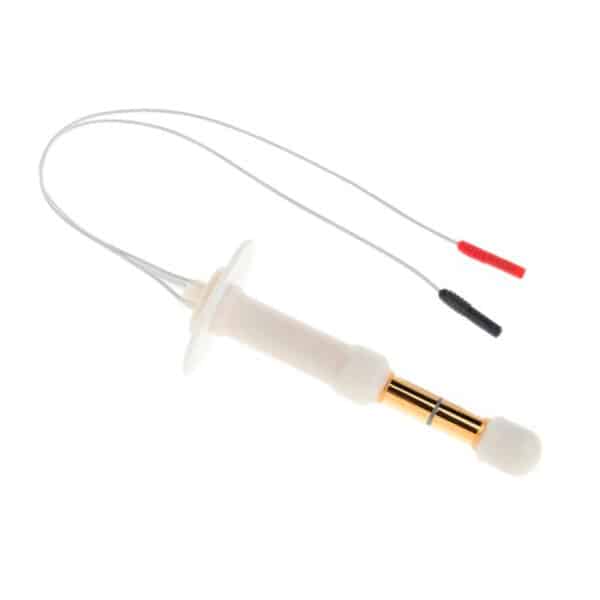
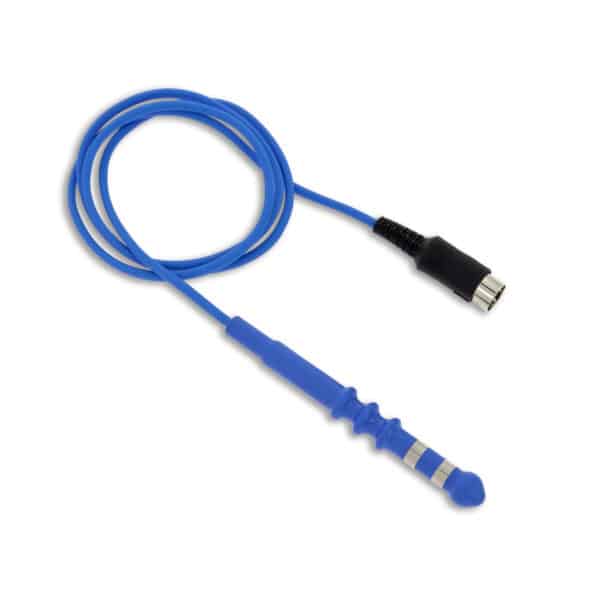
<p style=”padding-left: 40px;”>2. This is where <strong>perineal rehabilitation probes</strong> come into play: connected to a stimulator, they allow for targeted muscle training—both in the clinic and at home—to restore muscle tone and control. There are vaginal probes for women and anal probes for both women and men, depending on individual needs. This has been Sugar International’s core business for 30 years.</p>
<p>Two useful reminders: these devices are for individual use, and their purchase is covered by health insurance as a medical device when prescribed by a healthcare professional. </p>
<p>For more information, we recommend reading our article: <span style=”color: #3366ff;”><strong><a style=”color: #3366ff;” href=”https://sugar-international.com/reeducation-perineale-et-remboursement-combien-ca-coute-vraiment/” target=”_blank” rel=”noopener”>Pelvic floor rehabilitation and insurance coverage: How much does it really cost? ⬈</a></strong></span></p>

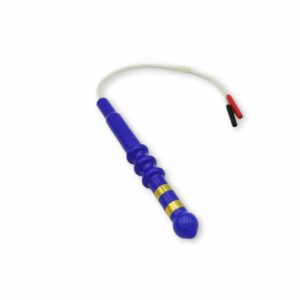
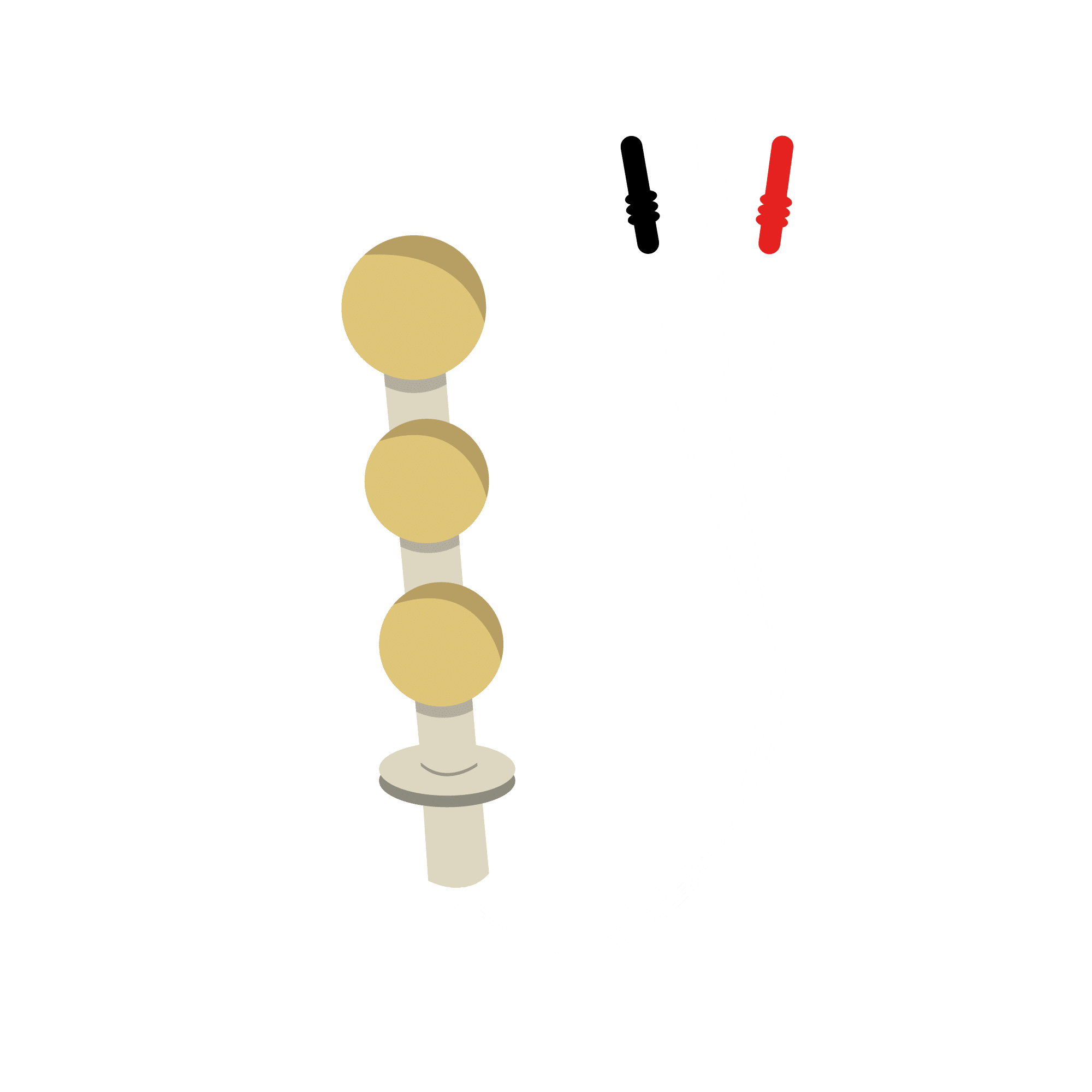
ANALYS BLUE+®
€28.33 Excl. tax-
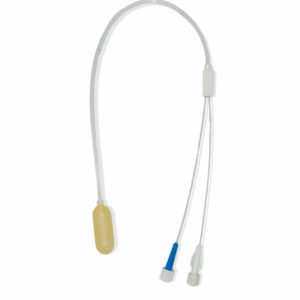
AEROLYS ANA®
€28.33 Excl. tax -
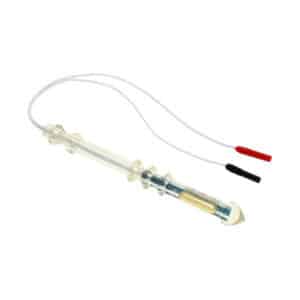
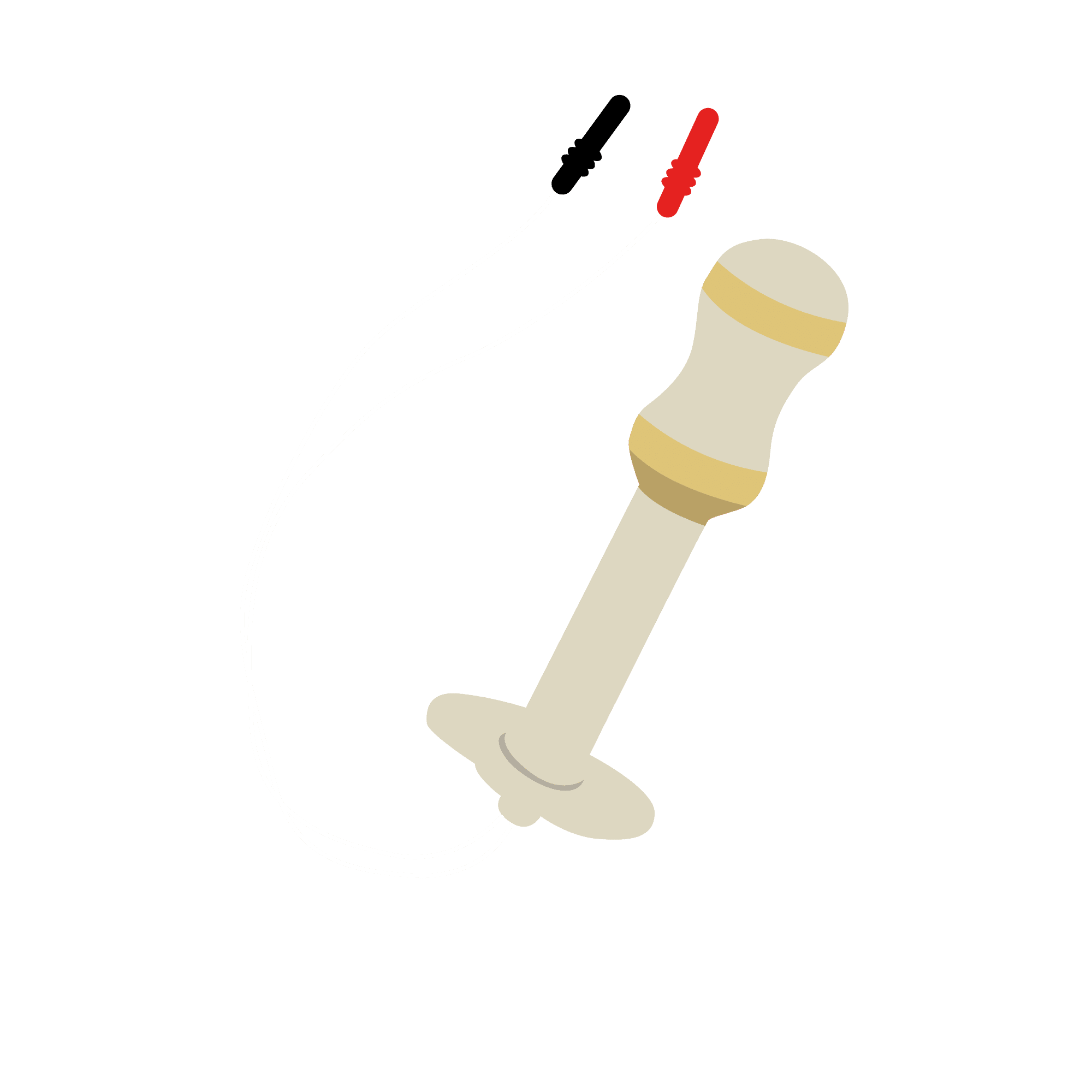
ANALYS+®
€29.17 Excl. tax
Devices that can help at home
Vaginal probes
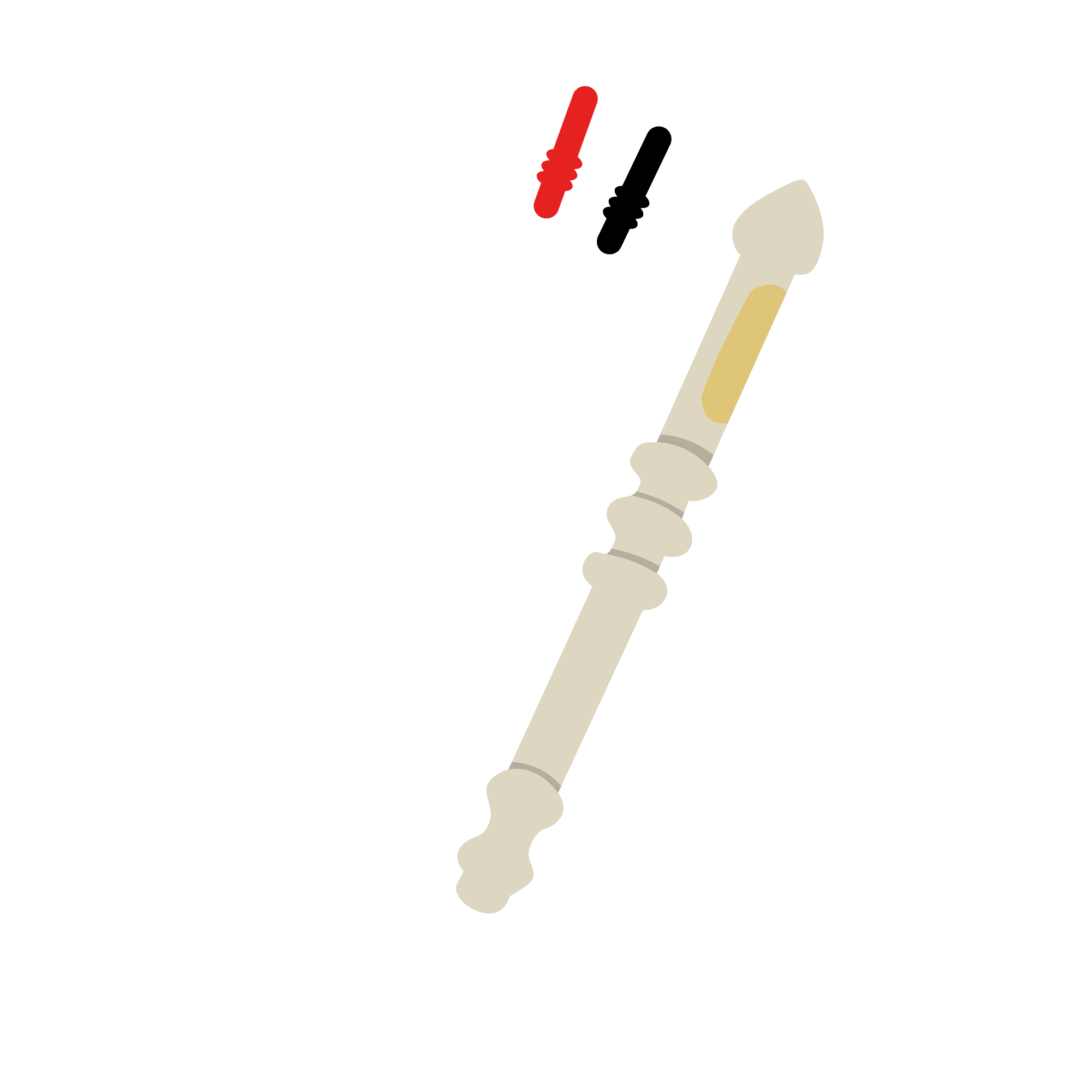
Vaginal probes are used for perineal rehabilitation in women, particularly in cases of urinary incontinence, postpartum recovery, or pelvic muscle weakness. They allow for targeted exercises using biofeedback or electrostimulation.
Anal probes
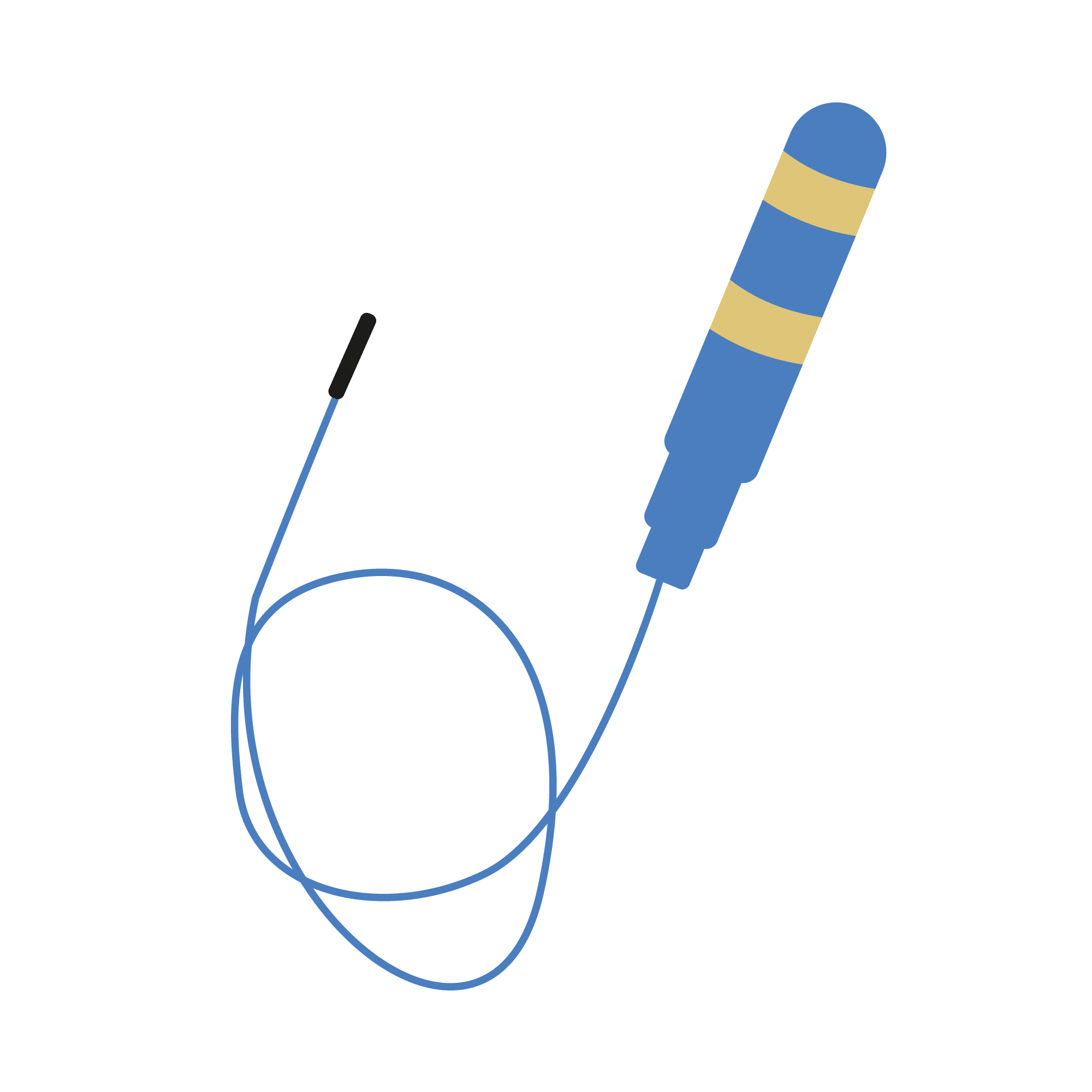
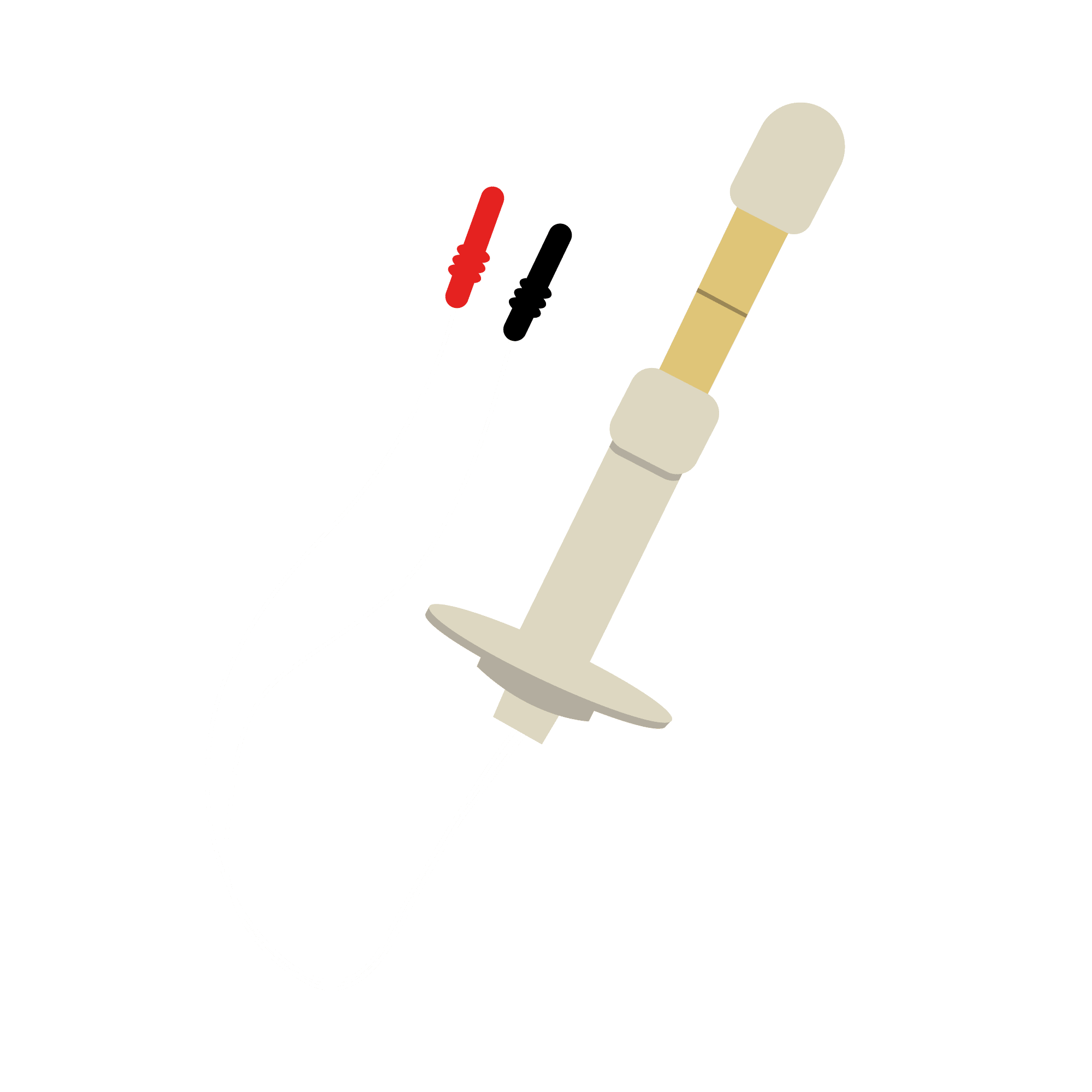
Anal probes are suitable for perineal rehabilitation in both men and women, particularly for treating urinary or fecal incontinence. They offer an effective solution for strengthening the pelvic floor muscles through electrostimulation.
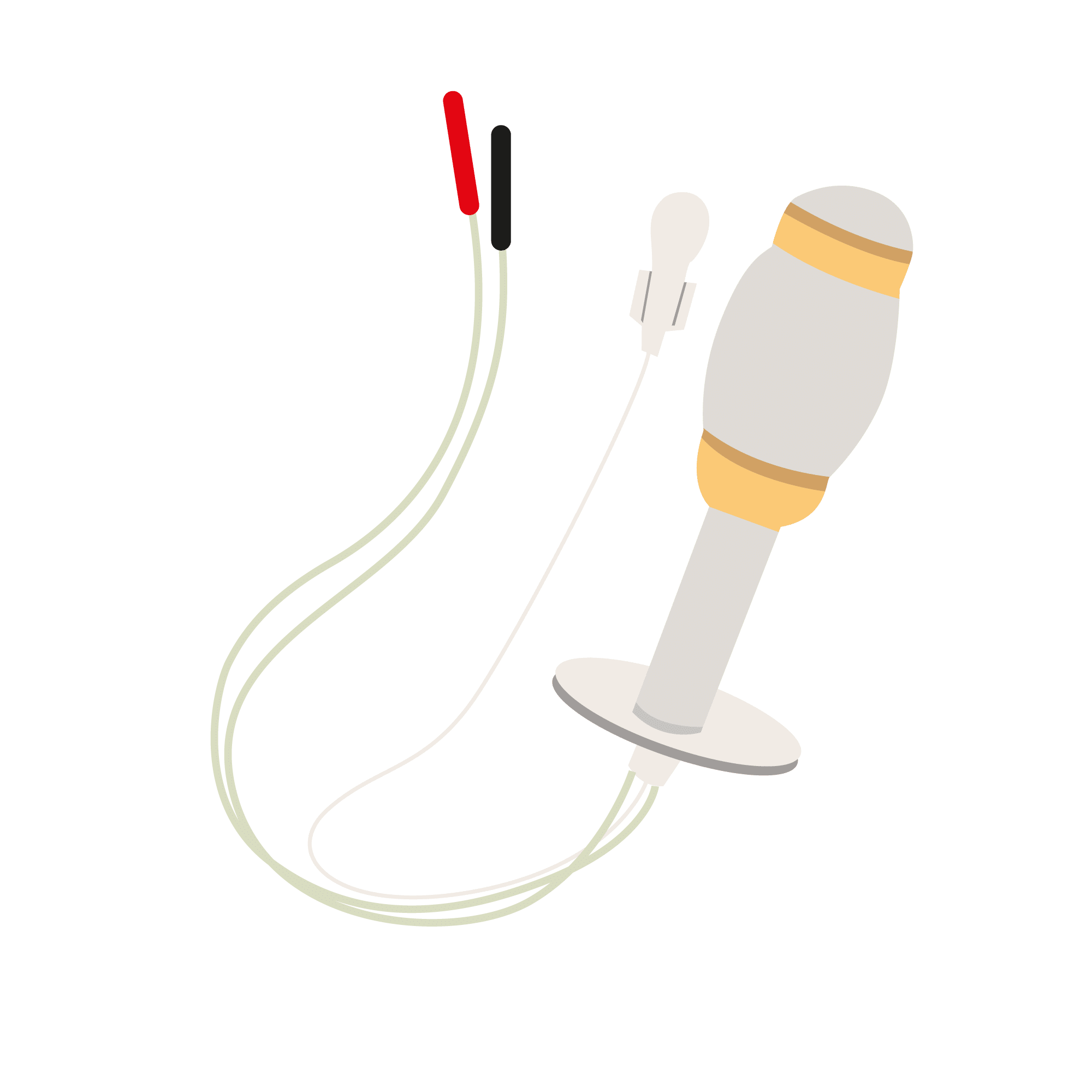
Electrostimulators
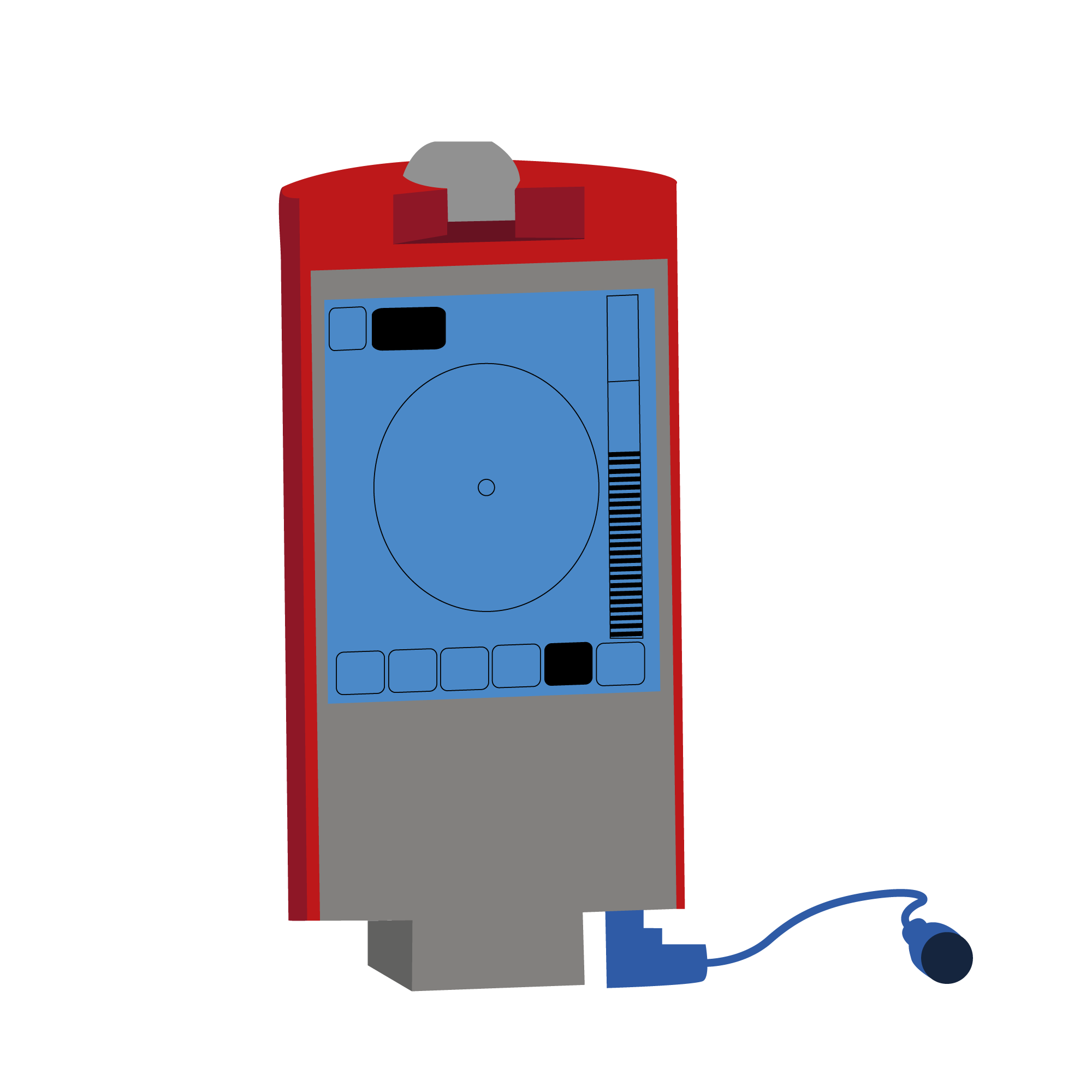
A perineal electrostimulator is a device that delivers mild electrical impulses to stimulate and strengthen the perineal muscles. It is recommended as part of a home rehabilitation program, often in conjunction with medical supervision.





Don’t let leaks make the decision for you
Too many people simply adapt in silence, learning to live with their incontinence rather than seeking treatment.
Yet talking to a professional is often the first step toward real improvement.
Your quality of life deserves this first step.
To conclude…
Urinary leakage is common but not normal: it often indicates that the pelvic floor needs to be strengthened.
By identifying the type of leakage with a professional and following a tailored rehabilitation program (exercises, biofeedback, electrical stimulation, catheters), it is possible in many cases to regain peace of mind and freedom in daily life.
→ To learn more, check out our article “Pelvic Floor Rehabilitation: Process, Steps, and Techniques ⬈ ,” and to help you get the right equipment, our guide “Which Perineal Rehab Probe Should You Choose? The Complete Guide ⬈“.
-
INTELLISTIM UG®
€255.00 Excl. tax

Frequently asked questions
Check out the questions most frequently asked by users.
Is urinary leakage normal?
No.
They are very common, but that is no reason to accept them as inevitable.
In many cases, appropriate pelvic floor rehabilitation can significantly reduce them or even make them disappear.
What is the difference between stress incontinence and urge incontinence?
<p>Stress incontinence causes leakage during physical exertion (laughing, coughing, lifting), often due to weak pelvic floor muscles.</p>
<p>Urge incontinence is characterized by a sudden, difficult-to-control urge to urinate, associated with an overactive bladder.</p>
<p>Both types can occur at the same time.</p>
Are men also affected by urinary incontinence?
Yes.
Urinary incontinence also affects men, particularly as they age or after prostate surgery. Perineal rehabilitation, using an anal catheter, can help them regain continence.
How is urinary incontinence treated?
Treatment begins with a consultation to identify the type of incontinence.
Perineal rehabilitation often involves exercises, biofeedback, and electrical stimulation using a probe connected to a stimulator, both in the clinic and at home.
Is urinary incontinence related solely to age?
No.
While age is a factor, urinary incontinence can occur at any age and for a variety of reasons (pregnancy, childbirth, intense exercise, being overweight, prostate surgery). It is therefore not limited to older adults.
Check out our blog


Lump or discomfort in the vagina: possible causes and when to see a doctor
Common Misconceptions About the Perineum: 8 Myths You Should Know
Pelvic floor and constipation: Understanding the connection and taking action

The Perineum and Sports: What Activities to Do and How to Protect It
Pelvic Floor and Pregnancy: Rehabilitation Before and After Childbirth
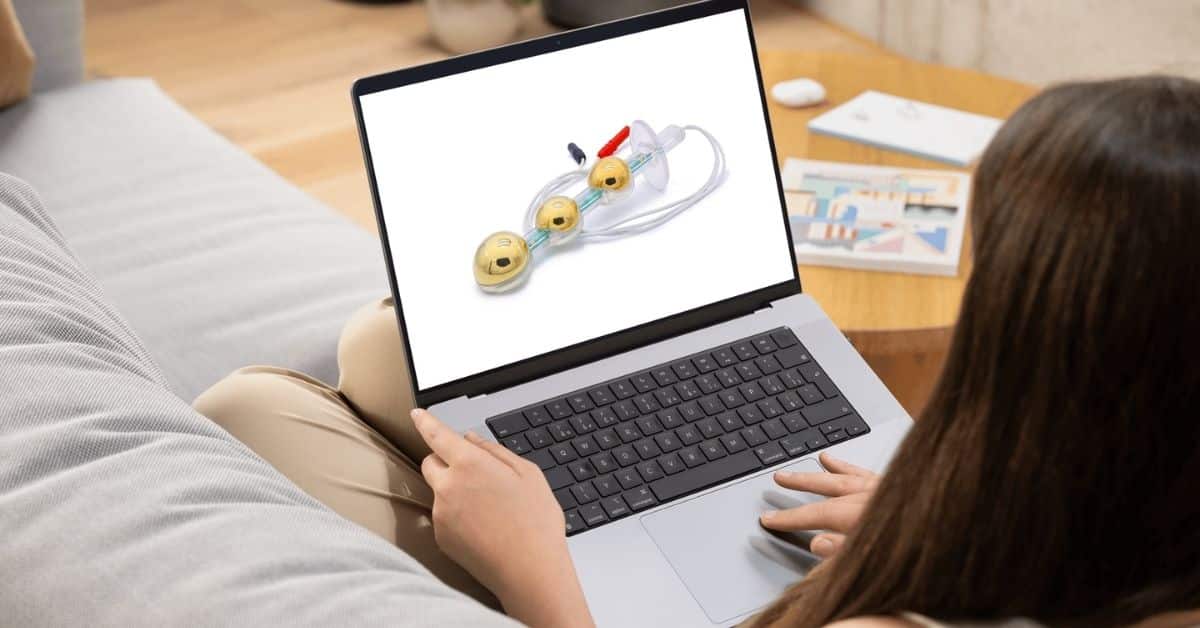
How to Use a Perineal Rehabilitation Probe: Instructions for Use
Insertion, lubrication, connection, precautions, warnings… Learn how to use your perineal rehabilitation probe correctly, step by step and safely.
Constantly contracting your pelvic floor muscles: myth or good idea?
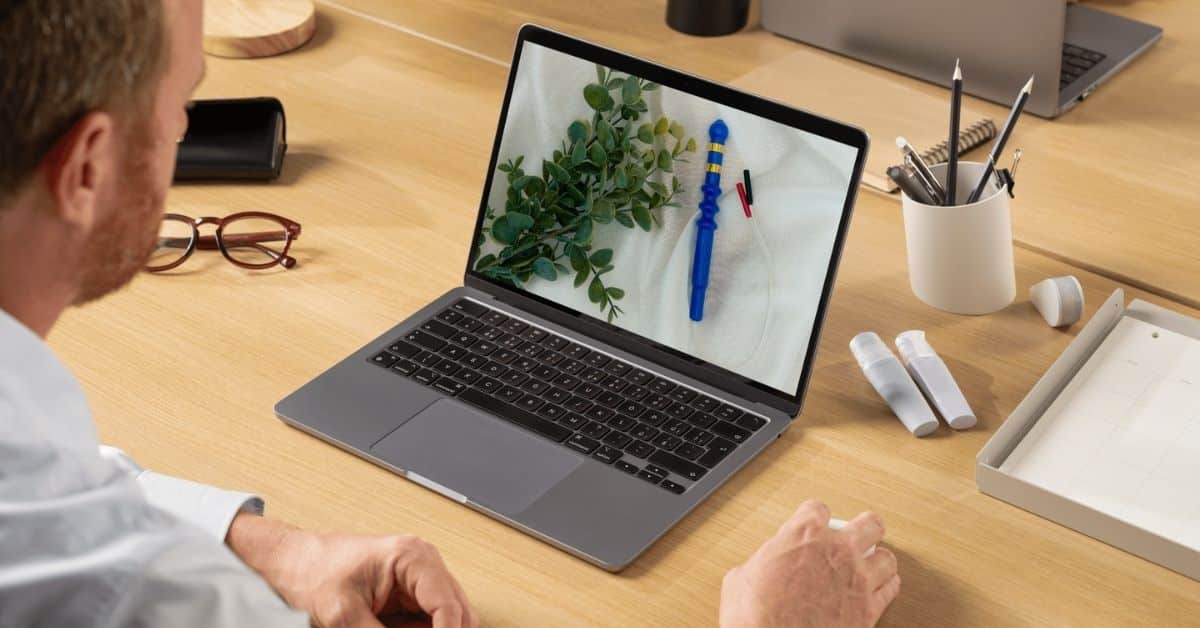
Caring for a Perineal Rehabilitation Probe: The Complete Guide
Cleaning, drying, storage, lifespan… Learn how to properly care for your pelvic floor rehabilitation probe to keep it hygienic and ensure its longevity.
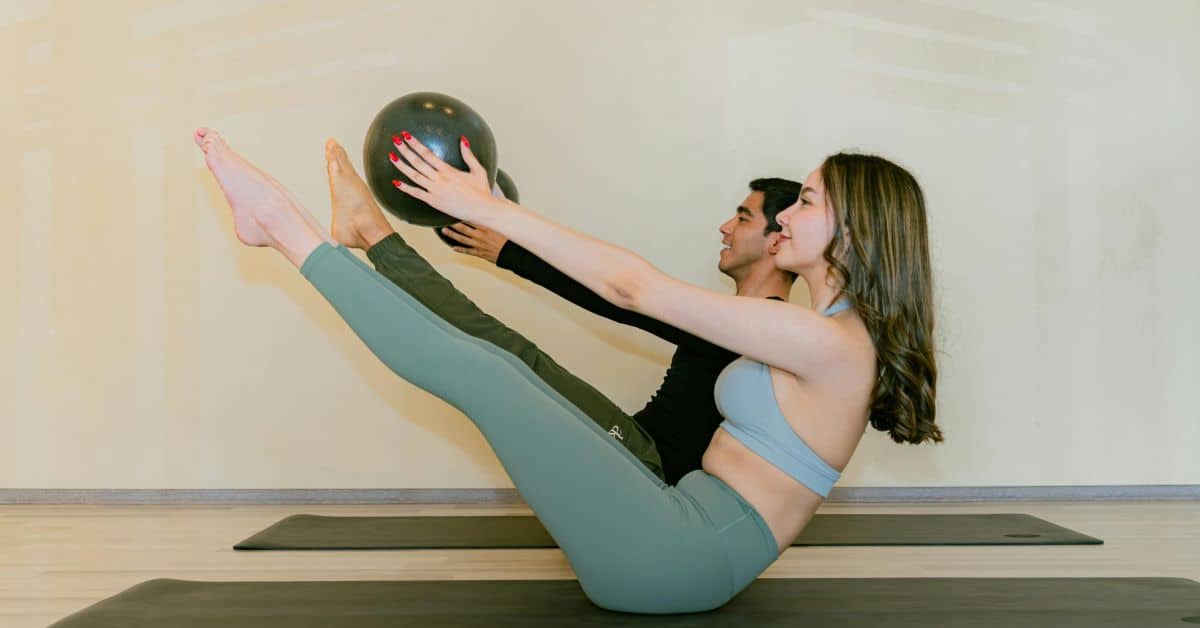
Pelvic Floor Exercises at Home: A Gentle Guide

Male Pelvic Floor: Function, Signs of Weakness, and Rehabilitation
Yes, men have a perineum! Its role, signs of weakness, rehabilitation after prostate surgery… Learn all about the male perineum.

