The Perineum and Exercise: Which Exercises Really Protect Your Pelvic Floor?
The Perineum and Sports
Does Playing Sports Necessarily Damage the Perineum?
The Perineum and Exercise: Which Exercises Really Protect Your Pelvic Floor?
Exercising is good for your health. But when it comes to the perineum, many people end up asking themselves the same question:
⇒ Can exercise weaken the pelvic floor?
Between social media posts advising you to “tighten your core constantly” and stories of urinary leakage during exercise, it’s sometimes hard to know what to believe.
And yet, this topic deserves our attention.
The perineum: a muscle that also works during exercise
The perineum is a group of muscles located at the base of the pelvis.
It plays an essential role in:
→ urinary and fecal continence
→ organ support
→ managing abdominal pressure
→ core stability
⇒ With every jump, exertion, or impact, it must absorb some of the pressure.
In other words: even if you don’t feel it, your pelvic floor is working during almost any physical activity.
Why do some people experience leakage while exercising?
During physical exertion:
→ abdominal pressure increases
→ the pelvic floor must react quickly
→ the muscles must support the organs
If this coordination is impaired:
⇒ urinary leakage may occur.
This particularly applies to:
♦ high-impact sports
♦ heavy lifting
♦ exercises performed with improper breathing
The Most Demanding Sports for the Pelvic Floor
Certain activities place greater strain on the pelvic floor.
→ Running
Repeated impacts increase pressure.
→ CrossFit and heavy weight training
Holding your breath and pushing with your abdomen can weaken the perineum.
→ Trampoline and jumping sports
Vertical pressures are significant.
→ Improperly performed sit-ups
Especially when they significantly increase downward pressure.
This doesn’t mean you have to stop these sports, but rather that you should learn to manage the exertion better.
Sports are often better tolerated
Some activities engage the pelvic floor more gently:
→ walking
→ swimming
→ adapted yoga
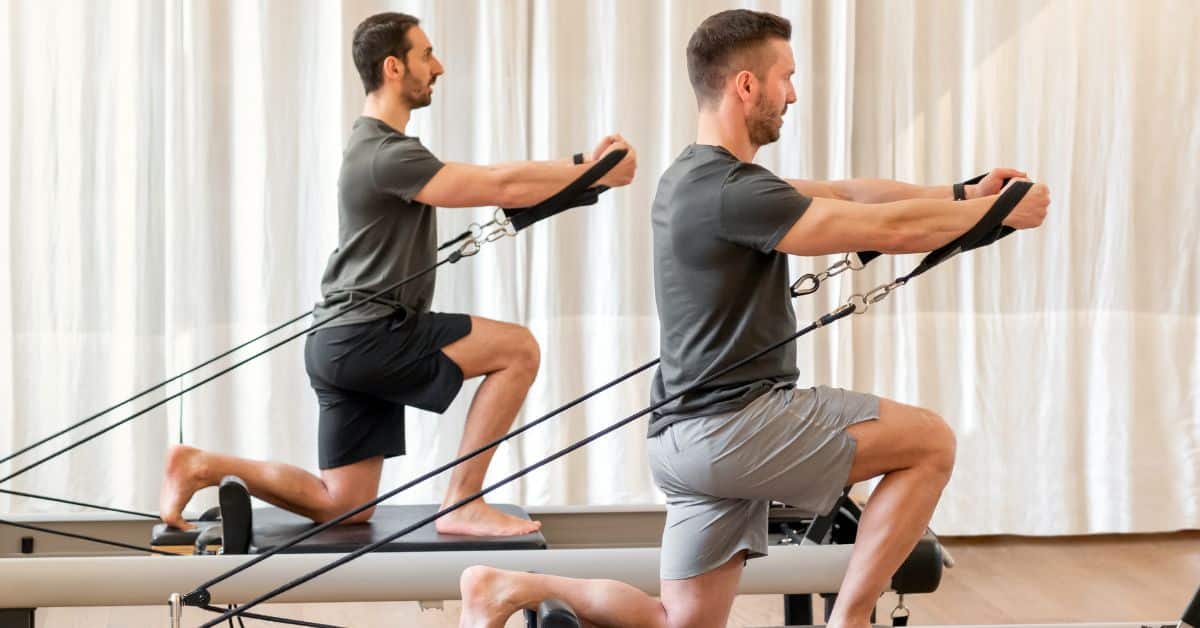
→ supervised Pilates
→ moderate cycling
The most important thing is the quality of your movement and breathing.
The “suck in your stomach” trap
On social media, we often hear:
“keep your core engaged at all times”
“suck in your stomach”
“contract your pelvic floor constantly”
But a constantly contracted pelvic floor can also be problematic.
At Sugar, we believe that a functional pelvic floor must be able to:
→ contract
→ but also relax
The body works like a spring:
if it remains constantly tense, it eventually loses its effectiveness.
How can you protect your pelvic floor while exercising?
1. Breathe Properly
Breathing is essential.
Holding your breath during physical exertion significantly increases abdominal pressure.
The goal is to learn how to:
→ exhale during exertion
→ avoid pushing downward
→ coordinate breathing and movement
2. Strengthen the pelvic floor intelligently
Pelvic floor rehabilitation can help:
→ improve muscle tone
→ enhance coordination
→ better absorb impact
It may include:
→ targeted exercises
→ postural training
→ biofeedback
→ electrostimulation
3. Adapt Certain Exercises
Sometimes, a few adjustments are all it takes:
→ reduce impact
→ adjust the load
→ correct posture
→ modify certain abdominal exercises
4. Continue the exercises at home
After an initial learning period, certain exercises can be continued at home.
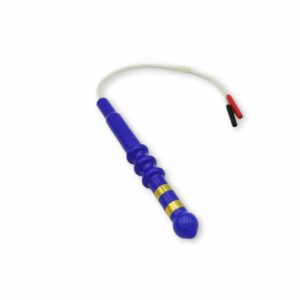
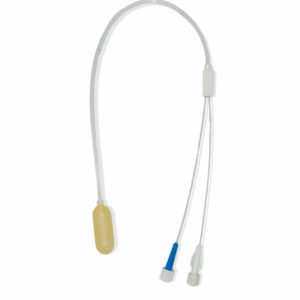
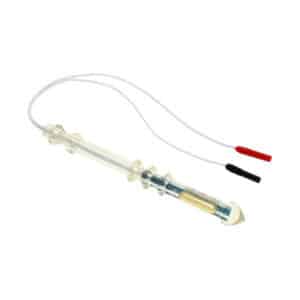
In some cases, medical devices such as perineal probes can be used to support muscle training.

TP2B+ MINIMA®
€22.50 Excl. tax-
PERISIZE 4®
€22.50 Excl. tax -
NOVATYS®
€22.50 Excl. tax -
INTELLISTIM UG®
€255.00 Excl. tax -
AIR STIM®
€38.00 Excl. tax -
OPTIMA 3®
€22.50 Excl. tax
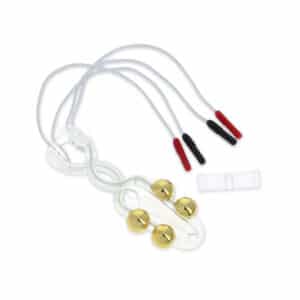
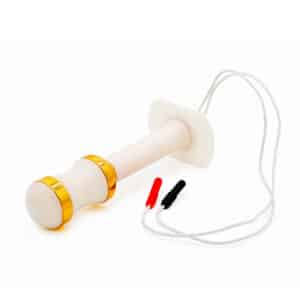

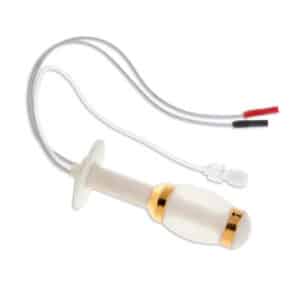
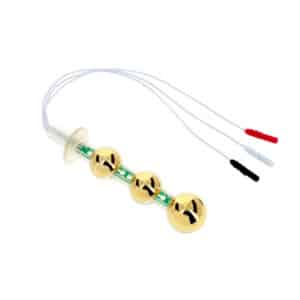
Devices that can help at home
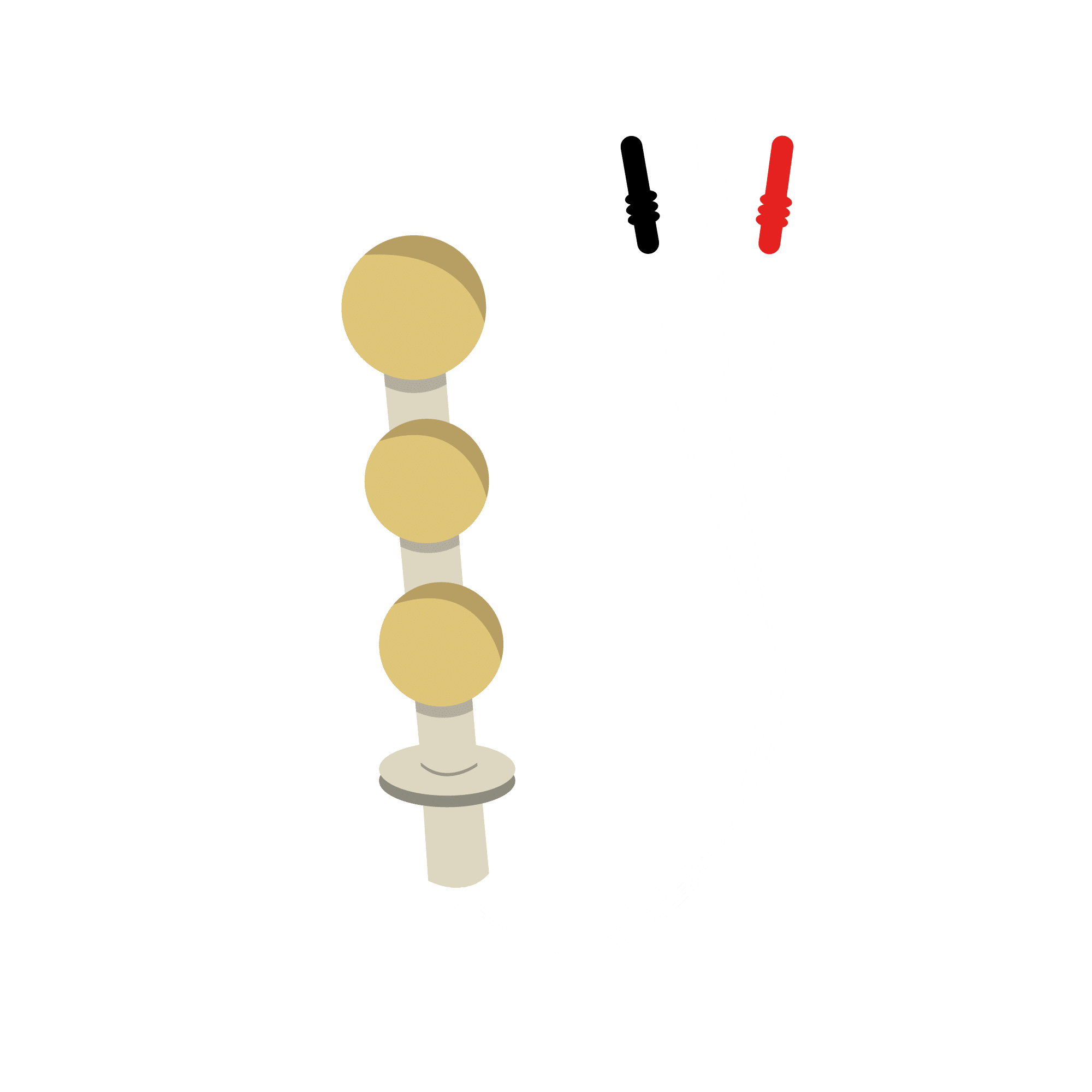
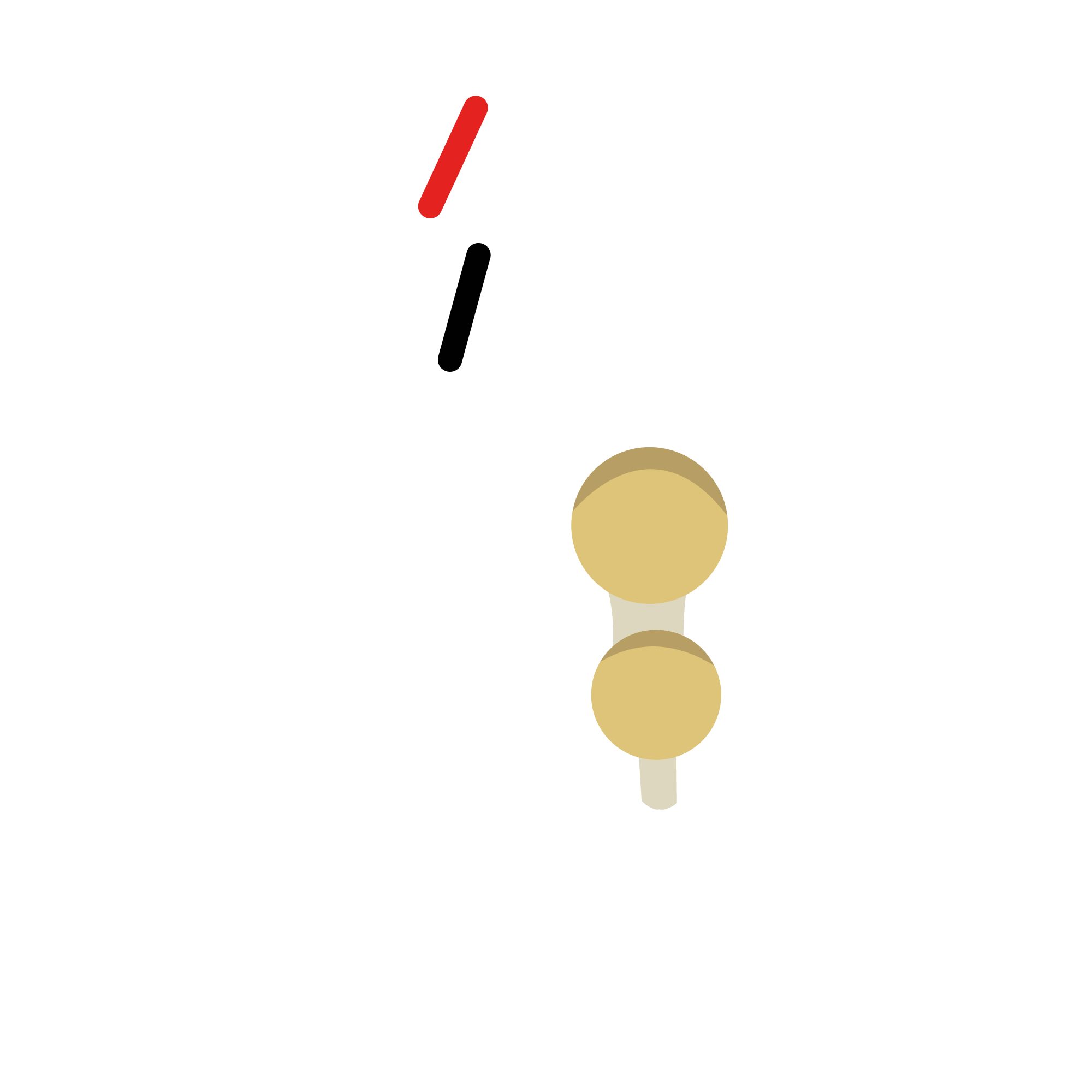
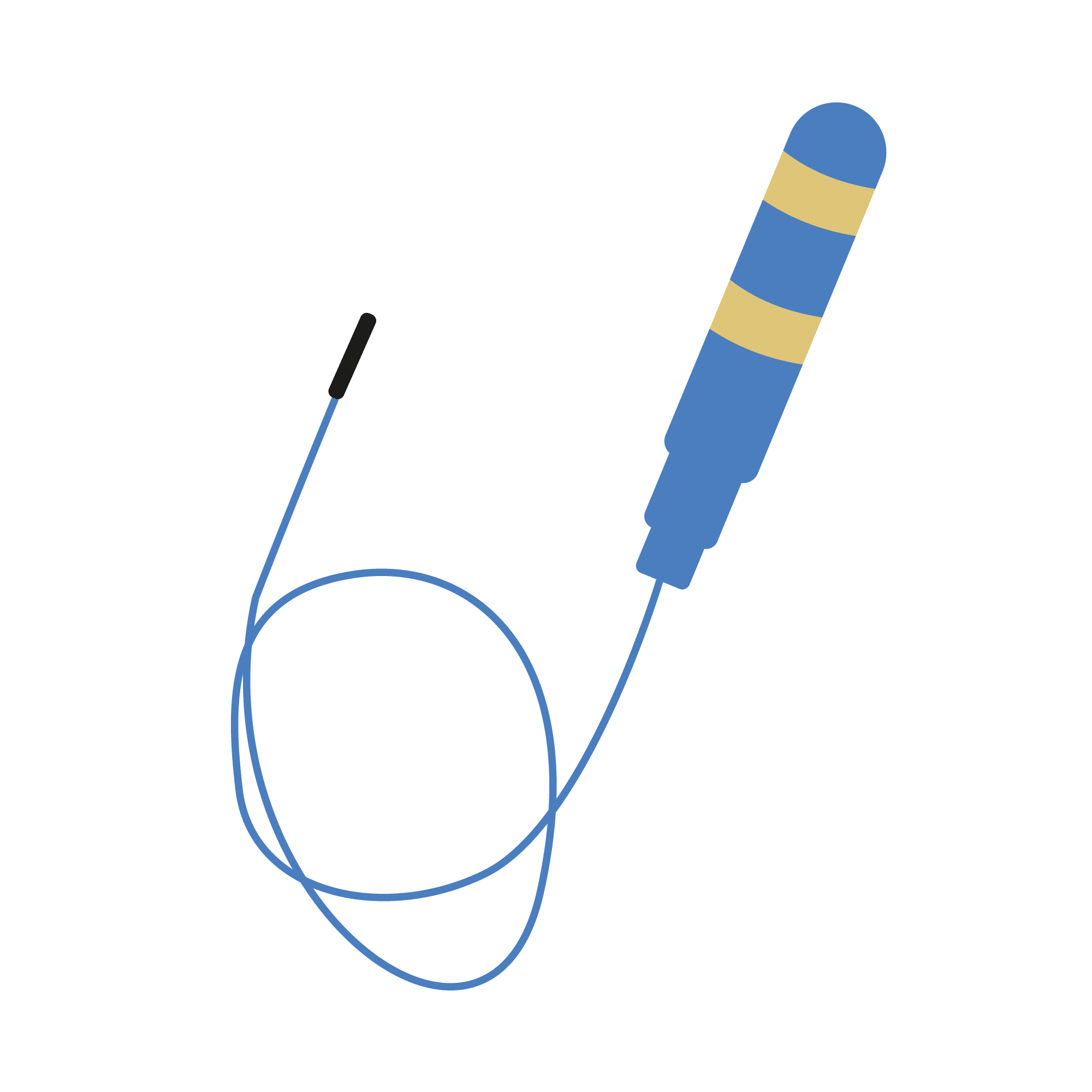
Vaginal probes
Vaginal probes are used for perineal rehabilitation in women, particularly in cases of urinary incontinence, postpartum recovery, or pelvic muscle weakness. They allow for targeted exercises using biofeedback or electrostimulation.
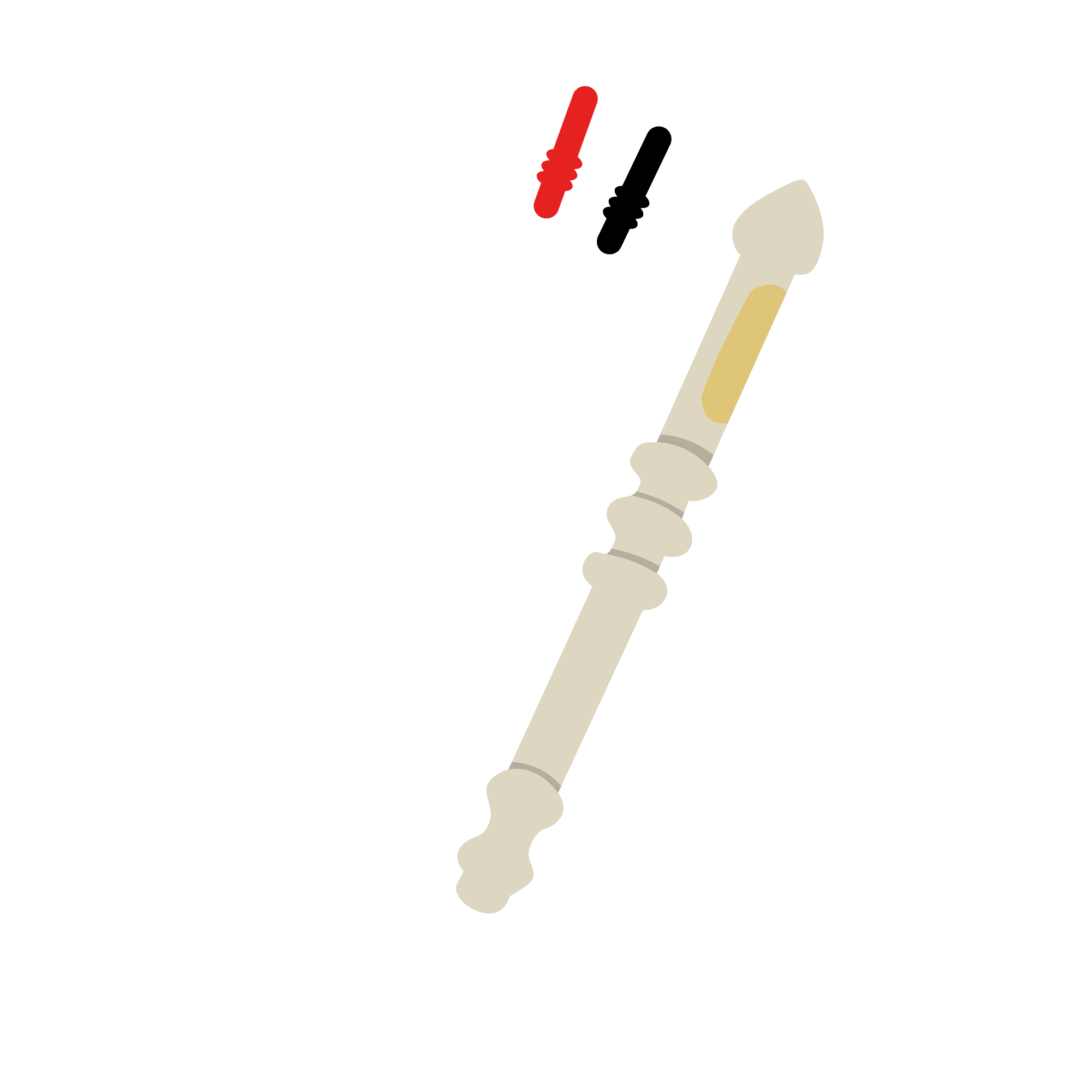
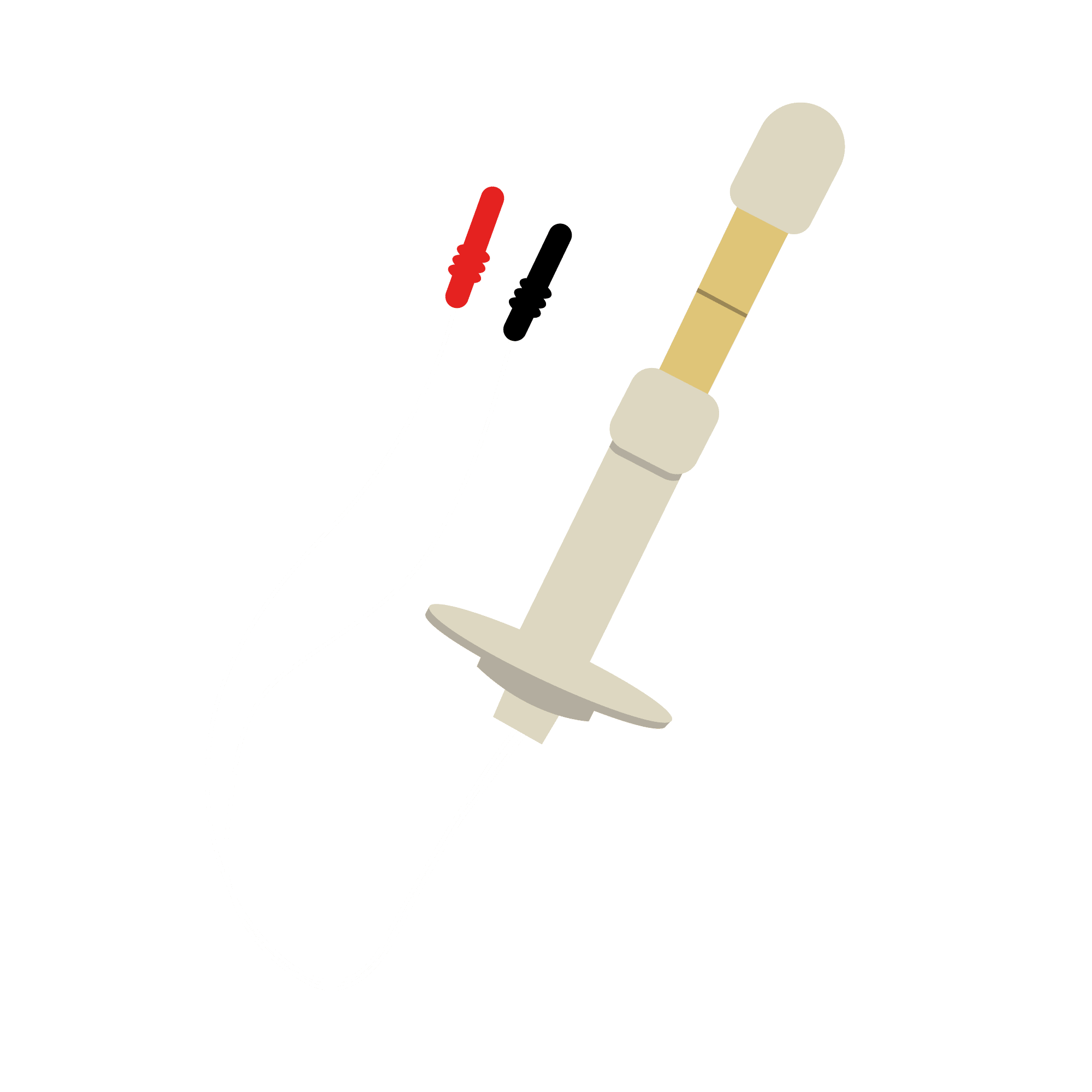
Anal probes
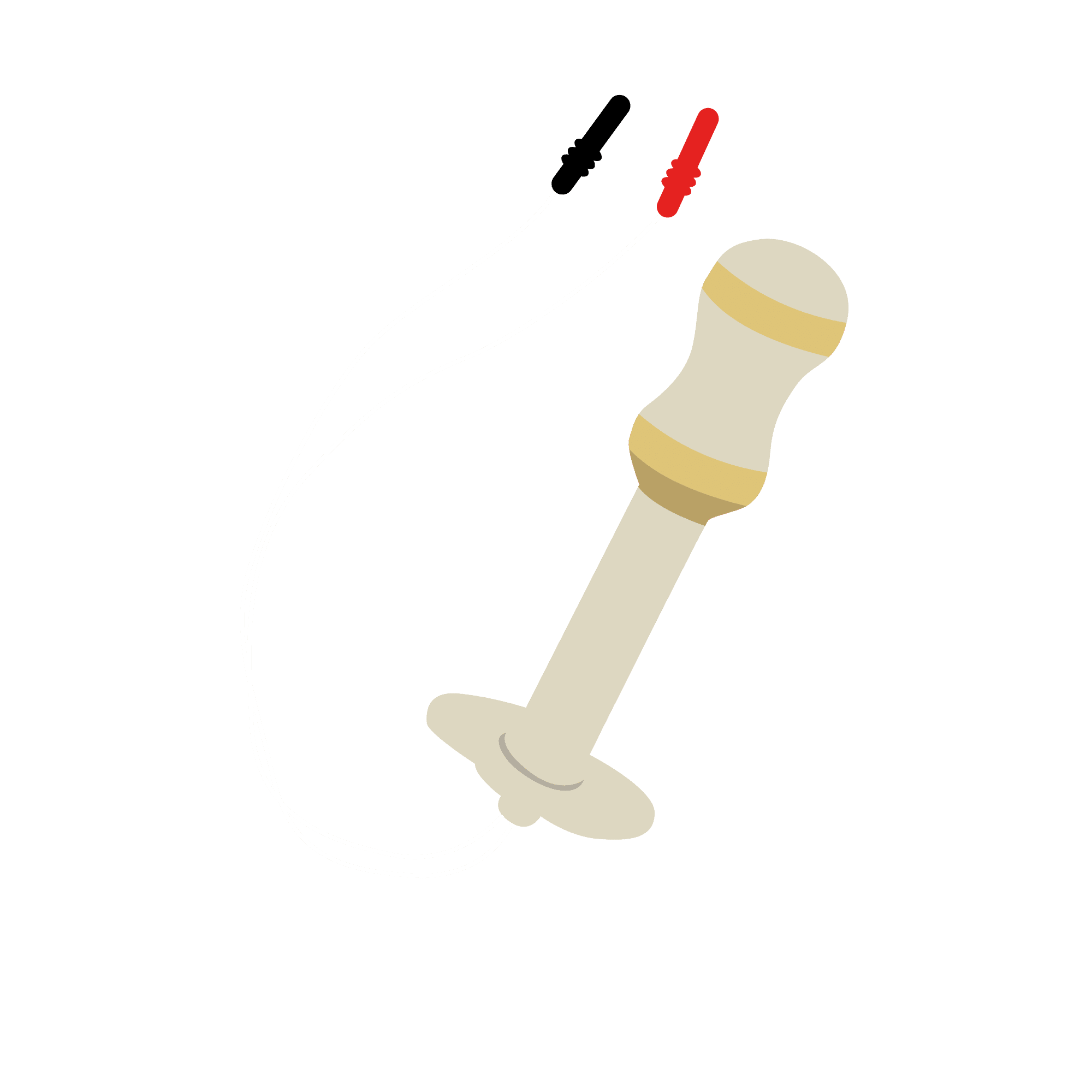
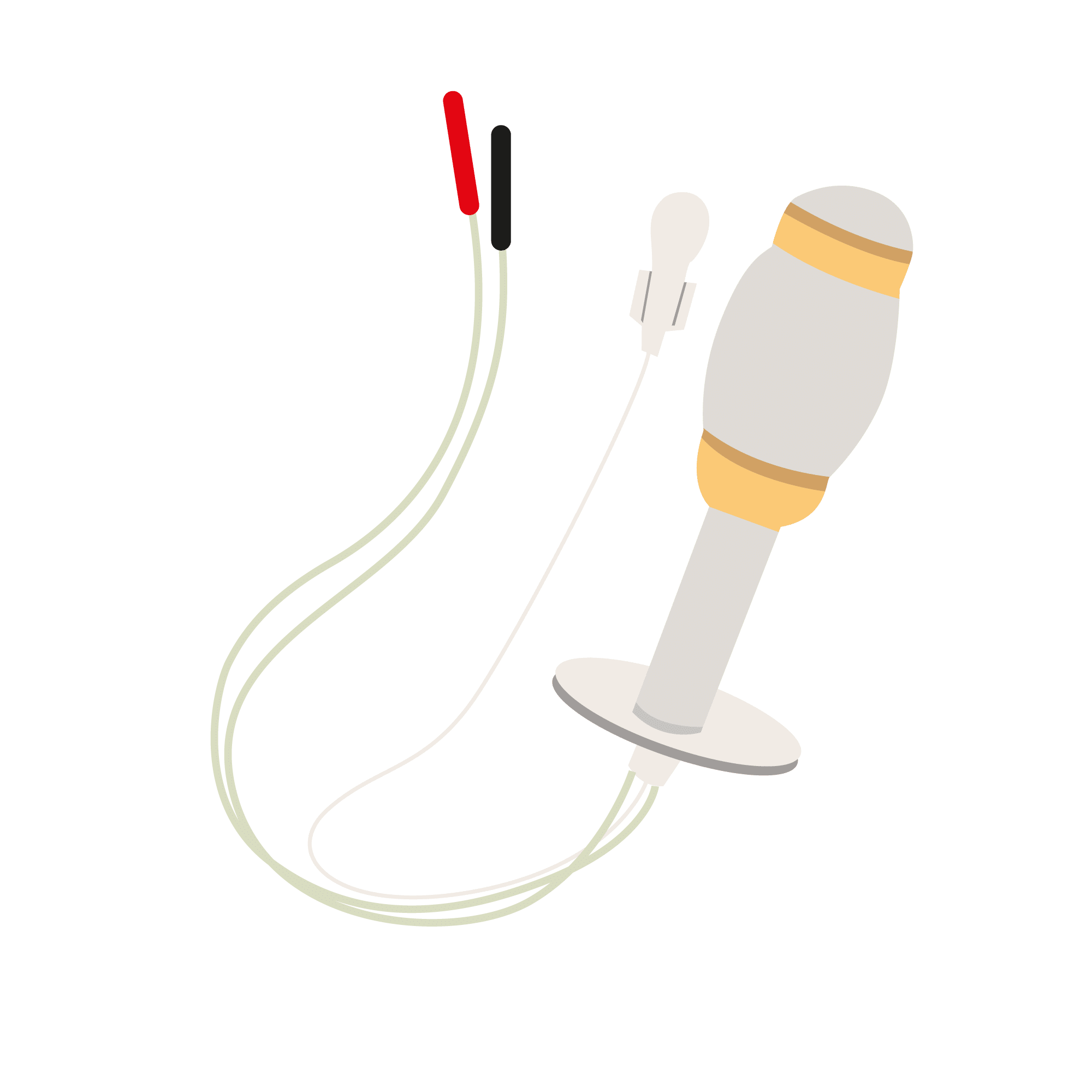
Anal probes are suitable for perineal rehabilitation in both men and women, particularly for treating urinary or fecal incontinence. They offer an effective solution for strengthening the pelvic floor muscles through electrostimulation.

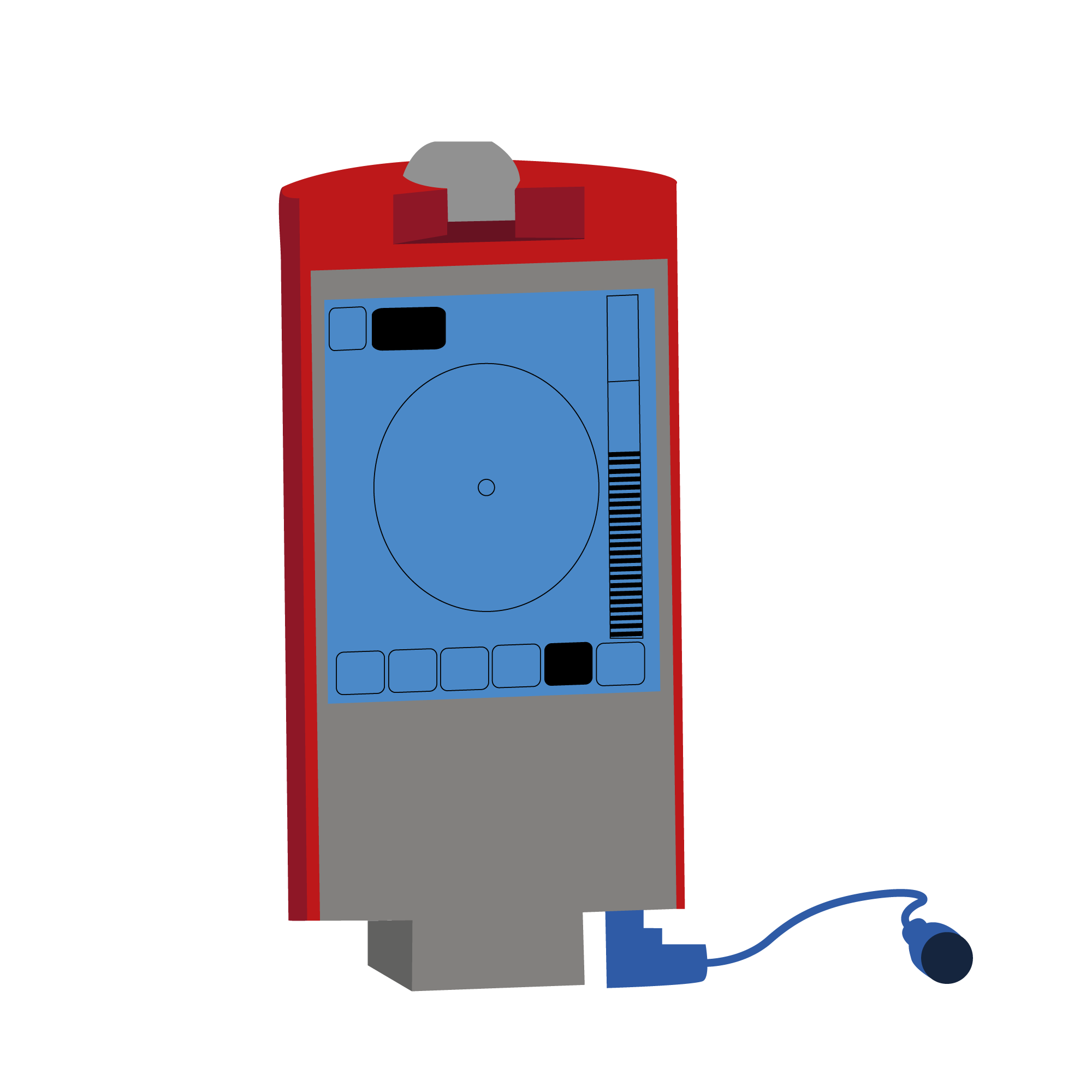
Electrostimulators
A perineal electrostimulator is a device that delivers mild electrical impulses to stimulate and strengthen the perineal muscles. It is recommended as part of a home rehabilitation program, often in conjunction with medical care.

Should you stop exercising if you have urinary incontinence?
Not necessarily.
Many people think they need to stop all physical activity completely.
However, inactivity can also weaken the body.
The main goal is:
→ to understand the cause of the symptoms
→ to adjust the intensity of exercise
→ to rehabilitate the pelvic floor if necessary
Financial Update: Prevention Is Often Less Expensive
Some people put off seeking treatment:
→ fear of the cost
→ lack of time
→ dismissing symptoms as trivial
But in the long term:
→ the problems can worsen
→ comfort decreases
→ protective gear and assistive devices are expensive
Prescribed pelvic floor rehabilitation is mostly covered by the CPAM.
Investing in your pelvic floor often means preserving your freedom of movement for years to come.
The Most Common Mistakes
→ Doing sit-ups that are too intense
→ Holding your breath
→ Thinking you have to “squeeze” all the time
→ Ignoring the first signs of leakage
A strong pelvic floor isn’t a tense one—it’s a coordinated one.
When should you see a doctor?
It is recommended that you seek consultation if:
⇒ you experience leakage during exercise
⇒ you feel a sensation of heaviness in your pelvis
⇒ certain exercises cause discomfort
⇒ you have concerns about your pelvic floor
A professional can tailor your treatment plan to your specific sports activities.
To conclude…
Exercise isn’t the enemy of your pelvic floor, but it sometimes requires more coordination than you might think.
The real goal isn’t to avoid exertion…but to learn how to better manage the pressures your body faces every day.
At Sugar, we believe that with the right support, your pelvic floor can often help you keep moving, running, and living without fear.
What if protecting your pelvic floor simply became a new way to take care of your body?
-
ANALYS BLUE+®
€28.33 Excl. tax -
AEROLYS ANA®
€28.33 Excl. tax -
ANALYS+®
€29.17 Excl. tax -
ANALYS BLUE® DIN 3
€31.67 Excl. tax

Frequently asked questions
Check out the questions most frequently asked by users.
Can exercise cause urinary incontinence?
Yes, especially high-impact sports or those performed incorrectly.
Should we stop running?
Not necessarily. Adjustments and rehabilitation can often help.
Are abdominal exercises bad for the pelvic floor?
Certain exercises can increase abdominal pressure if performed incorrectly.
Can you strengthen your pelvic floor by exercising?
Yes, as long as the exercises are appropriate.
Check out our blog

Lump or discomfort in the vagina: possible causes and when to see a doctor
Common Misconceptions About the Perineum: 8 Myths You Should Know
Pelvic floor and constipation: Understanding the connection and taking action

The Perineum and Sports: What Activities to Do and How to Protect It

Pelvic Floor and Pregnancy: Rehabilitation Before and After Childbirth
How to Use a Perineal Rehabilitation Probe: Instructions for Use
Insertion, lubrication, connection, precautions, warnings… Learn how to use your perineal rehabilitation probe correctly, step by step and safely.
Constantly contracting your pelvic floor muscles: myth or good idea?

Caring for a Perineal Rehabilitation Probe: The Complete Guide
Cleaning, drying, storage, lifespan… Learn how to properly care for your pelvic floor rehabilitation probe to keep it hygienic and ensure its longevity.