
Reimbursable perineal probe: what you need to know before buying

Can you get reimbursed for a perineal catheter?
What many patients don’t know
Reimbursable perineal catheters: what you need to know before buying
Perineal rehabilitation is one of the treatments commonly recommended for certain pelvic floor disorders, such as urinary incontinence or muscle weakness following childbirth.
In this context, some healthcare professionals may recommend the use of a perineal catheter.
But patients often ask: Is a perineal catheter covered by Medicare?
The answer is: yes, under certain conditions.
Why use a perineal probe?
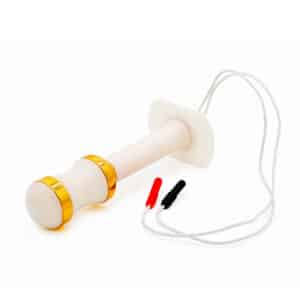
A perineal probe is a medical device used during pelvic floor rehabilitation sessions.
It can be used to:
- stimulate the perineal muscles through electrical stimulation
- measure muscle contraction using biofeedback
- help patients better sense and control their pelvic muscles
These devices are sometimes used in a clinic by a physical therapist or midwife, but also at home as part of a rehabilitation program.
According to the recommendations of many clinical practices, muscle exercises remain the foundation of treatment, and technologies such as electrostimulation or biofeedback can be used as a supplement in certain situations.
In what cases is a perineal catheter covered by insurance?
Coverage depends primarily on the doctor’s prescription and the medical indication.
In general, pelvic floor rehabilitation may be prescribed for:
- urinary incontinence
- postpartum rehabilitation
- certain types of pelvic floor weakness
- rehabilitation following certain pelvic surgeries
In these situations, a healthcare professional may deem it beneficial to use a stimulation or biofeedback device.
However, not all probes available on the market are automatically covered by insurance.
The role of a prescription
A doctor’s prescription is generally required for treatment to be covered.
This prescription may be issued by:
- a general practitioner
- a gynecologist
- a urologist
- a midwife in certain cases
It may specify:
- the need for perineal rehabilitation
- the use of a specific device
Without a prescription, the catheter is generally considered a personal purchase.
Are all probes covered by insurance?
No. Coverage depends on several factors:
- whether the device is listed on the reimbursement lists,
- the type of equipment,
- the medical prescription,
- the health insurance reimbursement policy
Some catheters used in a medical setting may be covered, but many devices sold online or in pharmacies are not automatically covered. It is therefore recommended that you check before purchasing.
How can you tell if your probe is covered?
Before making a purchase, it may be helpful to:
- ask your healthcare provider for advice,
- check whether the device is covered by insurance,
- ask your pharmacist or medical supply provider for more information.
In some cases, supplemental health insurance plans may also offer additional reimbursement.
The terms and conditions may vary depending on the policy.
Why do some people choose home dialysis?
Pelvic floor rehabilitation is often performed in a clinic, but some patients can continue their muscle exercises at home.
Using a home device can help:
- extend the exercises between sessions,
- maintain a consistent routine,
- follow a program recommended by a professional.
However, effectiveness depends largely on the correct use of the device and the consistency of the exercises.
Common mistakes to avoid before making a purchase
Before purchasing a perineal probe, people often make certain mistakes:
- buying a device without medical advice,
- choosing based solely on price,
- failing to check compatibility with the device being used,
- failing to inquire about potential coverage.
A consultation with a healthcare professional can often help avoid these situations.
A perineal probe can be a useful tool for pelvic floor rehabilitation.
However, coverage depends on several factors:
- a medical prescription,
- clinical indication,
- the type of device used.
Before purchasing, it is therefore best to consult a healthcare professional to verify whether coverage is available and whether the device is suitable for your situation.
Perineal rehabilitation remains, above all, a comprehensive support program, in which exercises and professional monitoring play a central role.
To conclude…
A perineal probe can be a useful tool in pelvic floor rehabilitation.
However, coverage depends on several factors:
- a doctor’s prescription,
- clinical indication,
- the type of device used.
Before purchasing, it is therefore best to consult a healthcare professional to verify whether coverage is available and whether the device is suitable for your situation.
Perineal rehabilitation remains, above all, a comprehensive approach, in which exercises and professional monitoring play a central role.

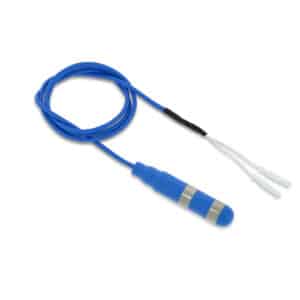
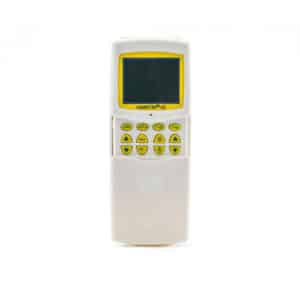
3AT2B®
25,00 € HT-
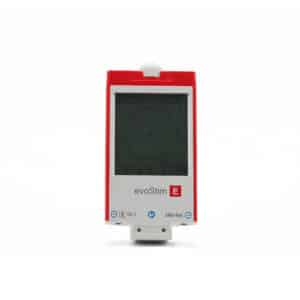
EVOSTIM E®
283,33 € HT -
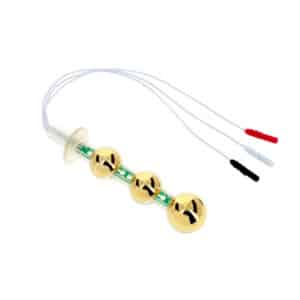
OPTIMA 3®
22,50 € HT -
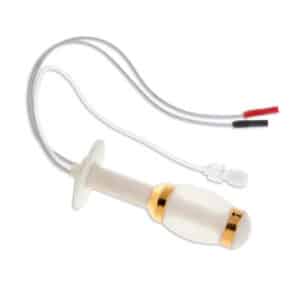
AIR STIM®
38,00 € HT -
INTELLISTIM UG®
255,00 € HT -
NOVATYS®
22,50 € HT
Frequently asked questions
Check out the questions most frequently asked by users.
Do you need a prescription to buy a perineal catheter?
No, some test kits can be purchased over the counter.
However, a prescription is usually required to qualify for coverage.
Does Social Security still cover the cost of the catheter?
Not always.
Coverage depends on the medical indication and the device used.
Can a perineal probe be used alone at home?
In some cases, yes, but ideally this should be done after consulting with a healthcare professional to ensure that the use is appropriate.
How much does a perineal probe cost?
Prices may vary depending on the type of device and the technology used.
Check out our blog

Pelvic floor and constipation: Understanding the connection and taking action

The Perineum and Sports: What Activities to Do and How to Protect It

Pelvic Floor and Pregnancy: Rehabilitation Before and After Childbirth
How to Use a Perineal Rehabilitation Probe: Instructions for Use
Insertion, lubrication, connection, precautions, warnings… Learn how to use your perineal rehabilitation probe correctly, step by step and safely.

Constantly contracting your pelvic floor muscles: myth or good idea?
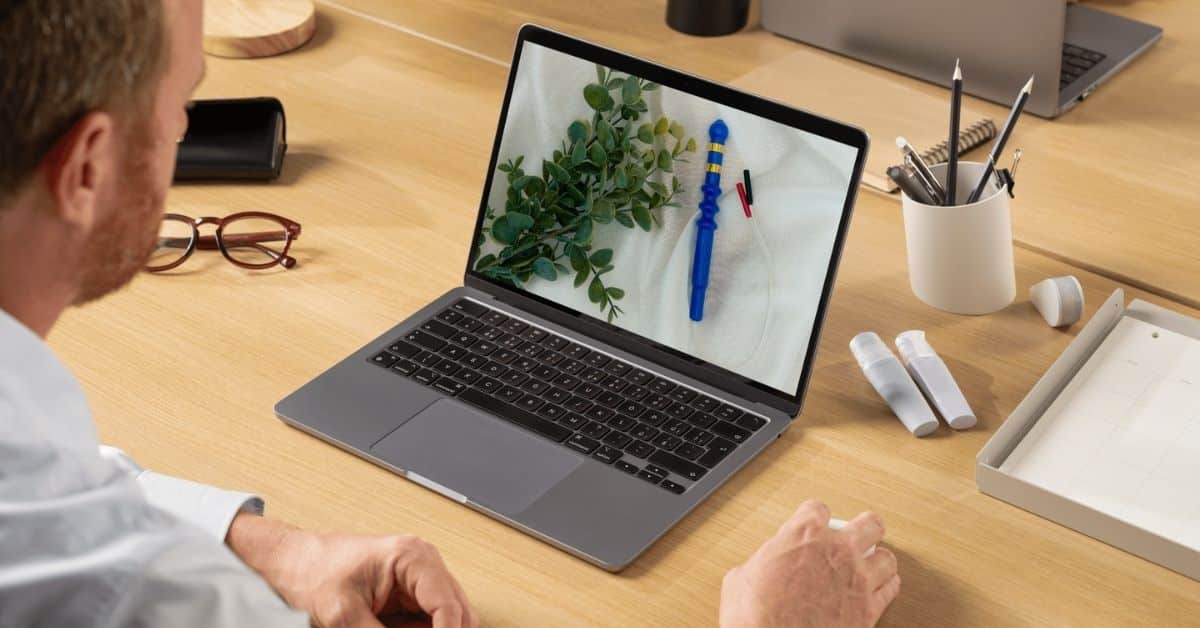
Caring for a Perineal Rehabilitation Probe: The Complete Guide
Cleaning, drying, storage, lifespan… Learn how to properly care for your pelvic floor rehabilitation probe to keep it hygienic and ensure its longevity.

Pelvic Floor Exercises at Home: A Gentle Guide
Urinary Incontinence: Causes, Forms, and Solutions

Male Pelvic Floor: Function, Signs of Weakness, and Rehabilitation
Yes, men have a perineum! Its role, signs of weakness, rehabilitation after prostate surgery… Learn all about the male perineum.

Which Perineal Rehabilitation Probe Should You Choose? The Complete Guide
Vaginal or anal? Electrostimulation or biofeedback? Find out how to choose the perineal rehabilitation probe that best suits your needs.

