Biofeedback or electrical stimulation: What’s the difference in perineal rehabilitation?

Published on November 9, 2026 · Reading time: 6 minutes.
Biofeedback and Perineal Electrostimulation:
Differences and Role in Perineal Health
Your physical therapist or midwife mentions biofeedback, electrical stimulation, and a probe… and you’re not quite sure what to expect?
Don’t panic!
→ In short: biofeedback helps you see and control your pelvic floor contractions, while electrostimulation works your muscles using a mild electrical current. These two complementary techniques are often used with the same probe.
We’ll explain everything, simply.
Please read this first: This article is for informational purposes only and is not a substitute for medical advice. The choice of techniques and catheter is always up to the healthcare professional treating you, following an evaluation.
What exactly is perineal rehabilitation?
Perineal rehabilitation aims to strengthen and improve control of the pelvic floor muscles, which support the organs and help retain urine.
According to the French National Health Insurance, perineal-sphincter rehabilitation is the initial treatment for stress urinary incontinence. It is also recommended for urinary urgency or mixed incontinence.
It is performed by a physical therapist or a midwife and involves several methods: contraction exercises, manual therapy, advice on daily living… and, as needed, two instrumental techniques: biofeedback and electrostimulation.
Electrostimulation: gently reawakening the muscles
The principle
Electrostimulation uses a mild electrical current, delivered by the probe, to stimulate the pelvic floor muscles.
⇒ You’ll feel a tingling sensation or a contraction, but it shouldn’t be painful: the intensity is adjusted based on how it feels to you.
According to the ANAES report, it can be used for two different purposes, depending on the frequency of the current:
♦ Strengthening the muscles: the current causes a muscle contraction. This is useful when the pelvic floor is very weak or when you are not yet able to contract it voluntarily.
♦ Calming an overactive bladder: at a different frequency, the current helps inhibit involuntary bladder contractions in cases of urinary urgency.
What is it for?
→ Help people who have no sensation in their pelvic floor become aware of it.
→ Strengthen a weakened pelvic floor, for example after childbirth or prostate surgery.
→ Reduce the urge to urinate associated with an overactive bladder.
According to the ANAES, electrostimulation for strengthening purposes is effective, provided that the frequencies appropriate for each type of incontinence are used. This is why it’s so important to be monitored by a trained professional.
Contraindications
Electrostimulation is not for everyone. The ANAES report specifically mentions:
- pregnancy;
- the presence of a pacemaker;
- reduced sensitivity in the perineum (perineal hypoesthesia).
Your healthcare provider will always check these points before beginning treatment.
Biofeedback: see your pelvic floor at work
The principle
The perineum is a muscle you can’t see, and one that’s often hard to feel.
As a result: many people think they’re contracting it when they’re actually pushing, clenching their buttocks, or sucking in their stomach!
→ Biofeedback solves this problem.
According to the ANAES report, it “allows for the objective measurement of pelvic floor muscle contraction.” In other words, a sensor placed in the vagina or anus detects your muscle activity, and the device translates it in real time into a curve or signal on a screen.
→ When you contract, the curve rises. When you relax, it drops.
What is it for?
→ Learn to contract your pelvic floor muscles properly, without relying on your abs or glutes.
→ Track your progress from session to session, which is very motivating.
→ Work on relaxation as well, which is just as important as contraction.
According to the ANAES, instrumental biofeedback improves urinary control in cases of stress or mixed incontinence, and it is more effective than simple verbal instructions.
What happens during a session?
The instructor asks you to perform specific exercises:
→ contract strongly,
→ hold,
→ relax completely,
→ contract quickly…
You monitor your curve on the screen and adjust your effort.
It’s a bit like a game: you learn by seeing the results of your efforts.
Biofeedback vs. Electrostimulation: the showdown br>
| Biofeedback | Electrostimulation | |
|---|---|---|
| What makes the muscle work? | You, voluntarily | The electric current |
| What you feel | Nothing in particular: you contract the muscle yourself | A tingling sensation or a contraction |
| Main goal | To learn how to control your pelvic floor | To strengthen the muscle or calm the bladder |
| Ideal for | Learning the correct techniques and tracking your progress | Very weak pelvic floor muscles or a strong urge to urinate |
| Equipment | A probe connected to a device | A probe connected to a device |
So, which one should you choose?
Good news: you don’t have to choose! The two techniques are complementary and are often used together during the same rehabilitation program.
⇒ For example, electrical stimulation can help “awaken” an unresponsive pelvic floor, and then biofeedback takes over to help you learn how to contract it voluntarily.
An important point highlighted by the ANAES: active exercises remain more effective than electrostimulation for building muscle strength.
These devices are valuable tools, but nothing can replace your own efforts—guided by a professional—both during sessions and at home.
→ Your physical therapist or midwife will, after an assessment, decide which techniques are best suited to your situation, as well as the number of sessions and the type of probe.
What about the probe?
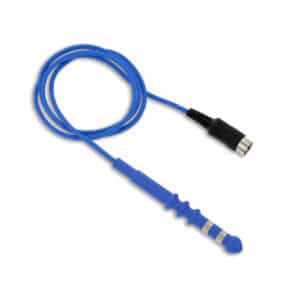
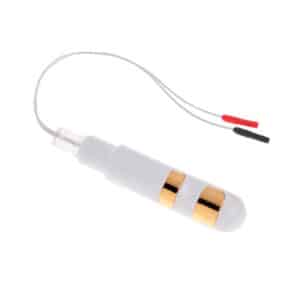
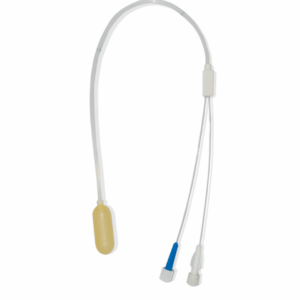
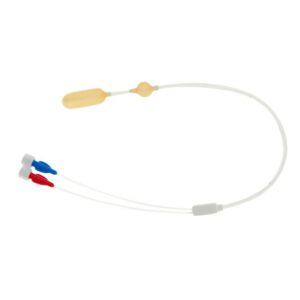
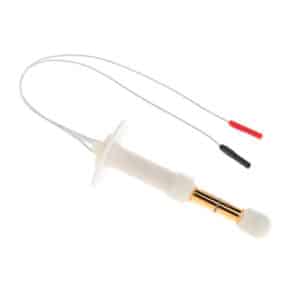
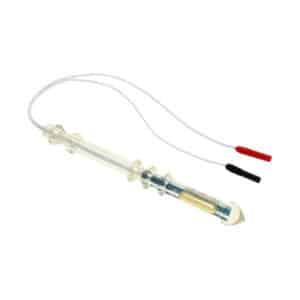
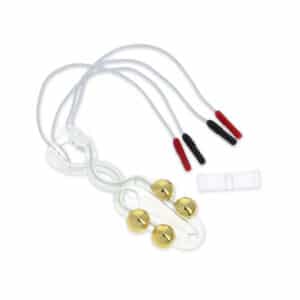
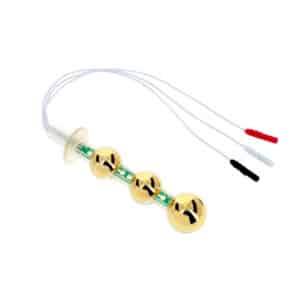
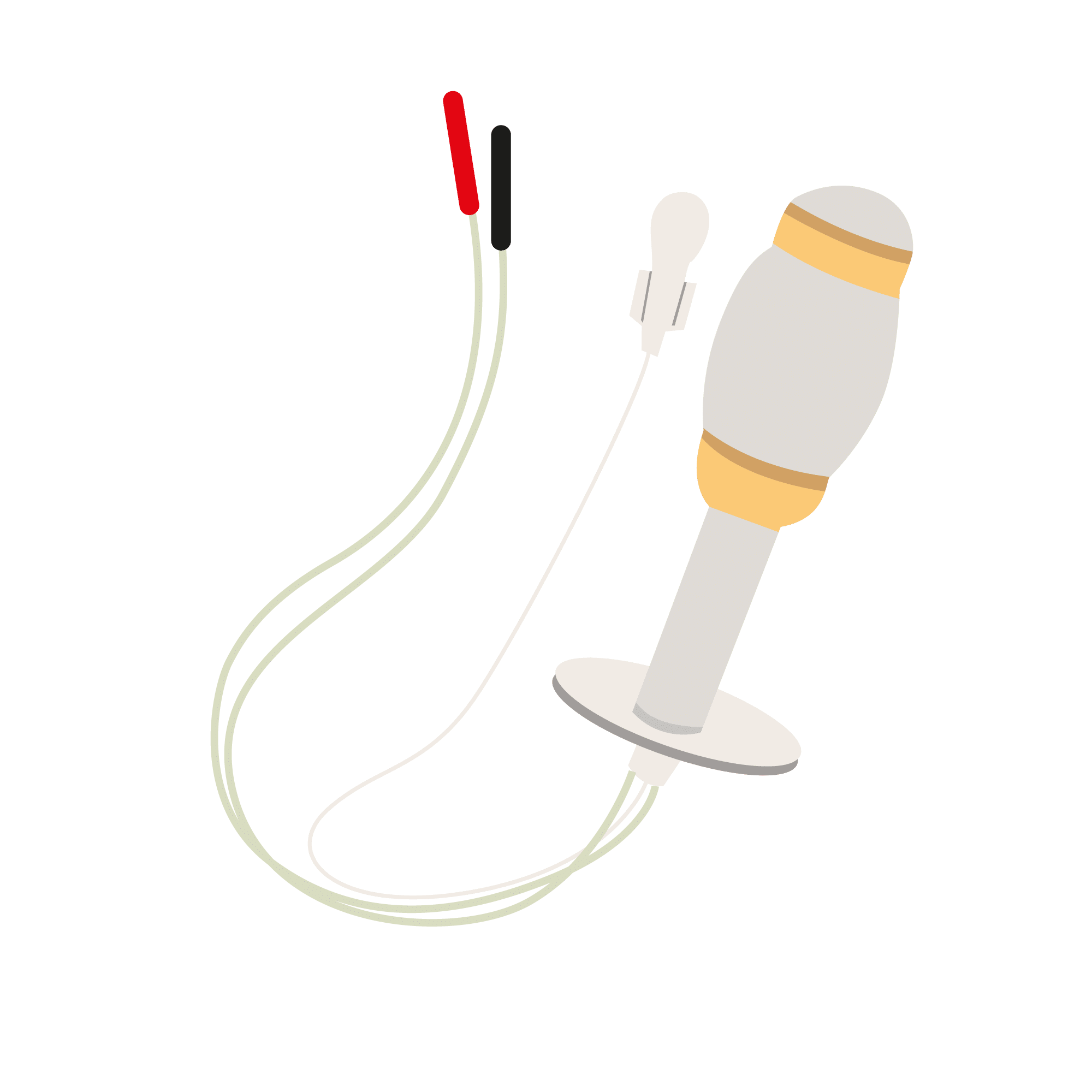
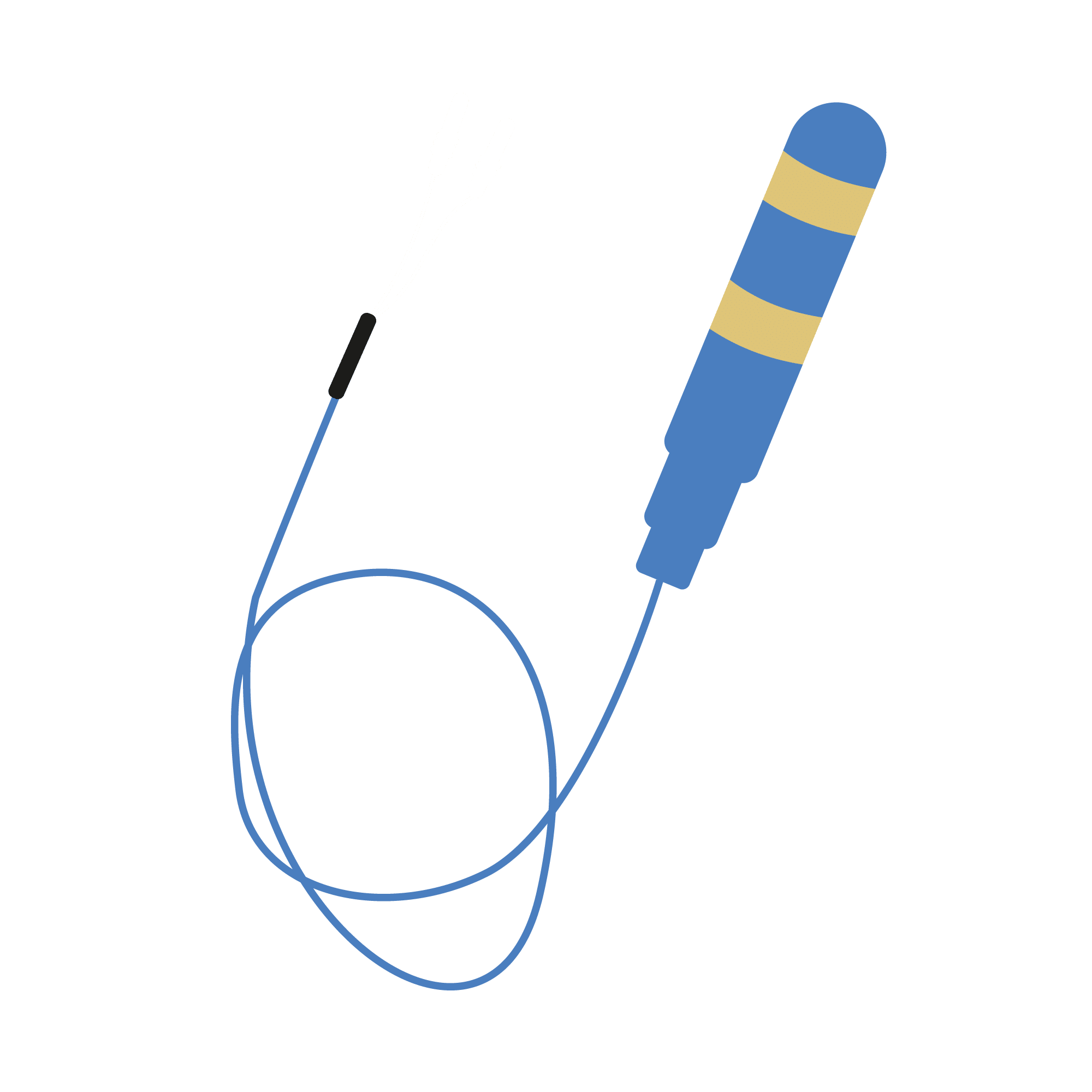
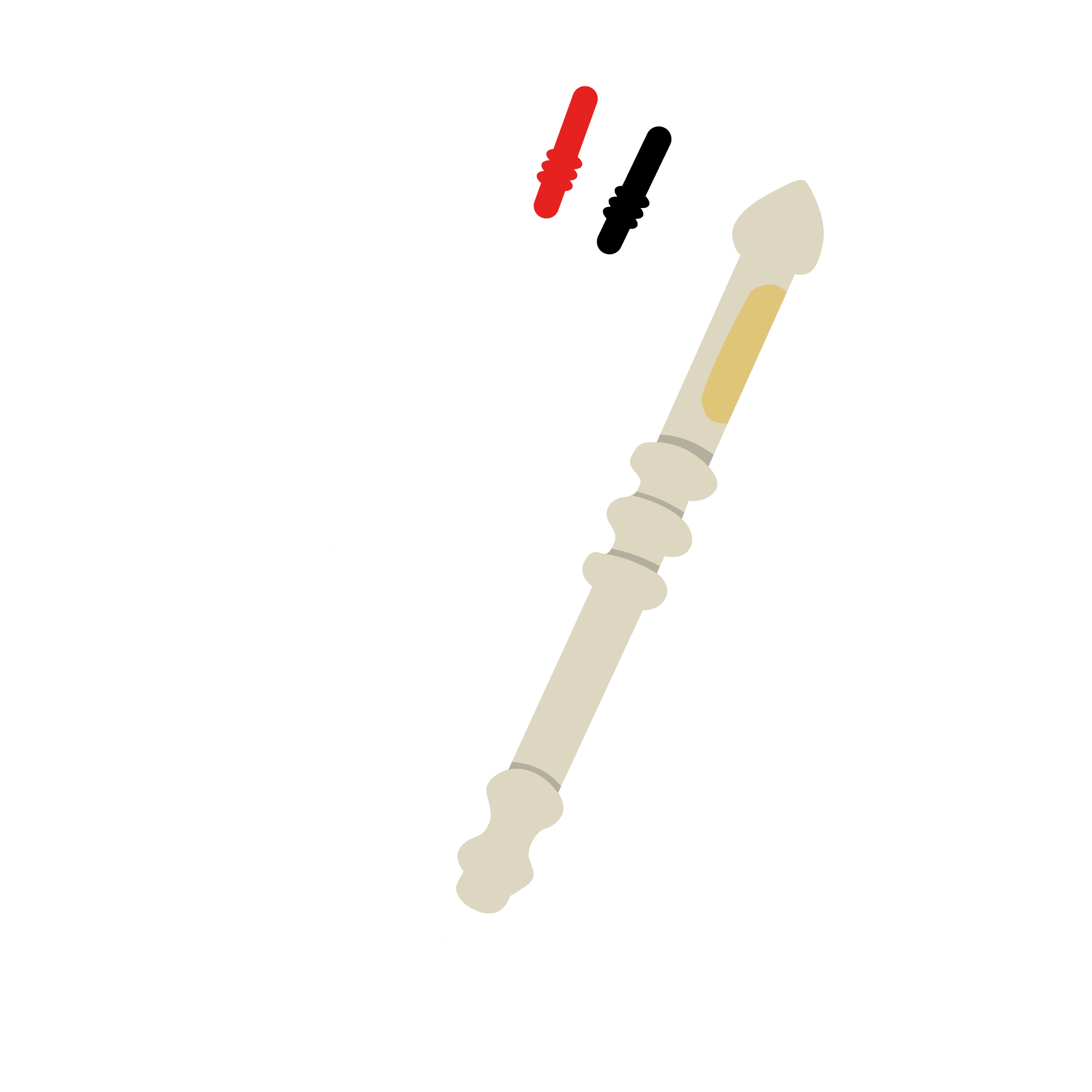
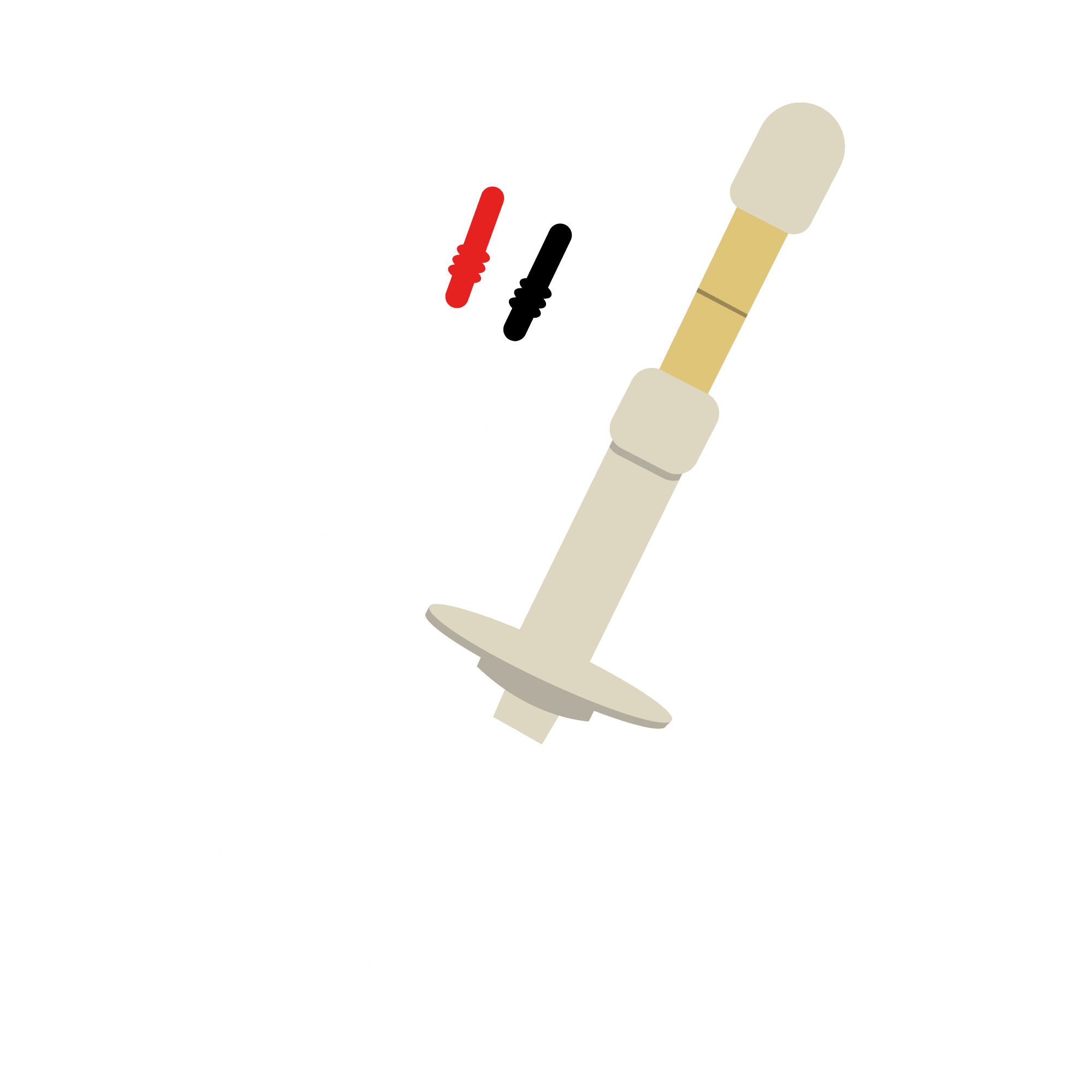
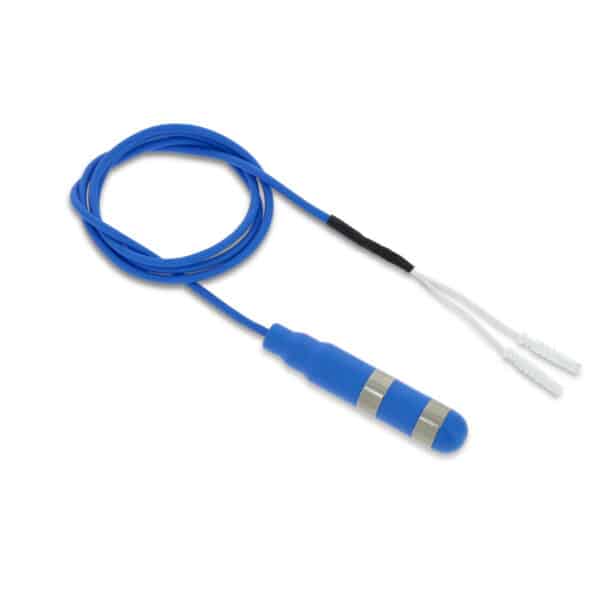
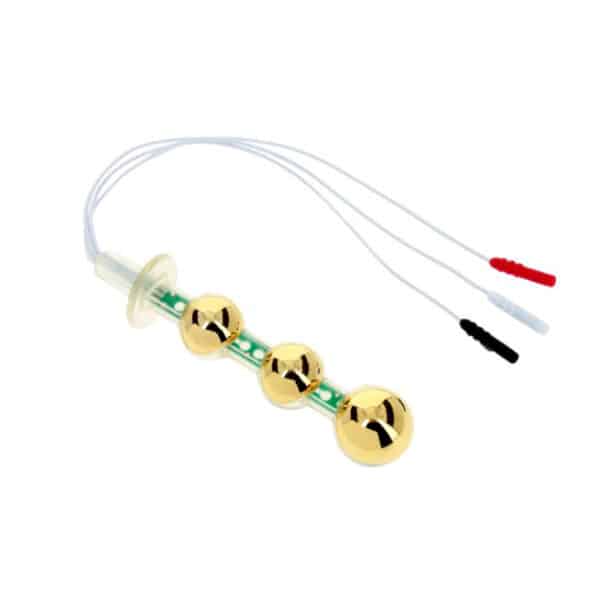
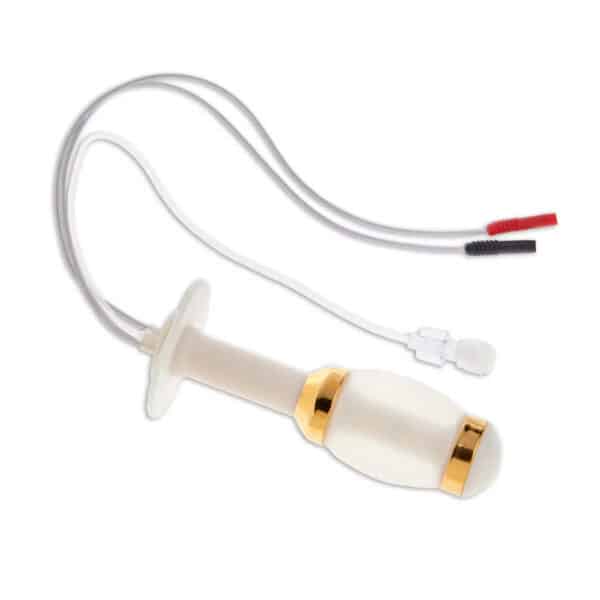
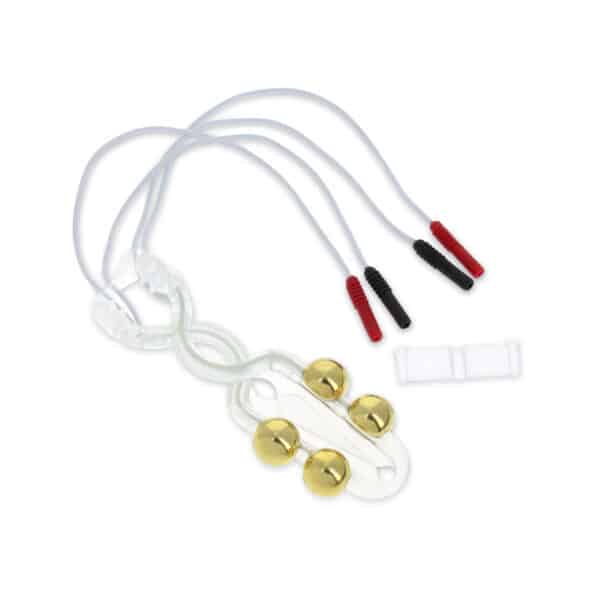
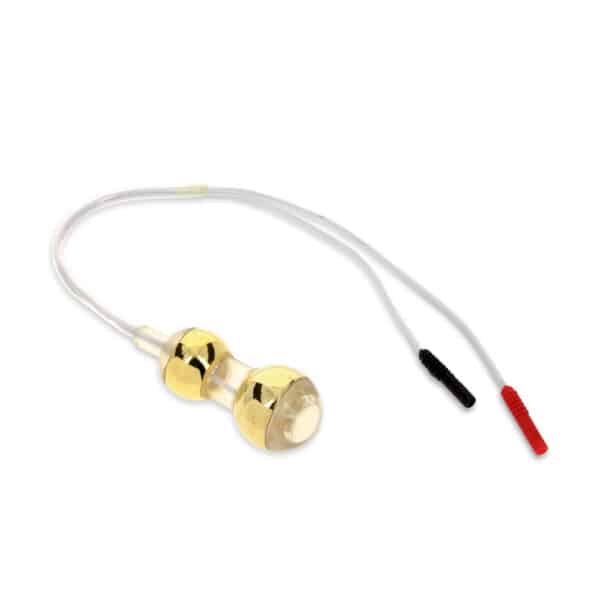
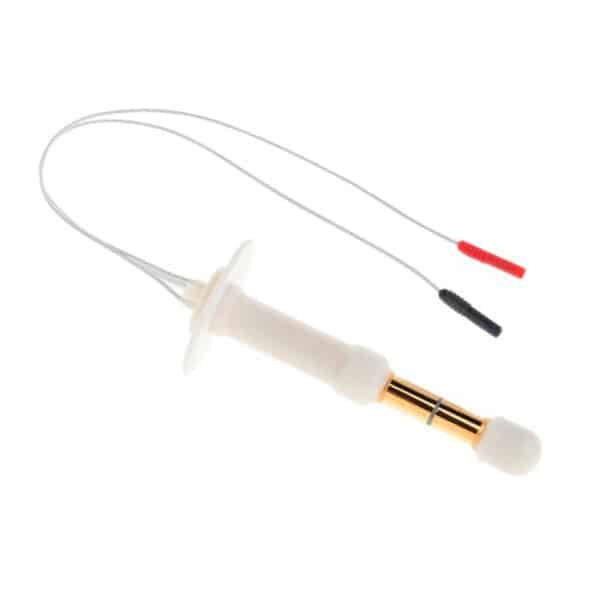
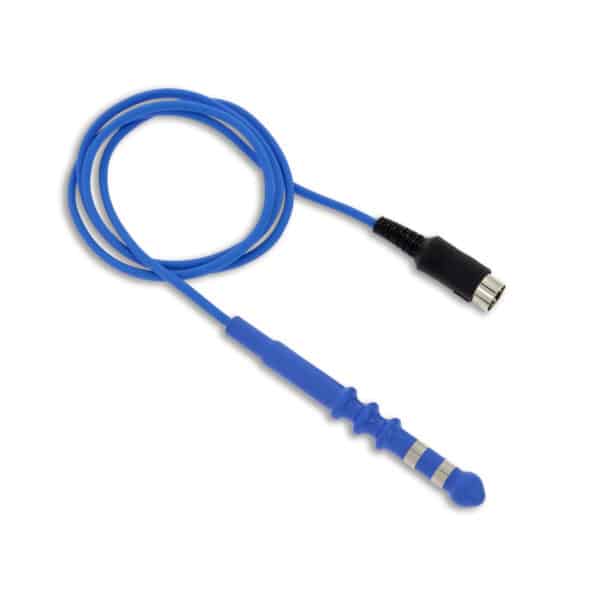
Biofeedback and electrostimulation are most often performed using an intracavitary probe: a vaginal probe for women, and an anal probe for both men and women.
It serves as both a sensor for biofeedback and an electrode for electrostimulation.
Our expertise: At Sugar International, our line of rehabilitation catheters was designed by a therapist specializing in urogynecology. For 30 years, we have been supporting professionals who help their patients regain comfort and confidence.
-
ANALYS BLUE® DIN 3
31,67 € Excl. tax -
V2B+®
25,00 € Excl. tax -
AEROLYS ANA®
28,33 € Excl. tax -
RECTOMAX®
50,00 € Excl. tax -
ANALIA®
30,00 € Excl. tax -
ANALYS+®
29,17 € Excl. tax -
PERISIZE 4®
22,50 € Excl. tax -
OPTIMA 3®
22,50 € Excl. tax
Devices that can help at home
Vaginal probes
Vaginal probes are used for perineal rehabilitation in women, particularly in cases of urinary incontinence, postpartum recovery, or pelvic muscle weakness. They allow for targeted exercise through biofeedback or electrostimulation.
Anal probes
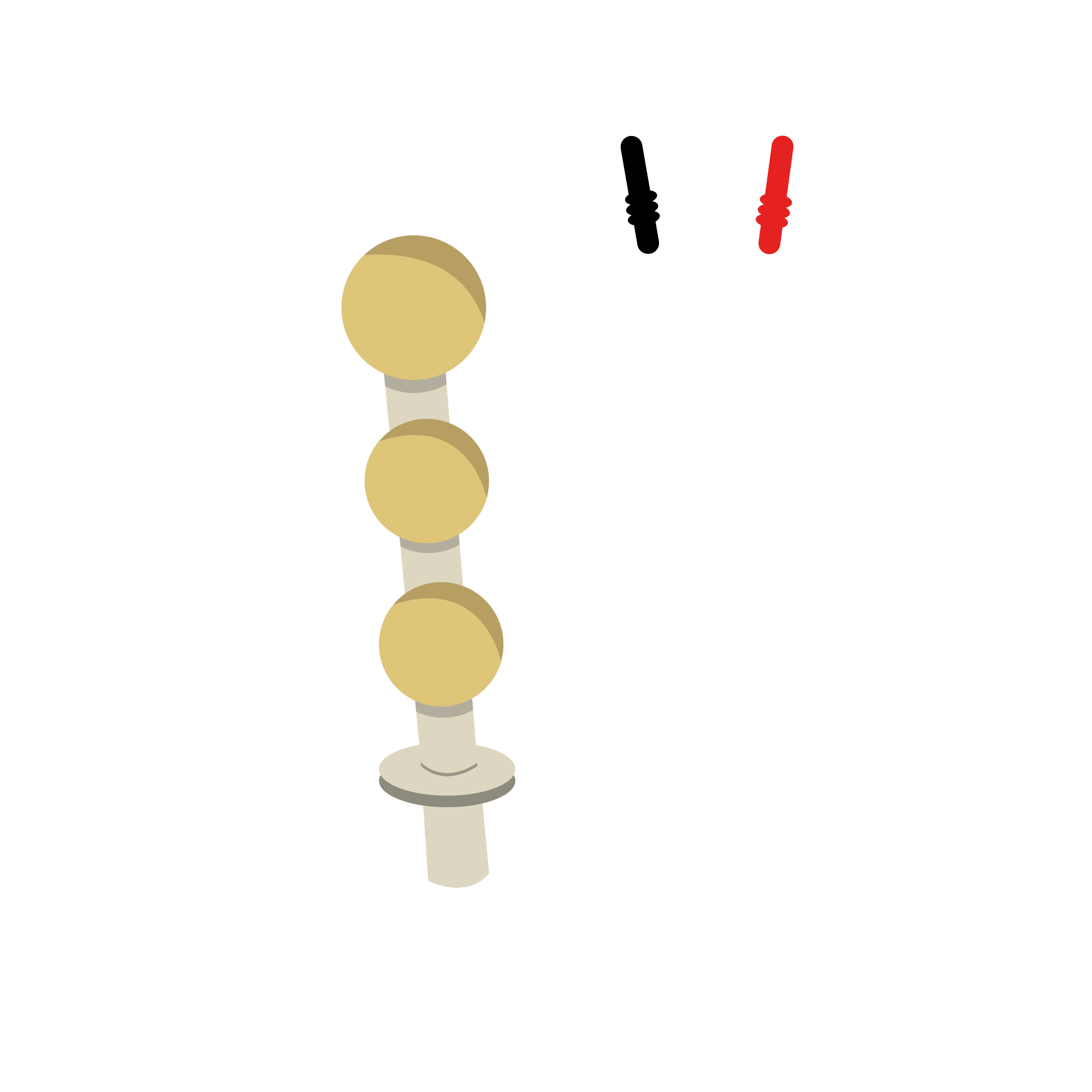
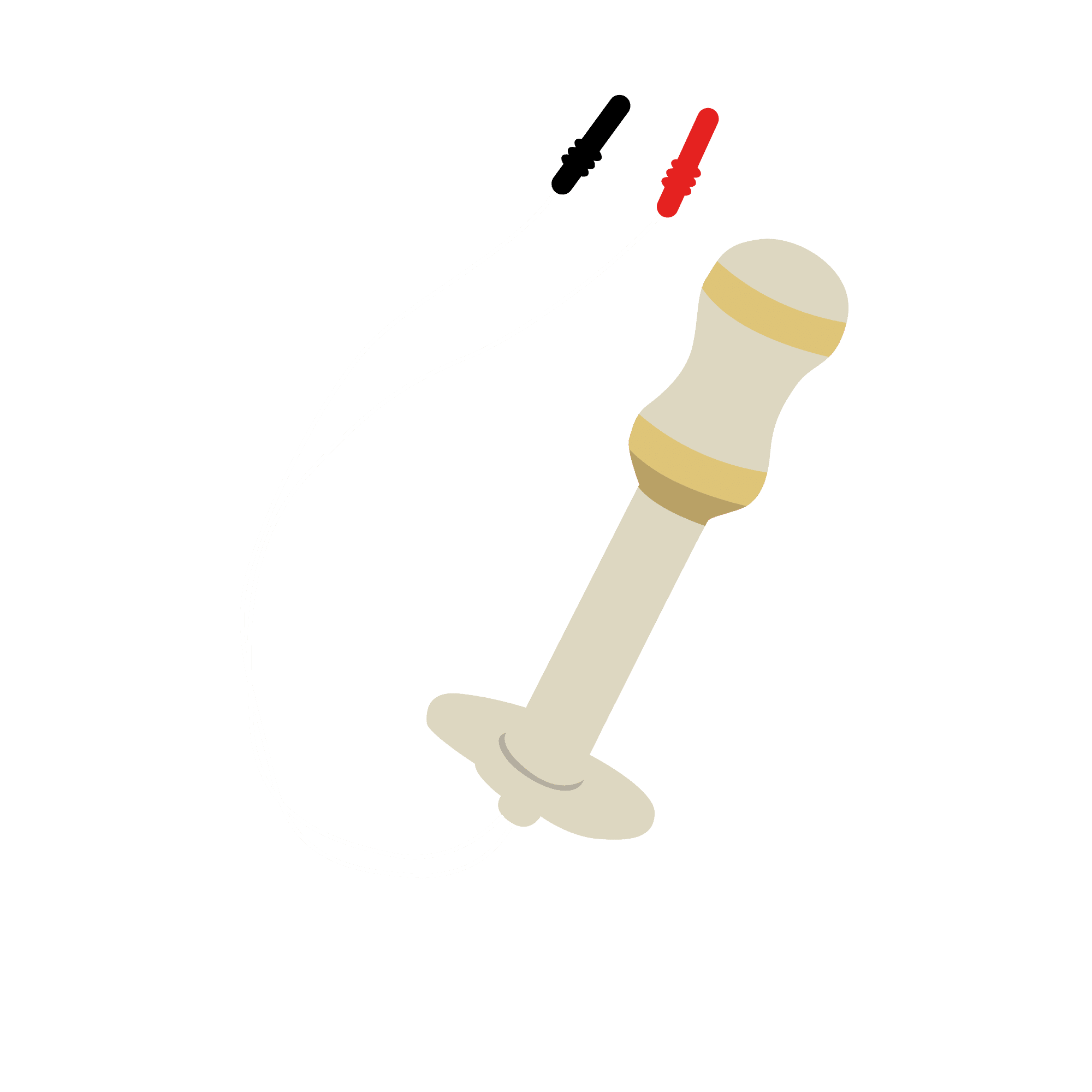
Anal probes are suitable for perineal rehabilitation in both men and women, particularly for treating urinary or fecal incontinence. They offer an effective solution for strengthening the pelvic floor muscles through electrostimulation.
Electrostimulators
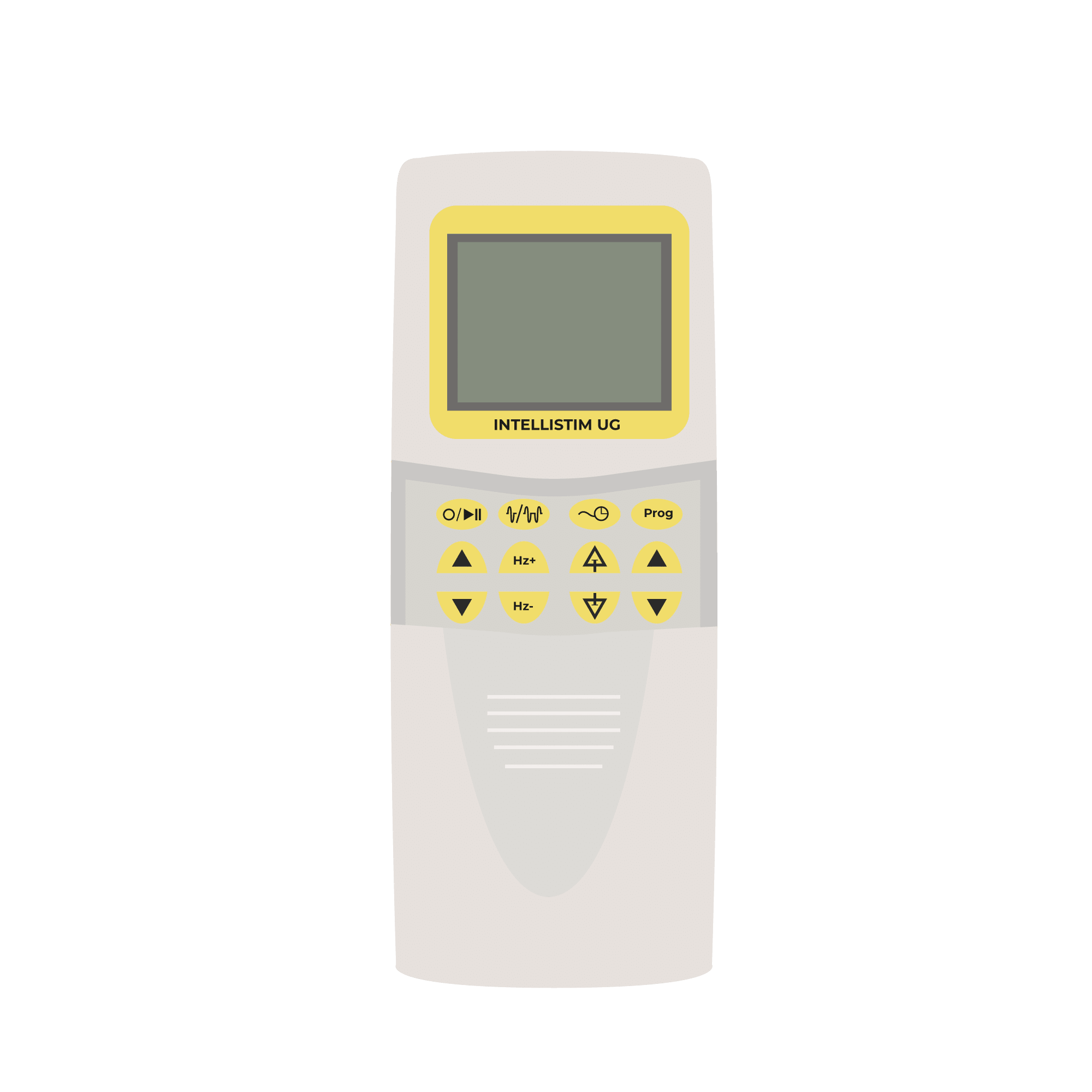
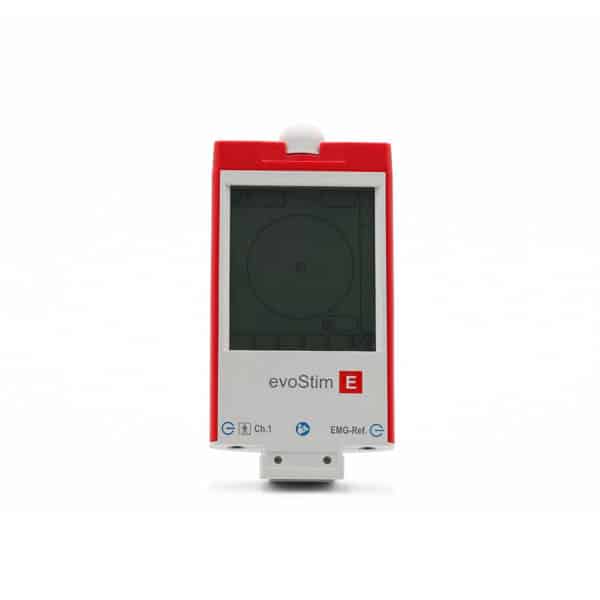
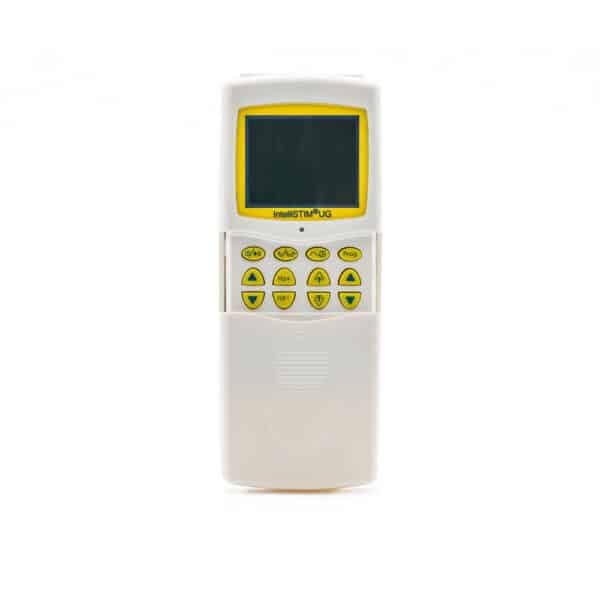
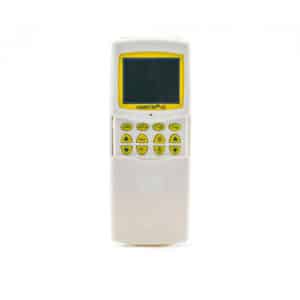
A perineal electrostimulator is a device that sends mild electrical impulses to stimulate and strengthen the perineal muscles. It is recommended as part of a home rehabilitation program, often in conjunction with medical supervision.



What to remember
→ Biofeedback shows you what your pelvic floor is doing, so you can learn to control it.
→ Electrical stimulation works the pelvic floor using a mild electrical current to strengthen it or calm an overactive bladder.
Both methods are performed using a probe, complement each other very well, and are always selected by your healthcare provider.
And don’t forget: your best tool is still your own commitment to the exercises!
⇒ To learn more, (re)read our article “Pelvic Floor Rehabilitation: Process, Steps, and Techniques” and “ Urinary leakage when coughing or sneezing: causes and solutions “.

INTELLISTIM UG®
245,19 € Excl. tax
Frequently Asked Questions
Check out the questions most frequently asked by users.
Does electrostimulation hurt?
No, it shouldn’t be painful.
You’ll feel a tingling sensation or a contraction. The intensity is adjusted gradually based on how you feel, and you can always ask to have it turned down.
Can you do biofeedback or electrical stimulation at home?
Some portable devices allow you to continue your exercises at home, but only under the guidance of your healthcare professional, who will show you how to use them and adjust the settings accordingly.
Can you use electrical muscle stimulation while pregnant?
No.
An ongoing pregnancy is one of the contraindications listed by ANAES.
Rehabilitation resumes after childbirth, as prescribed.
Can men use biofeedback or electrical stimulation?
Yes, using an anal probe.
These techniques are used, in particular, after prostate surgery, as a supplement to exercises.
Check out our blog


Exercise and the Pelvic Floor: Which Sports Should You Choose to Prevent Urinary Incontinence?

Urinary Leakage When Coughing or Sneezing: Causes and Solutions
Do you leak urine when you cough or sneeze? That’s stress incontinence. Why it happens and how pelvic floor exercises can help.

Genitourinary Syndrome of Menopause: Symptoms and Solutions
Urinary Incontinence After Prostatectomy: Perineal Rehabilitation
After prostate surgery, urinary incontinence is common but often temporary. Learn about the key role of pelvic floor rehabilitation.

Breast Cancer and Intimacy: Dryness, Incontinence, Solutions
Pink October: Vaginal dryness, urinary incontinence, pain… Breast cancer treatments can affect your intimate health. Causes and solutions.