
Urinary Incontinence After Prostatectomy: Perineal Rehabilitation
Published on October 12, 2026 · Reading time: 5 minutes.
Urinary Incontinence After Prostate Surgery:
The Male Perineum—Let’s Talk About It?
Yes, gentlemen, you have a perineum, too! And it plays a key role, especially after prostate surgery.
Urinary leakage is common in these cases, but it’s usually temporary, and pelvic floor rehabilitation helps you regain control more quickly.
It’s still a taboo subject, but we’re addressing it here simply and without embarrassment.
And if you’re reading this article for a loved one, it’s for you, too 💙
Please read this first: This article is for informational purposes only and is not a substitute for medical advice. If you have any questions about your symptoms or treatment, please consult your urologist or primary care physician.
Prostate Cancer in a Few Words
60,000
Key figure: In France, approximately 60,000 new cases of prostate cancer were diagnosed in 2018.
It is the most common cancer in men. Among the possible treatments, radical prostatectomy—that is, the surgical removal of the prostate—is one of the most common options.
It is effective, but it can affect urinary continence.
Why Do Leaks Occur After Surgery?
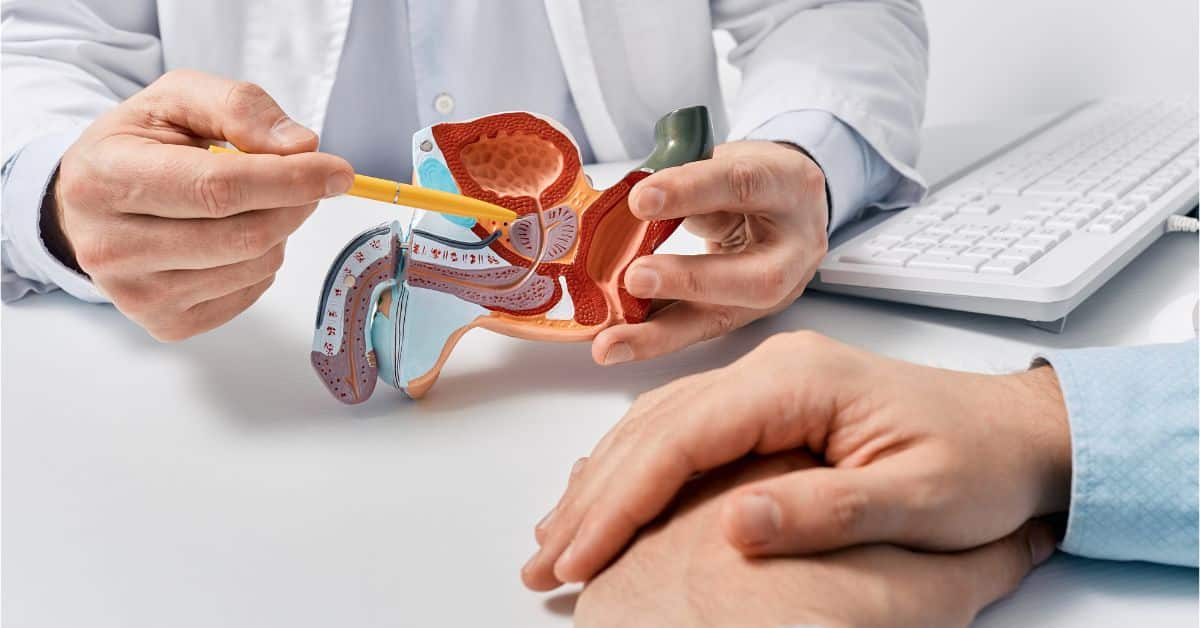
The prostate is located just below the bladder, surrounding the beginning of the urethra.
→ In men, urinary continence relies on several “barriers”: the bladder neck, the prostate itself, and the urinary sphincter, a muscle supported by the perineum.
When the prostate is removed, one of these barriers is lost. The sphincter and the perineum must then maintain continence on their own, and they need time to adjust. This is why leakage often occurs when the urinary catheter is removed, particularly during physical exertion—such as coughing, standing up, or lifting a heavy object.
Rest assured: this is usually temporary.
Key Figures
90% of patients
⇒ According to a study published in the journal *European Urology*, more than 90% of patients are completely continent one year after surgery.
9 to 16%
⇒ According to a more recent meta-analysis, persistent incontinence affects 9 to 16% of patients.
In other words, the vast majority of men regain their continence. The time it takes varies from a few days to several months depending on the individual, and that is precisely where rehabilitation makes a difference.
Perineal rehabilitation: the first-line treatment
According to the recommendations of the European Association of Urology, pelvic floor rehabilitation is the first-line treatment for urinary incontinence following prostatectomy. Specifically:
→ Before surgery, your urologist may recommend a few sessions to help you learn how to locate and contract your pelvic floor muscles. This way, you’ll be ready as soon as you return home.
→ After surgery, rehabilitation is led by a physical therapist. It combines strengthening exercises to be done at home with, in some cases, biofeedback—a technique that allows you to visualize your muscle activity on a screen to better control them.
If leakage persists, electrostimulation may be recommended with the urologist’s approval to strengthen the sphincter.
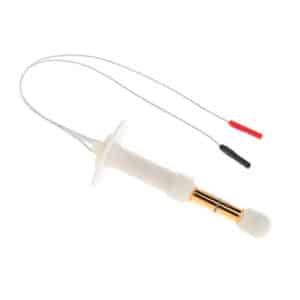
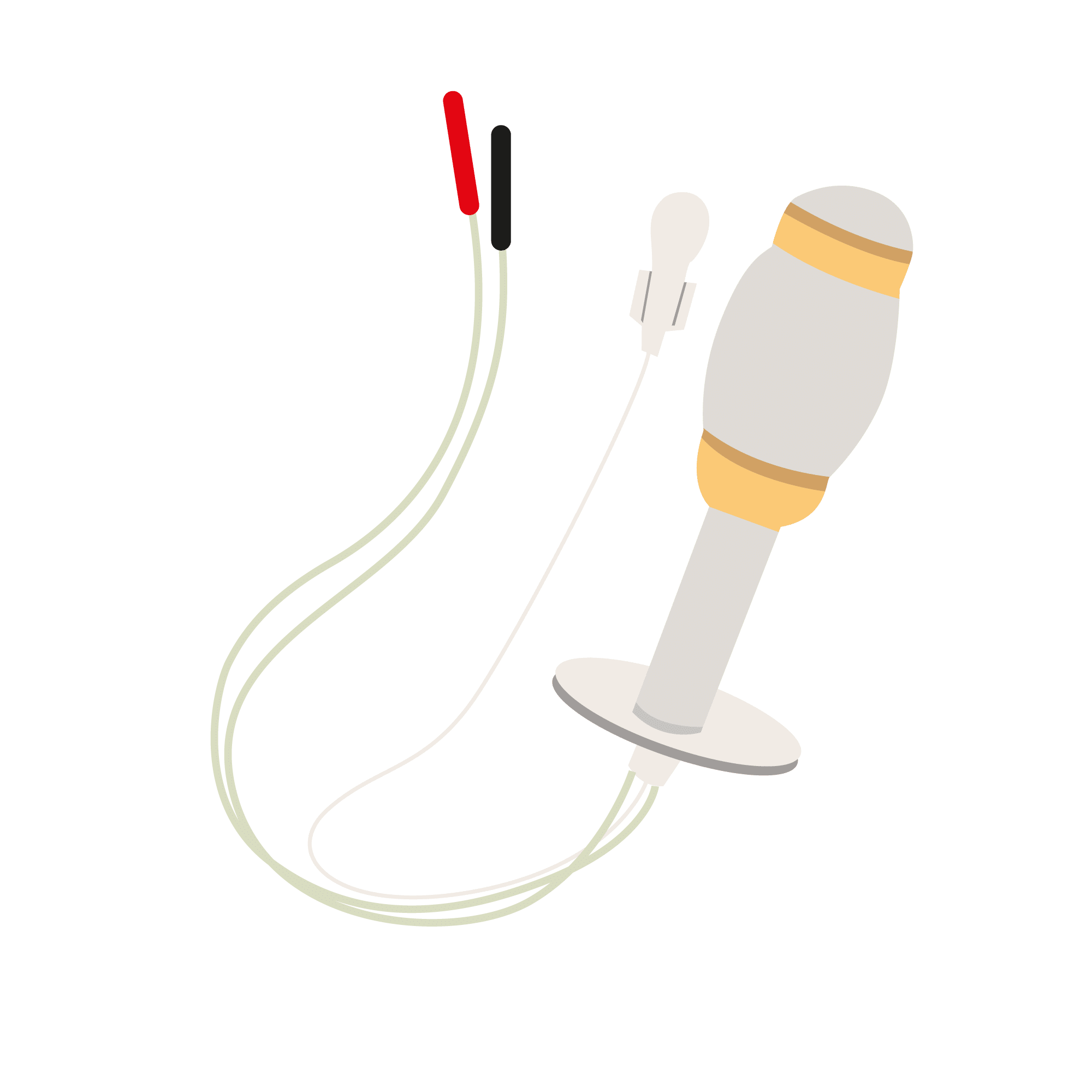
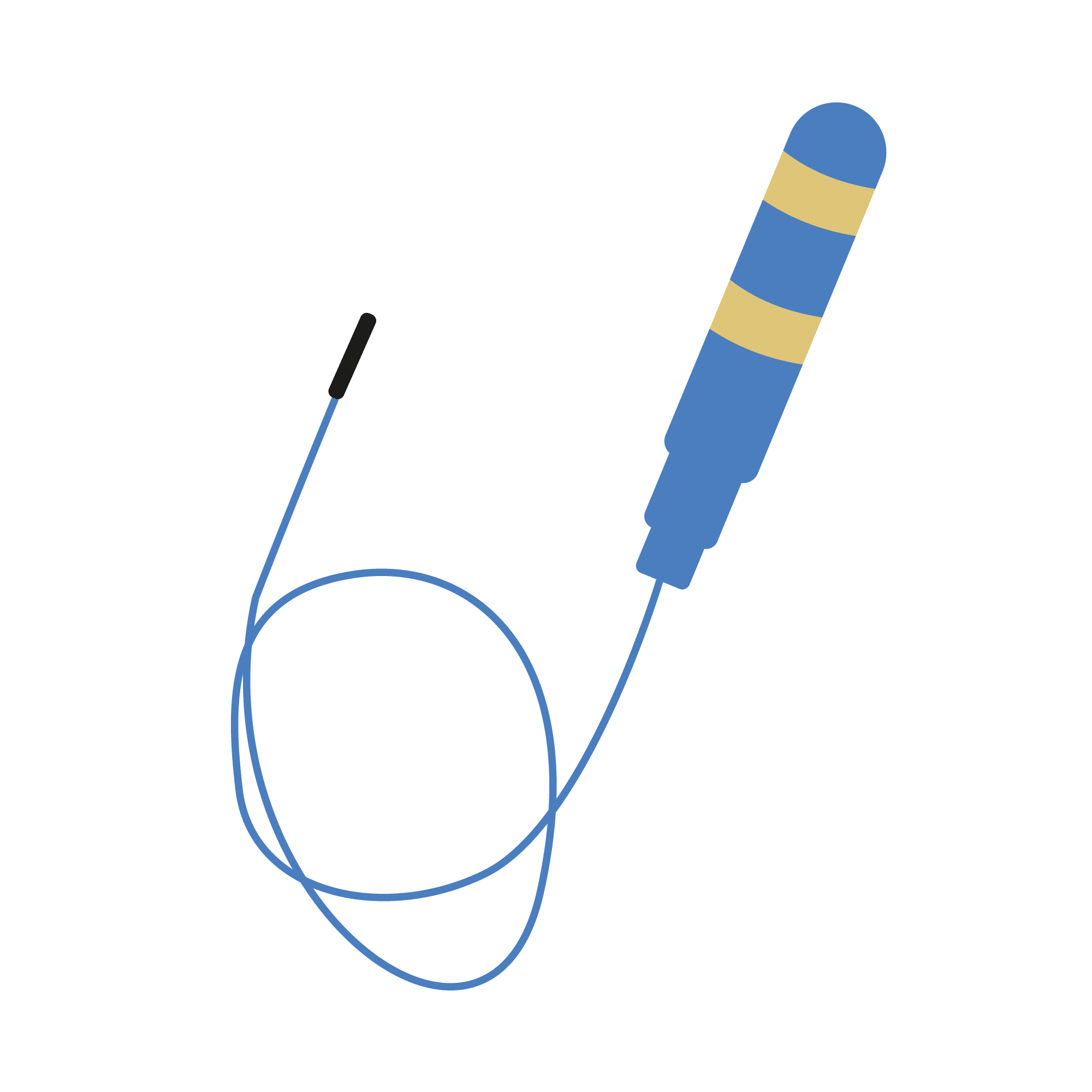
For men, biofeedback and electrical stimulation are performed using an anal probe connected to a device. The procedure is painless, carried out in a medical setting, and the physical therapist will explain everything to you at every step.
Our expertise: At Sugar International, our line of rehabilitation catheters was designed by a therapist specializing in urogynecology. For 30 years, we have been supporting professionals who help their patients regain comfort and confidence.
-
3AT2B®
25,00 € Excl. tax -
AEROLYS ANA®
28,33 € Excl. tax -
AIR STIM®
38,00 € Excl. tax -
ANALIA®
30,00 € Excl. tax
Devices that can help at home
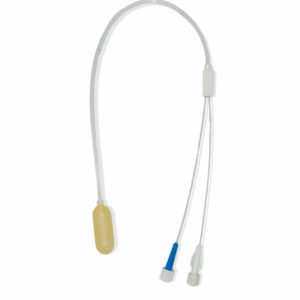
Vaginal probes
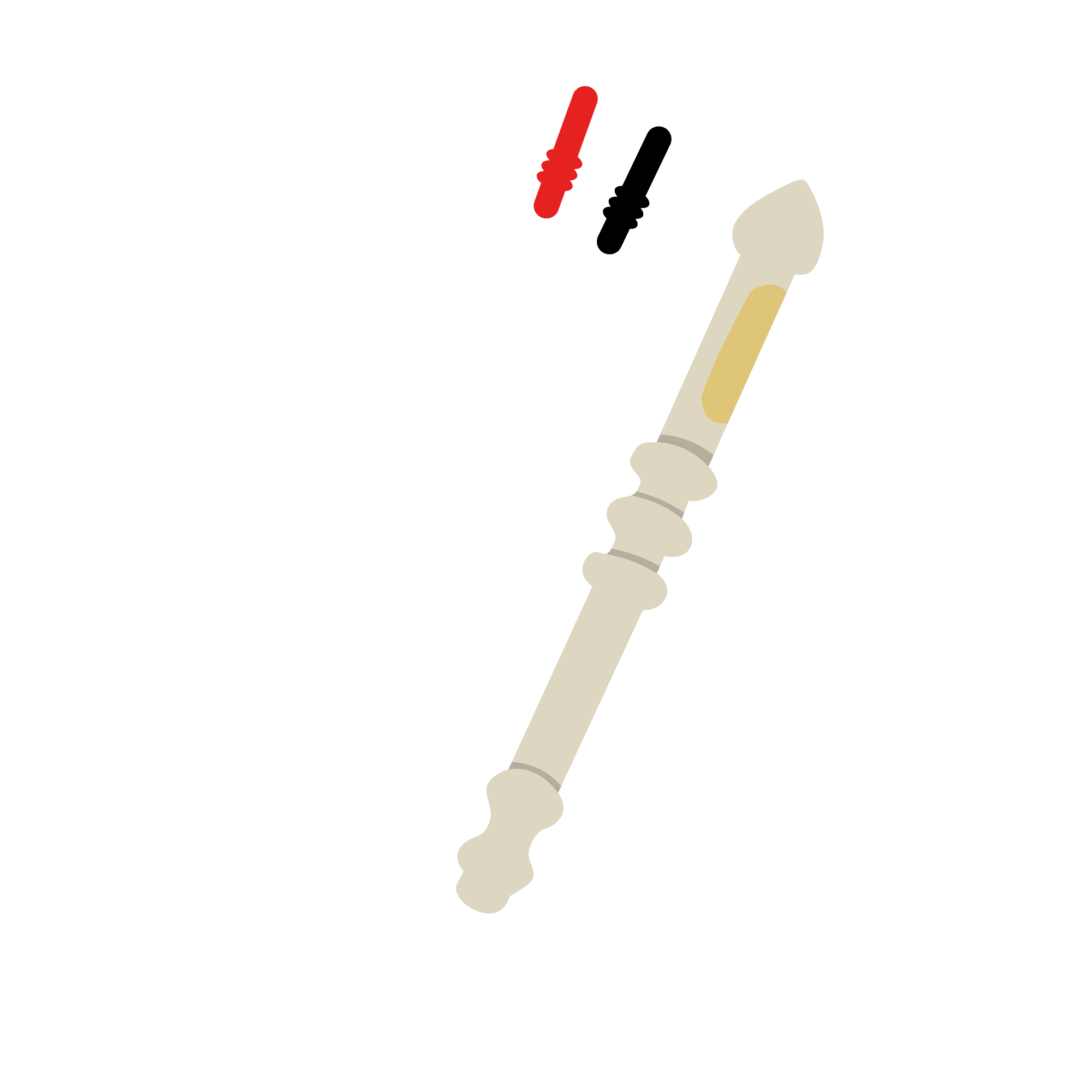
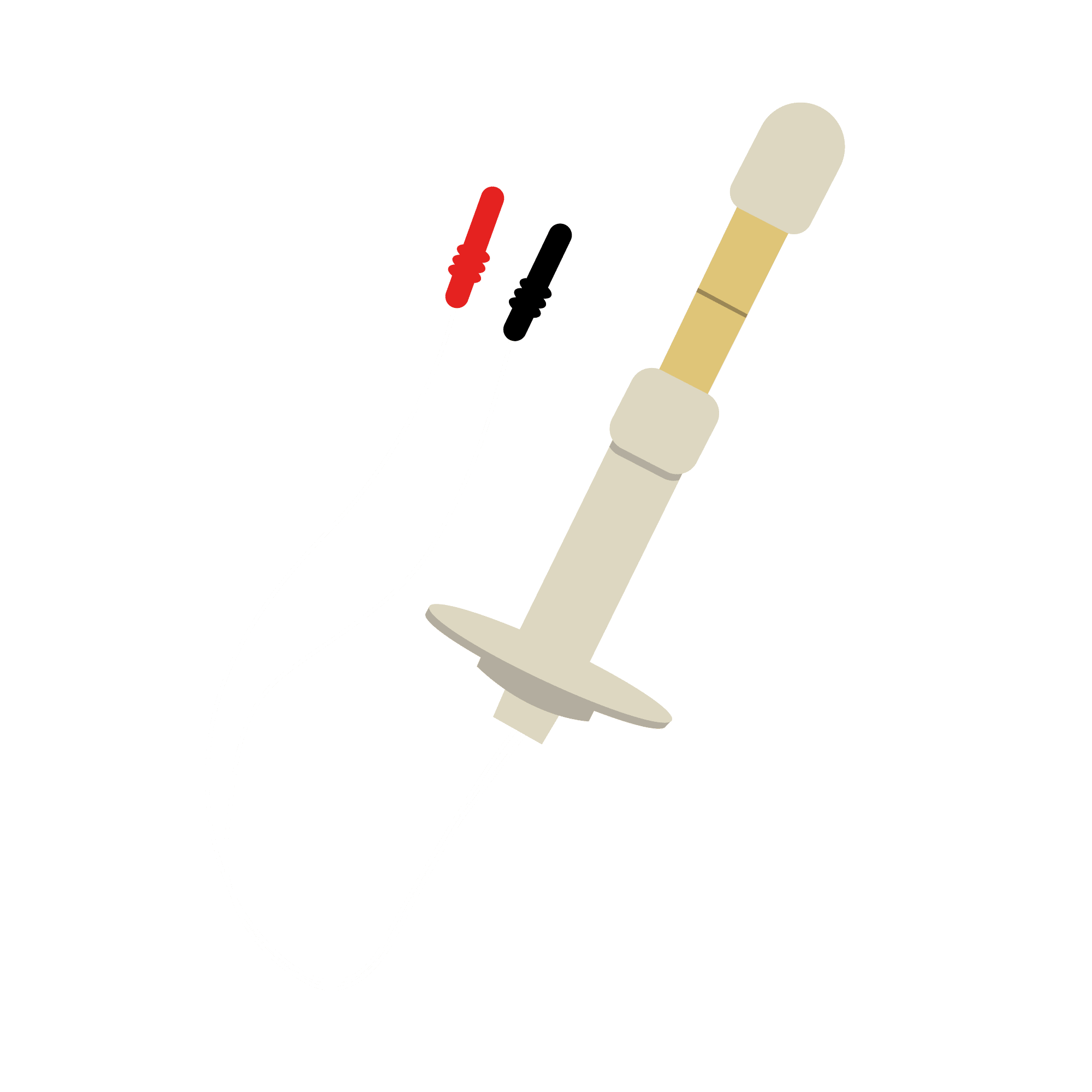
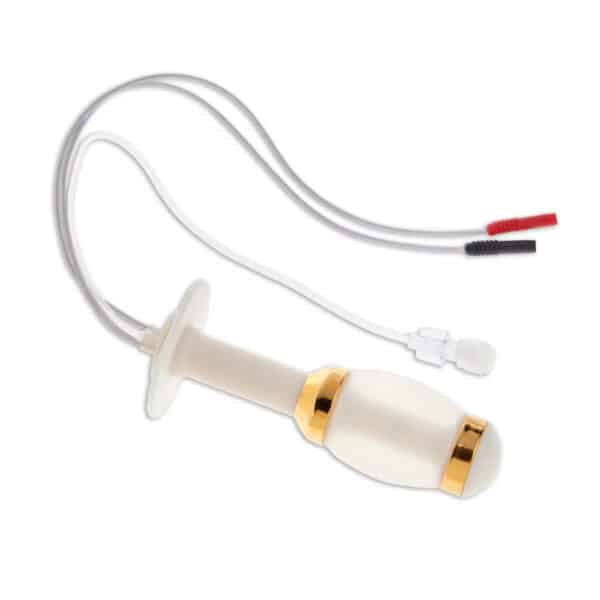
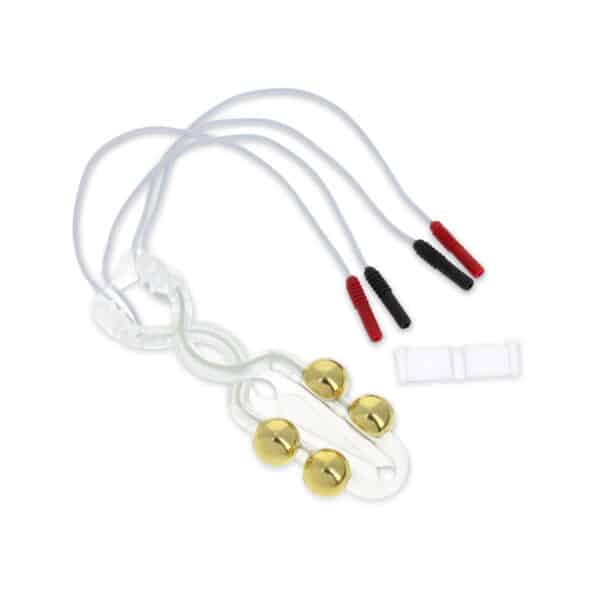
Vaginal probes are used for perineal rehabilitation in women, particularly in cases of urinary incontinence, postpartum recovery, or pelvic muscle weakness. They allow for targeted exercise through biofeedback or electrostimulation.
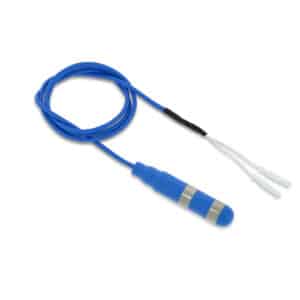
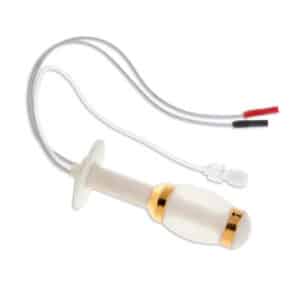
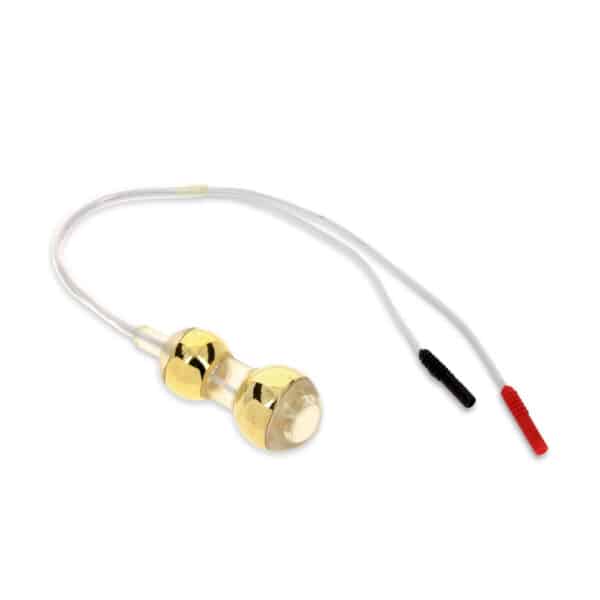
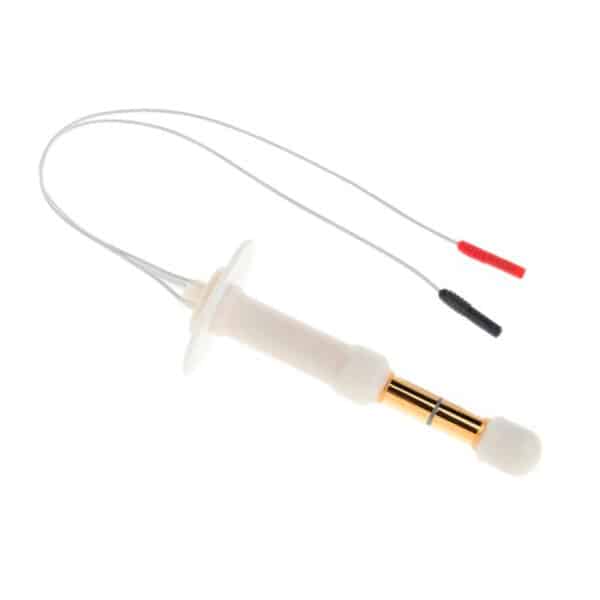
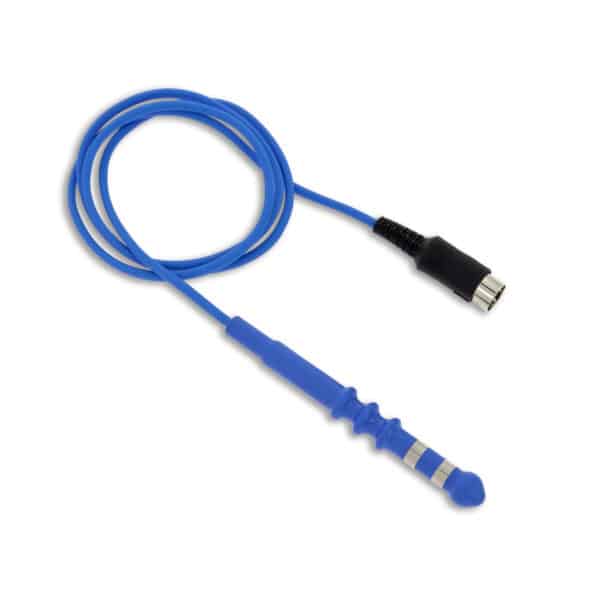
Anal probes
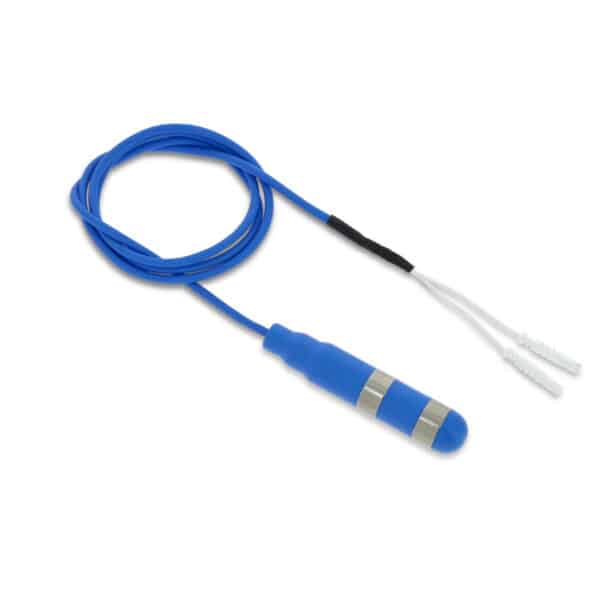
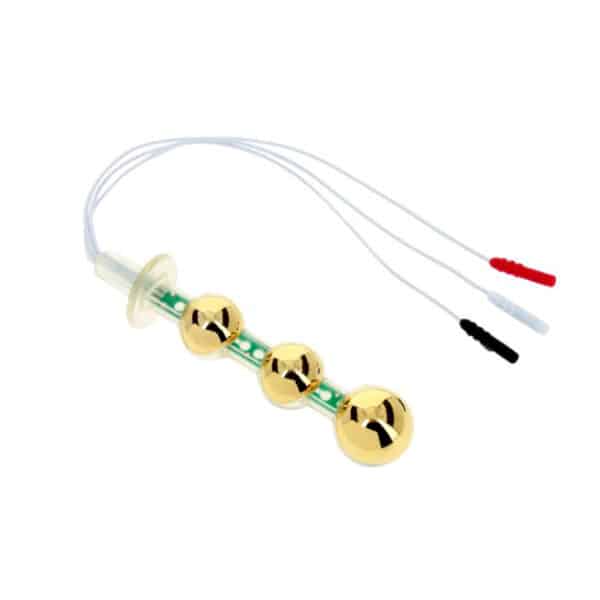
Anal probes are suitable for perineal rehabilitation in both men and women, particularly for treating urinary or fecal incontinence. They offer an effective solution for strengthening the pelvic floor muscles through electrostimulation.
Electrostimulators
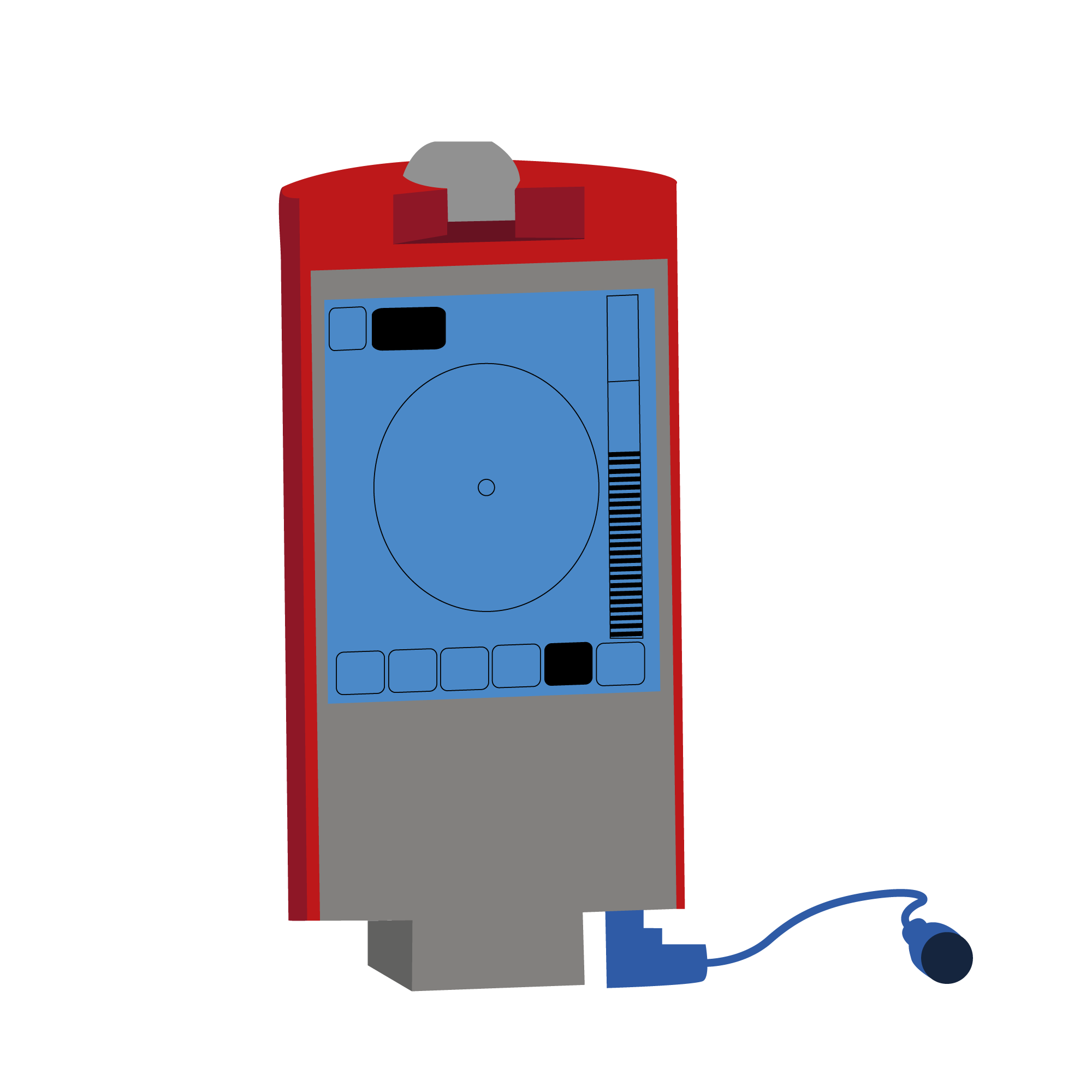
A perineal electrostimulator is a device that sends mild electrical impulses to stimulate and strengthen the perineal muscles. It is recommended as part of a home rehabilitation program, often in conjunction with medical supervision.





To conclude
After prostate surgery, urinary leakage is common, but in the vast majority of cases it is temporary.
Perineal rehabilitation is the first-line treatment for regaining control more quickly.
The best course of action: talk to your urologist about it, if possible even before the surgery.
The perineum has no gender, and taking care of it is nothing to be ashamed of! 💪
⇒ To learn more, (re)read our article “Perineum: 8 Common Myths It’s Time to Debunk” and “The Perineum: Definition, Role, and Importance for Health ⬈”.

INTELLISTIM UG®
245,19 € Excl. tax

Frequently Asked Questions
Check out the questions most frequently asked by users.
How long do leaks last after a prostatectomy?
This varies from man to man: a few days, a few weeks, sometimes several months.
The vast majority of patients regain continence within a year of surgery.
Early rehabilitation can help speed up recovery.
When should you start pelvic floor rehabilitation?
Ideally before the surgery, so you can learn the proper techniques.
After the surgery, your urologist will let you know when it’s safe to resume, usually a few weeks after the procedure.
Is male pelvic floor rehabilitation covered by insurance?
In France, physical therapy sessions and devices for perineal rehabilitation are covered by health insurance upon a doctor’s prescription, under the usual conditions.
Is rehabilitation with an anal probe painful?
No, it shouldn’t be painful.
The probe is inserted with gel, and the physical therapist adjusts the intensity based on how you feel.
Please don’t hesitate to let them know if you experience any discomfort.
Does urinary incontinence also affect men who haven't had surgery?
Yes.
As men age, or due to an enlarged prostate, chronic cough, or constipation, the male pelvic floor muscles can also weaken.
The best course of action remains the same: talk to your doctor.
Check out our blog


Breast Cancer and Intimacy: Dryness, Incontinence, Solutions
Pink October: Vaginal dryness, urinary incontinence, pain… Breast cancer treatments can affect your intimate health. Causes and solutions.

Lump or discomfort in the vagina: possible causes and when to seek medical attention

Lump or discomfort in the vagina: possible causes and when to see a doctor
Common Misconceptions About the Perineum: 8 Myths You Should Know
Pelvic floor and constipation: Understanding the connection and taking action

The Perineum and Sports: What Activities to Do and How to Protect It
Pelvic Floor and Pregnancy: Rehabilitation Before and After Childbirth
How to Use a Perineal Rehabilitation Probe: Instructions for Use
Insertion, lubrication, connection, precautions, warnings… Learn how to use your perineal rehabilitation probe correctly, step by step and safely.

Constantly contracting your pelvic floor muscles: myth or good idea?
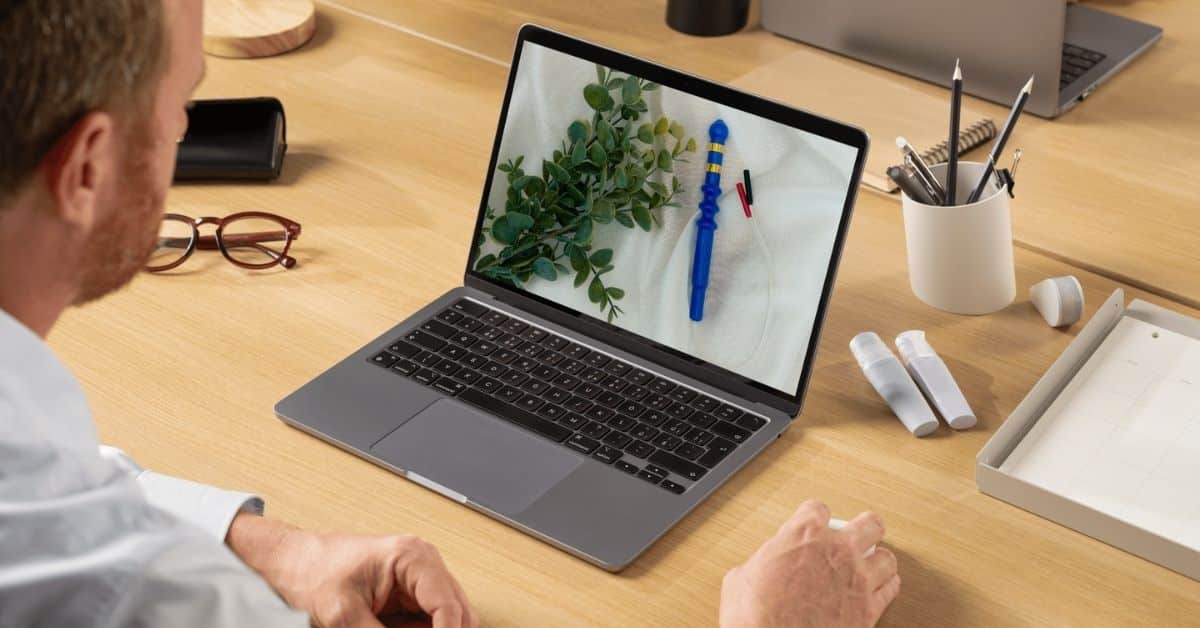
Caring for a Perineal Rehabilitation Probe: The Complete Guide
Cleaning, drying, storage, lifespan… Learn how to properly care for your pelvic floor rehabilitation probe to keep it hygienic and ensure its longevity.
Sources
- Institut national du cancer
- Urologie fonctionnelle
- ANAMACaP
- Maladies du sein (Canada)
- European Urology

