
Genitourinary Syndrome of Menopause: Symptoms and Solutions

Published on October 19, 2026 · Reading time: 5 minutes.
Menopause:
vaginal dryness, urinary leakage, frequent urges… could it be SGUM?
October 18 was World Menopause Day.
Hot flashes are the first thing that comes to mind, but there’s another set of symptoms—more subtle, yet very common—including vaginal dryness, burning, pain during intercourse, urinary incontinence, and a frequent urge to urinate… This combination has a name: menopausal genitourinary syndrome, or MGUS.
The good news: it can be treated. We’ll explain everything, without holding anything back.
Please read this first: This article is for informational purposes only and is not a substitute for medical advice. If you experience these symptoms, talk to your doctor, gynecologist, or midwife.
Menopause In Brief
According to the French National Health Insurance, menopause occurs naturally between the ages of 45 and 55, with an average age of 51.
Menopause is considered to have set in when a woman has not had a period for 12 months. It is preceded by perimenopause, which begins 2 to 4 years earlier.
At this time, the production of female hormones—particularly estrogen—drops sharply. These hormones play an essential role in the health of the intimate tissues: the vagina, vulva, bladder, urethra, and perineum.
What exactly is the SGUM?
Genitourinary syndrome of menopause refers to the effects of this decline in estrogen on the genital and urinary systems. The tissues become thinner, less hydrated, and less elastic.
The most common symptoms:
⇒ Intimate symptoms: vaginal dryness, burning, irritation, pain, or decreased pleasure during intercourse;
⇒ Urinary symptoms: frequent or urgent urges to urinate, urinary leakage, and more frequent urinary tract infections.
More than 36% of women
Key figure: According to recommendations from the CNGOF (National College of French Gynecologists and Obstetricians), SGUM affects between 36% and 90% of postmenopausal women, depending on the study. However, only 10% of them are reportedly receiving treatment.
⇒ Autrement dit : c’est très courant, mais on en parle encore trop peu. Contrairement aux bouffées de chaleur, qui s’atténuent souvent avec le temps, le SGUM a tendance à s’installer progressivement. Raison de plus pour ne pas attendre !
What are some solutions to SGUM?
First step: Talk to a healthcare professional. They will confirm the diagnosis and recommend an appropriate treatment plan. According to CNGOF recommendations, several options are available:
→ Vaginal moisturizers and lubricants are the first-line treatment. Moisturizers are used regularly, while lubricants are used during intercourse.
→ Topical estrogens (creams, suppositories) may be prescribed by your doctor if these products are not sufficient or if symptoms are more severe.
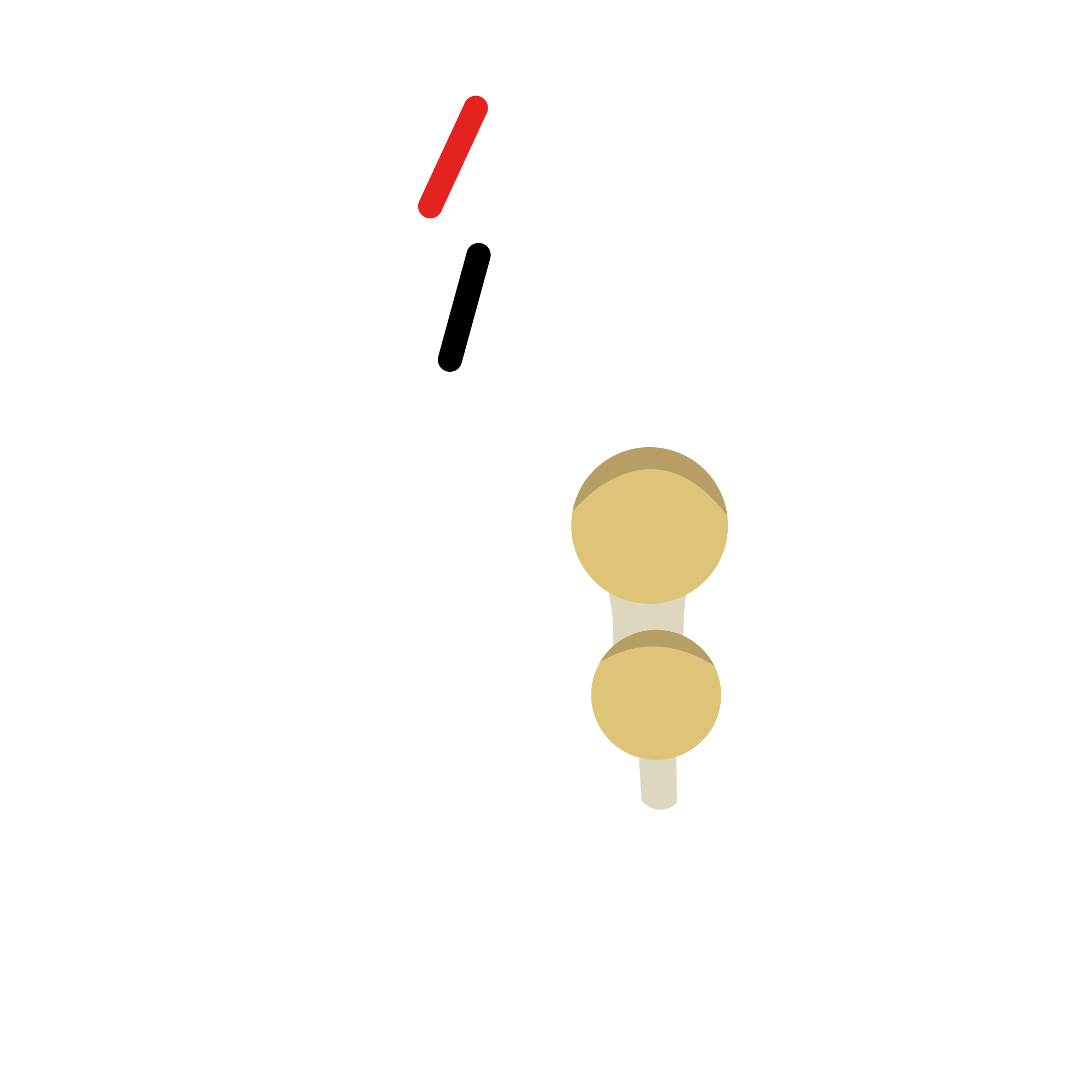
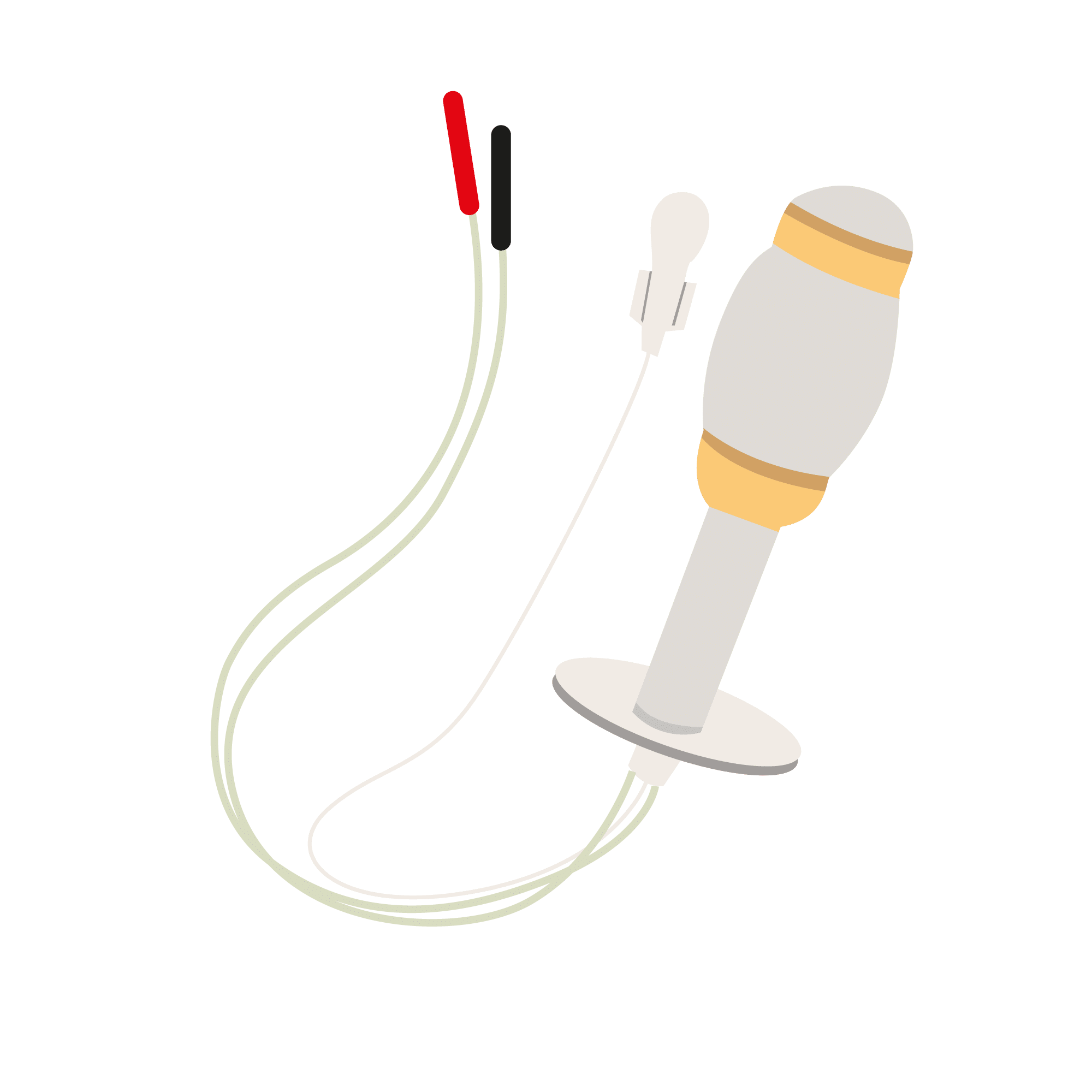
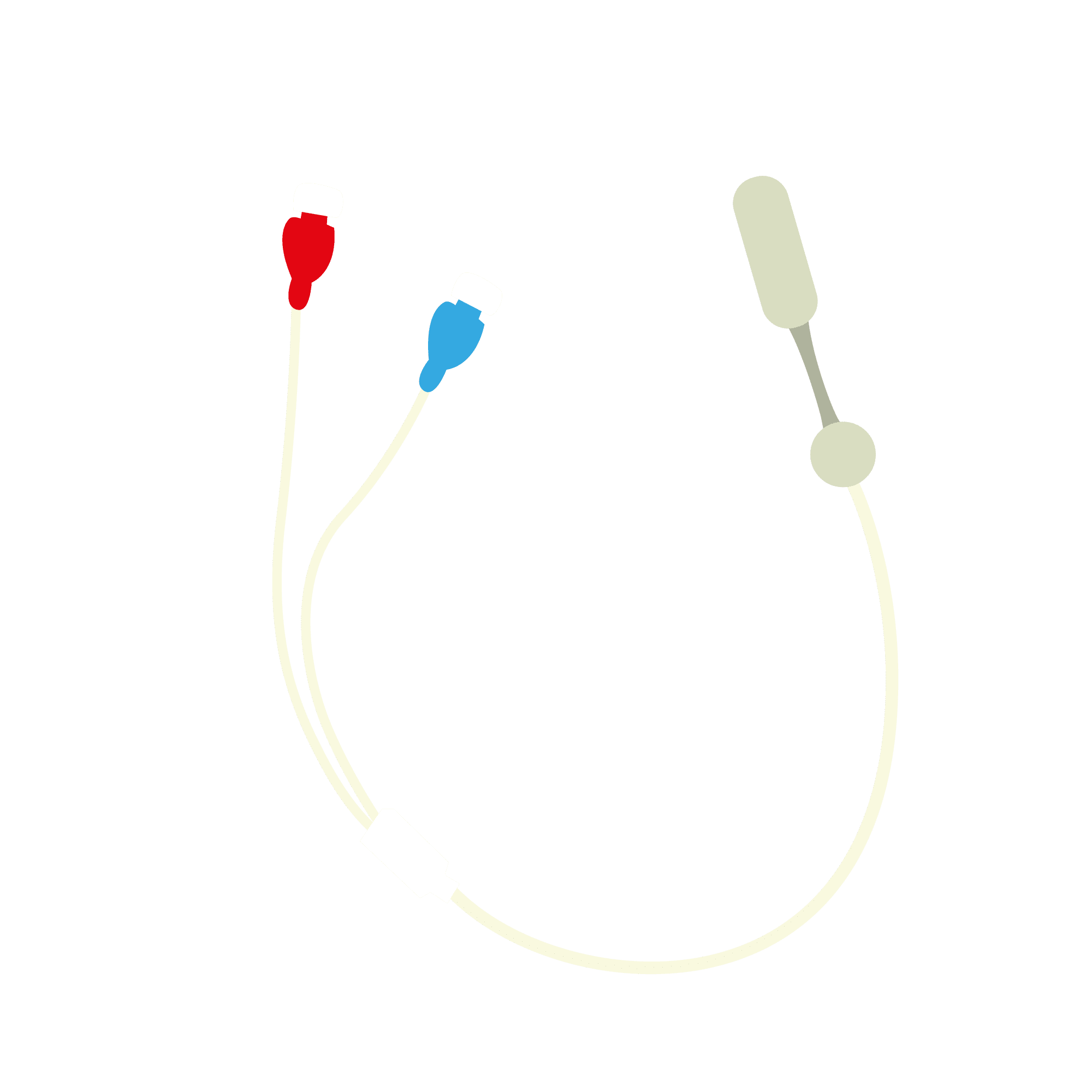
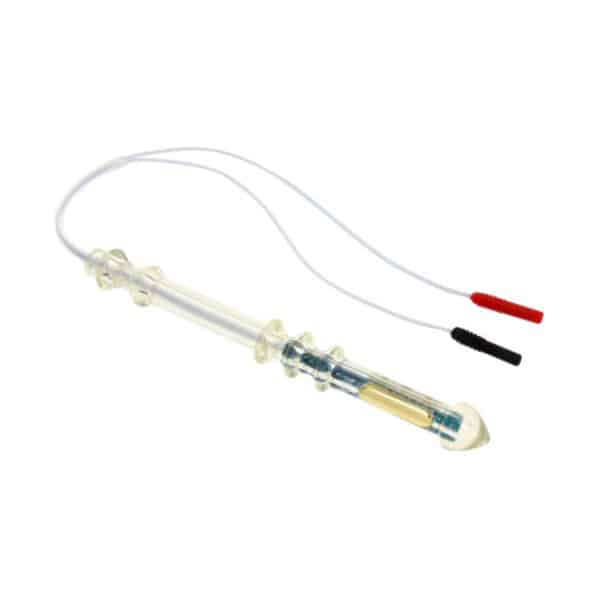
→ Perineal rehabilitation is recommended when an assessment reveals a weakened perineum, particularly in cases of urinary incontinence. It is performed by a physical therapist or a midwife and may involve biofeedback or electrostimulation using a rehabilitation probe.
Our expertise: At Sugar International, our line of rehabilitation catheters was designed by a therapist specializing in urogynecology. For 30 years, we have been supporting professionals who help their patients regain comfort and confidence.
<p>
-
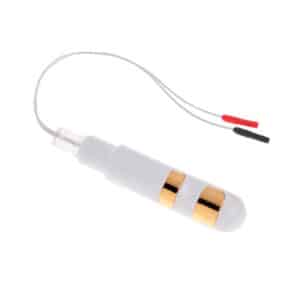
V2B+®
25,00 € Excl. tax -
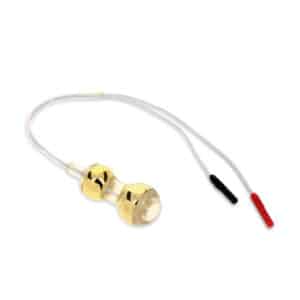
TP2B+ MINIMA®
22,50 € Excl. tax -
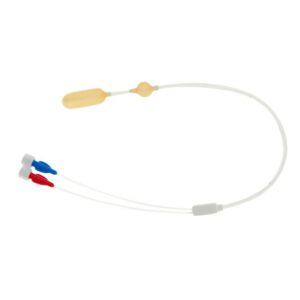
RECTOMAX®
50,00 € Excl. tax
Devices that can help at home
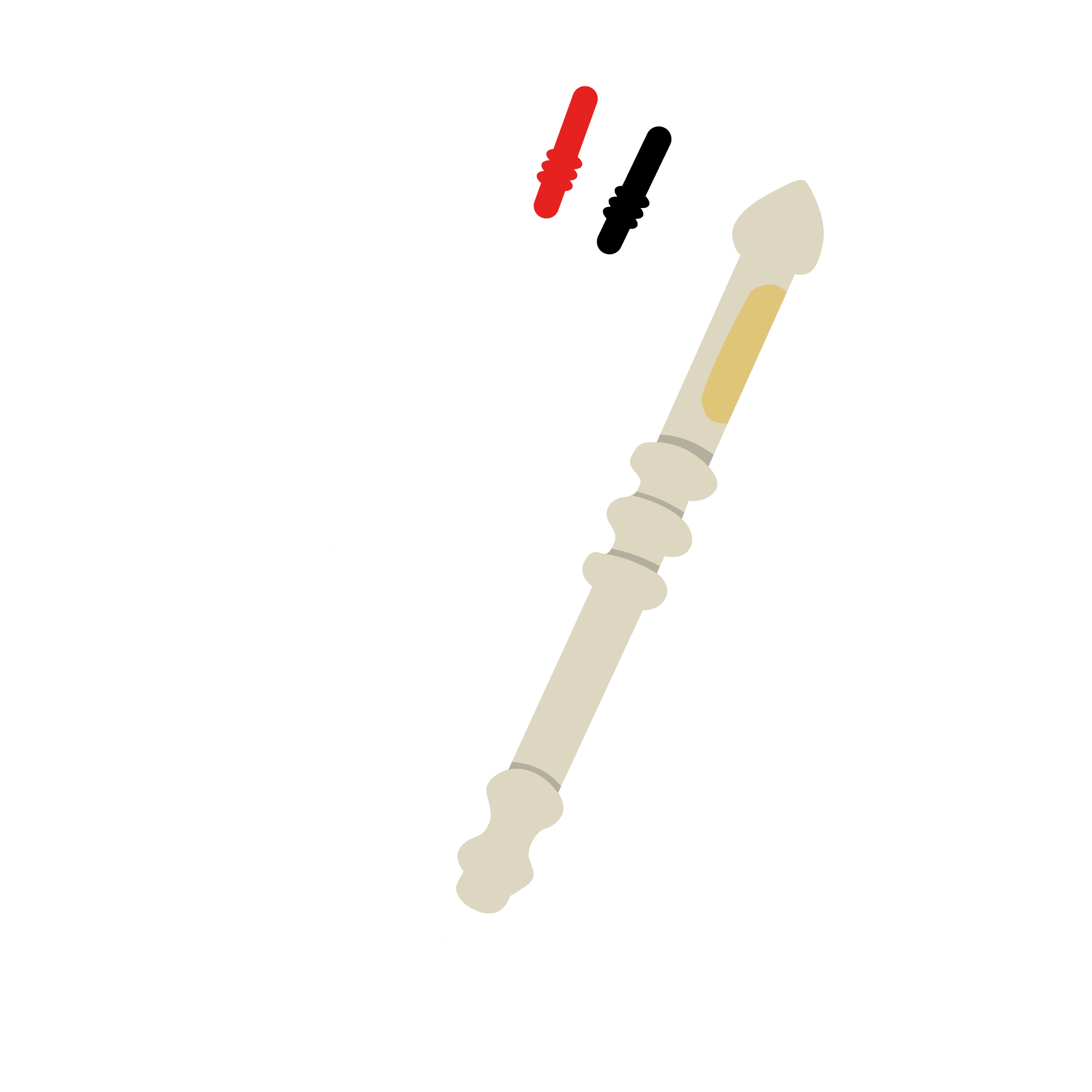
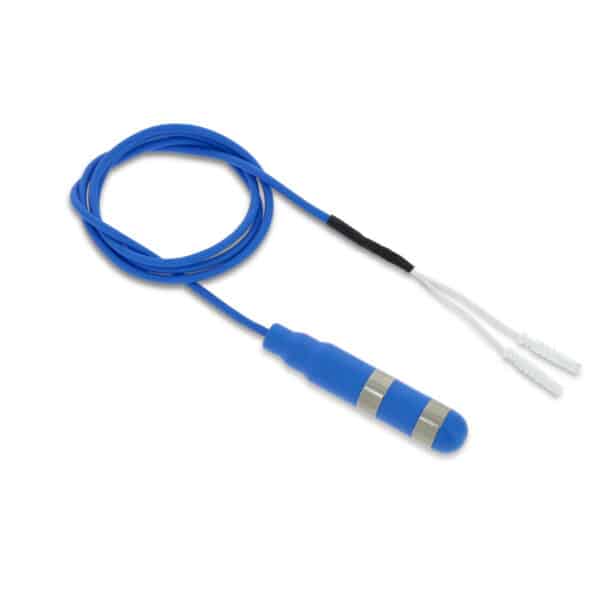
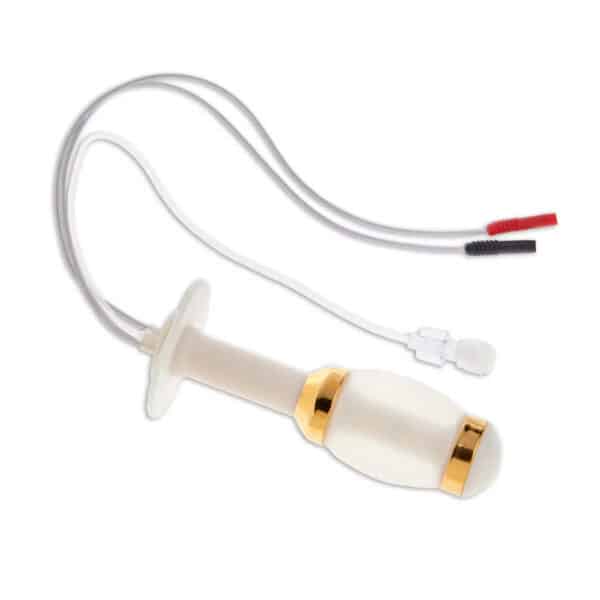
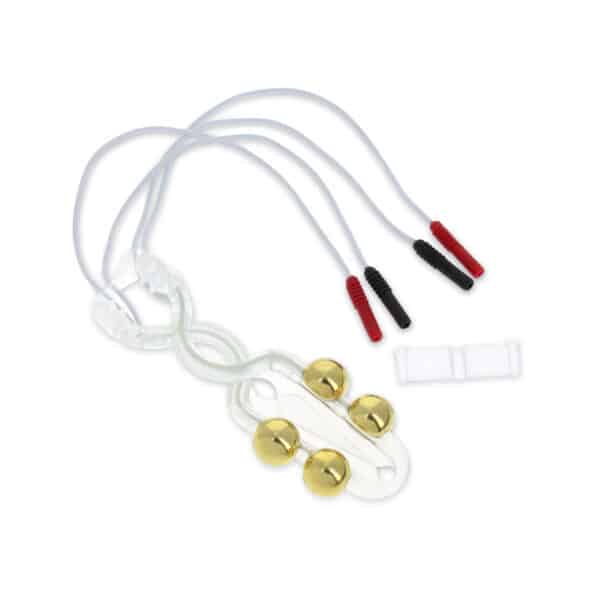
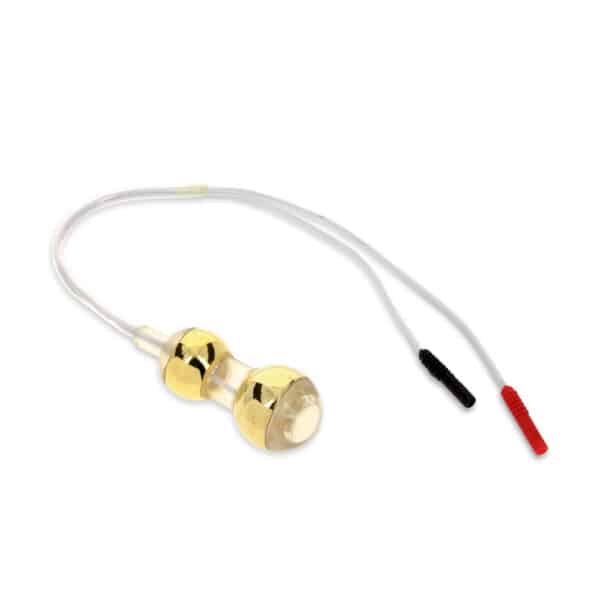
Vaginal probes
Vaginal probes are used for perineal rehabilitation in women, particularly in cases of urinary incontinence, postpartum recovery, or pelvic muscle weakness. They allow for targeted exercise through biofeedback or electrostimulation.
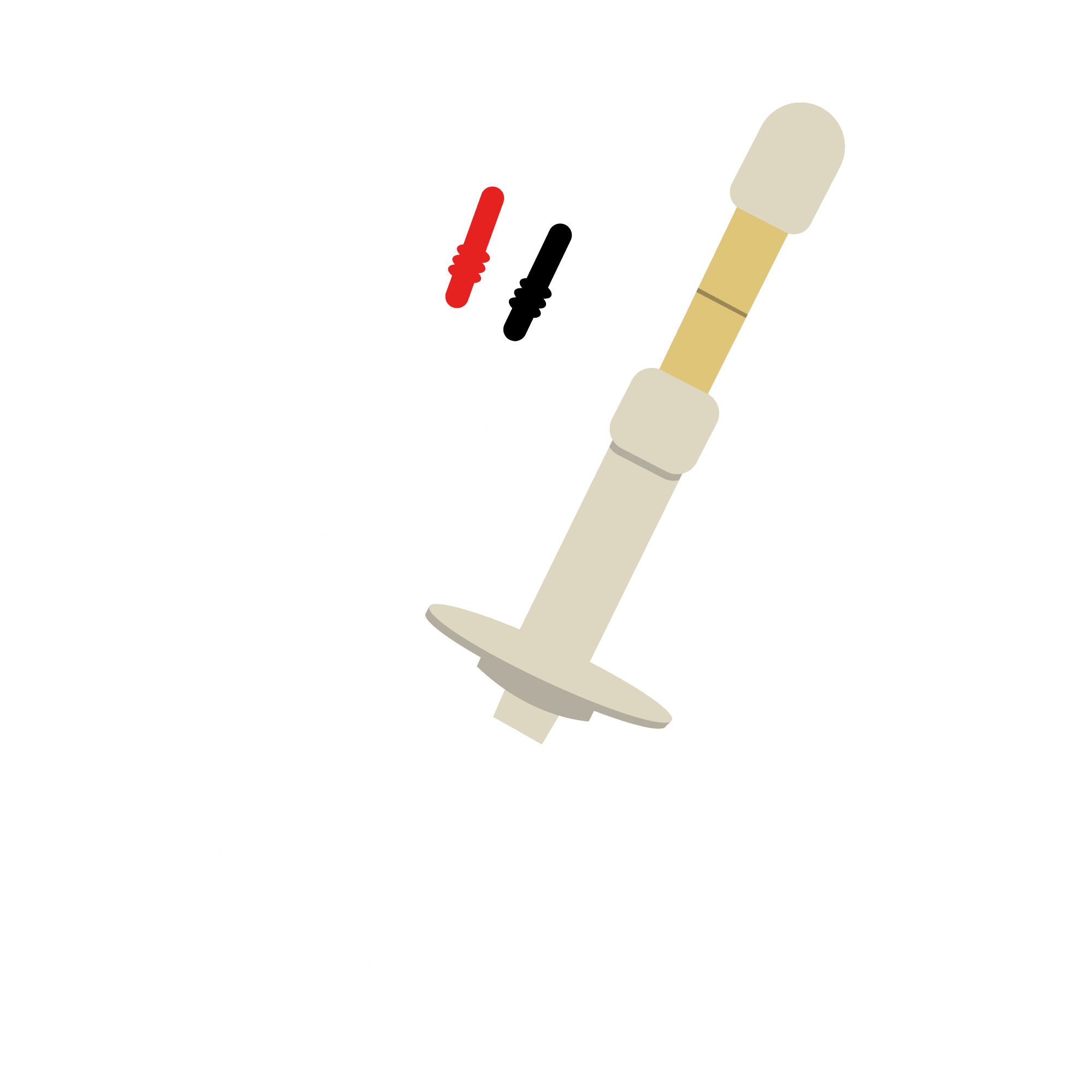
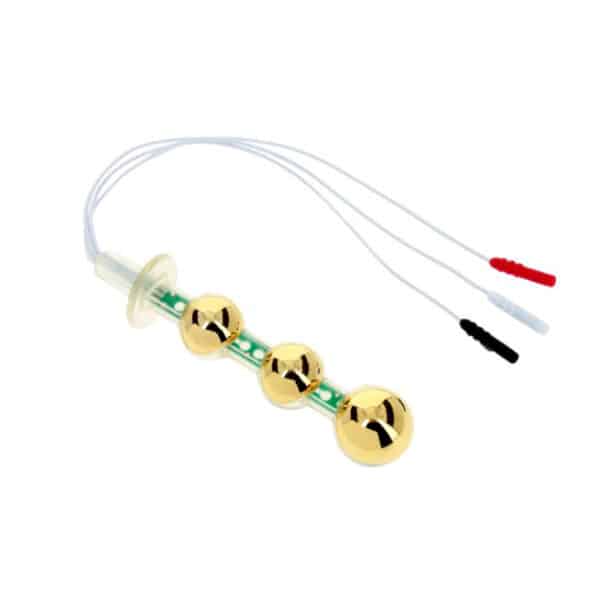
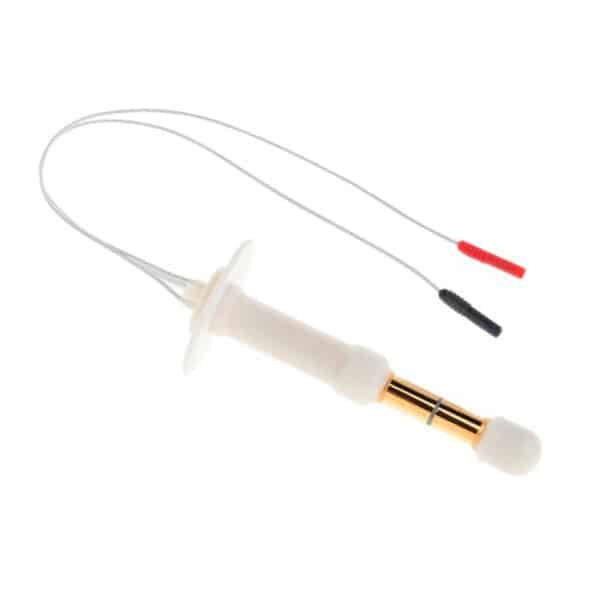
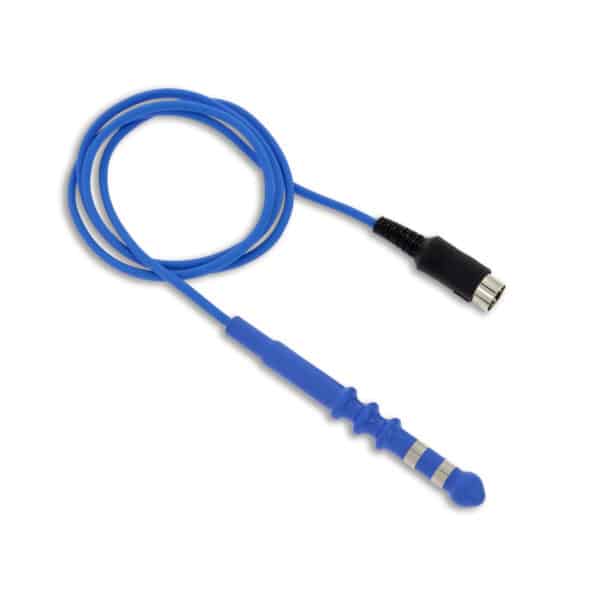
Anal probes
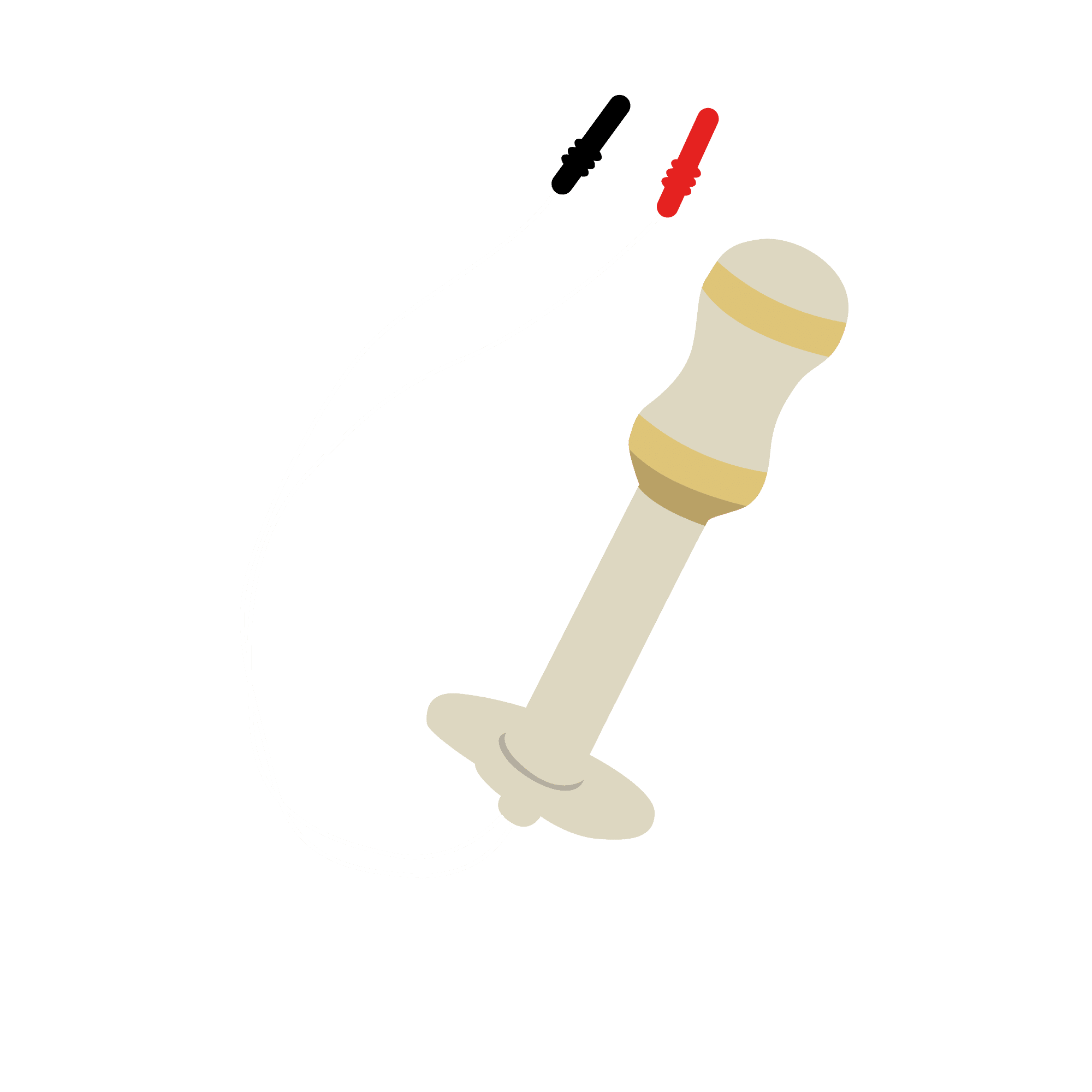
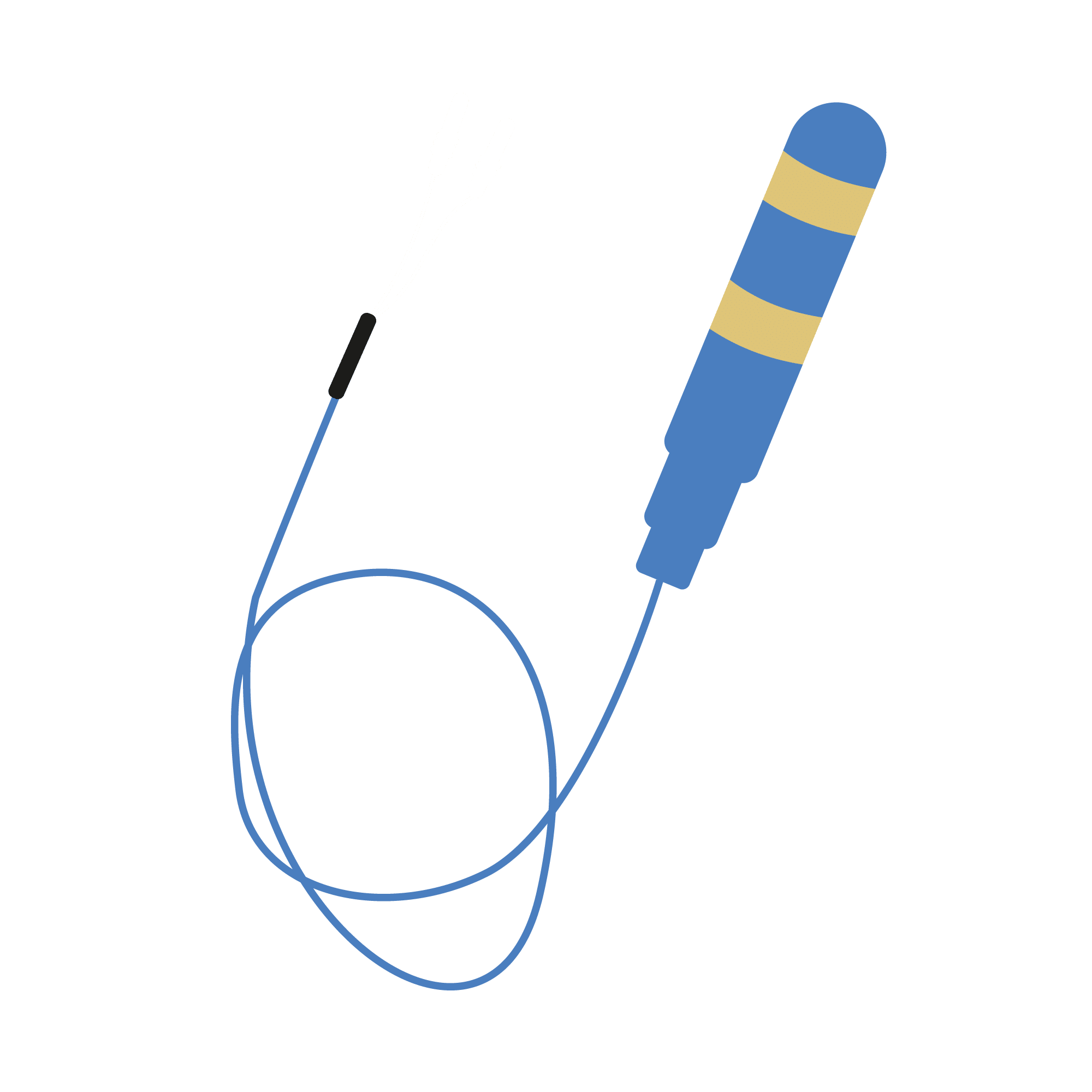
Anal probes are suitable for perineal rehabilitation in both men and women, particularly for treating urinary or fecal incontinence. They offer an effective solution for strengthening the pelvic floor muscles through electrostimulation.
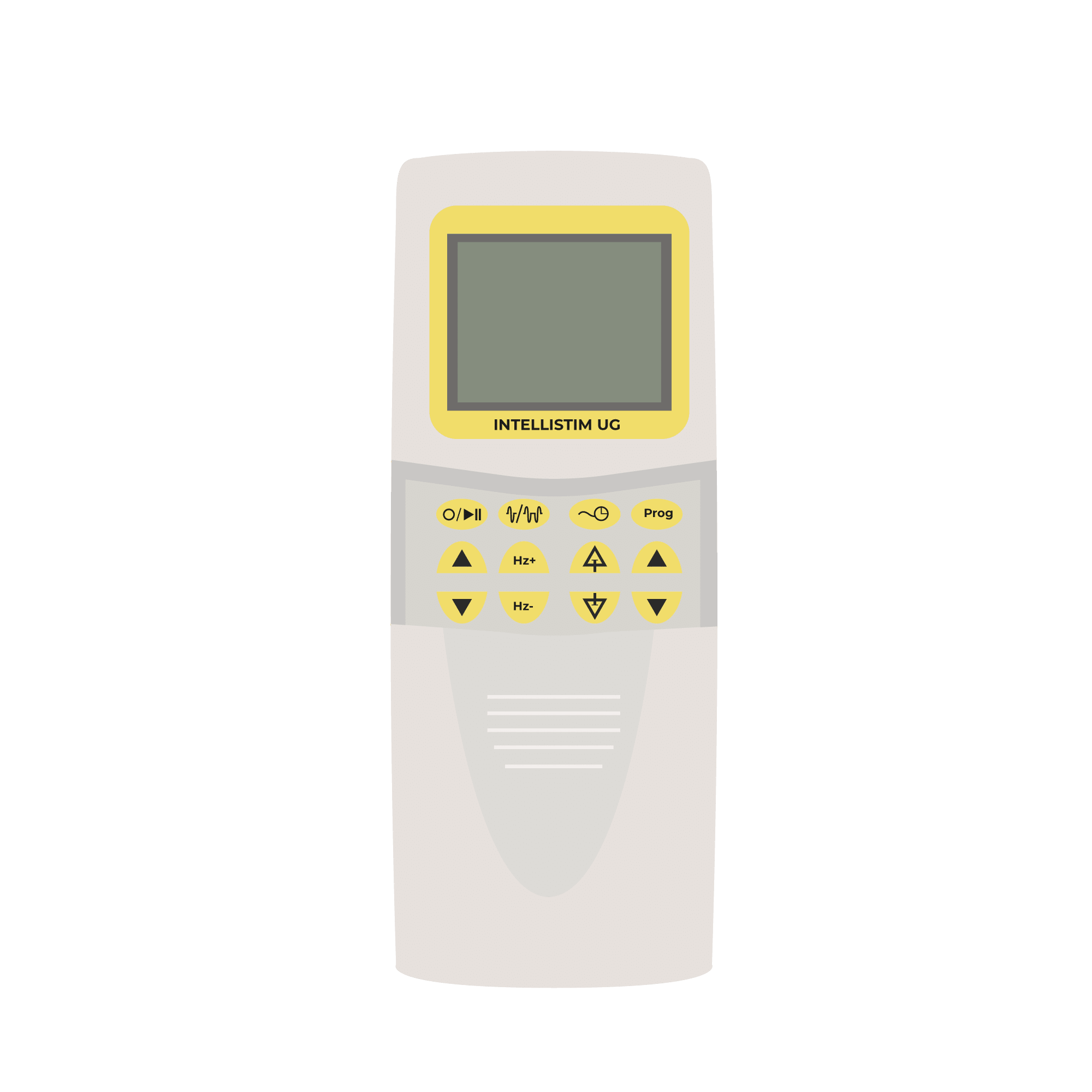
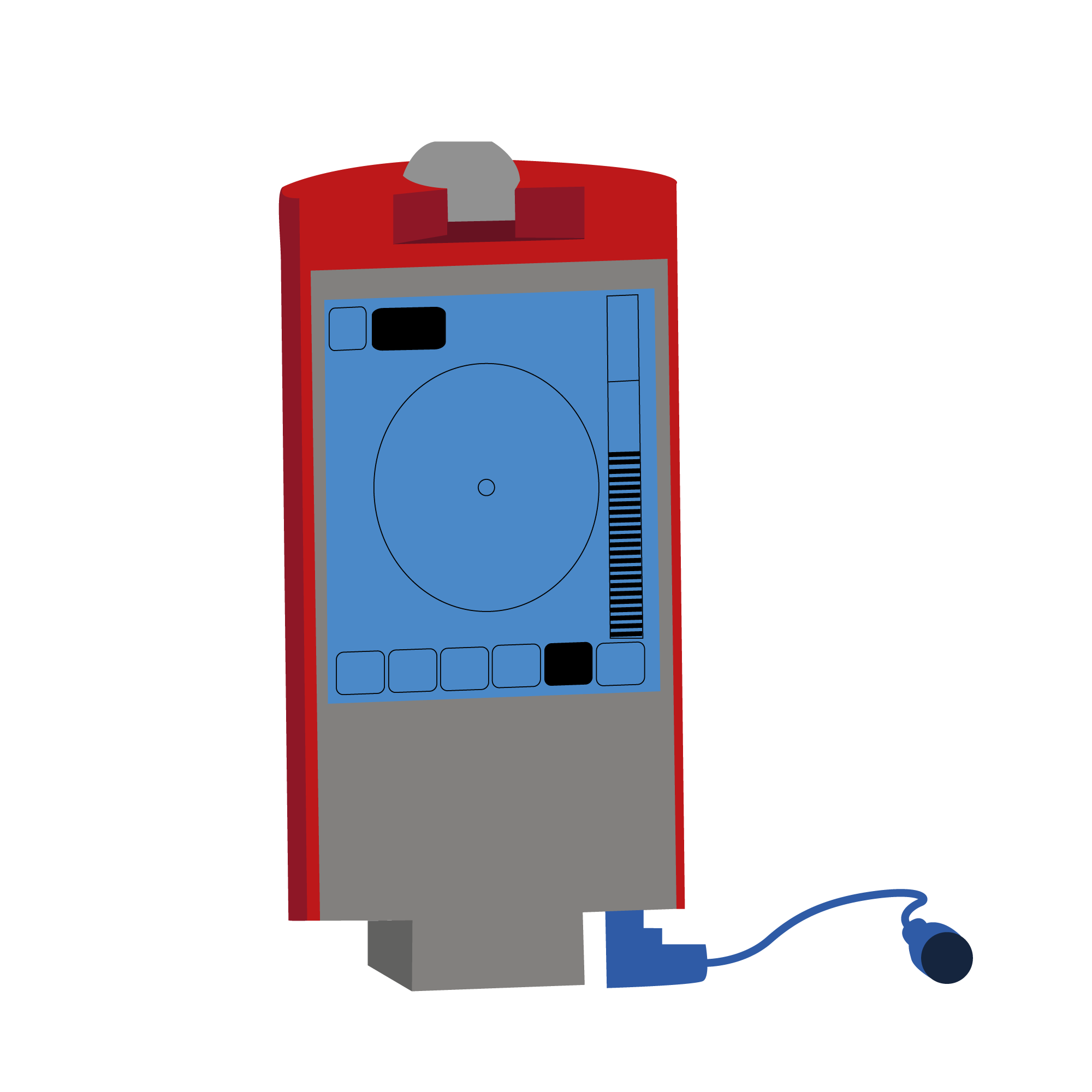
Electrostimulators
A perineal electrical stimulator is a device that sends mild electrical impulses to stimulate and strengthen the perineal muscles. It is recommended as part of a home rehabilitation program, often in conjunction with medical supervision.


To conclude
Dryness, discomfort, leakage, and frequent urges: During menopause, these symptoms are common, but you don’t have to put up with them, and they aren’t inevitable.
They have a name—SGUM—and effective solutions are available.
World Menopause Day has come and gone, but this resolution remains valid all year long: talk to your healthcare provider about it 💜
⇒ To learn more, (re)read our Pink October article “After Breast Cancer, Taking Care of Your Intimate Health, Too ⬈ ,” as well as “The Perineum: Definition, Role, and Importance for Health ⬈.”

INTELLISTIM UG®
245,19 € Excl. tax

Frequently Asked Questions
Check out the questions most frequently asked by users.
At what age does menopause begin?
According to the French National Health Insurance, it most often occurs between the ages of 45 and 55, with an average age of 51.
It is considered early-onset between the ages of 40 and 45, and late-onset after age 55.
Are vaginal lubricants and moisturizers the same thing?
No.
→ Vaginal moisturizer is used regularly—for example, several times a week—to rehydrate the tissues on a daily basis.
→ Lubricant is used as needed, during intercourse, to reduce friction and discomfort.
Can you do pelvic floor exercises during menopause?
Oui, il n’y a pas d’âge pour rééduquer son périnée !
Elle est notamment indiquée en cas de fuites urinaires ou de périnée affaibli.
Elle est prescrite par un médecin ou une sage-femme, puis réalisée par un kinésithérapeute ou une sage-femme.
Do the symptoms of SGUM go away over time?
Unlike hot flashes, these symptoms tend to develop gradually if left untreated.
That’s why it’s important to talk to your healthcare provider about them early on.
Who should I talk to about this?
To your primary care physician, gynecologist, or midwife.
These symptoms are an integral part of menopause care, so please don’t hesitate to bring them up, even if you find it uncomfortable to discuss them.
Check out our blog

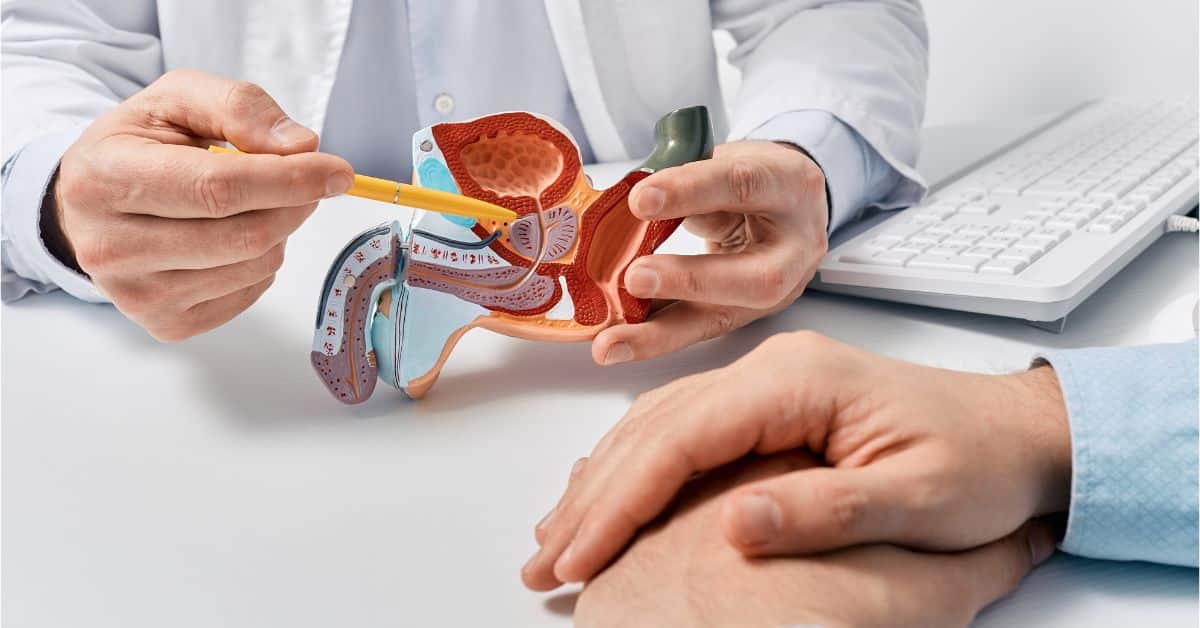
Urinary Incontinence After Prostatectomy: Perineal Rehabilitation
After prostate surgery, urinary incontinence is common but often temporary. Learn about the key role of pelvic floor rehabilitation.

Breast Cancer and Intimacy: Dryness, Incontinence, Solutions
Pink October: Vaginal dryness, urinary incontinence, pain… Breast cancer treatments can affect your intimate health. Causes and solutions.
Lump or discomfort in the vagina: possible causes and when to seek medical attention
Lump or discomfort in the vagina: possible causes and when to see a doctor
Common Misconceptions About the Perineum: 8 Myths You Should Know
Pelvic floor and constipation: Understanding the connection and taking action

The Perineum and Sports: What Activities to Do and How to Protect It
Pelvic Floor and Pregnancy: Rehabilitation Before and After Childbirth
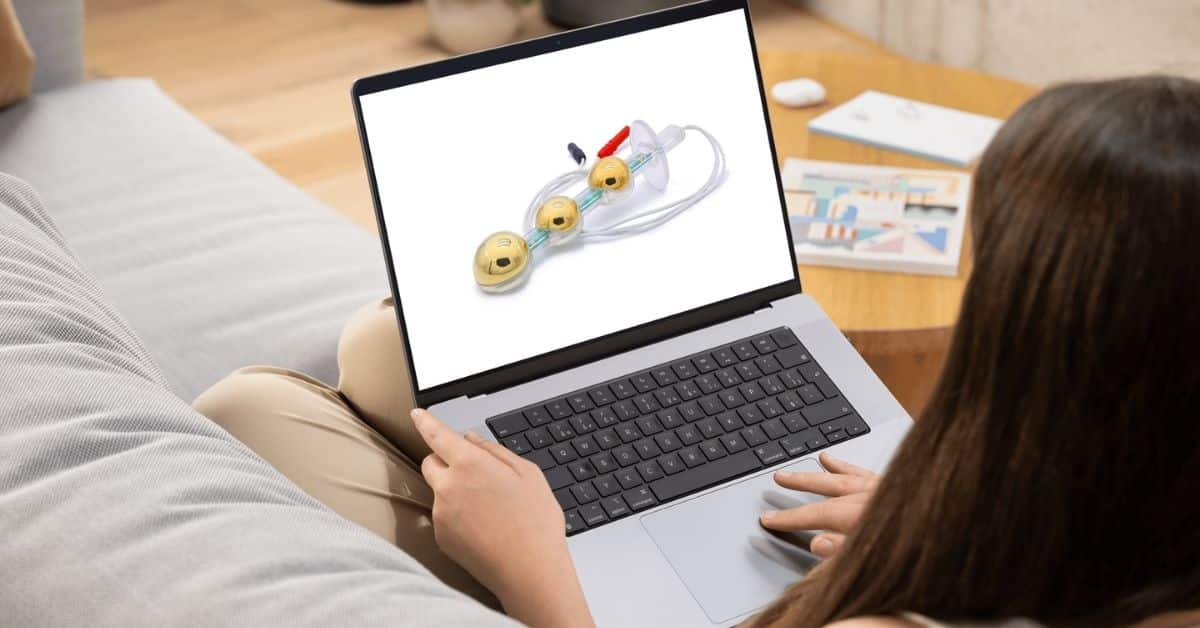
How to Use a Perineal Rehabilitation Probe: Instructions for Use
Insertion, lubrication, connection, precautions, warnings… Learn how to use your perineal rehabilitation probe correctly, step by step and safely.

Constantly contracting your pelvic floor muscles: myth or good idea?
Sources
- Assurance Maladie
- CNGOF et GEMVi
- Gyneco-online

