
Breast Cancer and Intimacy: Dryness, Incontinence, Solutions

Published on October 5, 2026 · Reading time: 5 minutes.
Pink October:
After breast cancer, take care of your intimate health, too
Pink October is the month dedicated to raising awareness about breast cancer. There’s a lot of talk (thankfully!) about screening.
There’s much less talk about what comes after: the effects of treatments on intimacy, vaginal dryness, urinary incontinence…
These topics are still taboo, even though they affect the daily lives of many women.
So why don’t we talk about them—gently?
Please read this first: This article is for informational purposes only and is not a substitute for medical advice. If you are currently undergoing treatment or follow-up care for breast cancer, discuss your symptoms with your healthcare team before taking any action.
Breast Cancer by the Numbers
61 000
Key statistic: In France, an estimated 61,000 new cases of breast cancer were reported in 2023. 80% occur in women over the age of 50. Good news: when detected at the earliest stage, breast cancer is curable in 87% of cases.
That is why organized screening is so important.
For women between the ages of 50 and 74, a mammogram is offered every two years, covered 100% by health insurance, and every image deemed normal is reviewed by a second radiologist.
Breast cancer primarily affects women, but it can also, more rarely, affect men.
Why Can Medical Treatments Affect Privacy?
Some breast cancer treatments, particularly hormone therapy, stop or reduce the production of female hormones (estrogen and progesterone).
The National Cancer Institute refers to this as “artificial” menopause. It can occur earlier and more abruptly than natural menopause.
However, estrogen plays a key role in the health of intimate tissues. When estrogen levels decrease, several effects may occur:
-
- vaginal dryness, sometimes accompanied by irritation or itching;
- pain during intercourse and a decreased sex drive;
- urinary issues: more frequent urinary tract infections, a strong urge to urinate, or urinary incontinence.
Not everyone experiences these effects, nor do they all experience them with the same intensity. But if this is the case for you, know that it is neither “all in your head” nor inevitable.
What are some ways to feel better?
The first step is to talk about it.
→ Talk to your oncologist, gynecologist, primary care physician, or midwife. These topics are just as much a part of your health as the rest of your care.
There are several options to consider, which you can discuss with your healthcare team:
⇒ To treat vaginal dryness, the National Cancer Institute recommends using a water-based lubricant or a vaginal moisturizer.
⇒ Appropriate physical activity and relaxation techniques (breathing exercises, yoga) can help you better cope with the effects of treatment-induced menopause.
⇒ pelvic floor rehabilitation is one of the recommended approaches for genitourinary disorders related to hormonal decline: pelvic floor strengthening, biofeedback, etc. It is performed by a physical therapist or a midwife, always in consultation with your medical team.
Our expertise: At Sugar International, our line of rehabilitation catheters was designed by a therapist specializing in urogynecology. For 30 years, we have been supporting professionals who help their patients regain comfort and confidence.
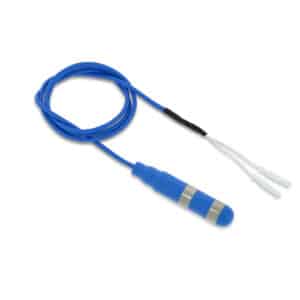
3AT2B®
25,00 € Excl. tax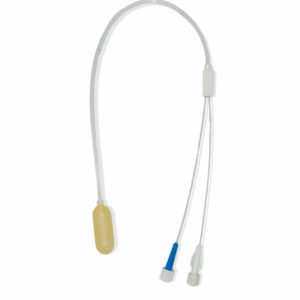
AEROLYS ANA®
28,33 € Excl. tax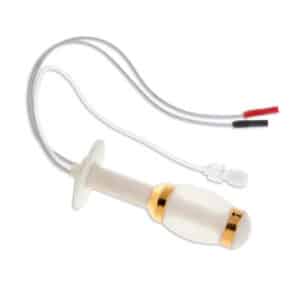
AIR STIM®
38,00 € Excl. tax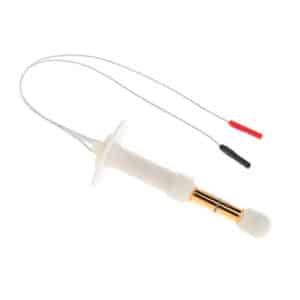
ANALIA®
30,00 € Excl. tax
Devices that can help at home
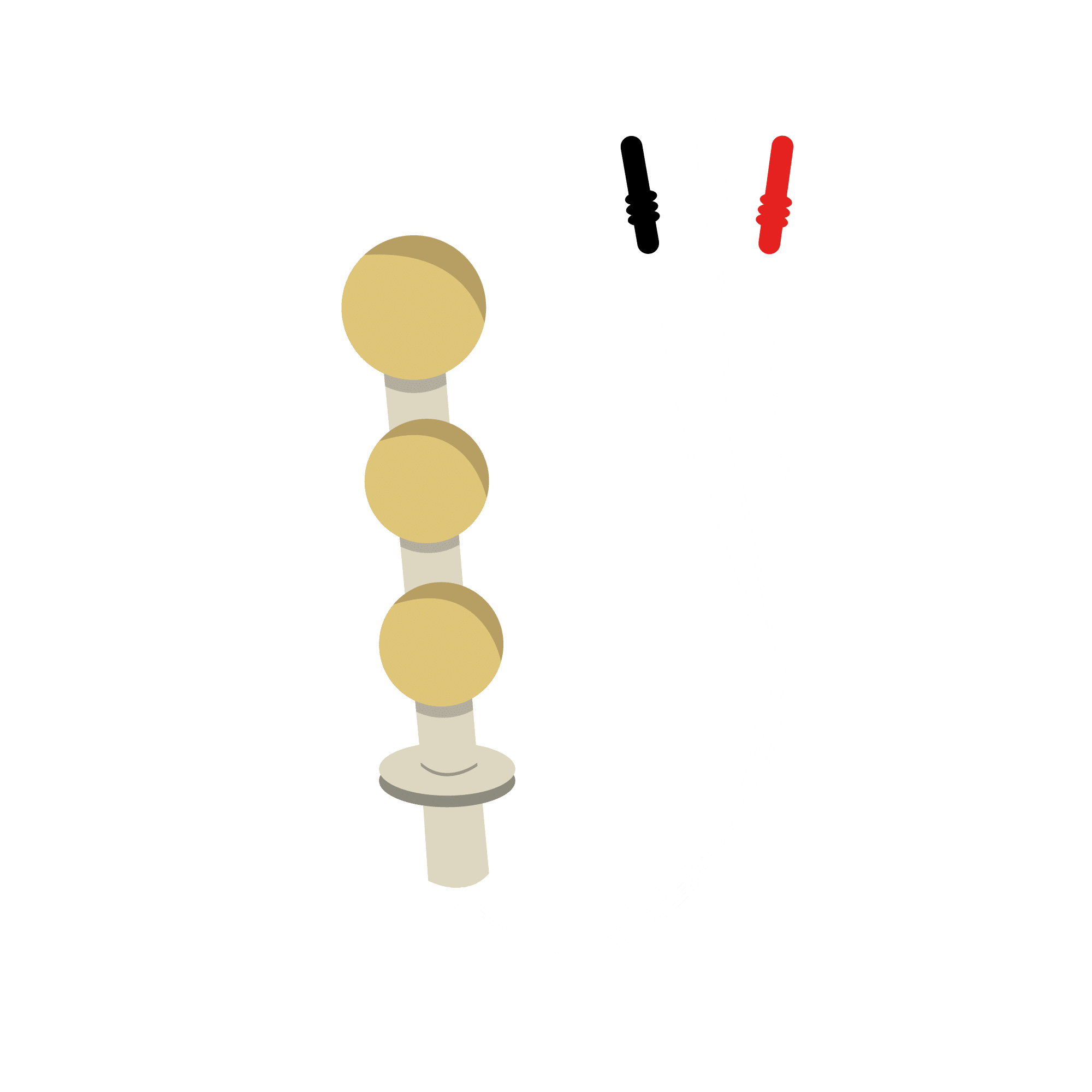
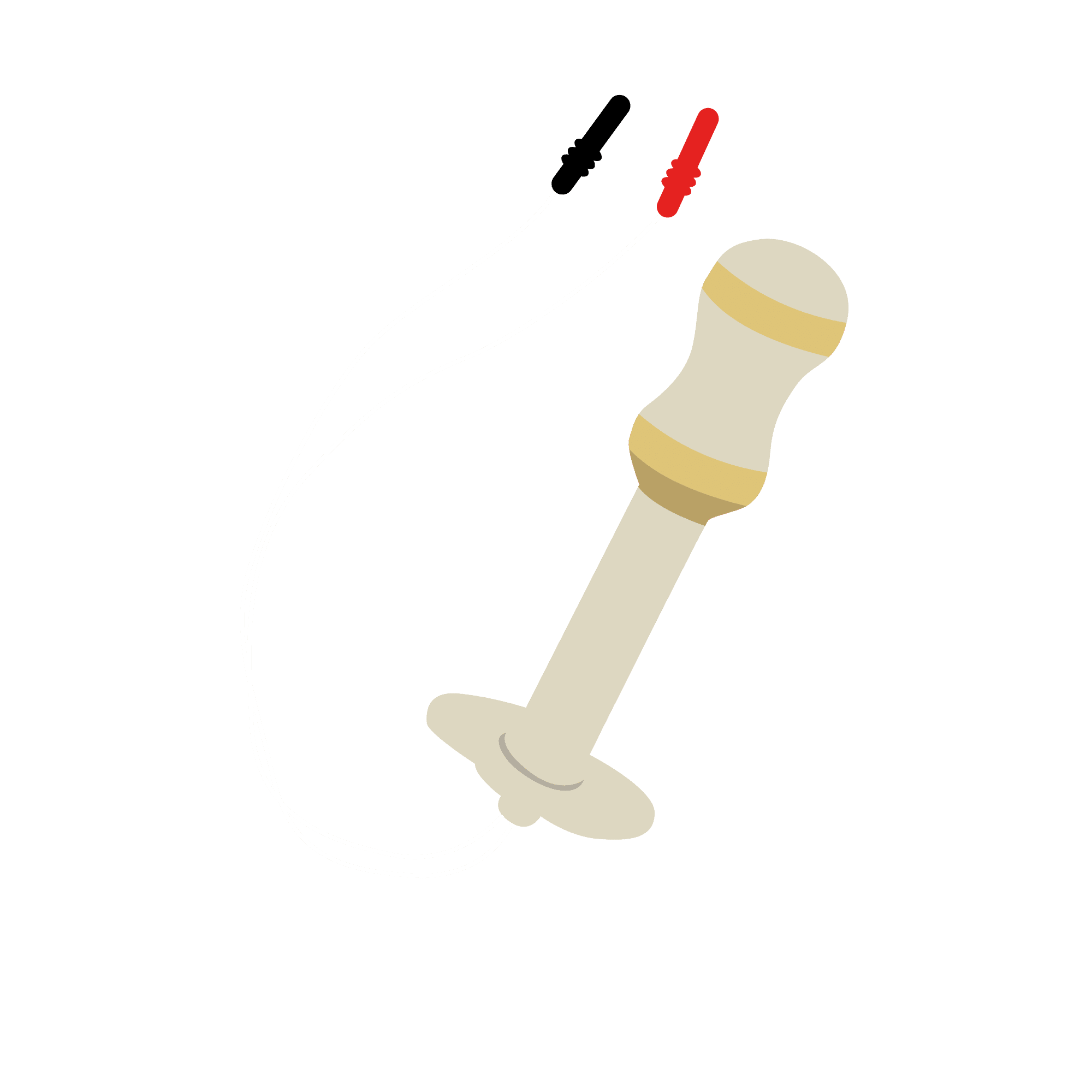
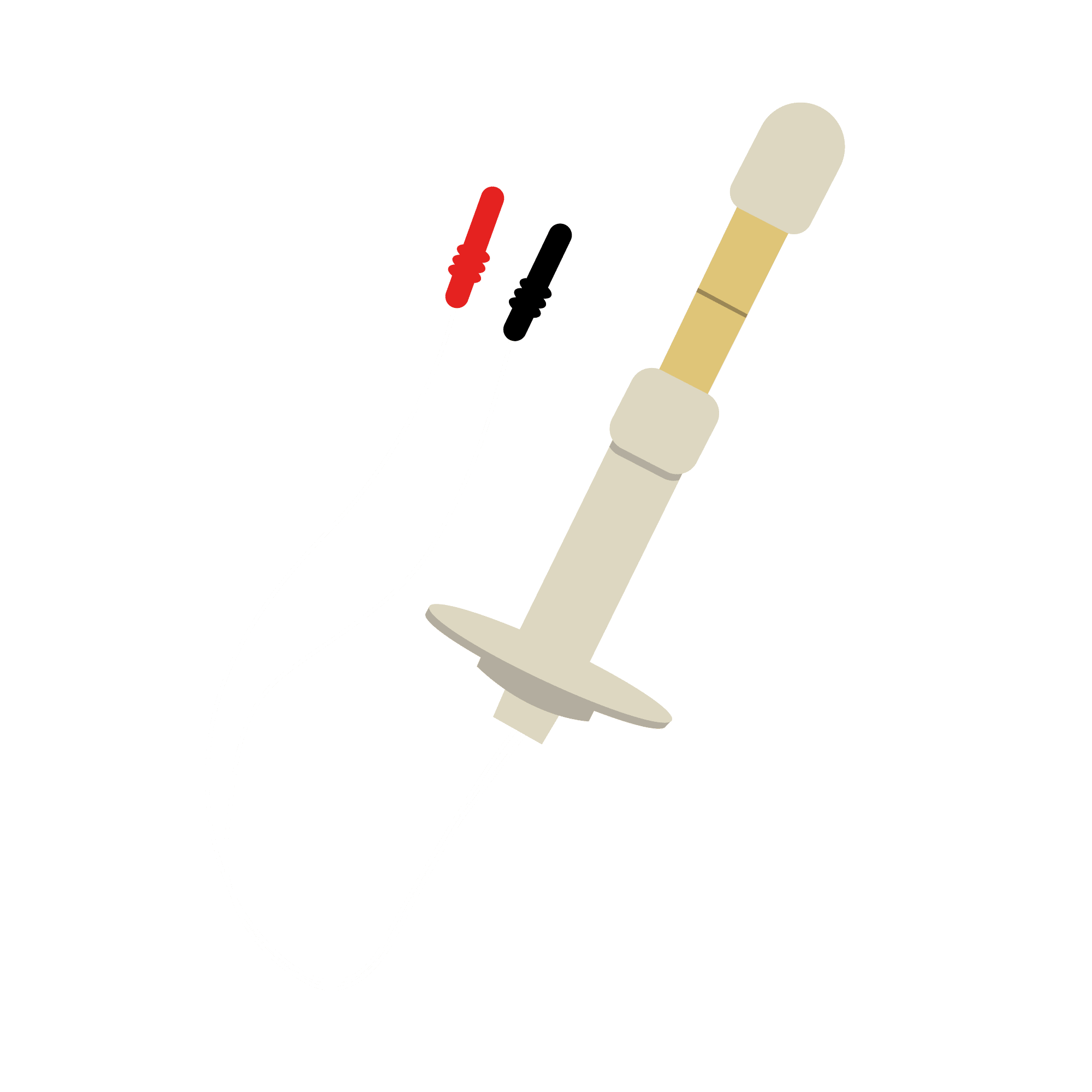
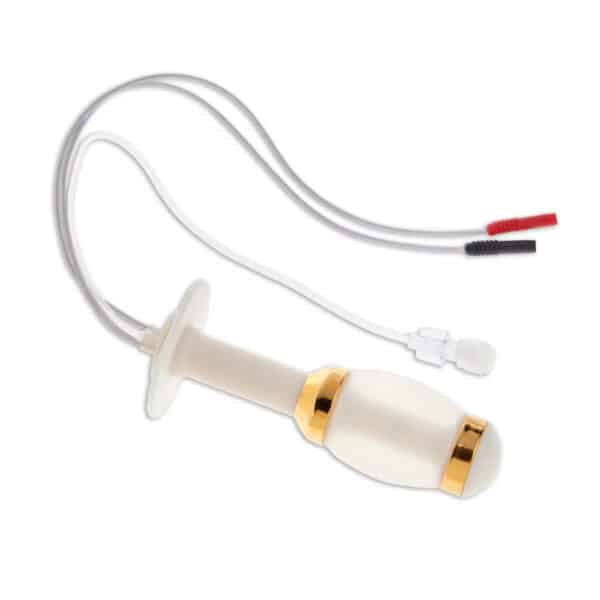
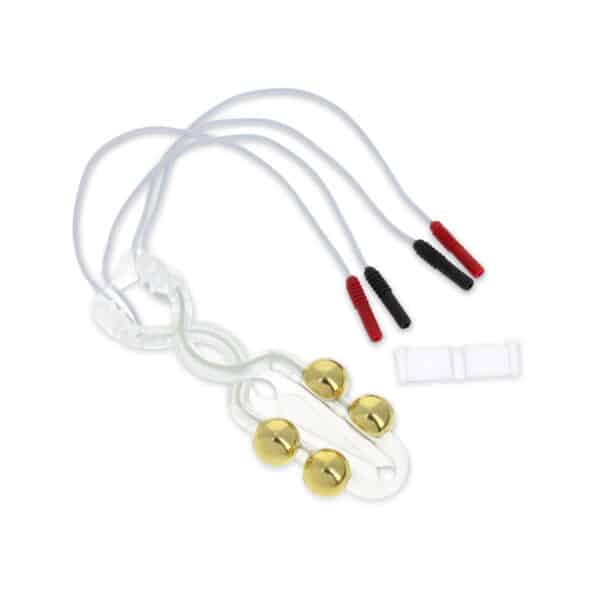
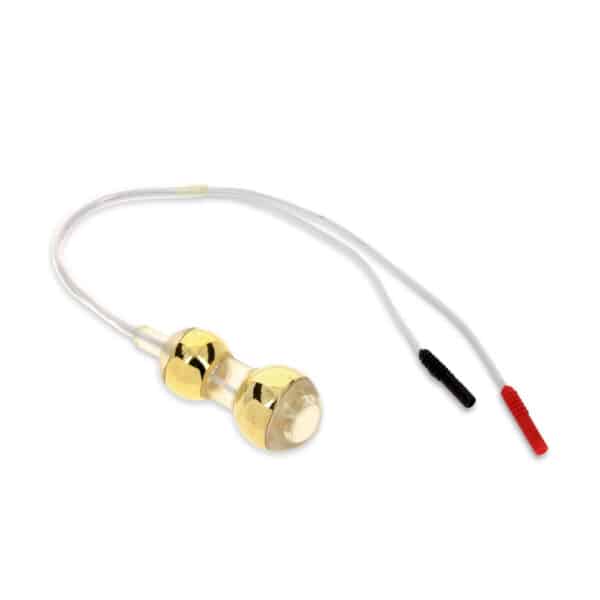
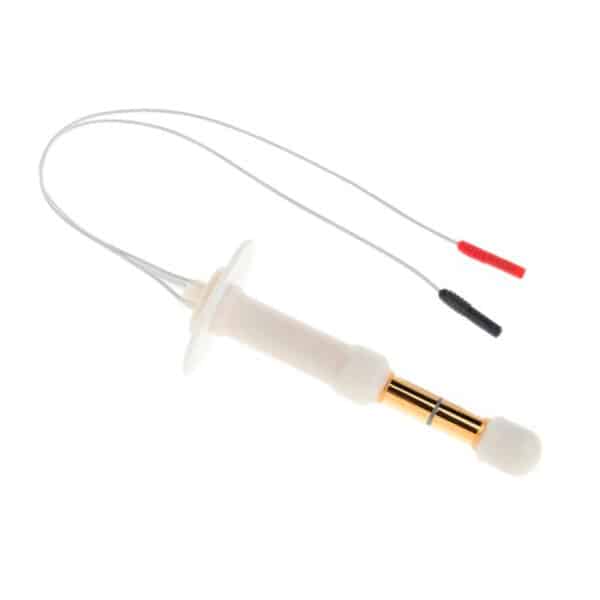
Vaginal probes
Vaginal probes are used for perineal rehabilitation in women, particularly in cases of urinary incontinence, postpartum recovery, or pelvic muscle weakness. They allow for targeted exercise through biofeedback or electrostimulation.
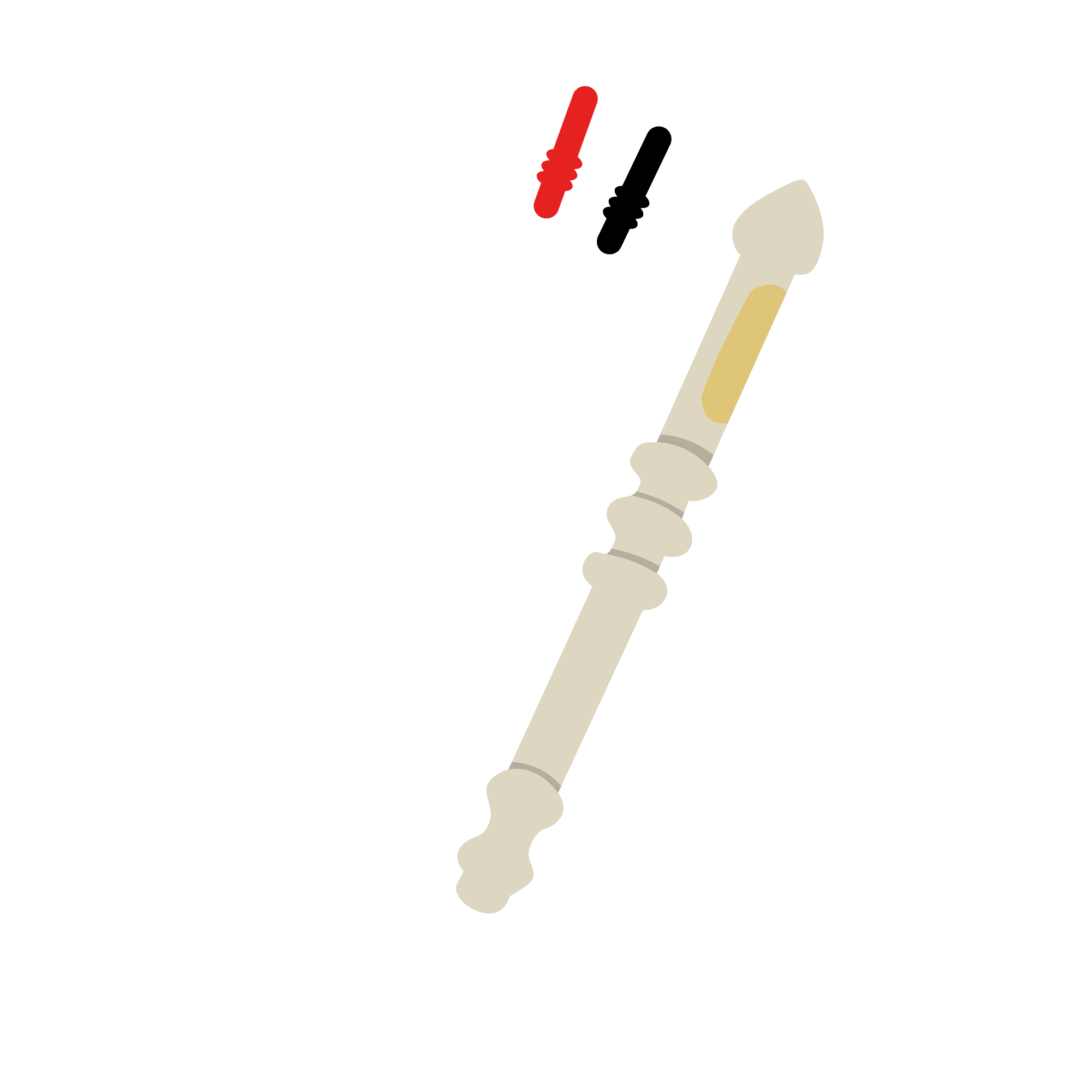
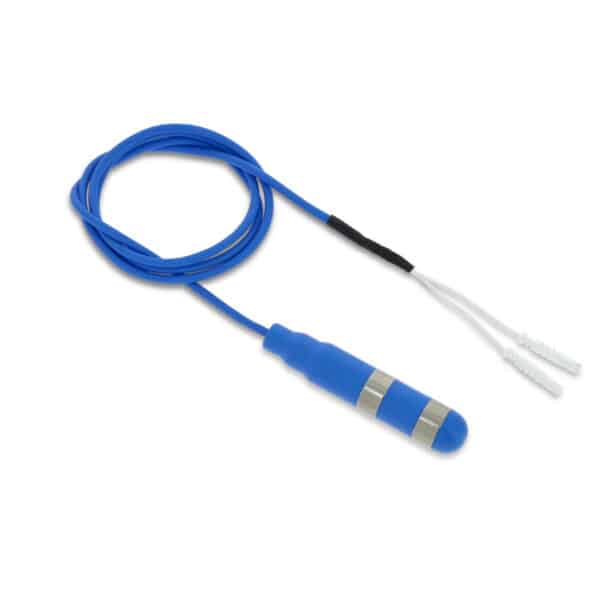
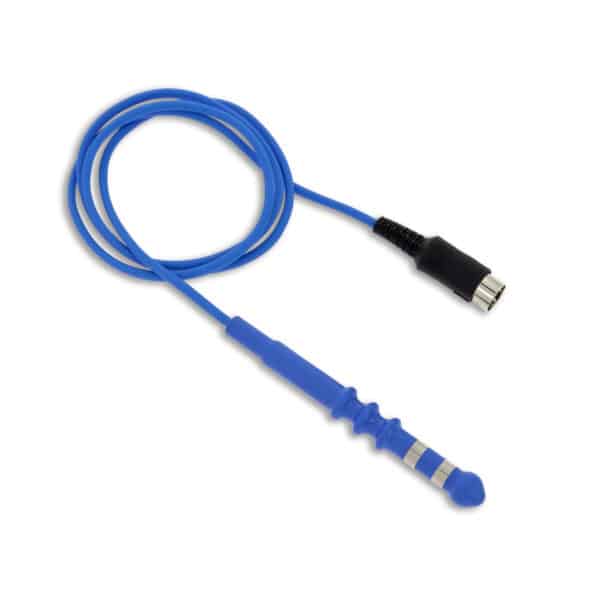
Anal probes
Anal probes are suitable for perineal rehabilitation in both men and women, particularly for treating urinary or fecal incontinence. They offer an effective solution for strengthening the pelvic floor muscles through electrostimulation.
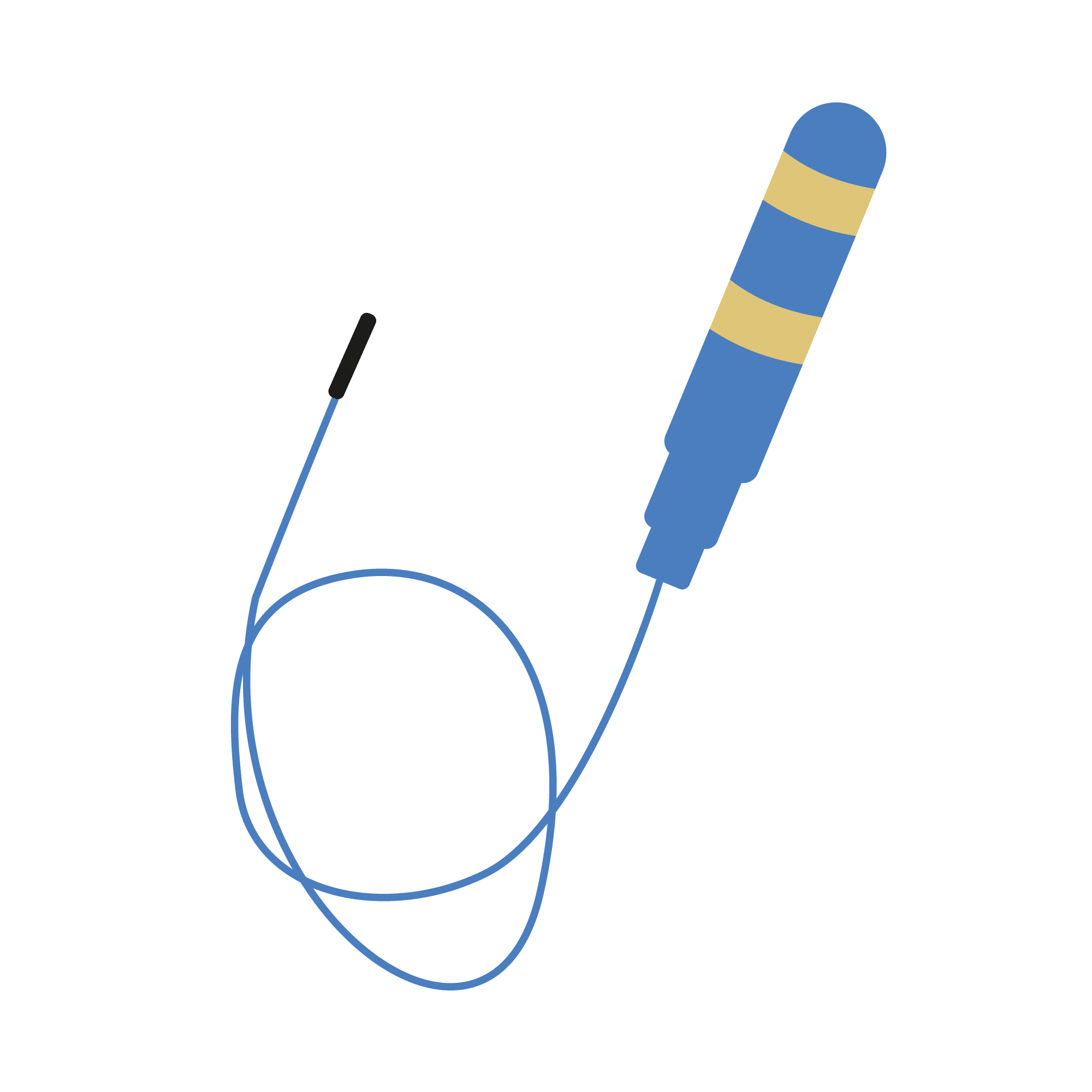
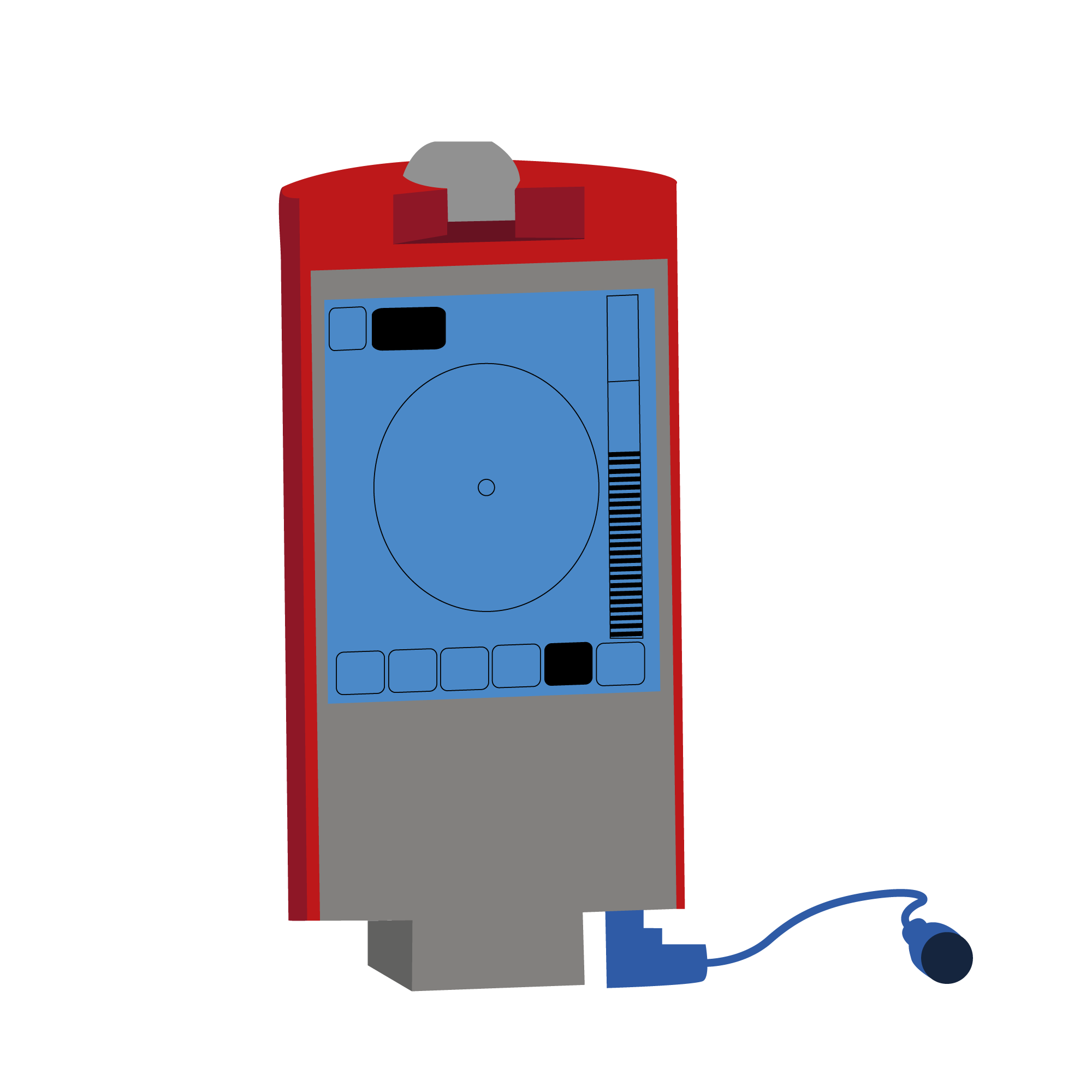
Electrostimulators
A perineal electrostimulator is a device that sends mild electrical impulses to stimulate and strengthen the perineal muscles. It is recommended as part of a home rehabilitation program, often in conjunction with medical supervision.








In conclusion
Pink October is first and foremost about screening: if you’re between the ages of 50 and 74, don’t forget to get your mammogram!
And for those who are going through or have gone through breast cancer, your intimate health deserves care, too.
Dryness, pain, leakage… These symptoms are common, as many women report, and solutions are available.
You’re not alone 💗
⇒ To learn more, (re)read our article “The Perineum: Definition, Role, and Importance for Health ⬈ ,“ and our article on menopause ” The Perineum and Menopause: Understanding and Providing Proper Support ⬈ ”

INTELLISTIM UG®
245,19 € Excl. tax
Frequently asked questions
Check out the questions most frequently asked by users.
Is breast cancer screening covered by insurance?
Yes, it is 100% covered by health insurance.
If you are between the ages of 50 and 74, you are invited to have a screening mammogram every two years.
The invitation will arrive by mail and in your ameli account.
On the day of your appointment, simply present your invitation and your Vitale card: you won’t have to pay anything.
If a follow-up test is necessary, such as an ultrasound, it will be reimbursed under the usual conditions.
Why choose organized screening over a standard mammogram?
In organized screening programs, every mammogram deemed normal is reviewed by a second expert radiologist.
According to the French National Health Insurance, this second review helps detect 6% of breast cancers.
This process does not apply when a mammogram is performed on an individual prescription.
Is vaginal dryness after breast cancer permanent?
Not necessarily.
It depends on the treatment, its duration, and each woman.
There are ways to relieve it, such as water-based lubricants or vaginal moisturizers.
Talk to your healthcare team, who will guide you based on your situation.
Is it possible to do pelvic floor rehabilitation after breast cancer?
Yes.
It is one of the possible treatment options for urinary incontinence or intimate health issues.
It must always be approved by your medical team and then performed by a physical therapist or midwife, who will adapt the techniques to your specific situation.
Who can I talk to about these intimate issues?
To your oncologist, gynecologist, primary care physician, or midwife.
Many women are hesitant to bring up the subject, but these symptoms are an integral part of your care.
Can men get breast cancer?
Yes, although it is much rarer.
Any lump or change in the breast should prompt a visit to the doctor, regardless of gender.
Check out our blog

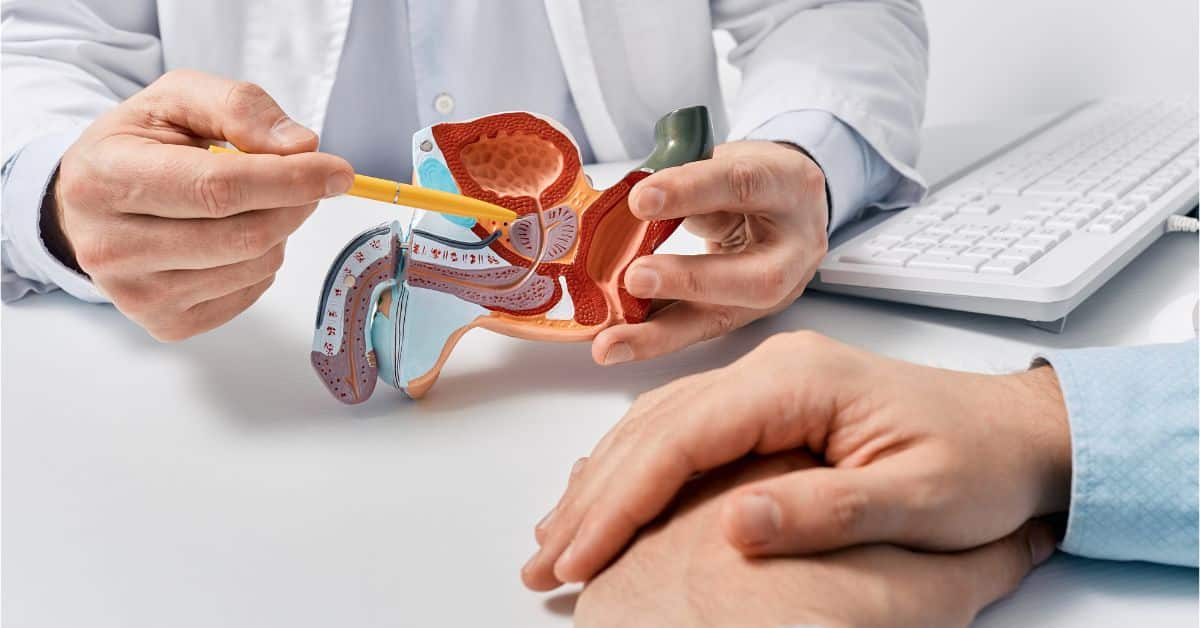
Urinary Incontinence After Prostatectomy: Perineal Rehabilitation
After prostate surgery, urinary incontinence is common but often temporary. Learn about the key role of pelvic floor rehabilitation.

Lump or discomfort in the vagina: possible causes and when to seek medical attention

Lump or discomfort in the vagina: possible causes and when to see a doctor

Common Misconceptions About the Perineum: 8 Myths You Should Know

Pelvic floor and constipation: Understanding the connection and taking action

The Perineum and Sports: What Activities to Do and How to Protect It

Pelvic Floor and Pregnancy: Rehabilitation Before and After Childbirth
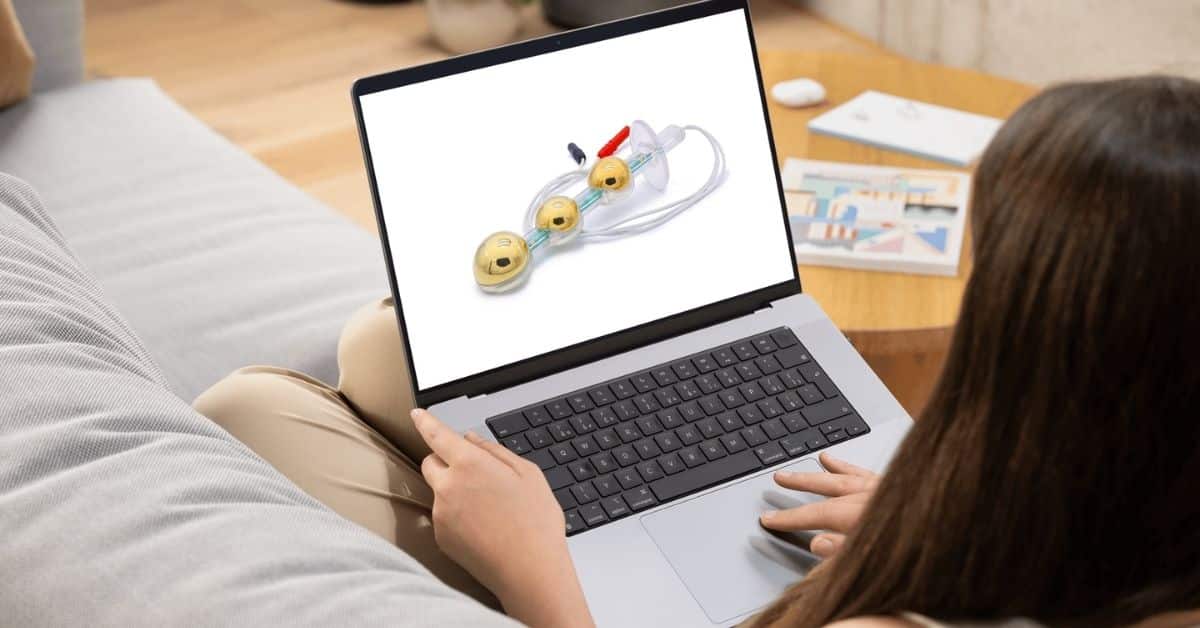
How to Use a Perineal Rehabilitation Probe: Instructions for Use
Insertion, lubrication, connection, precautions, warnings… Learn how to use your perineal rehabilitation probe correctly, step by step and safely.

Constantly contracting your pelvic floor muscles: myth or good idea?

Caring for a Perineal Rehabilitation Probe: The Complete Guide
Cleaning, drying, storage, lifespan… Learn how to properly care for your pelvic floor rehabilitation probe to keep it hygienic and ensure its longevity.
Sources
- ARS Île-de-France
- Institut national du cancer
- Fondation ARC
- Maladies du sein (Canada)

