
Lump or discomfort in the vagina: possible causes and when to seek medical attention

Published on September 28, 2026 · Reading time: 5 minutes.
A “lump” or discomfort in the vagina:
What could be causing it, and when should you see a doctor?
Do you feel a “lump,” heaviness, or discomfort in your vagina, and are you worried?
First, here’s an essential step: this type of sensation should always prompt you to see a healthcare professional. Next, know that in many cases, the cause is known and can be treated.
Let’s take stock of the situation, calmly and without overreacting.
Please read this first: This article is for informational purposes only and is not a substitute for medical advice. A lump, a bump, or discomfort in the vaginal area can have several causes, some of which require an examination. Do not attempt to self-diagnose: consult a healthcare professional (doctor, gynecologist, or midwife), who can provide an accurate diagnosis.
One symptom, several possible explanations
This is the key point to understand: a sensation of a “lump” or heaviness in the vagina does not have a single cause. It can be associated with a wide variety of conditions, some more serious than others.
Some are related to the pelvic floor, such as prolapse, which we’ll discuss in more detail below. Others have nothing to do with the perineum and may require specific treatment. This is precisely why no article, no matter how comprehensive, can replace an examination: only a healthcare professional can determine what applies to you.
The right approach, therefore, is not to seek reassurance (or cause yourself worry) online, but to make an appointment to get a reliable medical opinion.
Prolapse: A common cause related to the perineum
Among the possible explanations, there is one that falls directly within our field: prolapse, commonly known as “organ descent.”
30 % à 50 %
Key statistic: According to the French National Authority for Health, genital prolapse affects between 30% and 50% of women of all ages.
What is it? When the perineum and supporting tissues weaken, they are less able to support the pelvic organs (bladder, uterus, rectum).
→ As a result, these organs tend to descend and press downward. This can feel like a lump, a sensation of heaviness, or a feeling that “something is falling.” The French National Health Insurance (Assurance Maladie) notes that these symptoms often worsen with physical exertion and prolonged standing.
Other signs may accompany this, according to the French National Health Insurance:
• discomfort in the lower abdomen, urinary problems (difficulty urinating, leakage during physical exertion),
• discomfort during sexual intercourse,
• or constipation.
Prolapse is common and nothing to be ashamed of. Several factors can contribute to it, and you’re likely familiar with them:
→ pregnancy and childbirth,
→ menopause,
→ aging,
→ repeatedly lifting heavy loads,
→ chronic constipation,
→ chronic cough,
→ being overweight, or even intense physical activity.
All of these factors put strain on the pelvic floor.
What can be done in the event of a prolapse?
Once again, it all starts with a diagnosis made by a healthcare professional. They will assess the type and severity of the prolapse and then recommend an appropriate course of treatment.
The good news is that surgery isn’t the norm. According to the HAS, only 10% to 20% of prolapse cases are treated surgically. Official recommendations prioritize non-surgical solutions as the first line of treatment:
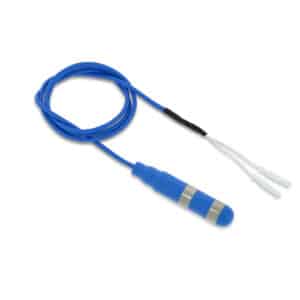
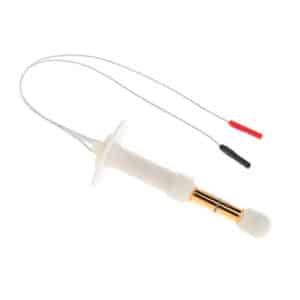
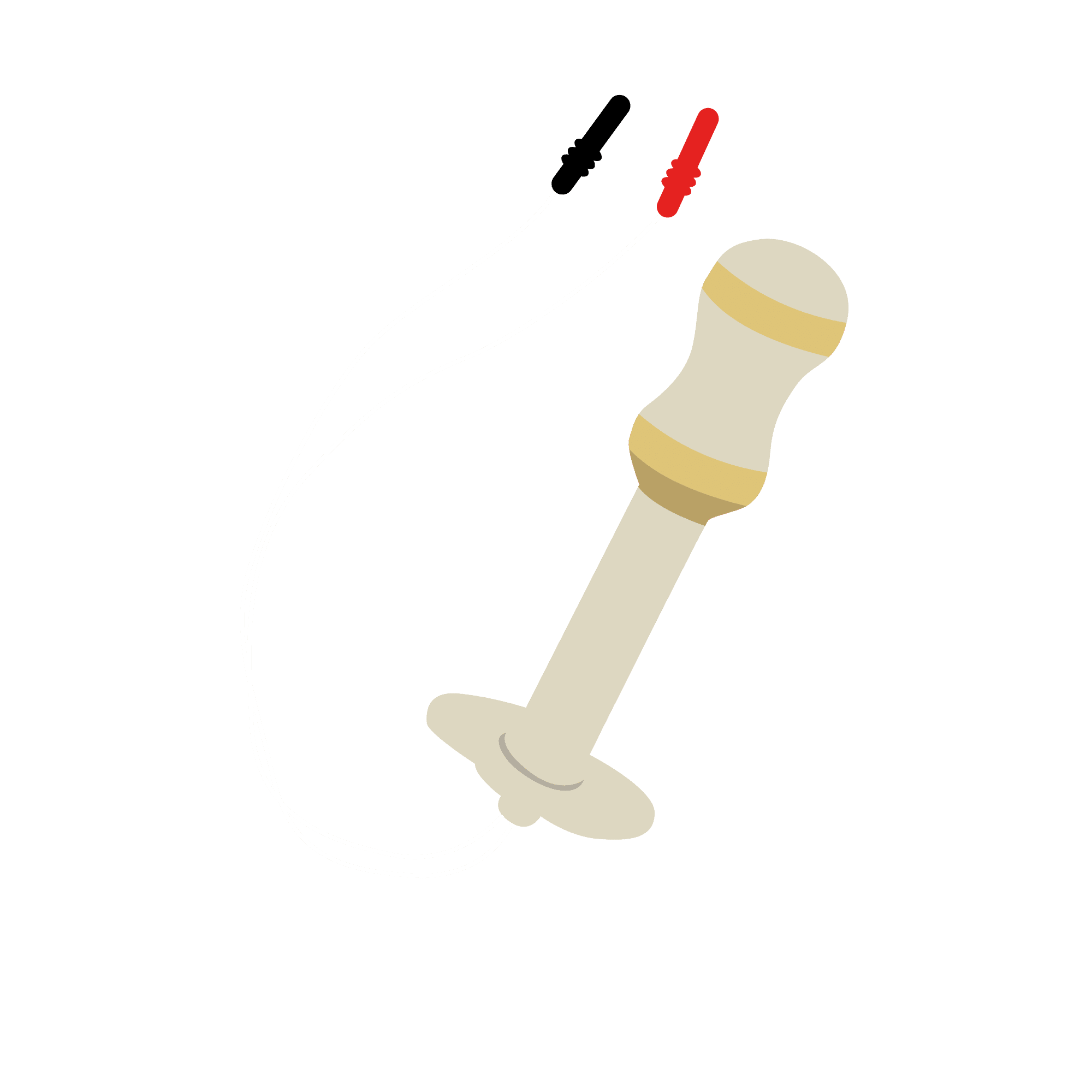
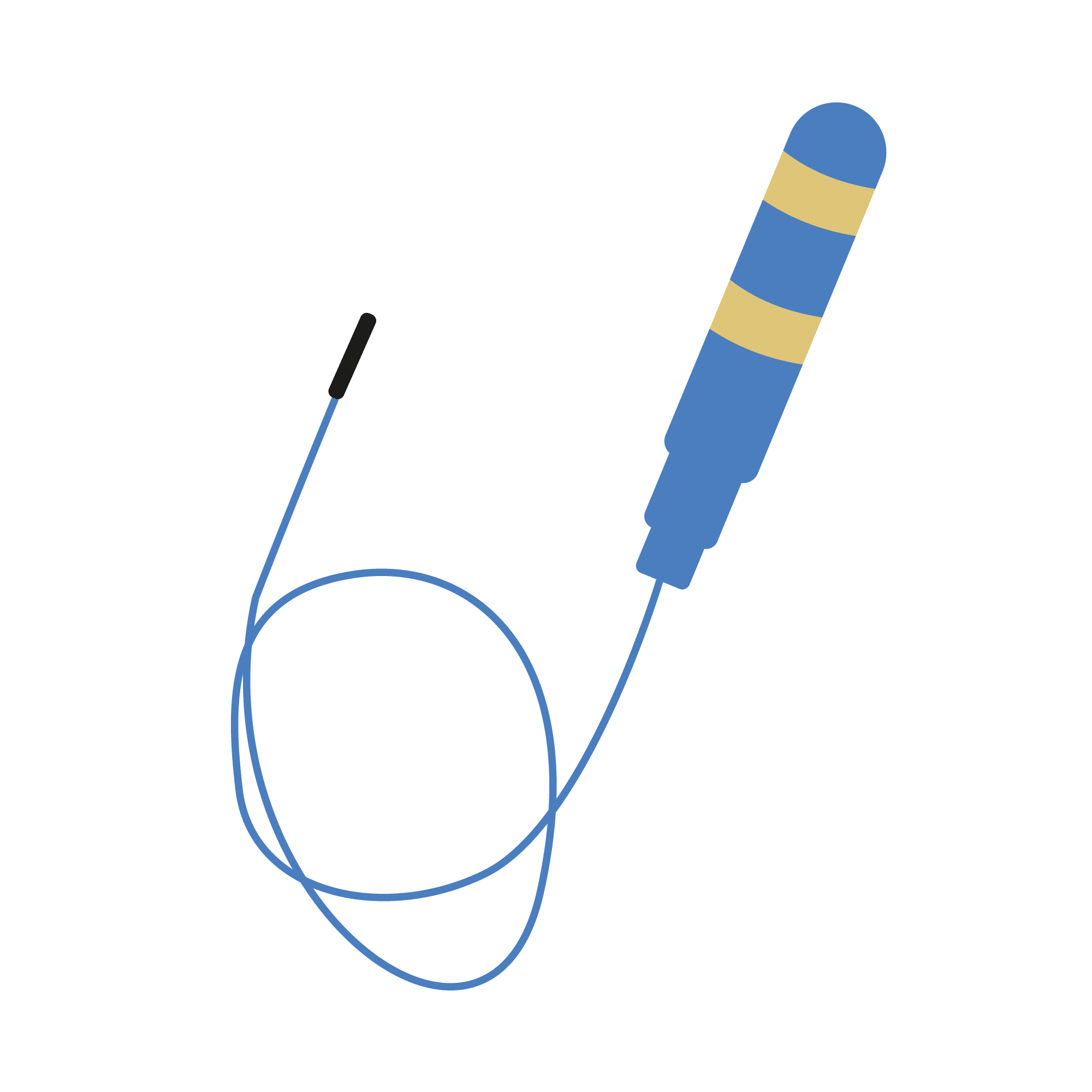
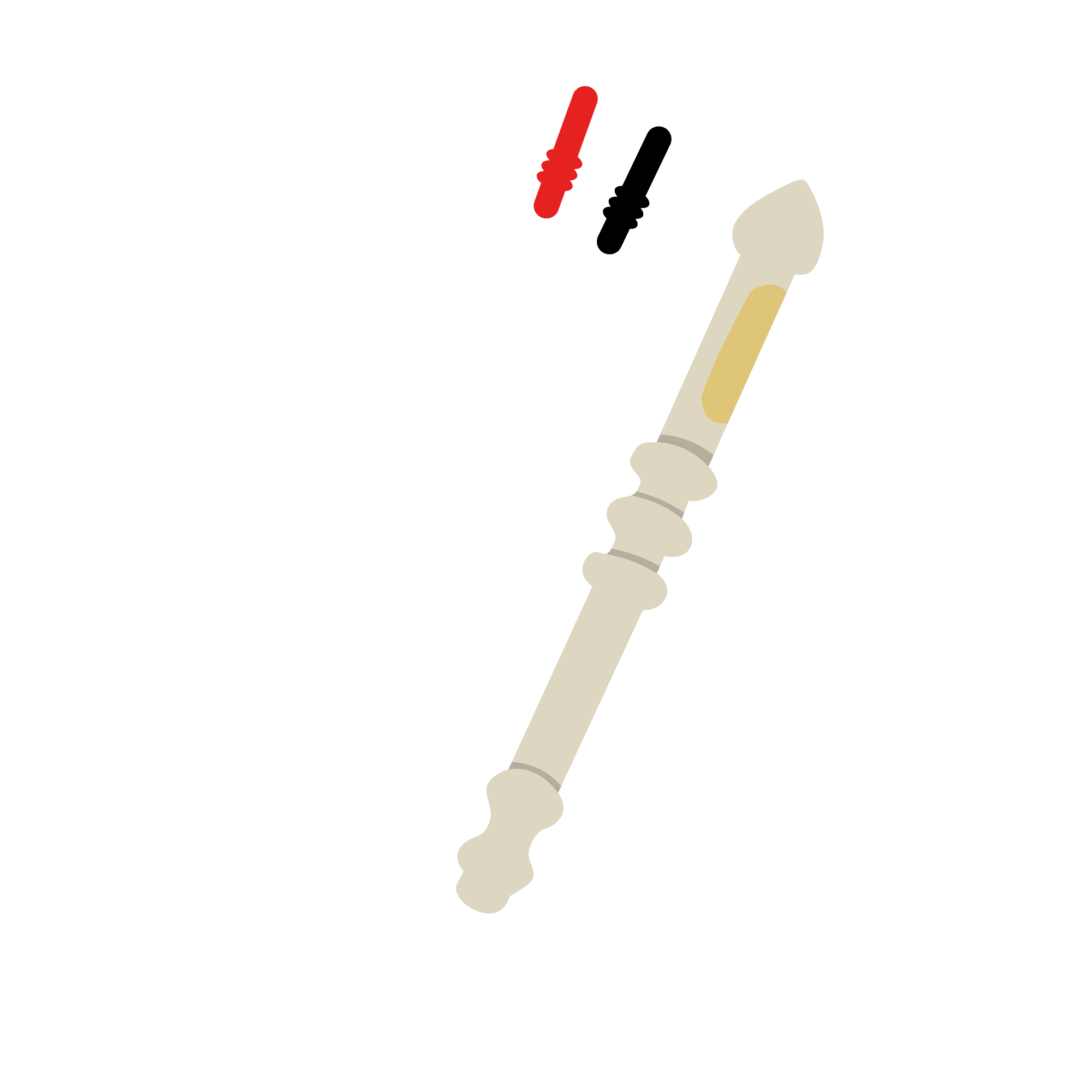
Perineal rehabilitation is one of the first-line treatments recommended for moderate prolapse. It is performed by a physical therapist or a midwife following an initial evaluation. According to the HAS, “rehabilitation improves symptoms and quality of life.” It sometimes involves biofeedback and electrostimulation, using a perineal rehabilitation probe connected to a stimulator.
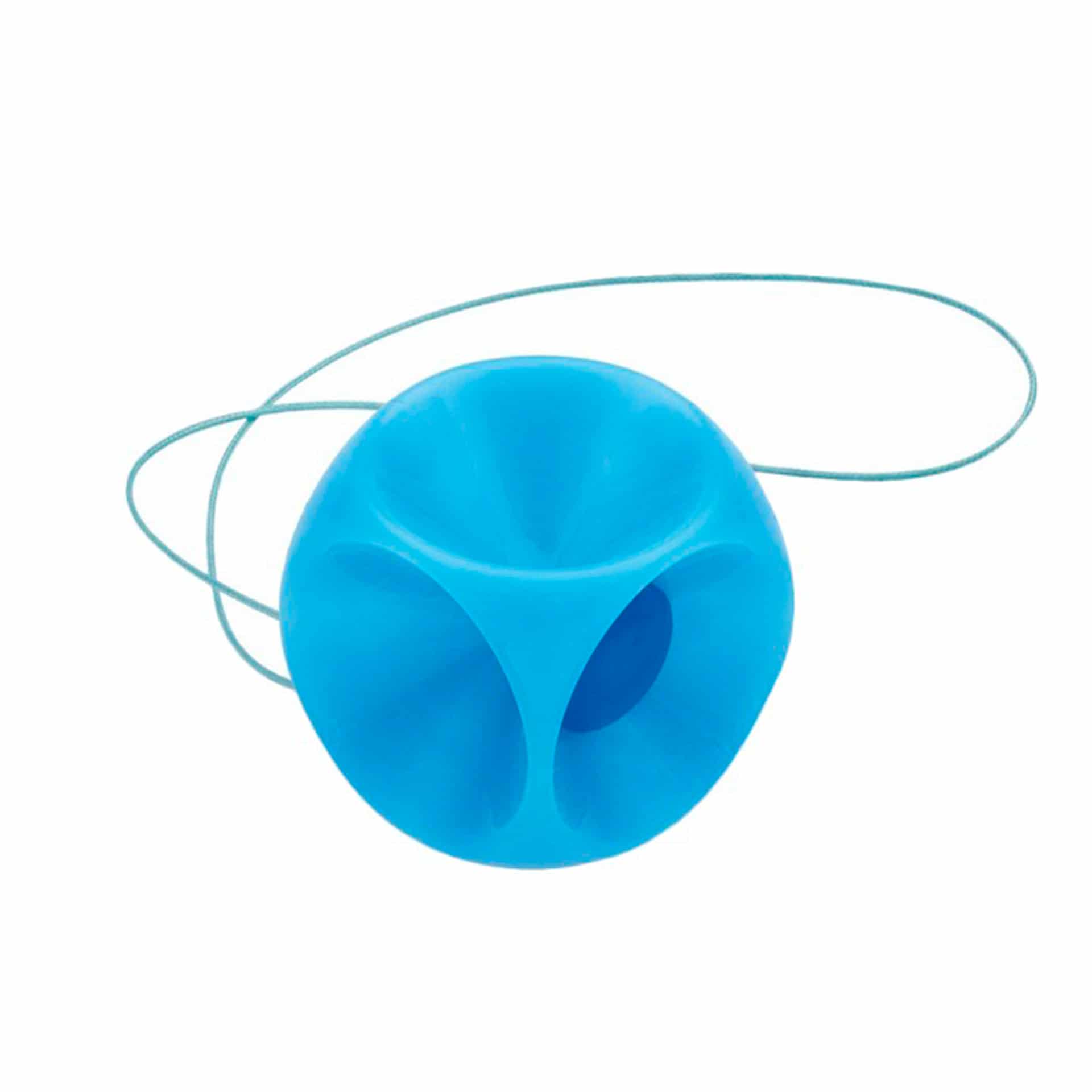
The pessary is a medical device placed in the vagina to support a prolapsed organ. It is prescribed by a healthcare professional, who determines the appropriate size during a pelvic exam.
At Sugar International, we offer two models of cubic pessaries: the perforated pessary, whose perforations allow natural secretions to drain, and the non-perforated pessary. Both are available in several sizes and are covered by insurance with a prescription in France.

Surgery is considered when these options are not sufficient, in consultation with the patient.
An important point from the clinical guidelines: in cases of prolapse, the positioning and type of labor must be adjusted. This is precisely the role of the healthcare professional caring for you.
Our expertise: At Sugar International, our line of rehabilitation probes was designed by a therapist specializing in urogynecology, and we have been supporting perineal rehabilitation professionals for over 30 years.

3AT2B®
25,00 € Excl. tax-
AEROLYS ANA®
28,33 € Excl. tax -
AIR STIM®
38,00 € Excl. tax -
ANALIA®
30,00 € Excl. tax -
ANALYS BLUE® DIN 3
31,67 € Excl. tax -
ANALYS BLUE+®
28,33 € Excl. tax

Devices that can help at home
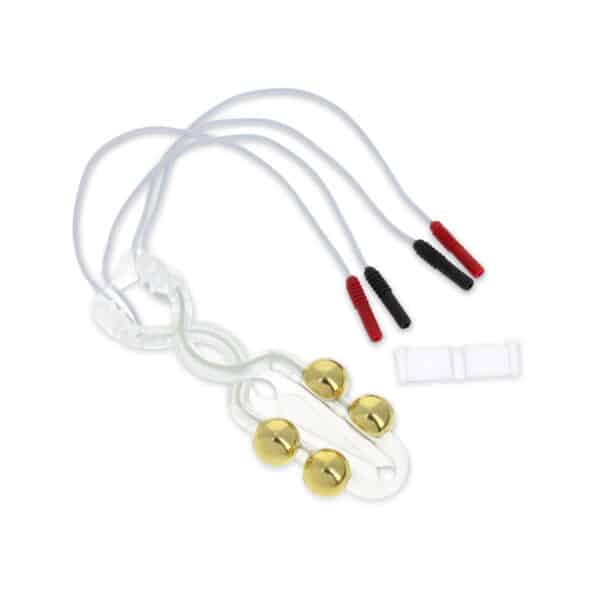
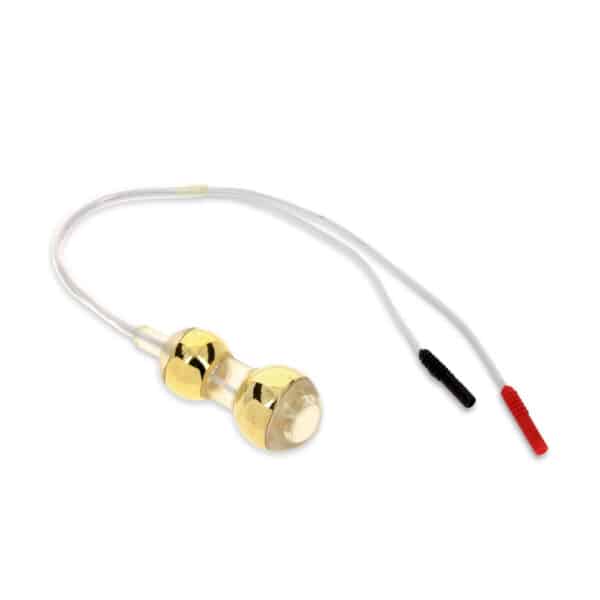
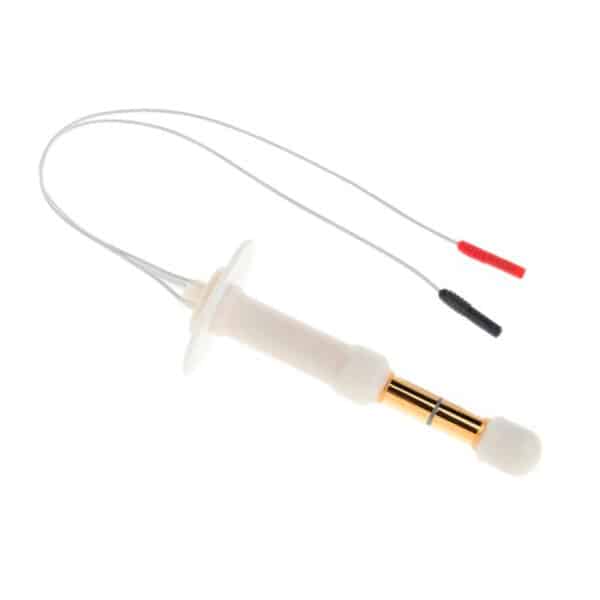
Vaginal probes
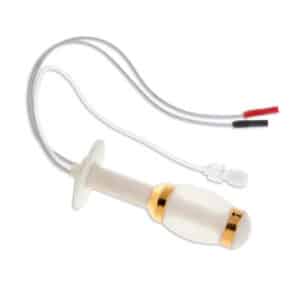
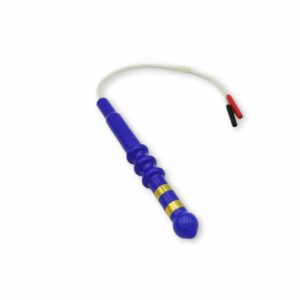
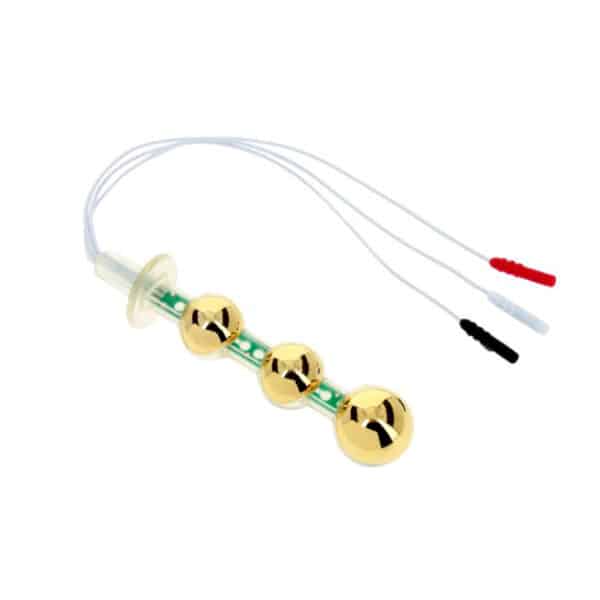
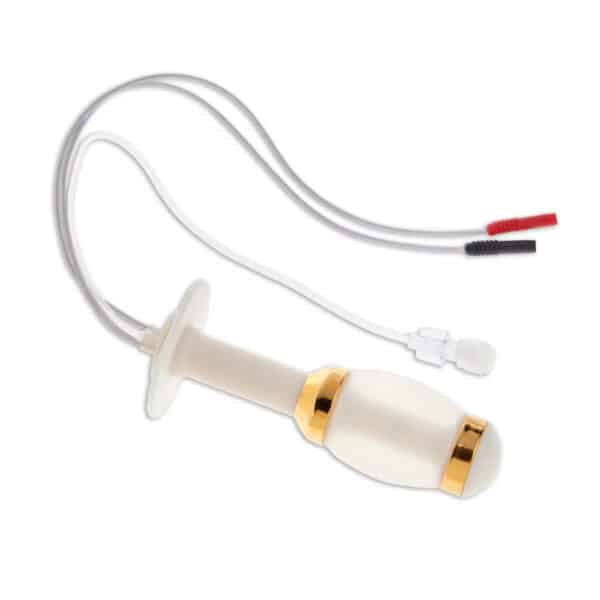
Vaginal probes are used for perineal rehabilitation in women, particularly in cases of urinary incontinence, postpartum recovery, or pelvic muscle weakness. They allow for targeted exercise through biofeedback or electrostimulation.
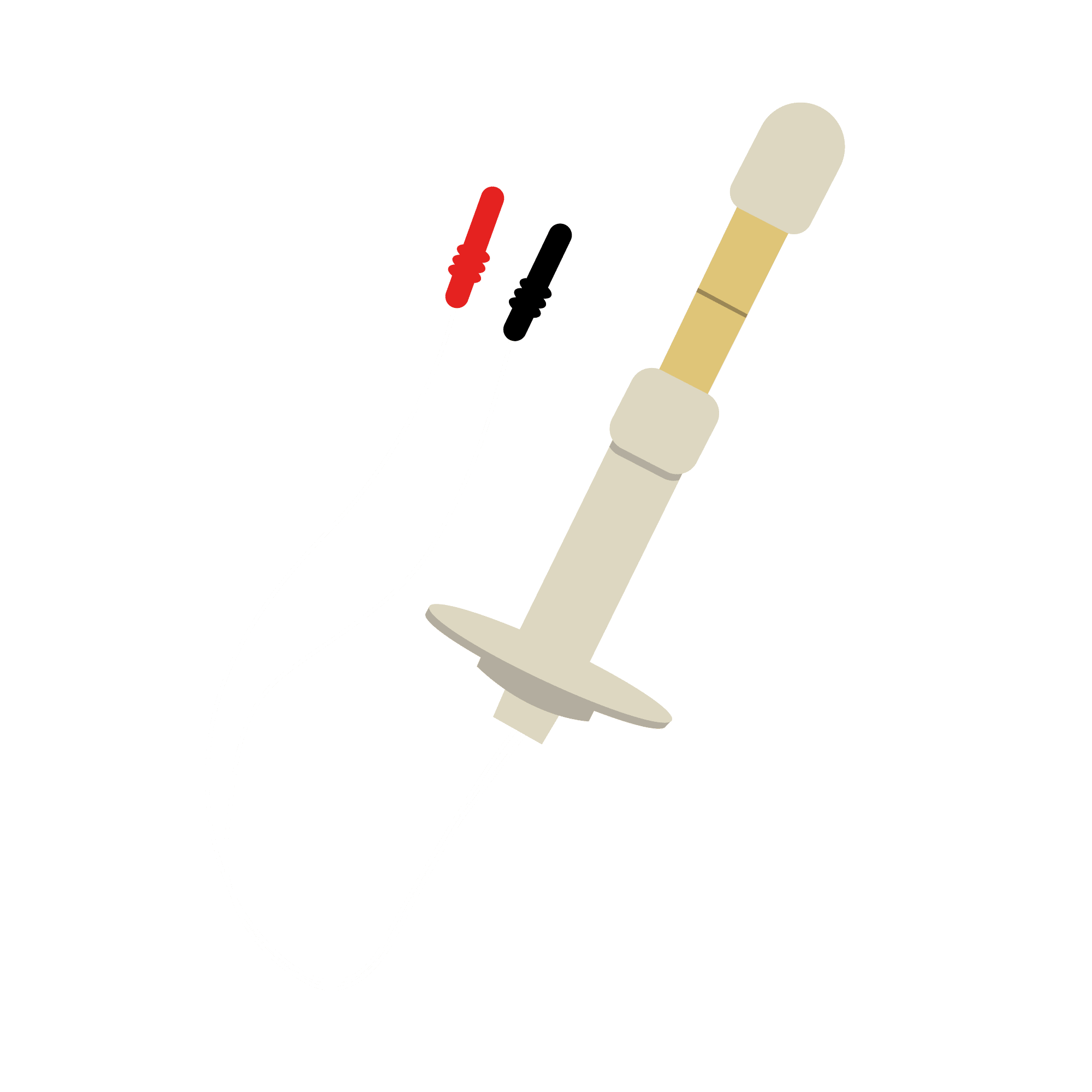
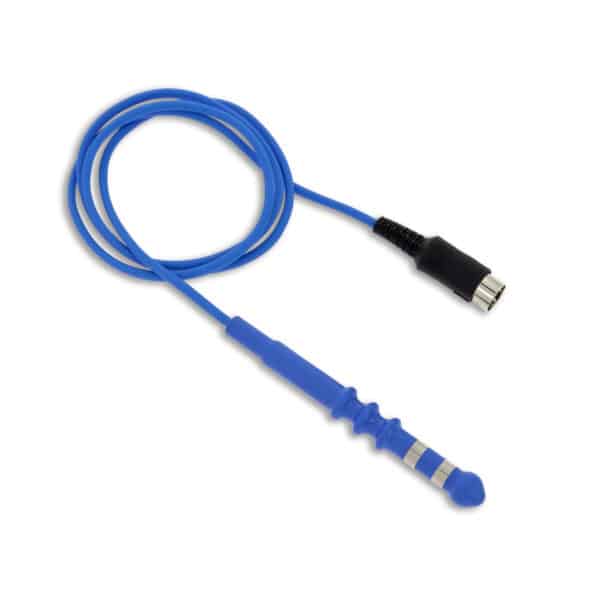
Anal probes
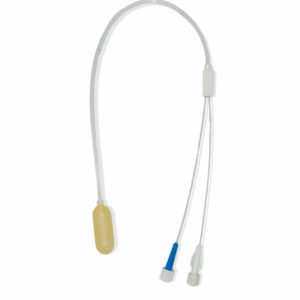
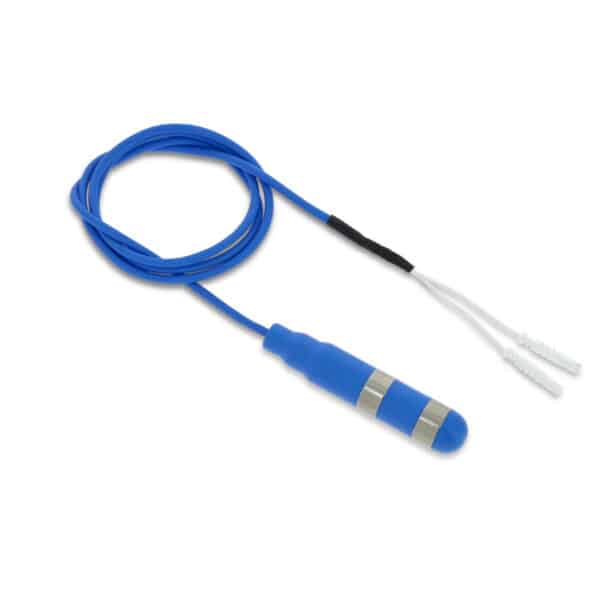
Anal probes are suitable for perineal rehabilitation in both men and women, particularly for treating urinary or fecal incontinence. They offer an effective solution for strengthening the pelvic floor muscles through electrostimulation.
Electrostimulators
A perineal electrical stimulator is a device that sends mild electrical impulses to stimulate and strengthen the perineal muscles. It is recommended as part of a home rehabilitation program, often in conjunction with medical supervision.






To conclude
A “lump” or discomfort in the vagina should never be ignored or dismissed, but it shouldn’t cause you to panic either.
The right course of action is simple: see a doctor to get a reliable diagnosis. If the cause is a prolapse, it’s a common condition, and in most cases it can be managed without surgery, through pelvic floor exercises or a pessary.
You’re not alone, and there are solutions.
Reminder: If you notice a lump, a mass, or persistent discomfort, consult a healthcare professional immediately. Only a healthcare professional can make a diagnosis.
⇒ To understand the role of the perineum, (re)read our article “The Perineum: Definition, Role, and Importance for Health ⬈”. And to learn everything about care: “Reimbursable perineal catheter: what you need to know before buying ⬈ »
-
INTELLISTIM UG®
245,19 € Excl. tax

Frequently asked questions
Check out the questions most frequently asked by users.
Can a prolapse be treated without surgery?
Yes, in most cases.
According to the HAS, only 10 to 20% of prolapse cases are treated surgically.
Perineal rehabilitation and a pessary are among the first-line treatment options recommended. The choice depends on each individual situation and is up to your healthcare provider.
What is a pessary, and how does it work?
A pessary is a medical device placed in the vagina to support organs that tend to prolapse.
The cube-shaped pessary, for example, stays in place thanks to a suction effect on the vaginal walls. It is available in a perforated version, which allows natural secretions to drain, and a non-perforated version, which provides firmer support.
The model and size are determined by your healthcare provider, and pessaries are covered by insurance with a prescription in France.
Does prolapse also affect young women?
Yes, that can happen.
The HAS reports that prolapse affects 30 to 50% of women of all ages. It becomes more common with age and after childbirth, but age should never be a reason to delay seeking medical attention if symptoms are present.
Can you keep playing sports if you have a prolapse?
Certain high-impact activities can make the discomfort worse, while others are better tolerated. It’s best to adjust your exercise routine with the help of your healthcare provider, rather than stopping or pushing yourself too hard without advice.
Who should you consult first if you have any doubts?
You can consult your primary care physician, gynecologist, or midwife. They can perform an initial examination and, if necessary, refer you to a specialist or recommend perineal rehabilitation with a physical therapist or midwife.
Check out our blog

Urinary Incontinence After Prostatectomy: Perineal Rehabilitation
After prostate surgery, urinary incontinence is common but often temporary. Learn about the key role of pelvic floor rehabilitation.

Breast Cancer and Intimacy: Dryness, Incontinence, Solutions
Pink October: Vaginal dryness, urinary incontinence, pain… Breast cancer treatments can affect your intimate health. Causes and solutions.

Lump or discomfort in the vagina: possible causes and when to see a doctor
Common Misconceptions About the Perineum: 8 Myths You Should Know
Pelvic floor and constipation: Understanding the connection and taking action

The Perineum and Sports: What Activities to Do and How to Protect It

Pelvic Floor and Pregnancy: Rehabilitation Before and After Childbirth
How to Use a Perineal Rehabilitation Probe: Instructions for Use
Insertion, lubrication, connection, precautions, warnings… Learn how to use your perineal rehabilitation probe correctly, step by step and safely.

Constantly contracting your pelvic floor muscles: myth or good idea?

Caring for a Perineal Rehabilitation Probe: The Complete Guide
Cleaning, drying, storage, lifespan… Learn how to properly care for your pelvic floor rehabilitation probe to keep it hygienic and ensure its longevity.
Sources
- French National Health Authority
- Health Insurance

