
Weak pelvic floor: 7 signs to look for and when to seek medical advice

A Tired Perineum
7 Signs That Should Set Off Alarm Bells…
Last week, we got to know the pelvic floor, that discreet muscle that supports our organs and helps us go about our daily lives. But how can you tell if yours is working properly… or if it’s starting to weaken?
Good news: your body sends signals. You just need to know how to recognize them.
Here are the main signs to watch for, in both women and men.
1. Minor urinary leakage
This is the most well-known symptom, and often the first one to appear.
A few drops that leak out when you laugh, cough, sneeze, or exercise: this isn’t “normal,” even if it’s common.
This often indicates that the pelvic floor is having trouble fully supporting the sphincters.
2. A strong urge that is difficult to control
Do you sometimes have a sudden, urgent need to use the restroom—so much so that you’re afraid you won’t make it in time?
This urgent need may be related to a pelvic floor that is no longer functioning properly.
3. A feeling of heaviness in the lower abdomen
A feeling of “heaviness” or weight in the lower abdomen, especially at the end of the day or after physical exertion, may indicate that the pelvic floor is not supporting the organs as well as it should.
4. Changes in sensations during intimate moments
The perineum plays a role in sensations during intercourse.
A decrease in muscle tone may be accompanied by a loss of sensation or discomfort.
This is a topic that is rarely discussed, yet it is entirely legitimate.
5. Gases or leaks that are difficult to contain
The perineum also controls the anal sphincters.
Having trouble controlling gas or bowel movements, even occasionally, may be a sign that your pelvic floor needs attention.
6. Lower back instability or pain
The pelvic floor works in tandem with the diaphragm and the deep abdominal muscles to stabilize the body.
When this balance is disrupted, it can lead to tension or lower back discomfort.
7. The postpartum period
After pregnancy, the perineum has been put under a great deal of strain.
Even if there are no obvious symptoms, this is a time when it deserves special attention.
That is why perineal rehabilitation is routinely recommended after childbirth.
To conclude…
One or more of these signs? Don’t panic
Recognizing one of these signs is no big deal—in fact, it’s excellent news, because it means you can take action.
The pelvic floor is a muscle, and like any muscle, it can be retrained and strengthened.
→ The first step is to talk to a healthcare professional (doctor, midwife, physical therapist), who can assess your pelvic floor and guide you.
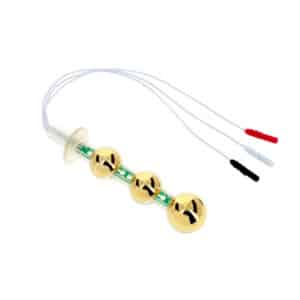
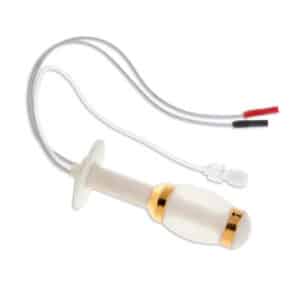
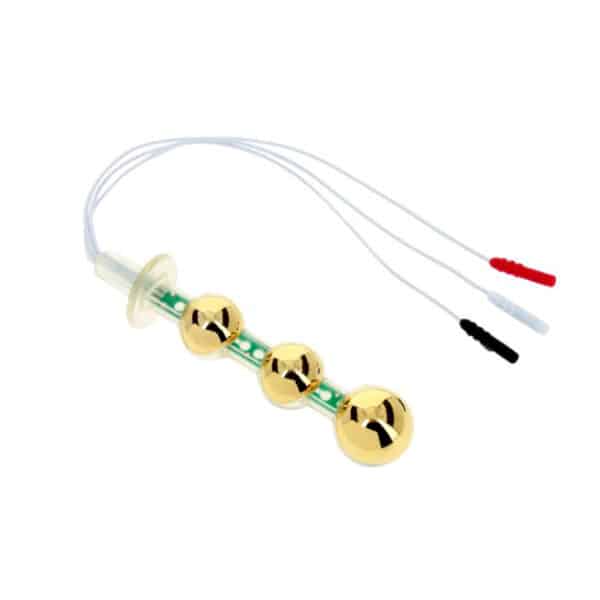
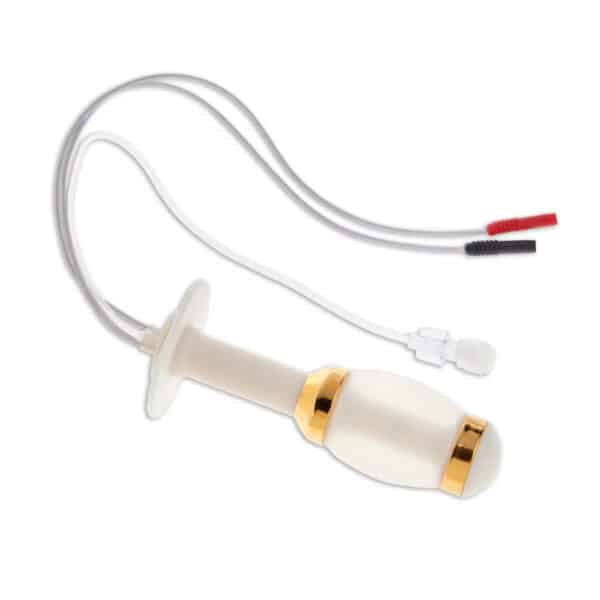
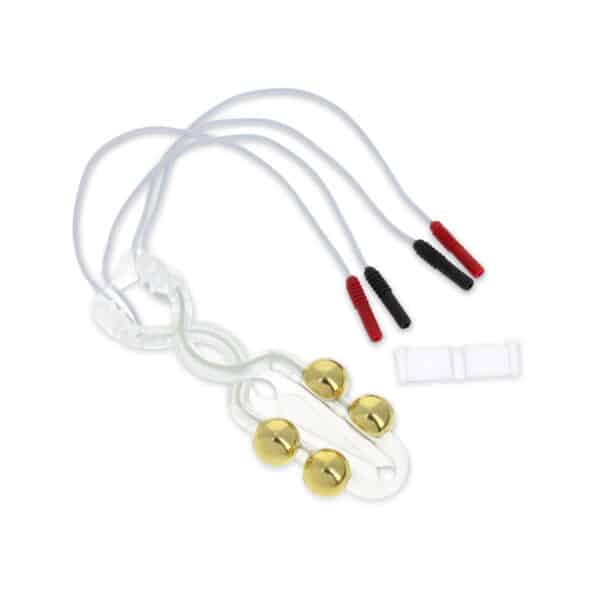
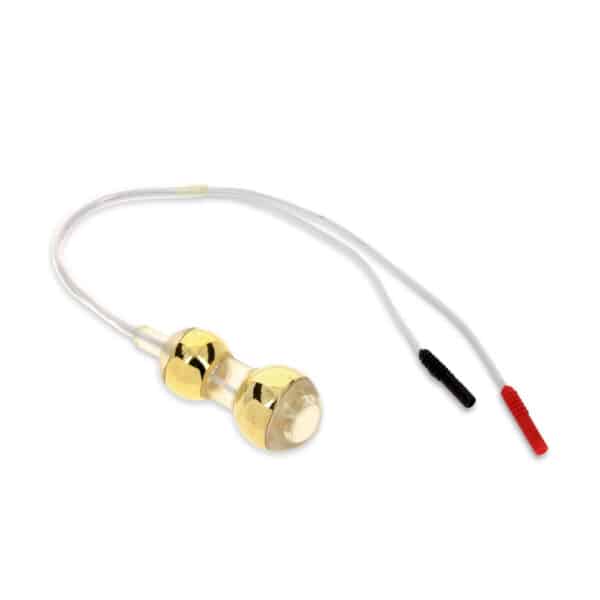
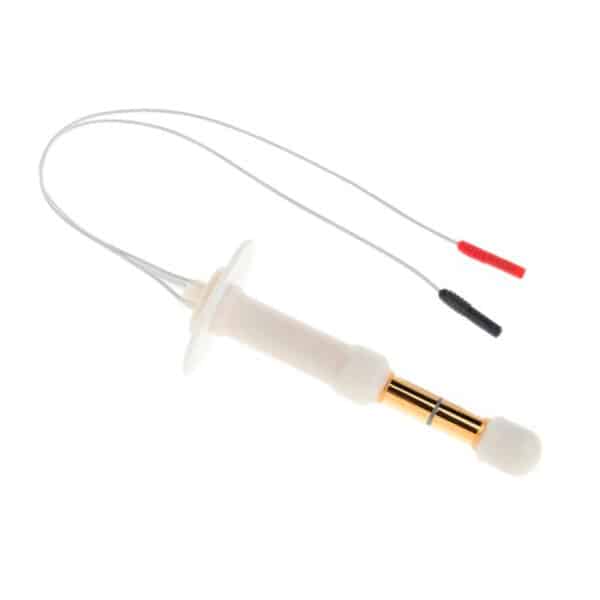
Rehabilitation can then involve exercises, guidance, and specialized devices such as pelvic floor rehabilitation catheters, designed specifically to help restore tone and control.
⇒ And remember: these symptoms aren’t inevitable, nor are they a matter of age. The sooner you address them, the better.

3AT2B®
25,00 € Excl. tax-
EVOSTIM E®
283,33 € Excl. tax -
OPTIMA 3®
22,50 € Excl. tax -
AIR STIM®
38,00 € Excl. tax







Frequently asked questions
Check out the questions most frequently asked by users.
Can you strengthen your pelvic floor at home?
Part of the rehabilitation can be continued at home, particularly with the help of specialized devices such as perineal rehabilitation catheters.
Ideally, you should start under the guidance of a professional who can ensure that the exercises are performed correctly.
Can men also have a weakened pelvic floor?
Yes. Men also have a perineum that can lose its tone, particularly with age or after certain prostate surgeries.
The symptoms (leakage, urinary urgency) can be similar to those experienced by women.
At what point should you start worrying about your pelvic floor?
As soon as one or more symptoms appear and recur regularly (leakage, a feeling of heaviness, urgency), it’s a good idea to talk to a healthcare professional.
It’s never too early to seek medical advice, and early intervention makes rehabilitation easier.
Who should I see for a perineal problem?
A doctor, midwife, or physical therapist can assess your pelvic floor and refer you to an appropriate rehabilitation program.
Don’t hesitate to bring up the subject, even if it feels awkward: these professionals are used to it.
Is pelvic floor rehabilitation only for women after childbirth?
No. While it is routinely offered postpartum, rehabilitation is also available to women outside of this period, as well as to men.
It can address an existing condition or be part of a preventive approach.
Check out our blog

Common Misconceptions About the Perineum: 8 Myths You Should Know
Pelvic floor and constipation: Understanding the connection and taking action

The Perineum and Sports: What Activities to Do and How to Protect It

Pelvic Floor and Pregnancy: Rehabilitation Before and After Childbirth
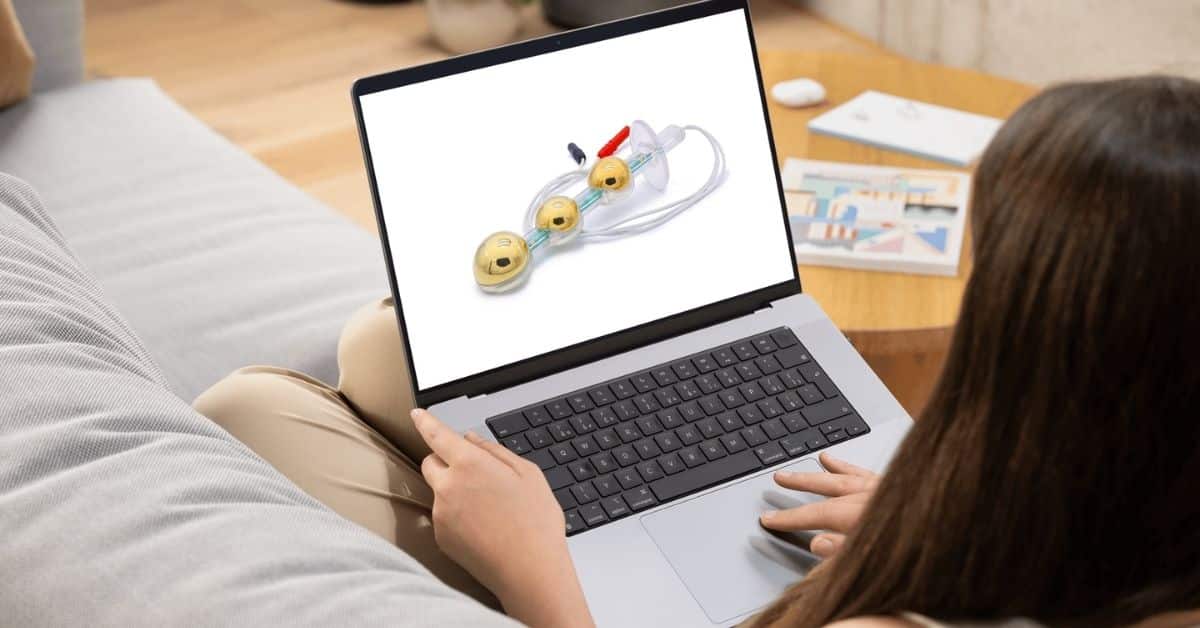
How to Use a Perineal Rehabilitation Probe: Instructions for Use
Insertion, lubrication, connection, precautions, warnings… Learn how to use your perineal rehabilitation probe correctly, step by step and safely.
Constantly contracting your pelvic floor muscles: myth or good idea?

Caring for a Perineal Rehabilitation Probe: The Complete Guide
Cleaning, drying, storage, lifespan… Learn how to properly care for your pelvic floor rehabilitation probe to keep it hygienic and ensure its longevity.
Pelvic Floor Exercises at Home: A Gentle Guide

Urinary Incontinence: Causes, Forms, and Solutions

Male Pelvic Floor: Function, Signs of Weakness, and Rehabilitation
Yes, men have a perineum! Its role, signs of weakness, rehabilitation after prostate surgery… Learn all about the male perineum.

