
Pelvic Floor Rehabilitation: Process, Steps, and Techniques
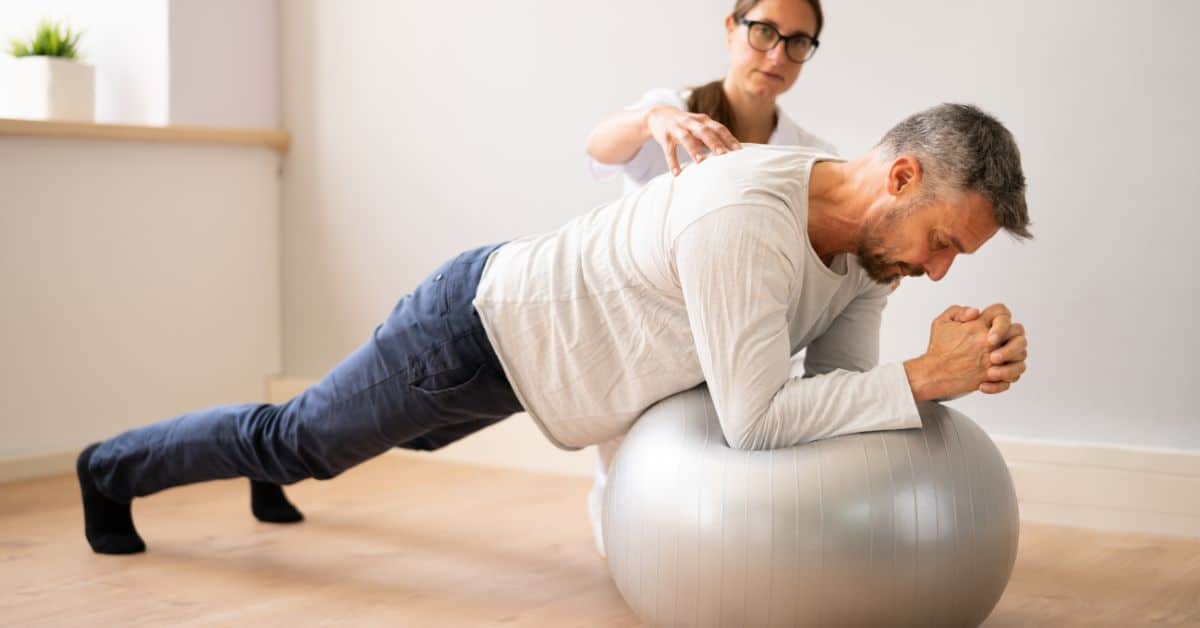
Pelvic Floor Rehabilitation
How does it work, exactly?
You may have noticed some signs of a weakened pelvic floor (we talked about this last week), and now you’re wondering: OK, but what exactly does pelvic floor rehabilitation involve?
Good question!
Behind this somewhat intimidating term lies a simple, gradual, and completely accessible process. We’ll walk you through it, step by step.
Step 1: Taking Stock
It all starts with an evaluation conducted by a healthcare professional (midwife, physical therapist, or sometimes a doctor).
The goal: to understand the condition of your pelvic floor, identify any weaknesses, and work together to develop a program tailored to your situation.
This assessment is a conversation: we’ll ask you questions about your daily life, any symptoms you may have, and your goals. It’s also an opportunity to openly discuss topics that can sometimes be embarrassing (incontinence, intimacy, discomfort).
Don’t worry: these professionals are used to this—nothing surprises them.
Step 2: Becoming Aware of the Pelvic Floor
This is a key step, and often a real revelation. Many people don’t know “where” their pelvic floor is or how to contract it.
⇒ Before strengthening these muscles, you must first learn to feel them and engage them correctly.
A professional will guide you in identifying the correct muscles, without engaging (as we often do reflexively) the abs, glutes, or thighs.
This awareness is the foundation of the entire rehabilitation process.
Step 3: Exercises and Techniques
Once the pelvic floor has been clearly identified, it’s time to begin progressive training. There are several approaches, and they are often combined as needed:
-
- Manual exercises guided by a practitioner, to learn how to contract and relax properly.
- Biofeedback, a technique that allows you to visualize muscle activity (often on a screen). You can “see” your pelvic floor working, which greatly helps you make progress and stay motivated.
- Electrostimulation, which involves stimulating the muscle with mild electrical impulses to help it contract, especially when it is very weak.
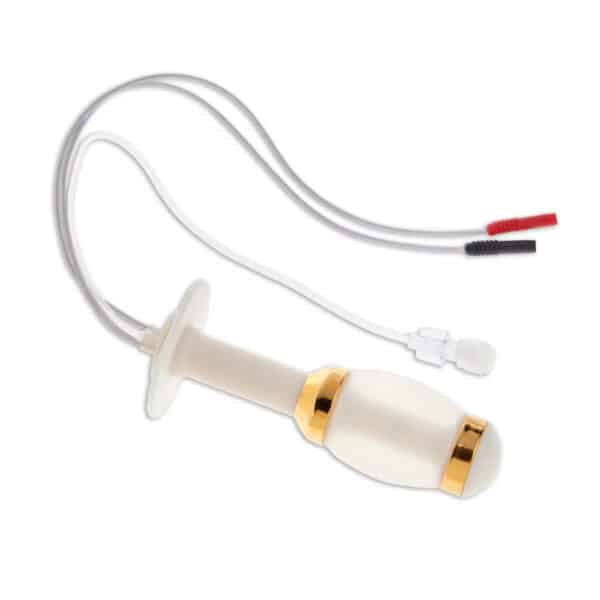
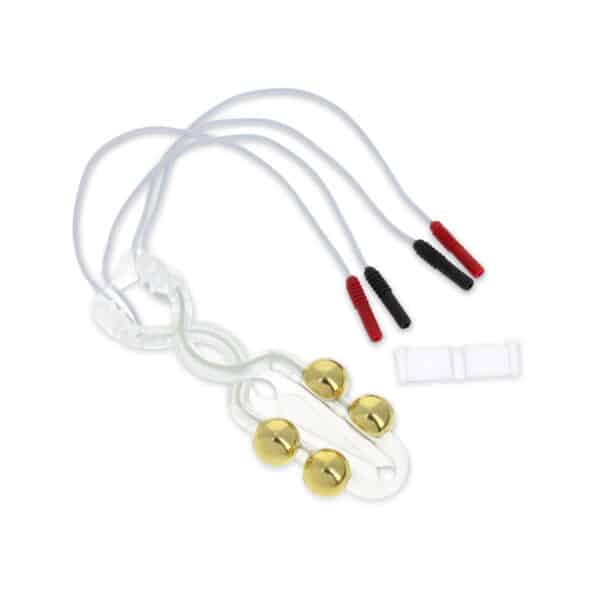
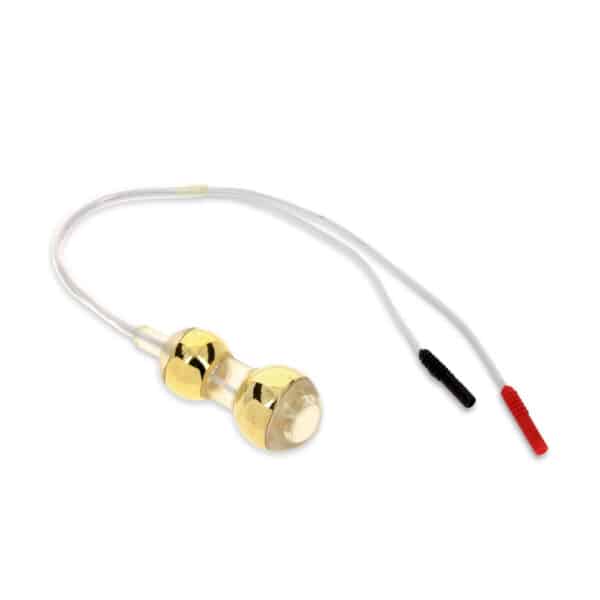
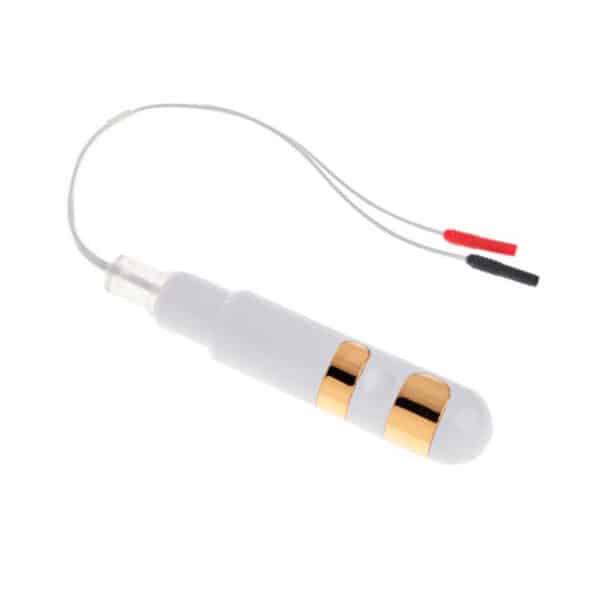
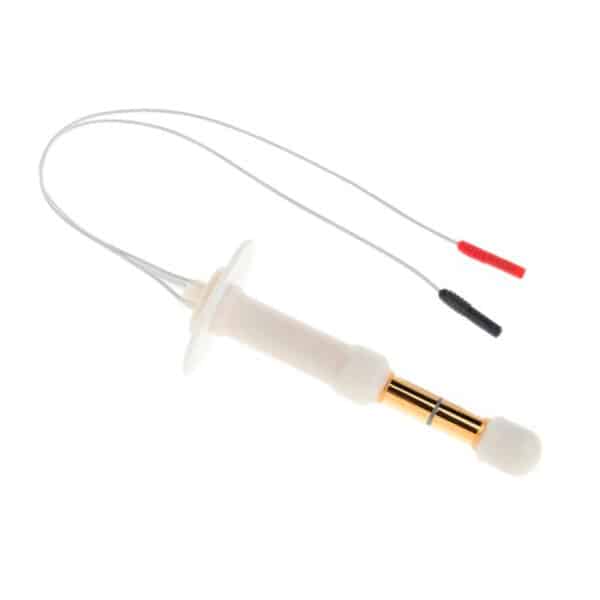
These last two techniques often involve the use of a pelvic floor rehabilitation probe, a device designed specifically for this purpose, which we’ll discuss further below.
Step 4: Continuing at Home
Rehabilitation doesn’t end at the clinic door. For lasting results, consistency is key, and part of the work continues at home.
That’s where perineal rehabilitation probes really come into their own. Used to complement professional care, they allow you to continue biofeedback or electrostimulation exercises at home, at your own pace.
At Sugar International, this has been our core business for 30 years: designing probes tailored to the various needs of rehabilitation—whether vaginal or anal—for both women and men.
An important point: these devices are for individual use and are ideally used under professional supervision, at least initially, to ensure that the exercises are performed correctly.

ANALIA®
30,00 € HT
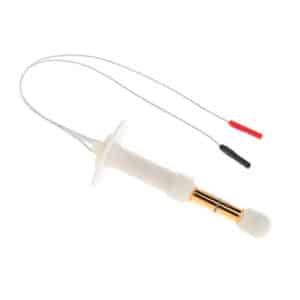
Devices that can help at home
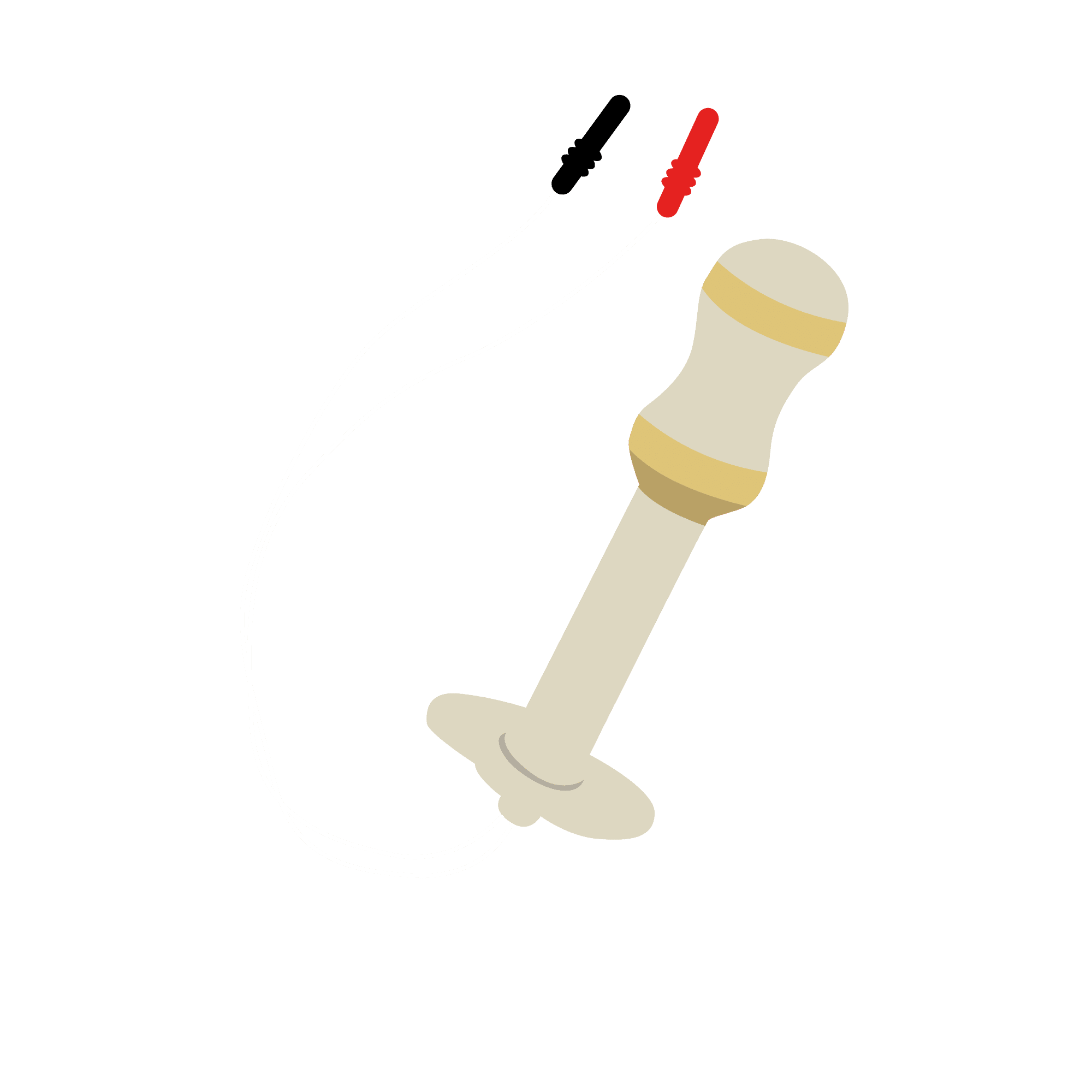
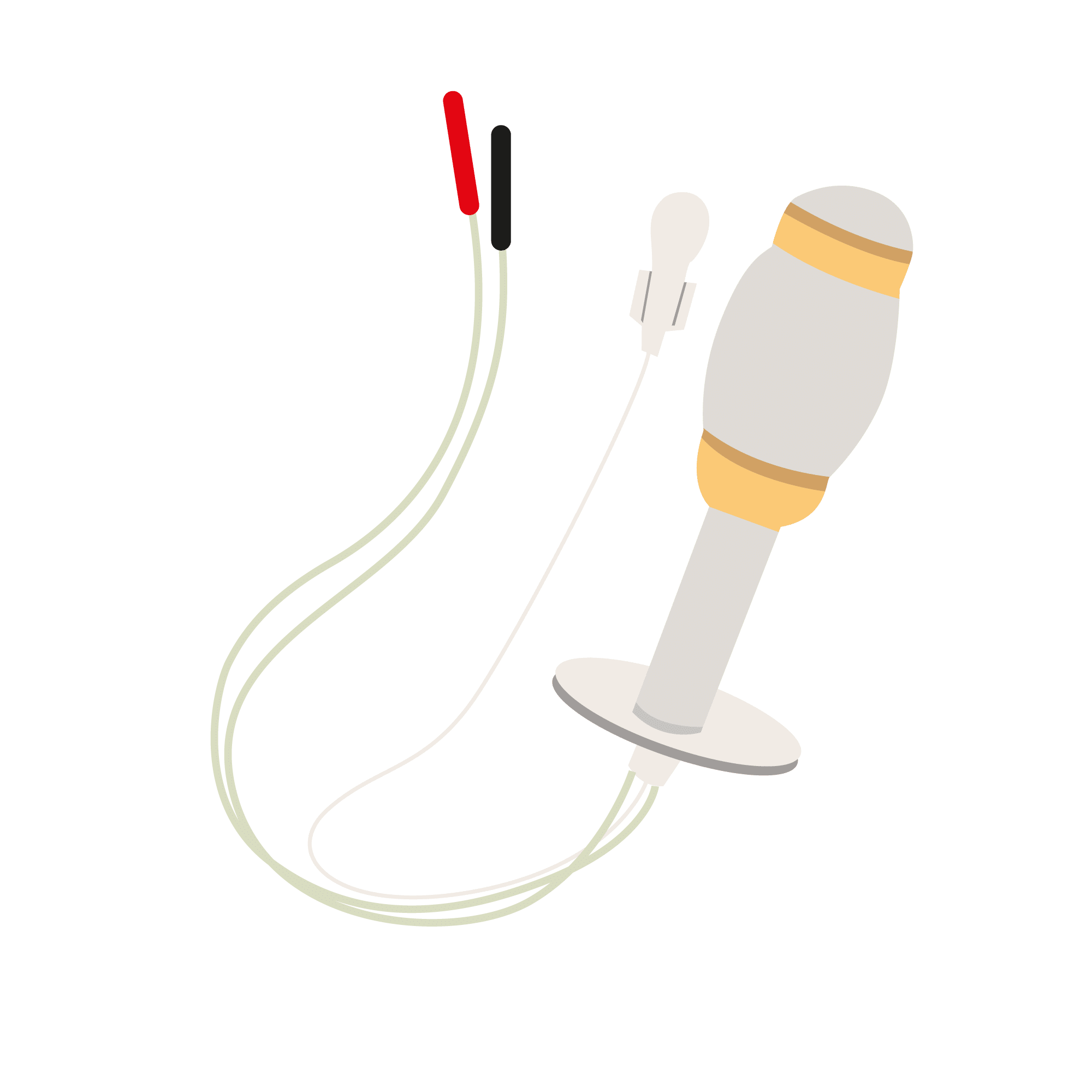
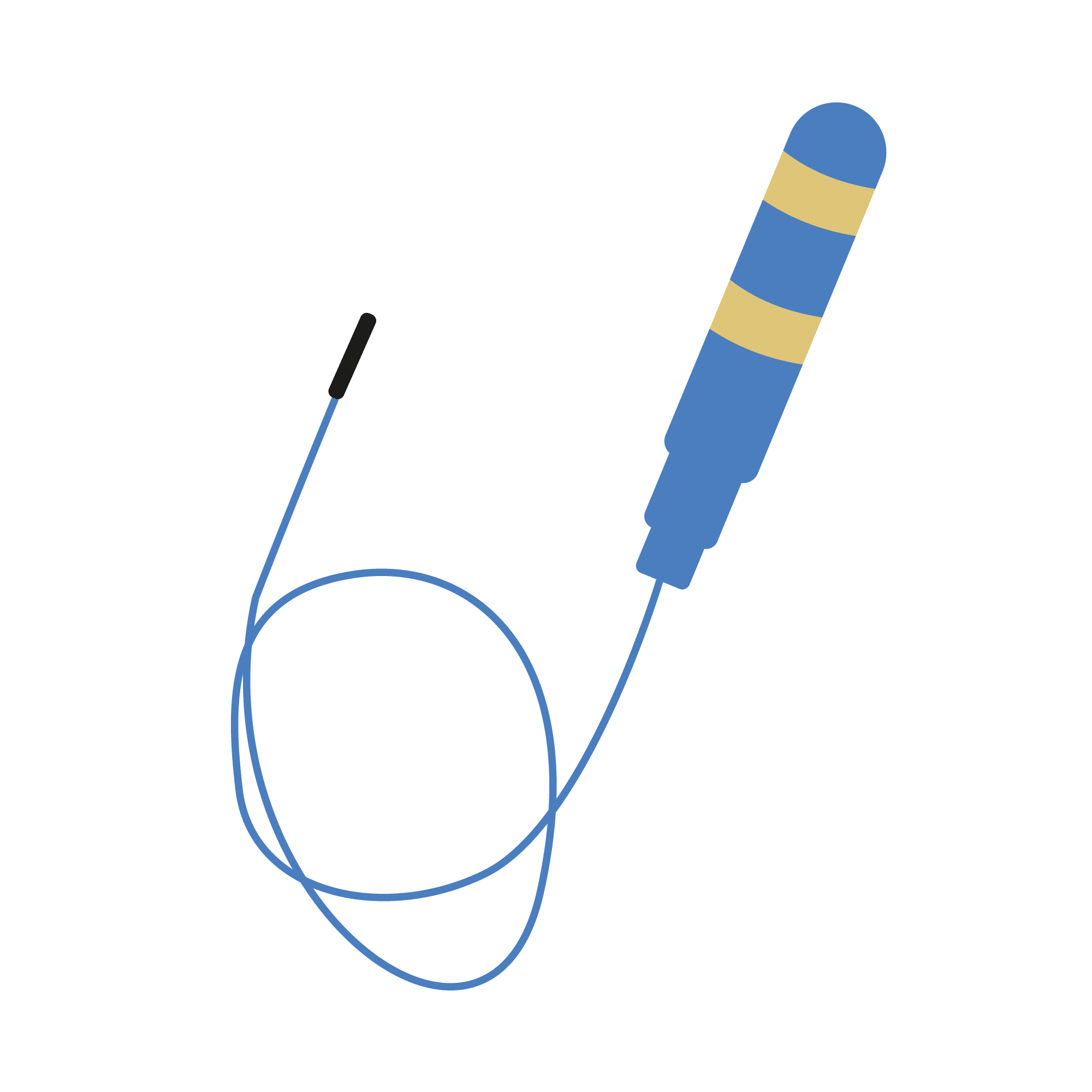
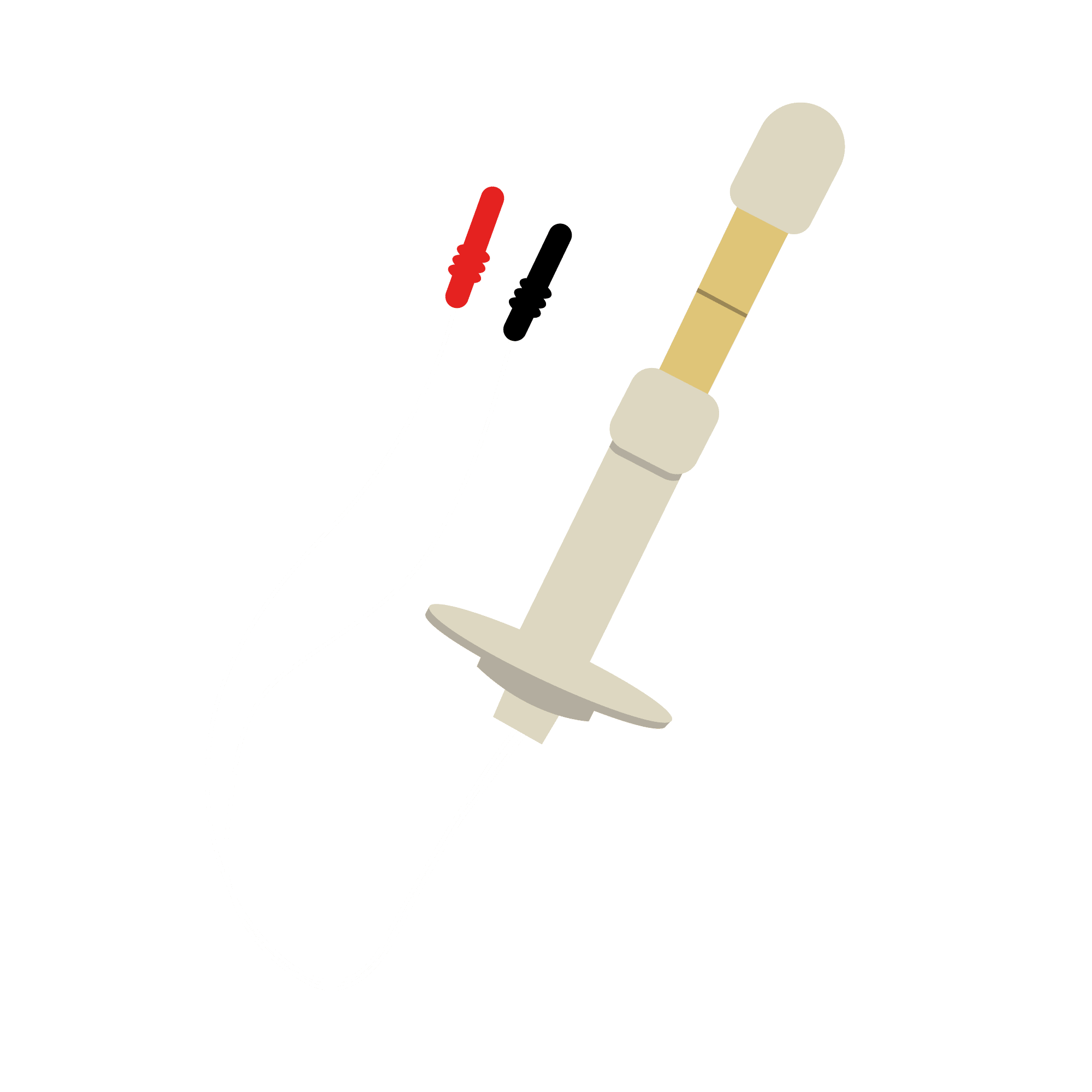
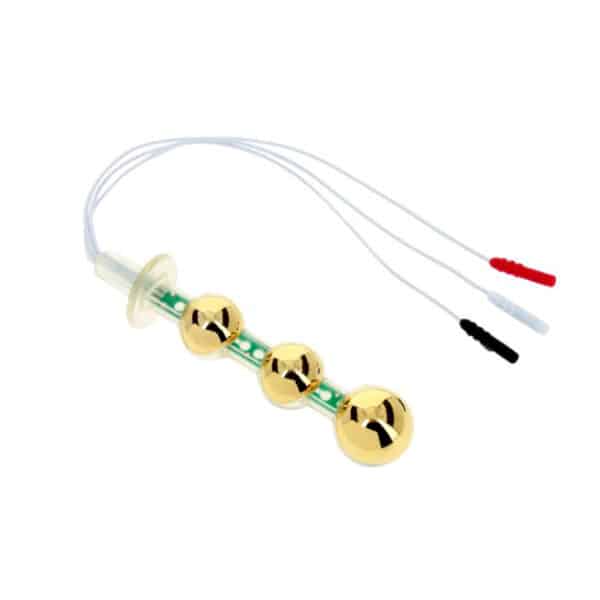
Vaginal probes
Vaginal probes are used for perineal rehabilitation in women, particularly in cases of urinary incontinence, postpartum recovery, or pelvic muscle weakness. They allow for targeted exercises using biofeedback or electrostimulation.
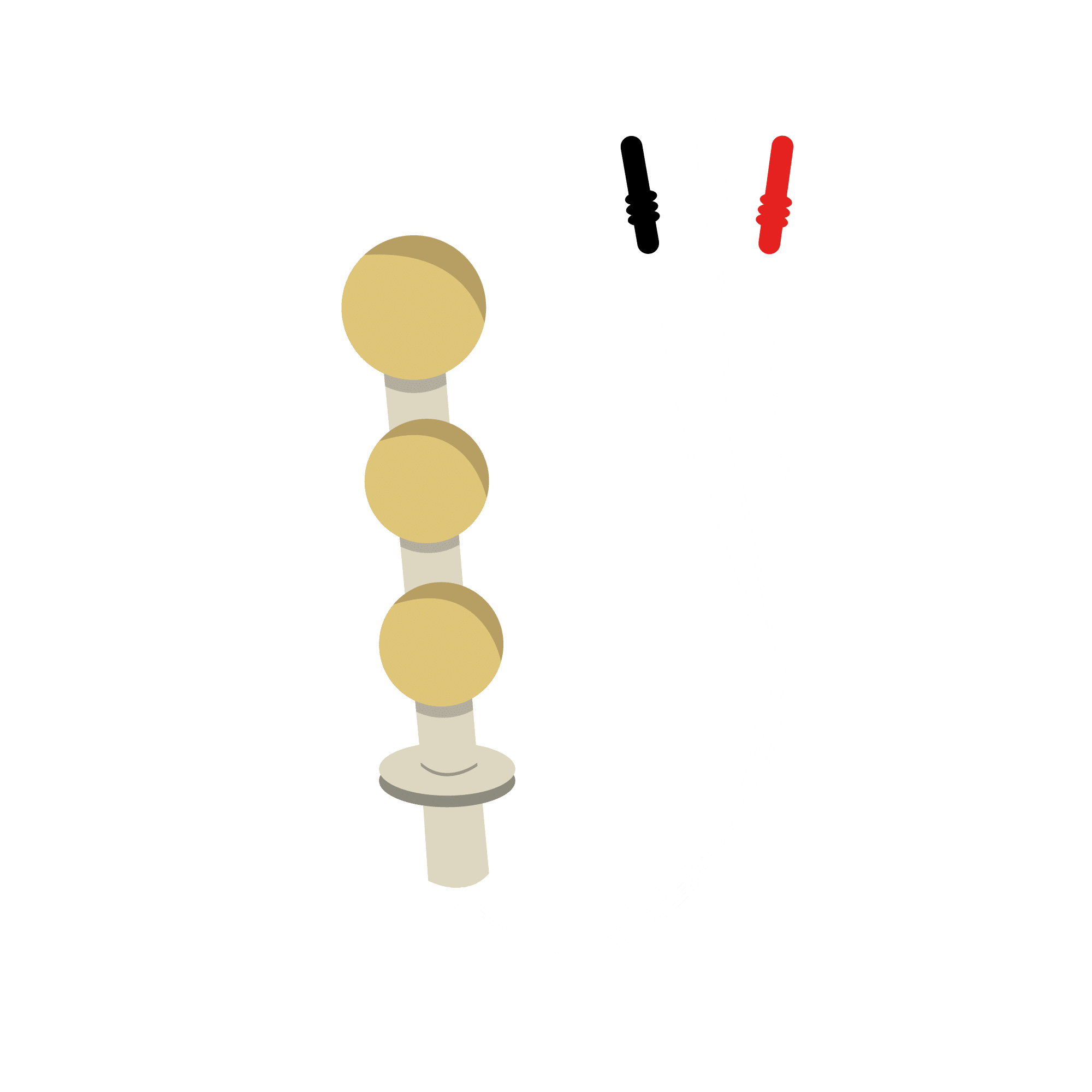
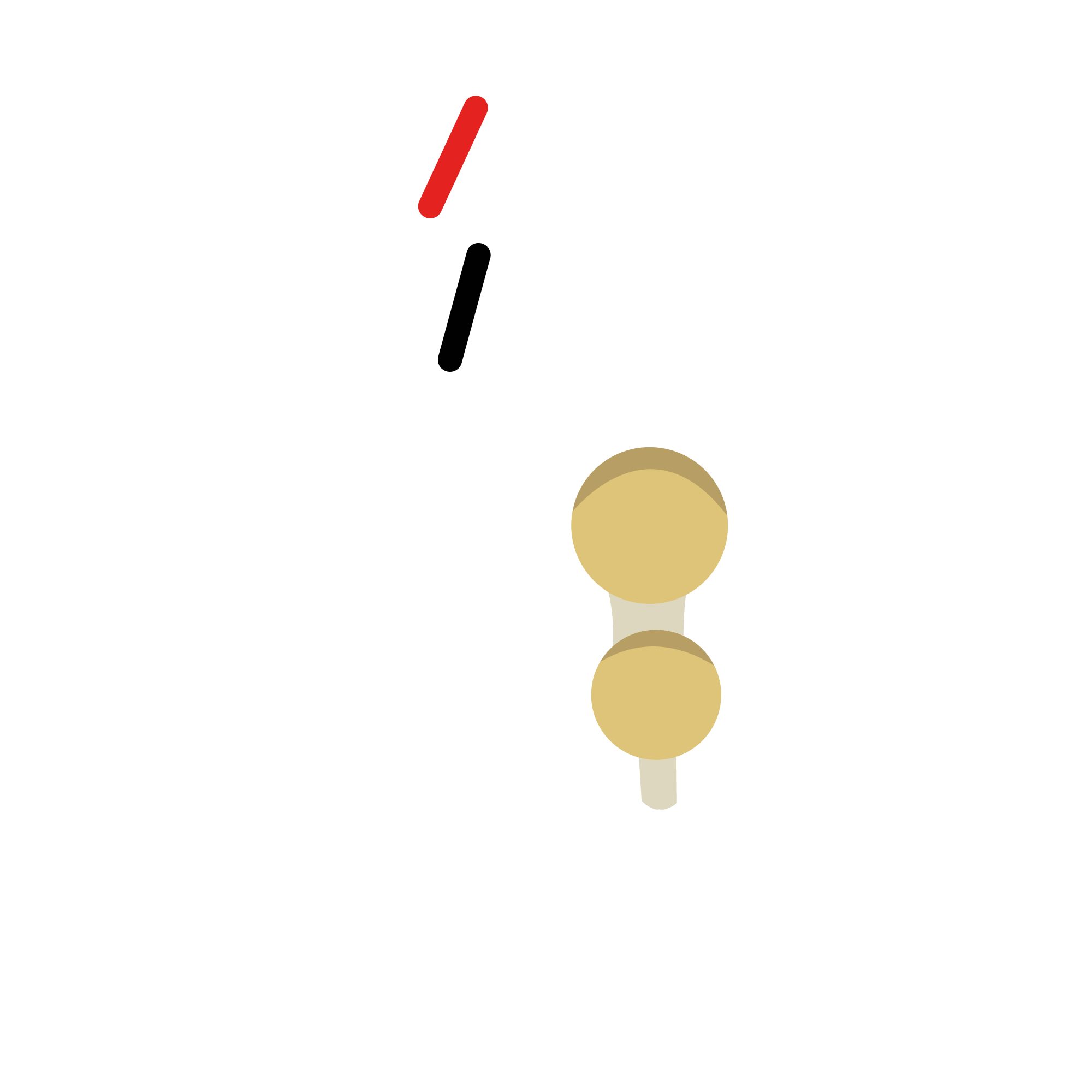
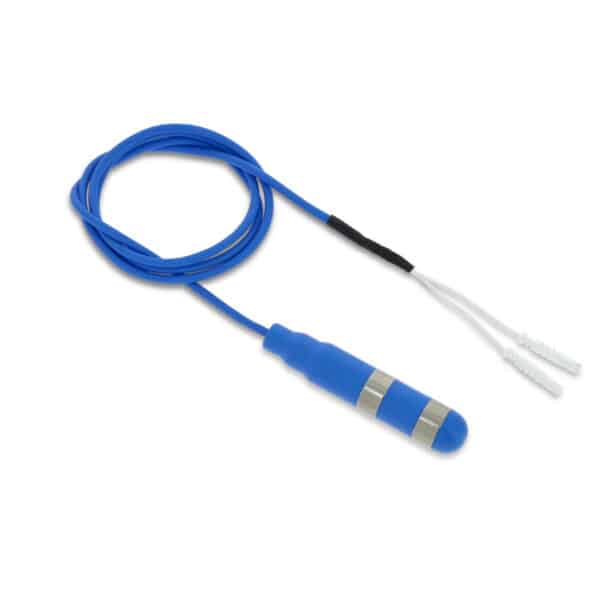
Anal probes
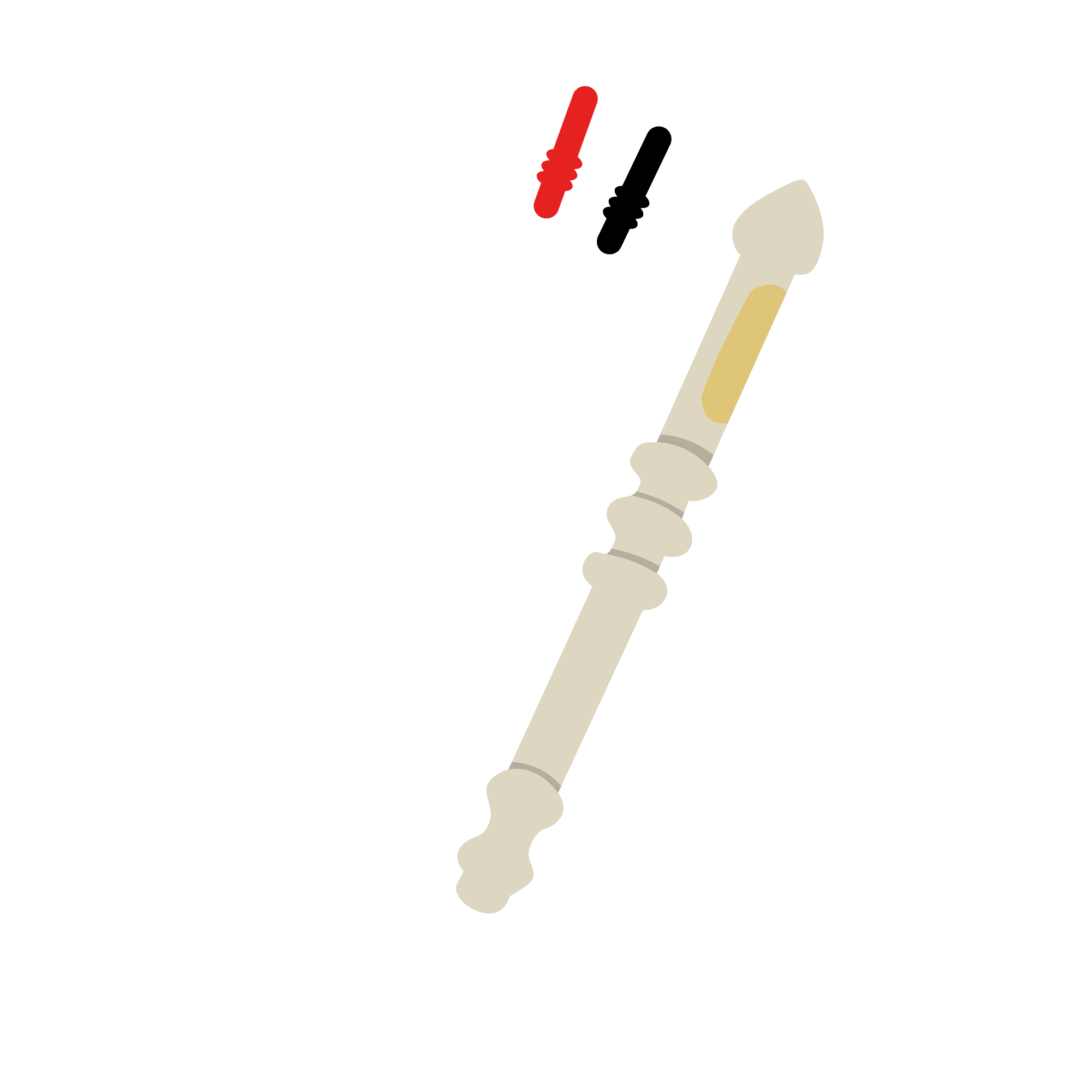
Anal probes are suitable for perineal rehabilitation in both men and women, particularly for treating urinary or fecal incontinence. They offer an effective solution for strengthening the pelvic floor muscles through electrostimulation.

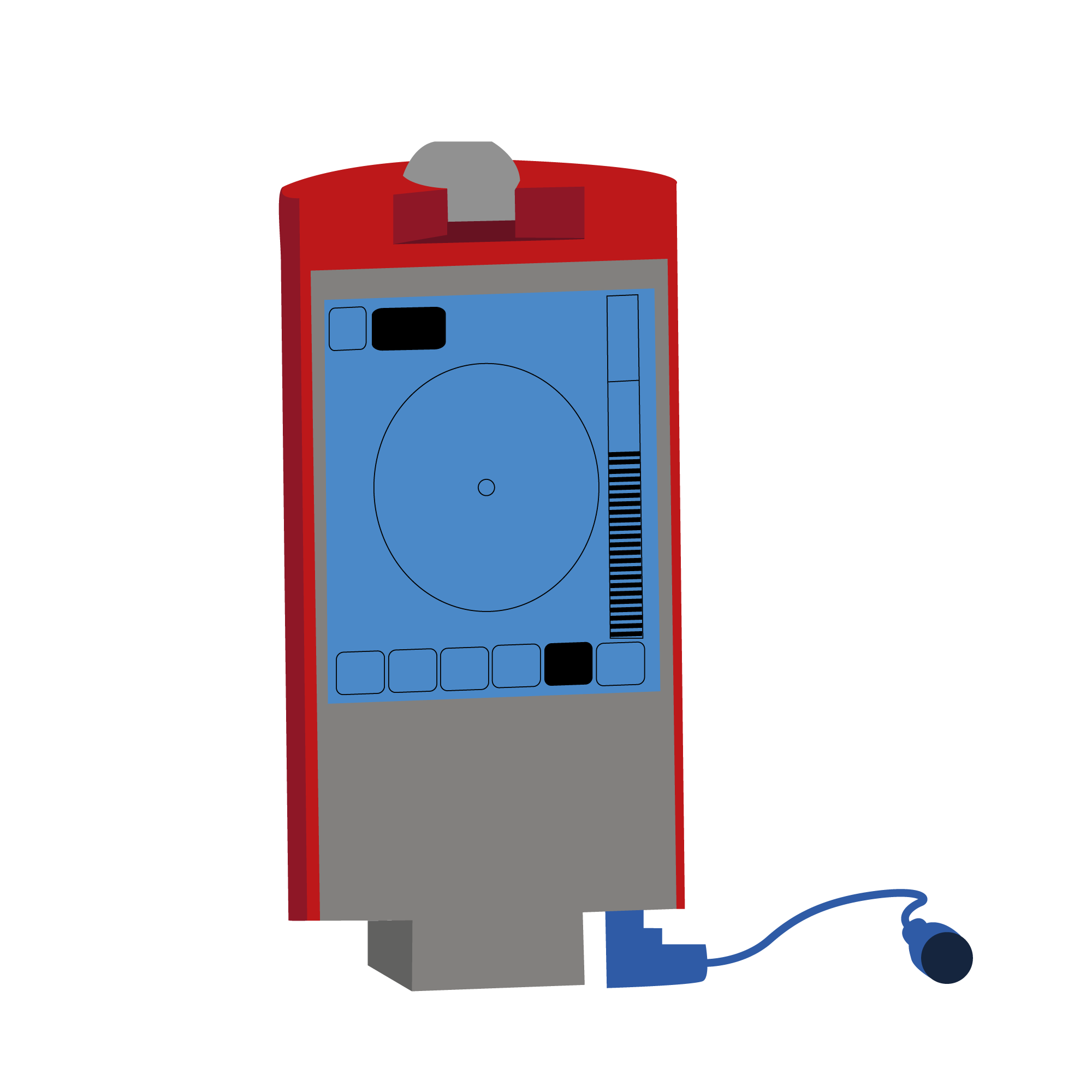
Electrostimulators
A perineal electrostimulator is a device that sends mild electrical impulses to stimulate and strengthen the perineal muscles. It is recommended as part of a home rehabilitation program, often in conjunction with medical care.




How long does physical therapy take?
There’s no one-size-fits-all answer: it all depends on your starting point, how consistently you exercise, and your goals.
Some people notice progress quickly, while others need more time.
The key is consistency and patience: the pelvic floor strengthens gradually, just like any other muscle.
To conclude…
Pelvic floor rehabilitation is neither painful nor intimidating: it’s a gradual process that begins with an assessment, moves on to muscle awareness, then to tailored exercises, and continues at home to solidify your progress.
With the right support and equipment, it helps you regain muscle tone, comfort, and peace of mind in your daily life.
⇒ Wondering which catheter is right for your rehabilitation? In an upcoming article, we’ll help you better understand the different types of catheters.
-
ANALIA®
30,00 € HT
Frequently asked questions
Check out the questions most frequently asked by users.
Is pelvic floor rehabilitation painful?
No.
Perineal rehabilitation is not supposed to be painful.
The exercises are progressive and tailored to your pace.
Electrostimulation causes a slight tingling sensation, but no pain.
If you experience any discomfort, talk to your healthcare provider.
Who provides pelvic floor rehabilitation?
It is generally provided by a midwife or a physical therapist trained in perineal rehabilitation.
A doctor may also conduct the initial evaluation and prescribe the sessions.
What is a perineal rehabilitation probe used for?
A probe is used to provide biofeedback (visualize muscle activity) and/or electrostimulation (stimulate the muscle with mild pulses).
It helps you target your pelvic floor exercises, whether at the clinic or at home.
Is it possible to do all of your physical therapy at home?
You can continue some of the exercises at home, especially with a suitable probe.
However, it’s best to start with a professional, who can make sure you’re engaging the right muscles and performing the exercises correctly.
Can a rehabilitation probe be used by more than one person?
No.
Perineal rehabilitation catheters are single-use devices for hygiene reasons.
Each person must have their own catheter.
Check out our blog


The Perineum and Sports: What Activities to Do and How to Protect It

Pelvic Floor and Pregnancy: Rehabilitation Before and After Childbirth
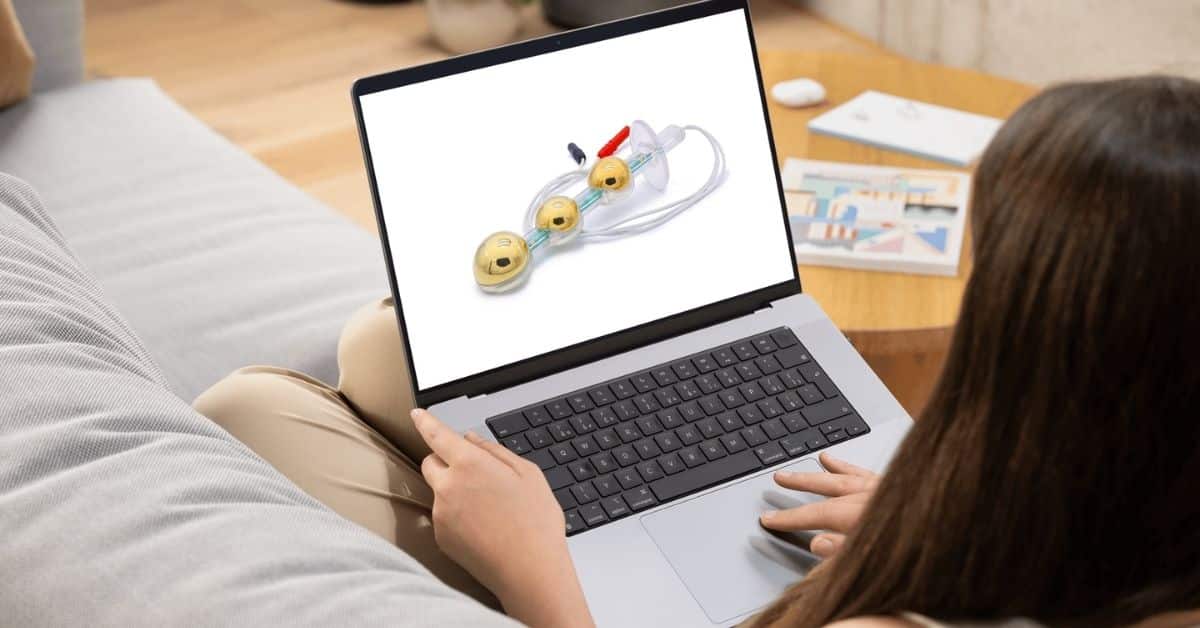
How to Use a Perineal Rehabilitation Probe: Instructions for Use
Insertion, lubrication, connection, precautions, warnings… Learn how to use your perineal rehabilitation probe correctly, step by step and safely.
Constantly contracting your pelvic floor muscles: myth or good idea?
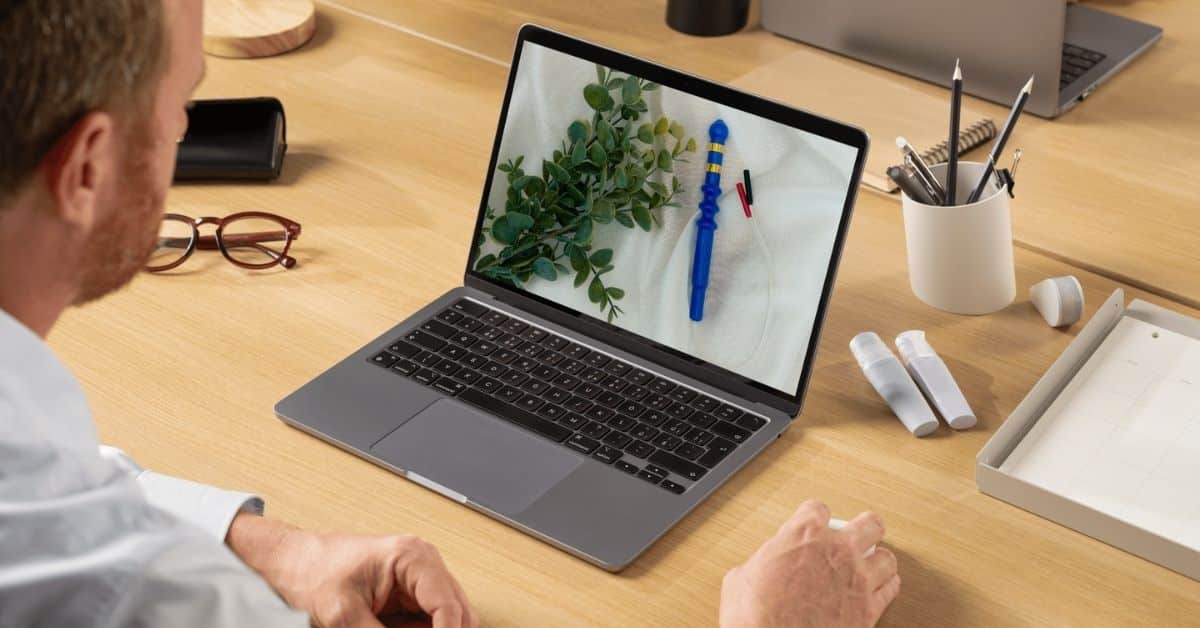
Caring for a Perineal Rehabilitation Probe: The Complete Guide
Cleaning, drying, storage, lifespan… Learn how to properly care for your pelvic floor rehabilitation probe to keep it hygienic and ensure its longevity.
Pelvic Floor Exercises at Home: A Gentle Guide
Urinary Incontinence: Causes, Forms, and Solutions
Male Pelvic Floor: Function, Signs of Weakness, and Rehabilitation
Yes, men have a perineum! Its role, signs of weakness, rehabilitation after prostate surgery… Learn all about the male perineum.

Which Perineal Rehabilitation Probe Should You Choose? The Complete Guide
Vaginal or anal? Electrostimulation or biofeedback? Find out how to choose the perineal rehabilitation probe that best suits your needs.

Weak pelvic floor: 7 signs to look for and when to seek medical advice
Leakage, sagging, urinary urgency… Learn about the 7 signs of a weakened pelvic floor—in both men and women—and when to take action.

