
Which Perineal Rehabilitation Probe Should You Choose? The Complete Guide

Which perineal rehabilitation probe should you choose?
A guide to help you decide
As you know by now, the probe is often central to perineal rehabilitation, both in the clinic and at home (we talked about this last week).
But with so many different models available, one question keeps coming up: “Which one is right for me?”
Vaginal or anal, biofeedback or electrostimulation… We’ll help you make sense of it all, without the jargon.
⇒ First and foremost, an important clarification: the choice of a probe is always made in consultation with a healthcare professional. They are the ones who make the diagnosis and prescribe the device best suited to your situation.
This article is here to help you understand, not to encourage self-prescription.
First question: vaginal probe or anal probe?
This is the first major criterion, and it depends on the area to be rehabilitated.
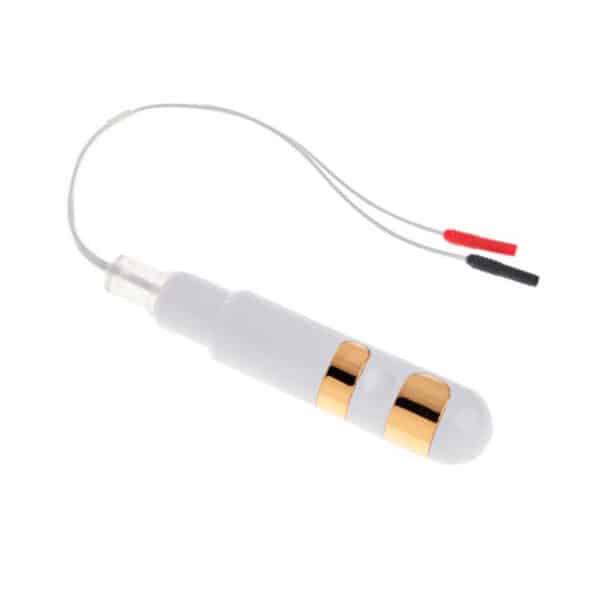
→ The vaginal probe is used for female perineal rehabilitation, which is very common after pregnancy and childbirth, but also in everyday life (urinary incontinence, early-stage organ prolapse). It is inserted into the vagina and stimulates the pelvic floor muscles.
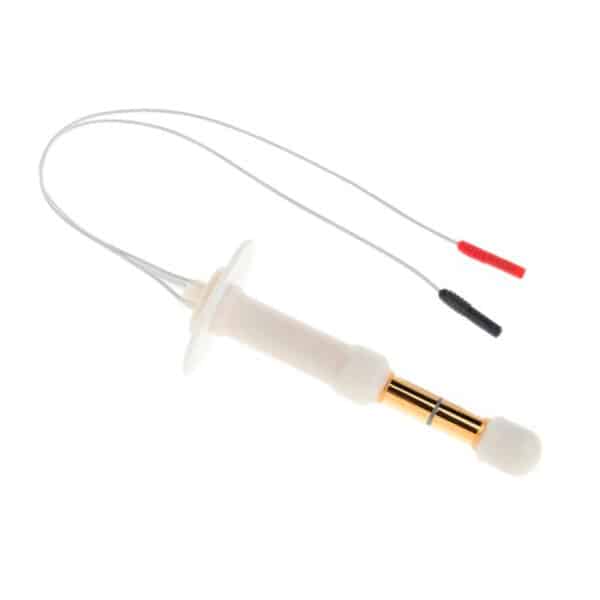
→ The anal (or anorectal) probe is used for both women and men. It is indicated for urinary incontinence, fecal incontinence, or bladder instability. In particular, it is used in male rehabilitation, for example, following prostate surgery.
⇒ In other words: the vaginal probe is specific to women, while the anal probe is for everyone. The perineum has no gender!
Second question: What kind of work?
Not all probes work exactly the same way. There are two main functions, which are sometimes combined in a single model:
→ Electrical stimulation: the probe transmits mild electrical impulses that cause the muscle to contract. This is very useful when the pelvic floor is weakened and you have trouble contracting it voluntarily.
→ Biofeedback (BFB): the probe measures muscle activity and displays it on a screen. You can “see” your pelvic floor working, which helps you perform the correct movements and stay motivated.
Some probes, such as the ANALYS BLUE+®, are designed to provide both stimulation and biofeedback monitoring.
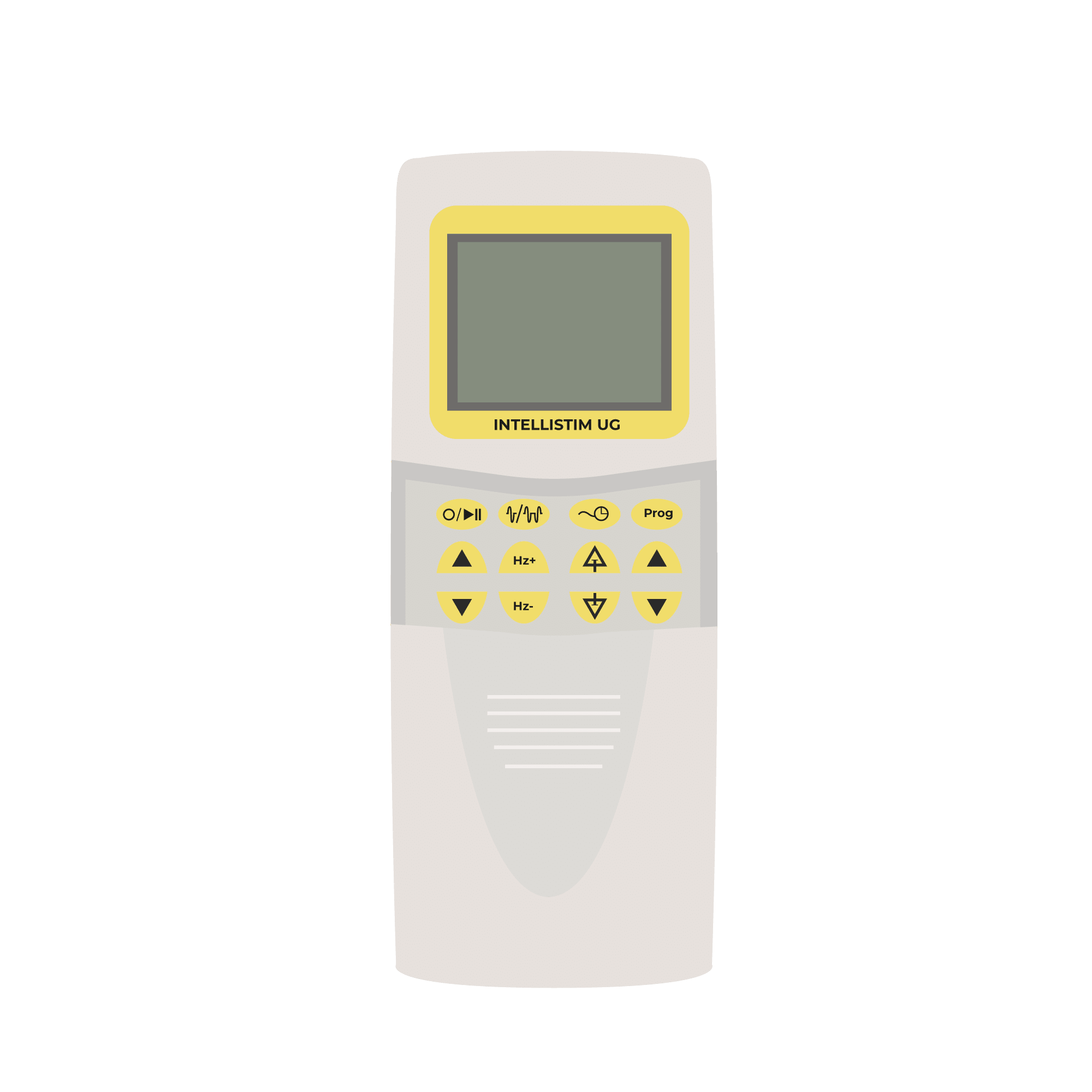
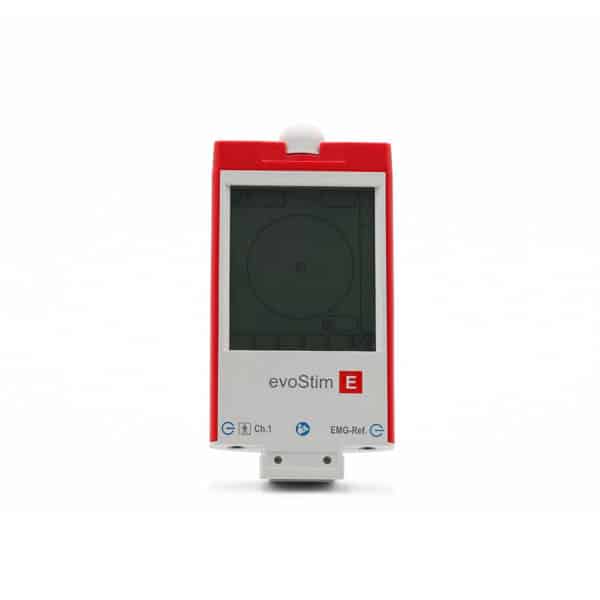
Please note: Regardless of the probe, it never operates on its own. It must be connected to a stimulator (such as theEVOSTIM E® or the INTELLISTIM UG®), which can be used at home or at the therapist’s office.

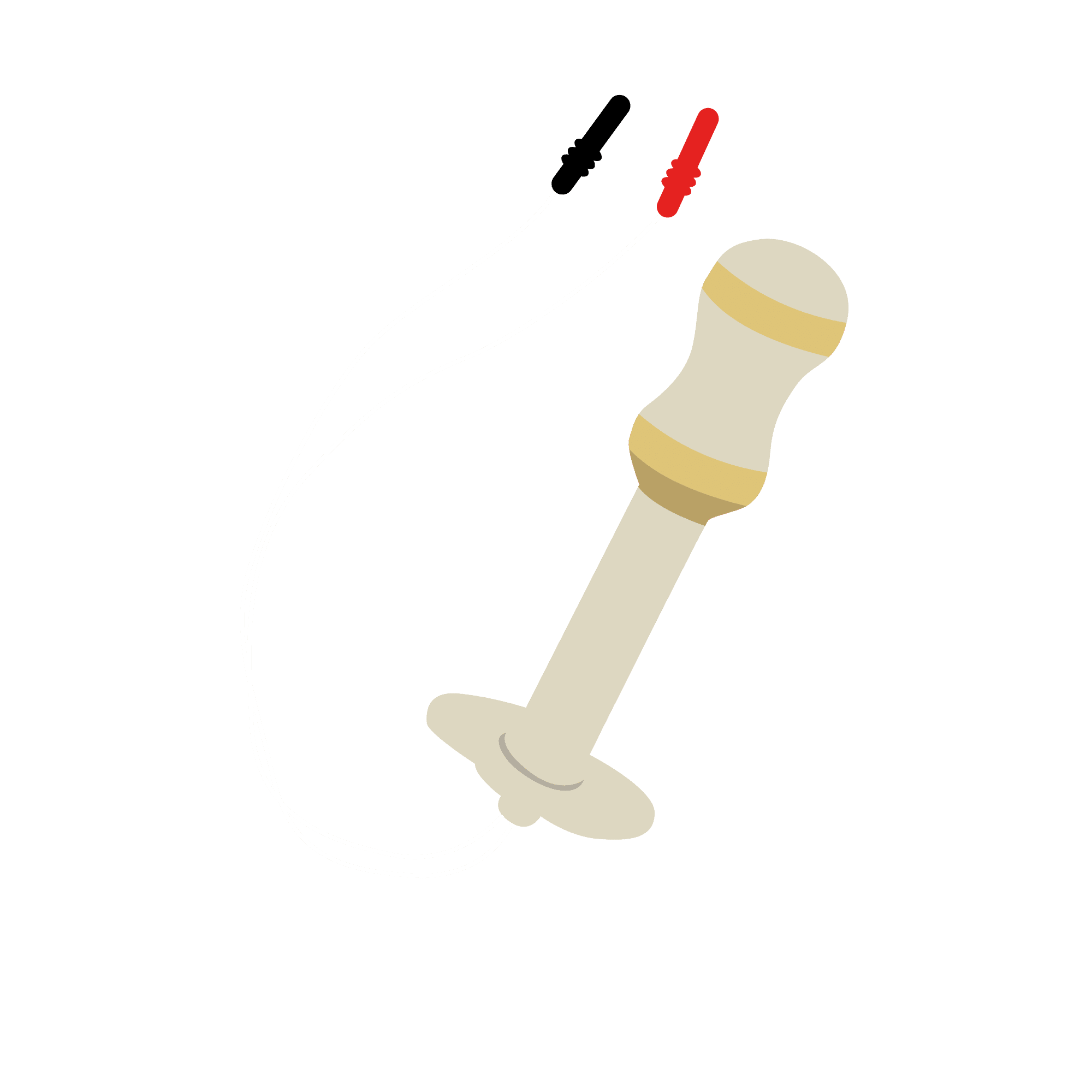
V2B+®
25,00 € HT-
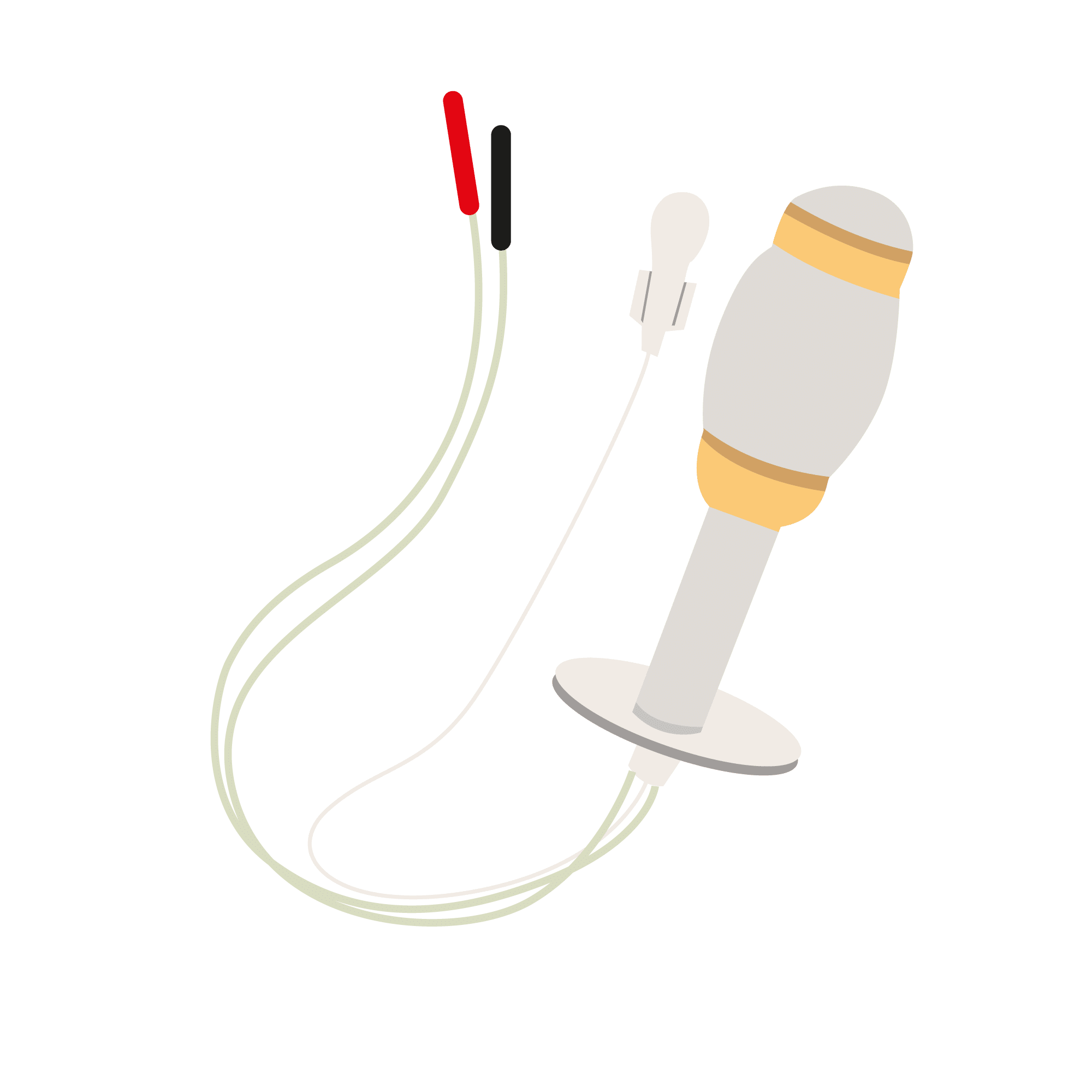
TP2B+ MINIMA®
22,50 € HT
Devices that can help at home
Vaginal probes
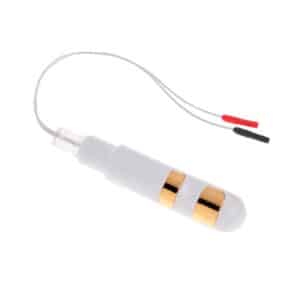
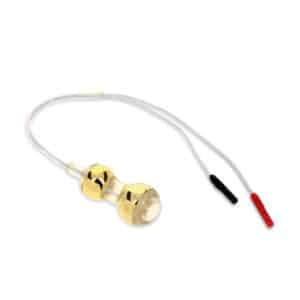
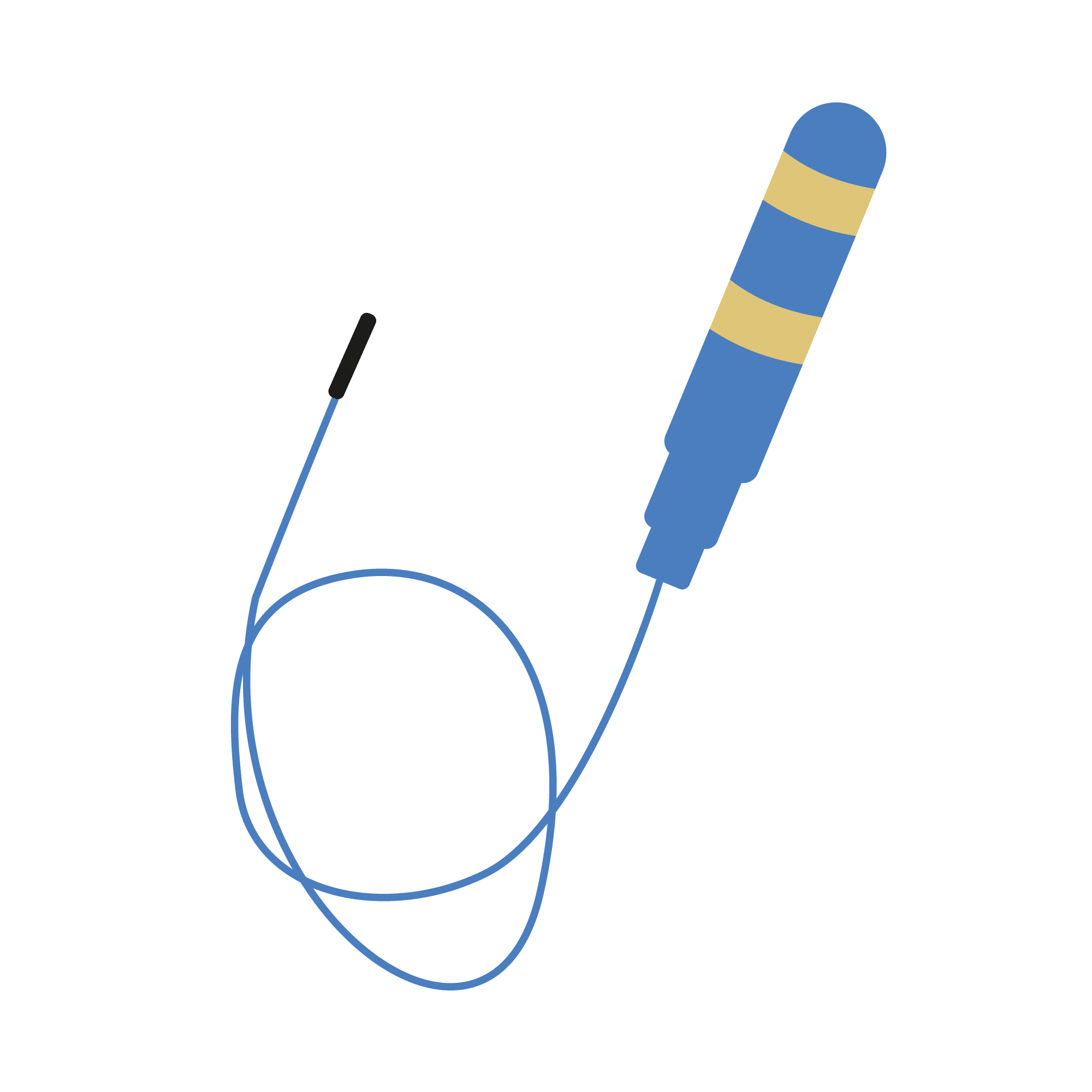
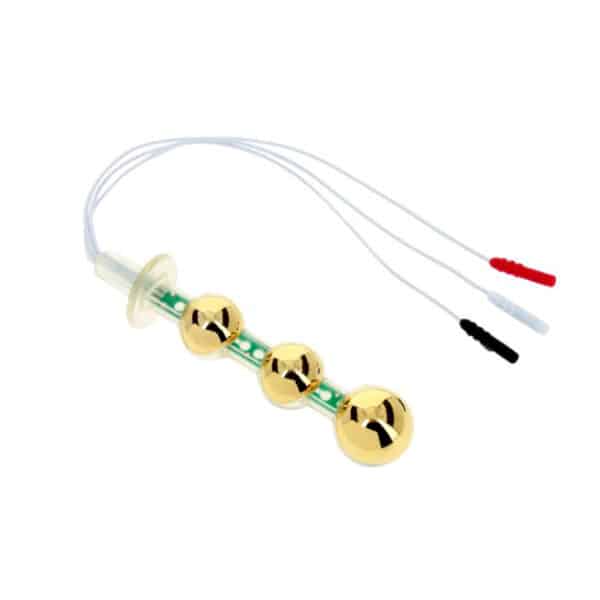
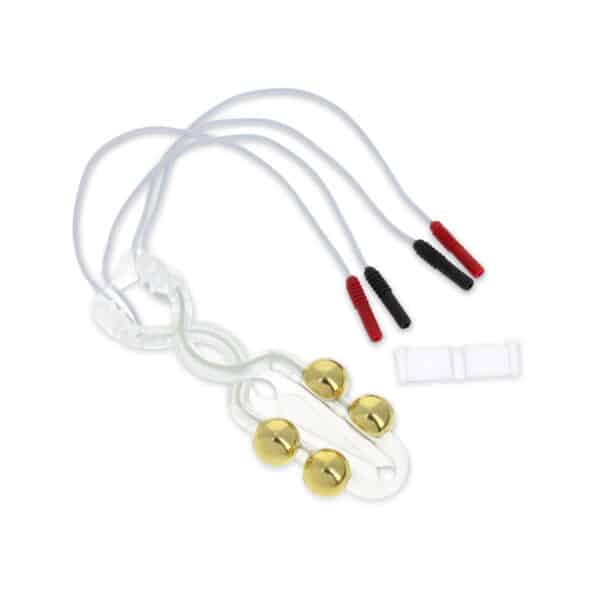
Vaginal probes are used for perineal rehabilitation in women, particularly in cases of urinary incontinence, postpartum recovery, or pelvic muscle weakness. They allow for targeted exercises using biofeedback or electrostimulation.
Anal probes
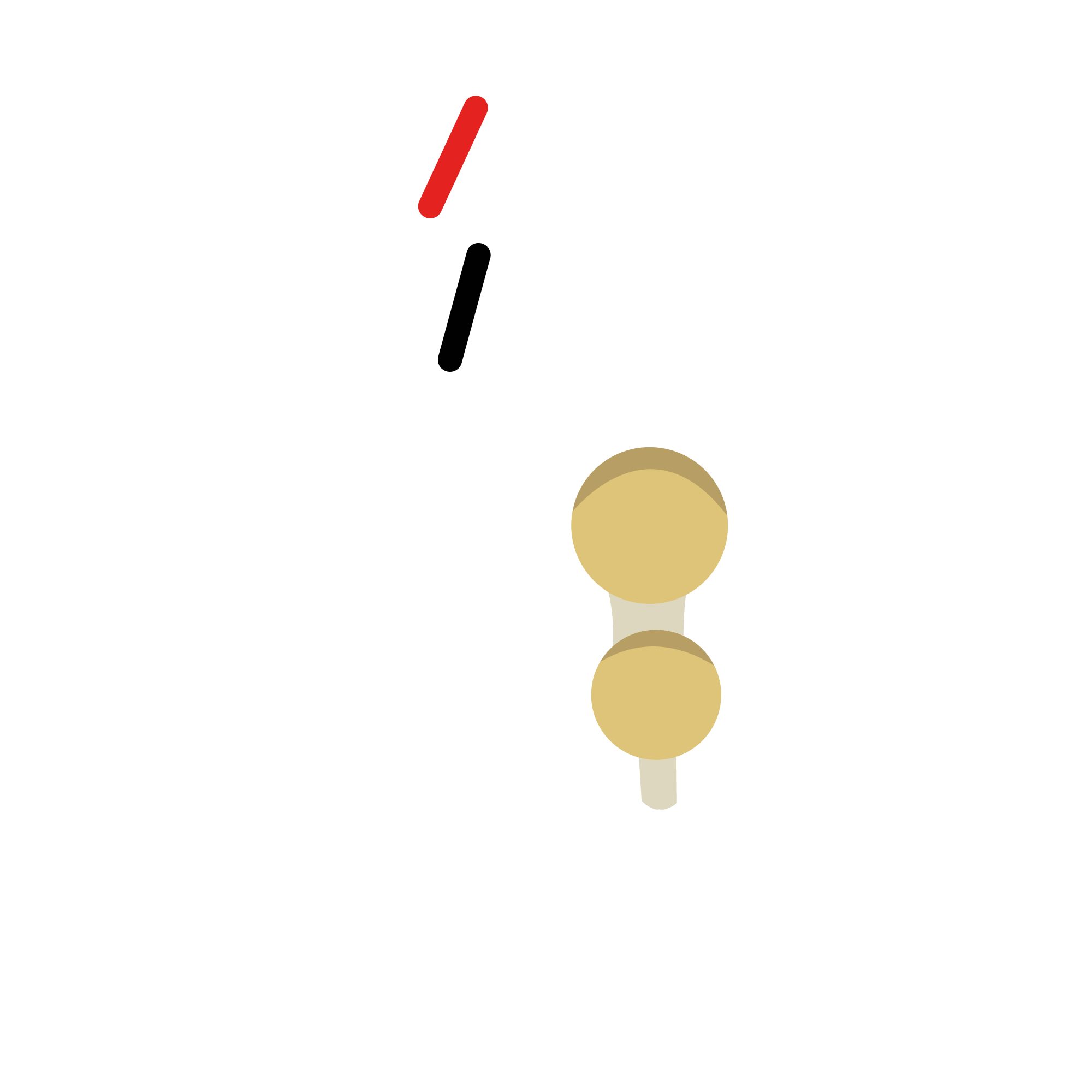
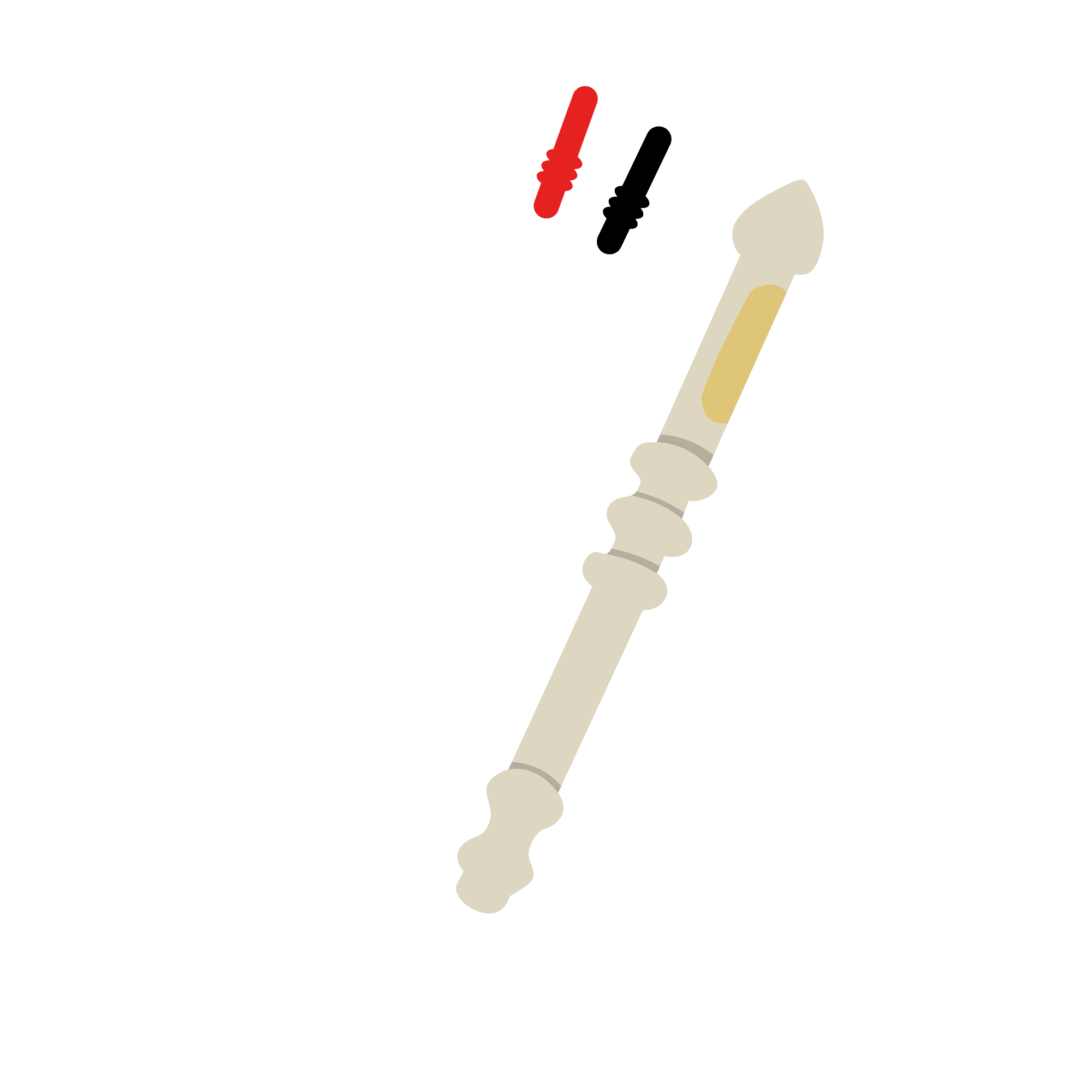
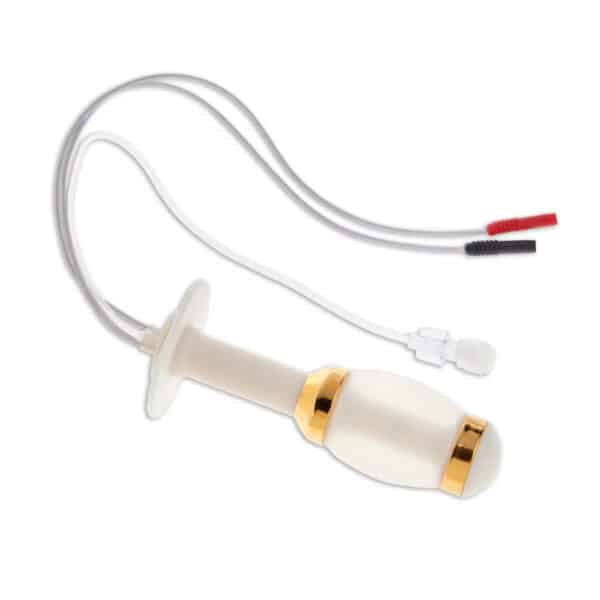
Anal probes are suitable for perineal rehabilitation in both men and women, particularly for treating urinary or fecal incontinence. They offer an effective solution for strengthening the pelvic floor muscles through electrostimulation.

Electrostimulators
A perineal electrostimulator is a device that delivers mild electrical impulses to stimulate and strengthen the perineal muscles. It is recommended as part of a home rehabilitation program, often in conjunction with medical care.


Question 3: Comfort, Ergonomics, and Special Cases
This is where the product line diversifies, as every body and every medical condition is different. Here are a few specific examples from our line of probes:
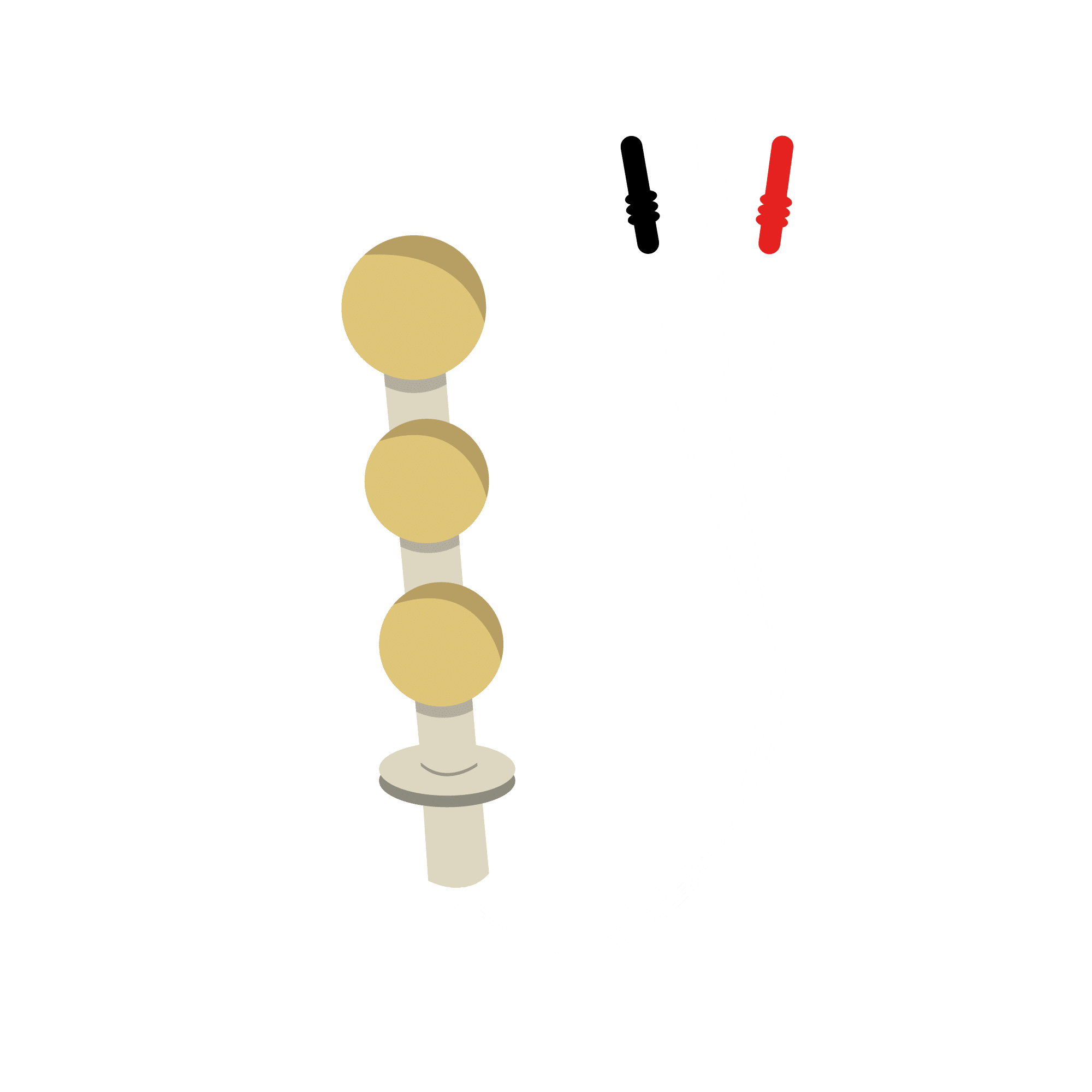
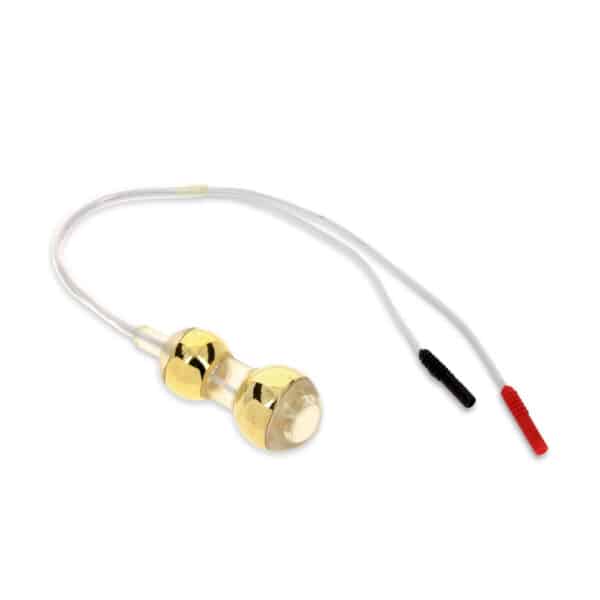
→ The OPTIMA 3® is a vaginal probe with three independent hemispherical electrodes, designed for precise stimulation. Its shape and adjustable electrodes make it possible, for example, to avoid anterior stimulation in cases of prolapse, or to specifically target the right or left side of the levator muscles in cases of weakness on one side.
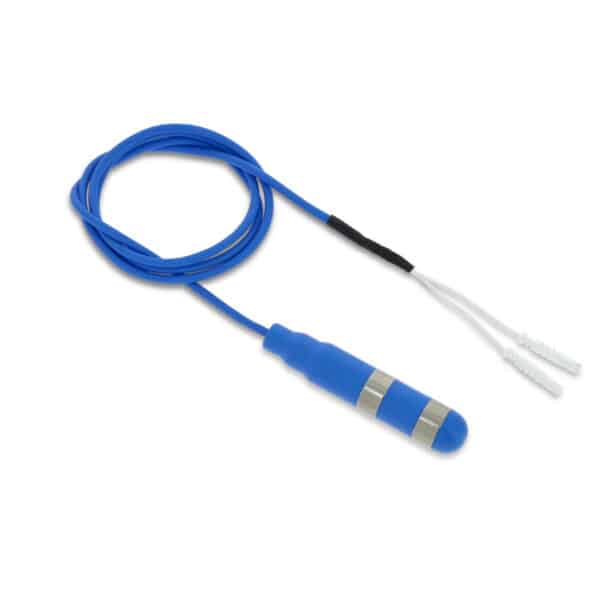
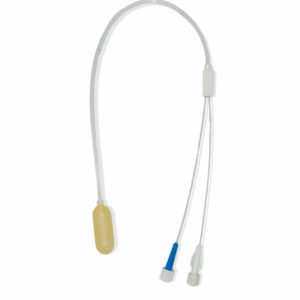
→ The ANALYS BLUE+®, for anal use, prioritizes safety and comfort: its notches and ridges ensure a secure fit around the sphincter and prevent the risk of anorectal suction.
Comfort is extremely important: a lightweight probe that is properly positioned and adapted to your anatomy makes rehabilitation much more pleasant—and therefore more consistent.
A reassuring detail: our electrodes are coated with nickel-free gold, ensuring good conductivity and preventing allergic reactions.
Fourth point: hygiene and reimbursement
Two important points to keep in mind.
The probe is for strictly personal use.
For hygiene reasons, it should not be shared: each person must have their own.
Reimbursement: In France, the purchase of a perineal rehabilitation probe is covered by health insurance as a medical device, provided it is prescribed by a healthcare professional (TIPS reimbursement with a prescription).
So, how do you choose?
In conclusion…
In summary, the right choice depends on three factors: the area to be rehabilitated (vaginal or anal), the type of therapy prescribed (electrostimulation, biofeedback, or both), and your comfort and anatomy. Above all, this choice is made in close consultation with your healthcare professional, who will make the diagnosis and prescribe the most appropriate probe.
Once you know what you need, our product line covers all of these needs, the result of 30 years of expertise in probe design in Europe.
→ Want to discover our different probes? Browse our ranges of vaginal rehabilitation and anal rehabilitation, and discuss them with your healthcare provider.
-
ANALYS BLUE+®
28,33 € HT -
AEROLYS ANA®
28,33 € HT
Frequently asked questions
Check out the most frequently asked questions from internet users.
What is the difference between a vaginal probe and an anal probe?
The vaginal probe is designed for female perineal rehabilitation (postpartum, urinary incontinence, early-stage prolapse).
The anal probe, on the other hand, is intended for both women and men, for urinary incontinence, fecal incontinence, or bladder instability.
Can a probe perform both electrostimulation and biofeedback?
Yes.
Some probes, such as the ANALYS BLUE+®, are designed to provide both electrical stimulation and biofeedback monitoring.
Others are specialized for one or the other function.
Does the probe work independently?
No.
A probe must always be connected to a stimulator (for example, the EVOSTIM E® or the INTELLISTIM UG®), which delivers the current or collects measurements.
The stimulator can be used at home or at the therapist’s office.
Can I choose my own probe?
It is important to make this decision with a healthcare professional. Only a healthcare professional can make a diagnosis and prescribe the catheter that best suits your needs.
This article helps you understand the criteria, but it is not a substitute for medical advice.
Are rehabilitation probes covered by insurance?
In France, the purchase of a perineal rehabilitation probe is covered by health insurance as a medical device, provided it is prescribed by a healthcare professional (TIPS reimbursement with a prescription).
Check out our blog


The Perineum and Sports: What Activities to Do and How to Protect It

Pelvic Floor and Pregnancy: Rehabilitation Before and After Childbirth
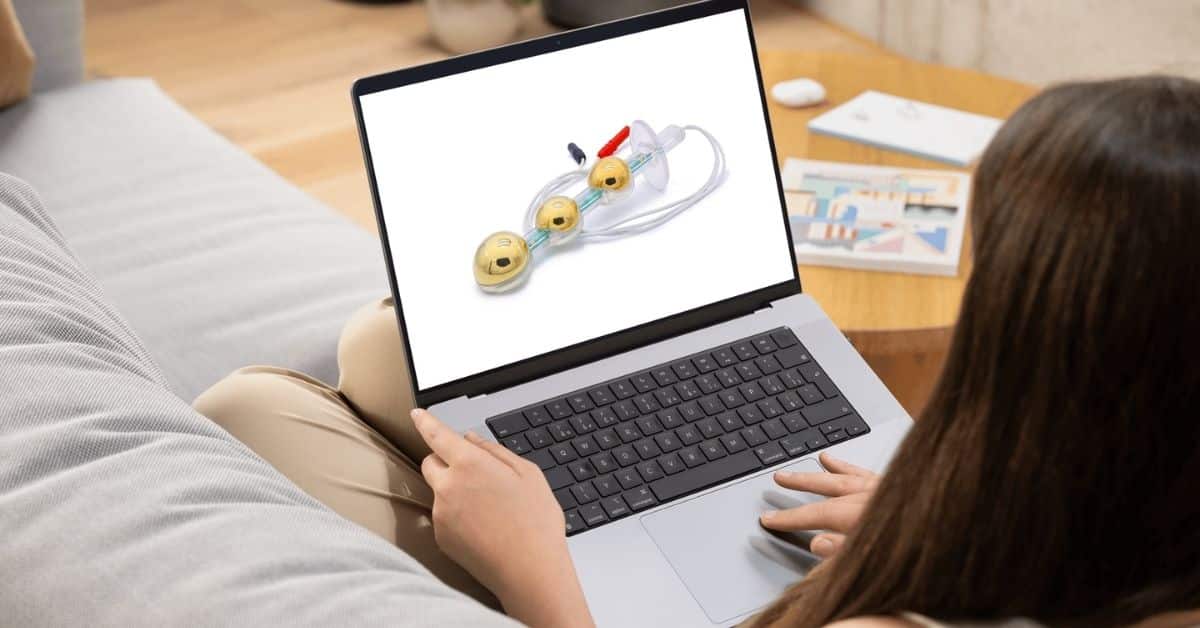
How to Use a Perineal Rehabilitation Probe: Instructions for Use
Insertion, lubrication, connection, precautions, warnings… Learn how to use your perineal rehabilitation probe correctly, step by step and safely.

Constantly contracting your pelvic floor muscles: myth or good idea?

Caring for a Perineal Rehabilitation Probe: The Complete Guide
Cleaning, drying, storage, lifespan… Learn how to properly care for your pelvic floor rehabilitation probe to keep it hygienic and ensure its longevity.
Pelvic Floor Exercises at Home: A Gentle Guide

Urinary Incontinence: Causes, Forms, and Solutions

Male Pelvic Floor: Function, Signs of Weakness, and Rehabilitation
Yes, men have a perineum! Its role, signs of weakness, rehabilitation after prostate surgery… Learn all about the male perineum.
Pelvic Floor Rehabilitation: Process, Steps, and Techniques
Assessments, exercises, biofeedback, probes… Learn how pelvic floor rehabilitation works, step by step, for both women and men.

Weak pelvic floor: 7 signs to look for and when to seek medical advice
Leakage, sagging, urinary urgency… Learn about the 7 signs of a weakened pelvic floor—in both men and women—and when to take action.

