
Male Pelvic Floor: Function, Signs of Weakness, and Rehabilitation
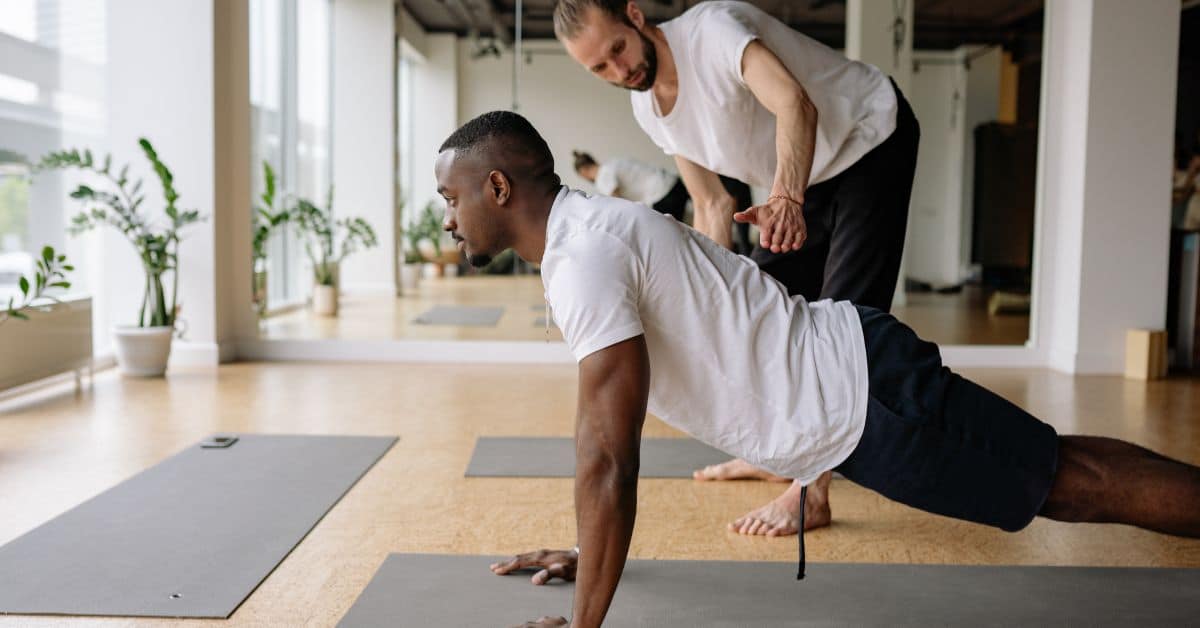
The Male Perineum
that often-overlooked part that no one dares to talk about
When we talk about the perineum, we almost always think of women, pregnancy, and the postpartum period.
As a result: many men simply don’t know they have one. And yet, the male perineum plays an equally essential role in daily life.
So, let’s break the taboo: gentlemen, this muscle concerns you too, and taking care of it really makes a difference.
Yes, men have a perineum
Let’s be clear: the perineum has no gender.
Just as in women, the male perineum is a group of muscles located at the base of the pelvis, forming a hammock that supports the organs and closes off the lower abdomen.
⇒ In men, it supports the bladder and intestines, surrounds the urethra, and helps ensure proper bladder and bowel control. It also plays a role in sexual function.
In short, it performs exactly the same major functions as in women, with a slightly different anatomy.
Why Can a Man’s Pelvic Floor Weaken?
Again, like any muscle, the male perineum can lose its tone. Several factors can weaken it:
→ The aftermath of prostate surgery. This is the most well-known cause. After a prostate removal (prostatectomy), continence may be temporarily affected, and perineal rehabilitation is often part of the recovery process.
→ Aging, which is accompanied by natural muscle relaxation, including in the pelvic floor.
→ Intensive participation in certain sports, particularly high-impact sports (running, jumping sports, weightlifting), which place significant strain on this area through repeated downward pressure.
→ Excess weight, chronic cough, or constipation, which increase the pressure on the perineum.
Warning Signs
In both men and women, a weakened pelvic floor sends signals. Among the most common are:
-
- Urinary leakage, especially during physical exertion, when coughing, or when sneezing.
- A strong urge to urinate that is difficult to control.
- A few drops of urine leaking after using the restroom.
- Sometimes, discomfort or changes in sensation during intimate moments.
These symptoms are by no means an inevitable part of aging: they can be managed and often significantly improved.
The good news: it can be retrained>
Just as with women, the male perineum can be rehabilitated and strengthened.
⇒ The process begins with an evaluation by a healthcare professional (doctor, physical therapist), who assesses the situation and recommends appropriate treatment.
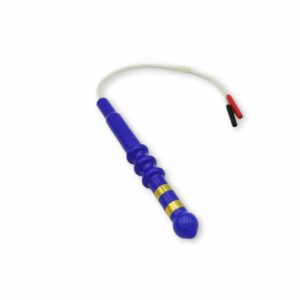
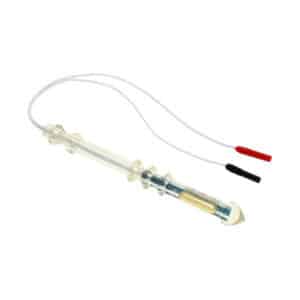
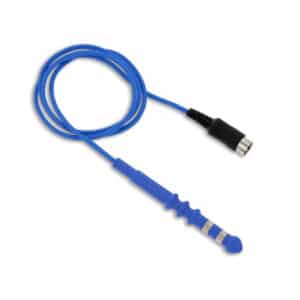
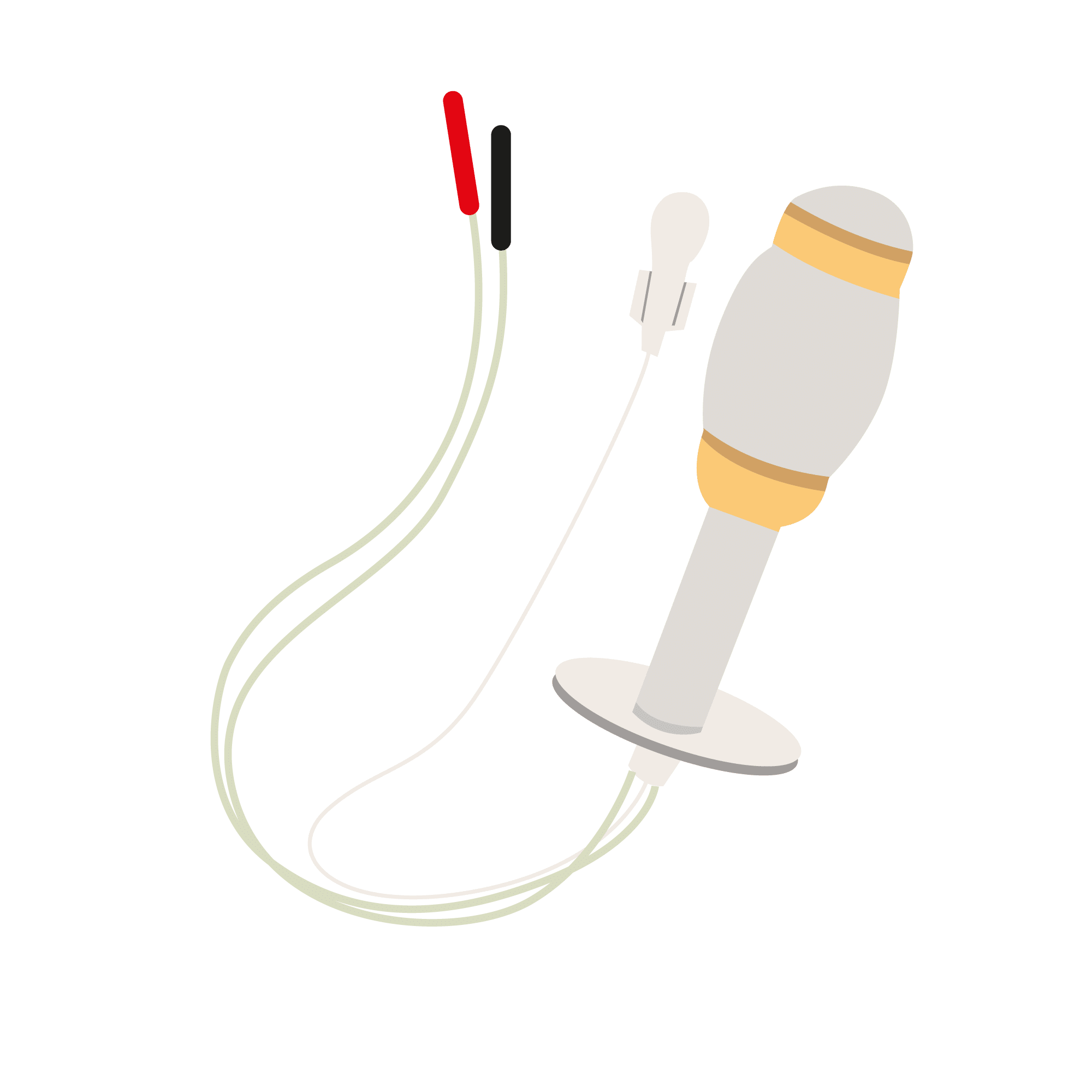
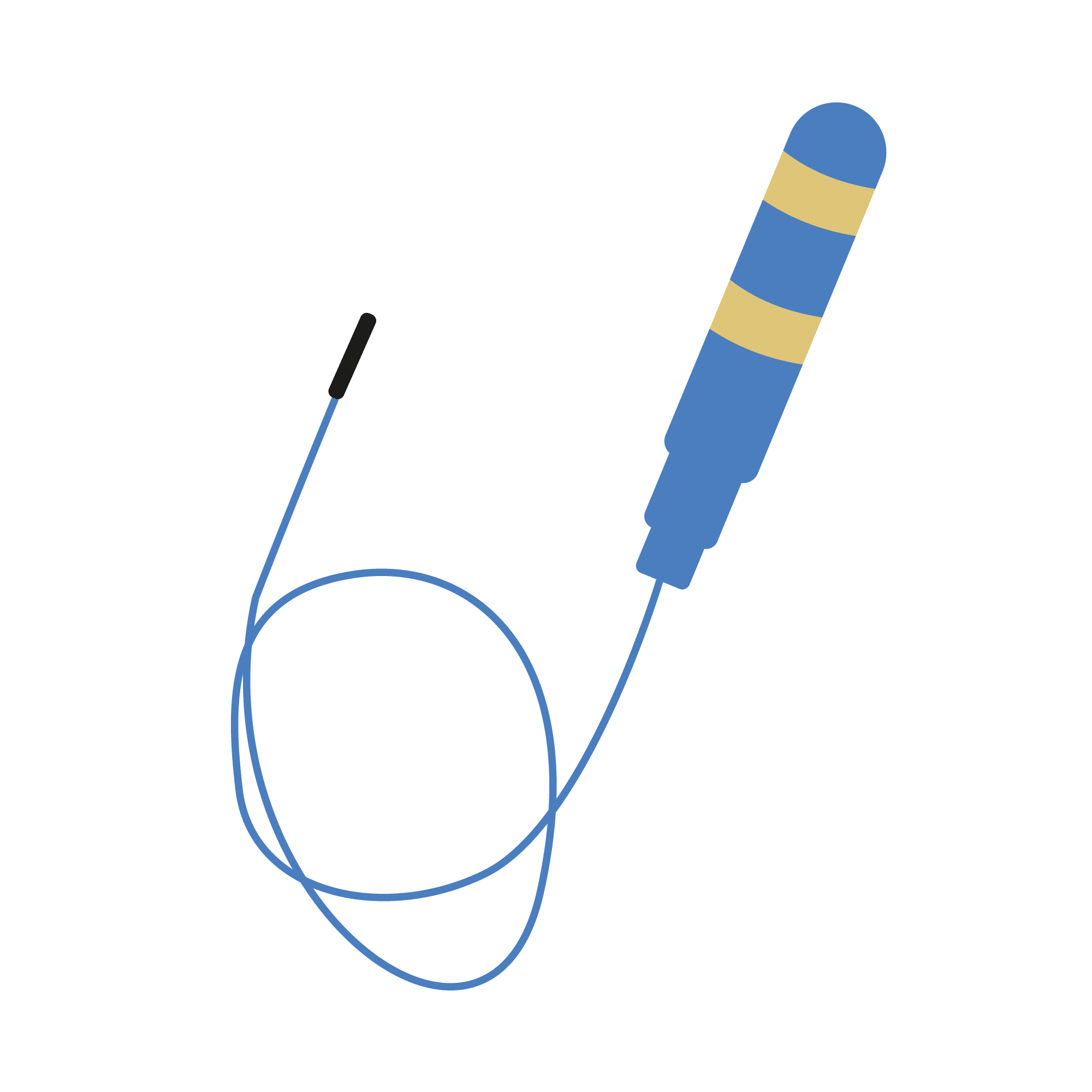
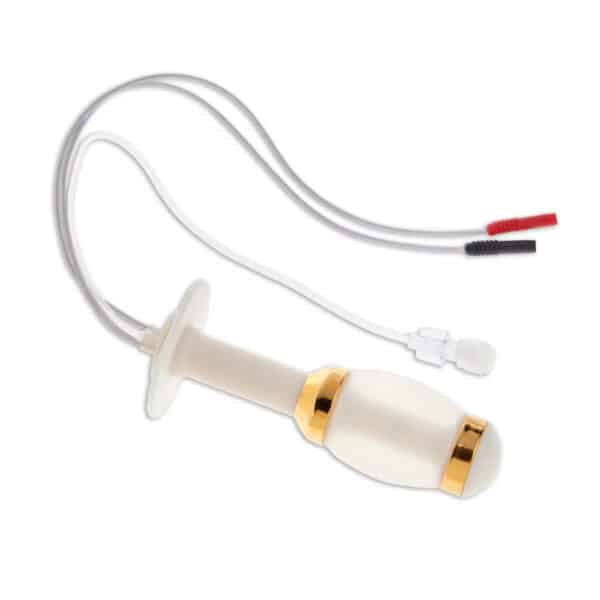
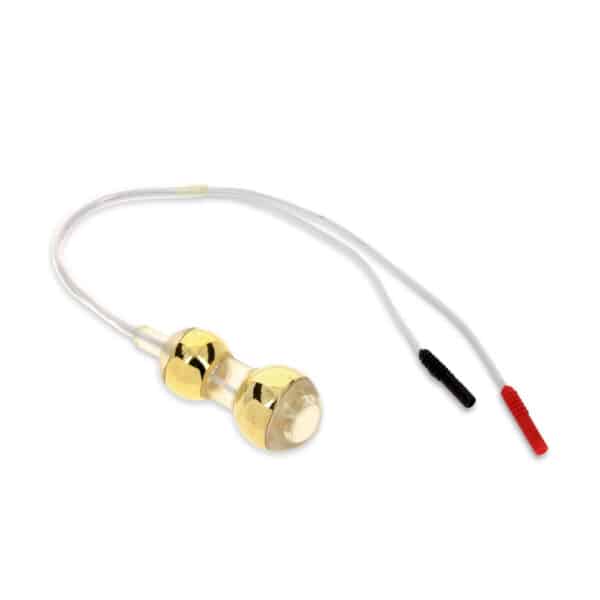
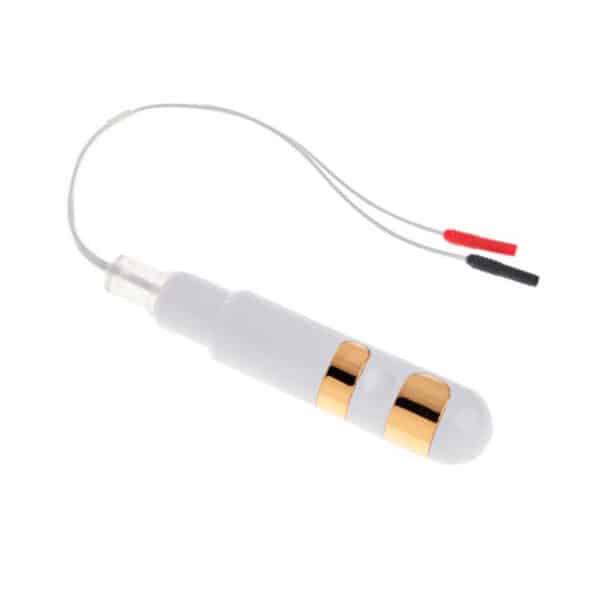
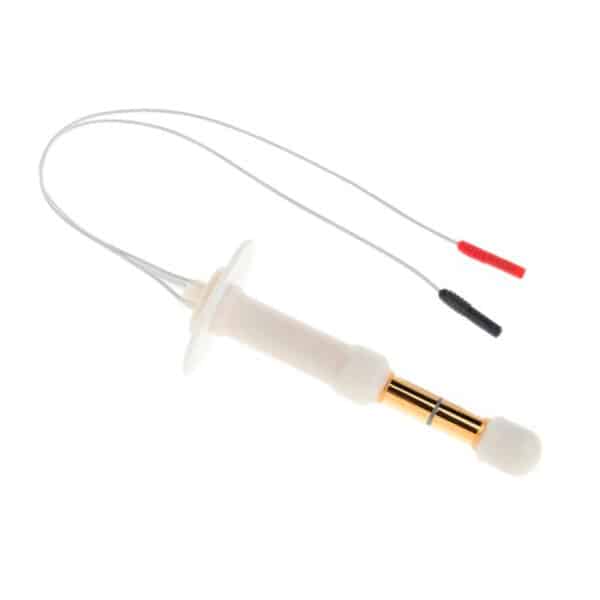
⇒ Rehabilitation involves muscle awareness, targeted exercises, and often techniques such as biofeedback or electrostimulation. In men, these techniques use an anal (or anorectal) probe specifically designed for male rehabilitation, which helps stimulate and strengthen the continence muscles.
⇒ Part of the rehabilitation can be continued at home using a suitable probe connected to a stimulator, always under professional supervision, at least initially.
This is an area we know well at Sugar International: our line of anal rehabilitation products is designed for both men and women.
An important reminder: These devices are for individual use, and their purchase is covered by health insurance as a medical device when prescribed by a healthcare professional.
Feel free to read our article Are perineal catheters covered by health insurance? ⬈ to learn more

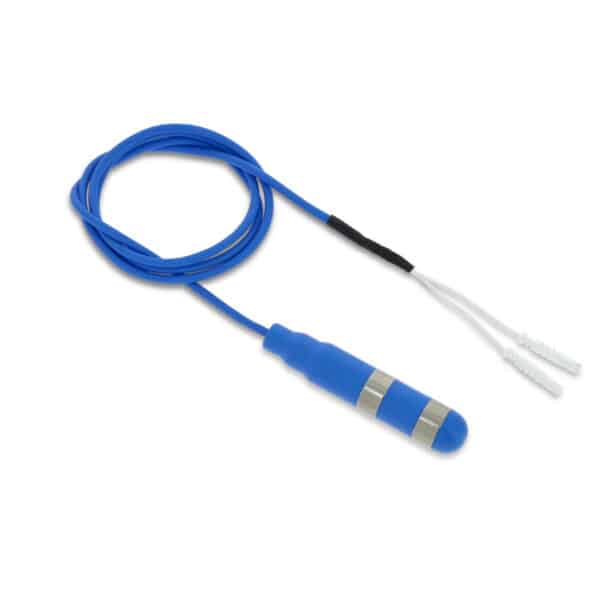
ANALYS BLUE+®
28,33 € HT-
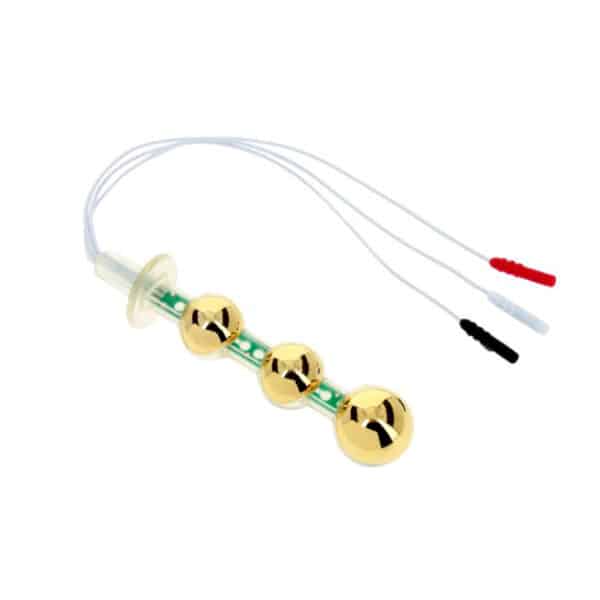
AEROLYS ANA®
28,33 € HT -
ANALYS+®
29,17 € HT -
ANALYS BLUE® DIN 3
31,67 € HT
Devices that can help at home
Vaginal probes
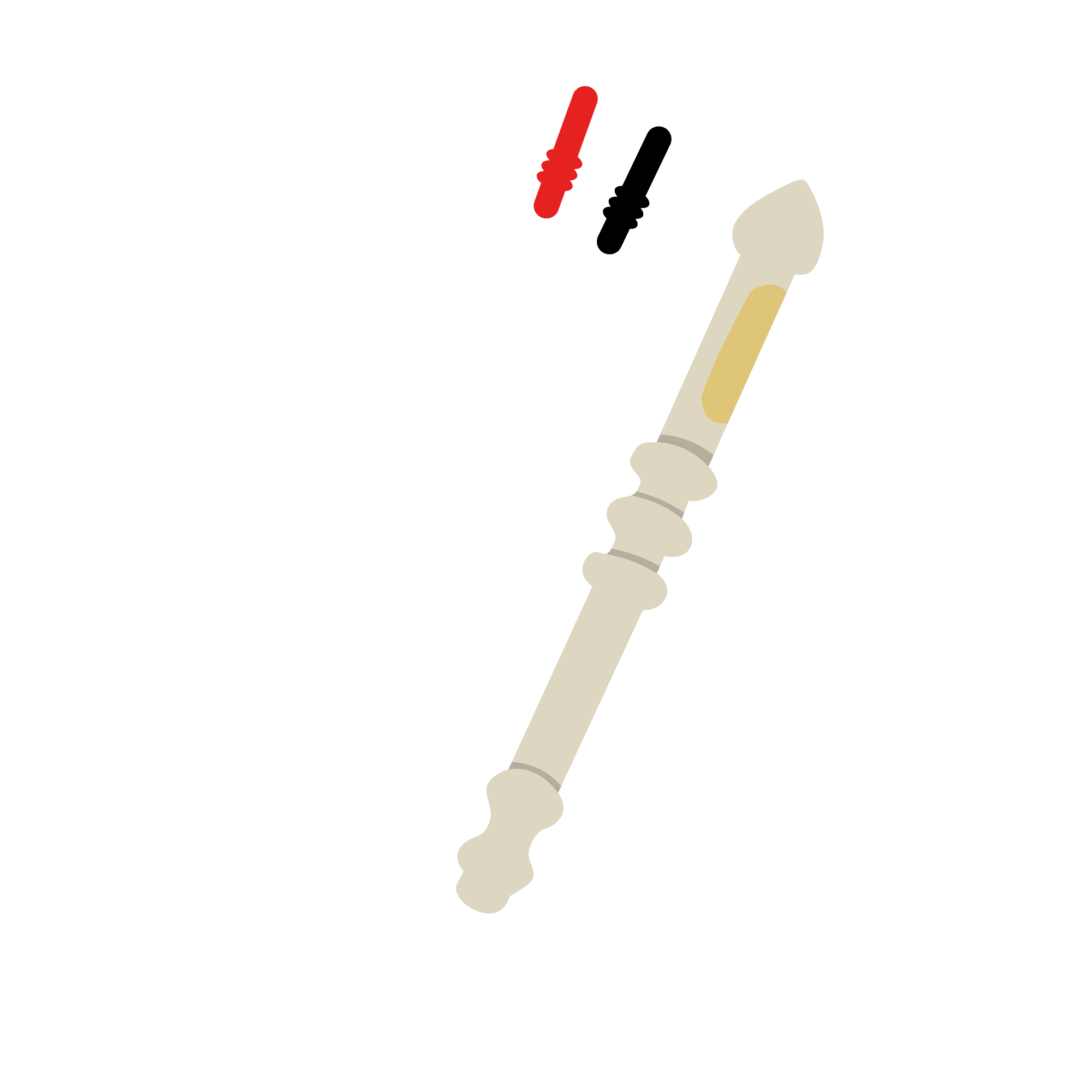
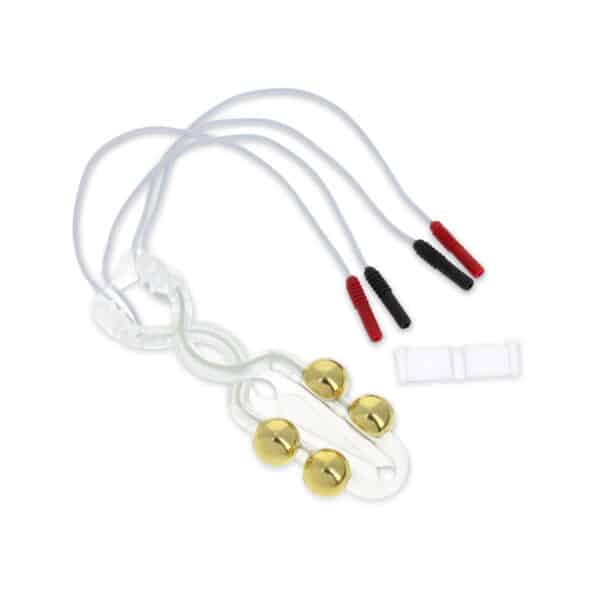
Vaginal probes are used for perineal rehabilitation in women, particularly in cases of urinary incontinence, postpartum recovery, or pelvic muscle weakness. They allow for targeted exercises using biofeedback or electrostimulation.
Anal probes
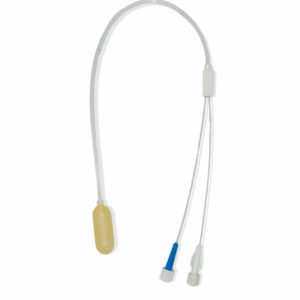
Anal probes are suitable for perineal rehabilitation in both men and women, particularly for treating urinary or fecal incontinence. They offer an effective solution for strengthening the pelvic floor muscles through electrostimulation.
Electrostimulators
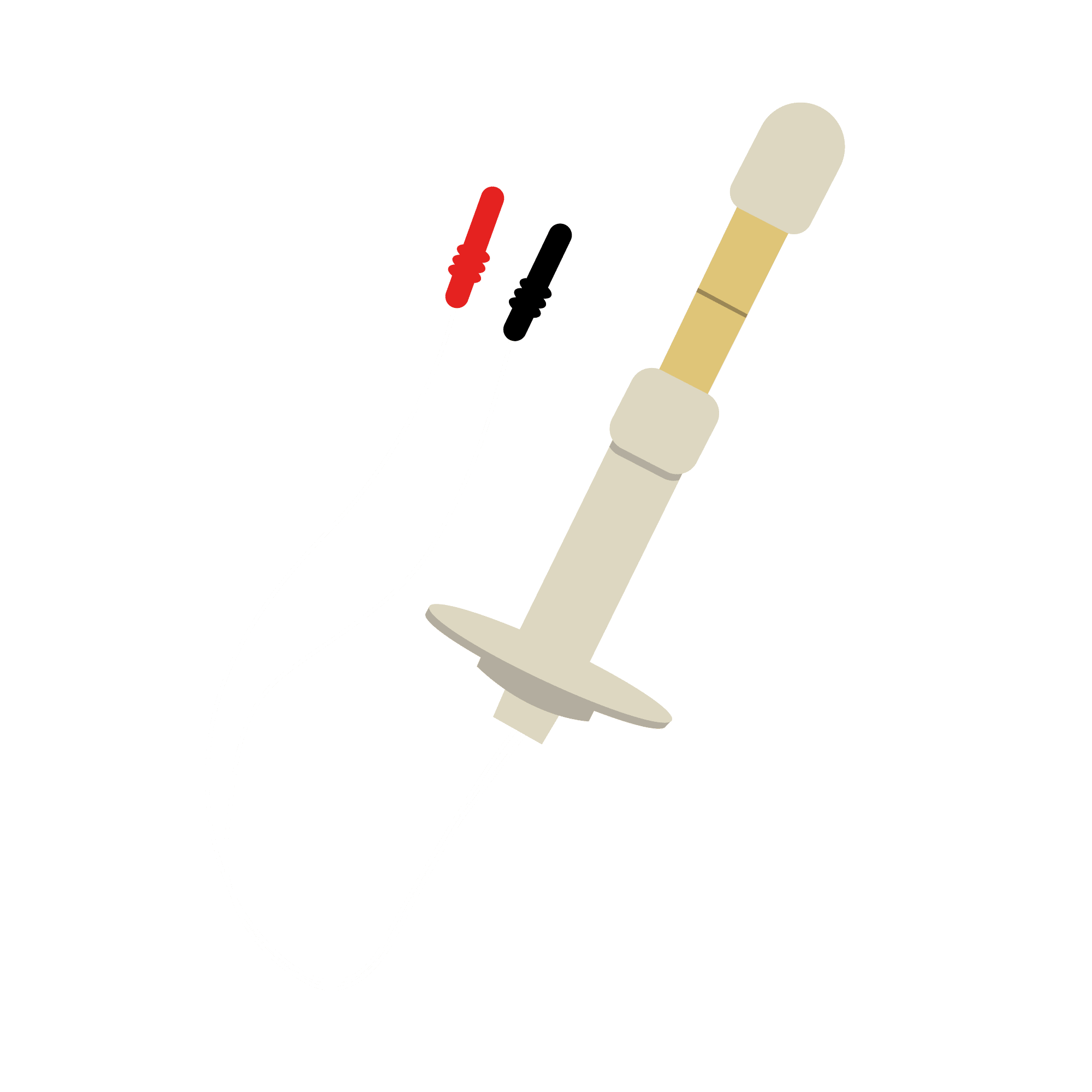
A perineal electrostimulator is a device that delivers mild electrical impulses to stimulate and strengthen the perineal muscles. It is recommended as part of a home rehabilitation program, often in conjunction with medical supervision.




Let’s just talk about it
For many men, the real obstacle isn’t medical—it’s the taboo. They don’t dare talk about it, they downplay it, and they adapt in silence.
Yet these topics are perfectly legitimate, and healthcare professionals are used to dealing with them.
Talking about it is already the first step toward true well-being.
To conclude…
The male pelvic floor does indeed exist, and it deserves just as much attention as the female pelvic floor.
Whether due to surgery, aging, or sports, a weakened pelvic floor is not inevitable: it can be rehabilitated with the right guidance and devices designed for this purpose. Gentlemen, your pelvic floor will thank you.
⇒ To understand the basics, (re)read our article “The Perineum: Definition, Role, and Importance for Health ⬈”.
-
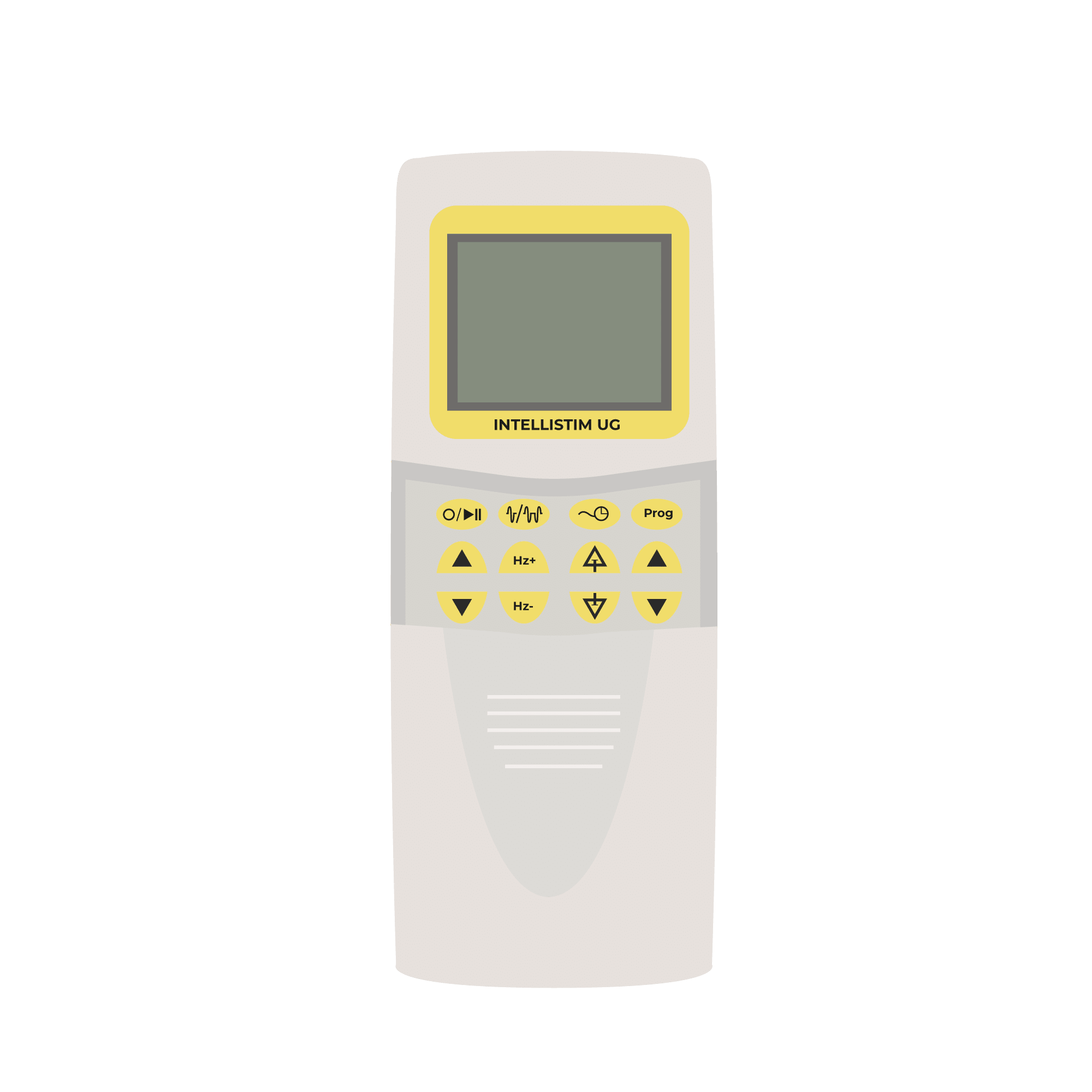
INTELLISTIM UG®
255,00 € HT

Frequently asked questions
Check out the most frequently asked questions from internet users.
Why is pelvic floor rehabilitation necessary after prostate surgery?
After a prostate removal, urinary continence may be temporarily affected.
Perineal rehabilitation helps strengthen the muscles responsible for continence and is often part of the recovery process.
What are the signs of a weakened male pelvic floor?
The most common symptoms include urinary leakage (during physical activity or when coughing), a strong urge to urinate that is difficult to control, a few drops of urine after urination, or, in some cases, changes in sensations during sexual activity.
What type of probe is used for male pelvic floor rehabilitation?
Male rehabilitation involves the use of an anal ⬈ (or anorectal) probe, designed to stimulate and strengthen the continence muscles.
It must be connected to a stimulator ⬈ and used under professional supervision.
Can exercise damage a man's pelvic floor?
Certain high-impact sports (running, jumping, weightlifting) place a lot of strain on the pelvic floor due to repeated pressure.
This doesn’t mean you have to stop exercising, but it may be helpful to take care of your pelvic floor at the same time.
Is male pelvic floor rehabilitation covered by insurance?
In France, the purchase of a rehabilitation probe is covered by health insurance as a medical device, provided it is prescribed by a healthcare professional.
To learn more, read our article Reimbursable perineal catheters: what you need to know before buying ⬈
Check out our blog


The Perineum and Sports: What Activities to Do and How to Protect It

Pelvic Floor and Pregnancy: Rehabilitation Before and After Childbirth
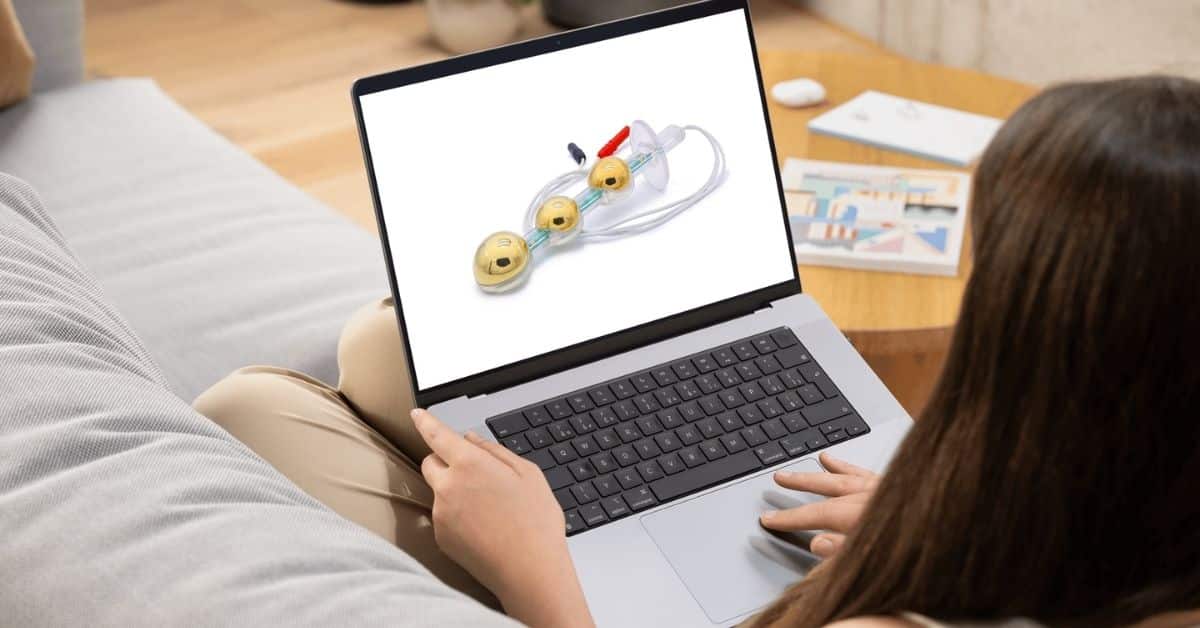
How to Use a Perineal Rehabilitation Probe: Instructions for Use
Insertion, lubrication, connection, precautions, warnings… Learn how to use your perineal rehabilitation probe correctly, step by step and safely.
Constantly contracting your pelvic floor muscles: myth or good idea?
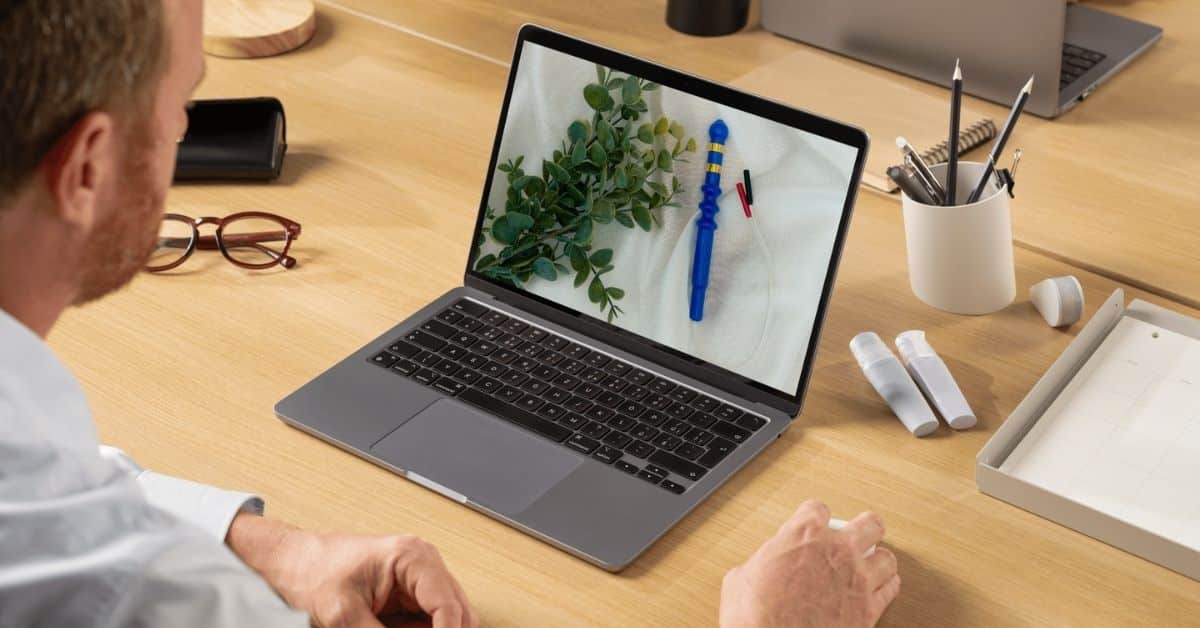
Caring for a Perineal Rehabilitation Probe: The Complete Guide
Cleaning, drying, storage, lifespan… Learn how to properly care for your pelvic floor rehabilitation probe to keep it hygienic and ensure its longevity.
Pelvic Floor Exercises at Home: A Gentle Guide
Urinary Incontinence: Causes, Forms, and Solutions
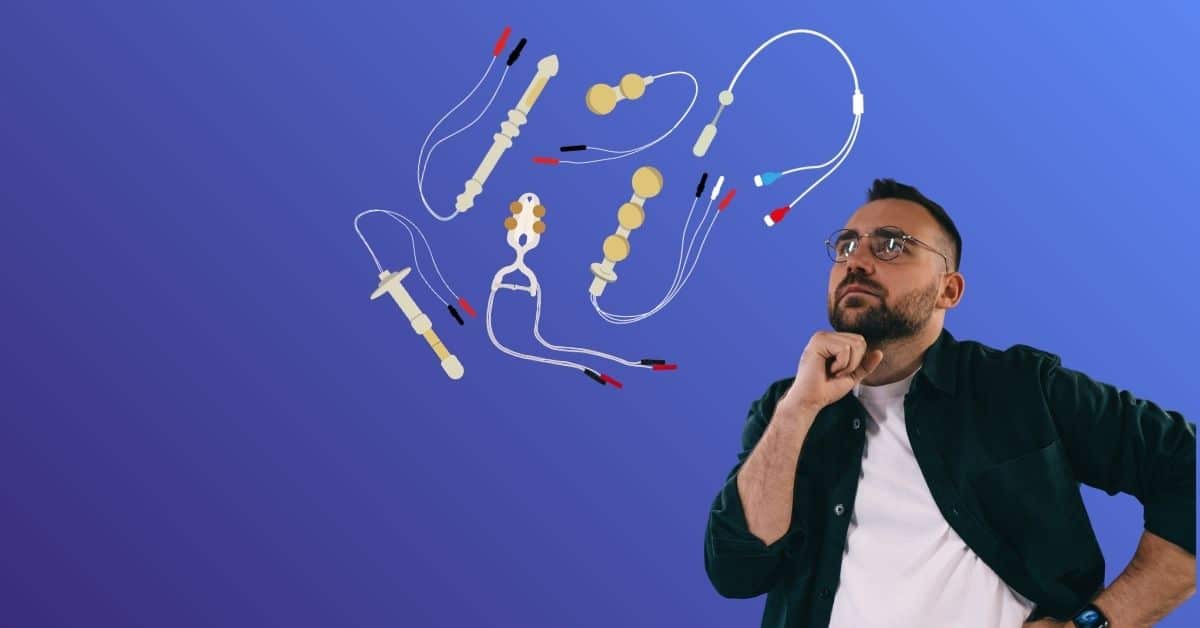
Which Perineal Rehabilitation Probe Should You Choose? The Complete Guide
Vaginal or anal? Electrostimulation or biofeedback? Find out how to choose the perineal rehabilitation probe that best suits your needs.
Pelvic Floor Rehabilitation: Process, Steps, and Techniques
Assessments, exercises, biofeedback, probes… Learn how pelvic floor rehabilitation works, step by step, for both women and men.
Weak pelvic floor: 7 signs to look for and when to seek medical advice
Leakage, sagging, urinary urgency… Learn about the 7 signs of a weakened pelvic floor—in both men and women—and when to take action.

