
The Perineum: definition, role, and importance for health

The perineum: the muscle everyone has
And that no one knows about…
We hear more and more about the perineum, and yet many people would be unable to say where it is or what it’s for.
It’s a bit like the unsung hero of our body: invisible, silent, but present every time we laugh, sneeze, carry our groceries, or go to the bathroom.
And here’s the good news: understanding it is the first step toward taking care of it.
What exactly is the perineum?
The perineum (also known as the “pelvic floor”) is a group of muscles and tissues located at the base of the pelvis.
→ Imagine a hammock stretched between the front (the pubic bone) and the back (the tailbone): it is this structure that closes off the lower abdomen from below.
Contrary to popular belief, the perineum is not exclusive to women. Both men and women have one.
Its shape varies slightly depending on anatomy, particularly because it is traversed by different orifices (the urethra, the anus, and the vagina in women), but its supportive role remains the same for everyone.
What is this famous muscle hammock used for?
The perineum performs several essential functions, often without us even realizing it:
⇒ It supports the organs.
The bladder, intestines, uterus in women, and prostate in men: all rest in part on this muscular floor.
It is what keeps them in place despite gravity and abdominal pressure.
⇒ It ensures continence.
The perineum helps control the sphincters, the “valves” that hold in urine and stool.
• When it functions properly, you maintain control.
• When it weakens, leakage may occur.
⇒ It plays a role in sexuality.
A toned perineum contributes to sensations and pleasure in both women and men.
⇒ It supports breathing and posture.
The pelvic floor works in conjunction with the diaphragm and the deep abdominal muscles.
It is part of what is sometimes called the “abdominal core,” the system that stabilizes us in our daily lives.
Why can the pelvic floor weaken?
Like any muscle, the perineum can lose its tone.
Several factors can strain or weaken it over the course of a lifetime:
→ Pregnancy and childbirth, which place enormous strain on this area.
→ Aging, which is accompanied by natural muscle relaxation.
→ Certain high-impact sports (running, jumping) that exert repeated downward pressure.
→ Being overweight, chronic coughing, or constipation, which increase pressure on the pelvic floor.
→ In men, certain medical procedures, particularly those involving the prostate, can affect continence.
A weakened perineum can manifest as urinary leakage, a feeling of heaviness, or discomfort.
Nothing is irreversible: this is precisely where rehabilitation comes into play.
Muscles need to be maintained (and rehabilitated)
That’s the whole point: just as you strengthen your arms or legs, you can tone and rehabilitate your pelvic floor.
Pelvic floor rehabilitation helps you regain strength and control in this area, whether after childbirth, as you age, or simply as a preventive measure.
Good news: you don’t have to wait until you have a “problem” to take care of it.
Understanding your pelvic floor and taking care of it is a true health habit, just like exercising or getting a good night’s sleep.
To conclude…
The pelvic floor is a discreet yet vital muscle: it supports our organs, ensures our continence, plays a role in our intimate life, and provides stability in our daily lives.
Understanding it is the first step toward taking care of it throughout your life.
⇒ In an upcoming article, we’ll take a practical look at how to tell if your pelvic floor needs rehabilitation and what solutions are available.

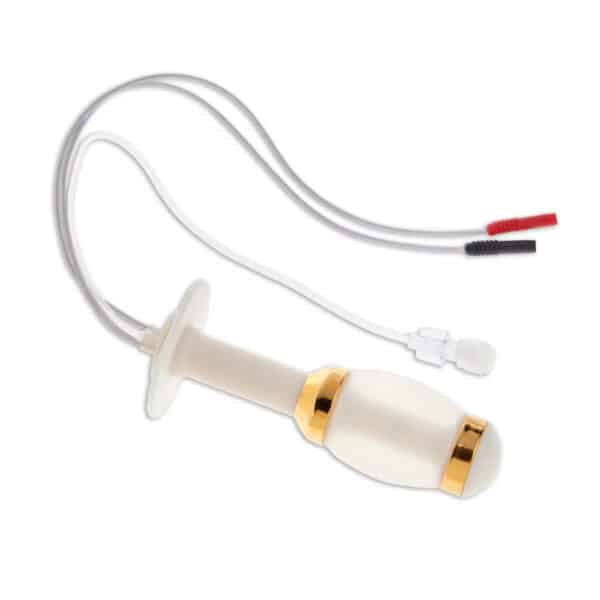
3AT2B®
25,00 € Excl. tax-
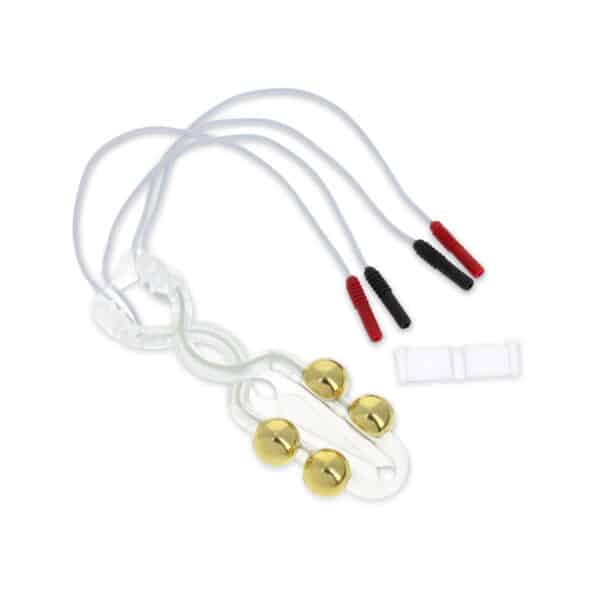
EVOSTIM E®
283,33 € Excl. tax -
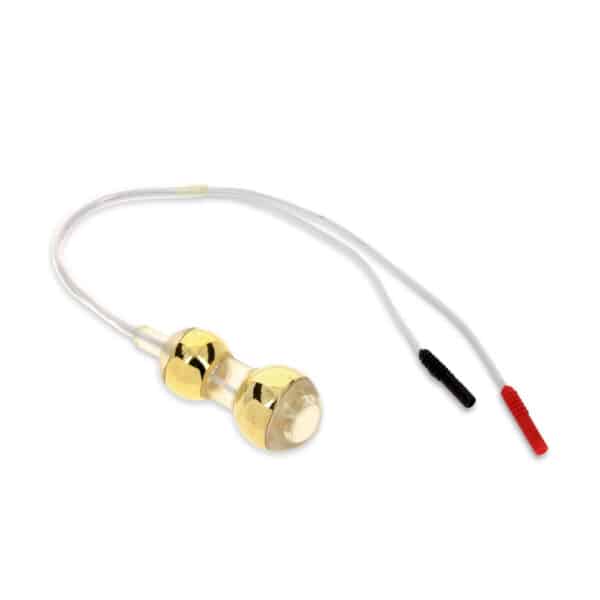
OPTIMA 3®
22,50 € Excl. tax -
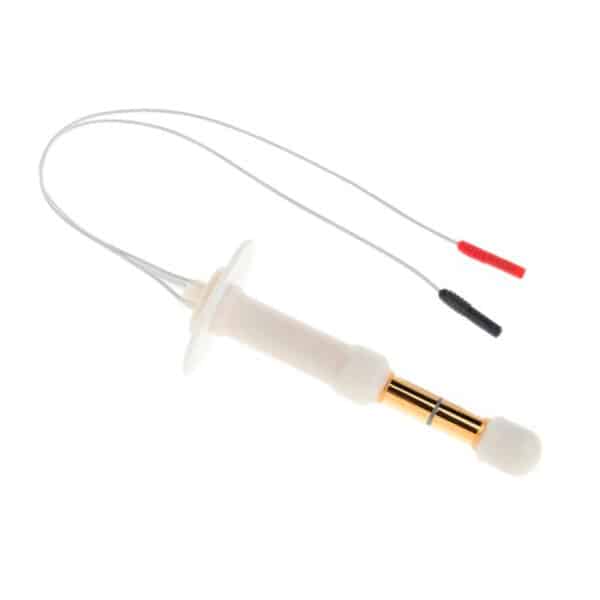
AIR STIM®
38,00 € Excl. tax -
INTELLISTIM UG®
255,00 € Excl. tax







Frequently asked questions
Check out the questions most frequently asked by users.
Where is the perineum located?
The perineum is located at the base of the pelvis, forming a sort of muscular hammock stretched between the pubis (at the front) and the coccyx (at the back).
It closes off the lower abdomen from below and supports the organs of the pelvis.
Do men have a perineum, too?
Yes. The perineum isn’t exclusive to women: both men and women have one.
Its structure varies slightly depending on individual anatomy, but its role in providing support and ensuring continence is the same for everyone.
What is the perineum for?
It serves several functions:
- supporting organs (the bladder, intestines, uterus, or prostate),
- ensuring urinary and fecal continence, playing a role in sexual intimacy,
- and contributing to the body’s posture and stability.
How can I tell if my pelvic floor is weak?
Certain signs may be cause for concern:
- urinary leakage (when laughing, coughing, or exercising),
- a feeling of heaviness in the lower abdomen,
- or discomfort.
If in doubt, it’s best to consult a healthcare professional who can evaluate your pelvic floor.
Can you strengthen your pelvic floor muscles?
Yes, like any muscle, the pelvic floor can be strengthened and retrained.
Pelvic floor rehabilitation helps restore strength and control in this area, whether after childbirth, as you age, or as a preventive measure.
Check out our blog

Common Misconceptions About the Perineum: 8 Myths You Should Know
Pelvic floor and constipation: Understanding the connection and taking action

The Perineum and Sports: What Activities to Do and How to Protect It

Pelvic Floor and Pregnancy: Rehabilitation Before and After Childbirth
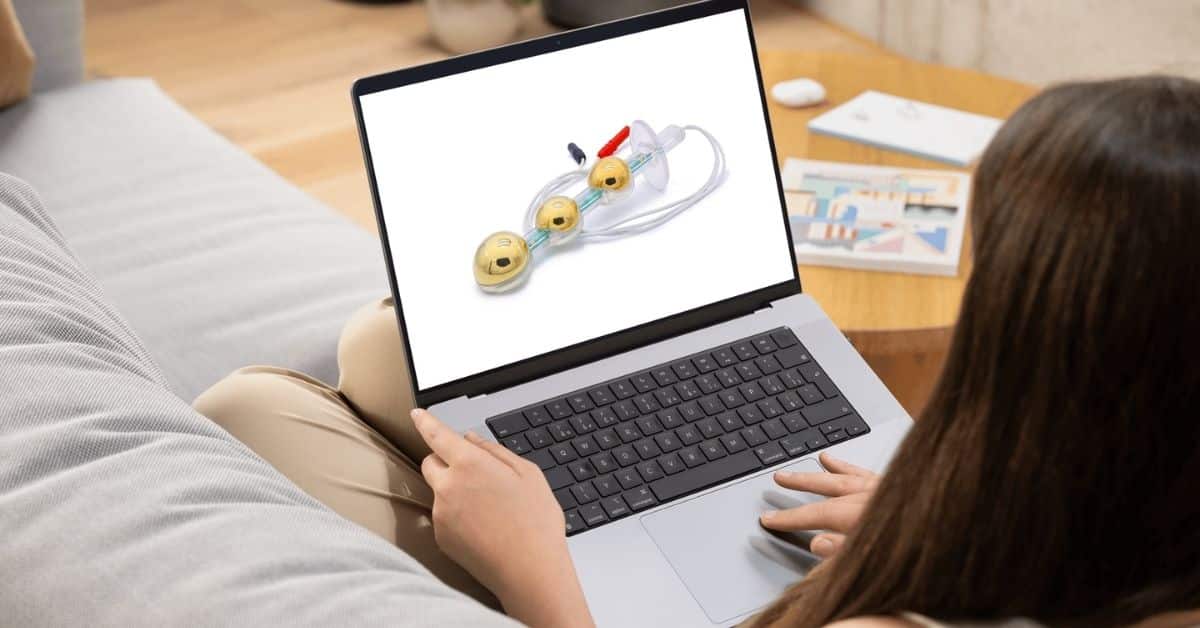
How to Use a Perineal Rehabilitation Probe: Instructions for Use
Insertion, lubrication, connection, precautions, warnings… Learn how to use your perineal rehabilitation probe correctly, step by step and safely.
Constantly contracting your pelvic floor muscles: myth or good idea?
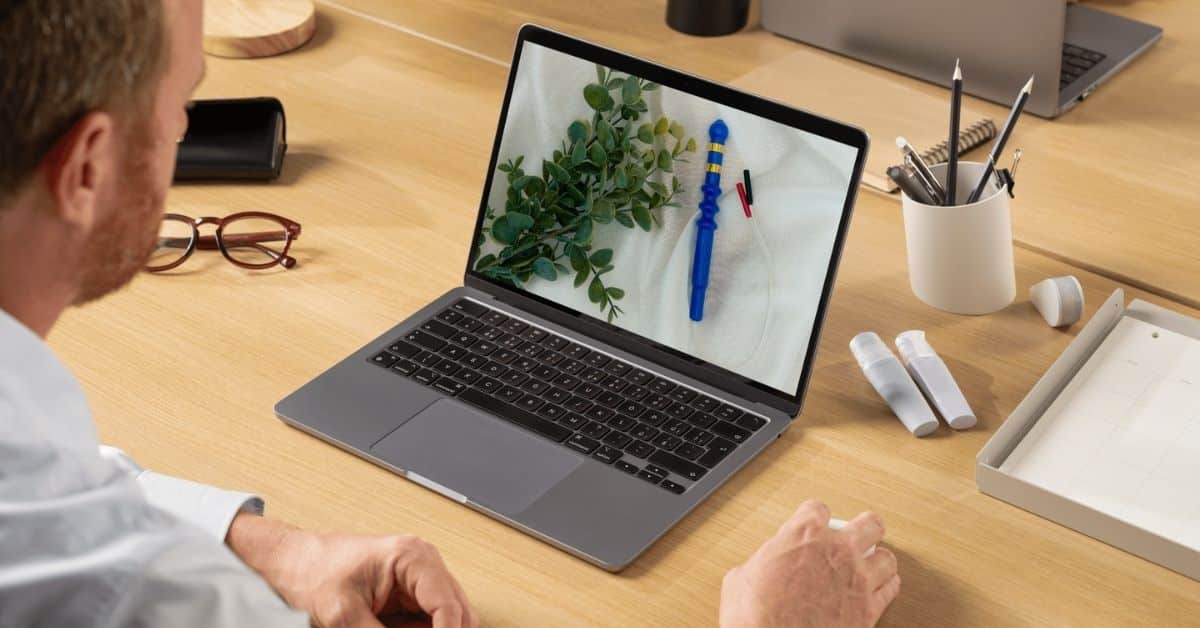
Caring for a Perineal Rehabilitation Probe: The Complete Guide
Cleaning, drying, storage, lifespan… Learn how to properly care for your pelvic floor rehabilitation probe to keep it hygienic and ensure its longevity.
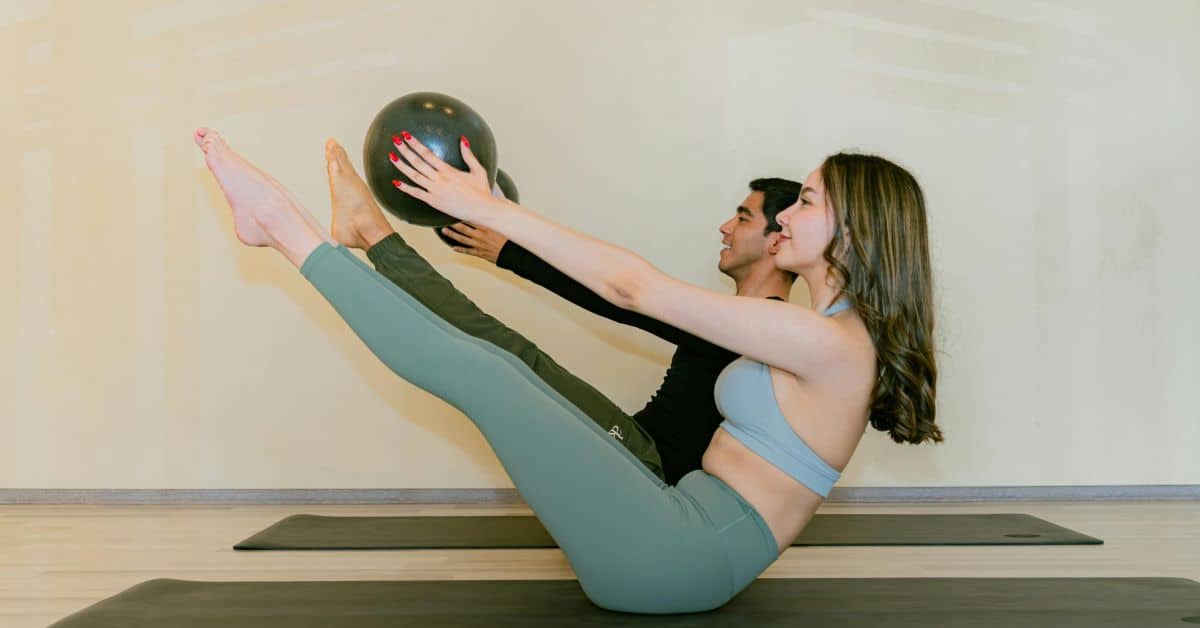
Pelvic Floor Exercises at Home: A Gentle Guide

Urinary Incontinence: Causes, Forms, and Solutions

Male Pelvic Floor: Function, Signs of Weakness, and Rehabilitation
Yes, men have a perineum! Its role, signs of weakness, rehabilitation after prostate surgery… Learn all about the male perineum.

