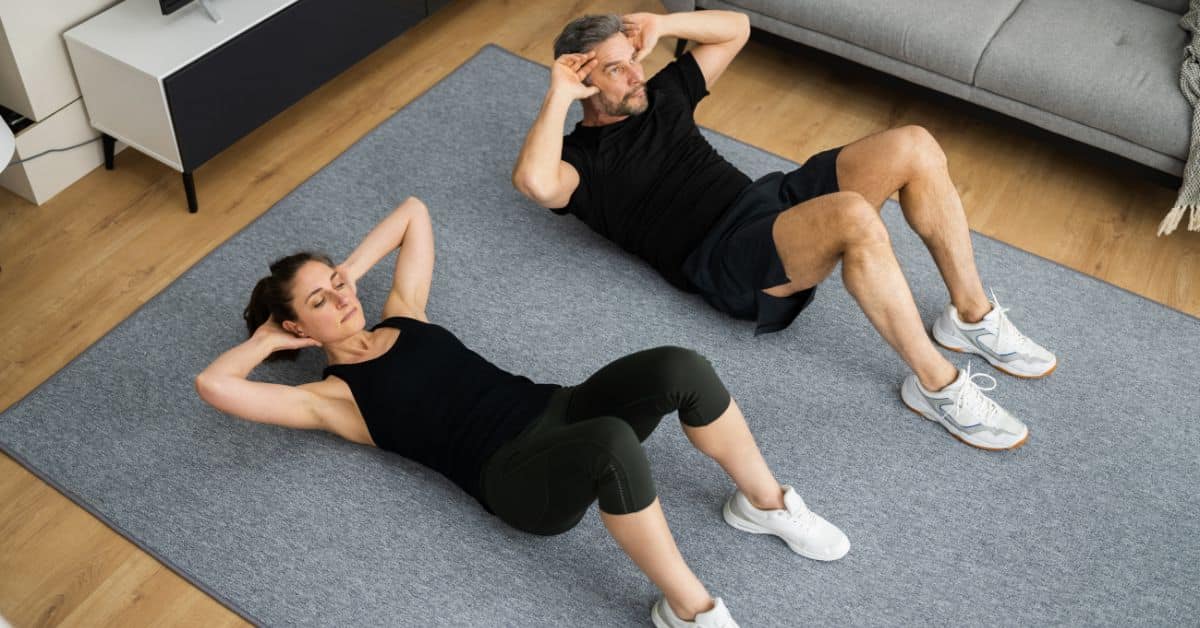
Pelvic Floor Exercises at Home: A Gentle Guide
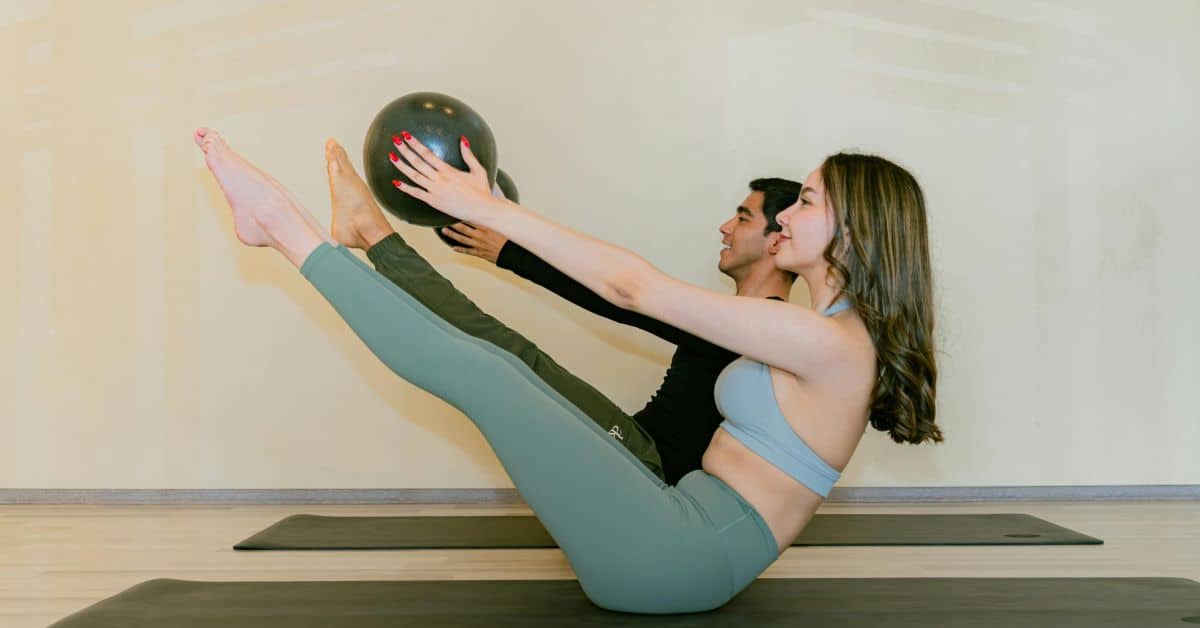
Strengthening Your Pelvic Floor at Home
Simple Exercises to Get Started
Good news: Taking care of your pelvic floor doesn’t require any complicated equipment or a gym. Just a few minutes at home, on a regular basis, can already make a real difference.
Whether you’re a woman or a man, here’s how to get started gently, with simple exercises that anyone can do.
Please read before you begin: These exercises are intended for prevention and maintenance. They are not a substitute for medical advice. Always consult a healthcare professional before starting, especially if you already have perineal issues (incontinence, heaviness, pain, or complications from childbirth or surgery). In certain cases (such as prolapse or an overly tight perineum), some exercises are not recommended: only a professional can determine this.
Step 1: Learn to locate your pelvic floor
Before you start strengthening your muscles, you need to feel them. This is the step everyone skips, and yet it’s the most important one.
Get comfortable, whether sitting or lying down. Try to contract the muscles you’d use to hold back the urge to urinate or pass gas, without tightening your buttocks, thighs, or stomach. It’s this sensation of “tightening and lifting” inward that you’re looking for: those are your pelvic floor muscles.
A quick tip: if your stomach, buttocks, or thighs tense up, you’re engaging the wrong muscles. Try again more gently.
Step 2: Breathing—Your Pelvic Floor’s Best Ally
The perineum works in close coordination with your breathing. Here’s a very simple exercise to help you feel it:
♦ Take a deep breath in through your nose, allowing your belly to expand (the perineum will naturally lower).
♦ Then exhale slowly through your mouth while slightly pulling in your lower abdomen: at that moment, the pelvic floor will rise on its own.
♦ Accompany this exhalation with a gentle contraction of the pelvic floor.
This gentle exercise helps you become aware of the connection between your breathing and your perineum and provides an ideal foundation before contractions begin.
Step 3: Targeted contractions (Kegel-style)
This is the basic strengthening exercise—it’s discreet and can be done almost anywhere.
→ Contract your pelvic floor (the sensation of “lifting” from Step 1) and hold the contraction for a few seconds, then relax completely for at least as long.
→ Relaxing is just as important as contracting: it prevents the muscle from getting tired or overworked.
→ Do a few repetitions in a row, breathing normally (never hold your breath).
Start slowly and gradually increase the intensity over the course of several days. Consistency is always more important than intensity.
Step 4: Incorporating Pelvic Floor Exercises into Your Daily Routine
The best exercise is the one you don’t forget to do. A few simple habits:
• “Tightening” before exertion: Get into the habit of slightly contracting your pelvic floor just before coughing, sneezing, laughing, or lifting something heavy. This protects it from pressure.
• Good posture every day, with a straight back, which relieves pressure on the pelvic floor.
• Good habits: avoid constipation (a source of pressure), don’t strain on the toilet, and don’t get into the habit of urinating “just in case” too often.
When Home Exercises Aren’t Enough
These exercises are ideal for prevention and maintenance. But if you’re already experiencing symptoms (leakage, heaviness, discomfort), they probably won’t be enough on their own—and, more importantly, they might not be targeted effectively without a preliminary assessment.
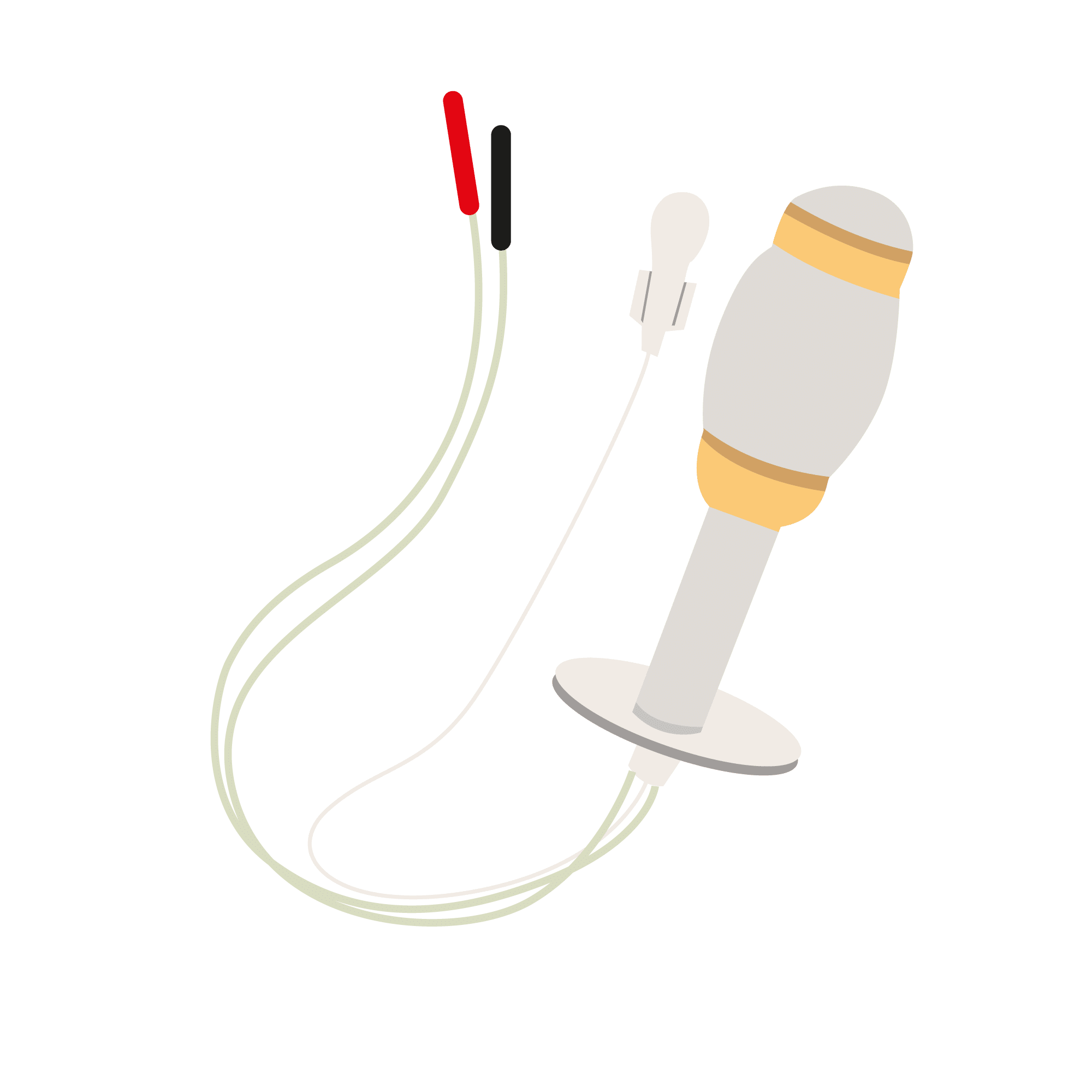
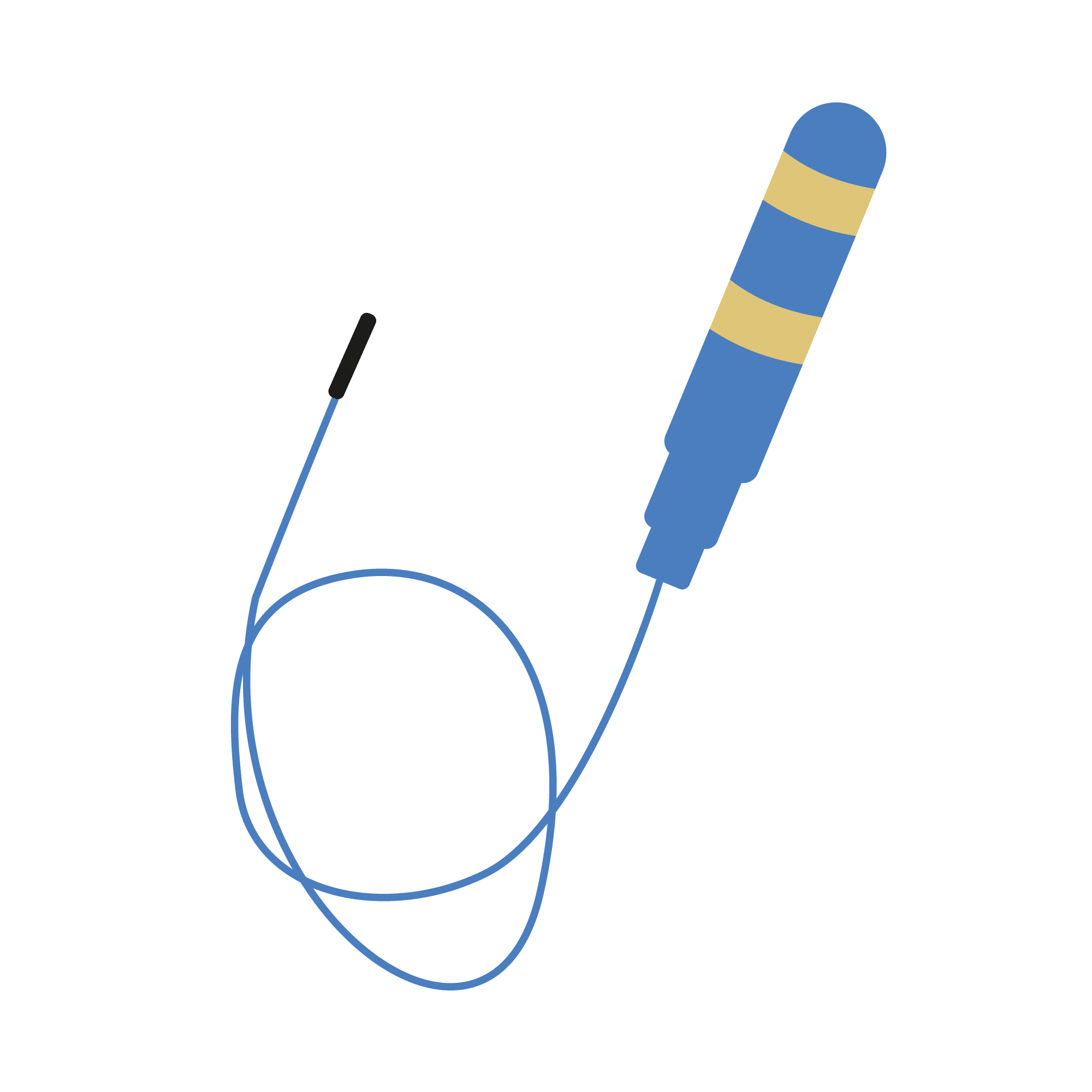
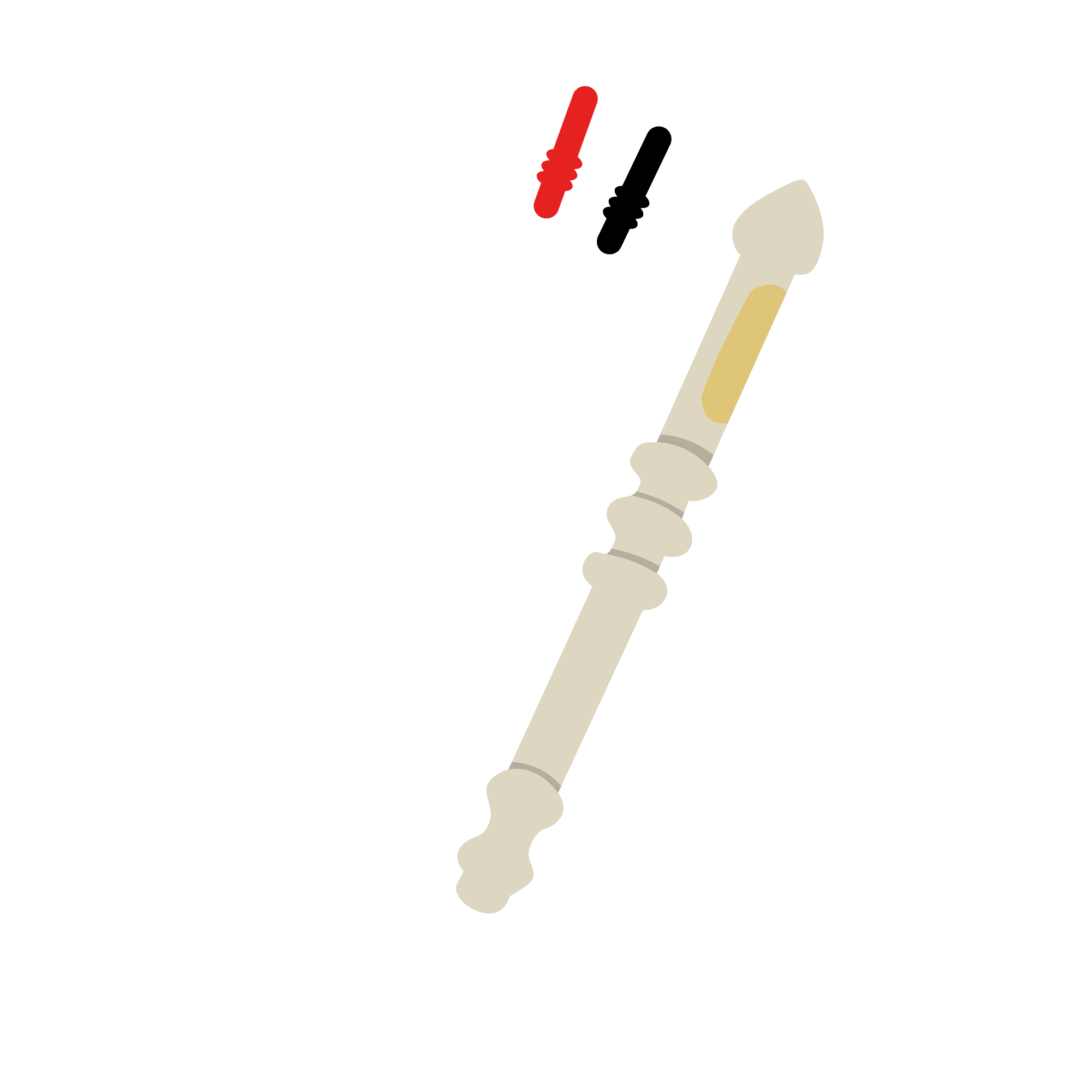
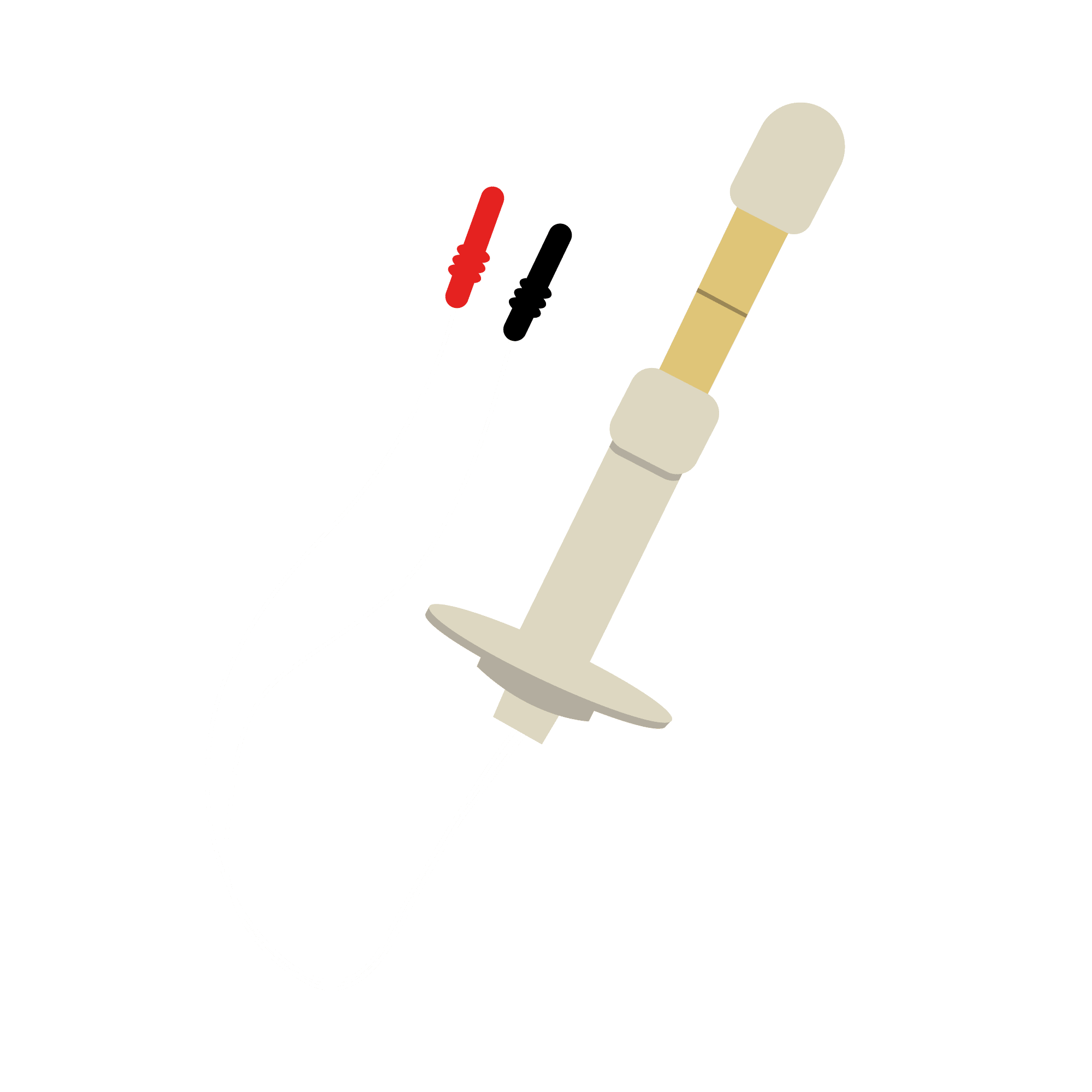
In that case, see a healthcare professional for proper rehabilitation. This often involves more advanced techniques, such as biofeedback and electrostimulation, performed using a perineal rehabilitation probe. Connected to a stimulator, it allows for targeted and measurable training, both in the clinic and at home, to complement your exercises.
This has been Sugar International’s core business for 30 years, with probes designed for both women and men.
These devices are for individual use and are covered by health insurance when prescribed by a healthcare professional.
 Coming back soon
PACK AEROLYS ANA®
Original price was: 64,40 €.52,00 €Current price is: 52,00 €. Excl. tax-
Coming back soon
PACK V2B+®
Original price was: 33,40 €.30,00 €Current price is: 30,00 €. Excl. tax -
Sale
PACK TP2B+ MINIMA®
Original price was: 30,90 €.27,50 €Current price is: 27,50 €. Excl. tax -
Coming back soon
PACK RECTOMAX®
Original price was: 64,40 €.52,00 €Current price is: 52,00 €. Excl. tax
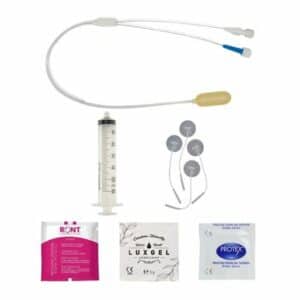
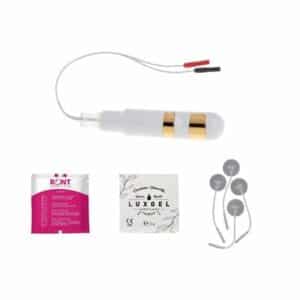
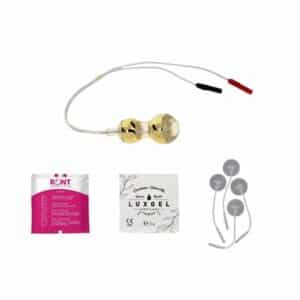

Devices that can help at home
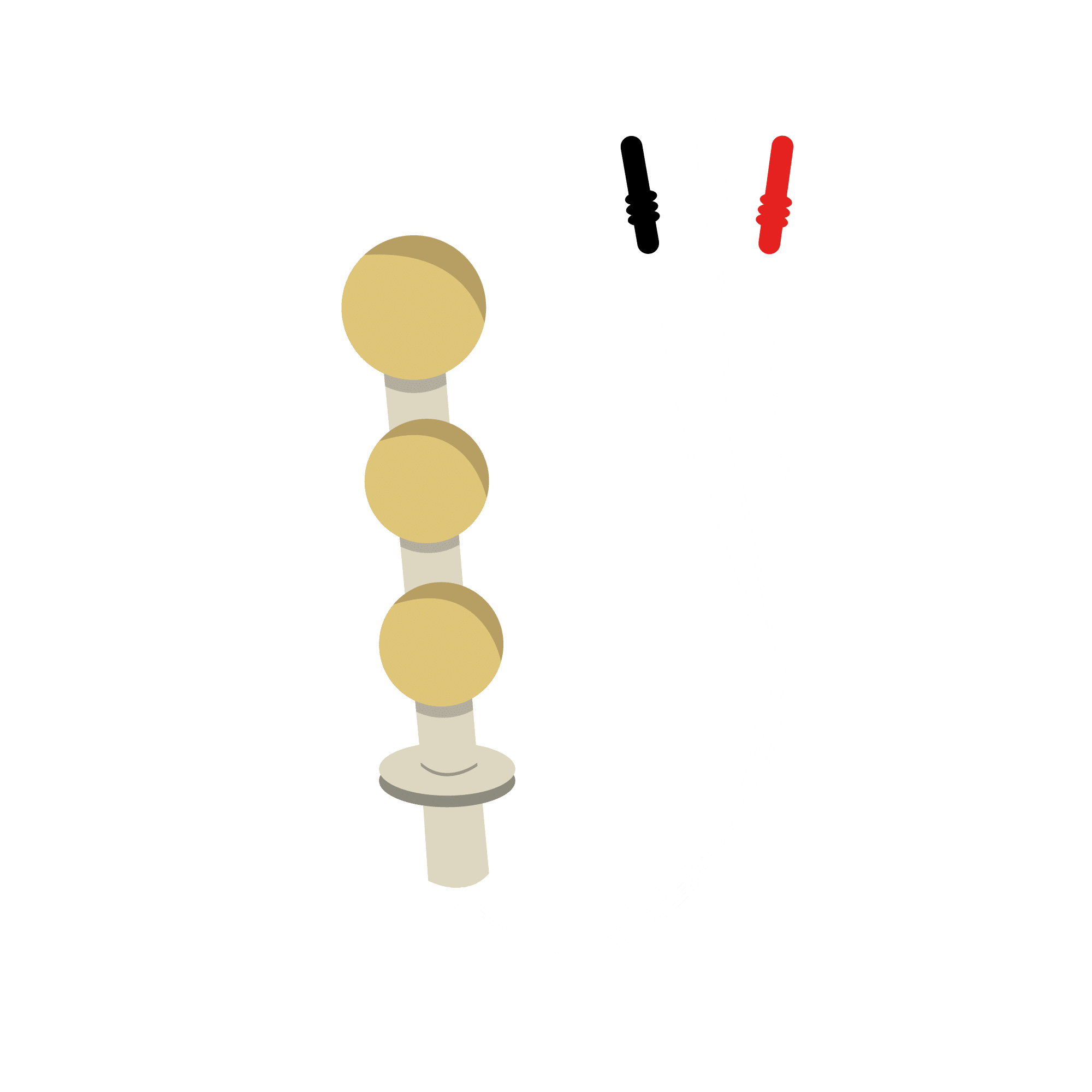
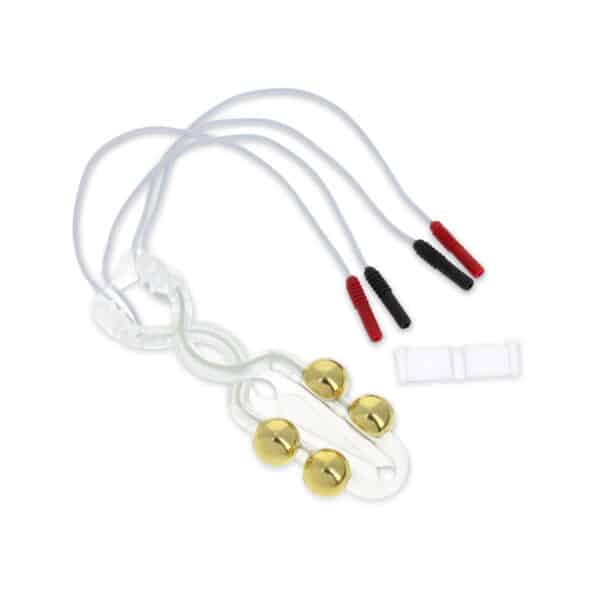
Vaginal probes
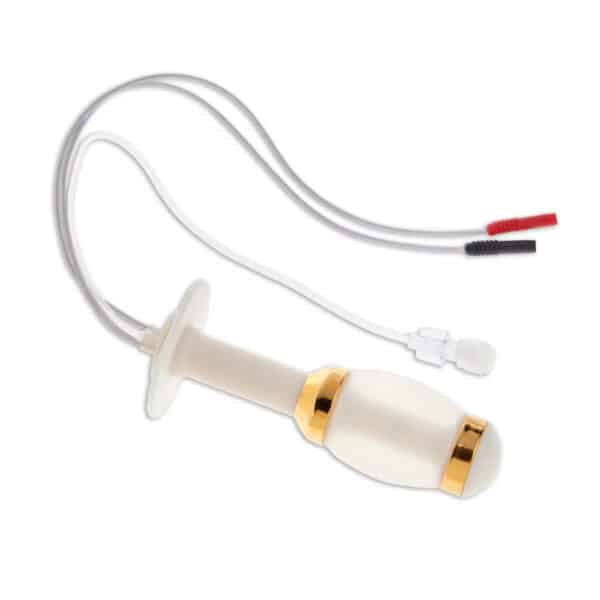
Vaginal probes are used for perineal rehabilitation in women, particularly in cases of urinary incontinence, postpartum recovery, or pelvic muscle weakness. They allow for targeted exercises using biofeedback or electrostimulation.
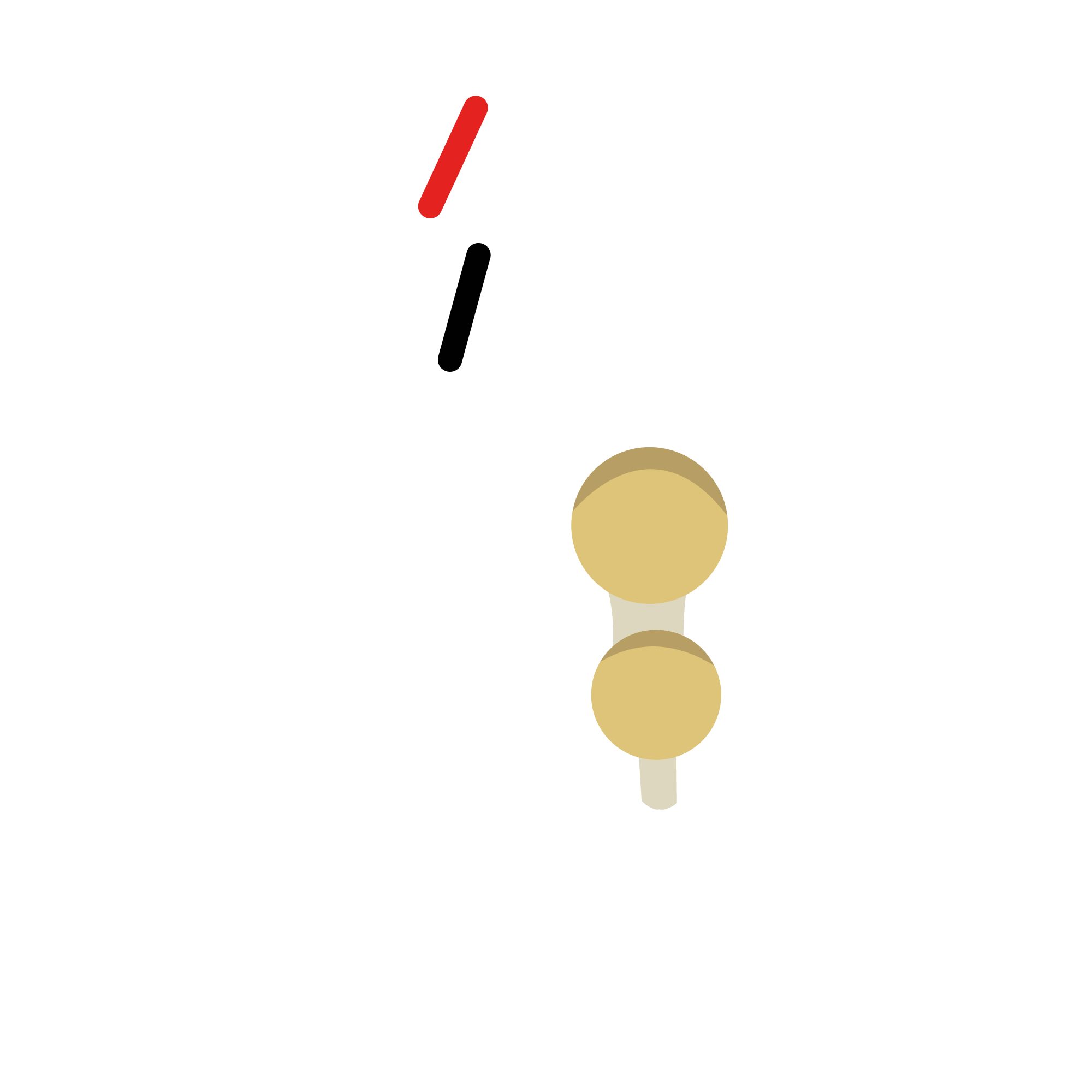
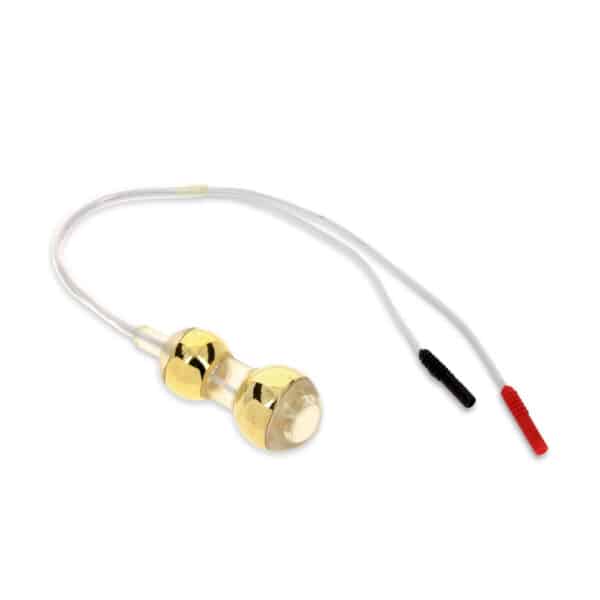
Anal probes
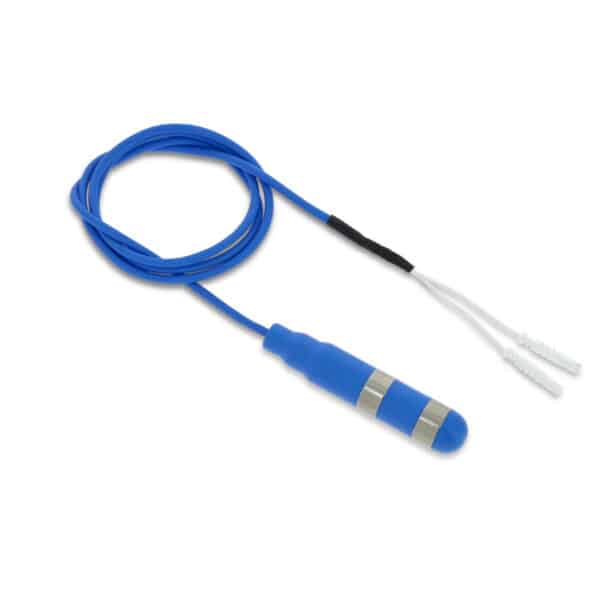
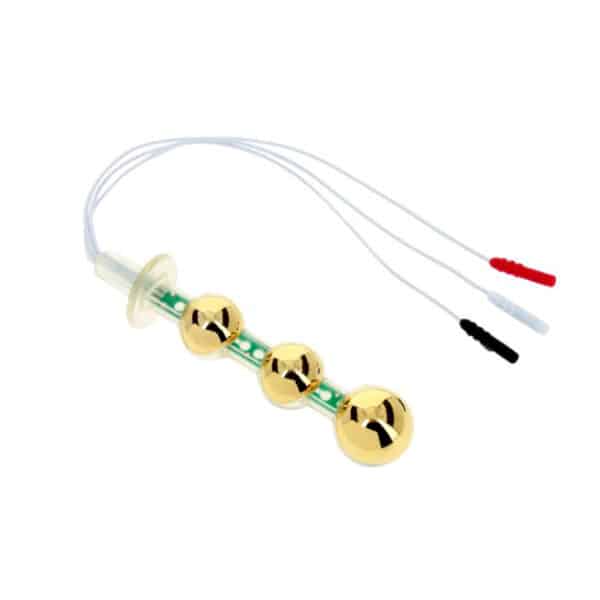
Anal probes are suitable for perineal rehabilitation in both men and women, particularly for treating urinary or fecal incontinence. They offer an effective solution for strengthening the pelvic floor muscles through electrostimulation.
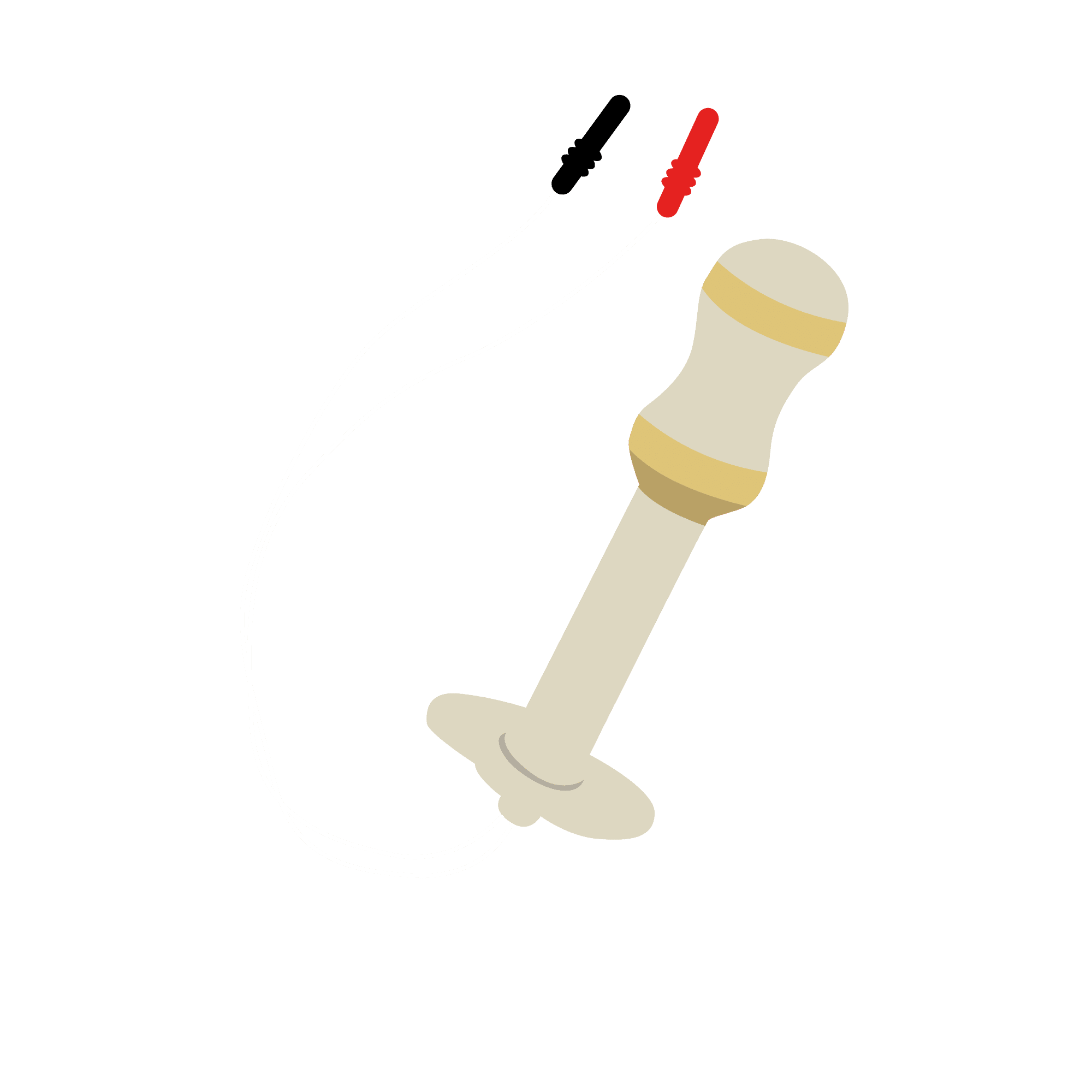
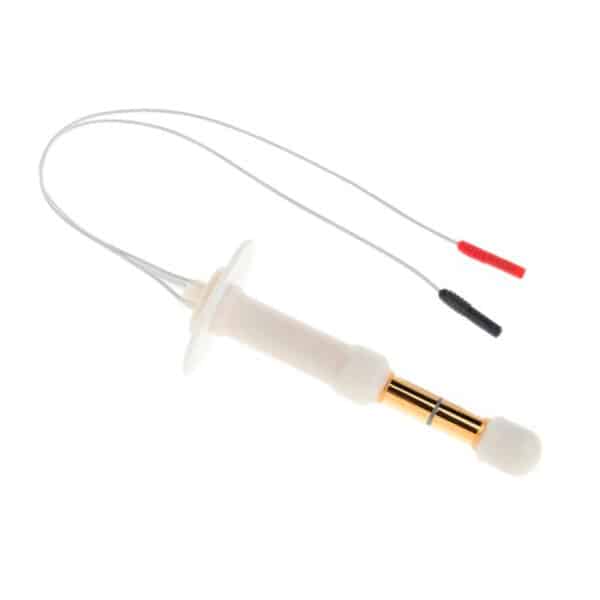
Electrostimulators
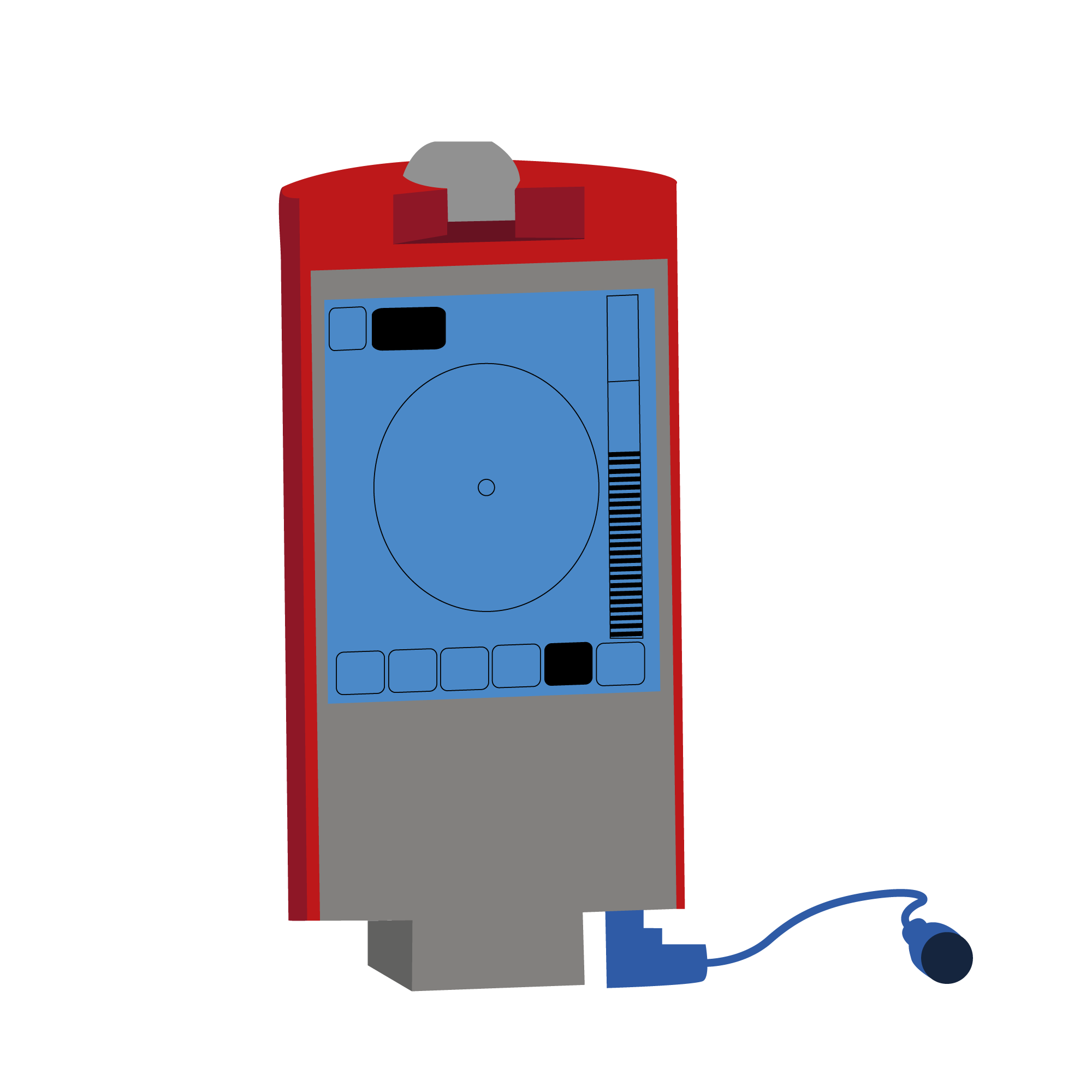
A perineal electrostimulator is a device that sends mild electrical impulses to stimulate and strengthen the perineal muscles. It is recommended as part of a home rehabilitation program, often in conjunction with medical supervision.






To conclude…
Strengthening your pelvic floor at home is possible and even recommended as a preventive measure: locate the muscle, focus on your breathing, perform gentle contractions, and adopt the right habits in your daily life.
But as soon as a symptom appears, professional advice is essential for safe and appropriate rehabilitation.
With gentle, regular exercise, your pelvic floor will thank you.
Reminder: If you experience leakage, pain, a feeling of heaviness, a recent pregnancy, or are recovering from surgery, consult a healthcare professional before doing these exercises.
⇒ To learn more, check out our article “Pelvic Floor Rehabilitation: Process, Steps, and Techniques ⬈“ and our guide ”Which perineal rehabilitation catheter should you choose? The Complete Guide ⬈“.
-
INTELLISTIM UG®
245,19 € Excl. tax

Frequently asked questions
Check out the questions most frequently asked by users.
How can I tell if I'm contracting the right muscle?
Are you looking for the sensation you feel when holding back the urge to urinate or pass gas—that feeling of tightening and pressure rising inward?
If your stomach, buttocks, or thighs are contracting, it means you’re using the wrong muscles.
Are Kegel exercises suitable for everyone?
No.
In certain cases (prolapse, excessive perineal tightness, certain types of pain), strengthening exercises may be discouraged or may need to be modified.
Only a healthcare professional can determine this, which is why it’s important to seek advice before starting.
How long will it take to see results?
It depends on the individual and how regularly they practice. Consistency is more important than intensity.
If you don’t see any progress or if symptoms persist, consult a professional.
Are home exercises enough for urinary incontinence?
Not always. In cases of incontinence, exercises alone are often insufficient and may be poorly targeted without an evaluation.
Supervised rehabilitation, possibly using a catheter, is then recommended.
Can men do these exercises, too?
Yes.
Muscle location, breathing, and gentle contractions are also relevant for men, particularly as a preventive measure or as part of rehabilitation (for example, after prostate surgery), always under medical supervision.
Check out our blog

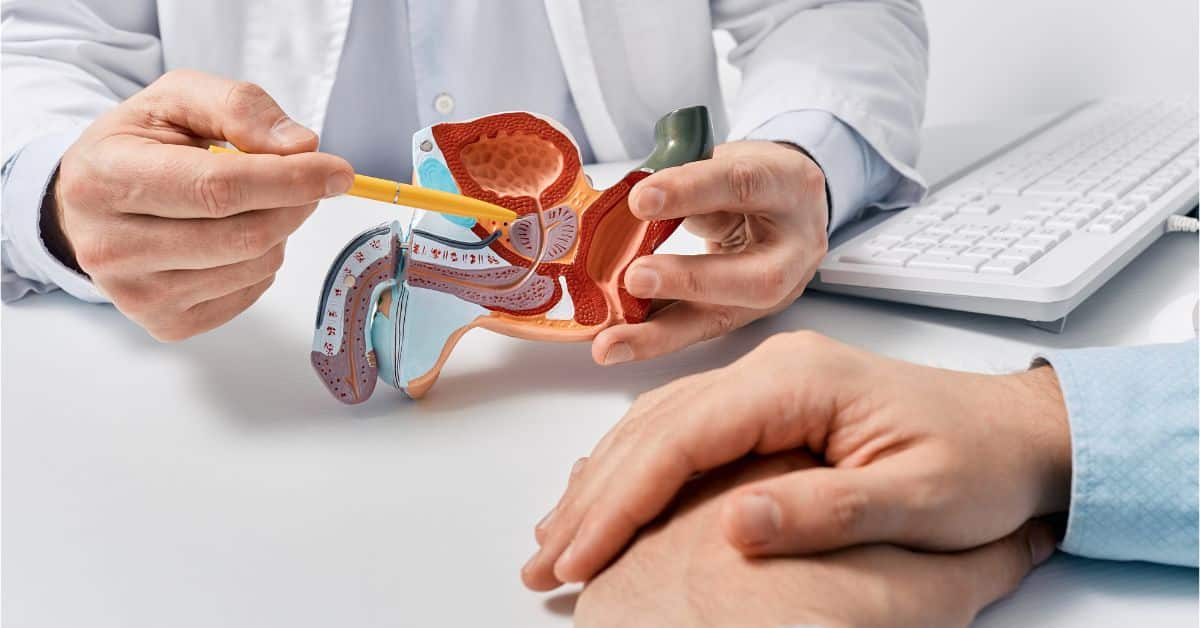
Urinary Incontinence After Prostatectomy: Perineal Rehabilitation
After prostate surgery, urinary incontinence is common but often temporary. Learn about the key role of pelvic floor rehabilitation.

Breast Cancer and Intimacy: Dryness, Incontinence, Solutions
Pink October: Vaginal dryness, urinary incontinence, pain… Breast cancer treatments can affect your intimate health. Causes and solutions.

Lump or discomfort in the vagina: possible causes and when to seek medical attention
Lump or discomfort in the vagina: possible causes and when to see a doctor
Common Misconceptions About the Perineum: 8 Myths You Should Know
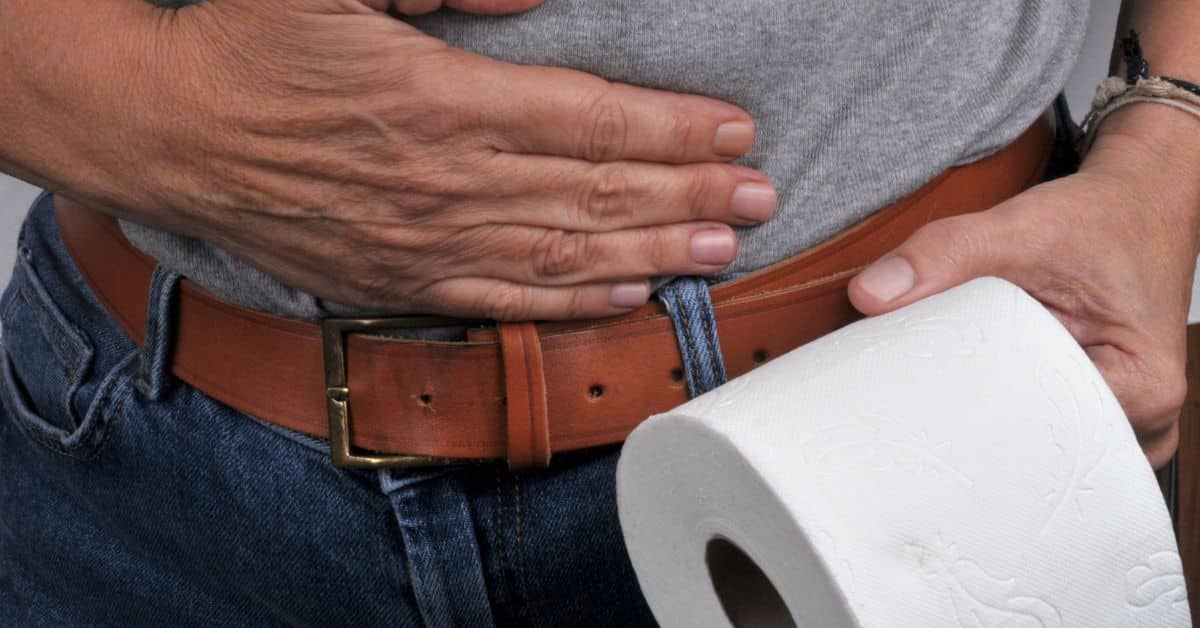
Pelvic floor and constipation: Understanding the connection and taking action

The Perineum and Sports: What Activities to Do and How to Protect It

Pelvic Floor and Pregnancy: Rehabilitation Before and After Childbirth
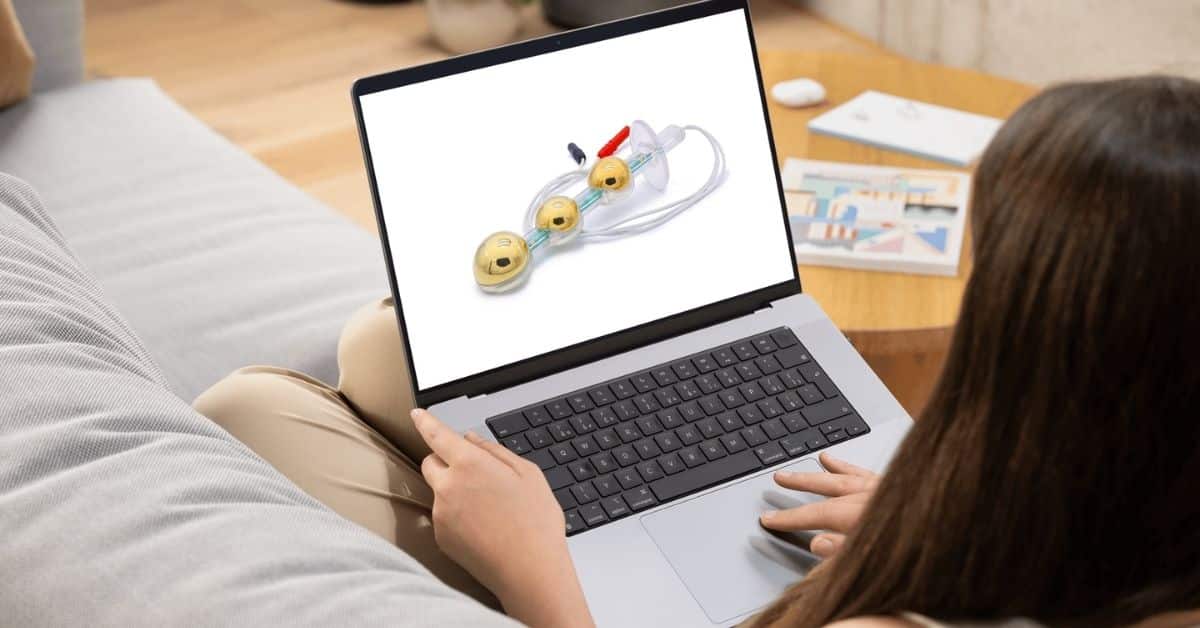
How to Use a Perineal Rehabilitation Probe: Instructions for Use
Insertion, lubrication, connection, precautions, warnings… Learn how to use your perineal rehabilitation probe correctly, step by step and safely.