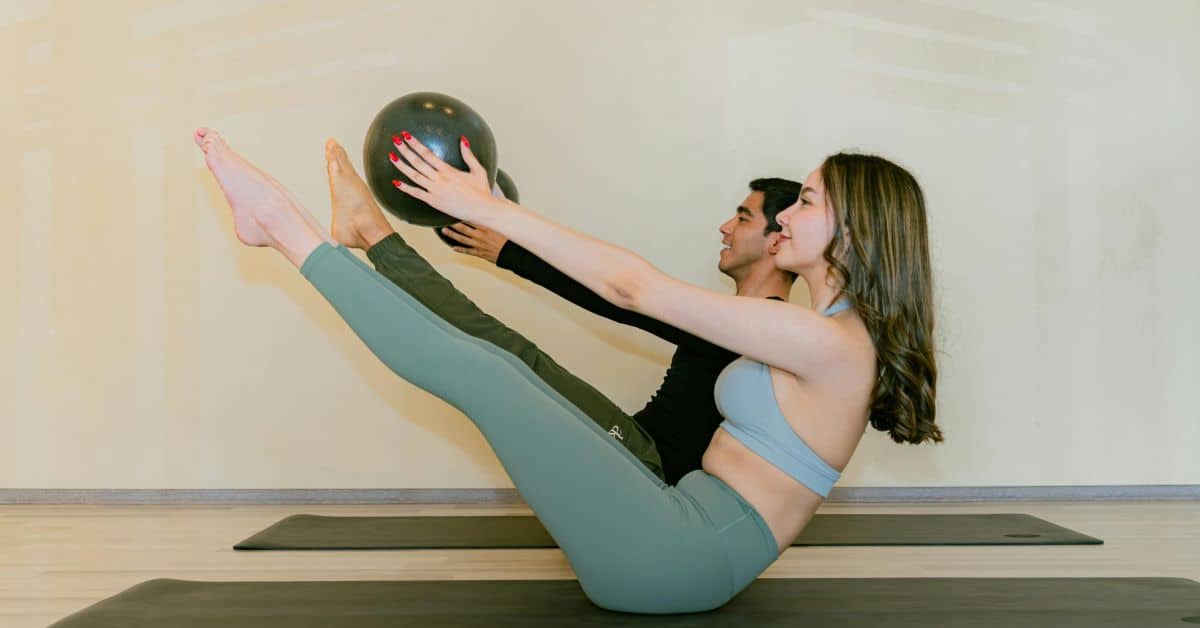
At-home pelvic floor rehabilitation: Is it really effective?
Is doing pelvic floor exercises on your own a good or bad idea?
At-home pelvic floor rehabilitation: Is it really effective?
Perineal rehabilitation is now one of the most recommended treatments for strengthening the pelvic floor. It is often recommended after childbirth, in cases of urinary incontinence, or when a weakened perineum causes discomfort in daily life.
But one question comes up very often among patients:
Can you do perineal rehabilitation at home and get real results?
The answer is nuanced. Yes, in some cases… but not without precautions.
Why do pelvic floor rehabilitation?
The perineum is a group of muscles located at the base of the pelvis.
In particular, it supports:
♦ the bladder
♦ the uterus in women
♦ the rectum
It plays an essential role in:
⇒ urinary continence
⇒ pelvic stability
⇒ support of the pelvic organs
When these muscles are weakened, various symptoms may appear:
- urinary leakage
- a feeling of heaviness
- discomfort during certain activities
- decreased muscle control
Perineal rehabilitation therefore aims to strengthen these muscles and help you relearn how to use them correctly.
Is it really possible to do pelvic floor exercises at home?
In some cases, yes.
Many people continue their rehabilitation at home between sessions with a healthcare professional.
This can help:
→ practice more regularly
→ maintain the results achieved
→ increase independence in performing the exercises
However, starting on your own without guidance can be more challenging.
In fact, several studies show that many people have difficulty contracting their pelvic floor muscles correctly without prior instruction. Some even push downward without realizing it, which can worsen symptoms.
This is why an initial assessment with a professional is generally recommended.
How long does it take to see results?
The duration of pelvic floor rehabilitation can vary depending on several factors:
→ initial muscle tone
→ consistency in exercising
→ the cause of the condition
→ age and lifestyle
In most cases, professionals estimate that it takes several weeks to a few months to see significant improvement.
Consistency remains the most important factor.
The pelvic floor strengthens just like any other muscle: with repetition and patience.
Devices that can help at home
For some people, medical devices can make at-home rehabilitation easier.
For example:
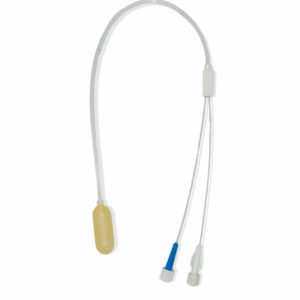
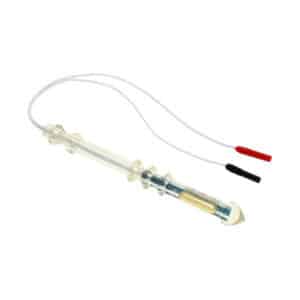
⇒ perineal probes
⇒ electrostimulation devices
⇒ biofeedback systems
These tools can help:
→ stimulate the muscles
→ better feel the contraction
→ track progress
However, their effectiveness depends heavily on the proper use of the device and the medical indication. The scientific literature continues to carefully evaluate the benefits of each technology depending on the situation.
Professional advice is therefore important before starting.

TP2B+ MINIMA®
€22.50 Excl. tax-
PERISIZE 4®
€22.50 Excl. tax -
NOVATYS®
€22.50 Excl. tax -
AIR STIM®
€38.00 Excl. tax -
OPTIMA 3®
€22.50 Excl. tax
Devices that can help at home
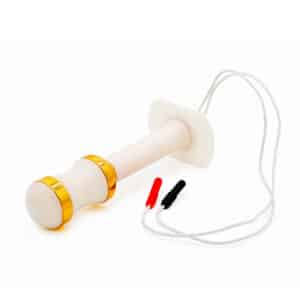
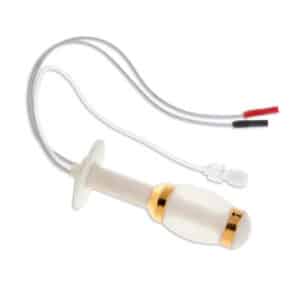
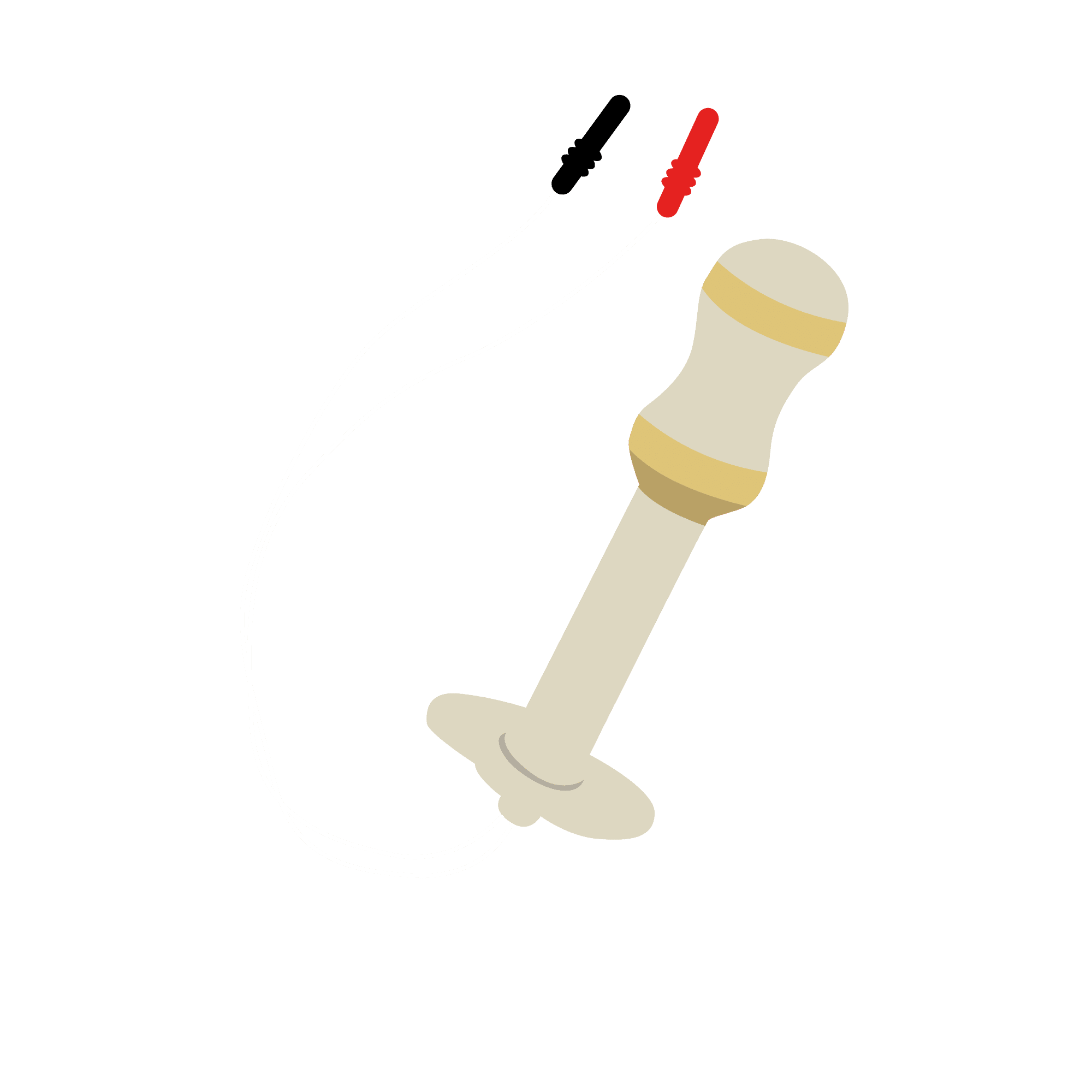
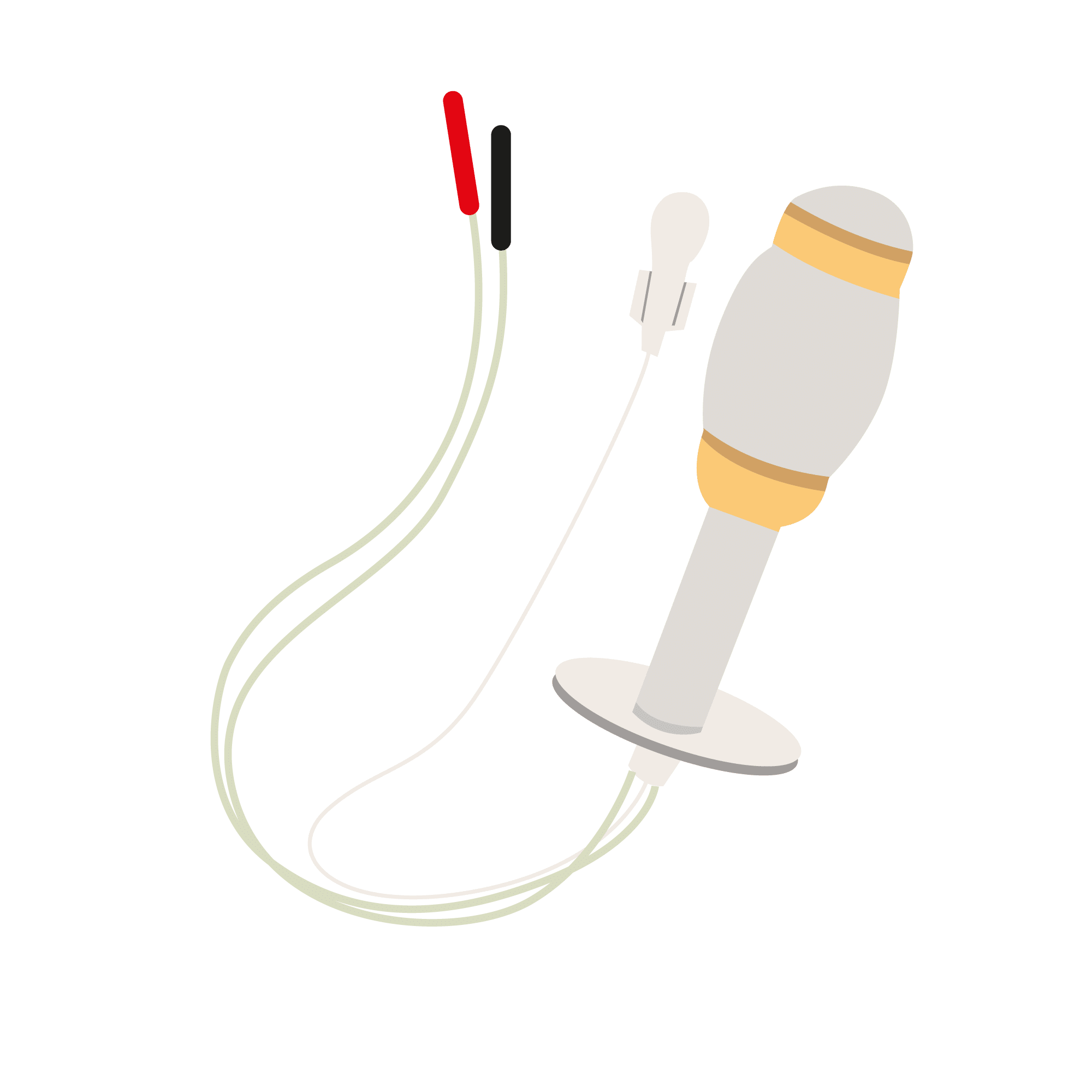
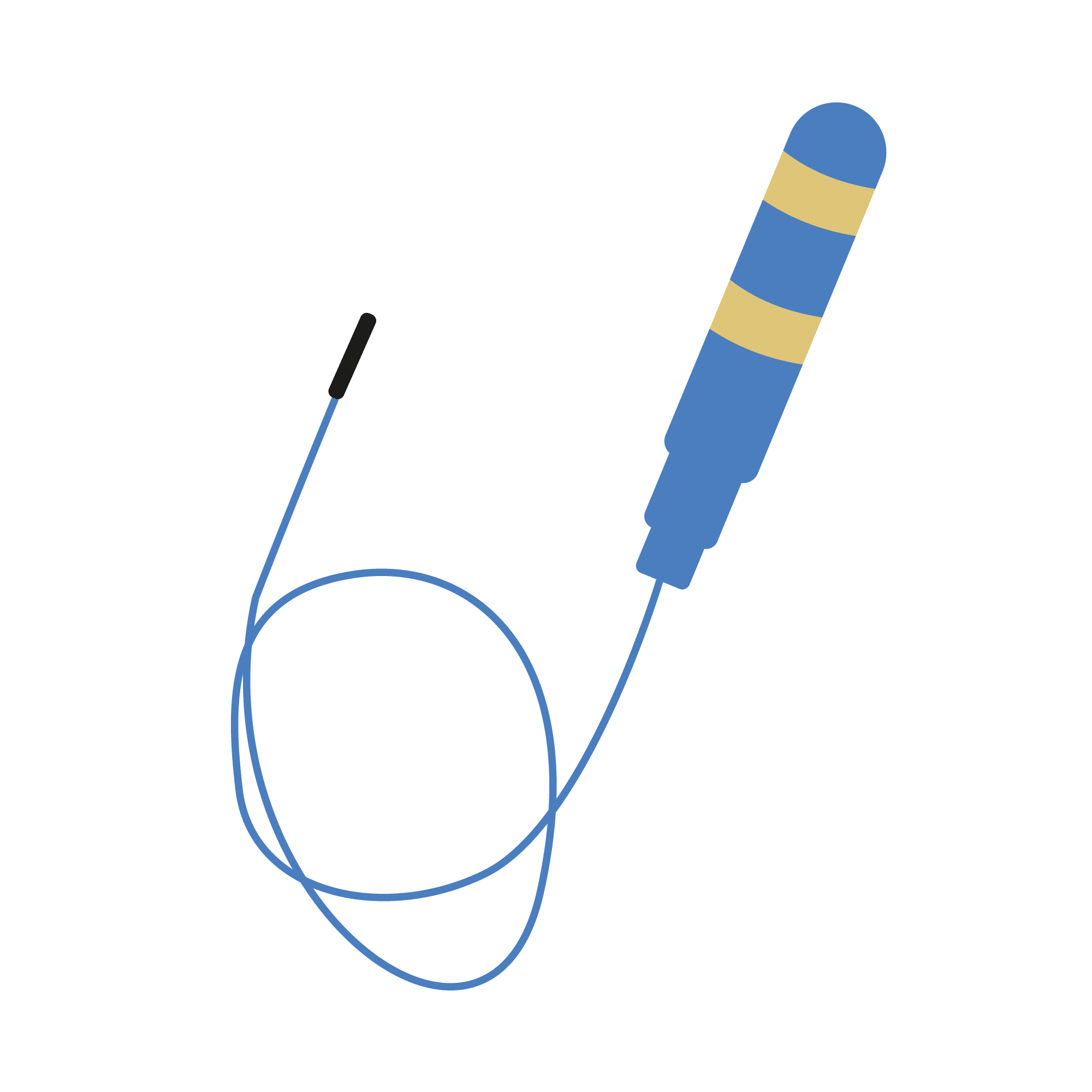
Vaginal probes
Vaginal probes are used for pelvic floor rehabilitation in women, particularly in cases of urinary incontinence, postpartum recovery, or pelvic muscle weakness. They enable targeted exercises through biofeedback or electrical stimulation.
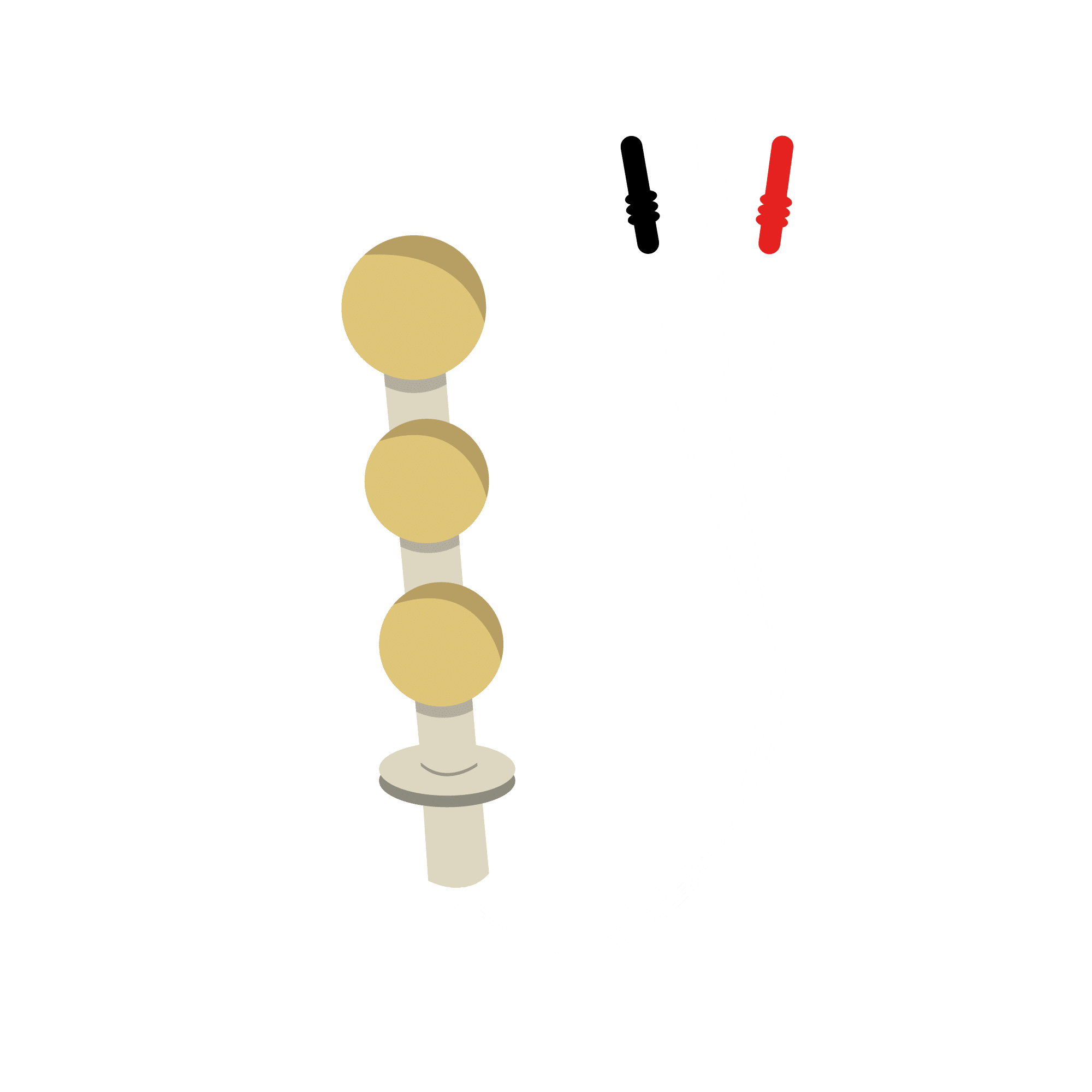

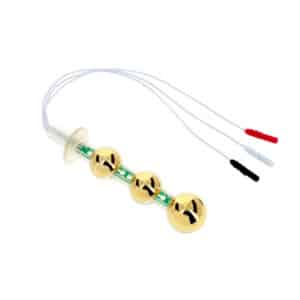
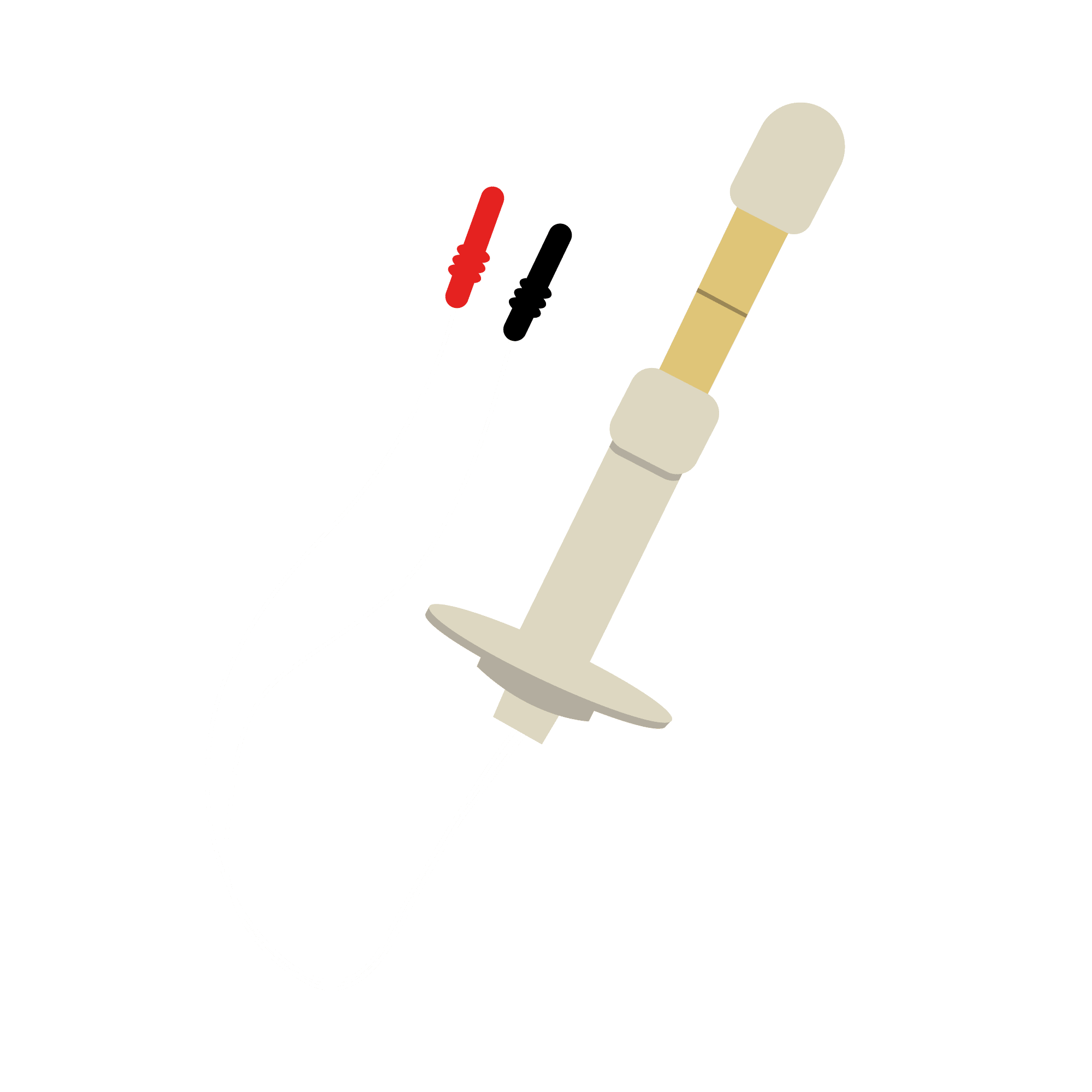
Anal probes
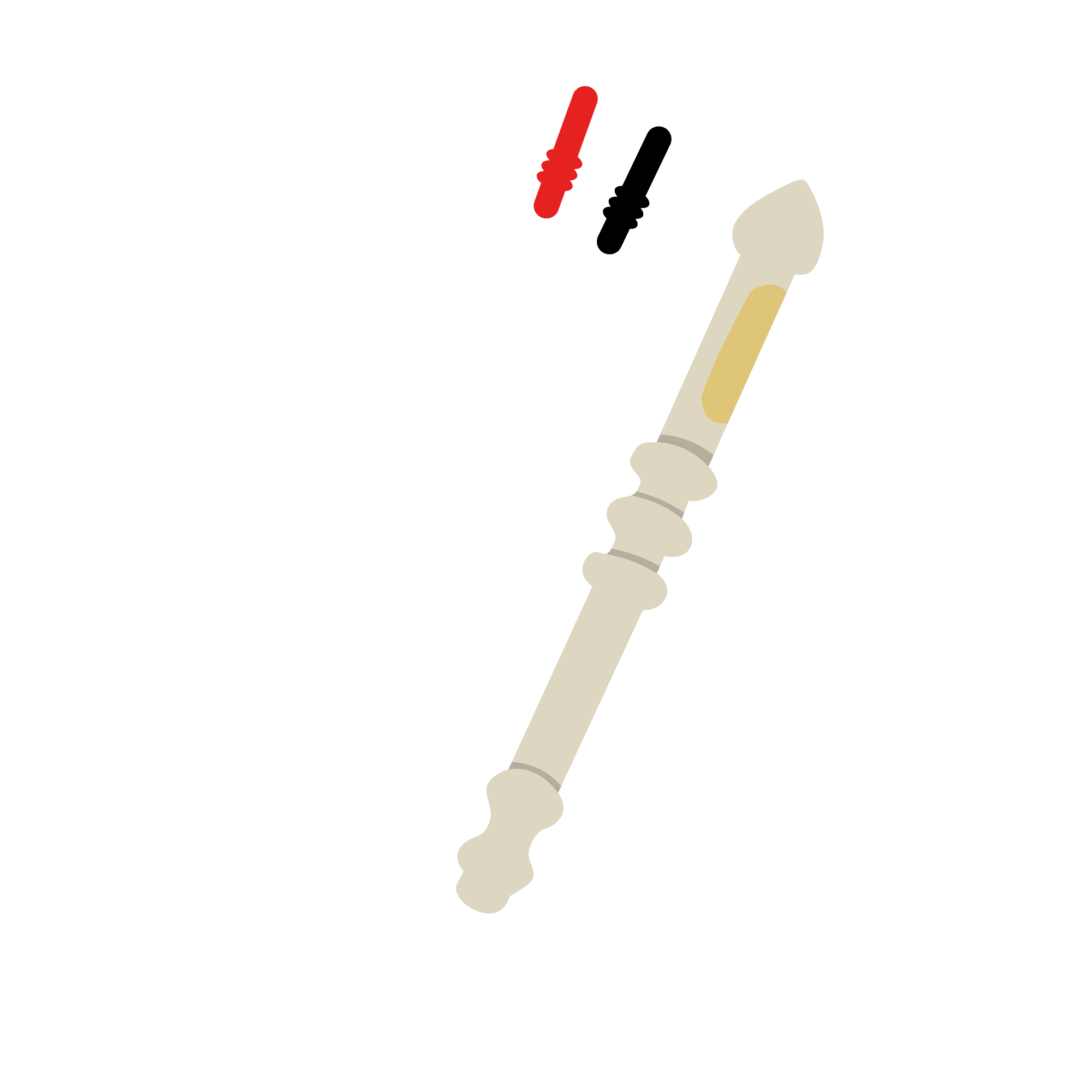
Anal probes are suitable for pelvic floor rehabilitation in both men and women, particularly for treating urinary or fecal incontinence. They offer an effective solution for strengthening the pelvic floor muscles through electrical stimulation.

Electrostimulators
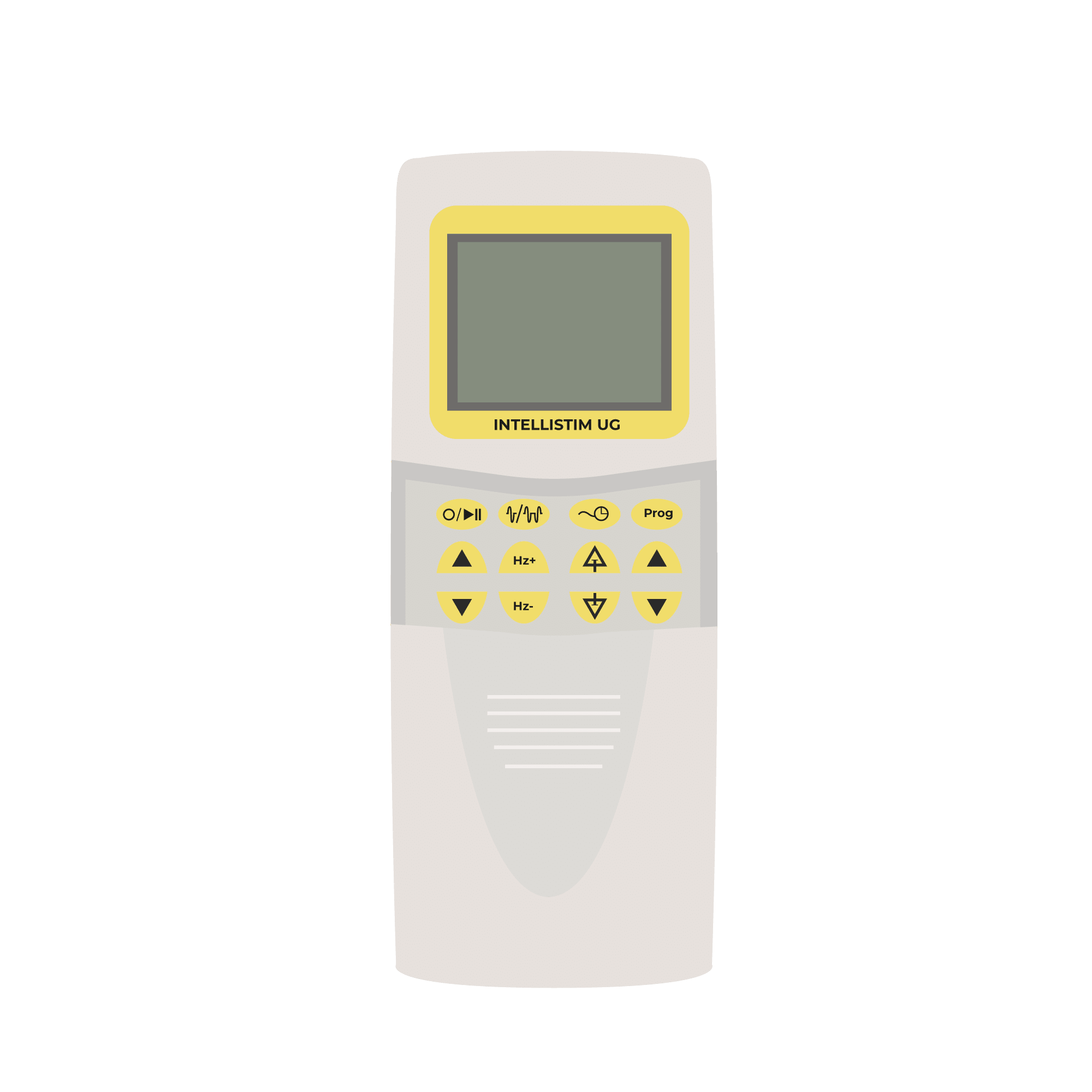
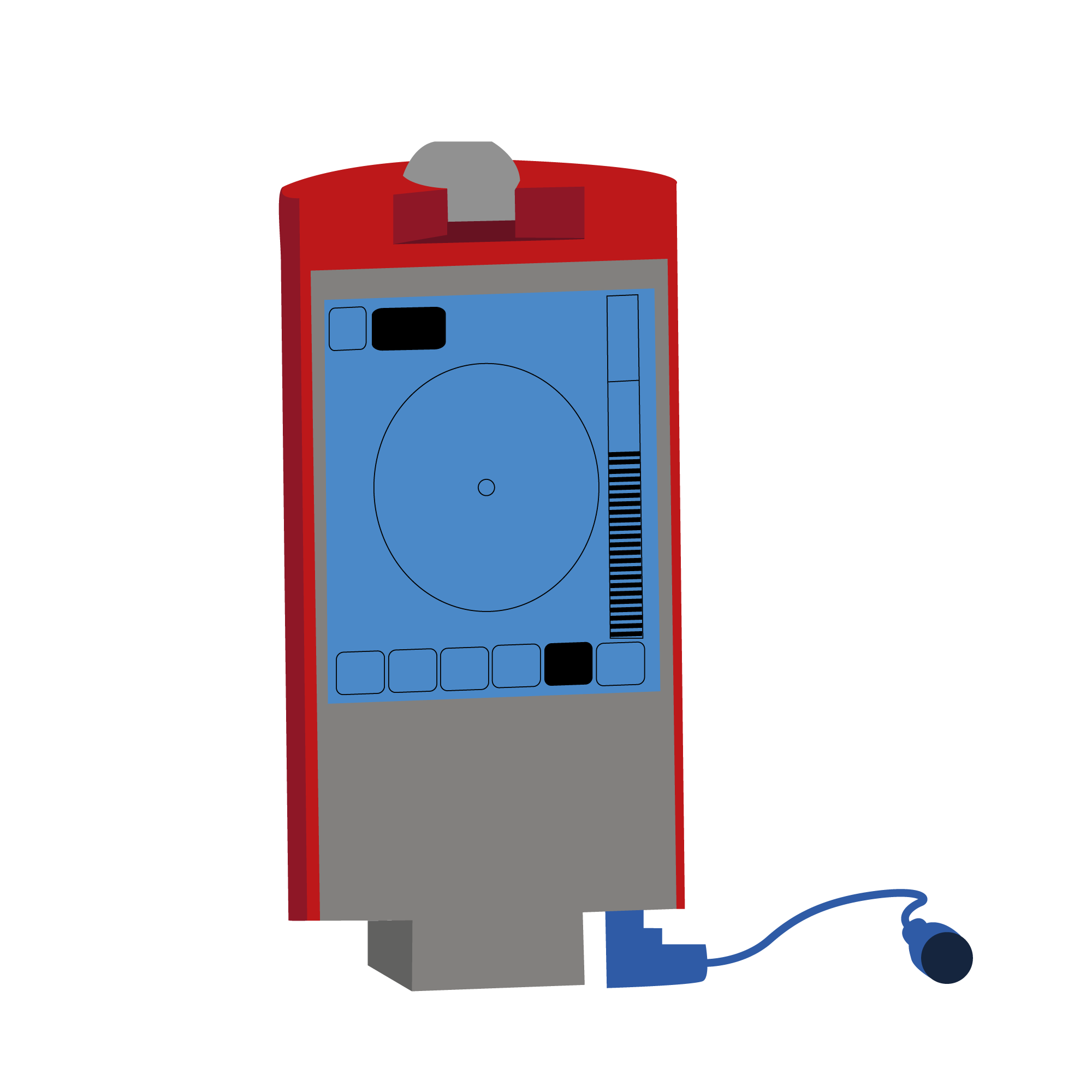
A perineal stimulator is a device that delivers mild electrical impulses to stimulate and strengthen the perineal muscles. It is recommended for use as part of a home rehabilitation program, often in conjunction with medical supervision.
The financial aspect: protections or rehabilitation?
Some people choose to use absorbent pads to manage urinary incontinence.
In the short term, this solution may seem:
→ simpler
→ faster
→ less restrictive
But in the long term, it does not address the root cause of the problem.
Pelvic floor rehabilitation prescribed by a healthcare professional is mostly covered by Medicare, especially when performed by a physical therapist or midwife.
At Sugar, we believe that strengthening your pelvic floor is often the most sustainable solution for improving your quality of life.
The most common mistakes made at home
When you start on your own, certain mistakes are common:
⇒ tightening your abs instead of your pelvic floor
⇒ pushing downward
⇒ forgetting to breathe properly
⇒ giving up too soon
These mistakes can limit your results.
Initial guidance often helps you learn the correct techniques.
When should you see a professional?
It is recommended that you seek medical advice if you experience:
→ frequent urinary leakage
→ a feeling of heaviness in the pelvic area
→ discomfort after physical activity or exercise
→ difficulty identifying your pelvic floor muscles
A specialized physical therapist, midwife, or doctor can assess your condition and recommend a tailored treatment plan.
To conclude…
At-home pelvic floor rehabilitation can be a valuable option to complement medical care and enhance your independence.
But as with any muscle rehabilitation, proper technique and consistency are essential.
At Sugar, we believe that the ideal approach is often a combination: an initial assessment with a professional, followed by regular exercises at home.
The pelvic floor is a discreet muscle… but an essential one. And when you learn to take care of it, the benefits can truly improve your daily life.
-
ANALYS BLUE+®
€28.33 Excl. tax -
AEROLYS ANA®
€28.33 Excl. tax -
ANALYS+®
€29.17 Excl. tax
Frequently asked questions
Check out the questions most frequently asked by users.
Is it really possible to strengthen your pelvic floor on your own?
Yes, but it’s generally best to learn the exercises with a professional before doing them at home.
How long does pelvic floor rehabilitation take?
It depends on the individual, but it often takes several weeks to a few months to achieve lasting results.
Can men undergo pelvic floor rehabilitation?
Yes. Men can also be affected, particularly after certain prostate surgeries or in cases of incontinence.
Are rehabilitation devices effective?
They can be helpful in certain cases, particularly for better sensing muscle contractions. Ideally, their use should be supervised.
Discover our blog

Lump or discomfort in the vagina: possible causes and when to see a doctor
Common Misconceptions About the Perineum: 8 Myths You Should Know
Pelvic floor and constipation: Understanding the connection and taking action

The Perineum and Sports: What Activities to Do and How to Protect It

Pelvic Floor and Pregnancy: Rehabilitation Before and After Childbirth
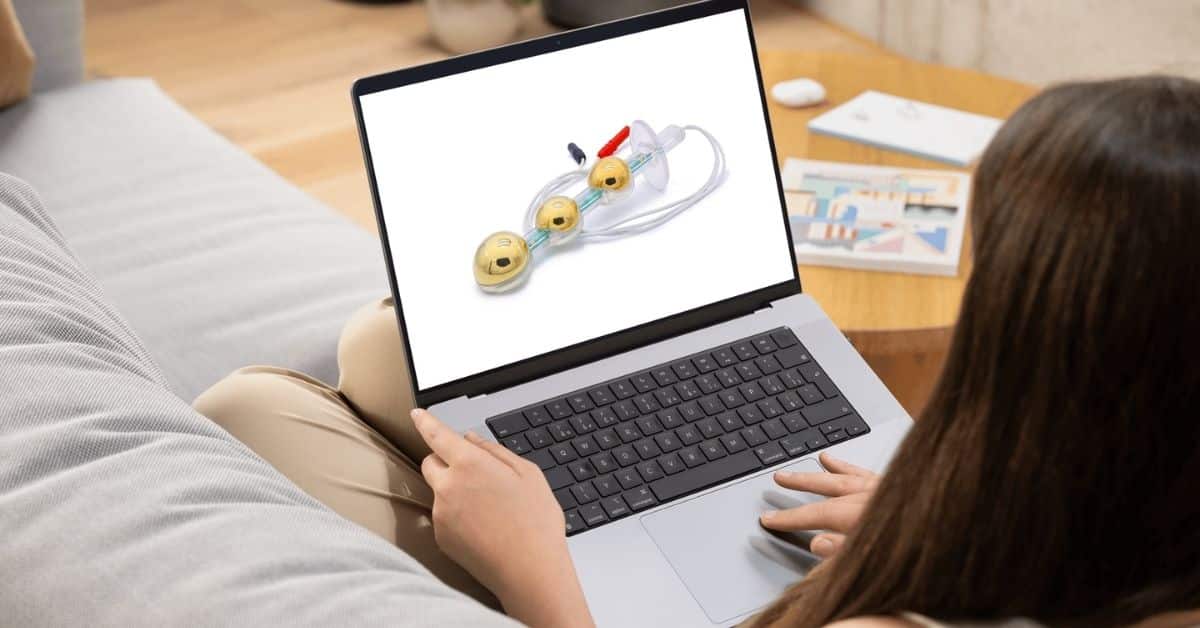
How to Use a Perineal Rehabilitation Probe: Instructions for Use
Insertion, lubrication, connection, precautions, warnings… Learn how to use your perineal rehabilitation probe correctly, step by step and safely.
Constantly contracting your pelvic floor muscles: myth or good idea?
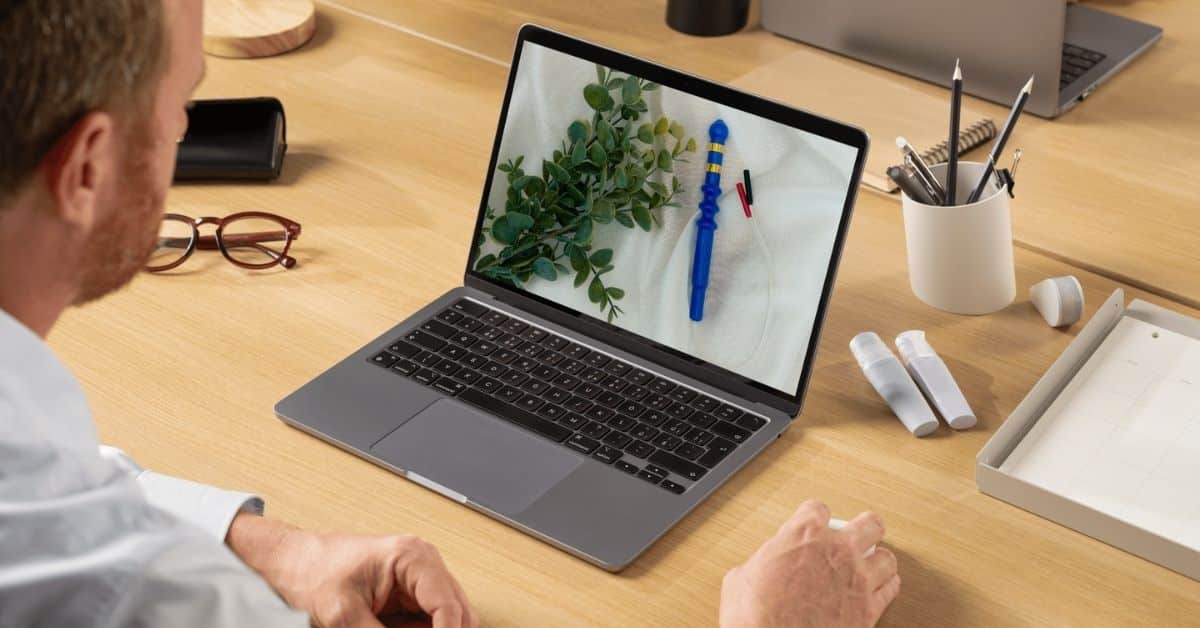
Caring for a Perineal Rehabilitation Probe: The Complete Guide
Cleaning, drying, storage, lifespan… Learn how to properly care for your pelvic floor rehabilitation probe to keep it hygienic and ensure its longevity.