Why Does the Perineum Weaken with Age? Causes and Solutions
Why Does the Perineum Weaken with Age?
Getting older shouldn’t mean having to endure
Why Does the Perineum Weaken with Age? Causes and Solutions
We often talk about the aging of our joints, skin, or memory. But much less often… about the pelvic floor.
Yet the pelvic floor also changes over time. And for some people, this can lead to:
⇒ urinary leakage
⇒ a feeling of heaviness
⇒ a loss of control
⇒ or simply daily discomfort
But should we really consider this “normal”?
Does the perineum change with age?
Yes.
Like all the muscles in the body, the pelvic floor can gradually lose:
♦ tone
♦ elasticity
♦ responsiveness
This phenomenon affects:
→ women
→ but also men
Muscle aging is a natural process, but its effects can be exacerbated by various factors.
Why Does the Perineum Weaken?
Several mechanisms are at play.
⇒ Hormonal changes
In women, menopause can lead to a decrease in estrogen. This can affect:
♦ pelvic tissues
♦ muscle elasticity
♦ organ support
In some people, this contributes to urinary leakage or a feeling of looseness.
⇒ Age-related muscle loss
Over time, muscles naturally lose strength. The pelvic floor is no exception.
A less toned muscle is less able to absorb the pressures of daily life:
♦ coughing
♦ exercise
♦ lifting heavy objects
♦ constipation
⇒ Repeated pressure over the years
The pelvic floor may have been under strain for a long time:
♦ pregnancies
♦ childbirth
♦ high-impact sports
♦ chronic constipation
♦ pelvic or prostate surgery
It’s a bit like a hammock that supports a load for years: it sometimes ends up losing its tension.
What are the signs of a weakened perineum?
Symptoms may develop gradually:
→ Urinary leakage
When coughing, laughing, or straining.
→ Feeling of heaviness
Like pressure in the pelvis.
→ Difficulty holding it in
More urgent or frequent urges.
→ Decreased sexual comfort
In both women and men.
Are men affected?
Yes, and it’s still not widely known.
In men, the perineum can become weakened, particularly:
⇒ after prostate surgery
⇒ with age
⇒ after certain repeated physical exertions
Male urinary disorders related to the pelvic floor are often underestimated.
Can this sagging be prevented?
Good news: yes, to a certain extent.
The pelvic floor is a muscle, and muscles can be strengthened.
Ways to maintain a healthy pelvic floor
1. Pelvic floor rehabilitation
This is the best-known approach.
It helps to:
→ strengthen the muscles
→ improve continence
→ restore better coordination
It may include:
→ targeted exercises
→ breathing exercises
→ biofeedback
→ electrical stimulation
Studies show that pelvic floor rehabilitation can significantly improve quality of life, even in older adults.
2. Adjusting Certain Habits
A few adjustments can help:
→ Avoid excessive straining
→ Learn to breathe properly during exertion
→ Limit certain repetitive pressures
→ Maintain an appropriate level of physical activity
3. Home exercises
After an initial assessment, certain exercises can be continued at home.
In some cases, devices such as perineal catheters can be used to support rehabilitation.
⇒ However, their use should ideally be supervised by a professional.

TP2B+ MINIMA®
€22.50 Excl. tax-
PERISIZE 4®
€22.50 Excl. tax -
NOVATYS®
€22.50 Excl. tax -
INTELLISTIM UG®
€255.00 Excl. tax -
AIR STIM®
€38.00 Excl. tax -
OPTIMA 3®
€22.50 Excl. tax -
EVOSTIM E®
€283.33 Excl. tax
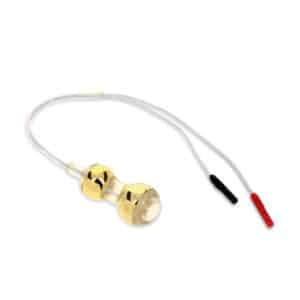
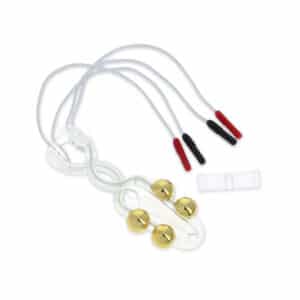
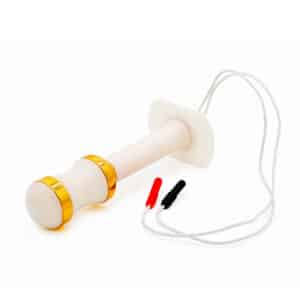

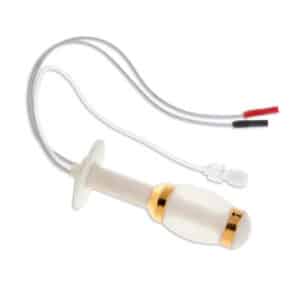
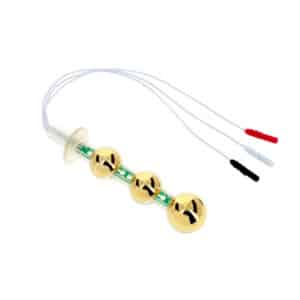

Devices that can help at home
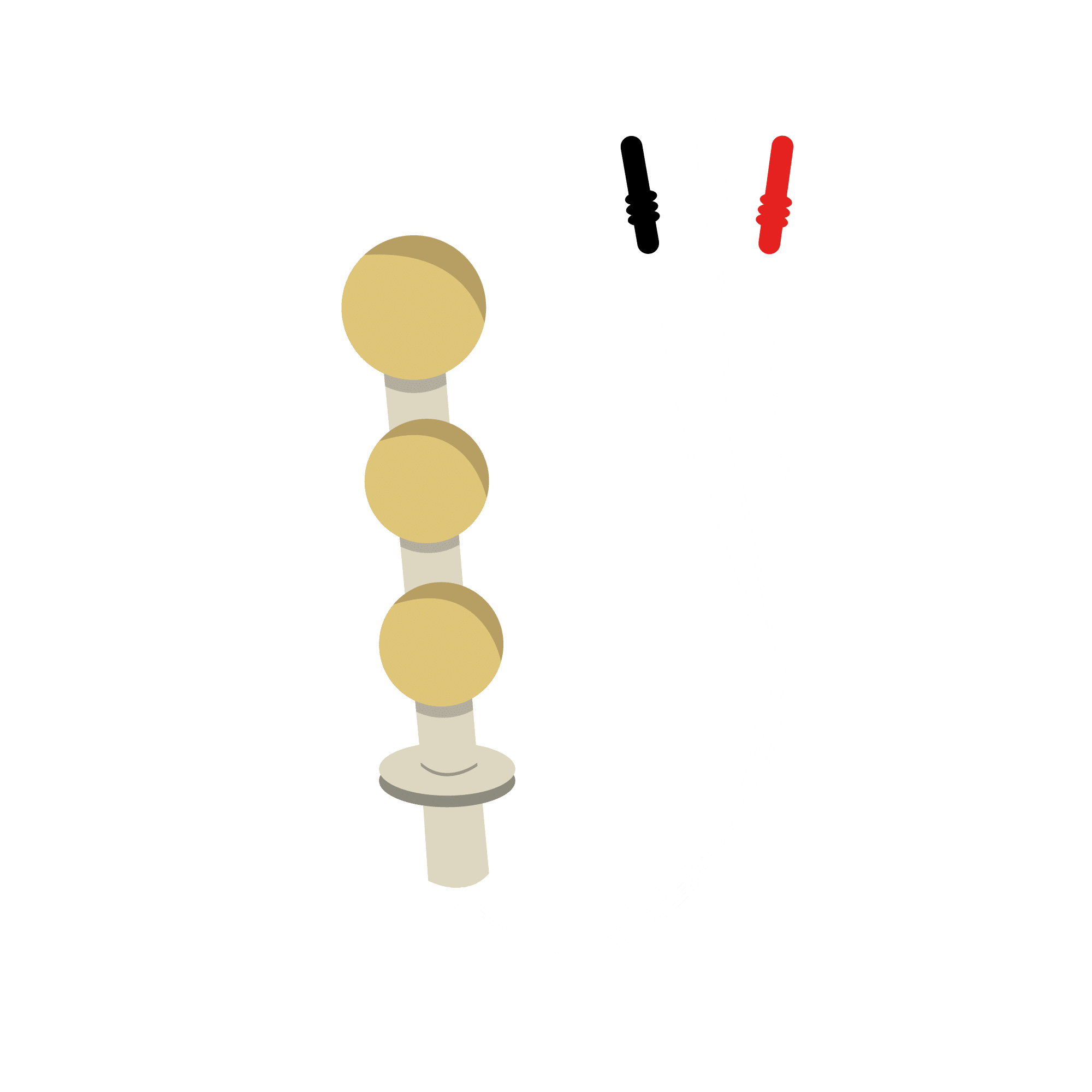
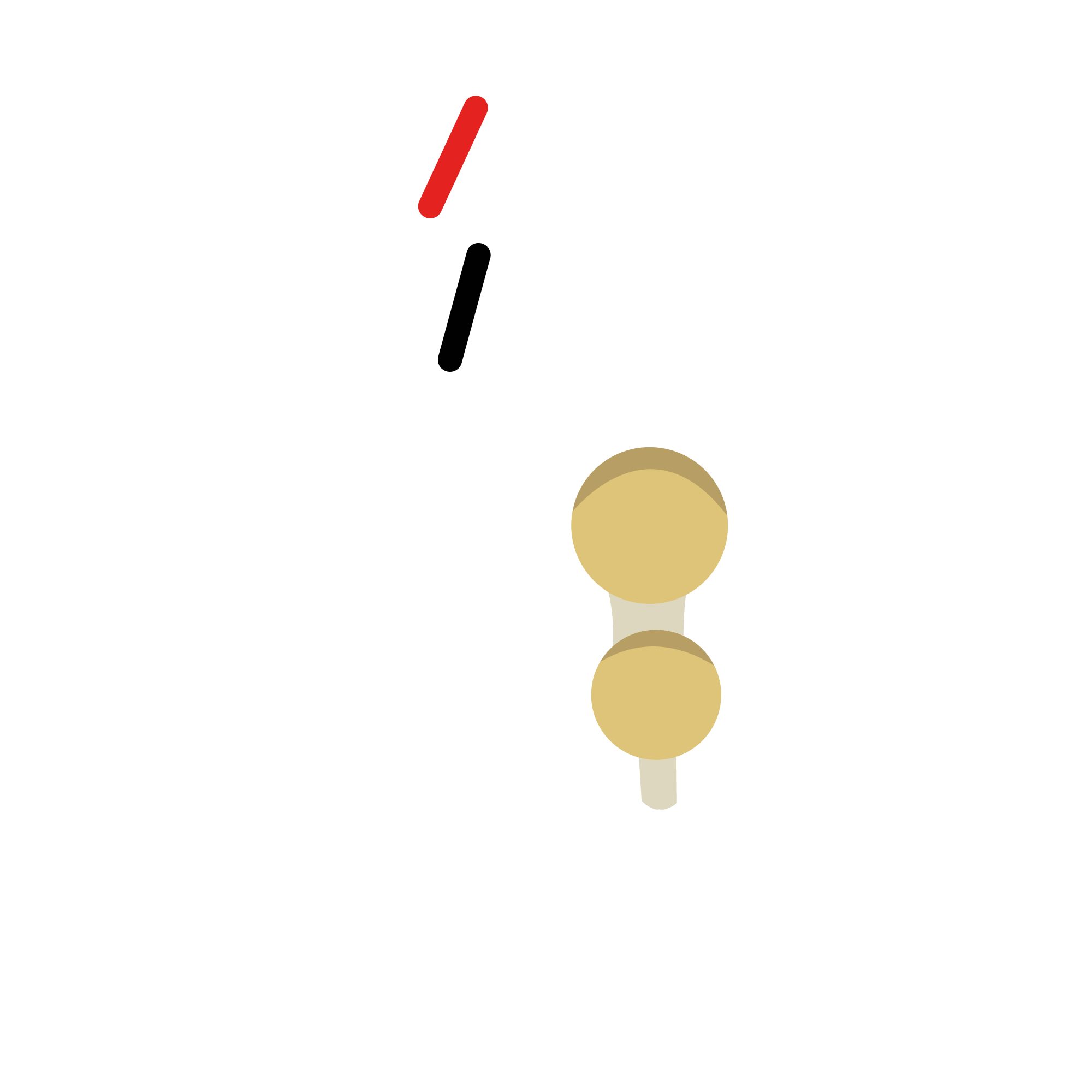
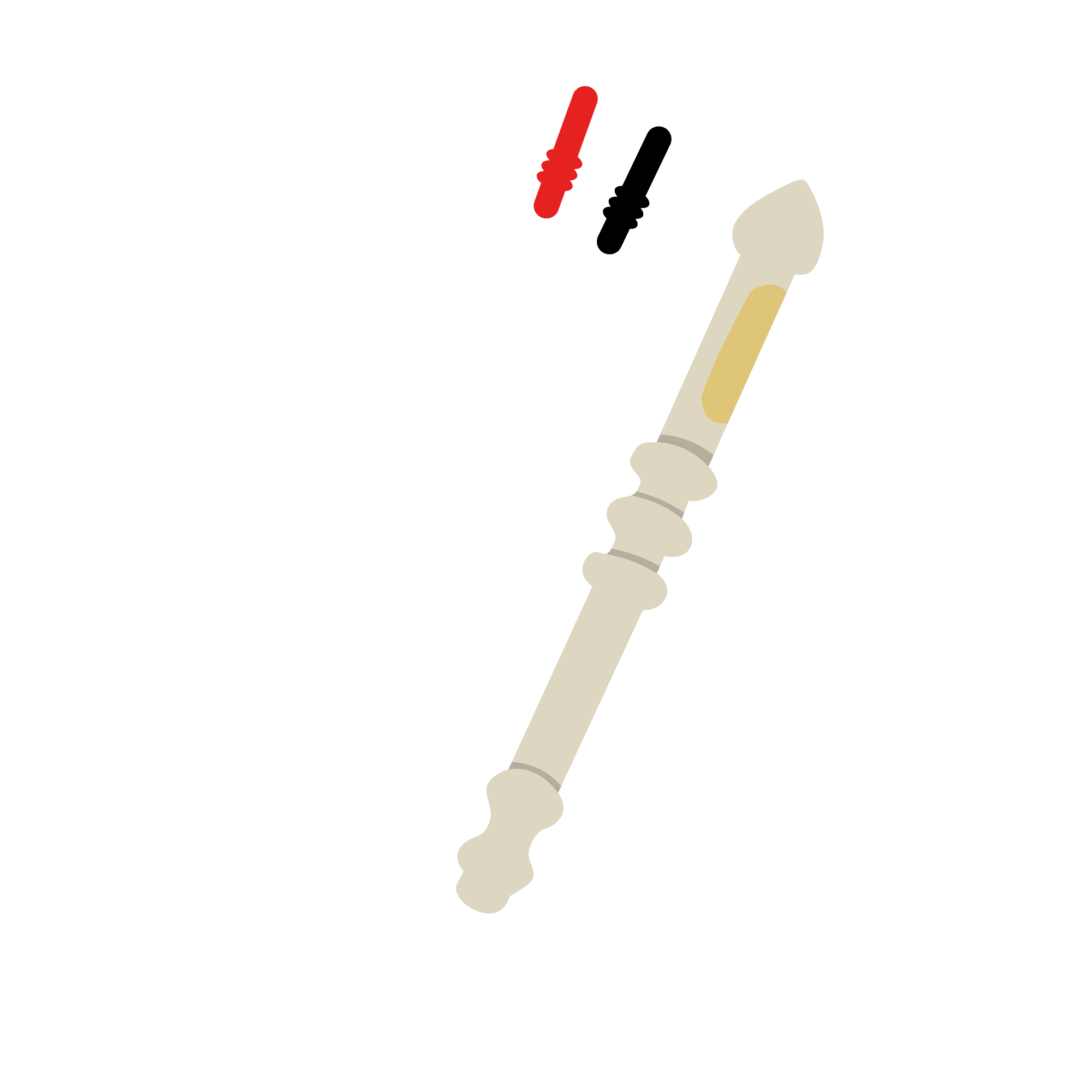
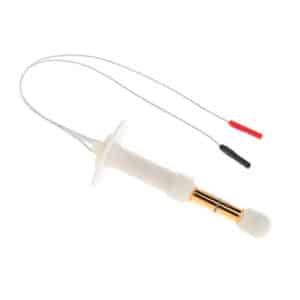
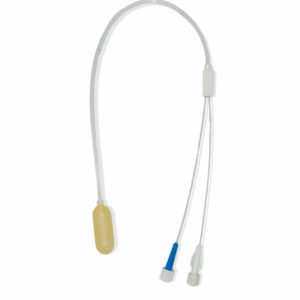
Vaginal probes
Vaginal probes are used for perineal rehabilitation in women, particularly in cases of urinary incontinence, postpartum recovery, or pelvic muscle weakness. They allow for targeted exercises using biofeedback or electrostimulation.

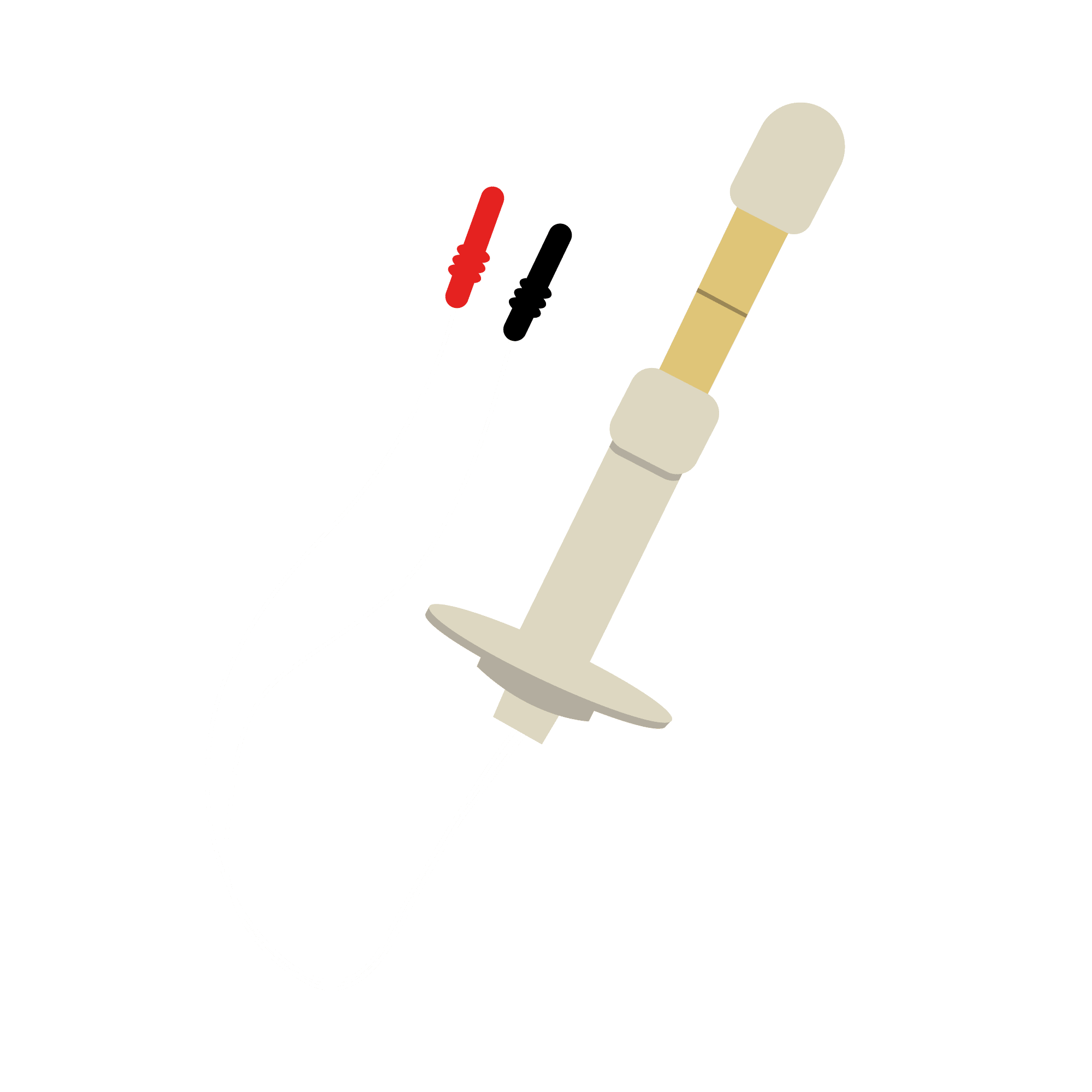
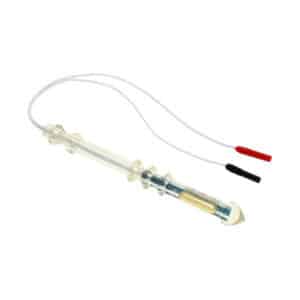
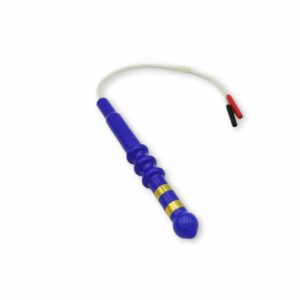
Anal probes
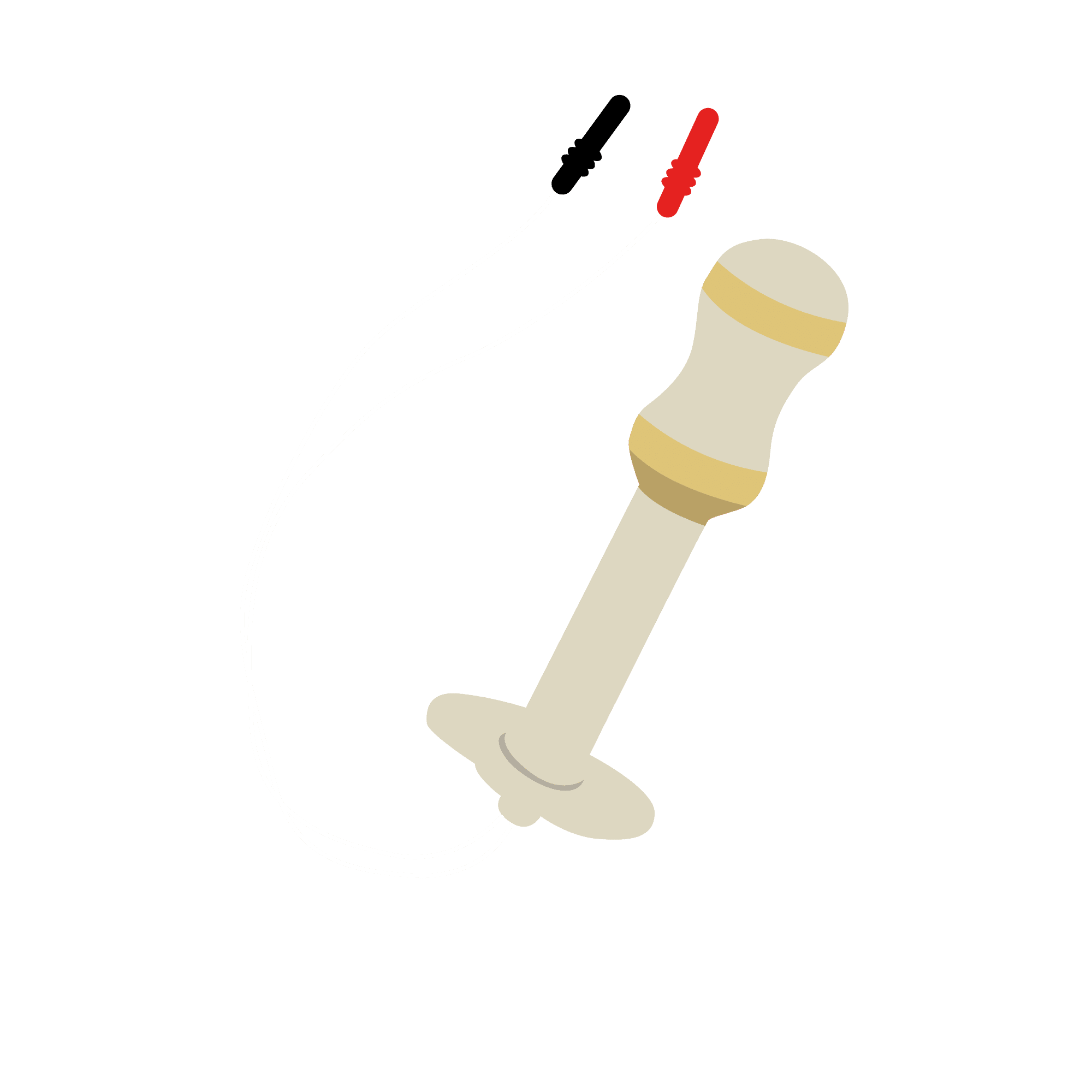
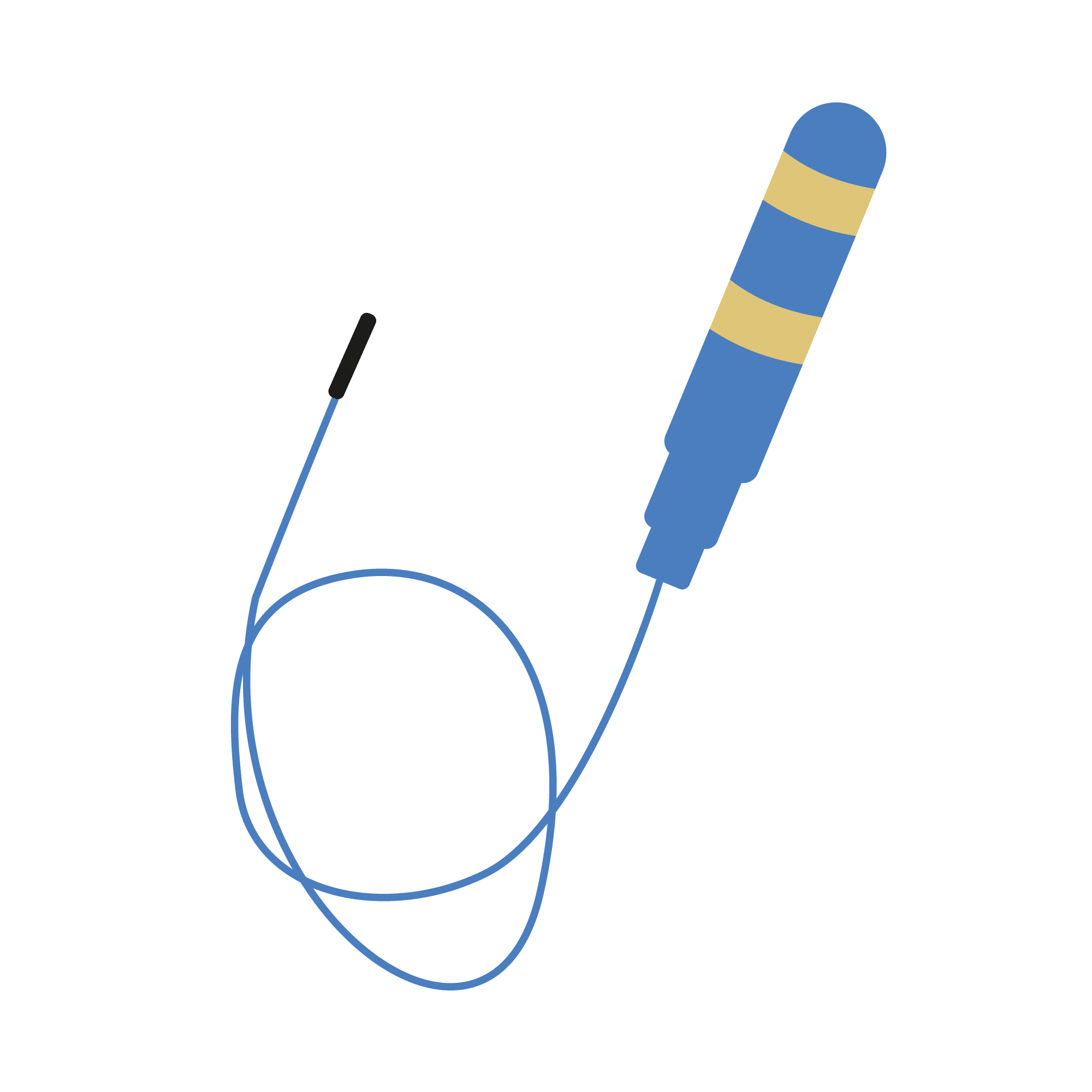
Anal probes are suitable for perineal rehabilitation in both men and women, particularly for treating urinary or fecal incontinence. They offer an effective solution for strengthening the pelvic floor muscles through electrostimulation.

Electrostimulators
A perineal electrostimulator is a device that delivers mild electrical impulses to stimulate and strengthen the perineal muscles. It is recommended as part of a home rehabilitation program, often in conjunction with medical supervision.


What are the signs of a weakened perineum?
Symptoms may develop gradually:
→ Urinary leakage
When coughing, laughing, or straining.
→ Feeling of heaviness
Like pressure in the pelvis.
→ Difficulty holding it in
More urgent or frequent urges.
→ Decreased sexual comfort
In both women and men.
Are men affected?
Yes, and it’s still not widely known.
In men, the perineum can become weakened, particularly:
⇒ after prostate surgery
⇒ with age
⇒ after certain repeated physical exertions
Male urinary disorders related to the pelvic floor are often underestimated.
Can this sagging be prevented?
Good news: yes, to a certain extent.
The pelvic floor is a muscle, and muscles can be strengthened.
Ways to maintain a healthy pelvic floor
1. Pelvic floor rehabilitation
This is the best-known approach.
It helps to:
→ strengthen the muscles
→ improve continence
→ restore better coordination
It may include:
→ targeted exercises
→ breathing exercises
→ biofeedback
→ electrical stimulation
Studies show that pelvic floor rehabilitation can significantly improve quality of life, even in older adults.
2. Adjusting Certain Habits
A few adjustments can help:
→ Avoid excessive straining
→ Learn to breathe properly during exertion
→ Limit certain repetitive pressures
→ Maintain an appropriate level of physical activity
3. Home exercises
After an initial assessment, certain exercises can be continued at home.
In some cases, devices such as perineal catheters can be used to support rehabilitation.
⇒ However, their use should ideally be supervised by a professional.
The Financial Perspective: Process or Offset?
Over time, some people come to view leaks as “normal.”
They adapt:
♦ protective pads
♦ limiting outings
♦ reducing physical activity
In the short term, this seems practical. But in the long term:
♦ the cost adds up
♦ the discomfort increases
♦ quality of life decreases
⇒ Prescribed pelvic floor rehabilitation is mostly covered by the CPAM.
At Sugar, we believe that maintaining a healthy pelvic floor is part of healthy aging.
The Most Common Mistakes
⇒ thinking it’s “too late”
⇒ waiting for symptoms to get worse
⇒ stopping all physical activity
⇒ ignoring the early signs
→ A well-maintained pelvic floor often ages better.
When should you see a doctor?
It is recommended that you seek medical advice if you experience:
→ frequent urinary leakage
→ a feeling of heaviness
→ frequent, urgent urges to urinate
→ discomfort in your daily life
A healthcare professional can recommend a treatment plan tailored to your situation.
To conclude…
Aging changes the body, but that doesn’t mean you have to give up comfort or freedom.
The pelvic floor also changes over time, and paying attention to it can really improve your daily life.
At Sugar, we believe it’s never “too late” to take care of your pelvic floor.
What if aging well also started…with the muscles nobody talks about?
-
EVOSTIM E®
€283.33 Excl. tax -
INTELLISTIM UG®
€255.00 Excl. tax -
ANALIA®
€30.00 Excl. tax -
ANALYS BLUE® DIN 3
€31.67 Excl. tax -
ANALYS+®
€29.17 Excl. tax -
AEROLYS ANA®
€28.33 Excl. tax -
ANALYS BLUE+®
€28.33 Excl. tax

Frequently asked questions
Check out the questions most frequently asked by users.
Is it normal to experience urinary incontinence as you get older?
Urinary incontinence becomes more common with age, but it should not be considered inevitable.
Can men undergo pelvic floor rehabilitation?
Yes, especially after prostate surgery or in cases of urinary problems.
Is it possible to strengthen your pelvic floor after age 60?
Yes. Strength training is possible at any age.
Is perineal rehabilitation covered by insurance?
Yes, when it is prescribed, it is mostly covered by the CPAM (in France).
Check out our blog

Lump or discomfort in the vagina: possible causes and when to see a doctor
Common Misconceptions About the Perineum: 8 Myths You Should Know
Pelvic floor and constipation: Understanding the connection and taking action

The Perineum and Sports: What Activities to Do and How to Protect It

Pelvic Floor and Pregnancy: Rehabilitation Before and After Childbirth
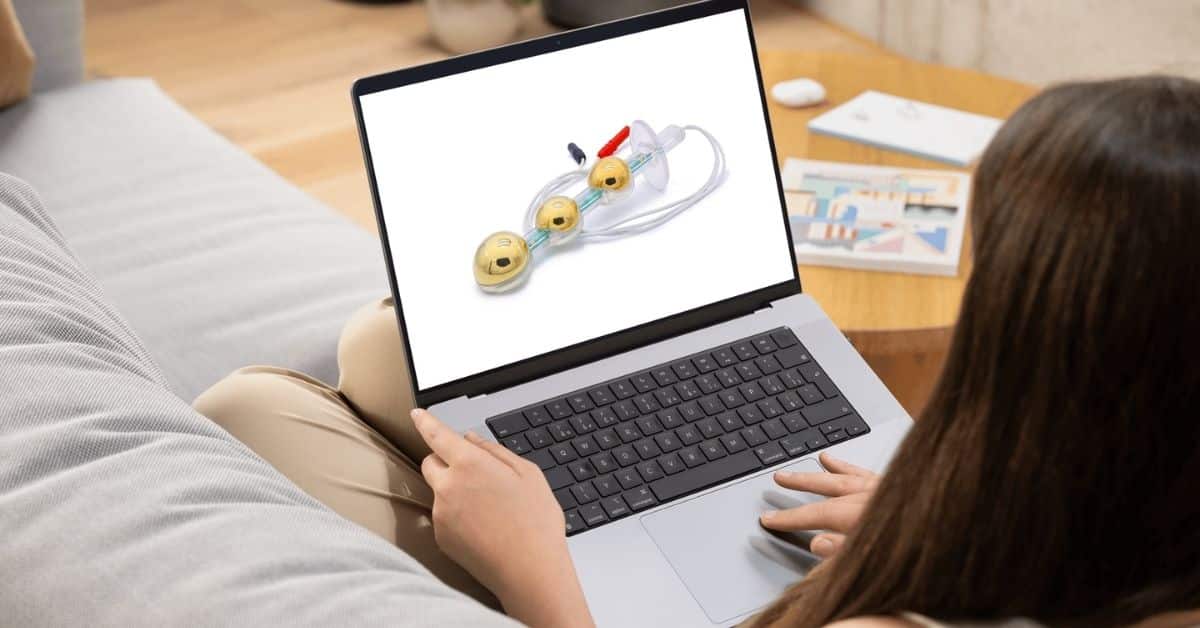
How to Use a Perineal Rehabilitation Probe: Instructions for Use
Insertion, lubrication, connection, precautions, warnings… Learn how to use your perineal rehabilitation probe correctly, step by step and safely.
Constantly contracting your pelvic floor muscles: myth or good idea?
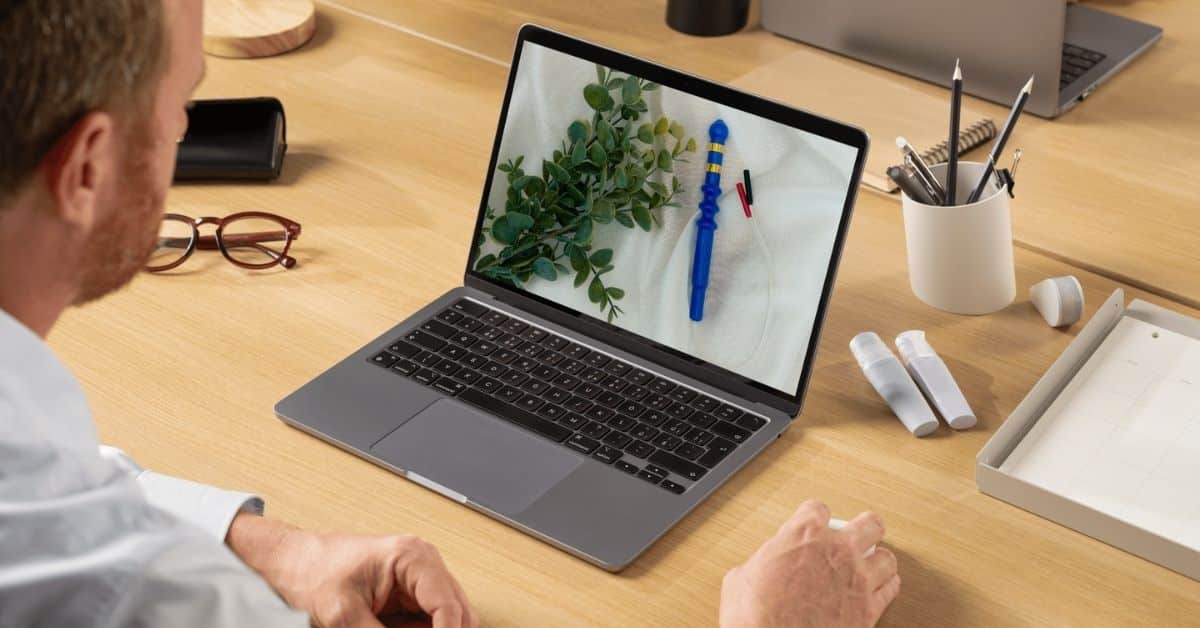
Caring for a Perineal Rehabilitation Probe: The Complete Guide
Cleaning, drying, storage, lifespan… Learn how to properly care for your pelvic floor rehabilitation probe to keep it hygienic and ensure its longevity.