
Urinary Leakage When Coughing or Sneezing: Causes and Solutions

Published on October 19, 2026 · Reading time: 5 minutes.
I leak when I cough or sneeze:
Is this normal?
Achoo… and oops! With fall comes the return of colds, and with them a minor discomfort we rarely talk about: urinary leakage when coughing or sneezing.
Is this normal? It’s common, yes. But it’s not normal—it’s a sign that your pelvic floor needs a little help.
And the good news is, it’s very easy to strengthen.
Please read this first: This article is for informational purposes only and is not a substitute for medical advice. If you experience urinary incontinence, talk to your primary care physician, gynecologist, urologist, or midwife.
This type of leakage has a name: stress urinary incontinence
According to the French National Health Insurance, stress urinary incontinence is the involuntary leakage of urine—not preceded by the urge to urinate—that occurs during even minimal physical exertion, such as coughing, sneezing, laughing, jumping, or carrying a load…
It differs from urge incontinence, in which leakage occurs after a sudden, urgent urge to urinate.
→ The two types can also occur together; this is referred to as mixed incontinence.
25 to 45% of women
Key statistic: According to the urology department at Bordeaux University Hospital, 25 to 40% of women report having urinary incontinence.
7 to 8% of men
Key statistic: Men are also affected: the French national health insurance system estimates that 7 to 8% of men aged 65 suffer from this condition.
→ In France, at least 2.6 million people over the age of 65 are affected.
And these figures are likely underestimated: the French national health insurance system points out that few people dare to seek medical care.
Why does coughing cause leakage?
When you cough or sneeze, the pressure in your abdomen increases suddenly. This pressure pushes against the bladder. Normally, the perineum and the urinary sphincter contract at the same time to “lock” the opening and hold in the urine.
If the perineum is weakened or does not contract quickly enough, it cannot withstand the pressure: a few drops leak out. And during a cold or bronchitis, with repeated coughing fits, the perineum is under even greater strain.
According to the Bordeaux University Hospital, several factors can weaken the perineum: age, pregnancies and vaginal deliveries, menopause, being overweight, smoking, chronic coughing, or repeated straining. In men, prostate surgery is also a common cause.
The first-line treatment: pelvic floor rehabilitation
Here’s the good news from this article: perineal rehabilitation is the first-line treatment recommended for urinary incontinence, according to the French National Health Insurance.
For stress incontinence, the Bordeaux University Hospital confirms that it is recommended as the first-line treatment.
In practice, it is performed by a physical therapist or a midwife. It helps to:
→ strengthen the pelvic floor muscles so they can better withstand pressure;
→ learn to contract the pelvic floor at the right moment—just before coughing, sneezing, or lifting a heavy object.
Physical therapists often refer to this as “pelvic floor locking”;
→ adopt the right habits in daily life: posture, physical activity, and lifestyle.
Depending on your needs, the therapist may use biofeedback—which allows you to visualize the contraction of your muscles on a screen—or electrostimulation.
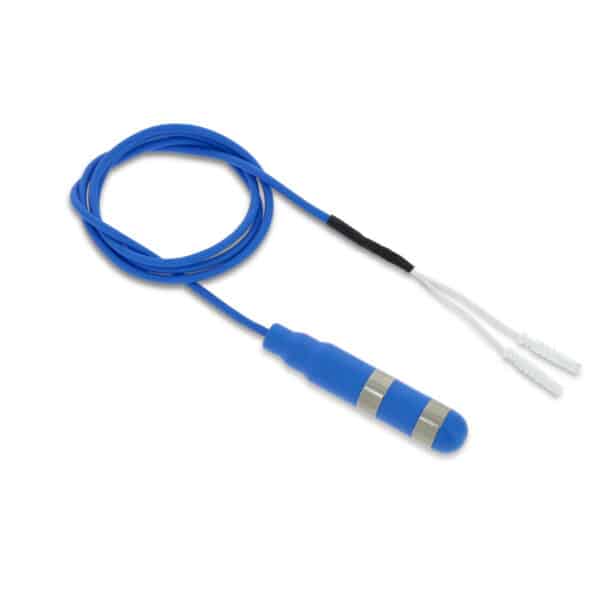
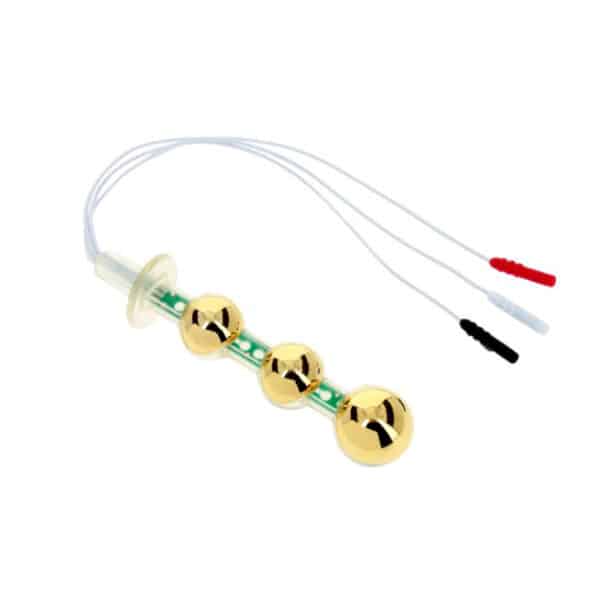
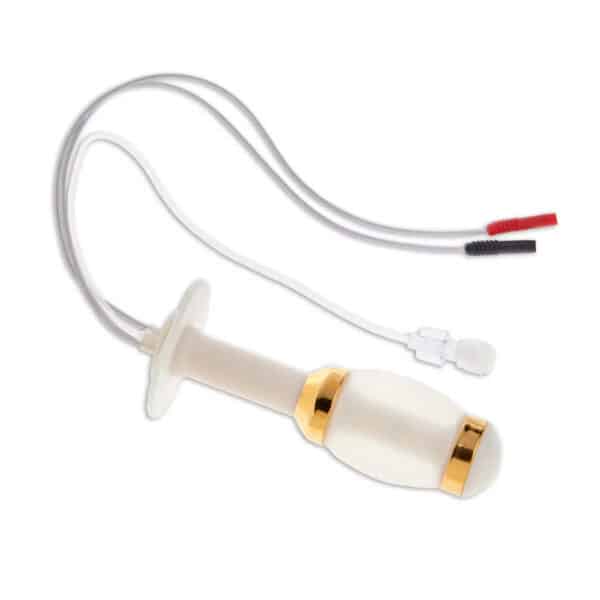
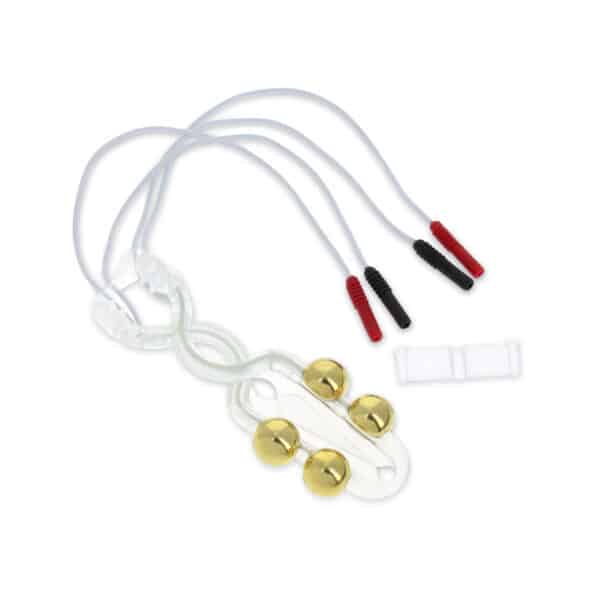
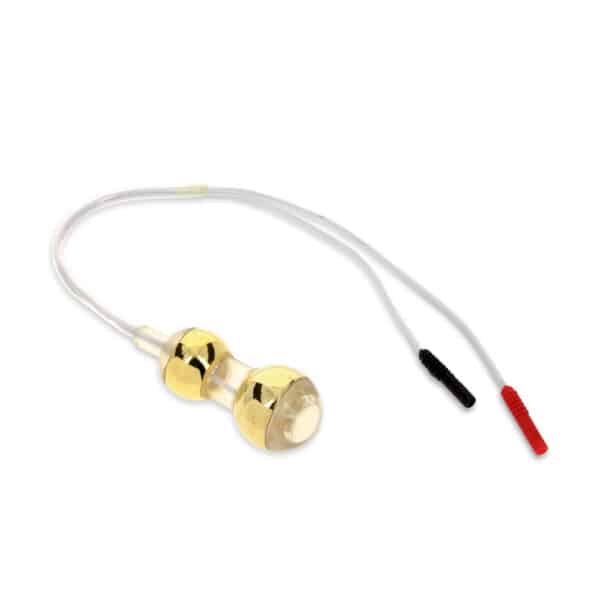
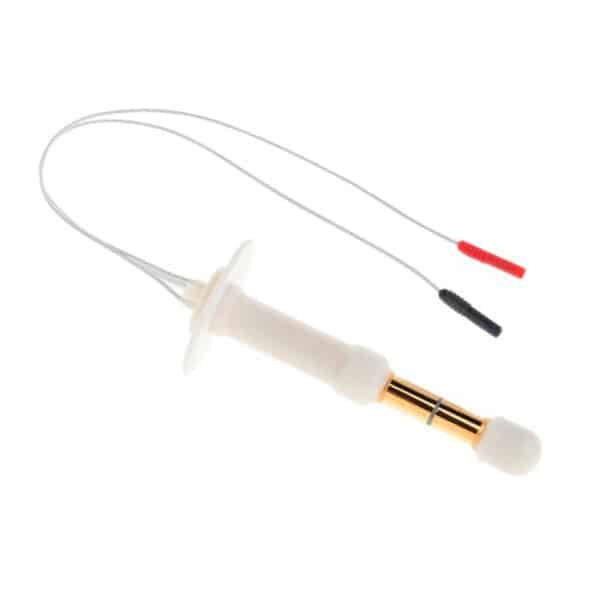
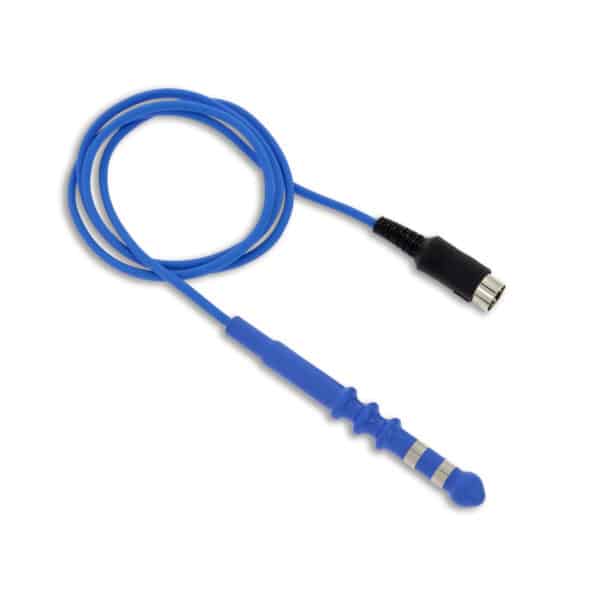
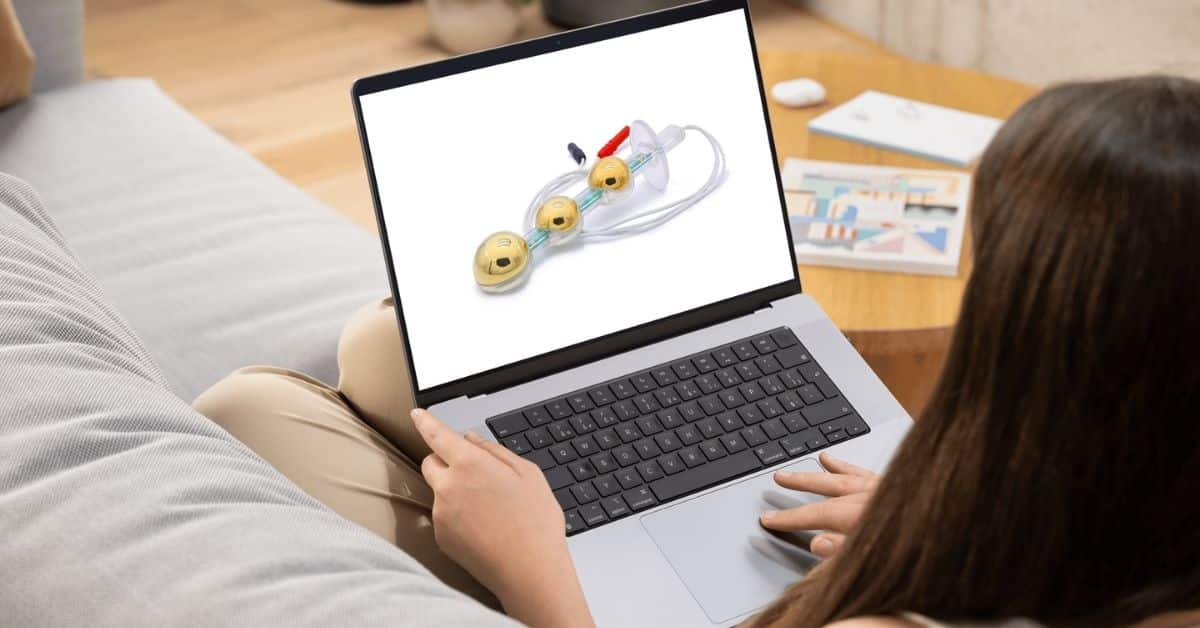
Both techniques are used with a rehabilitation probe connected to a device: a vaginal probe for women, and an anal probe for both men and women.
Our expertise: At Sugar International, our line of rehabilitation catheters was designed by a therapist specializing in urogynecology. For 30 years, we have been supporting physical therapists and midwives who help their patients—both women and men—regain their continence.
 Coming back soon
V2B+®
25,00 € Excl. tax-
TP2B+ MINIMA®
22,50 € Excl. tax -
Coming back soon
RECTOMAX®
50,00 € Excl. tax -
PERISIZE 4®
22,50 € Excl. tax
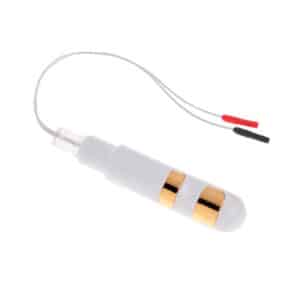
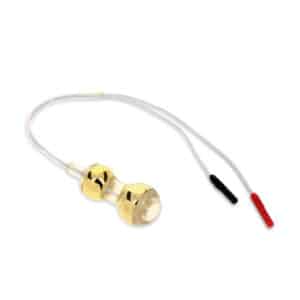
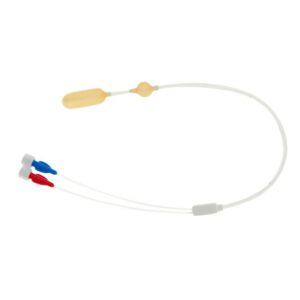
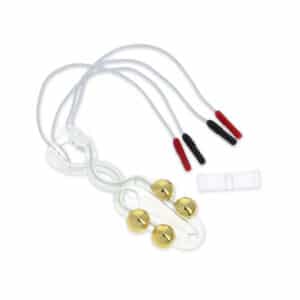
Devices that can help at home
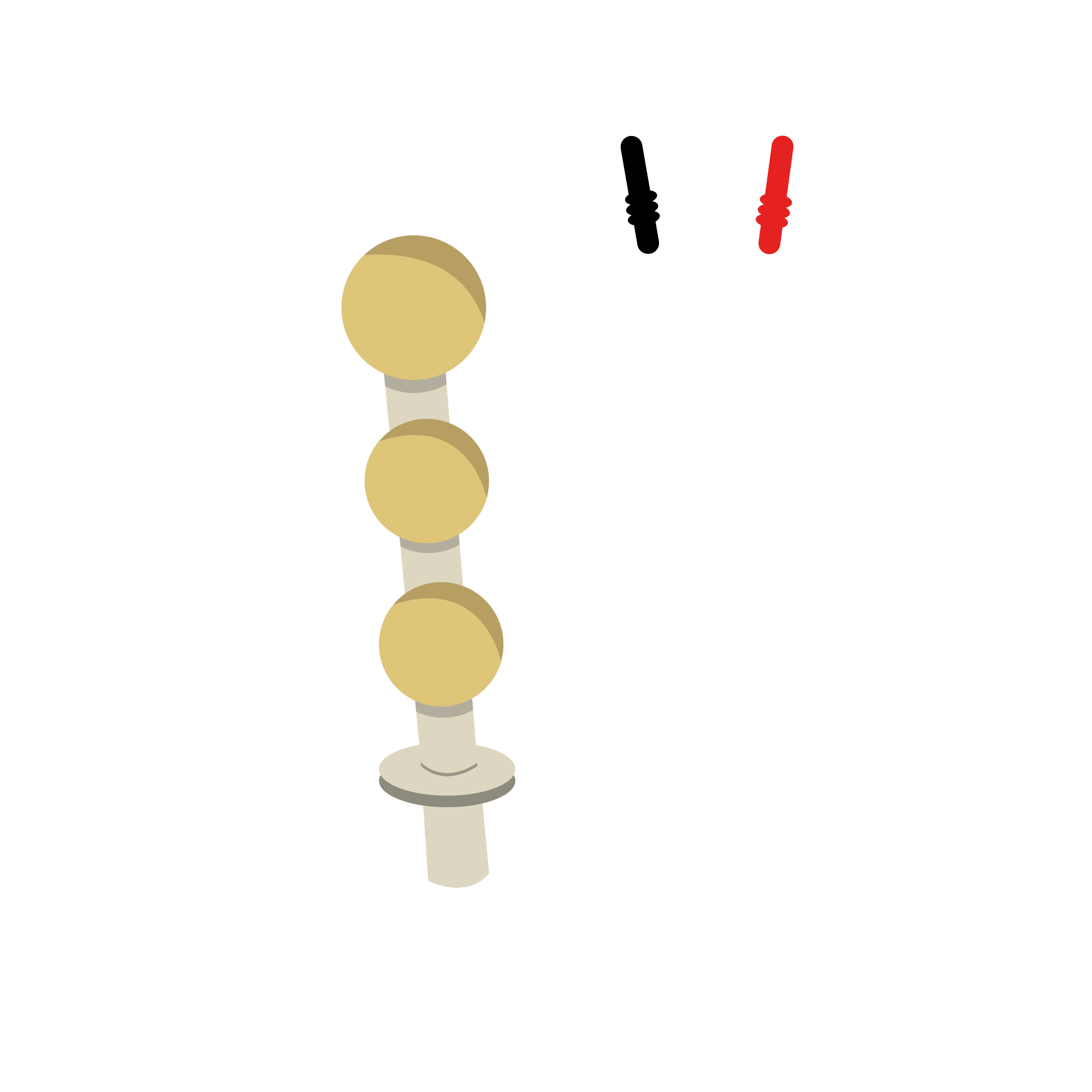
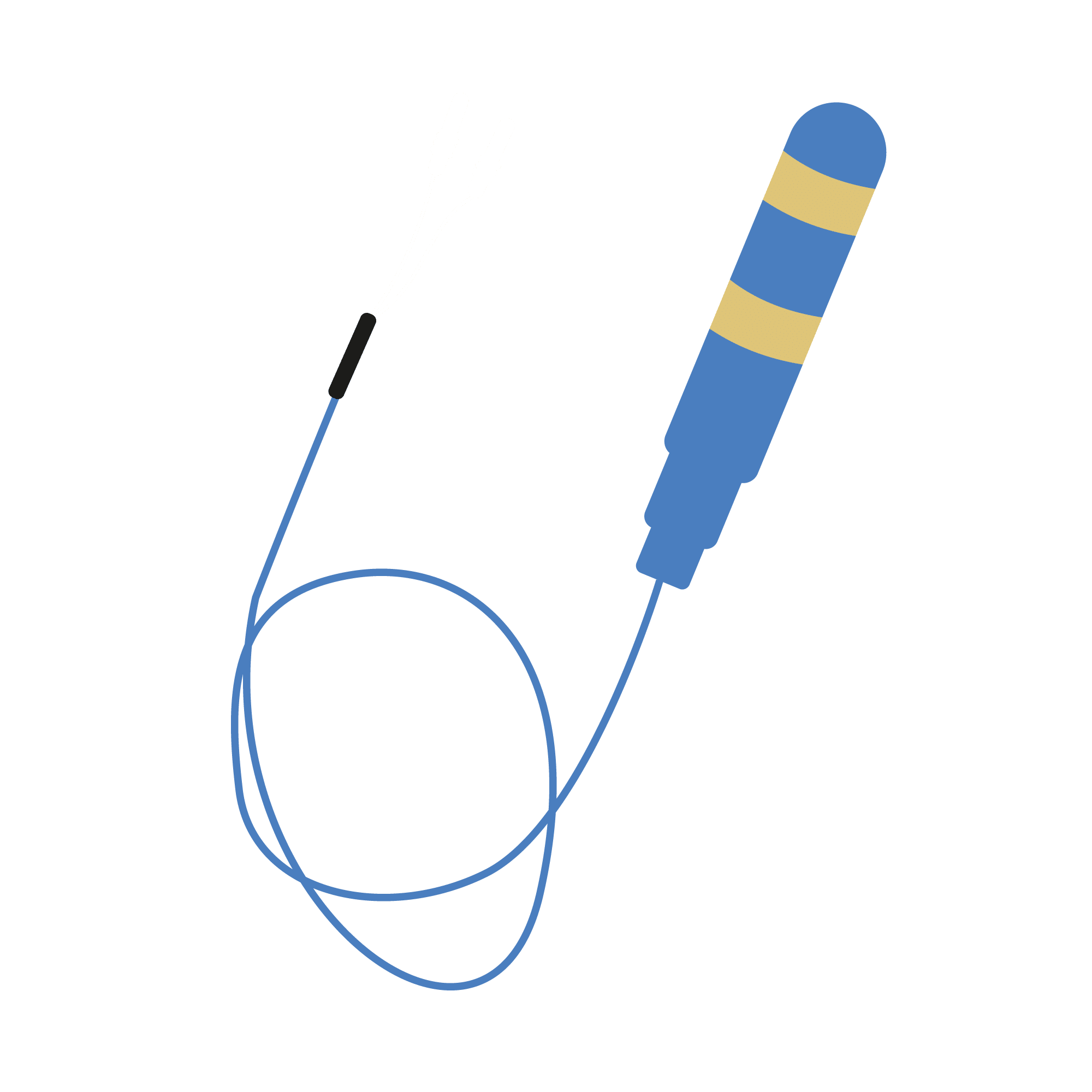
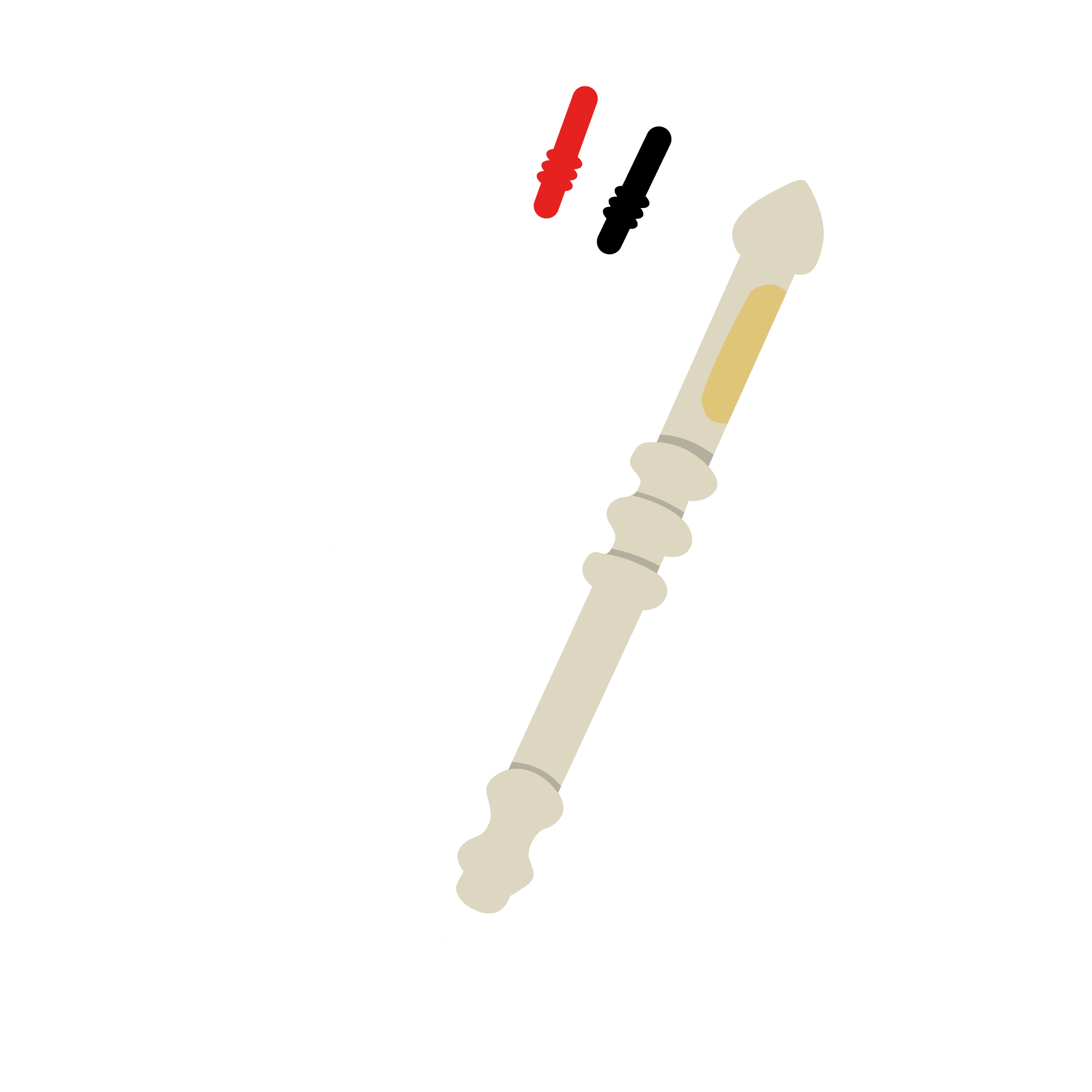
Vaginal probes
Vaginal probes are used for perineal rehabilitation in women, particularly in cases of urinary incontinence, postpartum recovery, or pelvic muscle weakness. They allow for targeted exercise through biofeedback or electrostimulation.
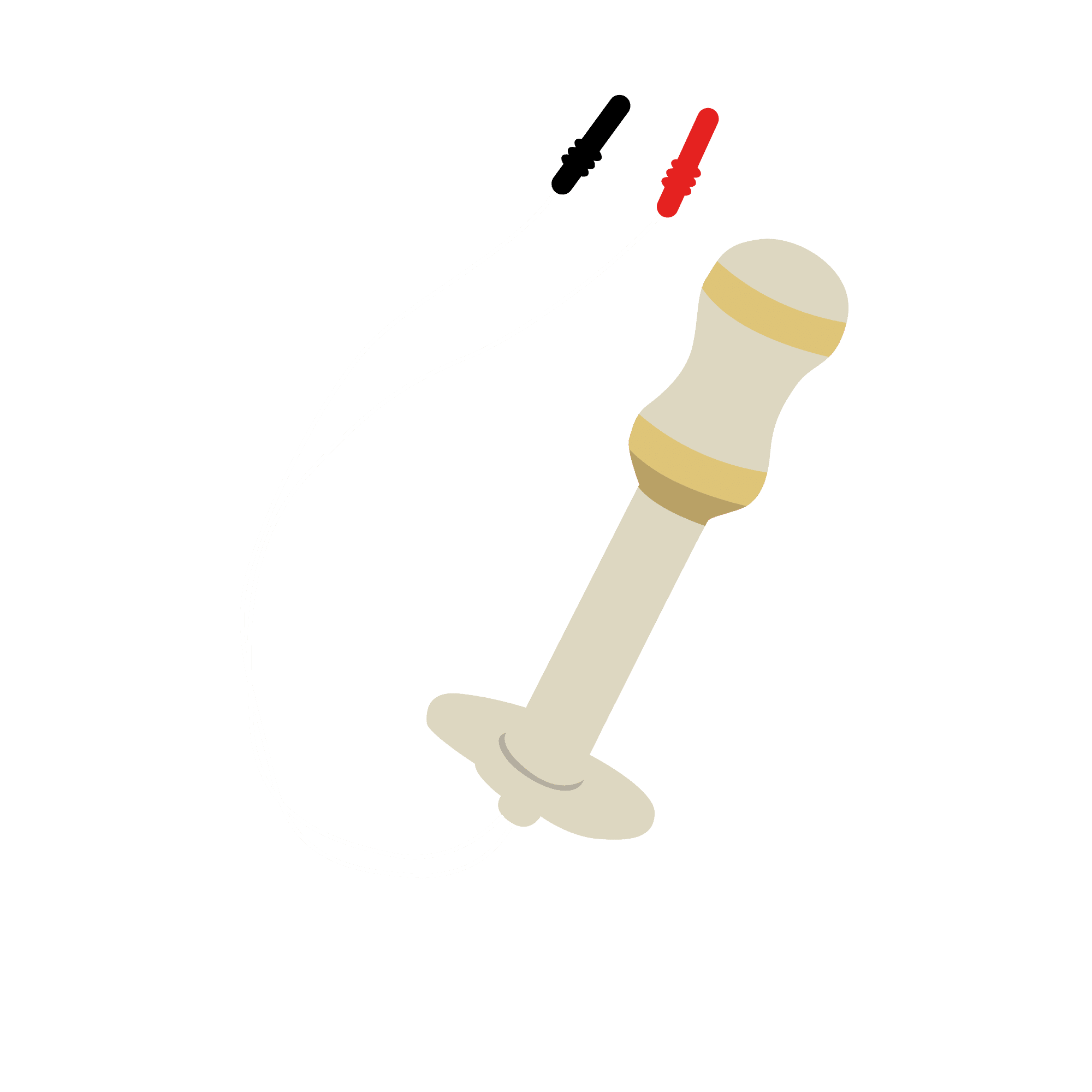
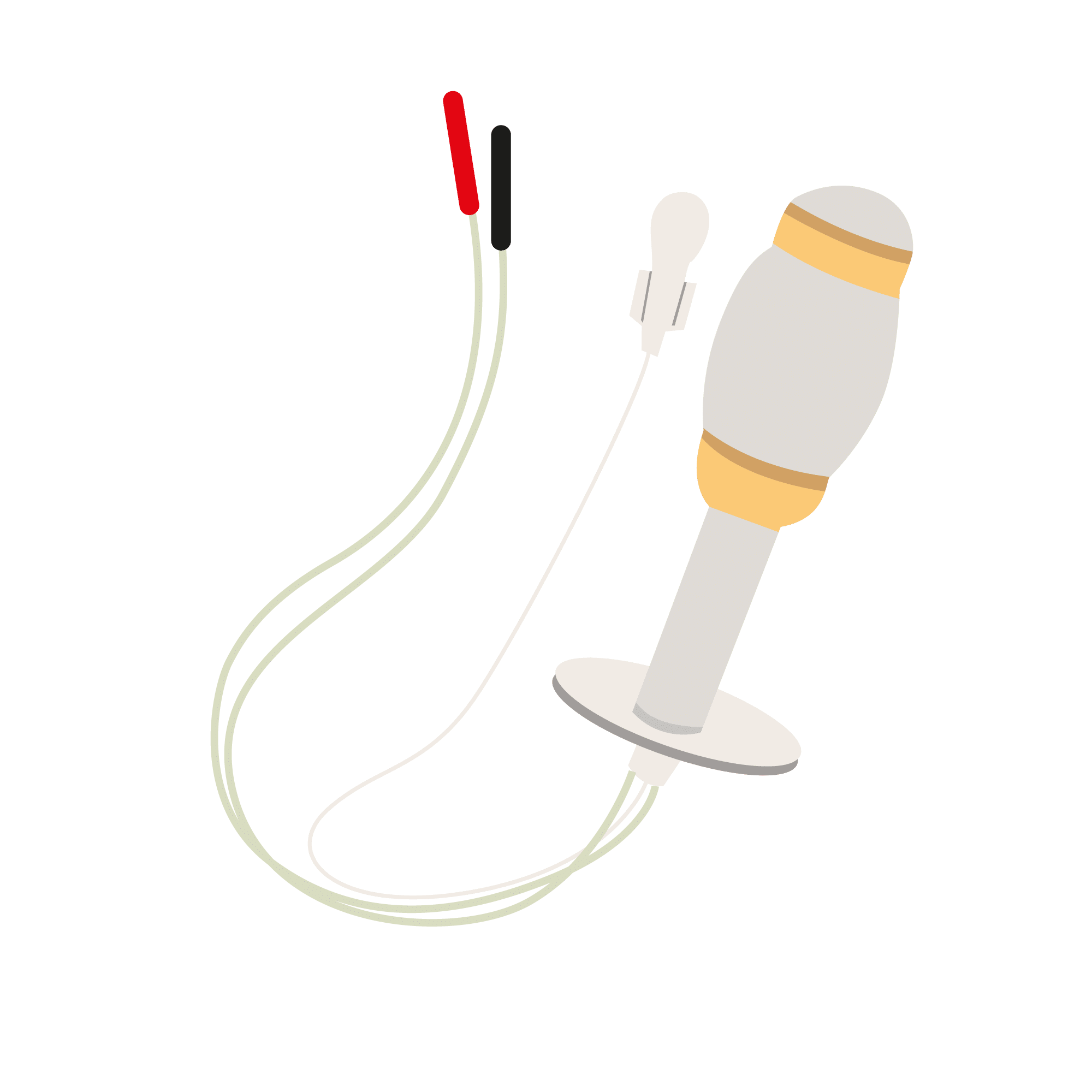
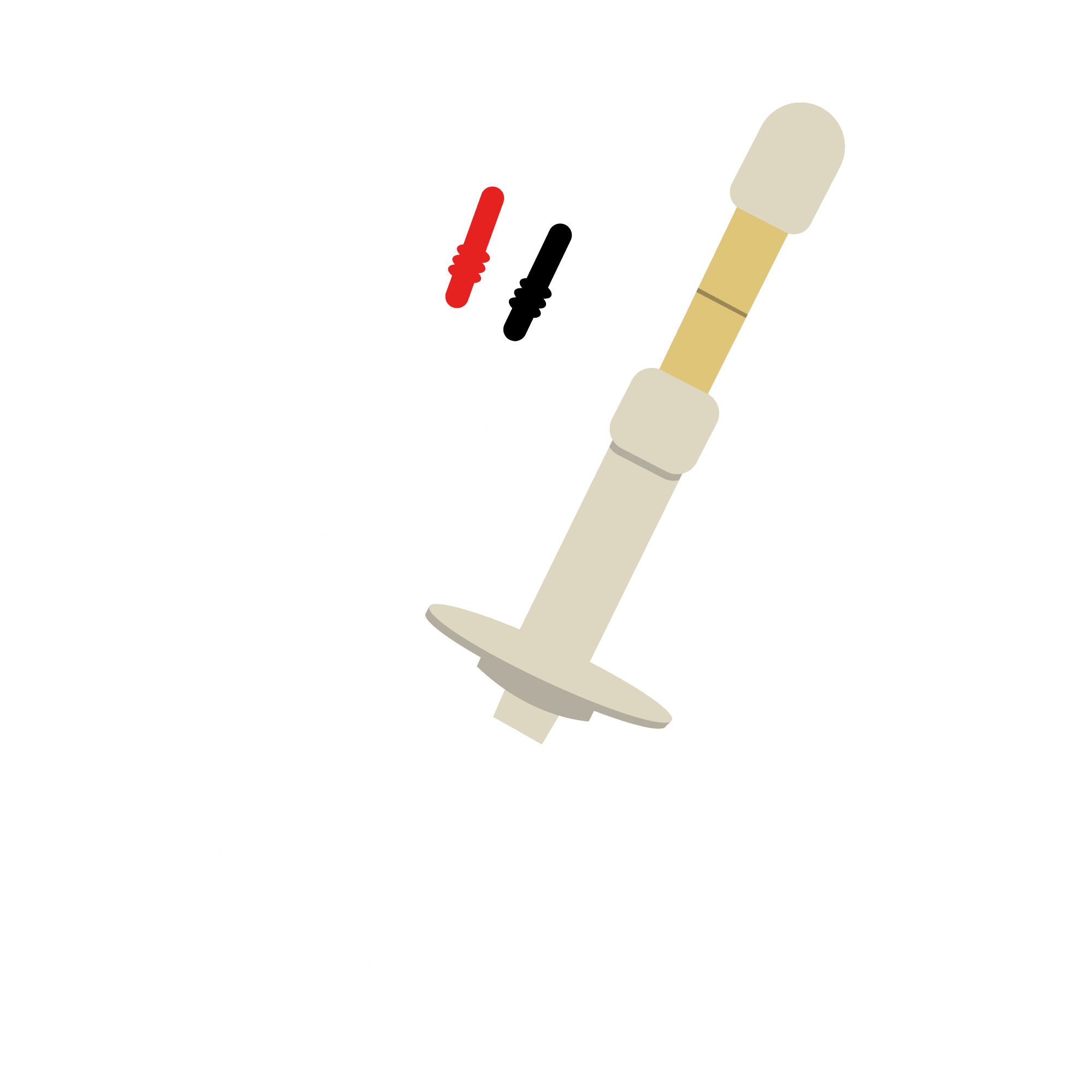
Anal probes
Anal probes are suitable for perineal rehabilitation in both men and women, particularly for treating urinary or fecal incontinence. They offer an effective solution for strengthening the pelvic floor muscles through electrostimulation.
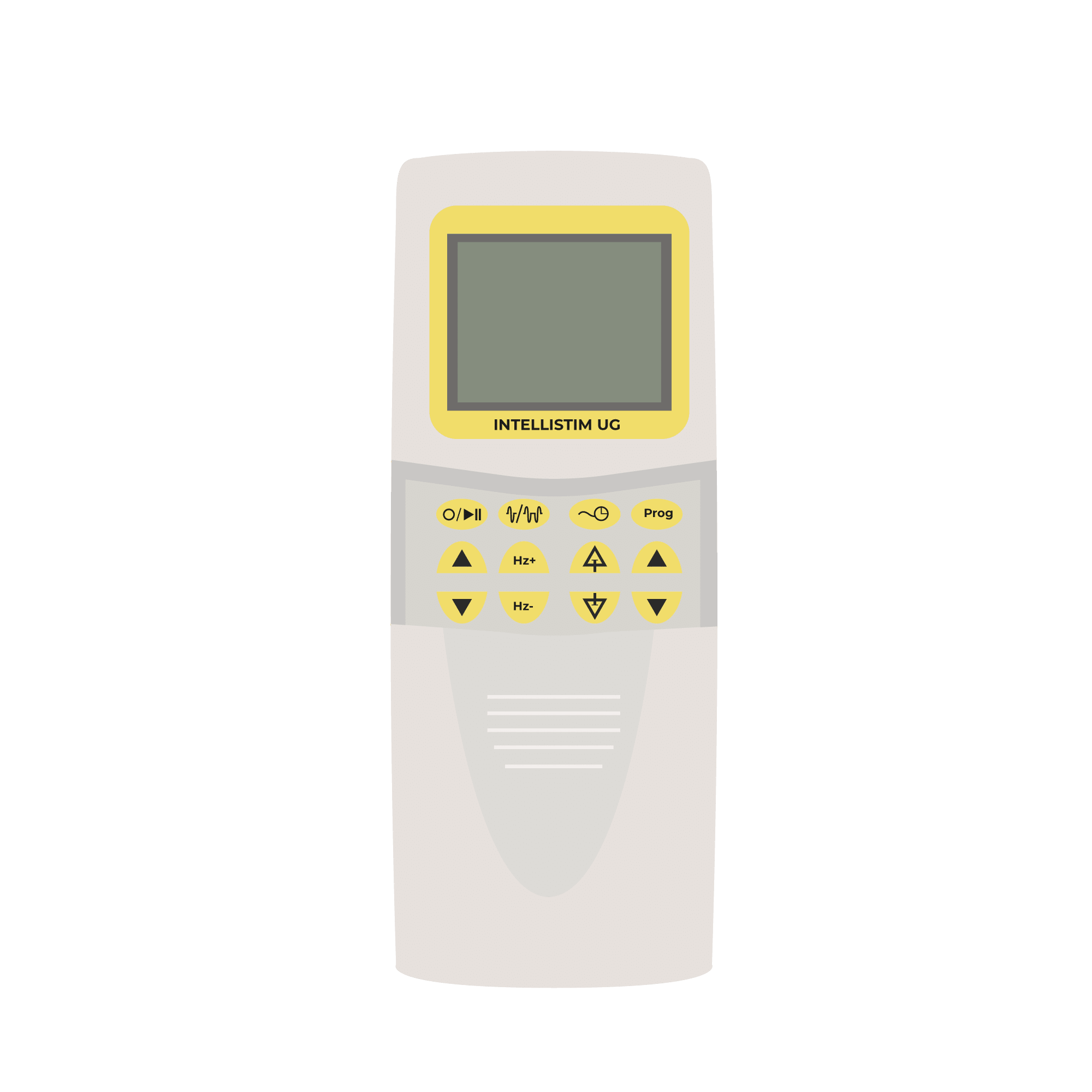
Electrostimulators
A perineal electrostimulator is a device that sends mild electrical impulses to stimulate and strengthen the perineal muscles. It is recommended as part of a home rehabilitation program, often in conjunction with medical supervision.





Our Tips for Staying Dry This Winter
While you wait for your appointment, a few simple habits can help:
⇒ Treat your cough: a cough that lasts more than a few weeks should be brought to your doctor’s attention.
⇒ Avoid constipation, which also puts strain on the pelvic floor. The French National Health Insurance recommends a healthy diet to prevent constipation, as well as maintaining a healthy weight.
⇒ Don’t strain when urinating: let your bladder empty naturally.
⇒ If you’ve already learned how to squeeze your pelvic floor with a professional, remember to contract it before every sneeze or coughing fit.
To conclude
Leakage when coughing or sneezing is common in both women and men.
But it’s not inevitable, nor is it something you have to accept in silence.
Pelvic floor rehabilitation is the first-line treatment, and it yields excellent results. So this winter, don’t be afraid to talk to your doctor about it! 🤧💙
-
INTELLISTIM UG®
245,19 € Excl. tax

Frequently Asked Questions
Check out the questions most frequently asked by users.
How many physical therapy sessions are needed?
It depends on the individual and the severity of the incontinence.
The number of sessions is determined by the doctor or midwife who prescribes the rehabilitation, and then adjusted by the physical therapist based on your progress.
Is perineal rehabilitation covered by insurance?
In France, it is covered by health insurance upon a doctor’s prescription, under the usual conditions.
Are urinary protection products sufficient?
They provide comfort in everyday life, but they do not treat the underlying cause.
They can be useful as a supplement while waiting for physical therapy to take effect.
Should I stop exercising if I have incontinence?
<p dir=”ltr”>Not necessarily.</p>
<p dir=”ltr”>It’s best to talk to your physical therapist or midwife, who can recommend activities that are gentler on your pelvic floor during your recovery.</p>
Can young people also experience urinary leakage during exercise?
Yes.
Although the frequency increases with age, stress incontinence can occur at any age, particularly after pregnancy or in people who participate in high-impact sports (running, jumping, trampoline, etc.).
Check out our blog


Genitourinary Syndrome of Menopause: Symptoms and Solutions
Urinary Incontinence After Prostatectomy: Perineal Rehabilitation
After prostate surgery, urinary incontinence is common but often temporary. Learn about the key role of pelvic floor rehabilitation.

Breast Cancer and Intimacy: Dryness, Incontinence, Solutions
Pink October: Vaginal dryness, urinary incontinence, pain… Breast cancer treatments can affect your intimate health. Causes and solutions.

Lump or discomfort in the vagina: possible causes and when to seek medical attention
Lump or discomfort in the vagina: possible causes and when to see a doctor
Common Misconceptions About the Perineum: 8 Myths You Should Know
Pelvic floor and constipation: Understanding the connection and taking action

The Perineum and Sports: What Activities to Do and How to Protect It
Pelvic Floor and Pregnancy: Rehabilitation Before and After Childbirth
How to Use a Perineal Rehabilitation Probe: Instructions for Use
Insertion, lubrication, connection, precautions, warnings… Learn how to use your perineal rehabilitation probe correctly, step by step and safely.
Sources
- Assurance Maladie
- CHU de Bordeaux, service d’urologie

