
Exercise and the Pelvic Floor: Which Sports Should You Choose to Prevent Urinary Incontinence?
Published on November 3, 2026 · Reading time: 6 minutes.
Sports and the Perineum:
Which sports are gentle on the perineum?
Good news: exercise and your pelvic floor can definitely go hand in hand!
Some activities are gentler on your pelvic floor, such as swimming, biking, walking, golf, or yoga.
Others, involving repeated jumping and impact, put much more strain on it.
→ We’re here to help you figure it out, so you can stay active without leaks and without giving up the things you love.
Please read this first: This article is for informational purposes only and is not a substitute for medical advice. If you experience urinary leakage, a feeling of heaviness, or discomfort during exercise, talk to your doctor, midwife, or physical therapist.
Why Can Exercise Strain the Pelvic Floor?
The pelvic floor is a group of muscles that closes off the bottom of the pelvis. It supports the organs and helps control urine flow.
With every jump, landing, or intense abdominal effort, pressure in the abdomen increases and pushes downward. If the pelvic floor cannot adequately absorb these repeated impacts, leakage may occur.
According to the Ministry of Sports guide, the sports that place the greatest strain on the pelvic floor are those that combine:
- dynamic jumps or landings;
- strong abdominal contraction;
- repeated impacts with the ground.
72% of female athletes
Key statistic: According to the Ministry of Sports, a study of 404 elite French female athletes found that 72% of them experienced exercise-induced urinary incontinence. In certain sports, such as trampoline, this figure can reach 80%.
These figures pertain to elite sports, but the message applies to everyone: even the most athletic people are not immune, and it is neither shameful nor “normal” to run away.
Exercises Gentle on the Pelvic Floor
According to the Ministry of Sports’ guide, swimming, cycling, golf, and yoga are among the sports that pose a moderate or low risk to the pelvic floor. A review by specialists published in the journal Genesis also recommends prioritizing low-impact endurance sports, such as walking and rollerblading.
→ Swimming: In the water, the body is supported, and the pelvic floor is not subjected to impact.
→ Cycling: An endurance activity with no impact on the ground.
→ Walking: accessible to everyone, at any age, it allows you to move without putting strain on the pelvic floor.
→ Yoga and gentle exercises: these focus on breathing and posture, and some practices incorporate the pelvic floor.
→ Golf: low impact and moderate exertion.
Sports that place greater strain on the pelvic floor
According to the Ministry of Sports, sports that pose a high risk to the perineum include:
→ trampolining,
→ gymnastics and running,
→ team sports involving jumping (basketball, volleyball, handball),
→ strength sports such as weightlifting, rowing, or CrossFit.
But that doesn’t mean you have to give them up!
The guide is clear: specialized rehabilitation allows you to continue participating, by temporarily adapting your sport if necessary—for example, by replacing running with swimming for a while.
Our Tips for Protecting Your Pelvic Floor While Exercising
The Ministry of Sports guide recommends:
⇒ learning to recognize and strengthen your pelvic floor muscles from the very beginning of your athletic training;
⇒ to do “proper abdominal exercises”: work the transverse abdominis muscle without puffing out your stomach or holding your breath;
⇒ to focus on gentle core engagement as you exhale, keeping your back well-stretched;
⇒ not to hold your breath during exercise;
⇒ to stay well-hydrated: not drinking enough is a common mistake.
After giving birth, a common mistake is to resume exercise without first completing pelvic floor rehabilitation. Take the time to discuss this with your midwife or doctor before getting back into it.
What if I already experience leakage while exercising?
Don’t panic, and above all, there’s no need to stop! The first thing to do is talk to your doctor.
According to the Ministry of Sports’ guide, perineal rehabilitation with a specialized physical therapist is the first step.
This may combine manual therapy with biofeedback, a technique that allows you to visualize the contraction of your muscles so you can control them better.
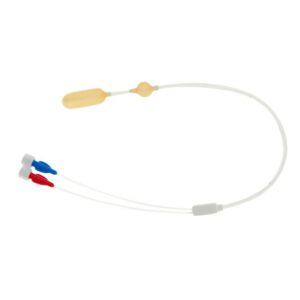
Our expertise: At Sugar International, our line of rehabilitation catheters was designed by a therapist specializing in urogynecology. For 30 years, we have been supporting professionals who help their patients regain comfort and confidence.
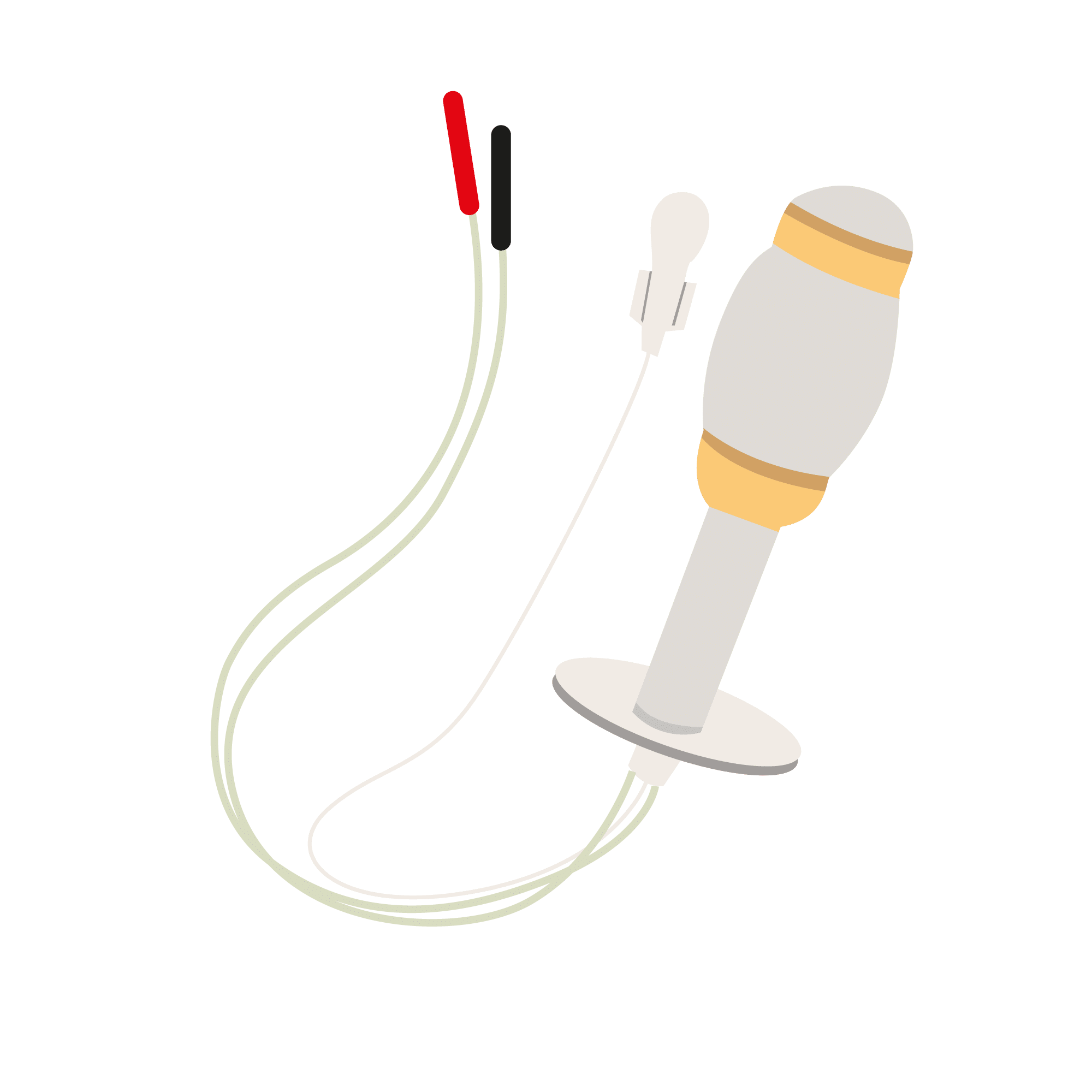
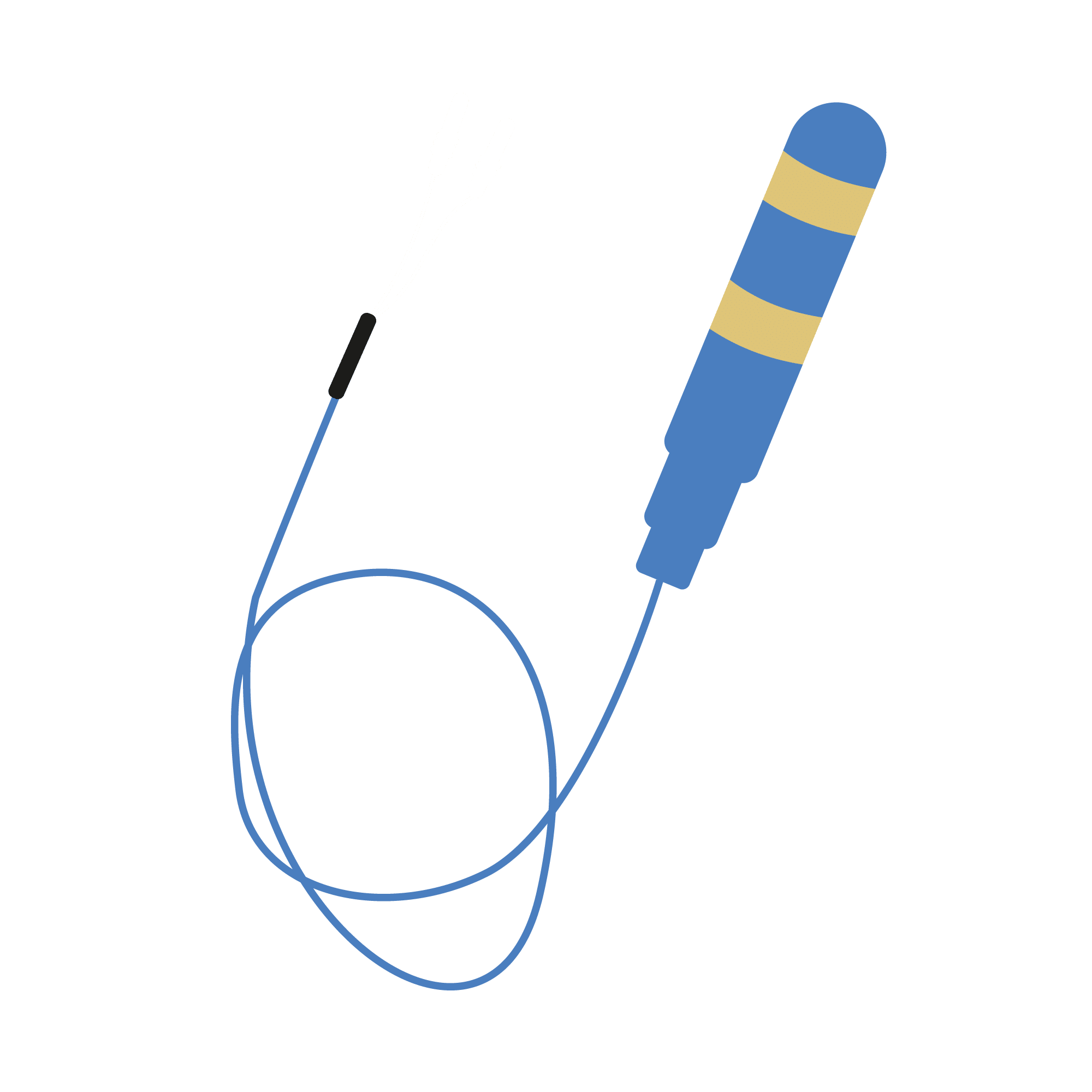
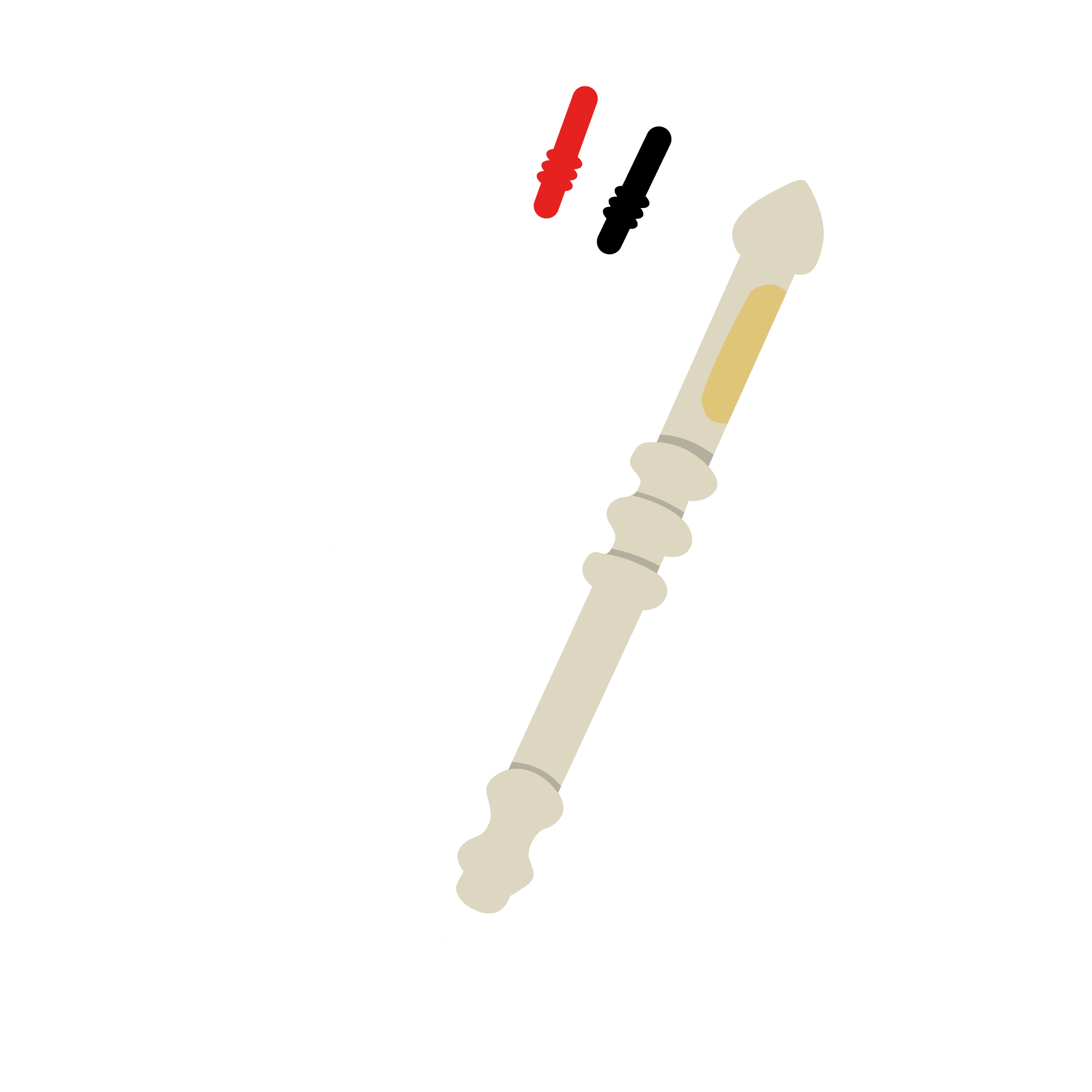
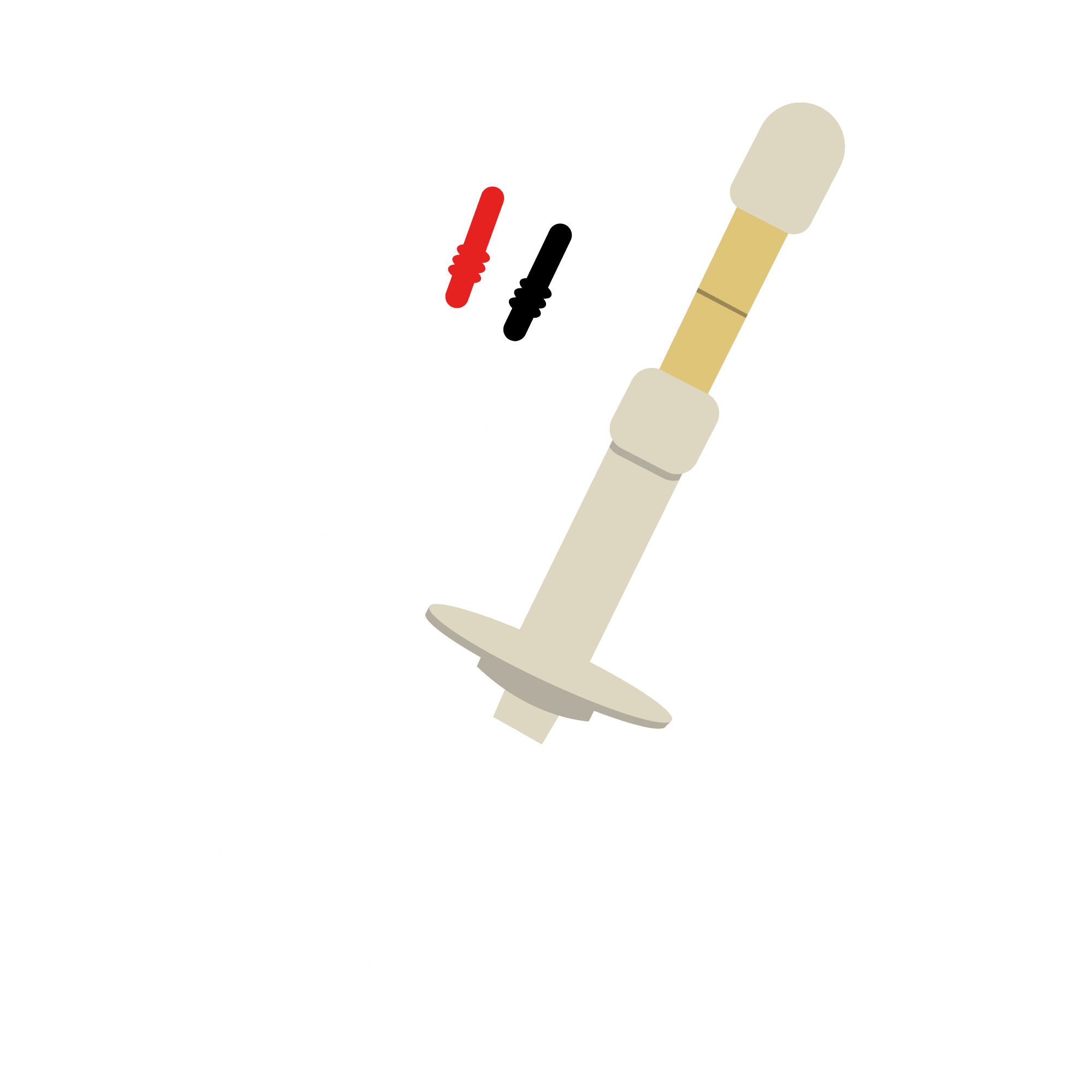
Devices that can help at home
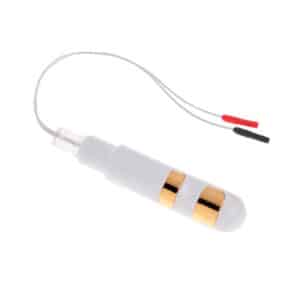
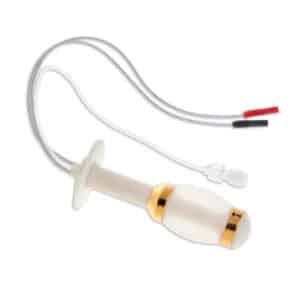
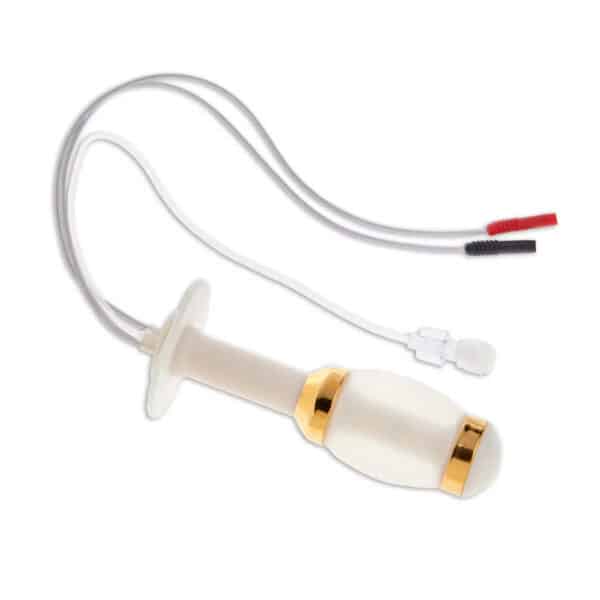
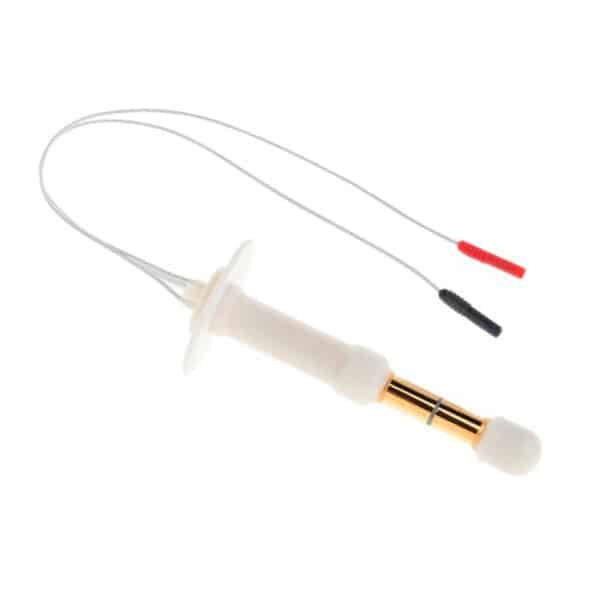
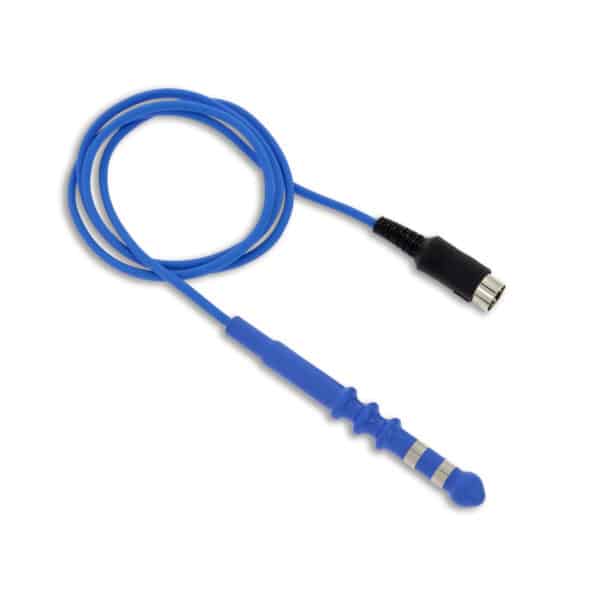
Vaginal probes
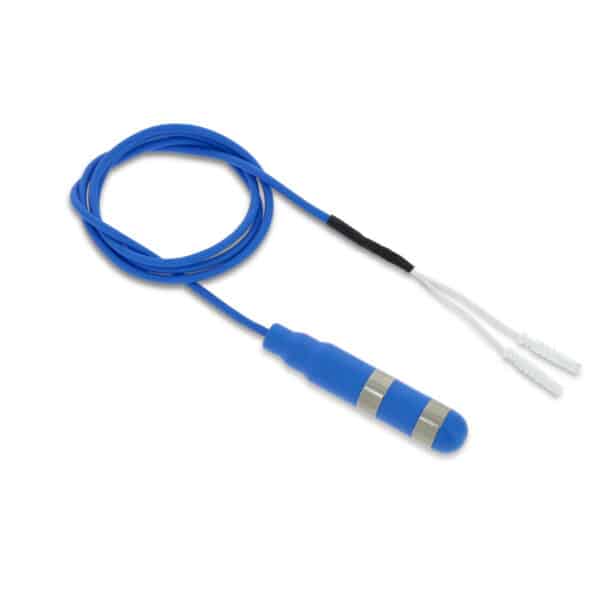
Vaginal probes are used for perineal rehabilitation in women, particularly in cases of urinary incontinence, postpartum recovery, or pelvic muscle weakness. They allow for targeted exercise through biofeedback or electrostimulation.
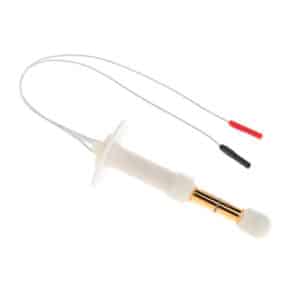
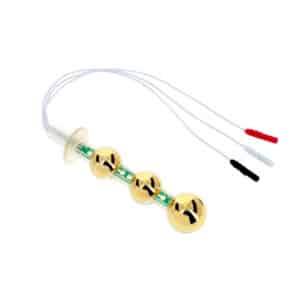
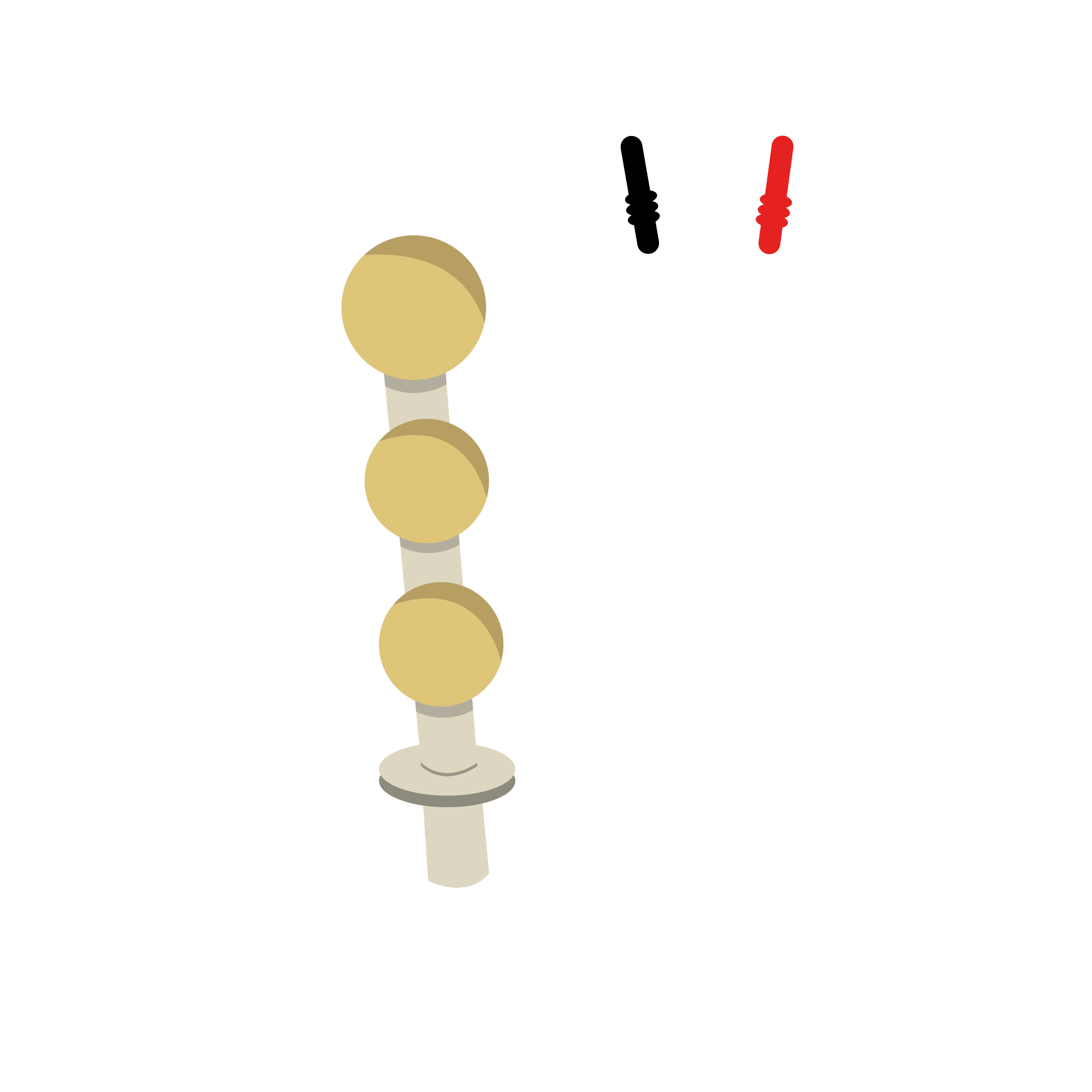
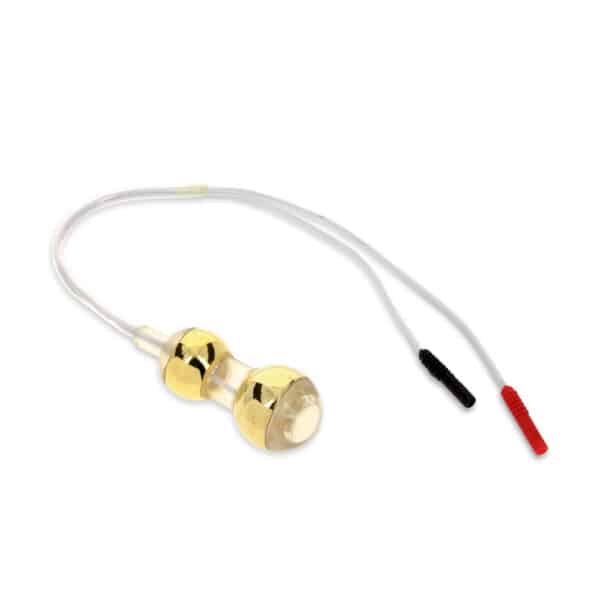
Anal probes
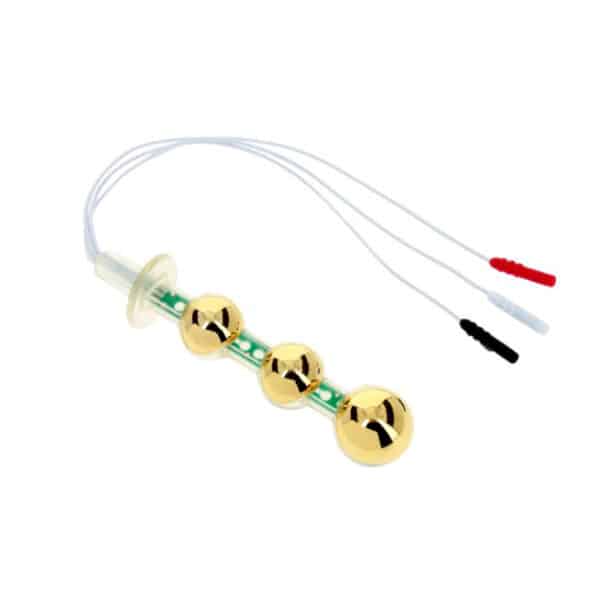
Anal probes are suitable for perineal rehabilitation in both men and women, particularly for treating urinary or fecal incontinence. They offer an effective solution for strengthening the pelvic floor muscles through electrostimulation.
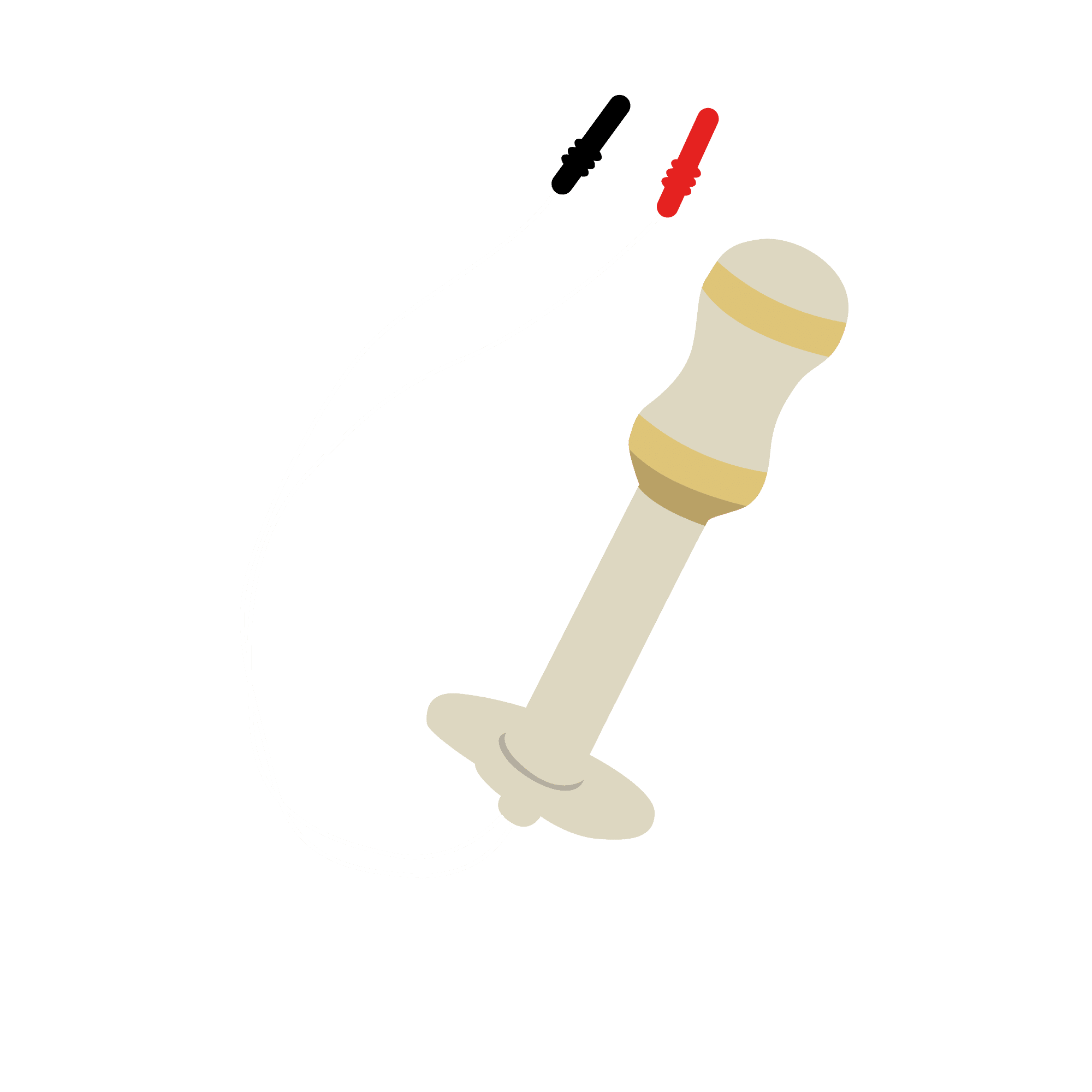
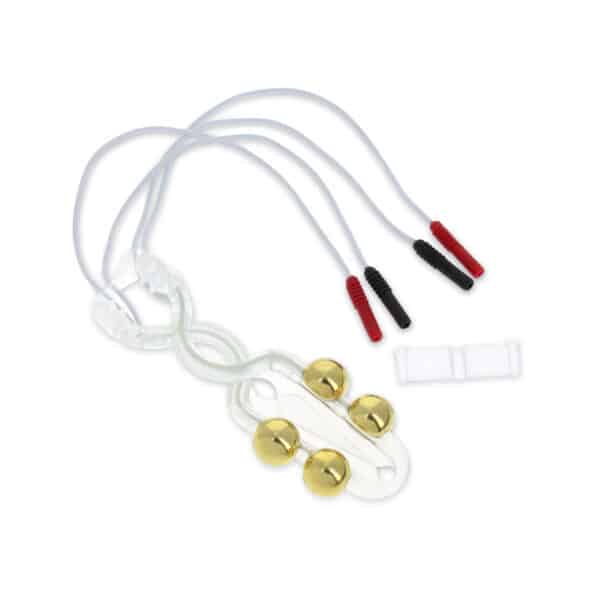
Electrostimulators
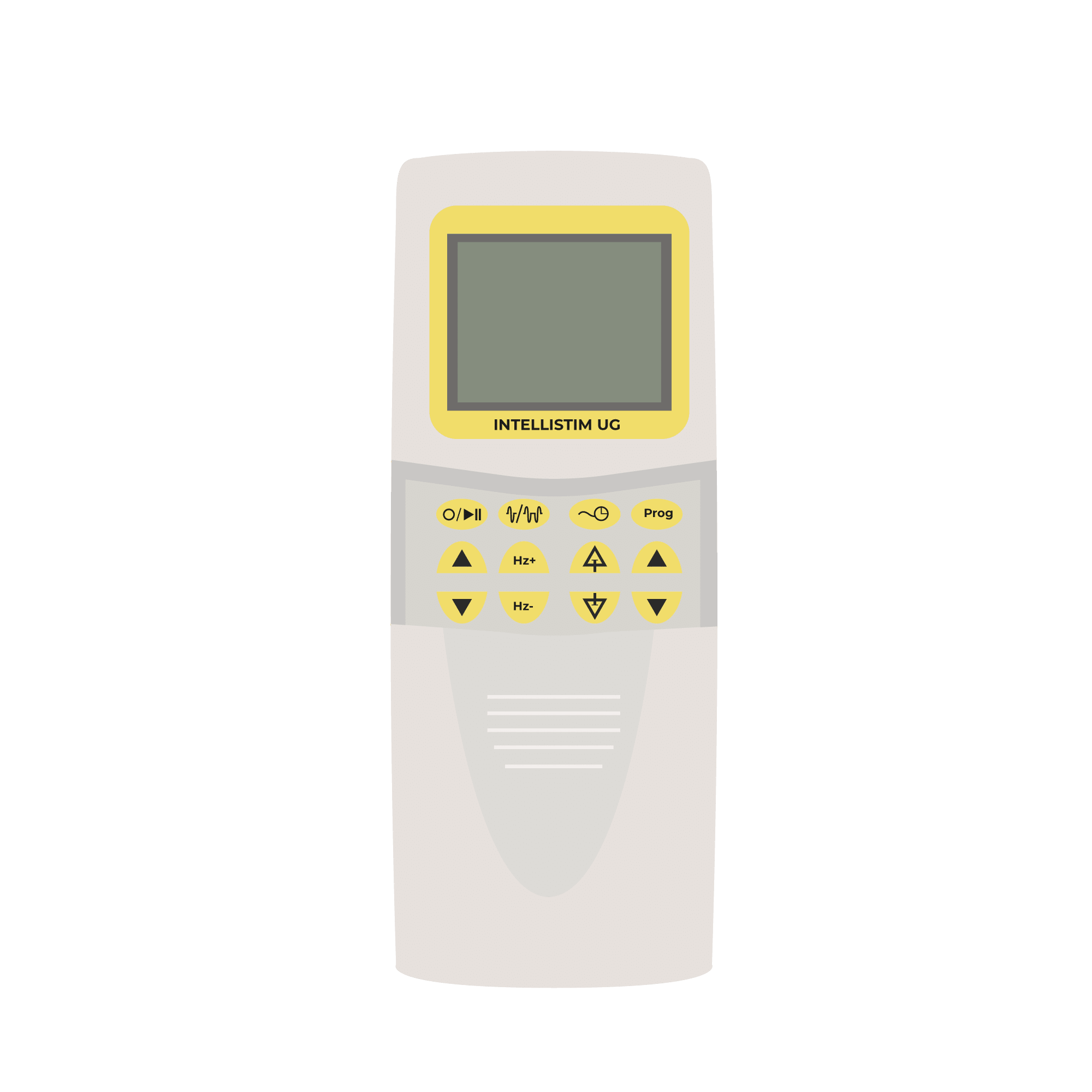
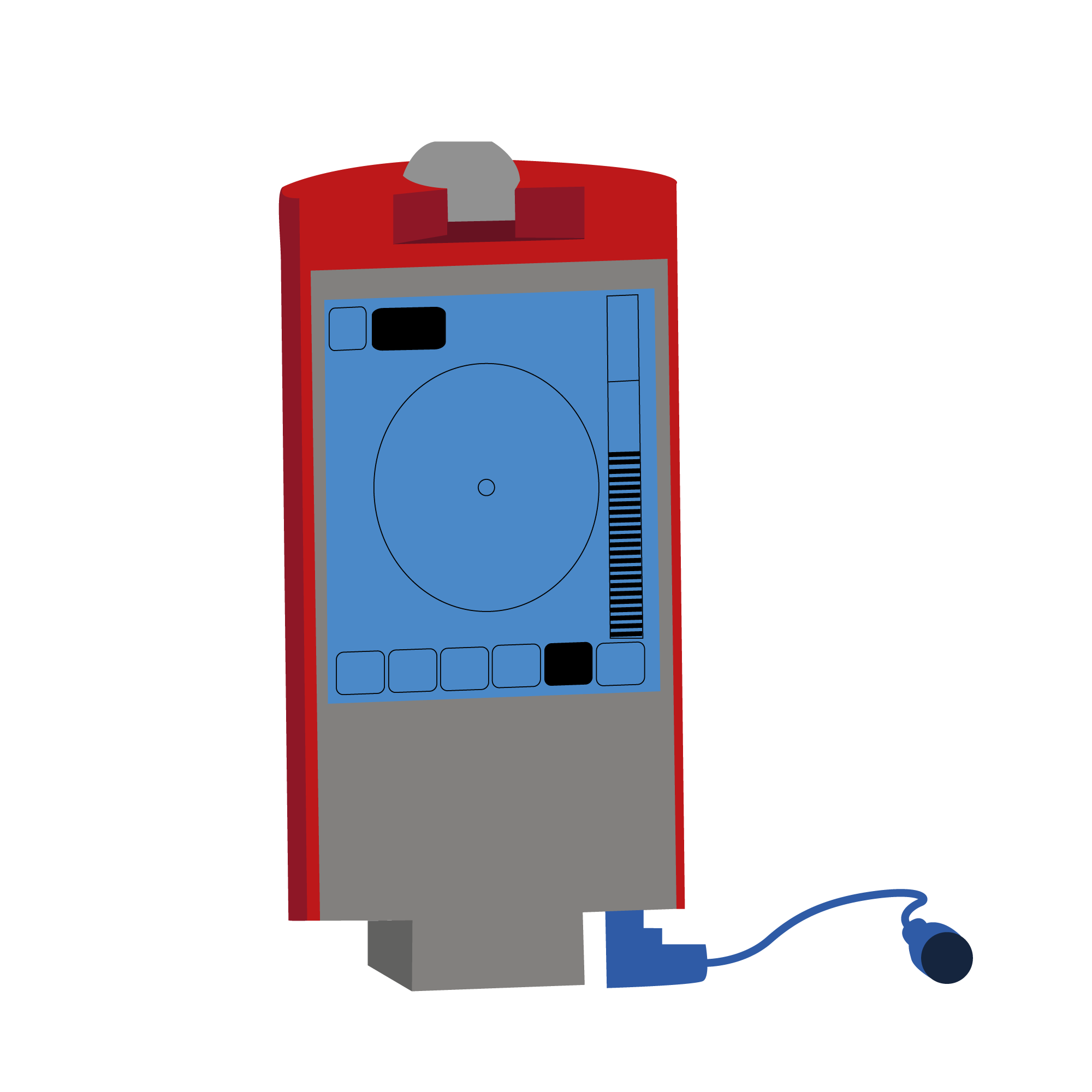
A perineal electrical stimulator is a device that sends mild electrical impulses to stimulate and strengthen the perineal muscles. It is recommended as part of a home rehabilitation program, often in conjunction with medical supervision.





Key Takeaways
Swimming, cycling, walking, yoga, golf: these sports are gentle on the pelvic floor and suitable for everyone.
Sports involving jumping and impact place greater strain on the pelvic floor, but they’re still entirely possible with a strong pelvic floor.
And if you experience incontinence, rehabilitation allows you to keep moving without giving up the activities you love.
So, are you ready to put on your sneakers (or your swimsuit)? 💪
⇒ To learn more, (re)read our article “ Urinary Leakage When Coughing or Sneezing: Causes and Solutions ” and “Pelvic Floor Rehabilitation: Process, Steps, and Techniques.”

INTELLISTIM UG®
245,19 € Excl. tax

Frequently Asked Questions
Check out the questions most frequently asked by users.
Can you exercise during perineal rehabilitation?
Yes, in most cases.
The Ministry of Sports’ guide emphasizes that rehabilitation allows you to continue participating in sports, temporarily adapting your sport if necessary.
Your physical therapist will advise you on which activities to prioritize during this period.
When should you start exercising again after giving birth?
It is recommended that you complete your pelvic floor rehabilitation before resuming high-impact sports.
The right time depends on each woman and her delivery: discuss this with your midwife or doctor during your postpartum visit.
Does this apply to men as well?
Yes.
Men also have a perineum, which can be strained by strength or high-impact sports, or weakened after prostate surgery.
The advice in this article applies to everyone.
Are traditional sit-ups bad for the pelvic floor?
Exercises that cause the abdomen to swell or restrict breathing increase pressure on the perineum.
The Ministry of Sports guide recommends instead focusing on the transverse abdominis muscle and performing gentle core exercises as you exhale.
Should you wear protective gear when playing sports?
Protective products can provide comfort and peace of mind, but they do not address the underlying cause of incontinence.
At the same time, it’s best to talk to a professional to discuss rehabilitation options.
Check out our blog

Biofeedback or electrical stimulation: What’s the difference in perineal rehabilitation?
Biofeedback or electrical stimulation: How do these two pelvic floor rehabilitation techniques work, what are they used for, and why combine them?

Urinary Leakage When Coughing or Sneezing: Causes and Solutions
Do you leak urine when you cough or sneeze? That’s stress incontinence. Why it happens and how pelvic floor exercises can help.

Genitourinary Syndrome of Menopause: Symptoms and Solutions
Urinary Incontinence After Prostatectomy: Perineal Rehabilitation
After prostate surgery, urinary incontinence is common but often temporary. Learn about the key role of pelvic floor rehabilitation.

Breast Cancer and Intimacy: Dryness, Incontinence, Solutions
Pink October: Vaginal dryness, urinary incontinence, pain… Breast cancer treatments can affect your intimate health. Causes and solutions.

Lump or discomfort in the vagina: possible causes and when to seek medical attention
Lump or discomfort in the vagina: possible causes and when to see a doctor
Common Misconceptions About the Perineum: 8 Myths You Should Know
Pelvic floor and constipation: Understanding the connection and taking action
The Perineum and Sports: What Activities to Do and How to Protect It
Sources
- Ministère des Sports
- Revue Genesis

