Vaginal Rehabilitation Probe: Differences Between Models
Published on November 13, 2026 · Reading time: 12 minutes.
Vaginal probes:
Why are there so many models, and what sets them apart?
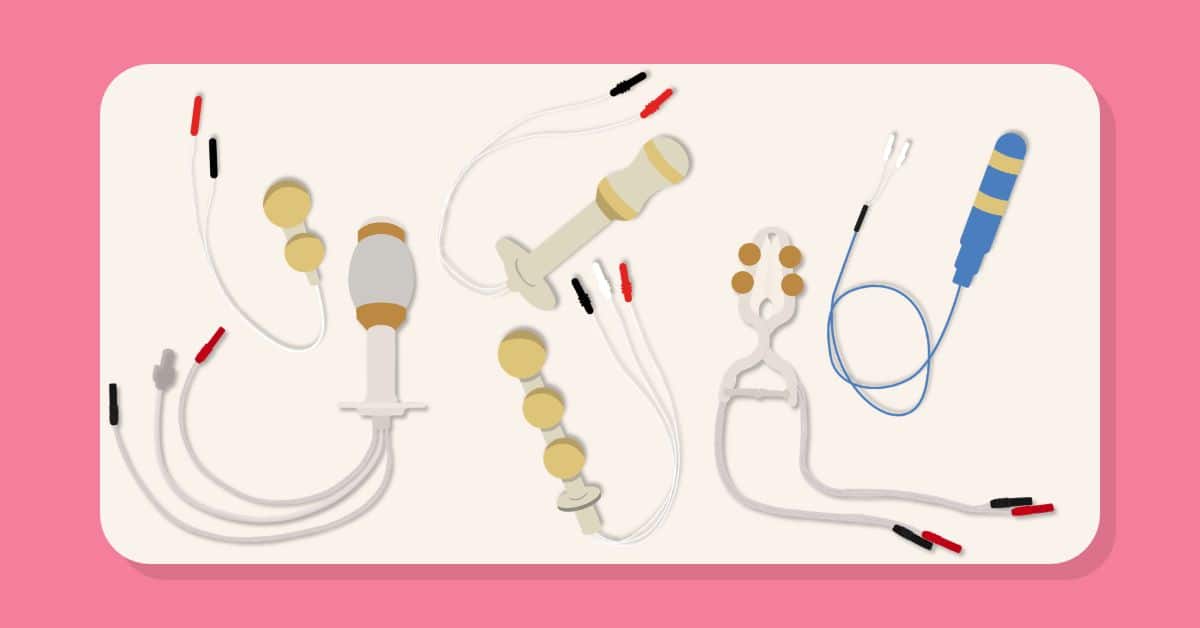
Your physical therapist or midwife has prescribed a vaginal probe, and you’re discovering that there’s a whole range of options: 2-electrode, 3-electrode, tampon-shaped, balloon-shaped…
Why so many models? Quite simply because every perineum is unique: in terms of anatomy, muscle tone, prolapse, asymmetry, and type of rehabilitation… Each probe has been designed to meet specific needs.
We’re introducing our range so you can better understand what sets them apart.
Important: You should never choose a probe on your own. Tests are necessary to determine the probe and rehabilitation program best suited to your situation: your doctor, midwife, or physical therapist will prescribe them for you. This article is intended to help you understand, not to help you choose.
The 4 Criteria That Distinguish Vaginal Probes
1. Features: electrostimulation, EMG biofeedback, pressure
All of our vaginal probes offer electrostimulation, which exercises the muscles using a mild electrical current, and EMG biofeedback, which measures the muscles’ electrical activity to display their contractions on a screen.
⇒ One probe goes a step further: the AIR STIM® includes a balloon that measures the pressure exerted by the perineum.
To learn more, (re)read our article “Biofeedback or Electrostimulation: What’s the Difference in Pelvic Floor Rehabilitation?” ”.
2. The Number and Shape of the Electrodes
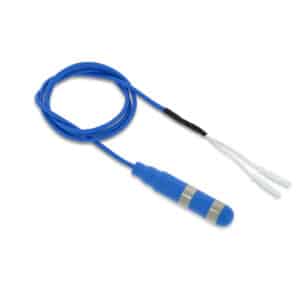
Electrodes are the metal parts that transmit electrical current or detect muscle activity. Their placement makes all the difference:
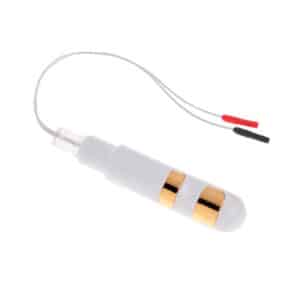
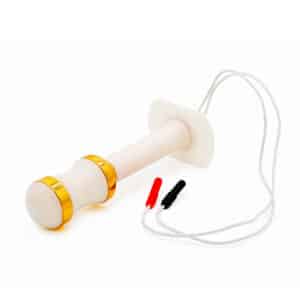
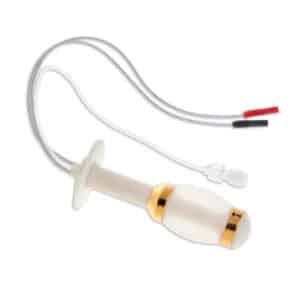
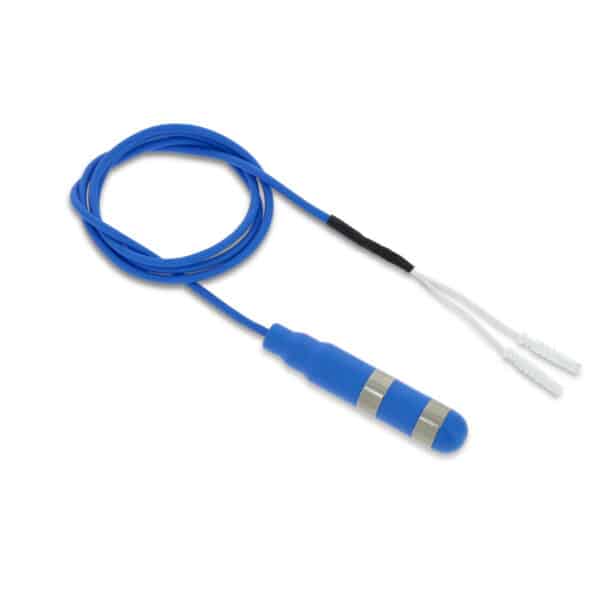
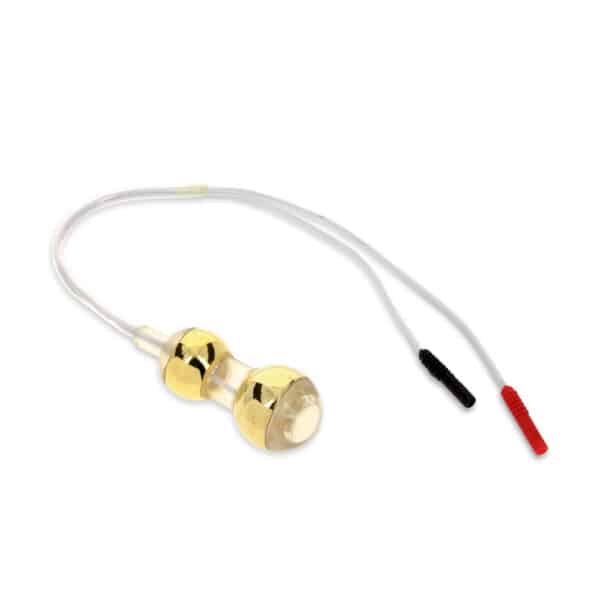
→ Circular electrodes surround the probe: they provide broad stimulation all around.
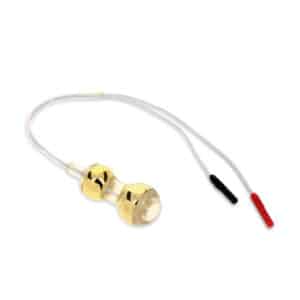
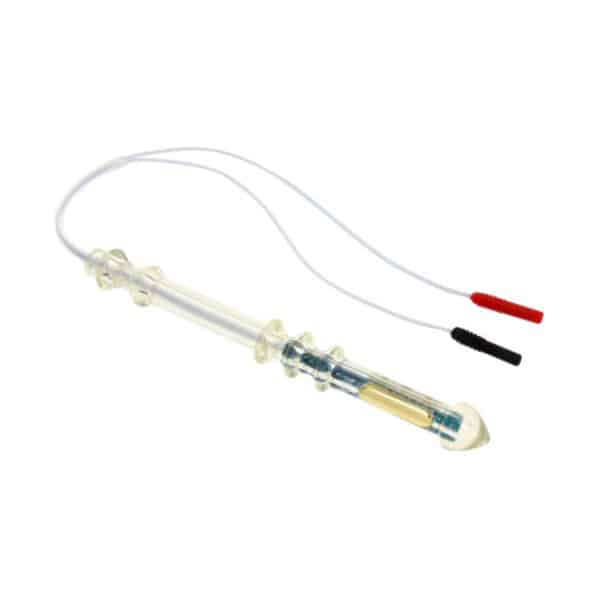
→ Semicircular or hemispherical electrodes cover only part of the probe. They allow you to target a specific area—for example, to work on the right or left side, or to avoid stimulating the front of the vagina.
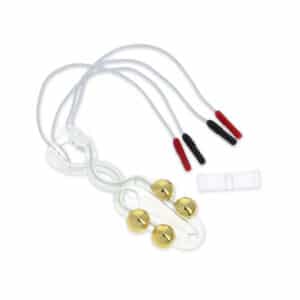
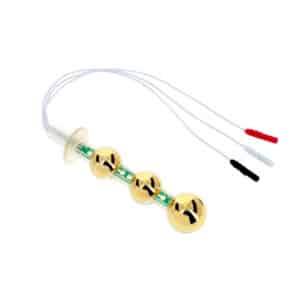
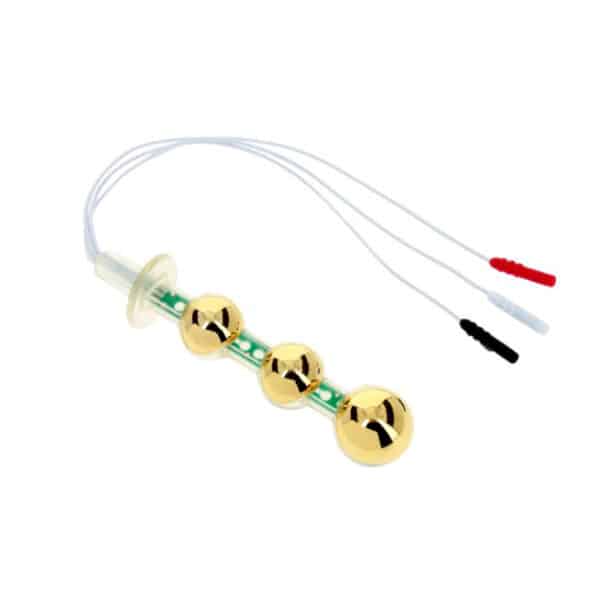
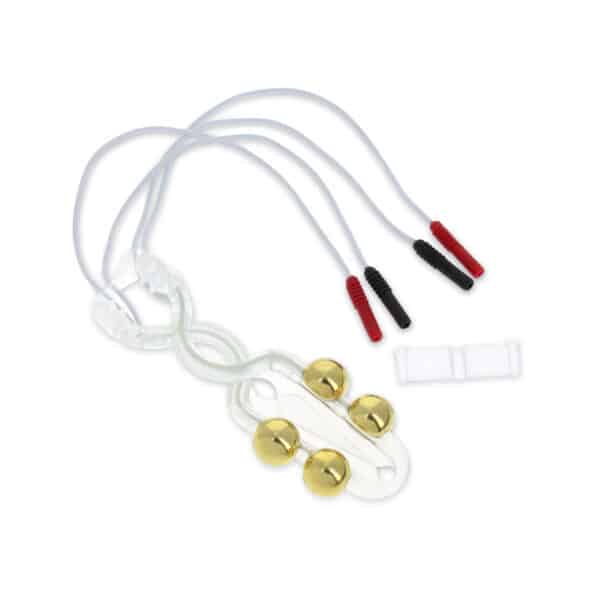
→ Independent electrodes (3 or 4) can be used separately for even more precise work, such as in cases of muscle asymmetry.
3. Size and Shape
Length and diameter vary from one probe to another, ranging from 5.5 cm to 12.5 cm in length.
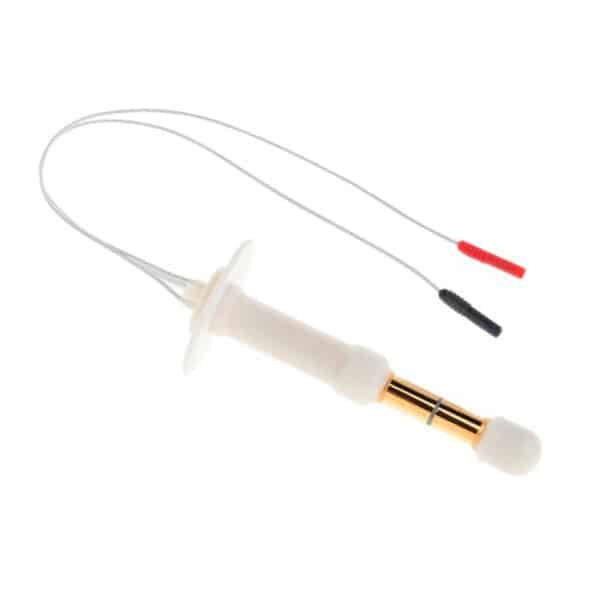
Some are shaped like a tampon, which is more compact, while others feature a system that adapts to the user’s anatomy.
→ The goal: a probe that stays securely in place, is comfortable, and is tailored to each person’s anatomy.
4. Special Situations
Some probes are designed for specific conditions: prolapse, a narrow vagina (atresia), severe vaginal laxity, labor while standing or during physical exertion…
Our line of vaginal probes at a glance
 OPTIMA 3®3 electrodes for targeted work
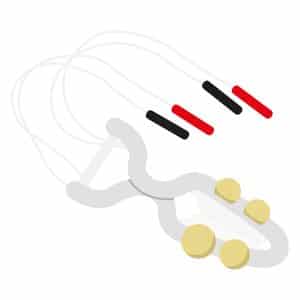 PERISIZE 4®The probe that adapts to all body types
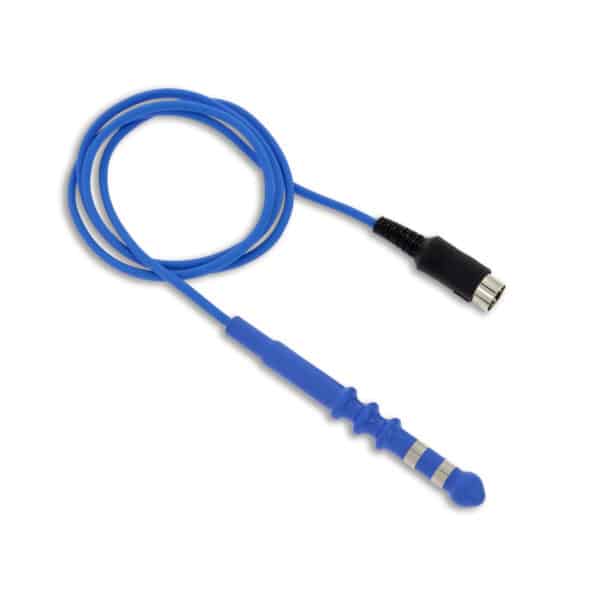
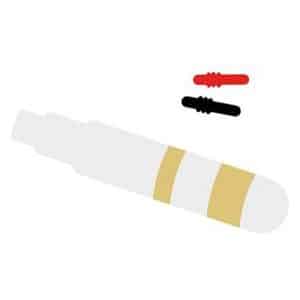 V2B+®2 semi-circular electrodes
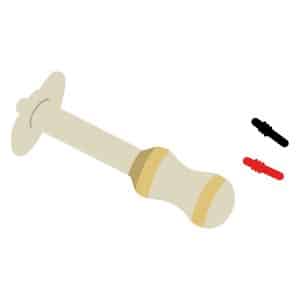 NOVATYS®The tampon shape that stays in place
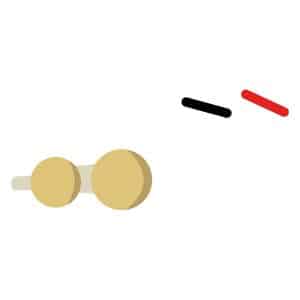 TP2B+ MINIMA®Compact and designed for exertion
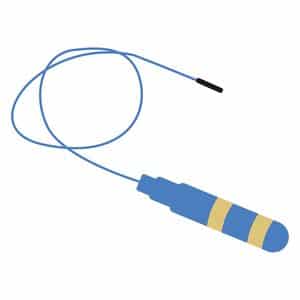 3AT2B®For vaginal atresia
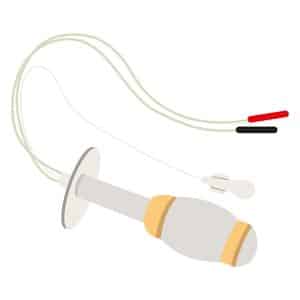 AIR STIM®The 2-in-1 with pressure balloon
Compare our vaginal probes
| Probe | Electrodes | Length | Diameter | Key feature | Details |
|---|---|---|---|---|---|
| OPTIMA 3® | 3 independent hemispherical | 12.5 cm | 2.7 cm | Targeted work, prolapse | View |
| PERISIZE 4® | 4 independent | 11 cm | 4.8 cm (reducible) | All body types, asymmetry | View |
| V2B+® | 2 semi-circular | 12.5 cm | 2.5 cm | Prolapse, left/right work | View |
| NOVATYS® | 2 circular | 12 cm | 2.6 cm | Significant vaginal laxity | View |
| TP2B+ MINIMA® | 2 circular | 5.5 cm | 2.5 cm | Compact, atresia, exertion exercises | View |
| 3AT2B® | 2 circular | 10 cm | 2 cm | Vaginal atresia | View |
| AIR STIM® | 2 circular + pressure balloon | 11.5 cm | – | Electrostimulation + EMG + pressure | View |
Our expertise: At Sugar International, our line of rehabilitation probes was designed by a therapist specializing in urogynecology. For 30 years, we have been supporting professionals who help their patients regain comfort and confidence.

PERISIZE 4®
22,50 € Excl. tax-
Coming back soon
V2B+®
25,00 € Excl. tax -
Lubricating gel with pump, EXS
12,50 € Excl. tax -
3AT2B®
25,00 € Excl. tax -
OPTIMA 3®
22,50 € Excl. tax -
NOVATYS®
22,50 € Excl. tax -
Lubricating gel tube, K-Y
4,85 € Excl. tax -
Coming back soon
AIR STIM®
38,00 € Excl. tax -
TP2B+ MINIMA®
22,50 € Excl. tax



Key Takeaways
We offer such a wide variety of vaginal probes because every perineum, every body type, and every rehabilitation program is different.
Number of electrodes, shape, size, features: every detail matters for effective and comfortable rehabilitation. But one thing remains the same: your healthcare professional chooses the right probe for you after an evaluation.
Now you know what’s behind each model! 😉
⇒ To learn more, (re)read our article “Which perineal rehabilitation probe should you choose? The Complete Guide” and “Pelvic Floor Rehabilitation: Process, Steps, and Techniques.”
-
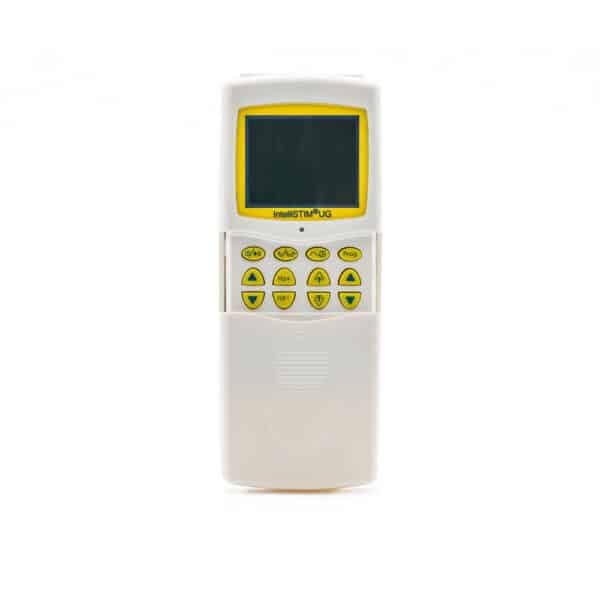
INTELLISTIM UG®
245,19 € Excl. tax
Frequently Asked Questions
Check out the questions most frequently asked by users.
Are vaginal probes covered by insurance?
In France, rehabilitation probes are covered by health insurance when prescribed by a doctor, in the form of a flat-rate reimbursement.
To learn more, read our article “Are perineal probes reimbursed by the French national health insurance?”
How do you care for your vaginal probe?
After each use, simply clean your probe with a cloth dampened with water, to which you may add a small amount of mild soap.
⇒Never submerge it in liquid, do not use harsh chemicals, and do not sterilize it.
Store it clean and dry in its original resealable pouch, away from heat. Since its electrodes are gold-plated, keep it away from sulfur as well.
👉 Find all our recommendations in our article “Caring for a Perineal Rehabilitation Probe: The Complete Guide”
Is the probe personal?
Yes, a rehabilitation probe is for strictly personal use only: it should not be lent or shared.
It is a medical device classified as a “disposable,” designed for approximately 60 sessions.
Replace it as soon as it is worn out or damaged, and stop using it if its electrodes are visibly damaged.
Is my probe compatible with my physical therapist's device?
Our probes connect via 2-mm banana plugs (and DIN connectors for one version of the 3AT2B®), a widely used standard.
If in doubt, check with your service professional to see what type of connection their device uses.
Can men use a vaginal probe?
No.
In men, instrumental perineal rehabilitation is performed using an anal probe. 👉 [Discover our anal probes]
Check out our blog

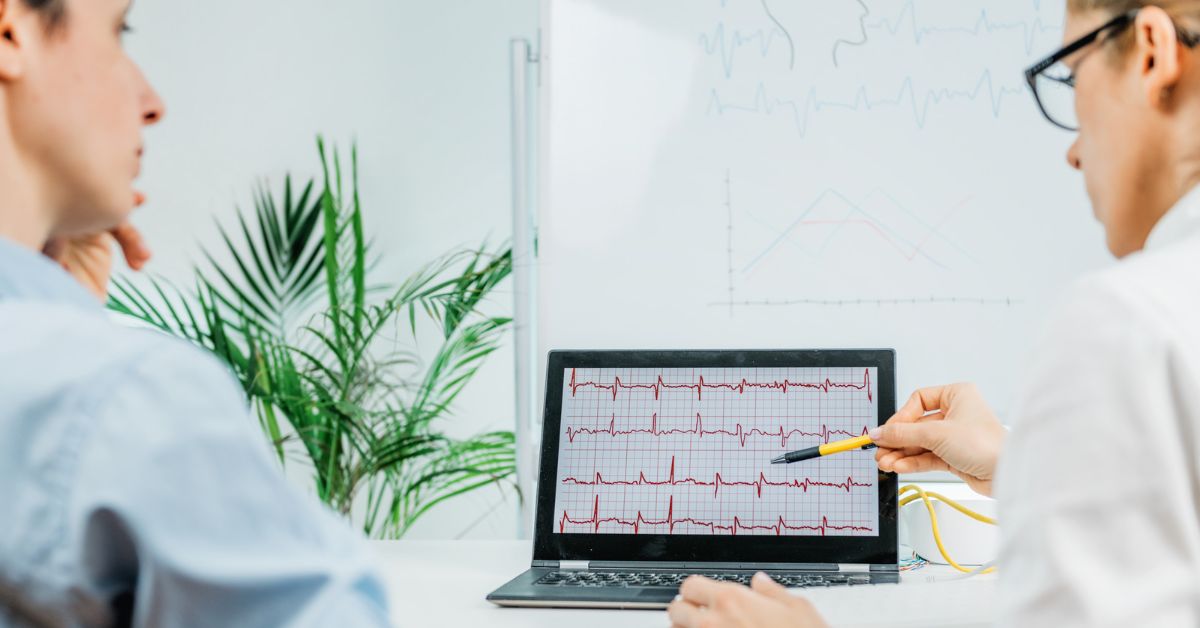
Biofeedback or electrical stimulation: What’s the difference in perineal rehabilitation?
Biofeedback or electrical stimulation: How do these two pelvic floor rehabilitation techniques work, what are they used for, and why combine them?
Exercise and the Pelvic Floor: Which Sports Should You Choose to Prevent Urinary Incontinence?

Urinary Leakage When Coughing or Sneezing: Causes and Solutions
Do you leak urine when you cough or sneeze? That’s stress incontinence. Why it happens and how pelvic floor exercises can help.

Genitourinary Syndrome of Menopause: Symptoms and Solutions
Urinary Incontinence After Prostatectomy: Perineal Rehabilitation
After prostate surgery, urinary incontinence is common but often temporary. Learn about the key role of pelvic floor rehabilitation.

Breast Cancer and Intimacy: Dryness, Incontinence, Solutions
Pink October: Vaginal dryness, urinary incontinence, pain… Breast cancer treatments can affect your intimate health. Causes and solutions.