
Pelvic floor and constipation: Understanding the connection and taking action
Pelvic Floor and Constipation:
The Unexpected Connection (and How to Break the Vicious Cycle)
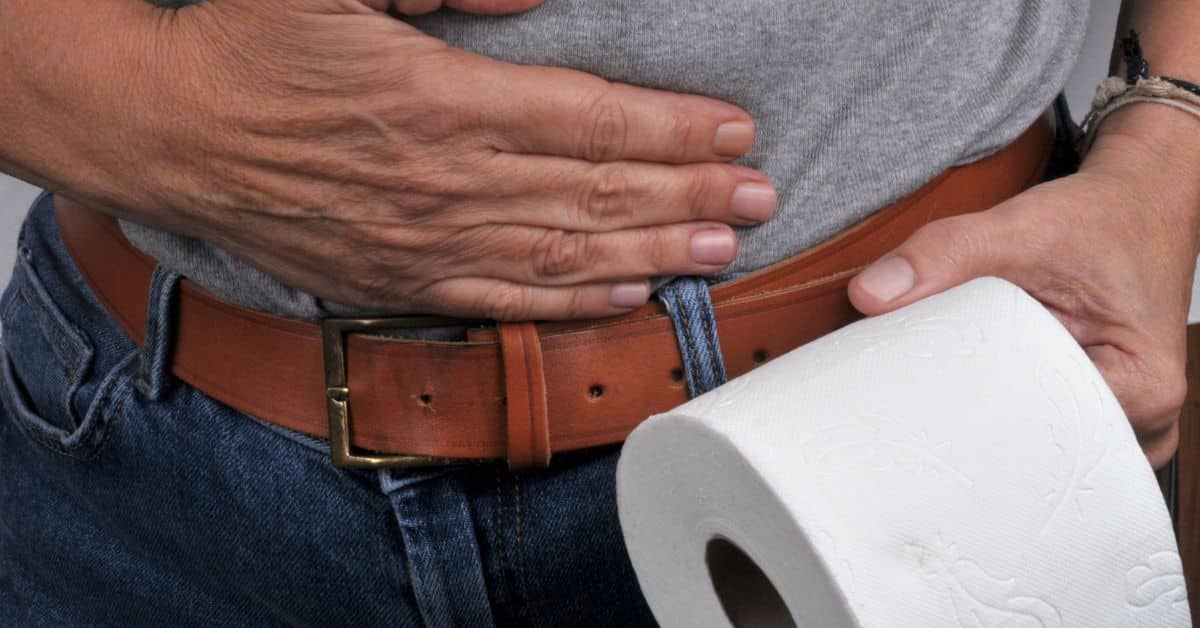
It’s not something that immediately comes to mind, but your bowel movements and your pelvic floor are closely connected.
Constipation can strain the pelvic floor, and a weakened pelvic floor can make bowel movements more difficult. It’s a vicious cycle—one that’s best understood so you can break it.
We’ll explain everything, without holding anything back.
Important before you begin: Please note that the purpose of this article is to raise your awareness about the perineum and its potential connection to constipation. This article is purely informational and is not a substitute for the advice of a healthcare professional. We recommend that you consult a specialist if you have any concerns.
Constipation and the Perineum: What’s the Connection?
The connection lies in a key word: pressure.
When bowel movements are difficult and you strain to pass stool, you exert strong downward pressure directly on the pelvic floor.
Repeated day after day, this pressure places enormous strain on the perineum, the hammock of muscles that supports the pelvic organs. Over time, it can contribute to fatigue and weakness in the perineum.
This is one of the reasons why chronic constipation is often cited as a factor that weakens the perineum.
A vicious cycle in both directions
Where it gets complicated is that the relationship works both ways.
→ On the one hand, constipation strains the perineum (due to repeated pushing).
→ On the other hand, a poorly functioning pelvic floor can interfere with bowel movements. The pelvic floor plays a key role in proper bowel function: when it doesn’t coordinate correctly (for example, if it doesn’t relax at the right time), it can make passing stool more difficult.
This creates a vicious cycle: constipation strains the pelvic floor, and a weakened pelvic floor perpetuates constipation.
⇒ But here’s the good news: you can address both issues.
How to Protect Your Pelvic Floor in Your Daily Life
A few simple habits can help reduce pressure on the perineum and ease bowel movements.
⇒ Don’t strain when using the restroom. Avoid prolonged pushing: it’s exhausting for the perineum. Take your time without straining.
⇒ Adopt a good posture. Raising your feet slightly (using a small step stool) positions your body in a way that facilitates bowel movements, reducing the need to strain.
⇒ Maintain a healthy lifestyle. A high-fiber diet, staying well-hydrated, and regular physical activity promote regular bowel movements, which in turn reduces pressure on the perineum.
⇒ Don’t hold it in. Going to the bathroom when you feel the urge prevents stool from sitting in the colon and hardening.
When should you see a doctor?
If you have chronic constipation, or if you also notice signs of a weakened pelvic floor (incontinence, a feeling of heaviness, discomfort), it’s a good idea to talk to a healthcare professional.
Persistent constipation isn’t inevitable and deserves to be treated, especially since it can have several causes.
Depending on the situation, pelvic floor rehabilitation may be recommended. It helps improve coordination of the pelvic floor, particularly by teaching you to relax it at the right moment, which can facilitate bowel movements.
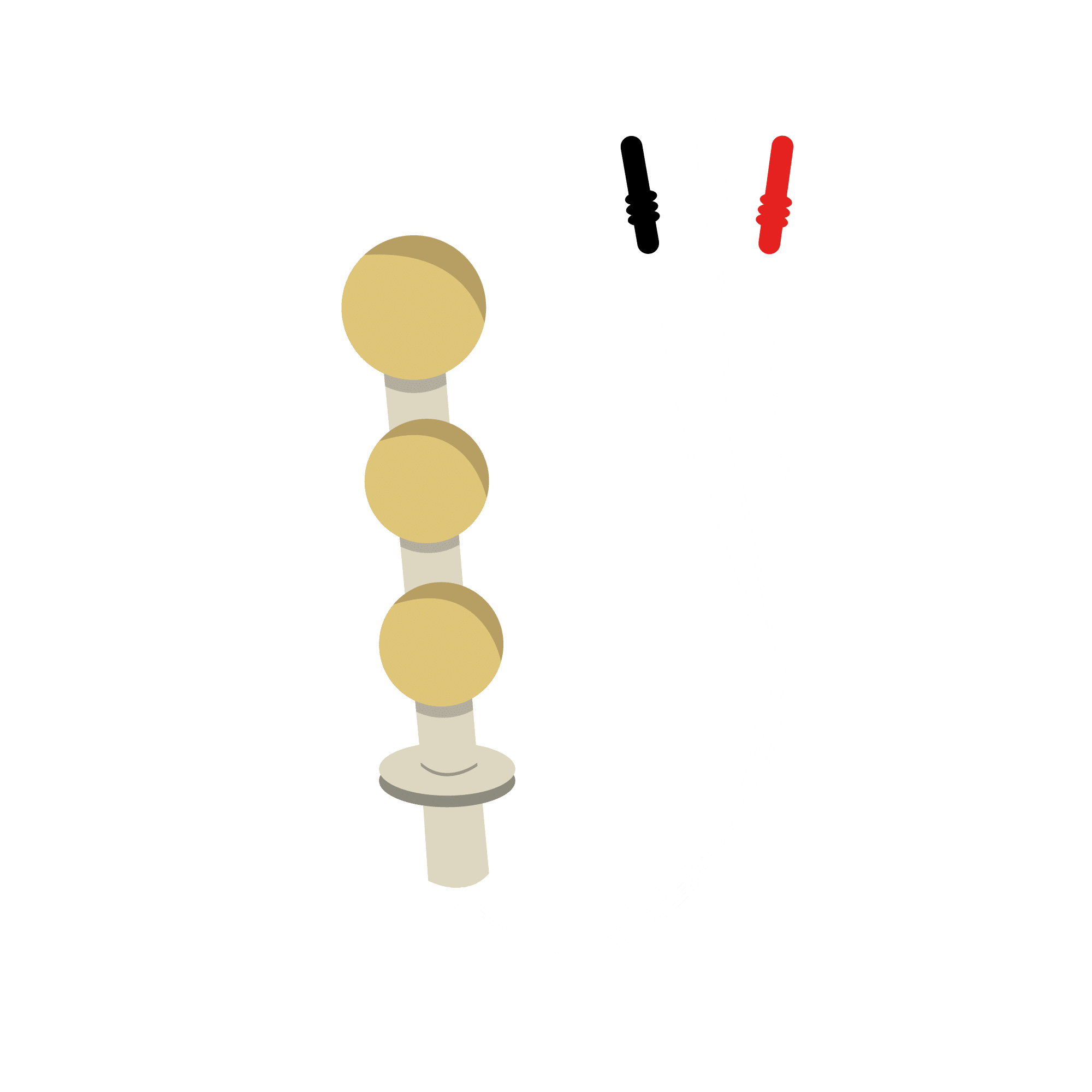
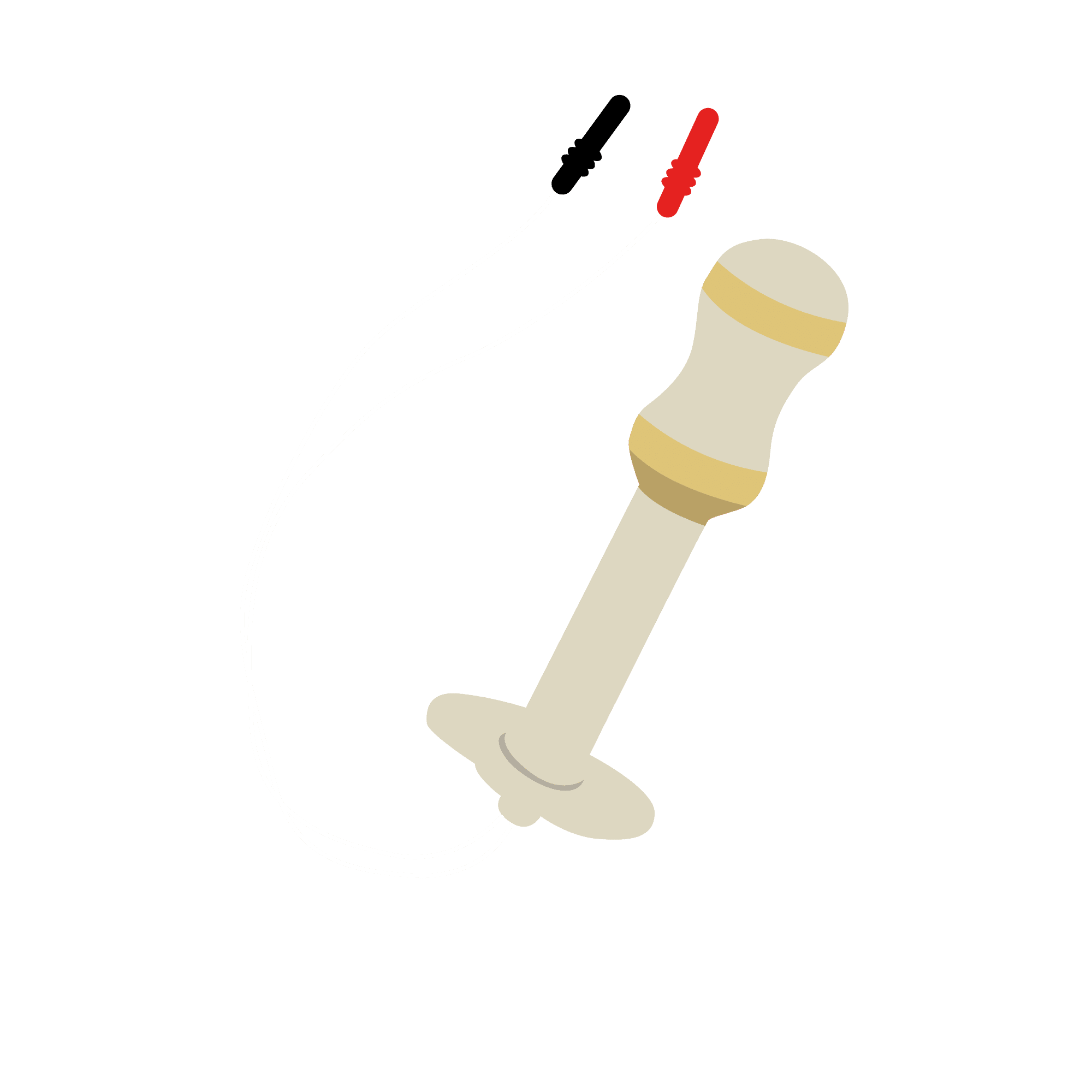
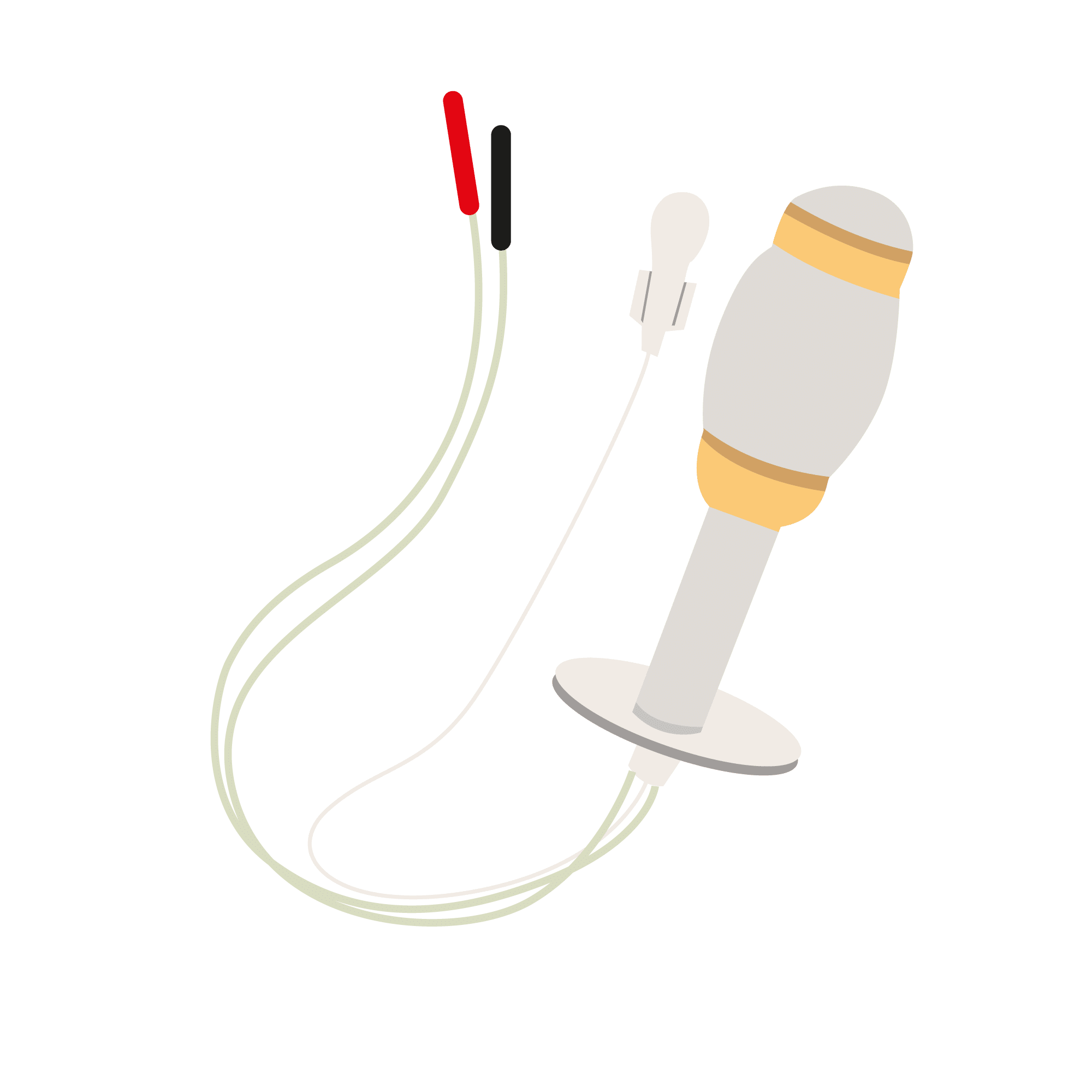
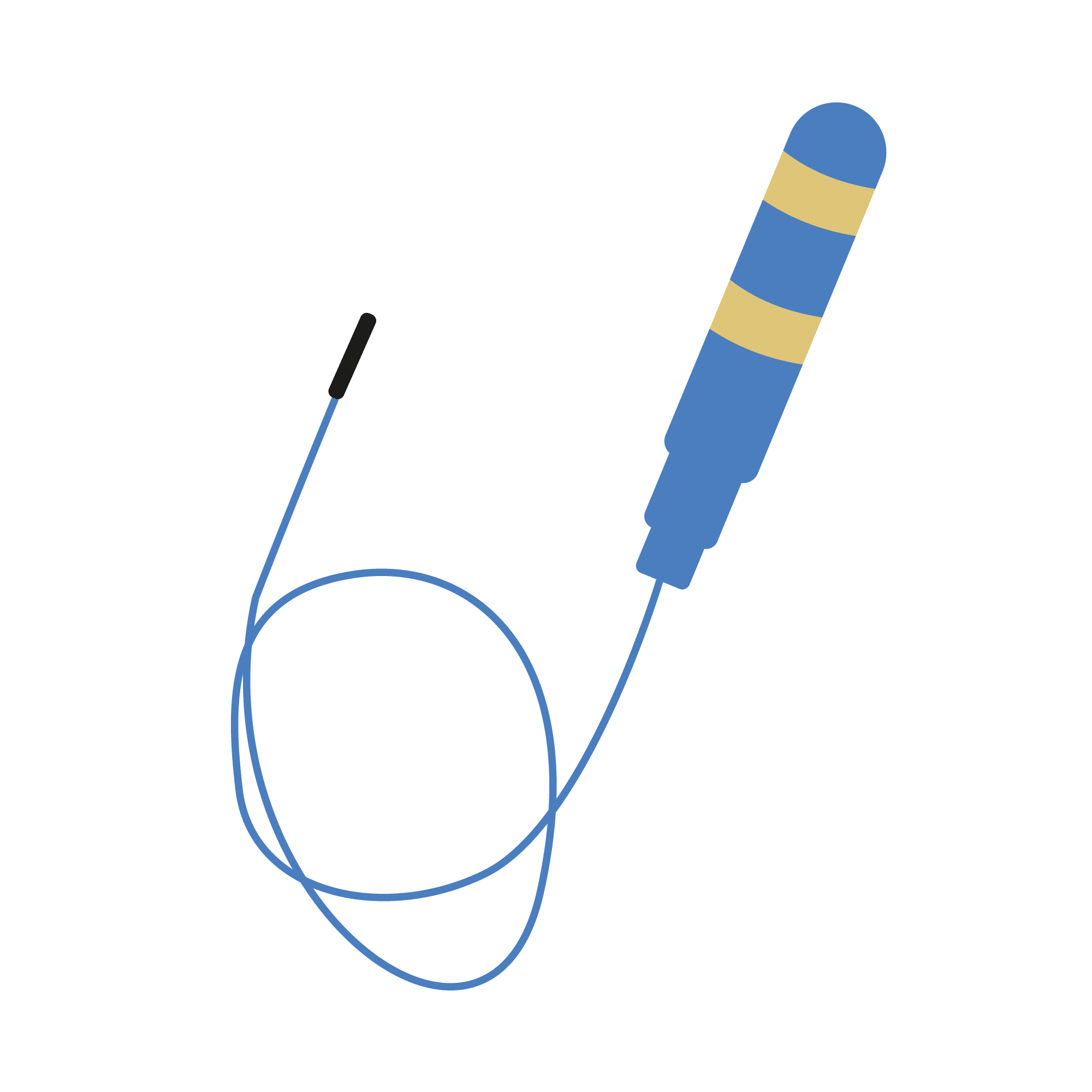
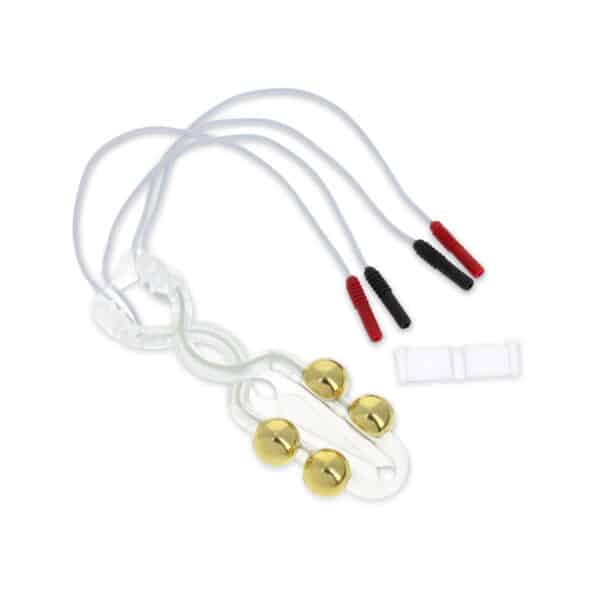
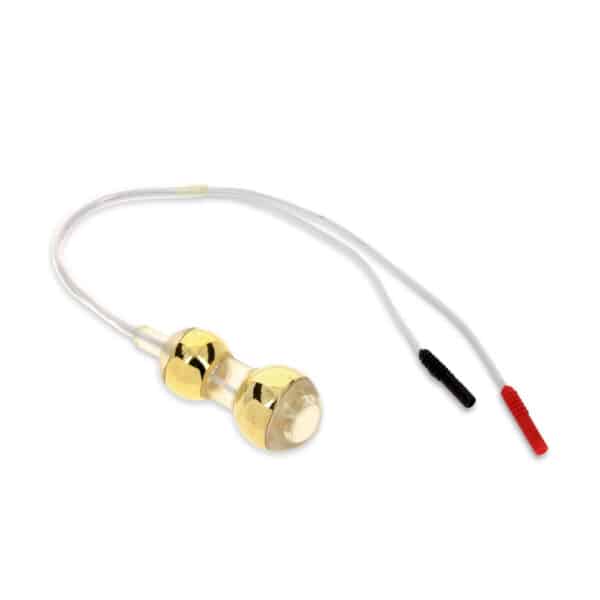
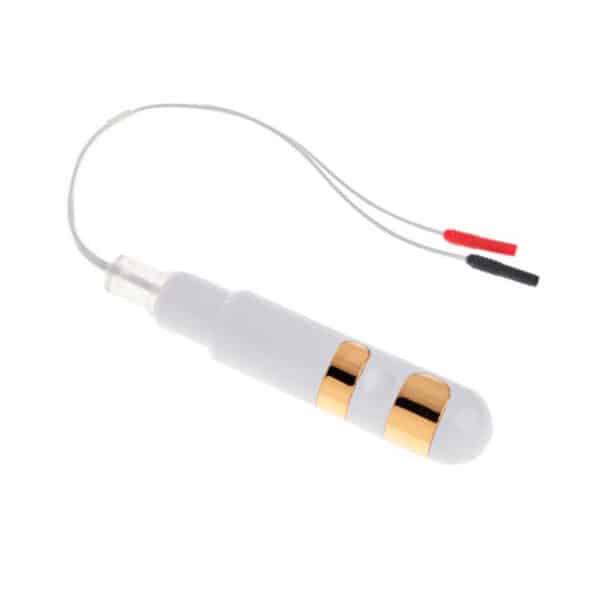
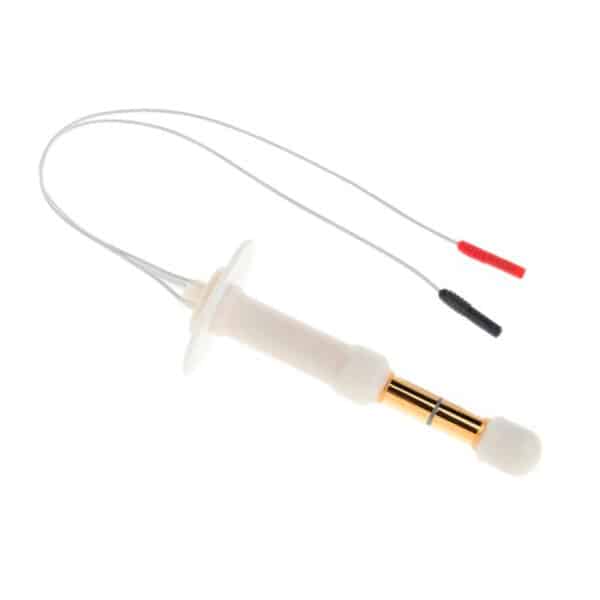
This rehabilitation sometimes involves biofeedback and electrostimulation, using a perineal rehabilitation probe (there are anal probes specifically designed for working on the anorectal region, for both women and men).
At Sugar International, our product line specifically addresses these needs, complementing professional care.

INTELLISTIM UG®
255,00 € HT

Devices that can help at home
Vaginal probes
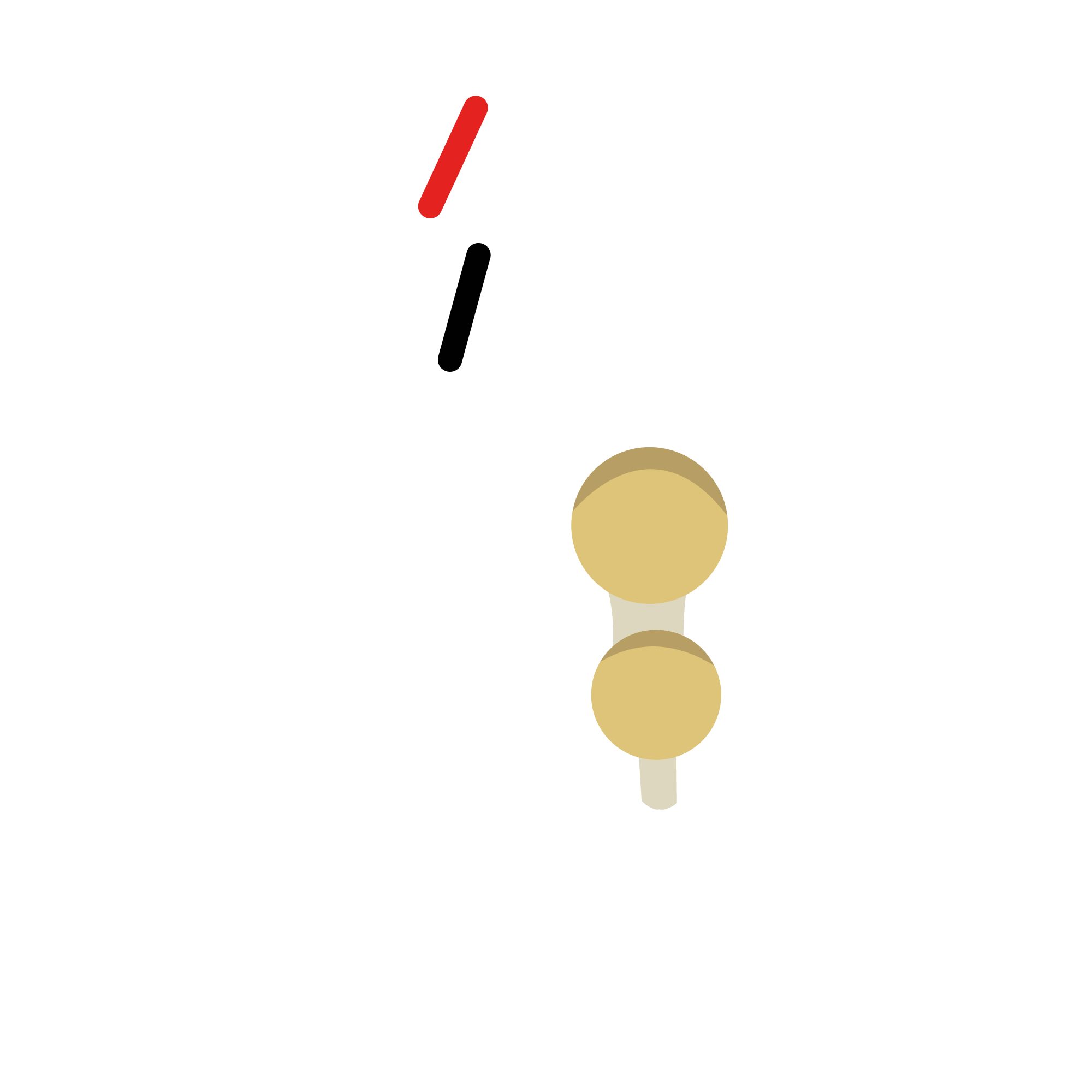
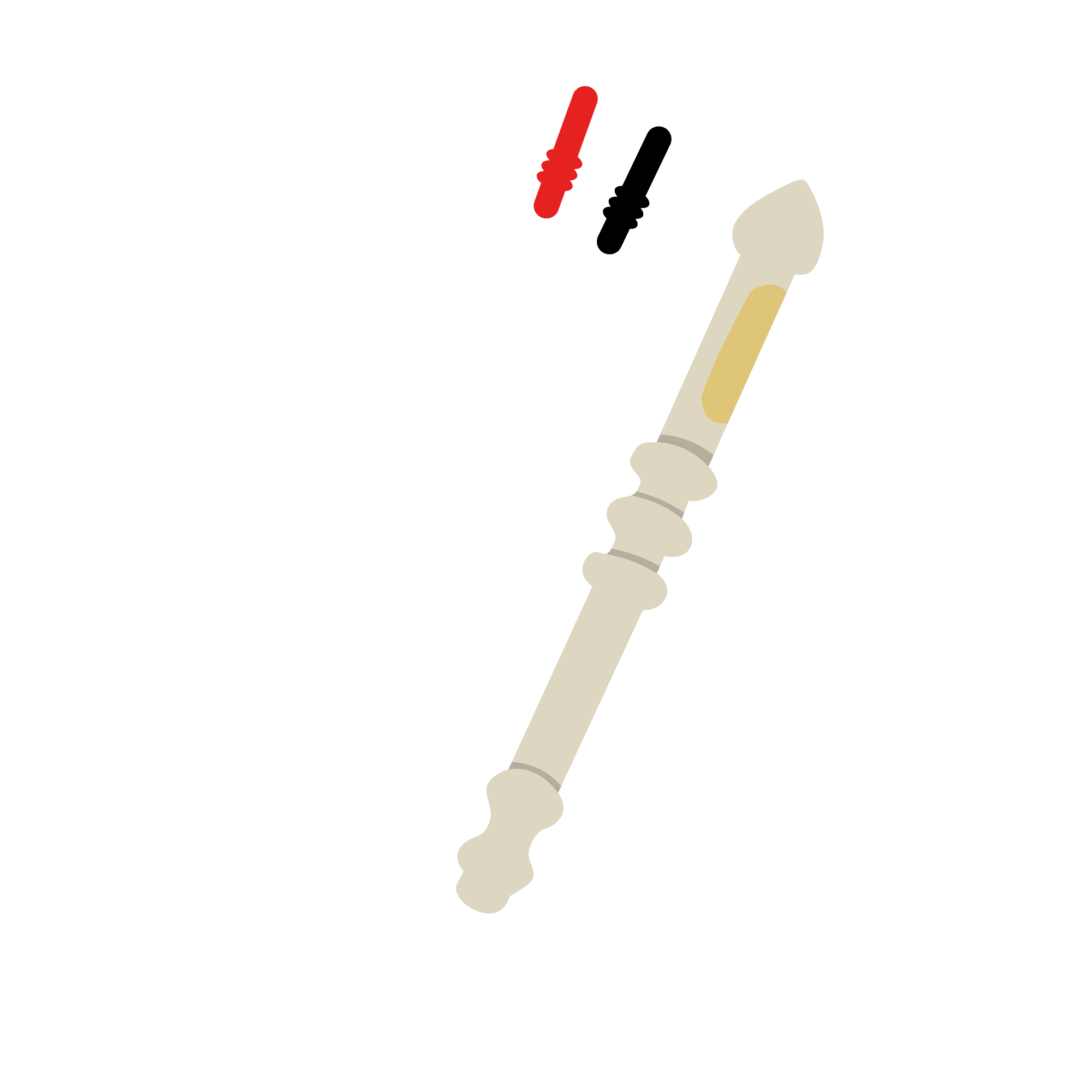
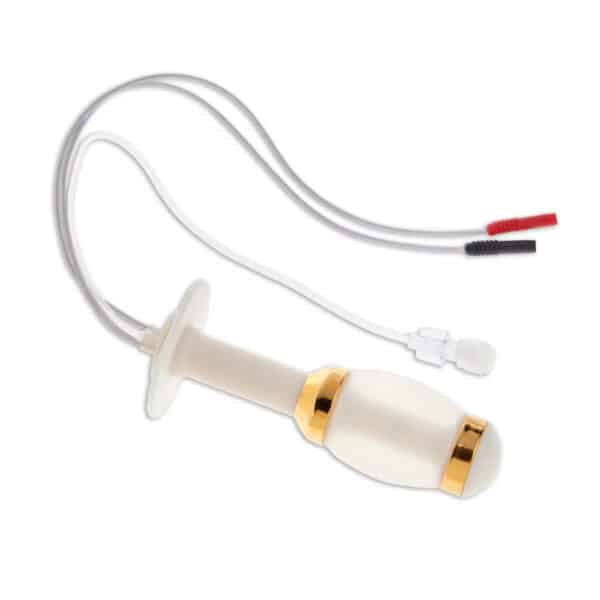
Vaginal probes are used for perineal rehabilitation in women, particularly in cases of urinary incontinence, postpartum recovery, or pelvic muscle weakness. They allow for targeted exercises using biofeedback or electrostimulation.
Anal probes
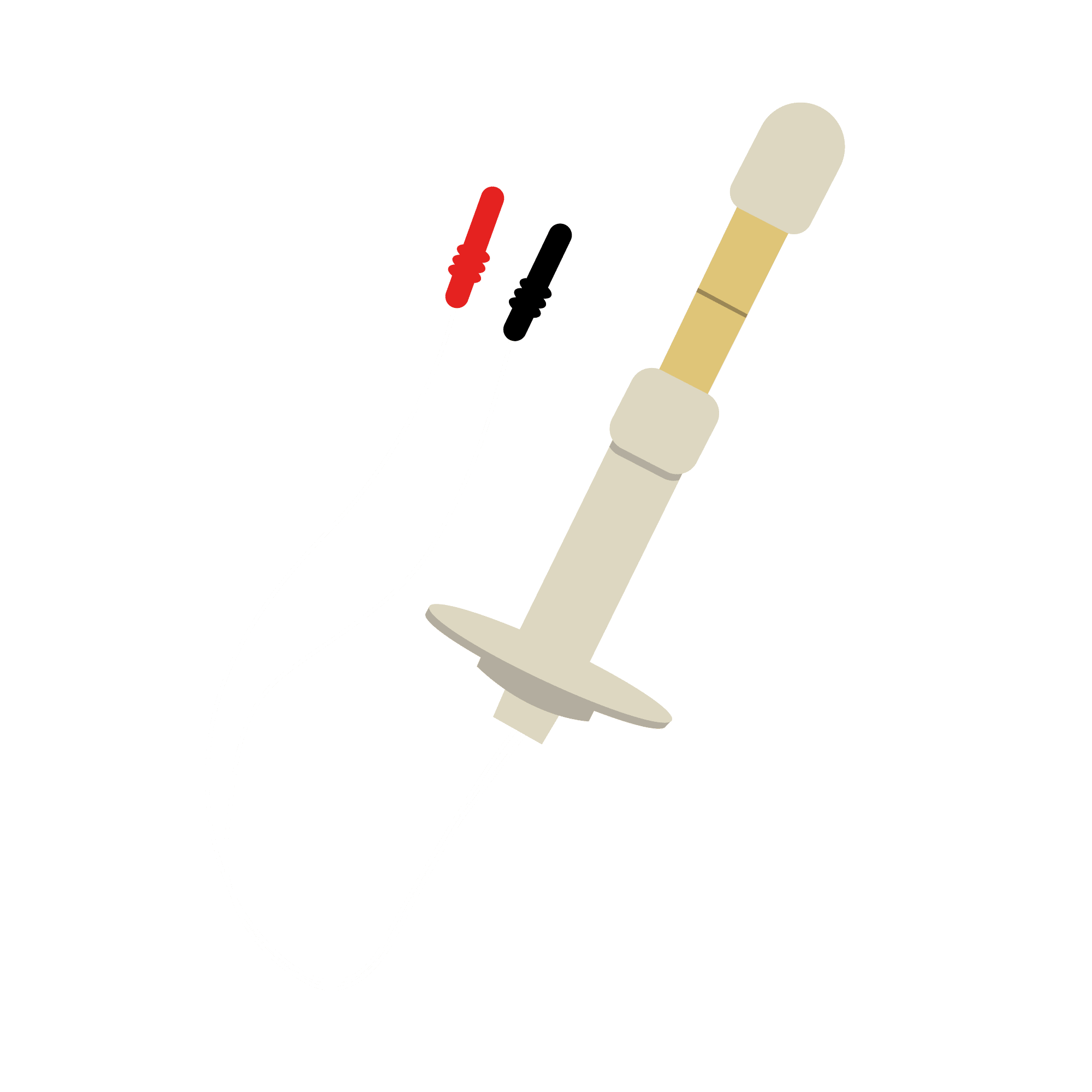
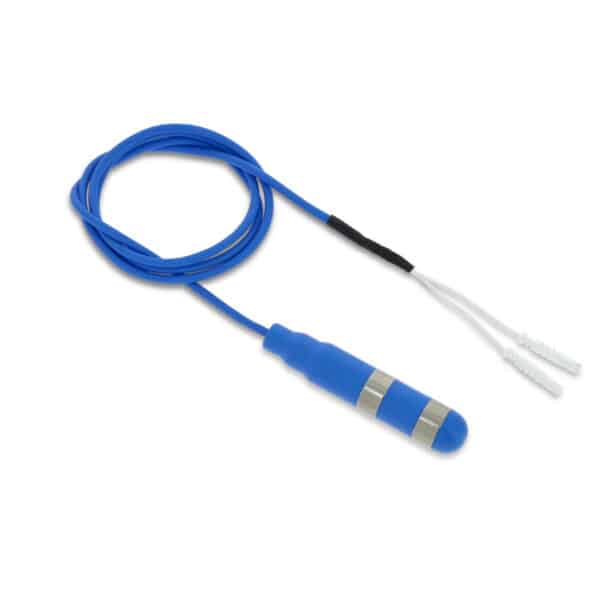
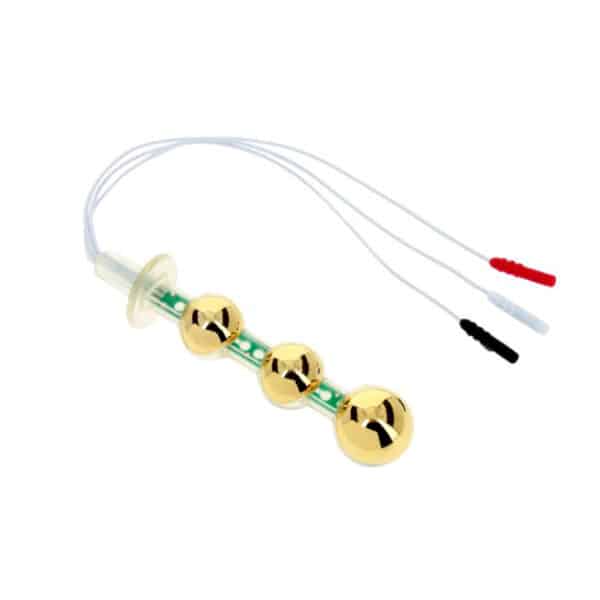
Anal probes are suitable for perineal rehabilitation in both men and women, particularly for treating urinary or fecal incontinence. They offer an effective solution for strengthening the pelvic floor muscles through electrostimulation.
Electrostimulators
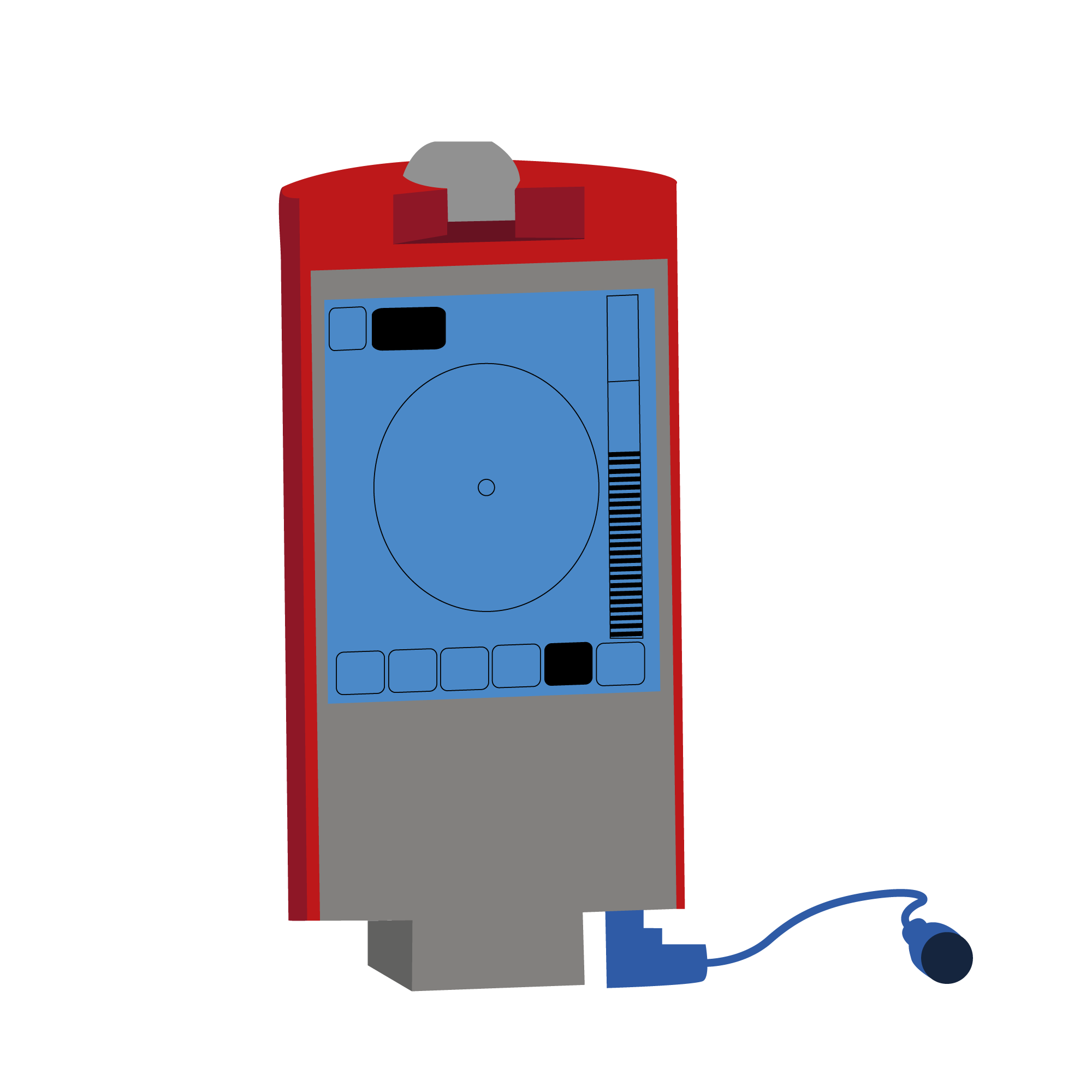
A perineal electrostimulator is a device that sends mild electrical impulses to stimulate and strengthen the perineal muscles. It is recommended as part of a home rehabilitation program, often in conjunction with medical supervision.





In conclusion
Constipation and the perineum are linked by a vicious cycle: straining during bowel movements strains the perineum, and poor perineal coordination can interfere with bowel movements.
By adopting the right habits (not straining, maintaining proper posture, leading a healthy lifestyle, and not holding it in) and, if necessary, undergoing appropriate rehabilitation, you can break this cycle and find relief from both issues.
This is a topic that isn’t discussed often enough, yet it’s essential for everyday comfort.
⇒ To understand the basics, (re)read our article “The Perineum: Definition, Role, and Importance for Health ⬈.” And to learn everything about the process, check out our article “Perineal Rehabilitation: Process, Steps, and Techniques ⬈”
-
INTELLISTIM UG®
255,00 € HT
Frequently asked questions
Check out the questions most frequently asked by users.
Does the squatting position really help with bowel movements?
Elevating your feet to bring yourself closer to a squatting position often places the body in a posture that is more conducive to bowel movements, which reduces the need to strain.
A simple, small step stool may be all you need.
⇒ In cases of persistent constipation, it is still recommended to seek professional advice.
Which foods promote healthy digestion?
In general, a high-fiber diet (fruits, vegetables, whole grains, legumes) and staying well-hydrated help with digestion.
Since everyone is different, a healthcare professional or dietitian can provide more specific advice based on your individual situation.
Can constipation cause hemorrhoids?
Straining due to constipation is often cited as a factor that contributes to hemorrhoids.
If this applies to you, it’s best to talk to a healthcare professional, who can provide guidance.
Can children have perineal problems related to bowel movements?
Constipation also occurs in children.
The issues and treatment are specific to this age group: if you have any concerns, you should consult a healthcare professional (doctor, pediatrician), who will assess the situation.
Is there a specific rehabilitation program for constipation?
Yes.
There is a form of anorectal rehabilitation, supervised by a professional, that can help improve perineal coordination and facilitate bowel movements, particularly through biofeedback.
Your doctor or healthcare provider can tell you whether this is appropriate for you.
Check out our blog


The Perineum and Sports: What Activities to Do and How to Protect It
Pelvic Floor and Pregnancy: Rehabilitation Before and After Childbirth
How to Use a Perineal Rehabilitation Probe: Instructions for Use
Insertion, lubrication, connection, precautions, warnings… Learn how to use your perineal rehabilitation probe correctly, step by step and safely.
Constantly contracting your pelvic floor muscles: myth or good idea?
Caring for a Perineal Rehabilitation Probe: The Complete Guide
Cleaning, drying, storage, lifespan… Learn how to properly care for your pelvic floor rehabilitation probe to keep it hygienic and ensure its longevity.
Pelvic Floor Exercises at Home: A Gentle Guide
Urinary Incontinence: Causes, Forms, and Solutions
Male Pelvic Floor: Function, Signs of Weakness, and Rehabilitation
Yes, men have a perineum! Its role, signs of weakness, rehabilitation after prostate surgery… Learn all about the male perineum.

Which Perineal Rehabilitation Probe Should You Choose? The Complete Guide
Vaginal or anal? Electrostimulation or biofeedback? Find out how to choose the perineal rehabilitation probe that best suits your needs.
Pelvic Floor Rehabilitation: Process, Steps, and Techniques
Assessments, exercises, biofeedback, probes… Learn how pelvic floor rehabilitation works, step by step, for both women and men.

